August 2, 2026 · 4 min read
For many, the image of backpacking conjures a traditional tent: a cozy haven after a long day's hike. Yet, as the world of outdoor gear evolves and adventurers seek increasingly unique and challenging landscapes, the conventional tent isn't always the optimal choice. Sometimes, it's not just about comfort, but about suitability, weight, and even cultural immersion.
From gale-battered Scottish coastlines to high-altitude Peruvian passes, and even surreal lava fields, there are countless places where a traditional tent might prove more hindrance than help. We'll explore why you might regret that conventional purchase and what innovative, often lighter, alternatives open up new possibilities for exploration in some of the world's most fascinating, lesser-known locales.

1. The Hermit's Stone Refuge
Strathchailleach Bothy, Scotland
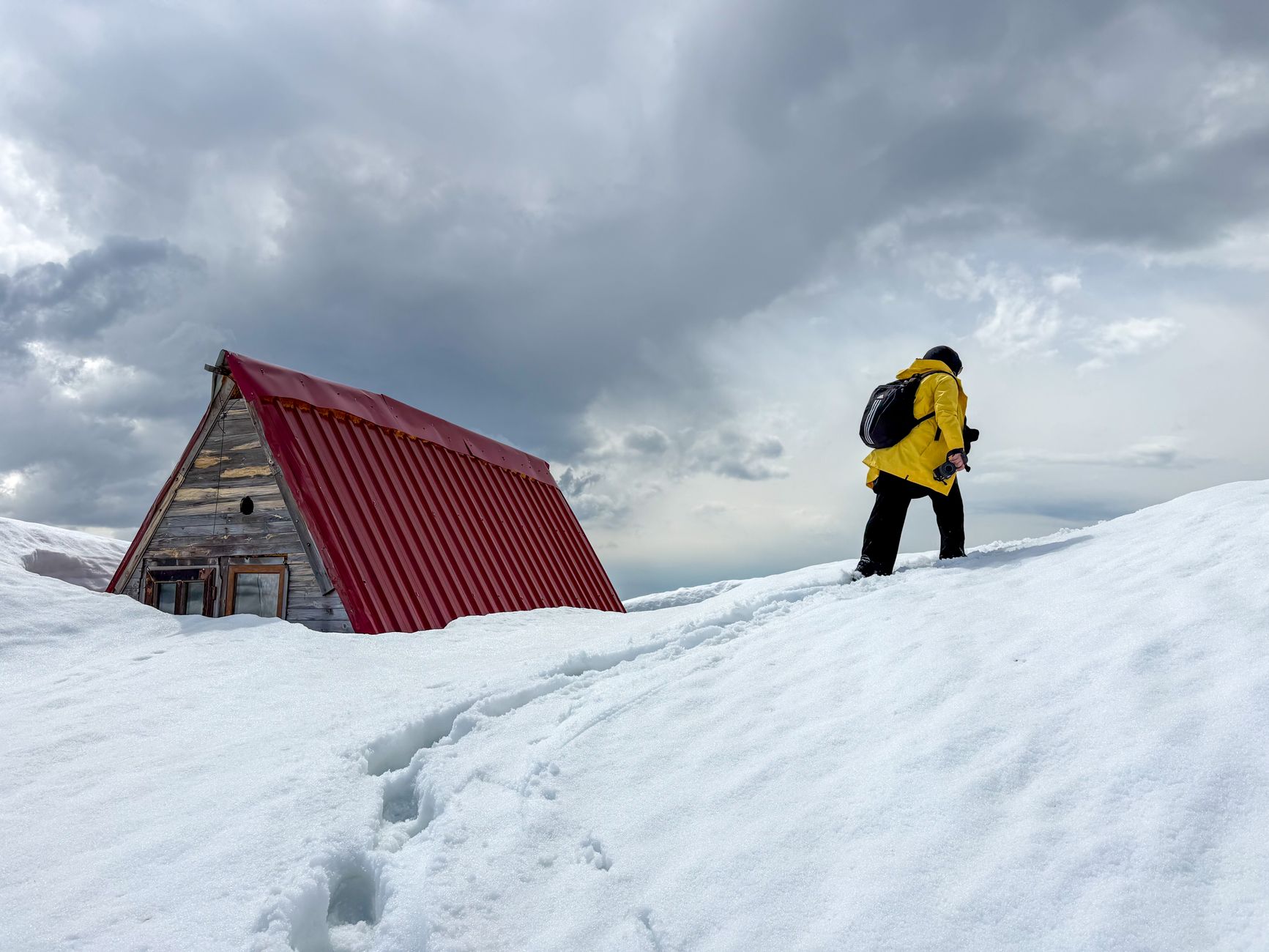
The remote Strathchailleach Bothy, near Britain's wildest cape, hosted a hermit for decades.
Tucked away in the desolate wilderness near Cape Wrath, Scotland's most north-westerly point, lies Strathchailleach Bothy. This simple stone shelter, maintained by the Mountain Bothies Association, was famously home to a hermit named Sandy for over 30 years. The fierce, unpredictable winds and driving rain of the exposed Highlands often make pitching a traditional tent a battle; a sturdy bothy offers superior protection and a tangible link to a unique human story.
2. High-Altitude Minimalism in the Andes
Cordillera Huayhuash, Peru
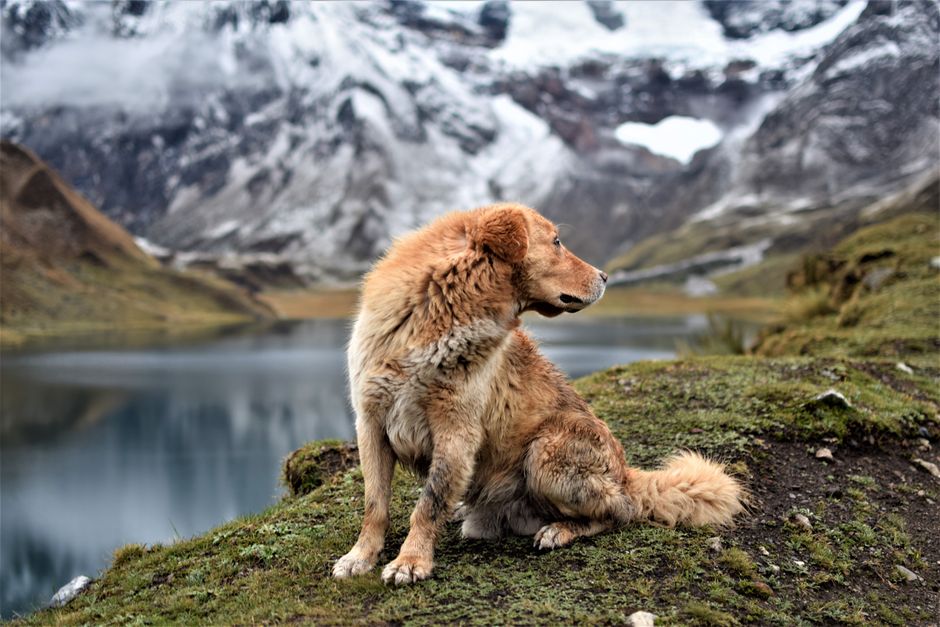
This rugged Peruvian range boasts some of the world's most stunning, yet challenging, high-altitude trekking.
The Cordillera Huayhuash in Peru is a circumnavigation trek often cited as one of the most beautiful and demanding in the world, with multiple passes exceeding 5,000 meters. The extreme altitude, sudden, dramatic weather shifts, and critical weight considerations for multi-day treks demand ultralight tarp shelters or bivy sacks over heavier, traditional tents. Every gram matters when you’re carrying your life on your back across these breathtaking, oxygen-thin landscapes.
3. Floating Above the Rainforest Floor
Hoh Rainforest, Olympic National Park, USA
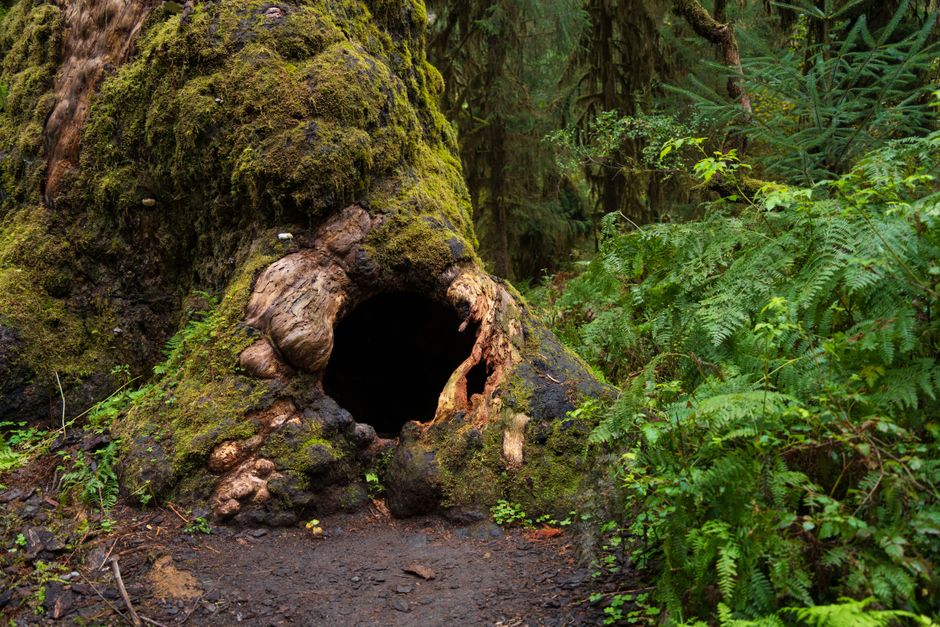
This ancient temperate rainforest receives over 14 feet of rain annually, fostering moss-draped giants.
The Hoh Rainforest in Washington State is a prime example of a temperate rainforest, where an average of 140 inches of rain falls each year, creating an intensely lush, perpetually damp environment. Pitching a tent directly on the uneven, moss-covered, and perpetually saturated forest floor means constant moisture infiltration and potential damage to delicate root systems. Here, a suspended hammock or tree tent offers a drier, less impactful, and surprisingly comfortable alternative, allowing you to truly immerse in the canopy's embrace.
4. Sleeping on the Moon's Jagged Surface
Craters of the Moon National Monument, USA
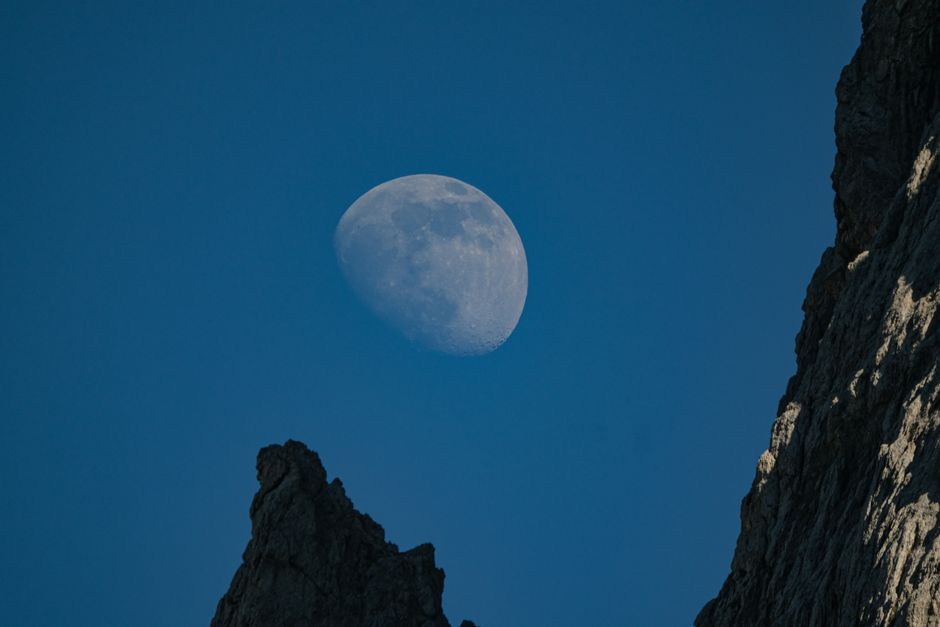
This surreal landscape of lava flows and cinder cones in Idaho resembles the moon's surface.
Craters of the Moon National Monument in Idaho is a vast ocean of lava flows, cinder cones, and lava tubes, created by volcanic eruptions thousands of years ago. The jagged, uneven, and often abrasive lava rock makes finding a flat, safe, and comfortable spot to pitch a traditional tent incredibly difficult, risking punctures and an uncomfortable night. A robust bivy sack or a sturdy hammock strung between sparse junipers might offer better options, allowing you to truly experience the stark, otherworldly beauty of this unique wilderness.

5. The Desert's Natural Freezer
Bandera Volcano Ice Cave, New Mexico, USA
This volcanic lava tube maintains freezing temperatures year-round, even in the scorching desert.
Deep within the El Malpais National Monument in New Mexico, the Bandera Volcano Ice Cave is a remarkable natural wonder. Descending into this ancient lava tube, visitors are met with a constant temperature below freezing, even when desert heat scorches the surface. While not a camping spot itself, this illustrates environments where natural features provide extreme shelter. A traditional tent would offer no protection against the sub-zero temperatures within; specialized gear or seeking naturally occurring, extreme shelters are the real lessons here for challenging terrains.
6. Arctic Resilience: The Sámi Lavvu
Sápmi (Lapland), Northern Europe
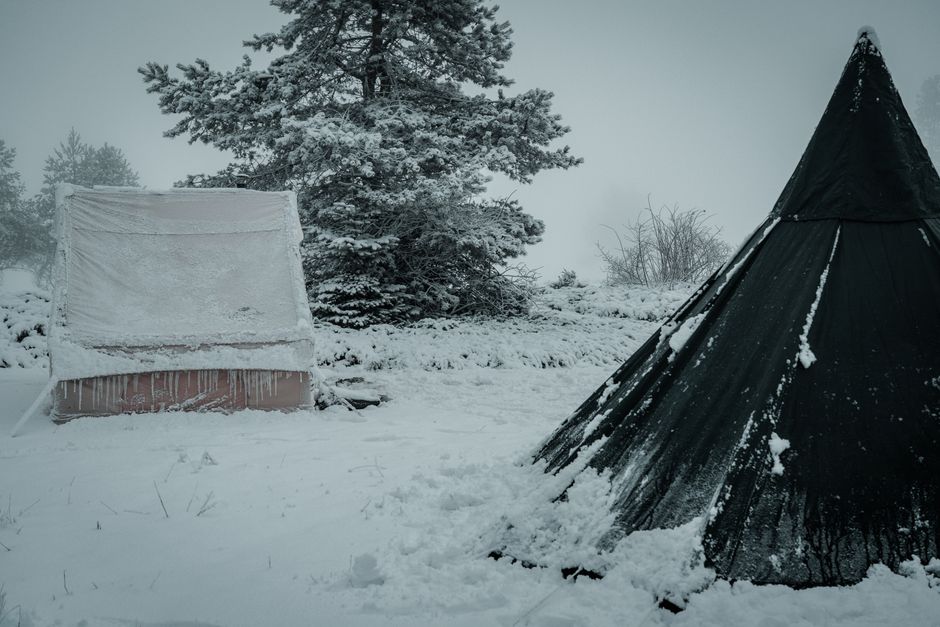
The indigenous Sámi people traditionally use portable, cone-shaped lavvu tents, perfectly adapted to Arctic conditions.
Across the vast Arctic landscapes of Sápmi, encompassing parts of Norway, Sweden, Finland, and Russia, the indigenous Sámi people have long relied on the lavvu—a portable, cone-shaped dwelling similar to a tipi. A standard backpacking tent often struggles against the relentless winds, deep snow, and extreme cold of the Arctic. Exploring the traditional knowledge of the Sámi, a modern lavvu or even a carefully designed tarp setup offers superior warmth, wind resistance, and resilience, providing a more authentic and effective shelter in these challenging environments.
7. Tracing Roman History, Village by Village
Hadrian's Wall Path, England
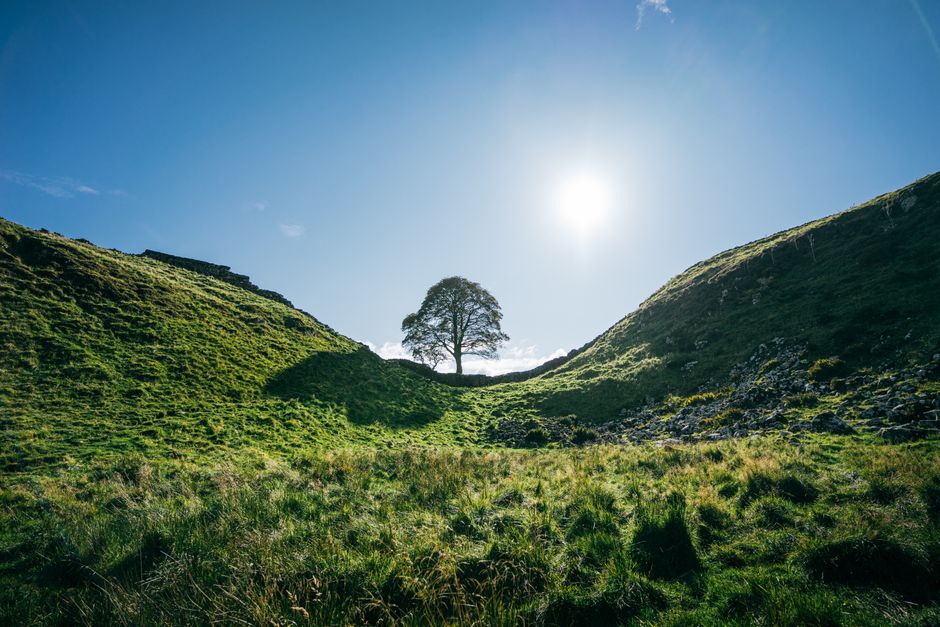
This ancient Roman frontier wall stretches for 84 miles across northern England, dotted with historic forts and milecastles.
The Hadrian's Wall Path National Trail follows the course of the UNESCO World Heritage Site, offering a journey through Roman history and picturesque English countryside. With charming villages, historic pubs offering accommodation, and established campsites strategically located every few miles, carrying a heavy traditional tent can feel redundant. Many trekkers opt for ultralight tarps or simply utilize the abundant guesthouses and B&Bs, transforming the trek into a lighter, more culturally immersive experience, freeing them to explore the Roman ruins without a weighty burden.
Frequently asked questions
What are the main benefits of using minimalist shelters like tarps or bivies?
Minimalist shelters are significantly lighter and more compact than traditional tents, reducing pack weight and bulk. They offer greater versatility in pitching locations, better ventilation, and a more direct connection to the natural environment, especially for stargazing.
Are bivy sacks comfortable and do they protect from insects?
Modern bivy sacks are designed for comfort, often featuring breathable fabrics and ample space for a sleeping bag. While most offer excellent weather protection, some lighter models may lack full insect netting; look for options with integrated mesh for bug-prone areas.
How can I stay warm in a minimalist shelter in cold conditions?
Staying warm in a minimalist shelter relies on a good sleeping bag rated for the conditions, an insulated sleeping pad to prevent heat loss to the ground, and appropriate layering of clothing. Site selection, like finding natural windbreaks, is also crucial.
How does the AllTours.ai app enhance exploration of these unique places?
AllTours.ai uses your phone's camera to identify landmarks and landscapes, then narrates their history, geology, and culture in your preferred language. It's like having a local expert guiding you, revealing the hidden stories and significance of even the most remote and lesser-known spots mentioned here.
Related guides
Self-guided audio tours
Walk these places stop by stop — free five-stop story tours you can take at your own pace:
Photography via Pexels. AllTours.ai is an AI audio tour guide — point your camera at any landscape and hear its story.