August 4, 2026 · 4 min read
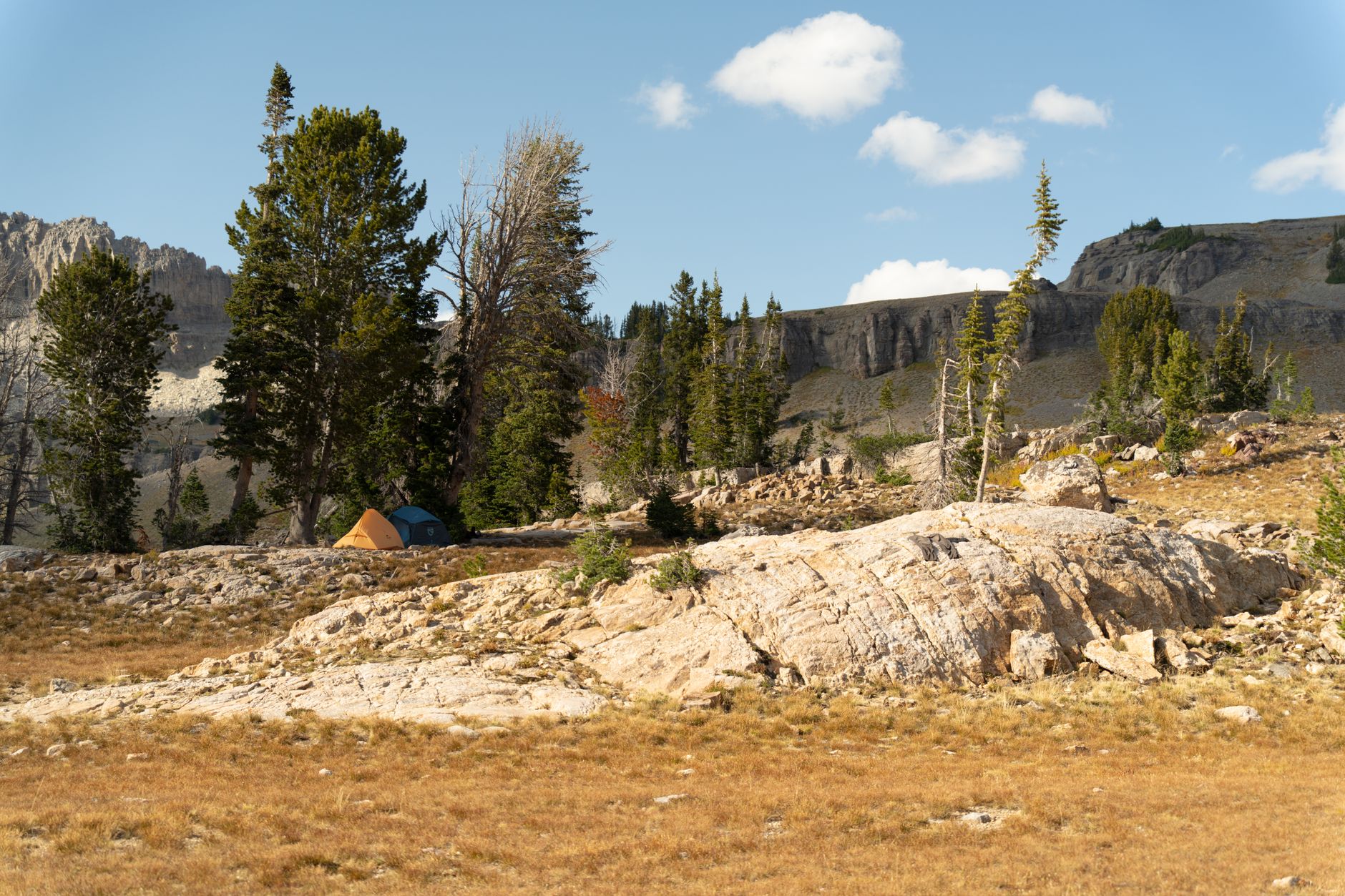
The lure of the open trail often begins with imagining a cozy tent pitched under a canopy of stars. For many, a traditional tent is the quintessential backpacking companion, a portable home offering comfort and privacy. But as seasoned hikers venture further off the beaten path, a common question arises: Why might someone regret buying a traditional tent for backpacking?
The answer often lies in weight, bulk, pitching complexity, or the specific demands of unique environments. When every ounce counts, or when terrain is unforgiving, a traditional tent can become more of a burden than a blessing. Fortunately, a world of innovative and often lighter alternatives awaits, perfectly suited for unlocking some of the planet's most overlooked and stunning landscapes. Let's explore places where a different kind of shelter not only makes sense but enhances the adventure.
1. Romania's Communist-Era Alpine Bivacs
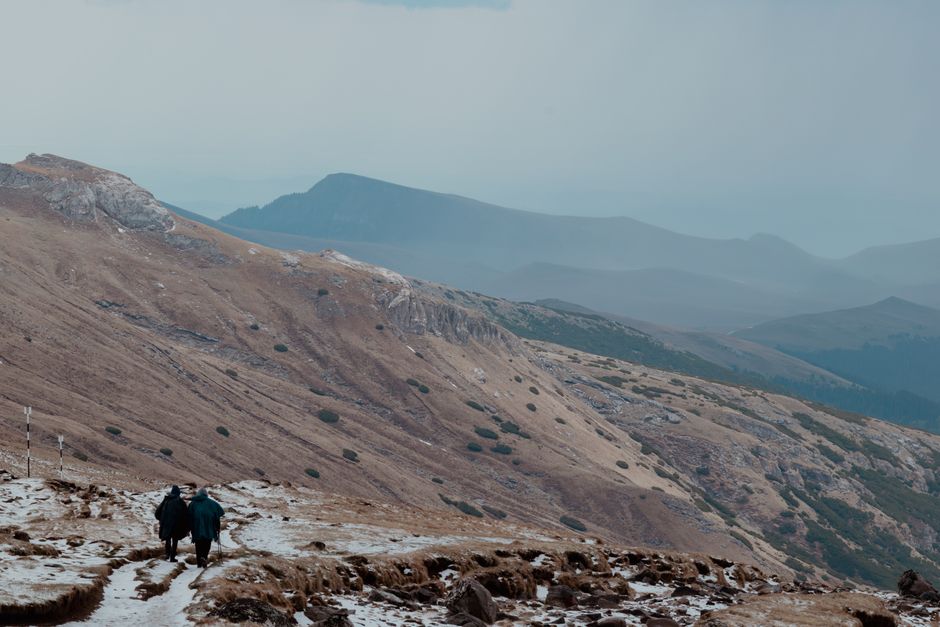
Făgăraș Mountains, Romania
High in the Carpathians, unstaffed metal shelters built during the communist era offer minimalist refuge from unpredictable alpine weather.
The Făgăraș Mountains, often called the "Transylvanian Alps," feature jagged peaks and glacial valleys far removed from tourist crowds. Here, a network of basic, unstaffed metal bivouacs (bivacs) dot the exposed ridges, remnants of a time when mountaineering was a national pastime. These small, often vibrant shelters provide crucial protection from sudden storms and freezing nights, making a bulky tent unnecessary when planning routes that link these historic refuges.
2. Cliffside Camping on Ancient Hawaiian Trails
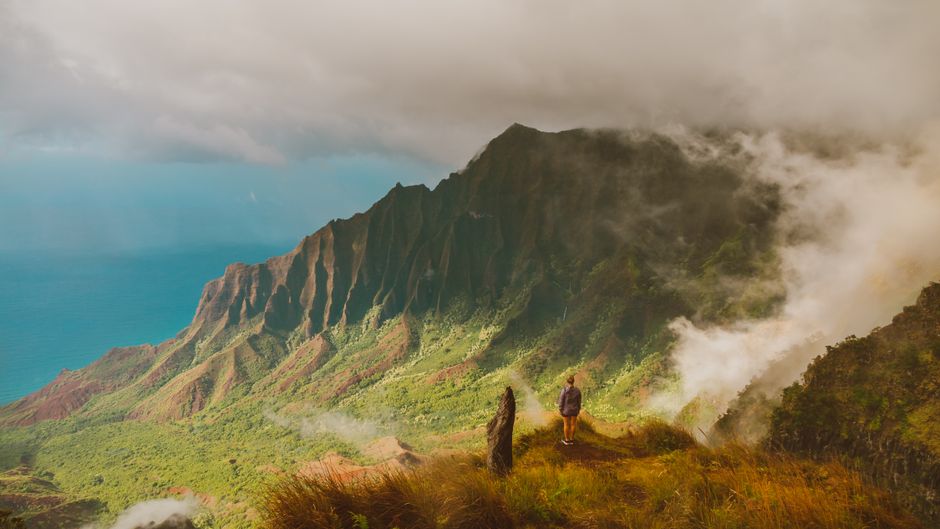
Kalalau Trail, Na Pali Coast, Kauai, Hawaii
The sacred Na Pali Coast's steep, narrow trails and limited flat ground make traditional tent pitching a challenge, requiring creative, low-impact solutions.
The Kalalau Trail, a demanding 11-mile trek along Kauai's dramatic Na Pali Coast, leads to pristine beaches and ancient Hawaiian terraces hidden beneath towering cliffs. With strict permit regulations and very few level spots suitable for large tents, backpackers often opt for ultra-light tarps or hammocks to minimize their footprint and adapt to the uneven, often muddy terrain. This minimalist approach allows for a deeper connection with the raw beauty and spiritual history of the island.
3. Sleeping Under Stars in Spanish Badlands
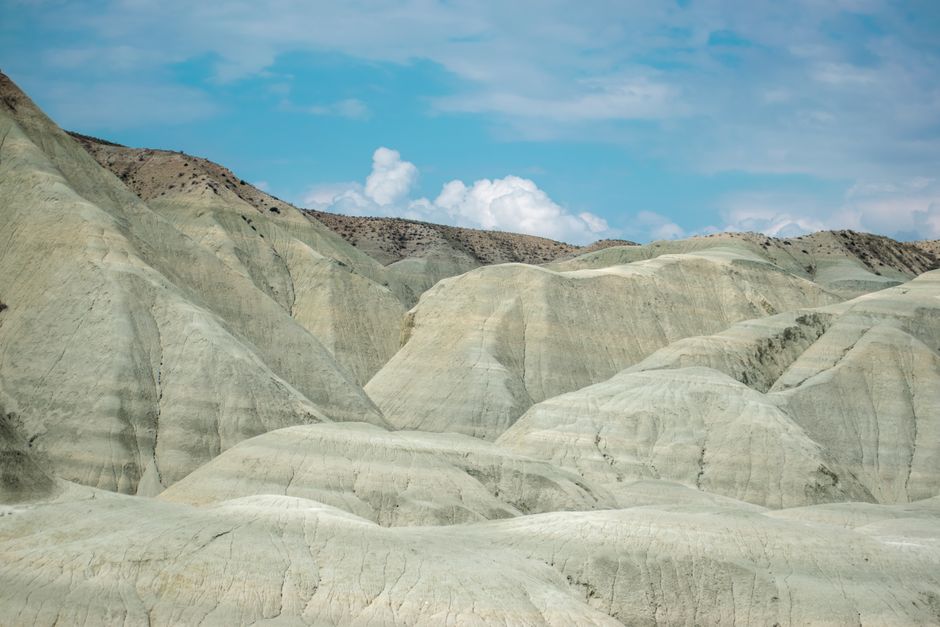
Bardenas Reales Natural Park, Navarre, Spain
This semi-desert UNESCO Biosphere Reserve, with its sculpted badlands, offers designated "vivac" zones perfect for sleeping directly under the vast, star-filled sky.
Imagine camping in a landscape that feels more like Arizona than Spain. The Bardenas Reales is a striking semi-desert region characterized by unique geological formations carved by wind and water. Its designated "vivac" (bivy) zones encourage minimalist camping, making a heavy tent obsolete. Here, the best shelter is often just a bivy sack or a simple tarp, allowing unobstructed views of the Milky Way in one of Europe's darkest night skies, leaving virtually no trace on the delicate environment.
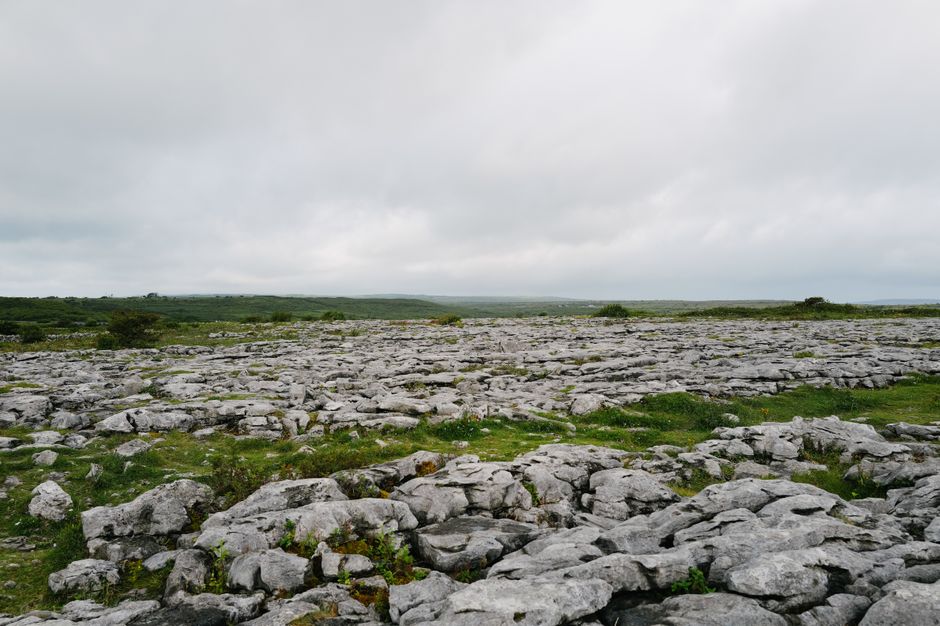
4. Ancient Stones and Karst Shelters
The Burren, County Clare, Ireland
Ireland's unique limestone karst landscape, dotted with ancient monuments, presents a rocky, uneven surface where natural shelters or a bivy are often more practical than a tent.
The Burren is a vast, otherworldly expanse of glaciated limestone, where Arctic, Mediterranean, and alpine flora grow side-by-side. Pitching a traditional tent on its fractured, uneven pavement can be challenging, if not impossible. Instead, backpackers exploring its ancient dolmens and ringforts often find a bivy sack or a small tarp more suitable, or even utilize natural rock overhangs for protection. This allows for a deeper immersion into a landscape where geology and human history are deeply intertwined.
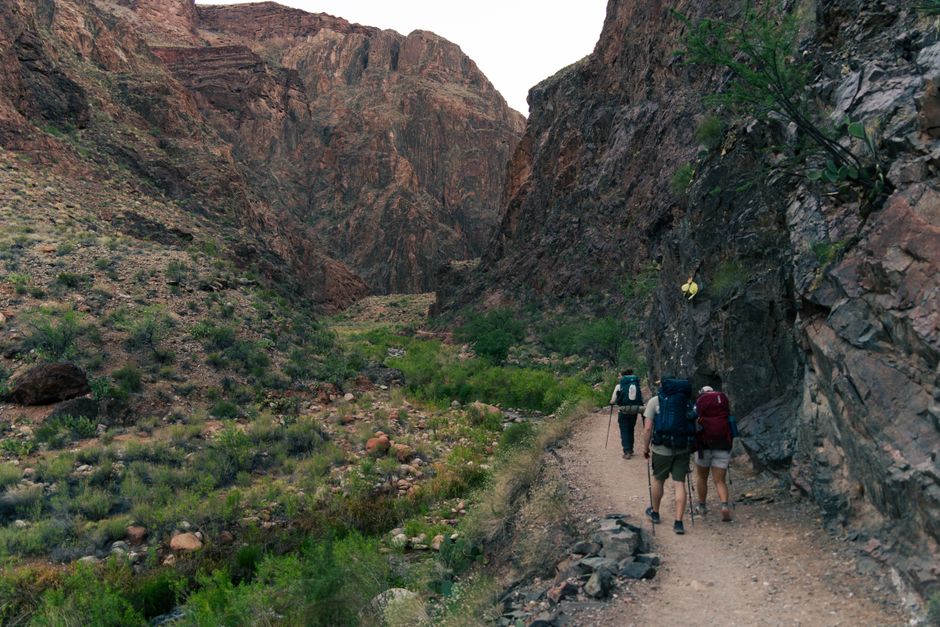
5. Tracing Ancestral Puebloans in Desert Canyons
Grand Gulch, Bears Ears National Monument, Utah, USA
Backpacking through this remote canyon, home to Ancestral Puebloan cliff dwellings, demands strict Leave No Trace principles, favoring minimalist shelters over bulky tents.
Grand Gulch carves a deep path through Bears Ears National Monument, revealing hundreds of well-preserved Ancestral Puebloan cliff dwellings and rock art panels. The fragile desert environment and the need to protect these archaeological treasures mean traditional tent camping is often discouraged or difficult in many areas. Instead, experienced backpackers often choose to "cowboy camp" under the stars or use a lightweight bivy sack or tarp, minimizing their impact and allowing for an unparalleled connection to ancient history.
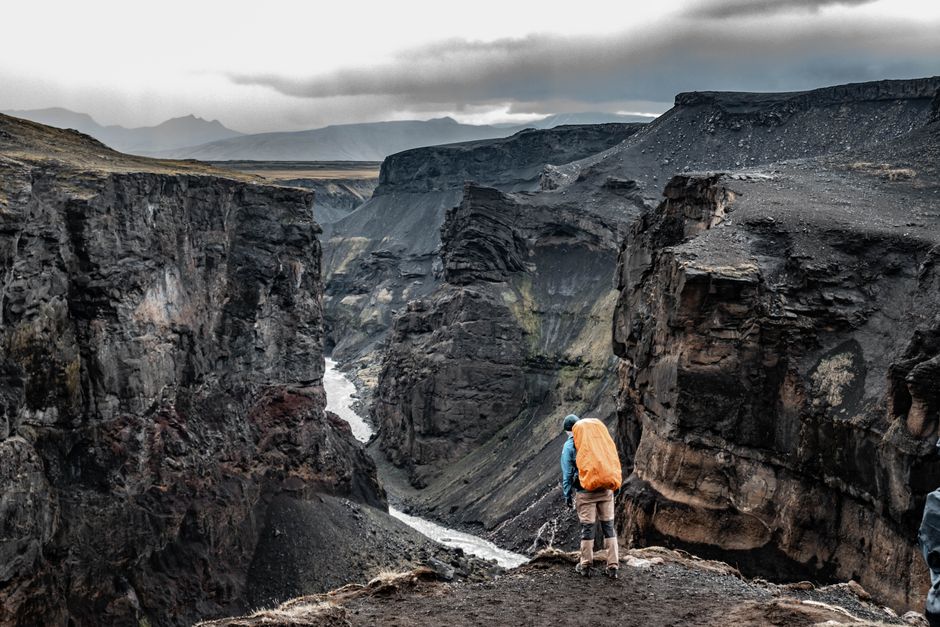
6. Windswept Canyons and Volcanic Vistas
Jökulsárgljúfur Canyon, Vatnajökull National Park, Iceland
Iceland's exposed volcanic landscapes, particularly in Jökulsárgljúfur Canyon, are notorious for relentless winds that can make pitching and securing a traditional tent a serious ordeal.
Part of Vatnajökull National Park, Jökulsárgljúfur Canyon is a dramatic rift carved by glacial meltwater, home to Europe's most powerful waterfall, Dettifoss. The terrain is stark, volcanic, and incredibly exposed, with fierce winds that can challenge even the sturdiest tents. Backpackers often find a lightweight bivy or a robust tarp more practical, offering quick setup and lower profiles against the elements. Embracing these alternatives allows one to focus on the raw power and beauty of Iceland’s untamed wilderness.
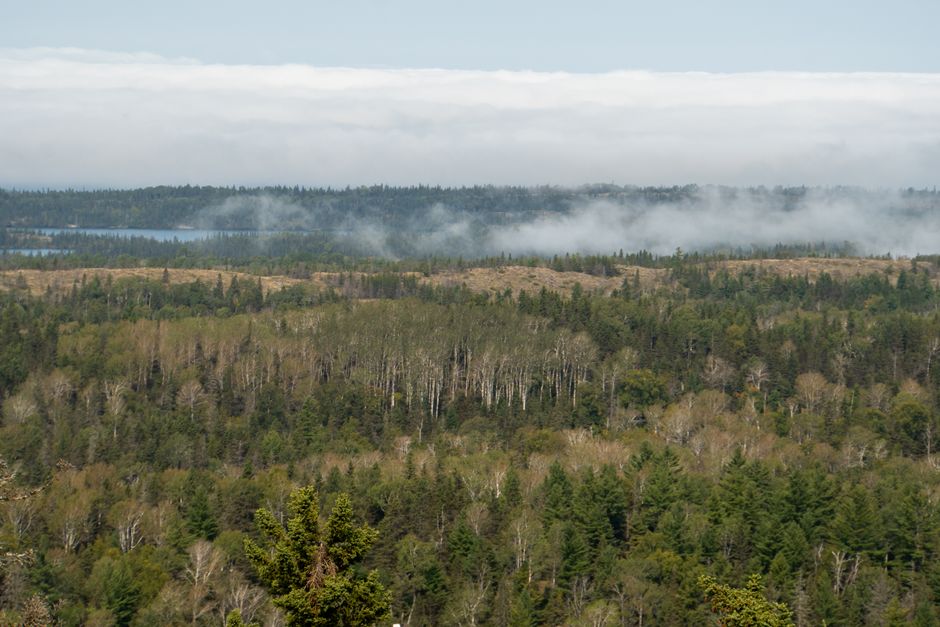
7. Lake Superior's Lean-To Island Retreat
Isle Royale National Park, Michigan, USA
This remote island in Lake Superior often provides designated, three-sided shelters at campsites, making a traditional tent unnecessary for many backpackers.
Isle Royale National Park, a pristine archipelago in Lake Superior, offers a unique wilderness experience accessible only by ferry or seaplane. Unlike many backcountry areas, numerous designated campsites on Isle Royale feature sturdy, three-sided lean-to shelters. These structures offer excellent protection from rain and insects, often eliminating the need to carry a full tent. Backpackers can instead opt for a lightweight sleeping bag and pad, reducing pack weight and simplifying their island adventure amidst moose and wolves.
Frequently asked questions
What are the main downsides of a traditional tent for backpacking?
Traditional tents can be heavy and bulky, adding significant weight to your pack, especially on long treks. They also require flat, clear ground for pitching, which isn't always available in diverse terrain, and their setup can be time-consuming.
What are common alternatives to traditional tents for backpackers?
Popular alternatives include hammocks (great for forested areas), tarps (versatile, ultra-light), bivy sacks (minimalist, good for tight spaces), and pre-existing shelters like huts, lean-tos, or even natural rock overhangs.
How do I choose the right tent alternative for my trip?
Consider the specific environment: hammocks for trees, tarps for versatility in various terrains, and bivys for exposed or rocky areas. Research local regulations, weather conditions, and the availability of established shelters at your destination to make an informed choice.
How can AllTours.ai help me explore these unique places?
AllTours.ai enhances your exploration by narrating the history, geology, and culture of your surroundings. Simply point your phone camera at any landscape or landmark, and the app will provide rich, immersive audio stories in your language, bringing even the most remote and ancient sites to life.
Related guides
Photography via Pexels. AllTours.ai is an AI audio tour guide — point your camera at any landscape and hear its story.