July 21, 2026 · 4 min read
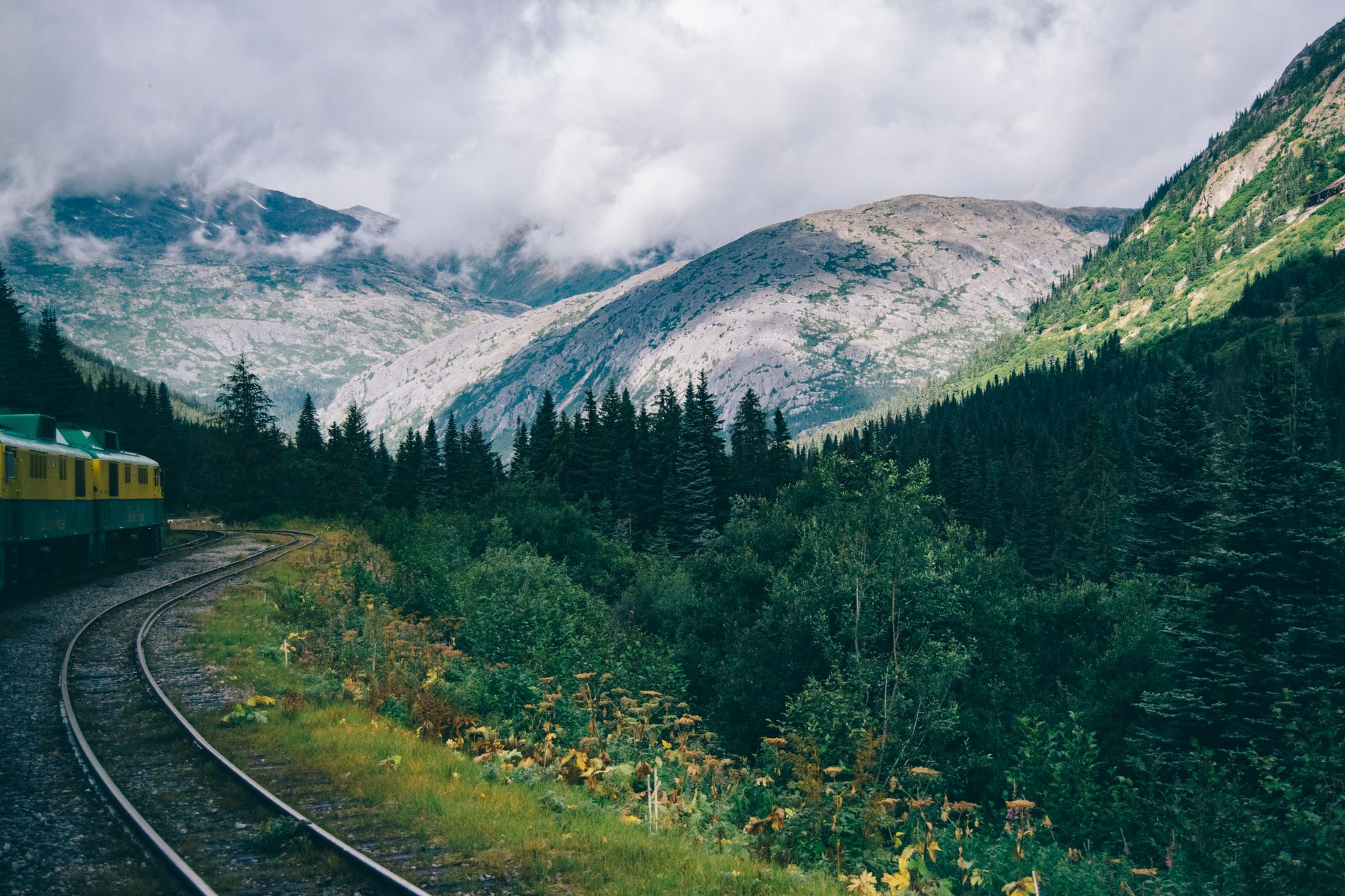
The way you travel shapes the stories you find. Some prefer the rhythmic click-clack of a train, watching the world blur past from a window seat. Others choose the open air and personal pace of a bicycle, feeling every curve and gradient of the path beneath them. Both offer unique ways to connect with a landscape and its past.
But beyond the famous routes and well-trodden paths lie places with even richer, more surprising tales. These are the forgotten railways, the repurposed tracks, and the challenging trails that carry echoes of history, geology, and culture. They invite a slower, more curious journey, revealing the unexpected wonders that often escape a hurried glance.
1. The Desert's Iron Snake
Hejaz Railway, Jordan & Saudi Arabia
This railway, built for pilgrims, became a critical target for Lawrence of Arabia.
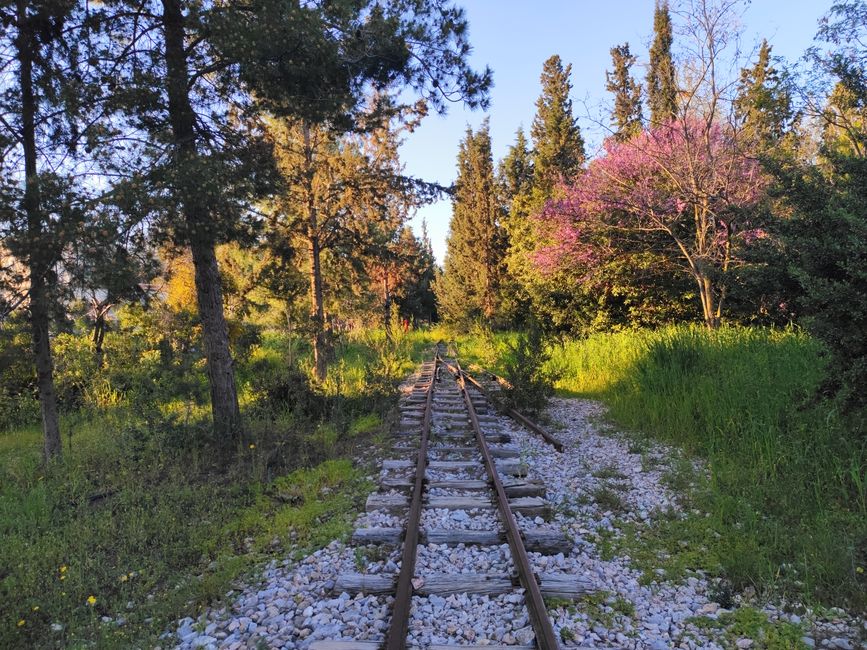
Conceived by the Ottoman Empire as a route for Hajj pilgrims, the Hejaz Railway stretched through scorching deserts. Its construction was an immense logistical challenge, using steam power in a land of ancient caravans. During WWI, it transformed into a military lifeline, making it a prime target for Allied sabotage, most famously by T.E. Lawrence. Today, abandoned locomotives and track sections lie scattered across the sands, silent witnesses to imperial ambition and desert warfare.
2. Steel Trails to Wilderness
Great Allegheny Passage (GAP) Trail, USA
Ride a path that transformed industrial might into a green corridor through the Appalachians.
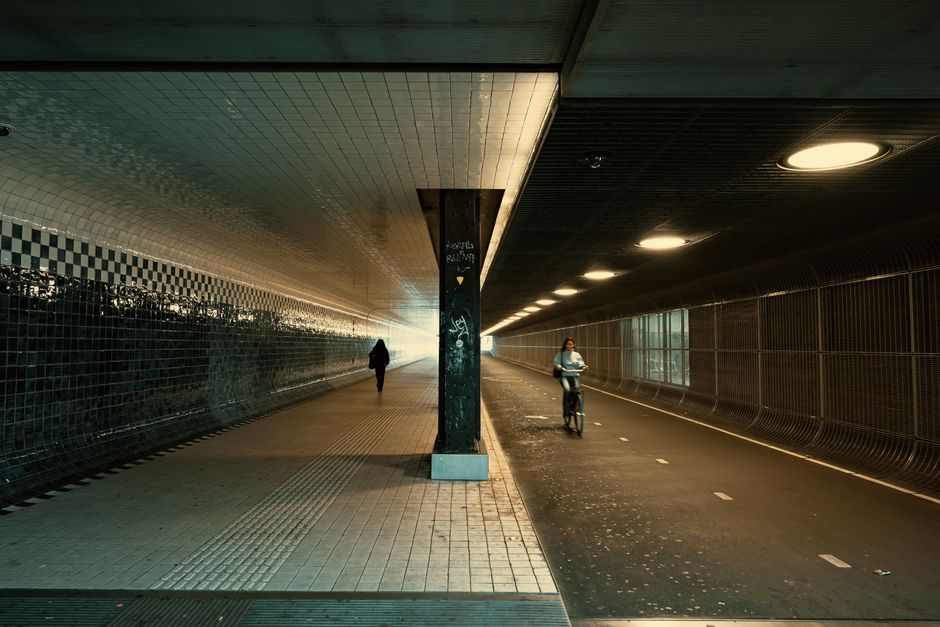
The Great Allegheny Passage is a 150-mile rail-trail network tracing the routes of defunct railroads that once fueled America's industrial heartland. It winds through tunnels and over viaducts, connecting Pittsburgh to Cumberland, Maryland. Cyclists and hikers now experience forests and river valleys where coal trains once roared. This transformation from heavy industry to a thriving recreational trail showcases a remarkable ecological and economic rebirth.
3. Europe's First Alpine Conqueror
Semmering Railway, Austria
Witness the engineering marvel of the world's first true mountain railway, built against all odds.
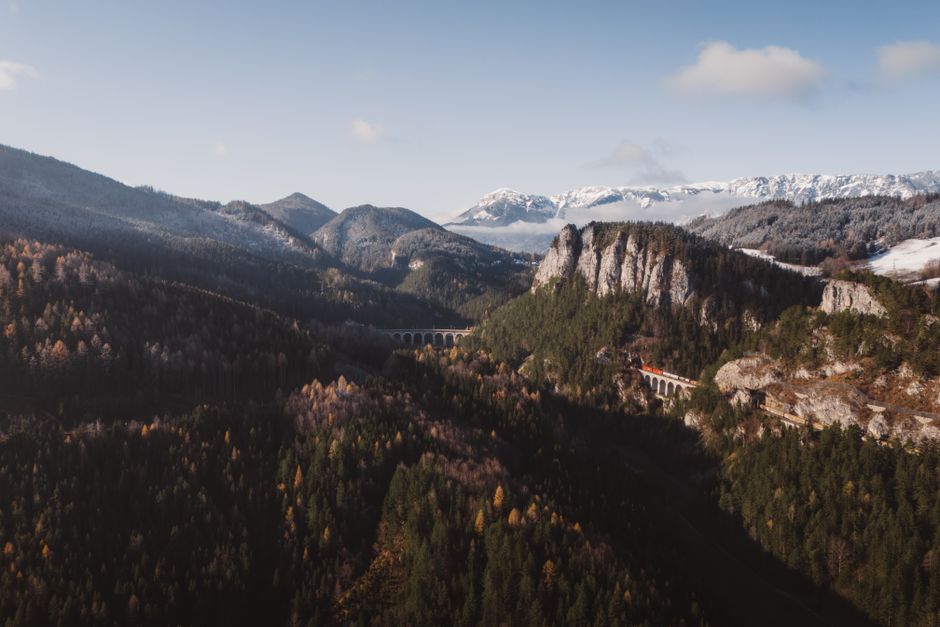
In the Austrian Alps, the Semmering Railway, completed in 1854, was a groundbreaking feat of engineering. Designed by Carl Ritter von Ghega, it conquered steep gradients and challenging terrain with 14 tunnels and 16 viaducts, making it the first standard-gauge mountain railway in the world. It’s a UNESCO World Heritage site, not just for its scenic beauty, but as a monument to human ingenuity, proving that trains could navigate the highest peaks.
4. The Prospector's Epic Ride
Old Ghost Road, New Zealand
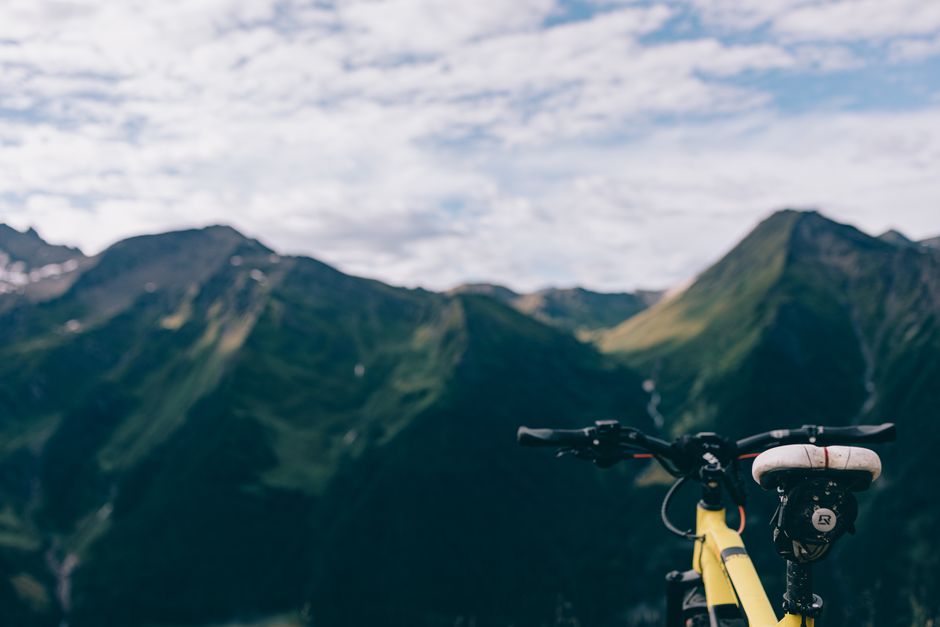
This epic mountain bike trail follows a long-abandoned gold miner's pack track through rugged wilderness.
Deep in New Zealand's South Island, the Old Ghost Road is an 85-kilometer mountain bike and tramping trail carved through the remote Kahurangi National Park. It traces a track originally surveyed in the 1880s by gold prospectors, then lost to the bush for over a century. Resurrected by a dedicated trust, it now offers riders breathtaking views and challenging terrain, connecting the past of rugged adventurers with modern outdoor pursuit.
5. The Unfinished Journey
Via Verde de la Sierra, Andalusia, Spain
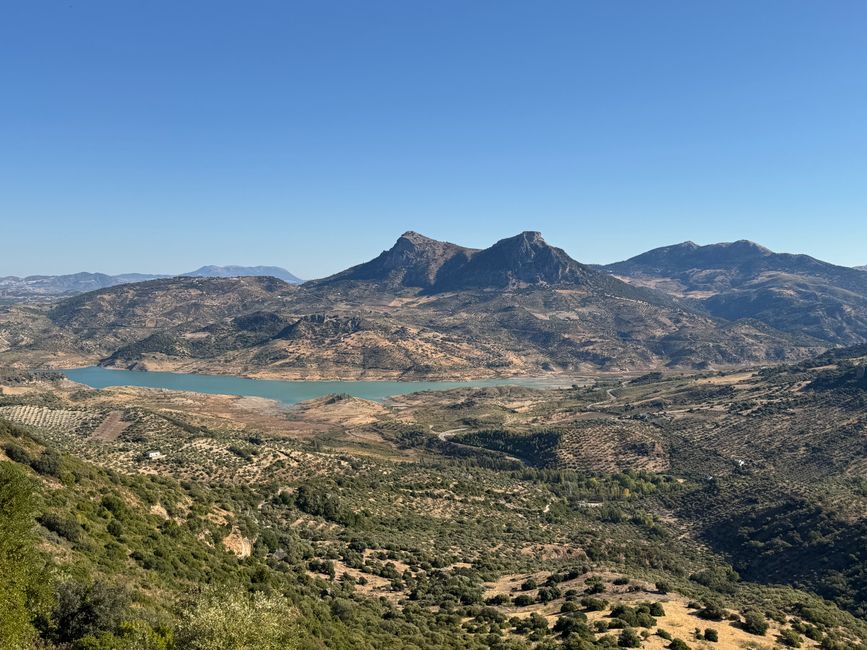
Cycle through an abandoned railway line that was never completed, now a vibrant nature trail.
In the heart of Andalusia lies the Via Verde de la Sierra, a 36-kilometer greenway built on the trackbed of a railway line that was begun in the 1920s but never finished. Meant to connect Jerez with Almargen, economic crises halted its construction, leaving behind tunnels, viaducts, and stations. Today, it’s a protected natural space, hosting a thriving colony of griffon vultures, offering a unique cycling experience through olive groves and dramatic gorges.
6. Conquering the Zig Zag
Lithgow Zig Zag Railway, Australia
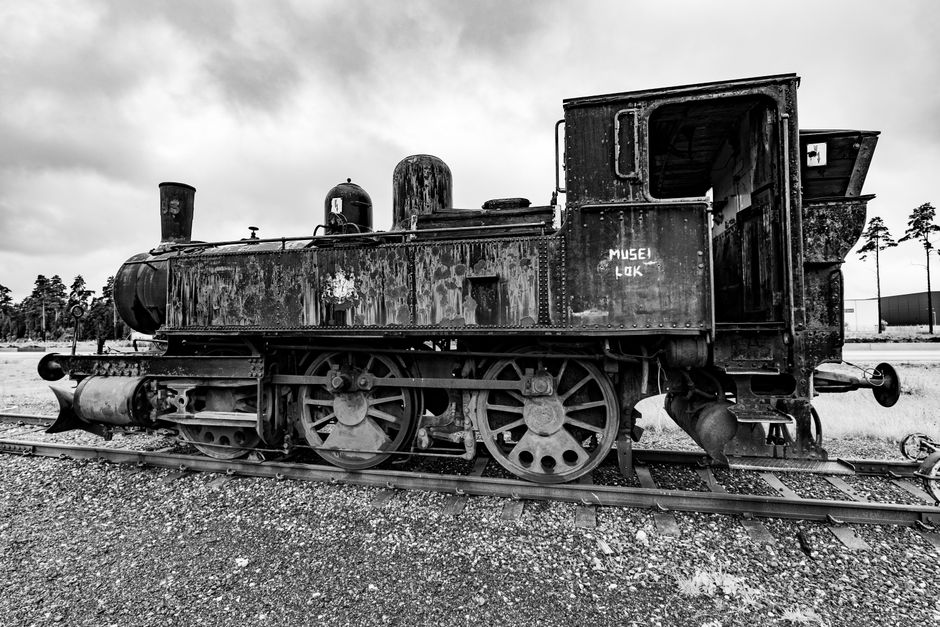
Discover an ingenious 19th-century railway design that allowed trains to climb steep mountains.
Australia's Lithgow Zig Zag Railway, completed in 1869, was an engineering marvel designed to navigate the dramatic descent of the Blue Mountains. Instead of tunnels, the railway employed a series of "zig-zags," where trains would reverse direction at switch points to ascend or descend the steep gradients. This innovative solution, a pioneer of its kind, allowed heavy locomotives to traverse terrain previously deemed impassable, though it has since been replaced by tunnels for modern traffic.
7. The Heavy Water Sabotage Route
Rjukan Industrial Heritage Site, Norway
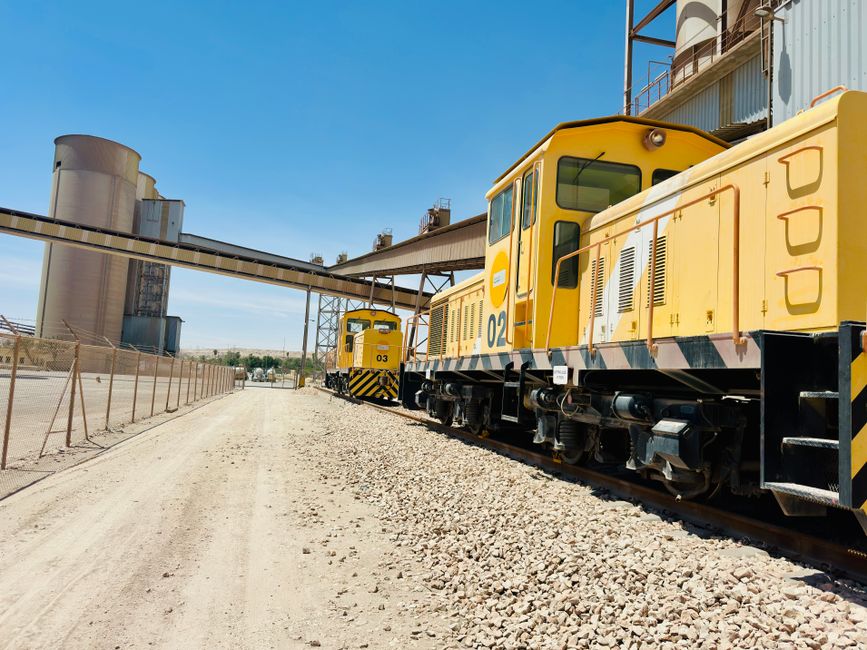
This remote industrial site played a crucial, clandestine role in World War II's atomic race.
Tucked away in a deep valley, Rjukan in Norway is a UNESCO World Heritage site known for its industrial history and unique geography. During WWII, its hydroelectric plant produced heavy water, a vital component for Nazi Germany's atomic bomb program. The railway, bridges, and ferries here were part of the infrastructure targeted in daring commando raids, immortalized as the "Heavy Water Sabotage," a turning point in the war.
8. The Literary Track
Tarka Trail, North Devon, UK
Cycle a network of disused railway lines through landscapes that inspired a beloved British novel.
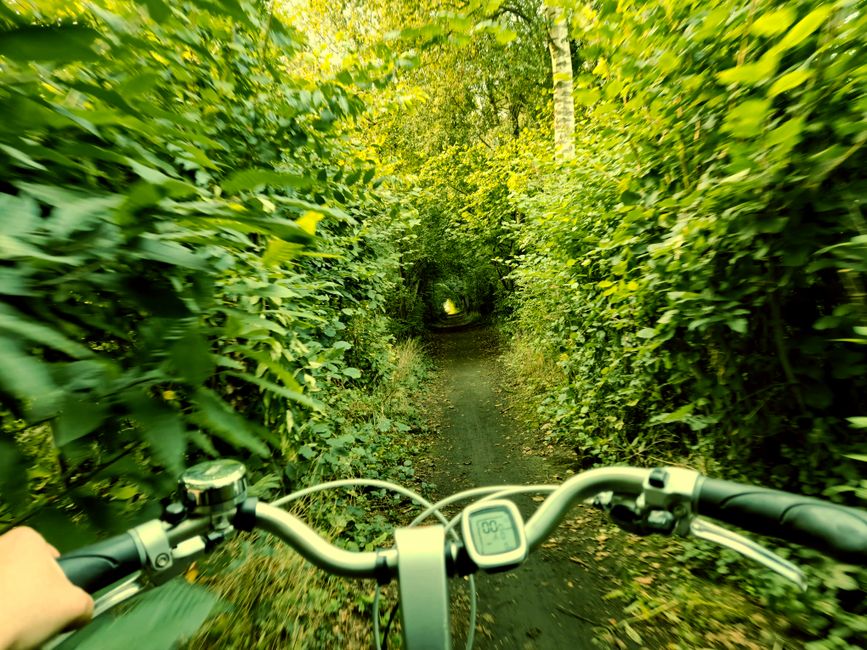
The Tarka Trail in North Devon is a 180-mile figure-of-eight cycling and walking path, much of it following former railway lines. It winds through diverse landscapes – coastal cliffs, ancient woodlands, and river valleys – that inspired Henry Williamson's classic novel "Tarka the Otter." Traveling this trail offers a glimpse into rural England's natural beauty and literary heritage, combining accessible paths with the echoes of both steam trains and fictional wildlife.
Frequently asked questions
What are the benefits of slow travel?
Slow travel encourages deeper engagement with a place, allowing you to notice details often missed at a faster pace. It promotes sustainable tourism and often leads to more meaningful interactions with local culture and environments.
Is train travel better for the environment than flying?
Generally, yes. Train travel produces significantly fewer carbon emissions per passenger kilometer compared to air travel, especially on electrified routes. It's often a more energy-efficient and eco-friendly way to cover long distances.
What should I consider before a long-distance cycling trip?
Before a long-distance cycling trip, plan your route, assess your fitness, and ensure your bike is in excellent condition. Pack light but include essentials like repair kits, navigation tools, and appropriate gear for varying weather conditions.
How can AllTours.ai enhance my travel experience?
AllTours.ai transforms your phone into an AI audio tour guide. Simply point your camera at any landscape or landmark, and the app instantly narrates its history, geology, and culture in your preferred language, revealing the hidden stories of the world around you.
Related guides
Photography via Pexels. AllTours.ai is an AI audio tour guide — point your camera at any landscape and hear its story.