September 21, 2026 · 4 min read
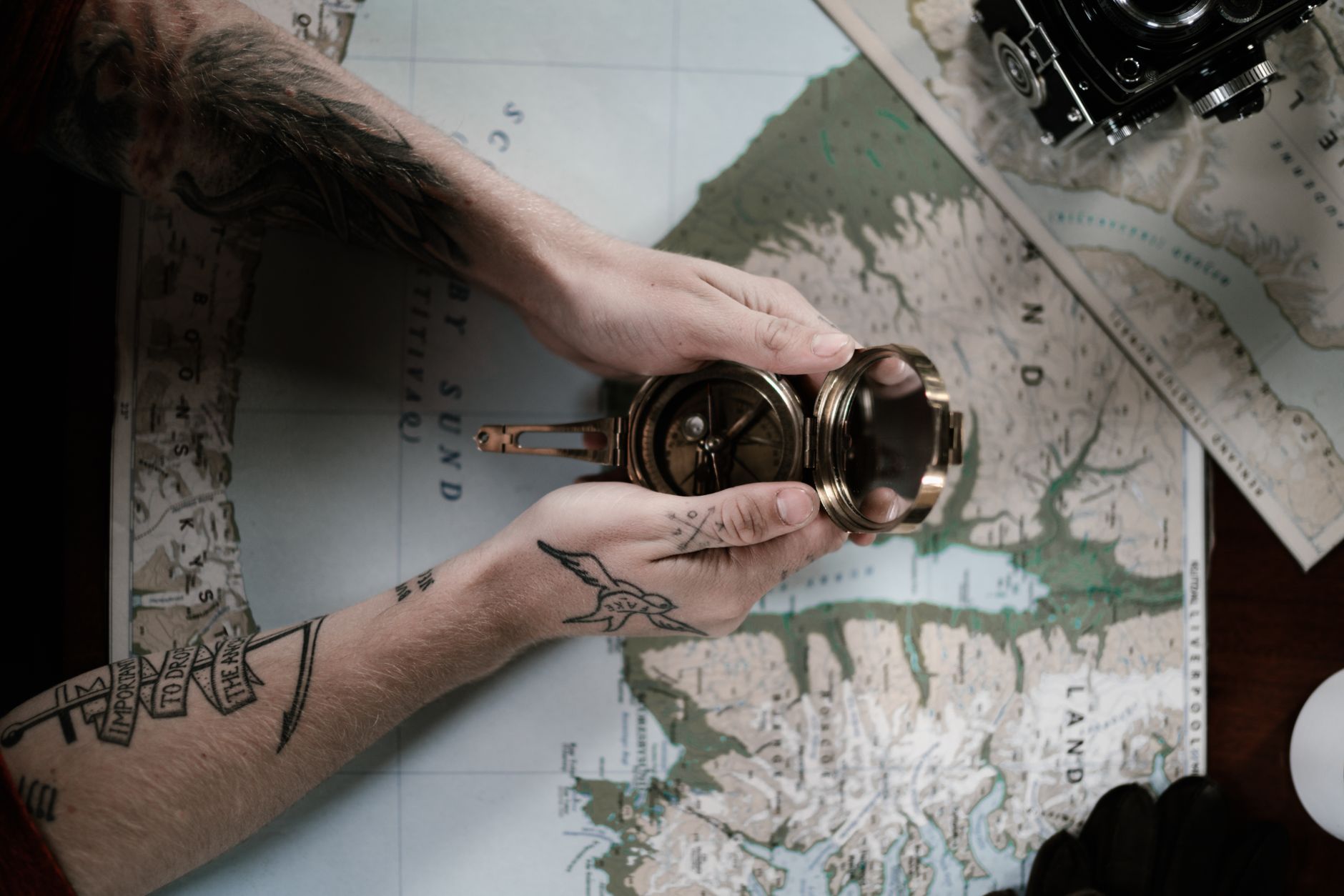
There's a unique magic in unfolding an old map. The faded lines, the antique script, the places marked with names that hum with forgotten lore. It's more than just geography; it's a portal to past lives, vanished cultures, and the surprising truths hidden beneath familiar landscapes. These maps don't just show you where to go; they make you feel like you're already there, stepping into a different time, a different city, a different world.
But what if those maps led you off the well-trodden paths? Beyond the iconic landmarks, countless spots hold stories so vivid, they redefine what it means to travel. We've unearthed eight such places – each a real, specific location with a compelling, often overlooked, narrative that old maps only hint at. Prepare to have your curiosity piqued and your sense of discovery ignited.
1. The Remote Oasis of Blue Waterfalls
Supai, Arizona, USA
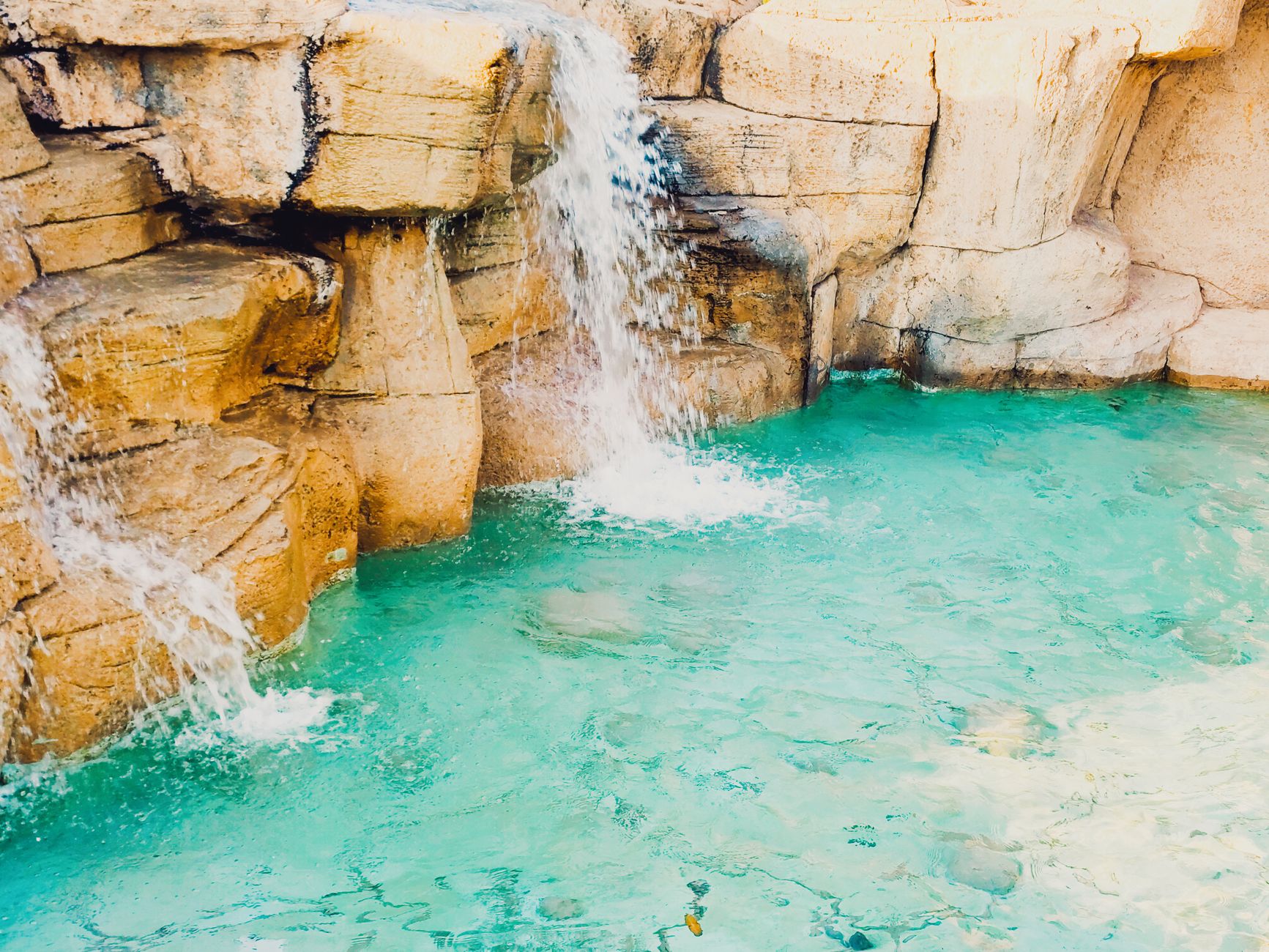
This secluded village is the only place in the United States where mail is still delivered by mule train, leading to stunning blue-green waterfalls.
Hidden deep within a side canyon of the Grand Canyon, Supai Village is the ancestral home of the Havasupai Tribe. Its isolation means access is primarily by a strenuous 8-mile hike, helicopter, or on horseback. The true marvel here is Havasu Creek, which flows over travertine deposits, giving its famous waterfalls (Havasu, Mooney, Navajo, Fiftyfoot, and Beaver Falls) their striking turquoise and emerald hues, a stark contrast to the red canyon walls.
2. A Welsh Dream of Italy
Portmeirion, Gwynedd, Wales, UK
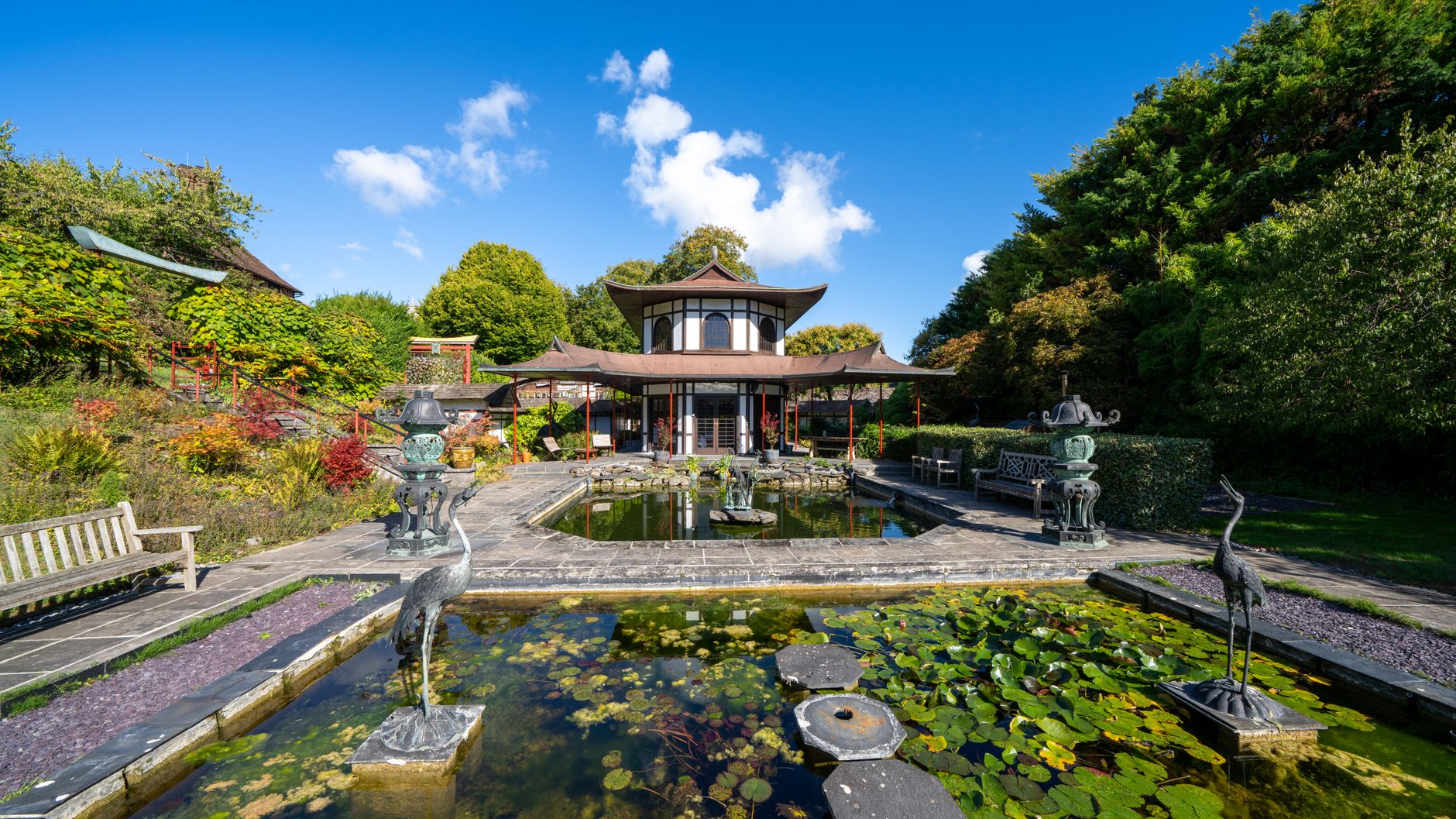
An architect's lifelong dream created an entire Italianate village on a remote Welsh peninsula, complete with a campanile and pastel-colored buildings.
From 1925 to 1975, architect Sir Clough Williams-Ellis transformed a neglected corner of the Welsh coast into Portmeirion. His vision was to demonstrate how a beautiful site could be developed without spoiling it, creating an eccentric, whimsical collection of buildings salvaged from demolition or designed in a playful Baroque style. The result is a vibrant, surreal village that feels transported directly from the Mediterranean, proving that beauty can be both preserved and imagined anew.
3. The Unexplained Crooked Forest
Gryfino, West Pomerania, Poland
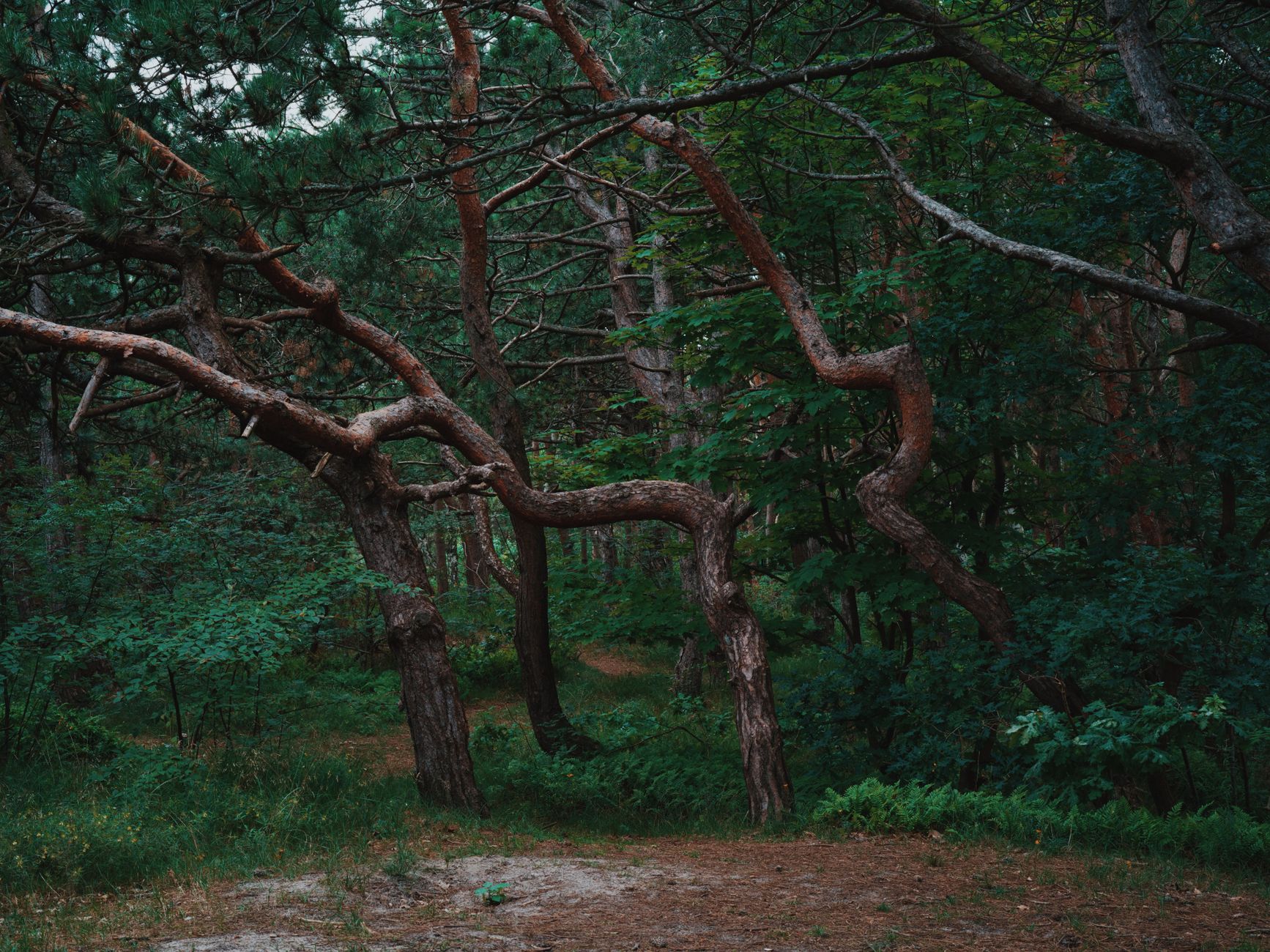
Hundreds of pine trees in this forest inexplicably bend at a 90-degree angle just above the ground before curving upwards, creating a botanical mystery.
Just outside the town of Gryfino lies a small grove of approximately 400 pine trees, known as the 'Krzywy Las' or Crooked Forest. Planted around 1930, each tree grows with a distinct curve in its trunk, making a sharp turn northward before straightening out. Theories range from peculiar snowfalls to genetic mutation, but the most popular suggests human intervention, perhaps to create naturally bent wood for furniture or boat building. The true reason remains a captivating enigma.
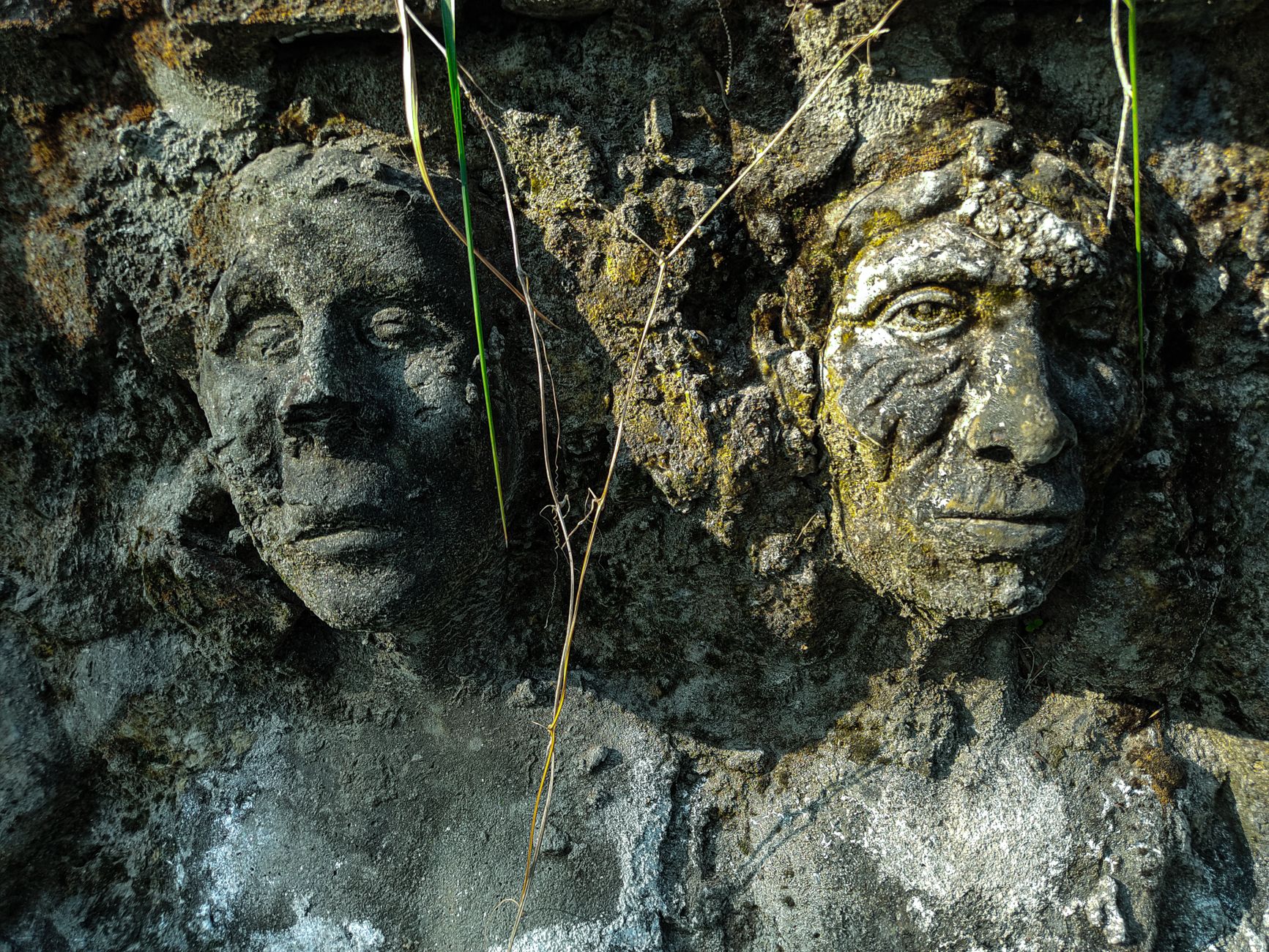
4. The Renaissance Garden of Monsters
Parco dei Mostri (Bomarzo), Lazio, Italy
This 16th-century garden is filled not with statues of gods and heroes, but with grotesque, enigmatic sculptures of mythical creatures and gaping mouths.
Commissioned by Prince Pier Francesco Orsini in the mid-1500s, the Park of the Monsters, or Sacro Bosco (Sacred Grove), was designed as a 'villa of wonders' rather than a traditional Renaissance garden. Giants, dragons, turtles, and a terrifying Ogre with a gaping mouth (labeled 'Every Thought Flies') are carved directly from bedrock. The park's unsettling, dreamlike quality challenges conventional beauty, offering a unique, philosophical landscape of sorrow and surprise.
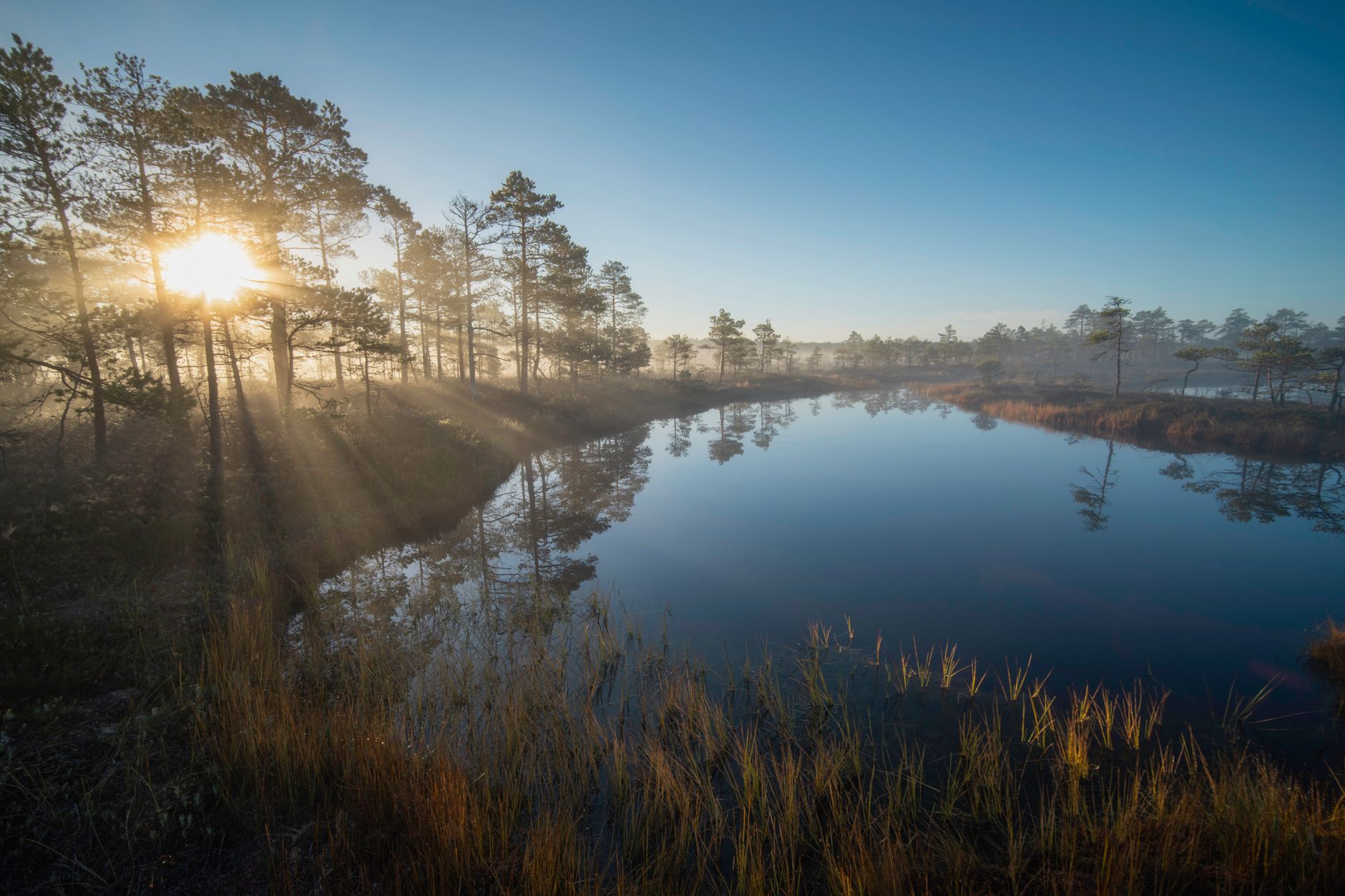
5. The Sun-Mirror Town
Rjukan, Telemark, Norway
For half the year, this Norwegian town is plunged into shadow, so engineers installed giant mirrors on a mountain to reflect sunlight into its valley.
Nestled deep in a valley, Rjukan experiences no direct sunlight from September to March due to the surrounding mountains. In a remarkable feat of engineering and community spirit, three enormous mirrors (heliostats) were installed on the mountainside in 2013. These computer-controlled mirrors track the sun's movement, reflecting a beam of light onto the town square below, bringing much-needed warmth and brightness to its inhabitants during the dark winter months.
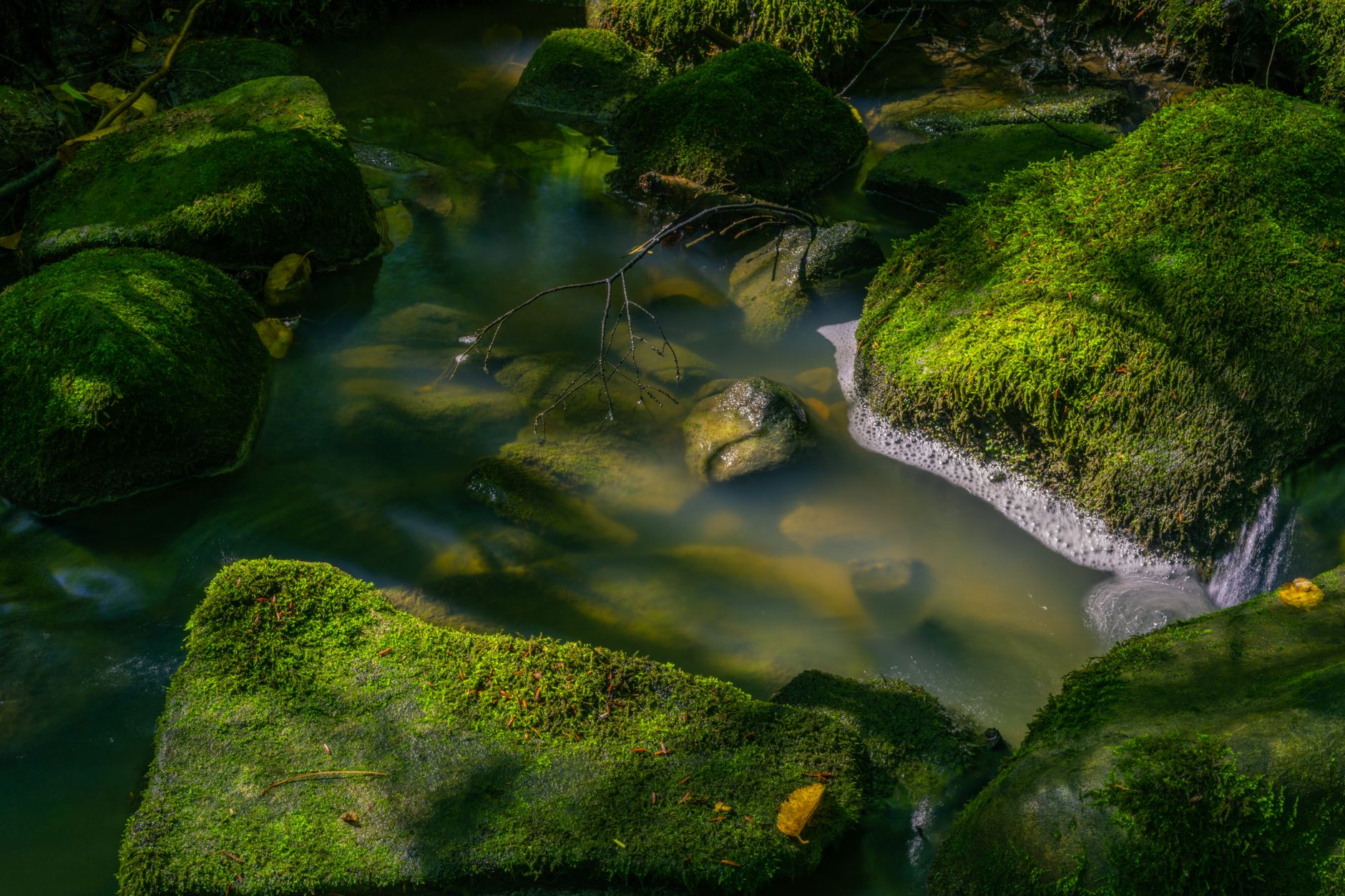
6. The Petrifying Waterfall
Knaresborough, North Yorkshire, England
This natural spring has a unique mineral content that coats objects in a hard, stone-like shell, making them appear to 'turn to stone' over time.
Mother Shipton's Cave and the Petrifying Well are intertwined with local folklore and natural science. The well's high mineral content, particularly calcium carbonate, means that water dripping over objects leaves behind mineral deposits, encasing them in a stony layer. Toys, teddy bears, and even hats left beneath the waterfall gradually solidify, creating a bizarre and fascinating natural phenomenon that has captivated visitors for centuries, fueling legends of a witch's curse.
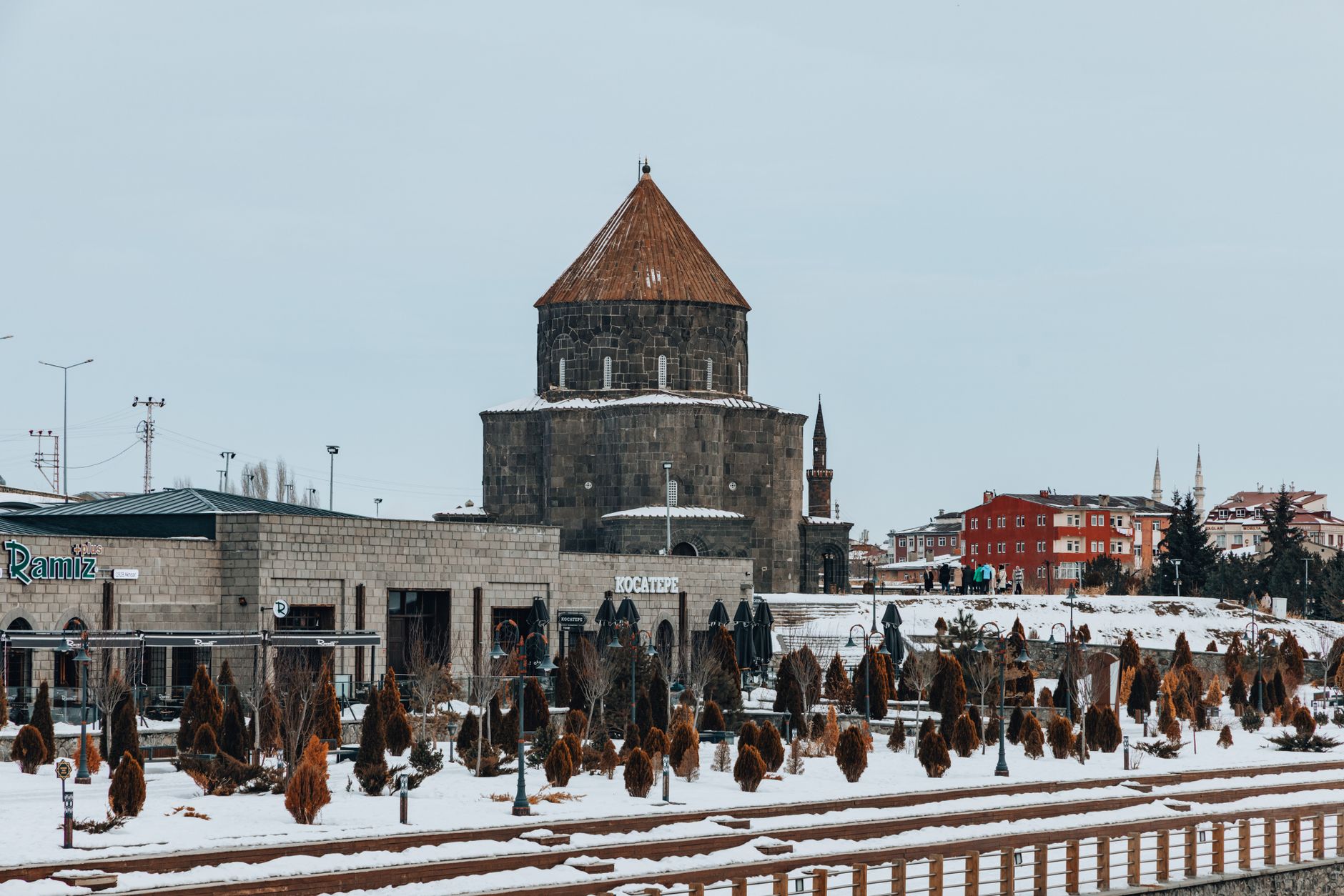
7. The Ghost City of a Thousand Churches
Ani, Kars Province, Turkey
Once a bustling medieval Armenian capital vying with Constantinople, this ancient city now stands in magnificent ruins, often called the 'City of 1001 Churches.'
Perched on a remote plateau overlooking a gorge that forms the border with Armenia, Ani was a powerhouse in the 10th and 11th centuries. Its strategic location on trade routes led to immense wealth, funding the construction of countless churches, palaces, and fortifications. Earthquakes, sieges, and a shift in trade routes led to its decline, leaving behind a hauntingly beautiful collection of crumbling cathedrals and mosques, whispering tales of its forgotten glory.
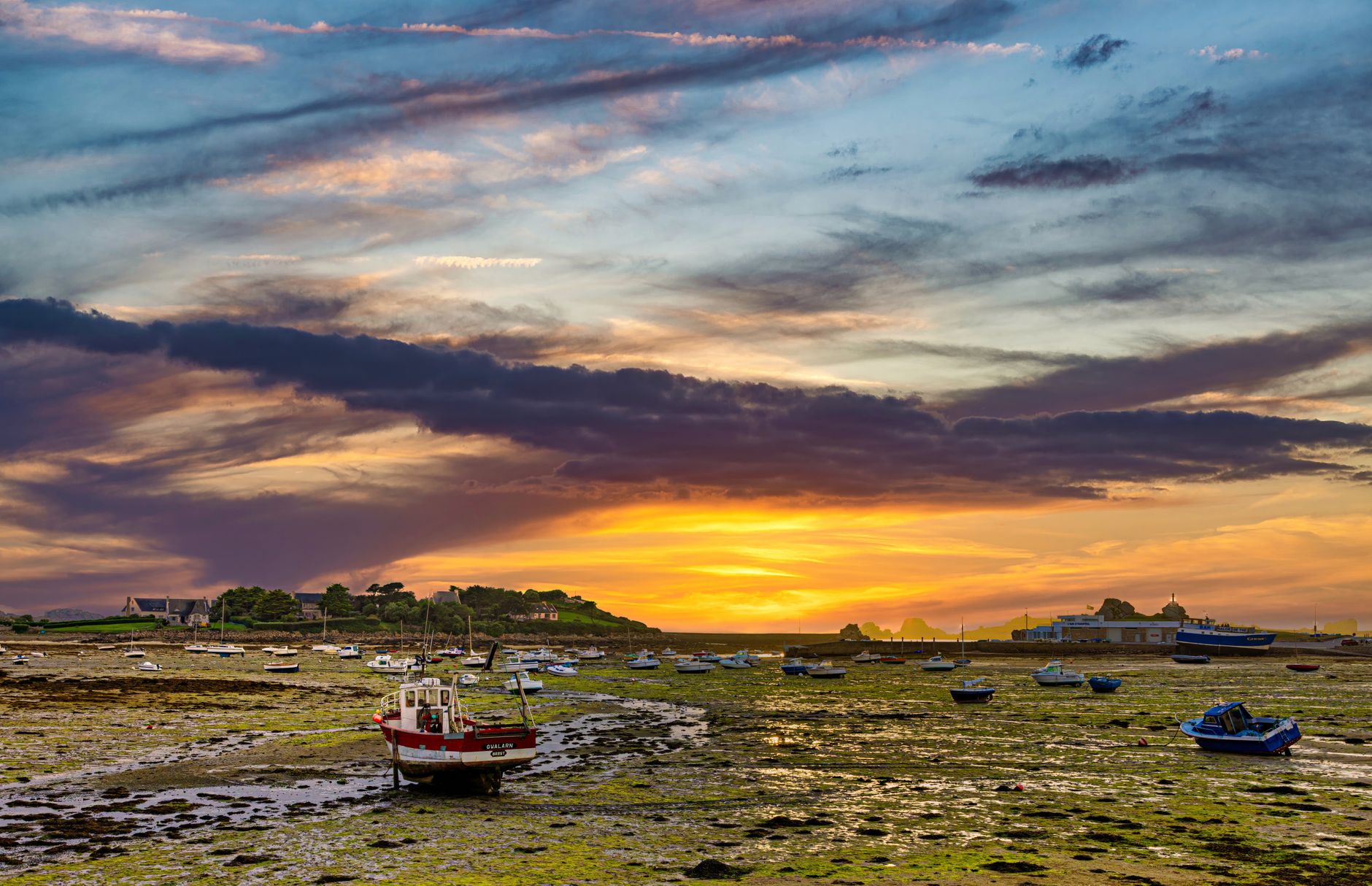
8. The Tidal Island Castle
St. Michael's Mount, Cornwall, UK
This dramatic tidal island is topped by a medieval castle and church, accessible by a cobbled causeway only at low tide, becoming an island at high tide.
Mirroring Mont Saint-Michel in France, St. Michael's Mount in Cornwall possesses its own distinct charm and history. For centuries, it has served as a monastery, a fortress, and a stately home for the St Aubyn family. The walk across the causeway at low tide offers a unique pilgrimage, while at high tide, the island floats majestically in Mount's Bay. Its rich past involves giants, ancient legends, and significant historical events, all contained within its granite walls.
Frequently asked questions
How can I discover truly unique, lesser-known travel destinations?
Look beyond typical travel guides and popular social media feeds. Explore historical atlases, local tourism boards for specific regions, or specialty travel blogs focusing on unique cultural or natural phenomena. Engaging with local communities online can also reveal hidden gems.
What's the best way to research the history of a specific place before I visit?
Start with reliable online encyclopedias or historical societies. Local libraries often have archives and resources specific to their area. For deeper dives, look for academic papers or historical documentaries. Always cross-reference information to ensure accuracy.
Can exploring old maps truly inspire new travel ideas?
Absolutely. Old maps reveal place names, historical routes, and geographical features that might have changed or been forgotten. They encourage a different way of looking at a location, prompting questions about what happened there, who lived there, and what secrets the land might still hold.
How does AllTours.ai enhance the experience of discovering these hidden stories?
AllTours.ai brings the stories of these places to life, right in your hand. Simply point your phone camera at a landmark or landscape, and the app instantly narrates its history, geology, and cultural significance in your language. It's like having a local expert guide accompanying you, revealing the deeper narratives that make each spot truly unique.
Related guides
Photography via Pexels. AllTours.ai is an AI audio tour guide — point your camera at any landscape and hear its story.