July 27, 2026 · 4 min read
The image of an archery accident during a performance in New York evokes a powerful sense of unexpected vulnerability—a moment where precision gives way to unforeseen consequences. While that specific event might be a fictional prompt, its spirit resonates deeply with countless real places around the globe, where grand designs, human ambition, or nature's caprice led to surprising outcomes. These locations aren't just points on a map; they are living lessons, etched with stories of miscalculations, unforeseen forces, and the enduring human spirit.
Forget the well-trodden paths. This journey invites you to explore lesser-known sites where history delivered its own kind of 'archery accident'—a sudden, impactful event that forever altered a landscape or community, leaving behind profound lessons. From industrial mishaps that reshaped cityscapes to architectural marvels that defied expectations, these places offer vivid, specific narratives that spark curiosity about the world's most surprising corners.
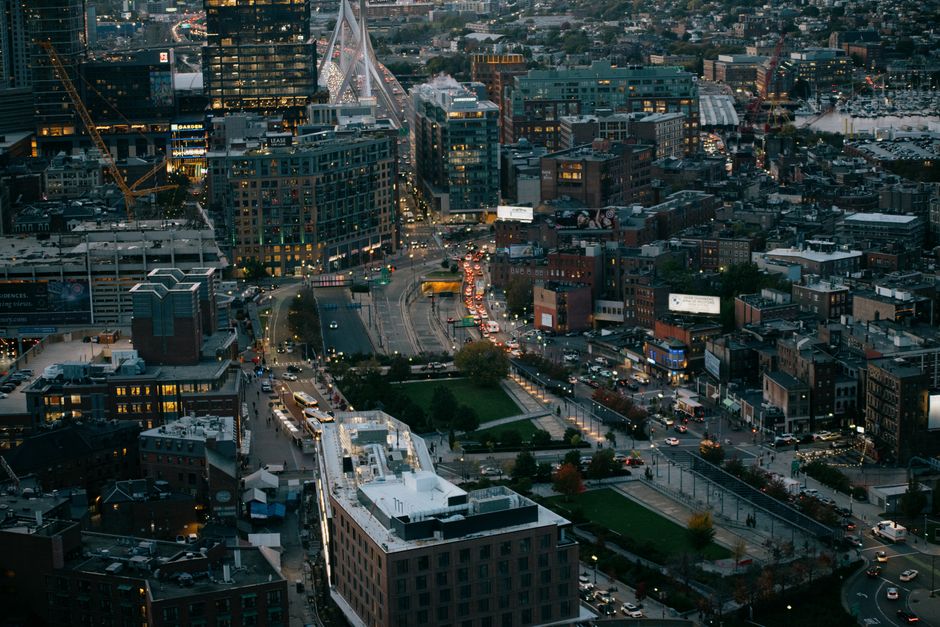
1. The Sweet Disaster of Commercial Street
Boston, USA
A 2.3 million-gallon wave of molasses once surged through a city neighborhood, causing catastrophic destruction.
On January 15, 1919, a massive storage tank burst in Boston's North End, unleashing a 25-foot high wave of molasses that swept through the streets at 35 miles per hour. The sticky flood killed 21 people and injured 150, demolishing buildings and trapping horses. The disaster taught a grim lesson in industrial safety and the unexpected destructive power of seemingly benign substances, leading to significant changes in construction and engineering regulations.
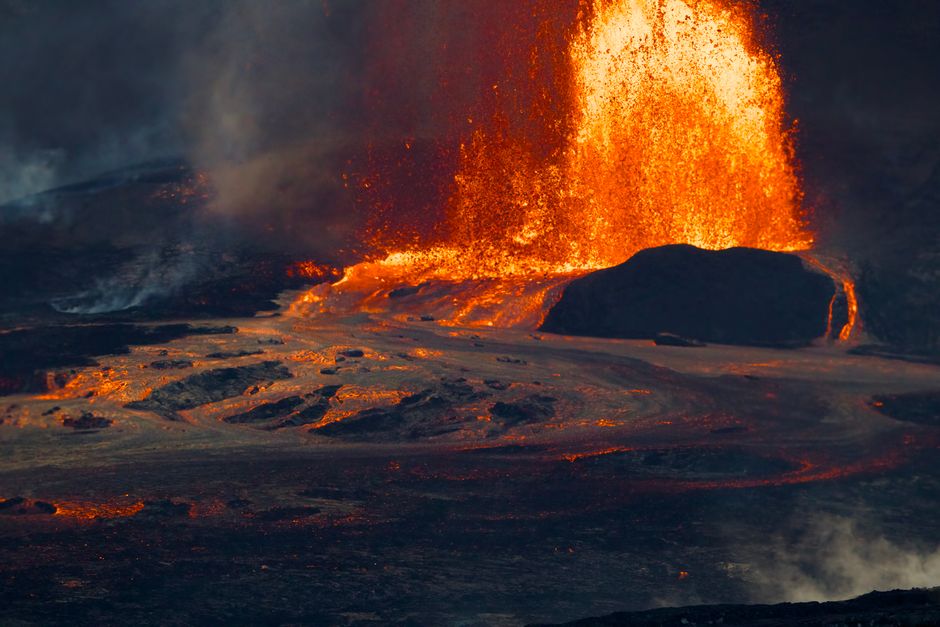
2. The Door to Hell
Darvaza Gas Crater, Turkmenistan
A Soviet drilling accident accidentally created a perpetually burning crater that has been alight for over 50 years.
In 1971, Soviet geologists drilling for natural gas accidentally punctured a cavern, causing the ground to collapse and creating a massive crater. Fearing the spread of poisonous methane gas, they decided to light it, expecting it to burn out in a few weeks. Five decades later, the 'Door to Hell' still blazes, a fiery, otherworldly spectacle that serves as a potent reminder of the unpredictable and long-lasting consequences of human intervention in nature.
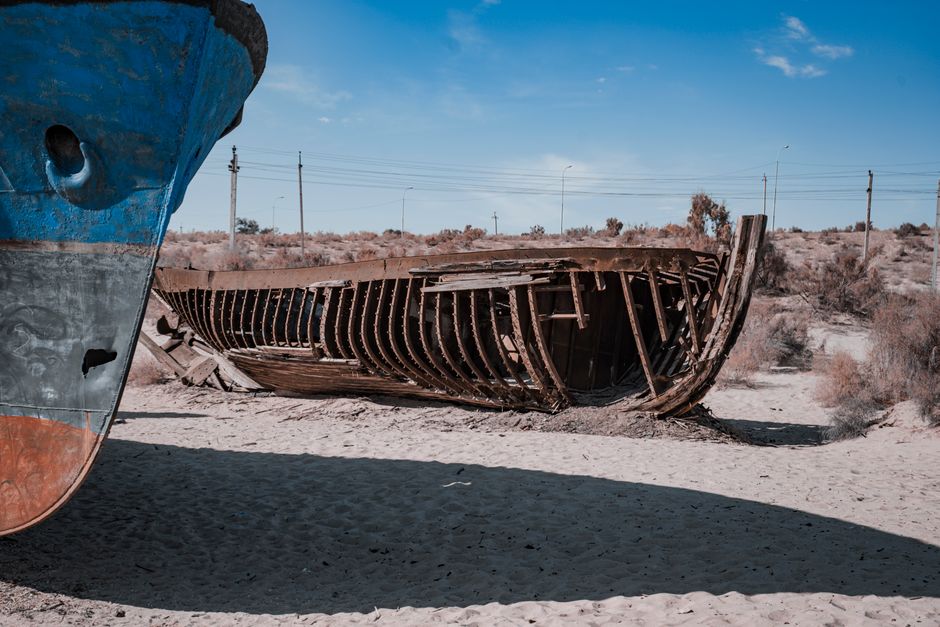
3. The Graveyard of Ships
Nouadhibou, Mauritania
The world's largest ship graveyard reveals the stark reality of unchecked industrial waste and environmental neglect.
Off the coast of Nouadhibou lies a sprawling boneyard of hundreds of rusting ships, once a thriving fishing port turned into an illegal dumping ground for vessels. From massive cargo ships to smaller fishing boats, their hulks create a somber, apocalyptic landscape. This vast maritime cemetery is a vivid, if tragic, lesson in the devastating environmental impact of human greed and the global challenges of waste disposal, offering a stark visual of industrial decay.
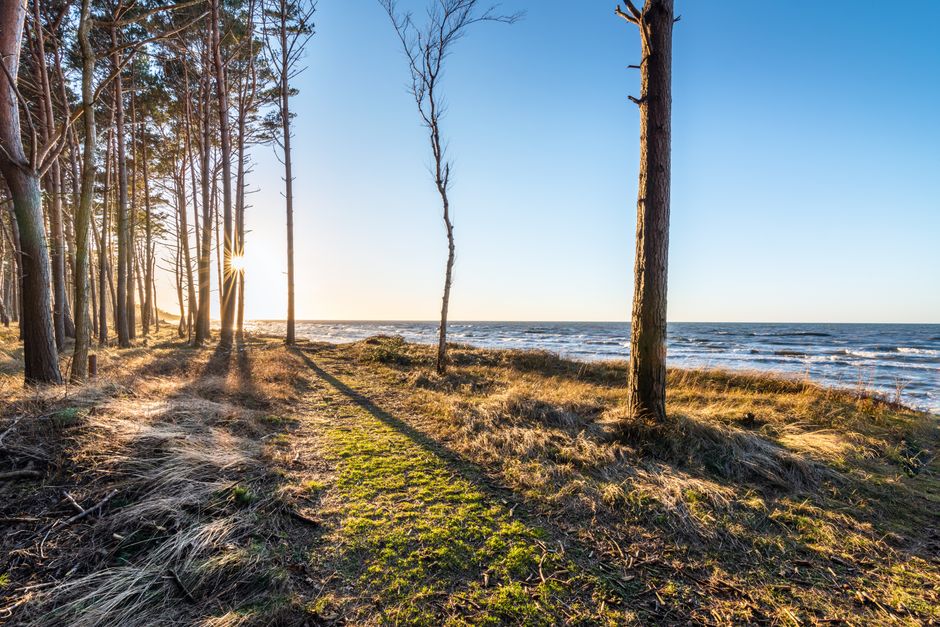
4. The Mystery of the Crooked Forest
Gryfino, Poland
A grove of pine trees grows with an inexplicable 90-degree bend at their base, baffling scientists and visitors alike.
Near Gryfino, a small forest of around 400 pine trees exhibits a bizarre anomaly: each tree bends sharply northward just above ground level, then curves back upright. Planted in the 1930s, the cause of their unusual growth remains a mystery. Theories range from specific pruning techniques by local farmers to unique gravitational pull or heavy snowfall. The Crooked Forest stands as a natural enigma, teaching us that even in a world meticulously mapped, unexpected and unexplained phenomena persist.
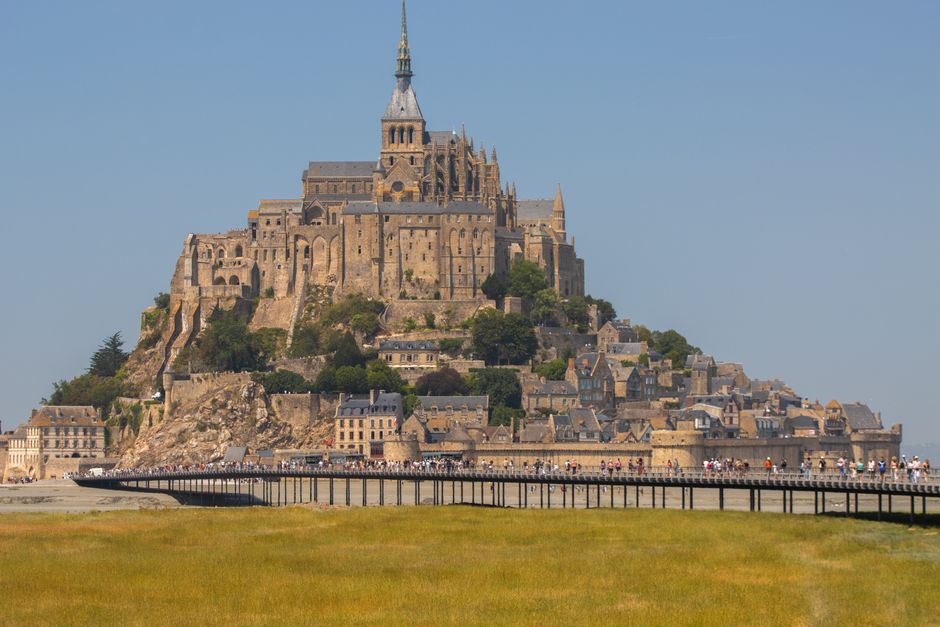
5. The Unsinkable Monks of Skellig Michael
Skellig Michael, Ireland
Ancient monks built a precarious monastery on a remote, jagged island, enduring extreme conditions against all odds.
Perched precariously on a jagged rock six miles off Ireland's coast, the UNESCO World Heritage site of Skellig Michael was home to a community of early Christian monks from the 6th to the 13th century. They carved out a monastic existence in beehive huts, braving brutal storms and isolation. Their remarkable endurance and architectural ingenuity, building on such an exposed and dangerous site, offers a profound lesson in human resilience, faith, and the sheer force of will to thrive in the harshest environments.
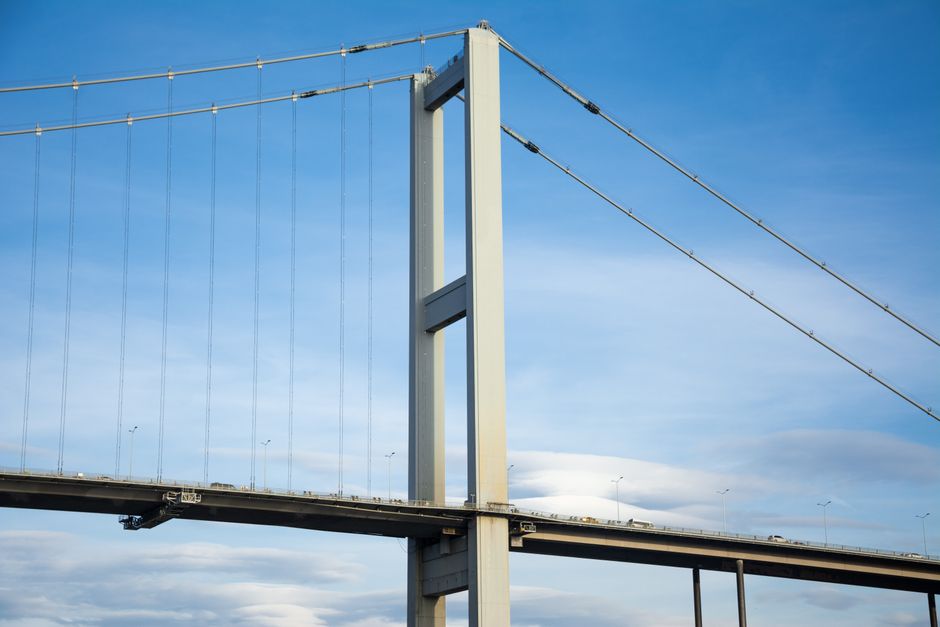
6. The Humming Bridge's Unexpected Song
Humber Bridge, England
Once the world's longest single-span suspension bridge, it developed an unexpected 'wobble' that taught engineers new lessons.
Opened in 1981, the Humber Bridge was an engineering marvel, but in the years following, it became known for its 'wobble' or unexpected aerodynamic vibrations, especially in high winds. While never a danger, the phenomenon led to extensive research and retrofitting with aerodynamic fairings. The bridge's unexpected behavior provided invaluable lessons in structural dynamics and aeroelasticity, demonstrating that even the most meticulously planned grand designs can surprise their creators and necessitate continuous learning and adaptation.
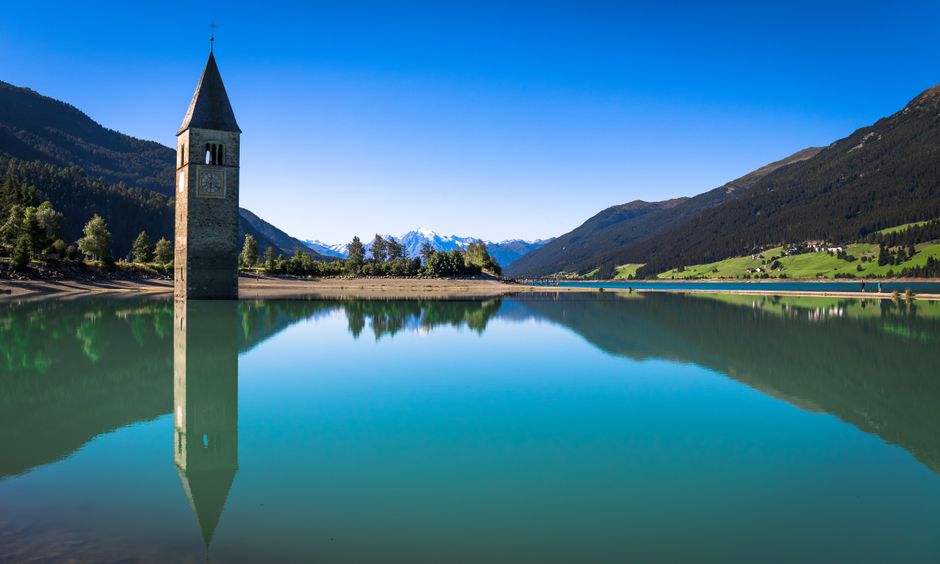
7. The Submerged Village of Curon
Lake Resia, South Tyrol, Italy
A 14th-century church steeple mysteriously emerges from a lake, marking the spot of a village deliberately flooded for progress.
In 1950, the entire village of Curon Venosta (Graun im Vinschgau) was deliberately submerged to create a hydroelectric dam, merging two natural lakes into the artificial Lake Resia. All that remains visible today is the iconic 14th-century church tower, rising eerily from the water. This haunting landmark serves as a powerful lesson about the sacrifices made in the name of progress, the echoes of lost communities, and the enduring memory of a place forever altered by human design and industrial ambition.
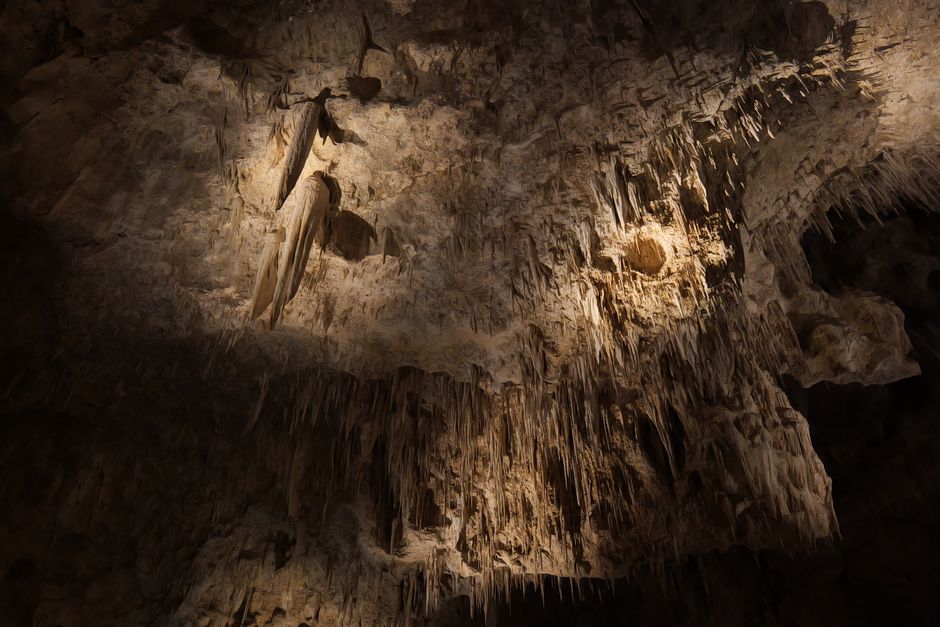
8. The Fragile Beauty of Sleeping Beauty
Carlsbad Caverns National Park, New Mexico, USA
A delicate cave formation almost met its demise due to early human carelessness, teaching a vital conservation lesson.
Within the magnificent Carlsbad Caverns lies the 'Sleeping Beauty' formation, a stunning, delicate drapery of rock that hangs elegantly. In the early days of exploration, before strict conservation measures, visitors often touched or broke off pieces of formations as souvenirs, causing irreversible damage. The near-loss of such fragile wonders like Sleeping Beauty taught early park management and the public a crucial lesson about the profound importance of preserving natural heritage, leading to the stringent protections now in place for these geological treasures.
Frequently asked questions
What caused the Great Molasses Flood in Boston?
The Great Molasses Flood was caused by the structural failure of a large molasses storage tank owned by the Purity Distilling Company. Investigations revealed that the tank was poorly constructed and inadequately tested, leading to its catastrophic rupture.
Is the 'Door to Hell' in Turkmenistan still burning?
Yes, the Darvaza Gas Crater, popularly known as the 'Door to Hell,' has been continuously burning since it was ignited in 1971. It remains a fiery spectacle, fueled by natural gas reserves beneath the desert surface.
What is the story behind the submerged church tower in Lake Resia?
The iconic church tower in Lake Resia is all that remains of the old village of Curon (Graun), which was intentionally flooded in 1950 to create a larger reservoir for a hydroelectric power plant. The villagers were relocated, and their homes submerged, leaving the steeple as a lone sentinel.
How can I discover the unique stories of places like these on my travels?
The best way to uncover the hidden histories and surprising facts of destinations is with AllTours.ai. Simply point your phone camera at any landmark, landscape, or even a street scene, and the app will narrate its history, geology, and cultural significance in your language, bringing these captivating stories to life right where you stand.
Related guides
Photography via Pexels. AllTours.ai is an AI audio tour guide — point your camera at any landscape and hear its story.