July 10, 2026 · 4 min read
When you travel, the local market isn't just a place to shop; it's a living museum of culture, history, and daily life. It’s where you find the soul of a place, reflected in the ingredients that have sustained its people for generations. Forget the tourist traps and bustling city centers for a moment, and consider the quiet corners of the world where truly unique staples have stories waiting to be told.
Which staple from the local market is always in your kitchen, if you were a local in these incredible, often overlooked destinations? We’re diving into the surprising origins of everyday items, from ancient grains to unique spices, revealing the fascinating geology, resilient history, and rich cultural traditions that shape what ends up on the table.
1. Oaxaca's Ancient Corn Sanctuary
Tlacolula de Matamoros, Oaxaca, Mexico
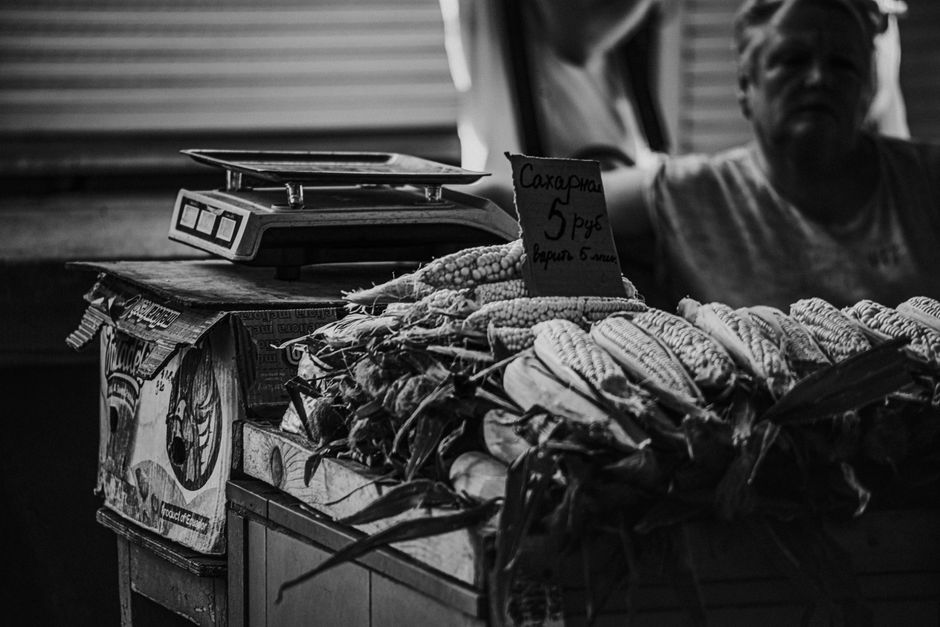
This Sunday market is a living tradition where unique pre-Hispanic corn varieties, almost lost to time, are still traded directly by indigenous farmers.
Every Sunday, the Tlacolula Market transforms. Farmers from surrounding Zapotec and Mixtec villages bring their harvest, including dozens of native maize varieties: blue, red, black, and striped kernels each with distinct flavors. These ancient landraces, painstakingly preserved across generations, form the backbone of Oaxaca's culinary identity, far beyond the common yellow corn. Walking through, you encounter not just food, but centuries of agricultural heritage.
2. Portugal's Roman Liquid Gold
Alentejo Region, Portugal
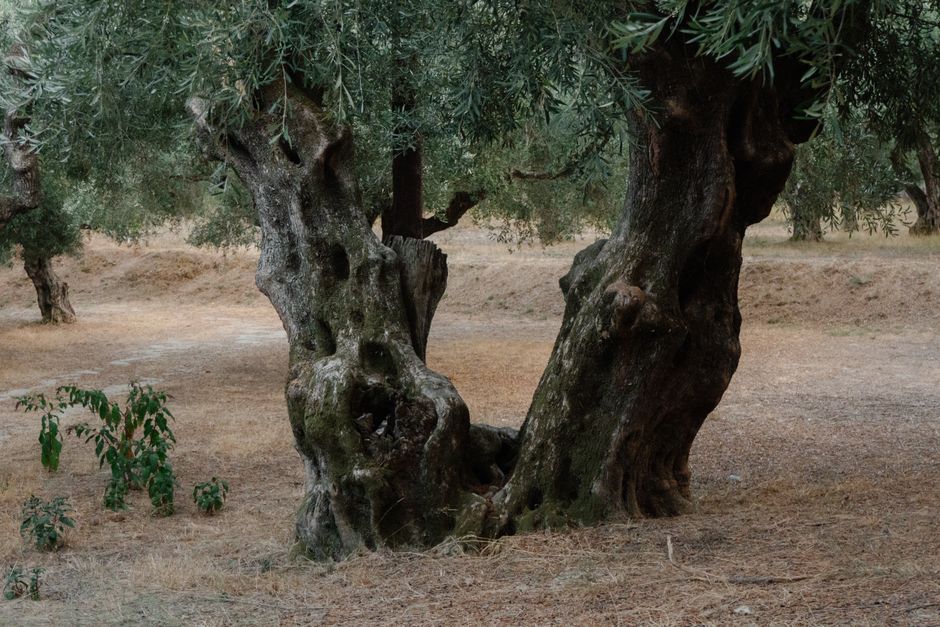
Ancient Roman olive presses still dot the sun-baked landscape here, hinting at a continuous oil production tradition spanning millennia.
The rolling hills of Alentejo, Portugal, are carpeted with some of the world's oldest olive groves. The region's distinct, peppery olive oil carries a legacy stretching back to Roman times, when this area was a major supplier to the empire. Many estates still use traditional methods, pressing olives from trees that have stood for hundreds of years. The resulting oil is a vibrant, golden green, a direct link to ancient tastes and agricultural resilience.
3. Georgia's Mountain Spice Secret
Svaneti Region, Georgia
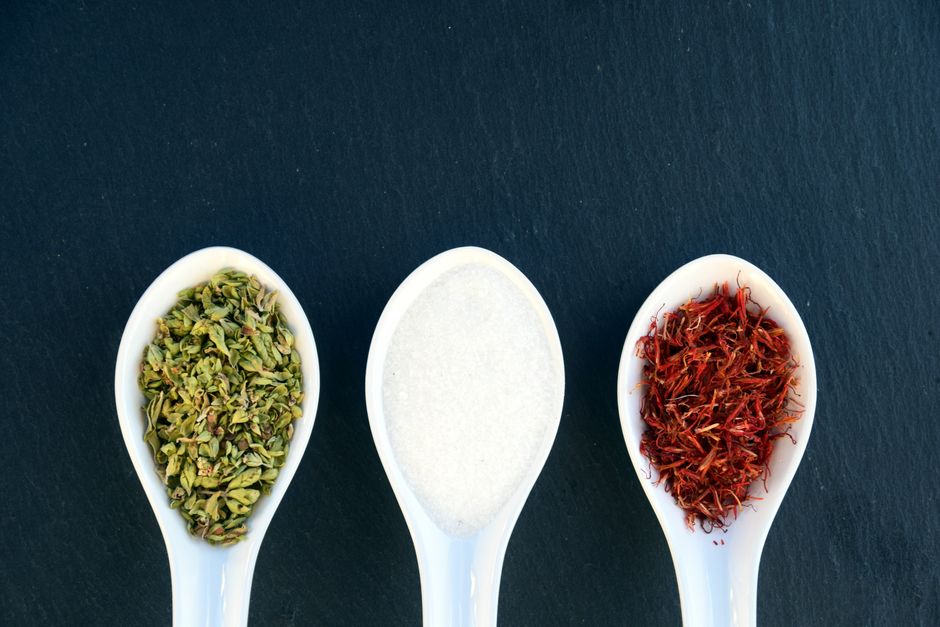
The unique spice blend known as Svanetian salt, a staple here, was born out of necessity when salt was a scarce commodity in the high Caucasus mountains.
In the remote, towering peaks of Svaneti, Georgia, ordinary salt was a precious commodity. To make it last, locals developed a fragrant blend incorporating wild herbs like blue fenugreek, dried marigold, coriander, and garlic. This "Svanetian salt" infuses every dish with the essence of the mountains, acting as both seasoning and a historical testament to ingenuity in a challenging environment. It's a flavor profile unlike any other, deeply embedded in Georgian cuisine.
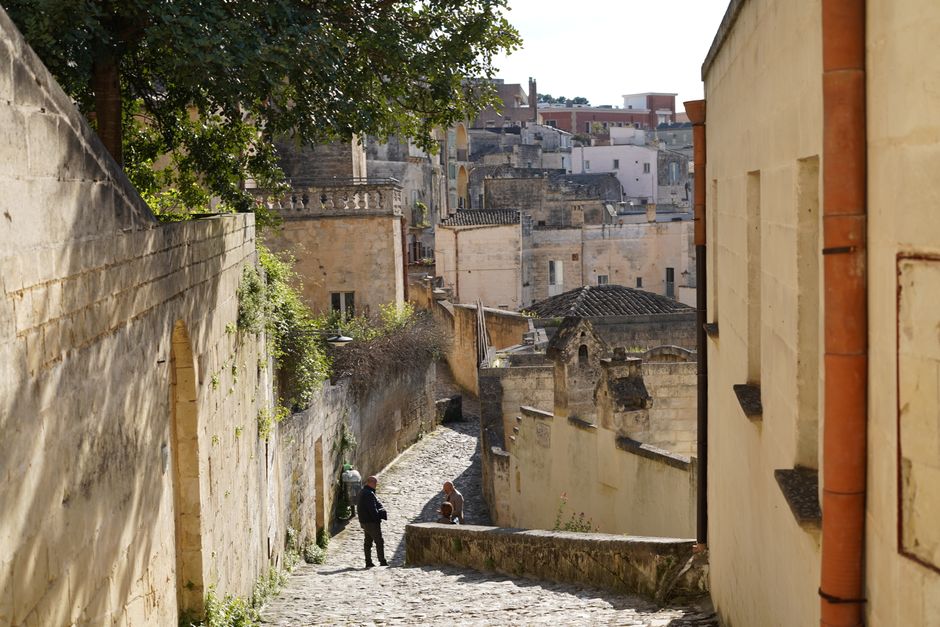
4. Matera's Shepherd's Loaf
Matera, Basilicata, Italy
The distinctive horn shape of Matera bread once helped shepherds identify their loaves in communal village ovens, a tradition from a city carved into rock.
In the ancient cave-dwelling city of Matera, bread isn't just food; it's a symbol of its enduring history. Pane di Matera, a slow-fermented sourdough made from local durum wheat, has been produced here for centuries. Its unique, often horn-like shape and long shelf-life were practical solutions for shepherds and cave dwellers who needed sustenance that could last. This bread reflects a deep connection to the land and a communal way of life.
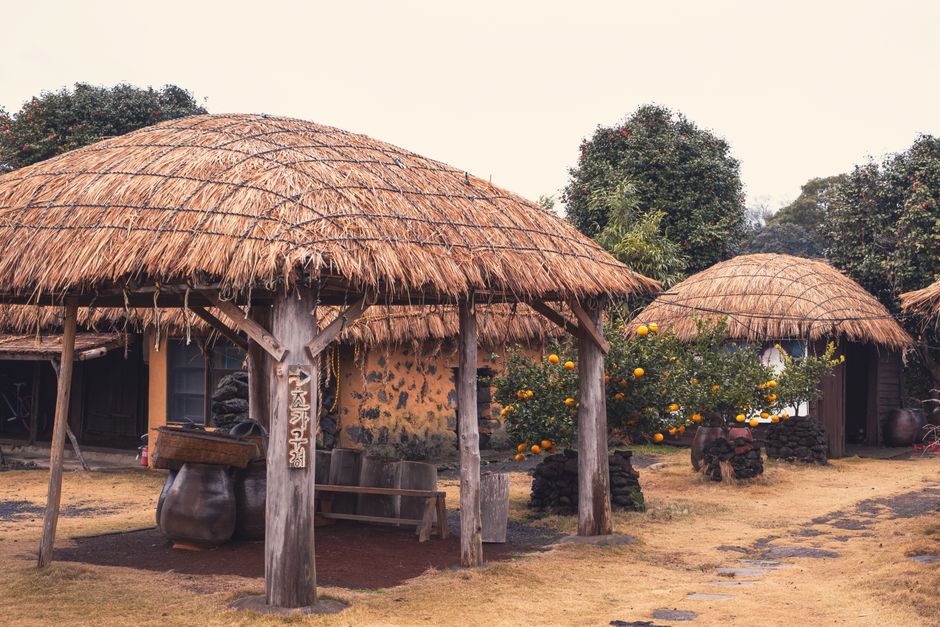
5. Jeju's Volcanic Citrus Burst
Jeju Island, South Korea
The island's volcanic soil and strong winds give its mandarins a unique sweetness and a surprisingly thick, protective skin.
Jeju Island, a volcanic marvel off South Korea's coast, is renowned for its exceptional mandarins. The mineral-rich soil, a legacy of ancient eruptions, and the island's often-harsh winds contribute to the fruit's intense flavor and sturdy rind. Varieties like Hallabong, with its distinctive navel, are highly prized. These aren't just any citrus; they're a direct taste of Jeju's dramatic geological story, meticulously cultivated by islanders for generations.
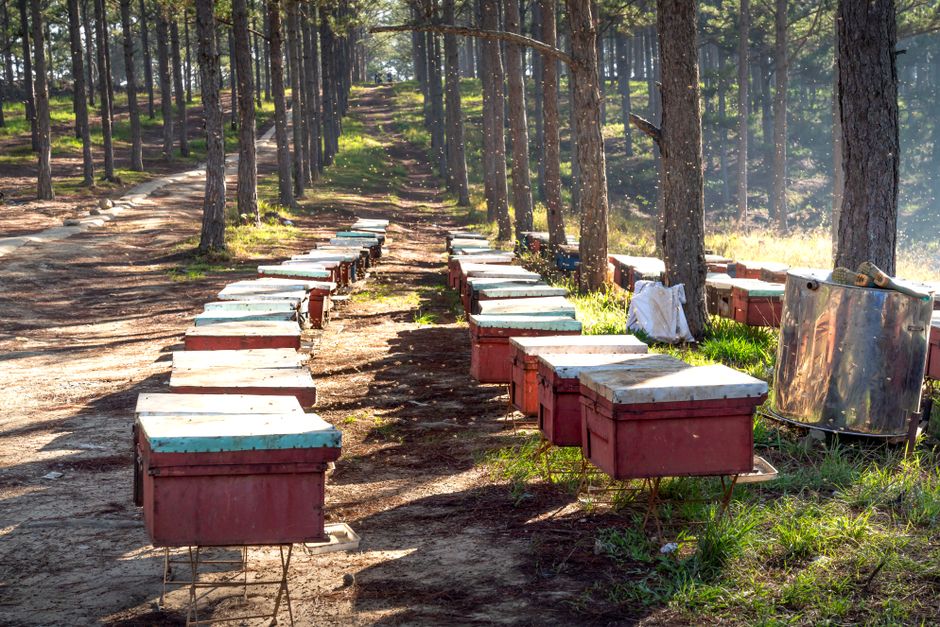
6. Turkey's Forest Nectar Secret
Akyaka, Muğla Province, Turkey
The pine honey produced here is unique in the world, made not from flower nectar, but from the sweet secretions of a specific insect on pine trees.
In the lush pine forests around Akyaka, Turkey, a remarkable ecological partnership creates a distinctive honey. Unlike most honeys derived from floral nectar, "Çam Balı" (pine honey) comes from the honeydew secreted by a scale insect, *Marchalina hellenica*, that lives on specific pine species. Bees collect this sweet liquid, transforming it into a dark, resinous honey with a rich, malty flavor. It's a testament to nature's complex food webs and a vital local product.
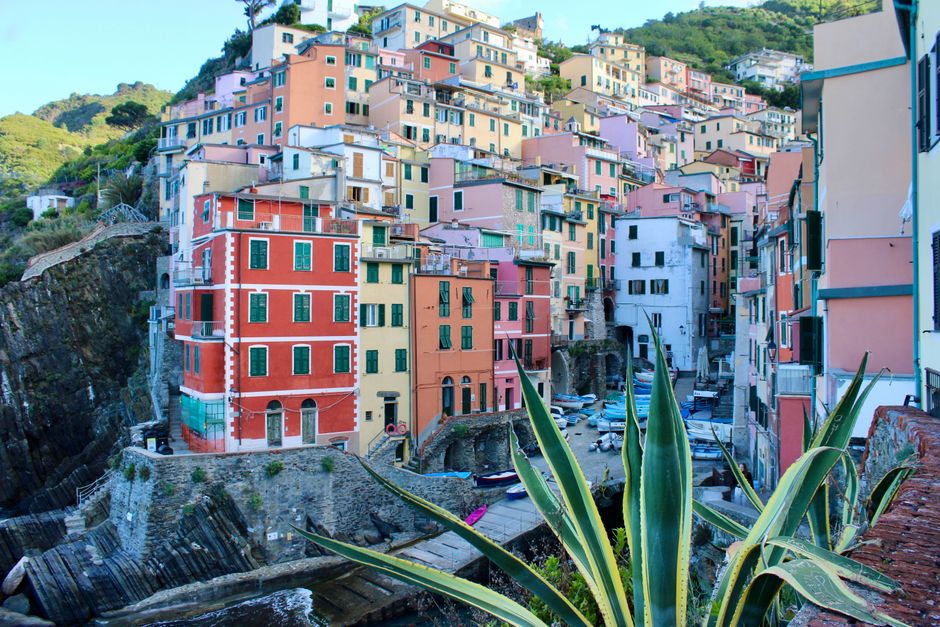
7. The Cliffside Golden Wine
Manarola, Cinque Terre, Italy
This rare, sweet wine is made from grapes so steep and scarce, local farmers once used monorails to transport them from terraces carved into cliffs.
Perched precariously on the terraced cliffs of Cinque Terre, the production of Sciacchetrà is an act of defiance against gravity. This sweet, intensely aromatic passito wine uses grapes like Bosco, Albarola, and Vermentino, painstakingly harvested from tiny, hand-built vineyards. The grapes are then air-dried for months to concentrate their sugars before fermentation. It's a precious, golden elixir, embodying the arduous labor and ancient traditions of these coastal communities.
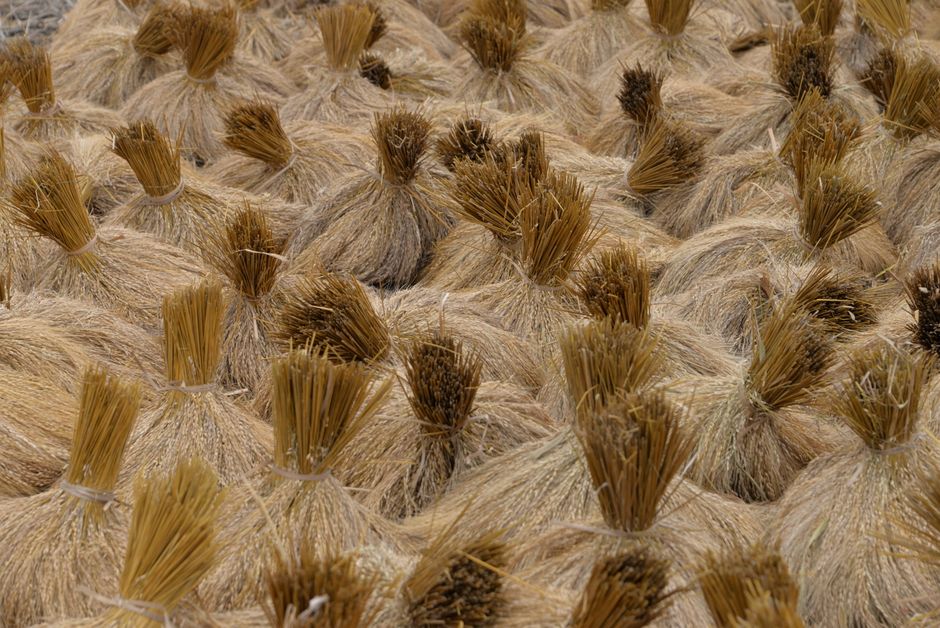
8. America's Resilient Heirloom Grain
Gullah Geechee Corridor, Lowcountry, USA
The heirloom rice varieties cultivated here survived centuries of transatlantic trade, preserving West African agricultural techniques in the American South.
Along the coastal Lowcountry, particularly within the Gullah Geechee Corridor, a culinary and historical treasure thrives: Carolina Gold Rice. This long-grain, aromatic rice is a direct descendant of varieties brought from West Africa by enslaved people, whose sophisticated agricultural knowledge transformed the region. Its revival represents not just a gastronomic rediscovery, but also a vital acknowledgment of an enduring cultural legacy. It's a staple that tells a deep story of resilience and heritage.
Frequently asked questions
What makes a "local staple" unique in different cultures?
Local staples are often shaped by a region's unique geography, climate, and historical events. They reflect ingenious adaptations to available resources, traditional farming methods, and cultural customs passed down through generations, making them distinct from globalized food items.
How can I find authentic local markets when I travel?
To find authentic local markets, look for smaller, community-focused markets outside major tourist zones. Ask locals for recommendations, or search online for "farmers markets" or "wet markets" in specific neighborhoods rather than central districts. Visiting on a weekday morning can also offer a more genuine experience.
Are these lesser-known food traditions sustainable?
Many lesser-known food traditions are inherently sustainable, often relying on heirloom varieties, traditional farming practices, and local sourcing that minimize environmental impact. They frequently support small-scale farmers and preserve biodiversity, contrasting with industrial food systems.
How does AllTours.ai help me explore these local stories?
AllTours.ai transforms your phone into an AI audio tour guide. Simply point your camera at a landmark, a unique dish, or a bustling market stall, and the app will narrate its history, geology, and cultural significance in your language, bringing these fascinating local stories to life instantly.
Related guides
Self-guided audio tours
Walk these places stop by stop — free five-stop story tours you can take at your own pace:
Photography via Pexels. AllTours.ai is an AI audio tour guide — point your camera at any landscape and hear its story.