July 4, 2026 · 4 min read
The question 'What's wrong with ultraprocessed food?' isn't just about nutritional labels or health warnings; it's about a deeper disconnect. It’s a loss of story, origin, and the intricate cultural tapestry woven around what we eat. When food becomes a manufactured commodity, we often lose touch with the landscapes, traditions, and human ingenuity that once defined our meals.
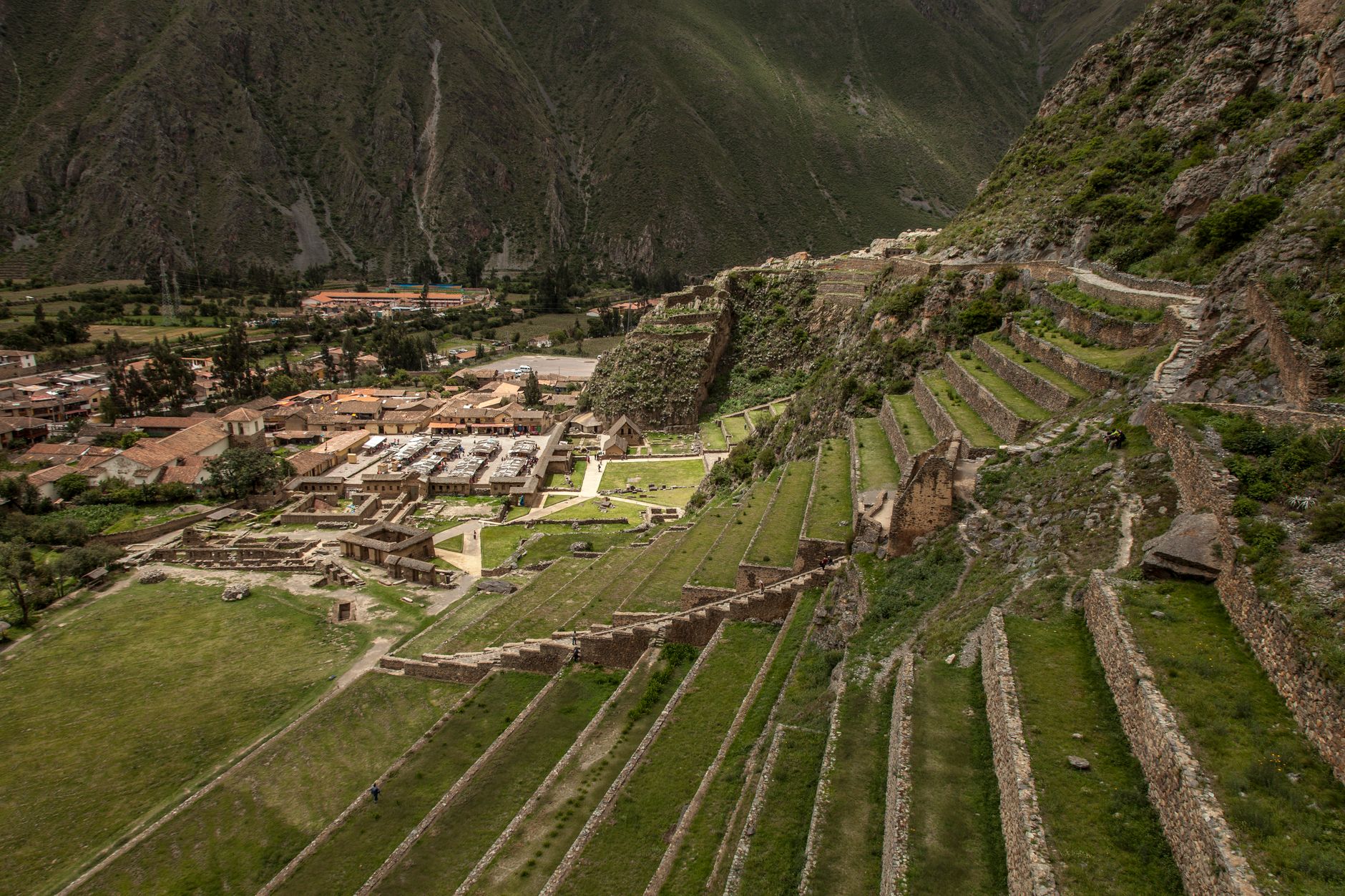
But the world is still rich with places where food remains a profound connection to history, geology, and community. These are the forgotten corners, the vibrant markets, and the ancient fields where the true essence of eating is preserved. To understand the antidote to ultraprocessed food, sometimes you just need to explore where real food traditions flourish.
1. Sardinia's Blue Zone Secret
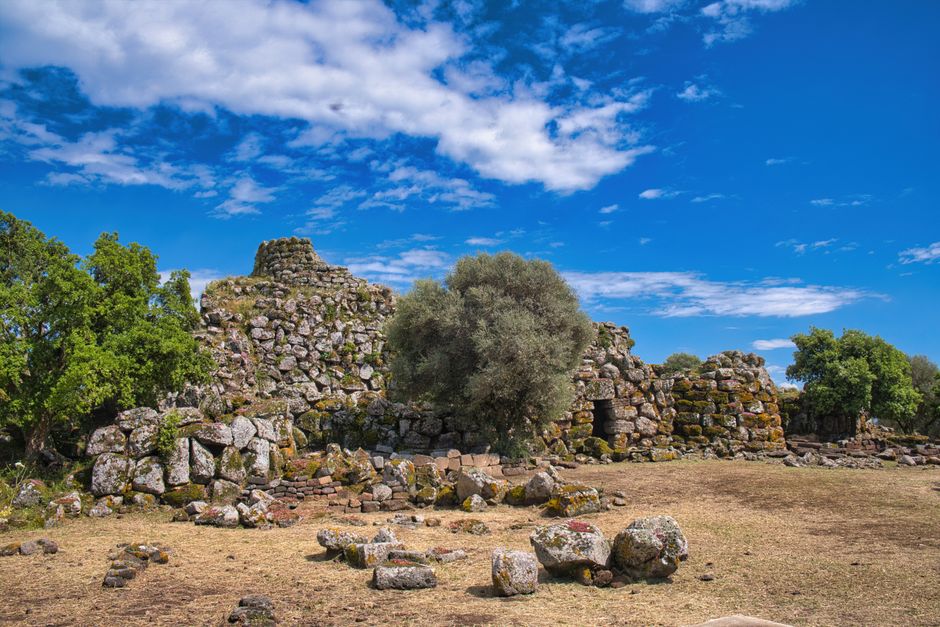
Barbagia Region, Sardinia, Italy
This rugged Italian island region boasts an unusual concentration of centenarians, largely attributed to their traditional way of life and diet.
In the mountainous heart of Sardinia, particularly the Barbagia region, communities practice a diet rich in whole grains, legumes, local pecorino cheese from grass-fed sheep, and Cannonau wine. Their food is deeply tied to their pastoral lifestyle, emphasizing fresh, minimally processed ingredients cultivated and prepared with age-old methods. This isn't a trendy diet; it's a centuries-old way of eating that highlights the power of unprocessed, local sustenance.
2. Inca's Agricultural Laboratory
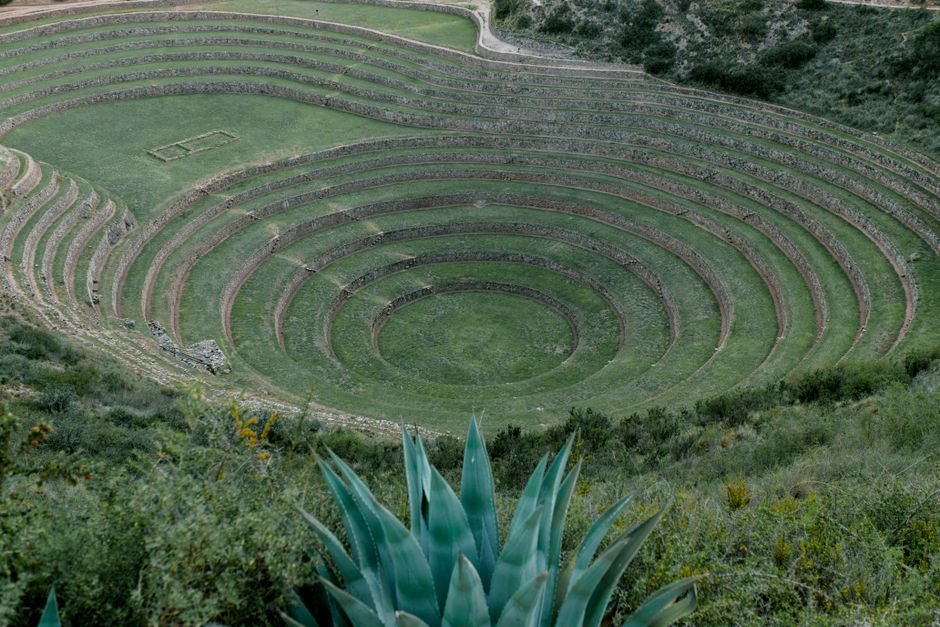
Moray, Sacred Valley, Peru
The Inca civilization engineered a massive, natural agricultural laboratory, using concentric terraces to create distinct microclimates for diverse crop cultivation.
At Moray, the Inca didn't just farm; they experimented. These remarkable circular depressions, resembling ancient amphitheaters, allowed them to simulate various ecosystems. Each terrace level has a different temperature and humidity, enabling the Incas to adapt and cross-breed crops like potatoes and corn, ensuring food security across their vast empire. It's an astounding testament to ancient agricultural science, focusing on natural diversity rather than industrial monocultures.
3. Birthplace of Slow Food
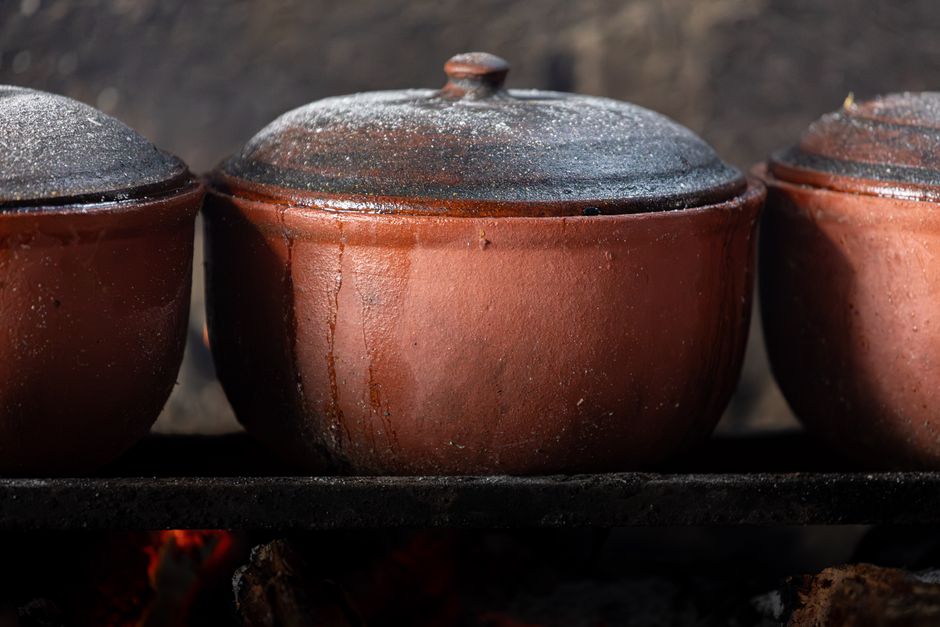
Bra, Piedmont, Italy
This small Italian town became the unlikely cradle of a global movement advocating for 'good, clean, and fair food' in response to the rise of fast food.
In 1986, when a McDonald's was slated to open near the Spanish Steps in Rome, local activist Carlo Petrini rallied against the erosion of Italian culinary traditions. This protest quickly evolved into the Slow Food movement, headquartered in Bra. It champions local food cultures, traditional farming, and the pleasure of eating, directly opposing the speed and homogeneity of industrial food production. Bra reminds us that food isn't just fuel; it's heritage.
4. Oaxaca's Corn Cradle
Oaxaca Valley, Mexico
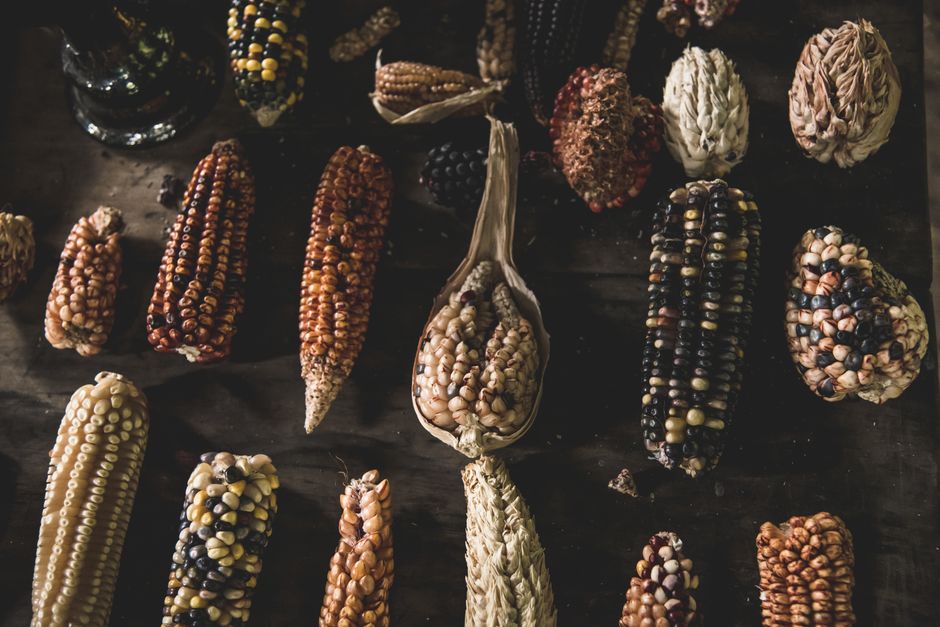
Oaxaca is a global hotspot for maize biodiversity, where ancient traditions of cultivating diverse corn varieties sustain both ecological balance and culinary heritage.
For millennia, Indigenous communities in Oaxaca have nurtured thousands of distinct corn varieties, each adapted to specific microclimates and culinary uses. They employ the 'milpa' system, a polycultural approach where corn, beans, and squash grow symbiotically, enriching the soil and providing balanced nutrition. This deep connection to native corn contrasts sharply with industrial monoculture, showcasing food as a living part of the landscape and culture.
5. Ancient Salt Terraces of Maras
Maras, Sacred Valley, Peru
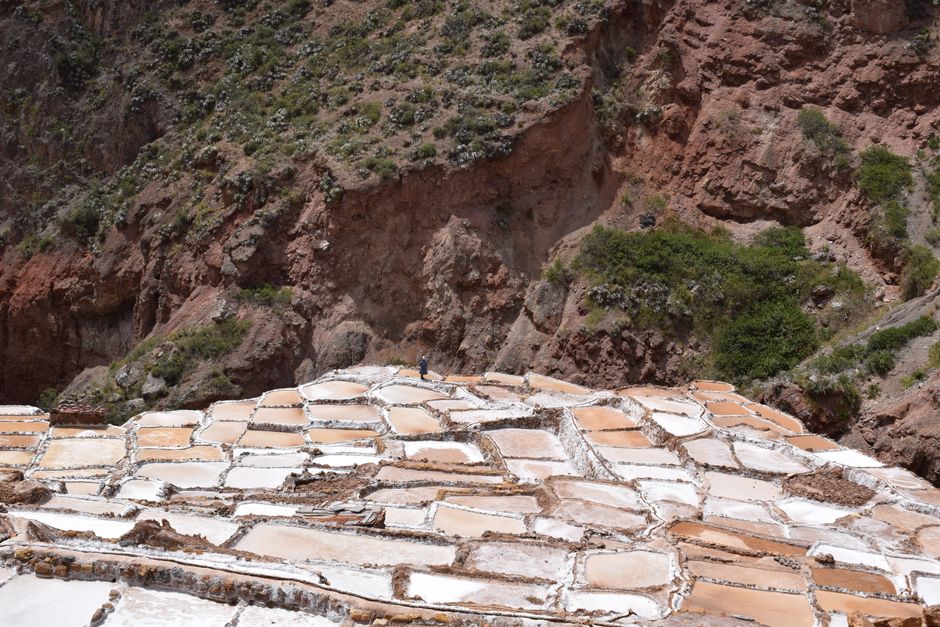
Thousands of glistening white salt ponds, hand-harvested since Inca times, cascade down a mountainside, providing a pure, essential food preservative.
High in the Peruvian Andes, a saline spring feeds an intricate network of evaporation ponds known as the Maras salt pans. For centuries, local families have channeled the mineral-rich water into these terraced pools, allowing the sun to evaporate the water and leave behind crystalline salt. This artisanal method produces a naturally mineral-rich salt, a vital commodity and food additive, entirely untouched by industrial processing, connecting directly to an ancient food source.
6. Ulm's Ode to Bread
Ulm, Baden-Württemberg, Germany
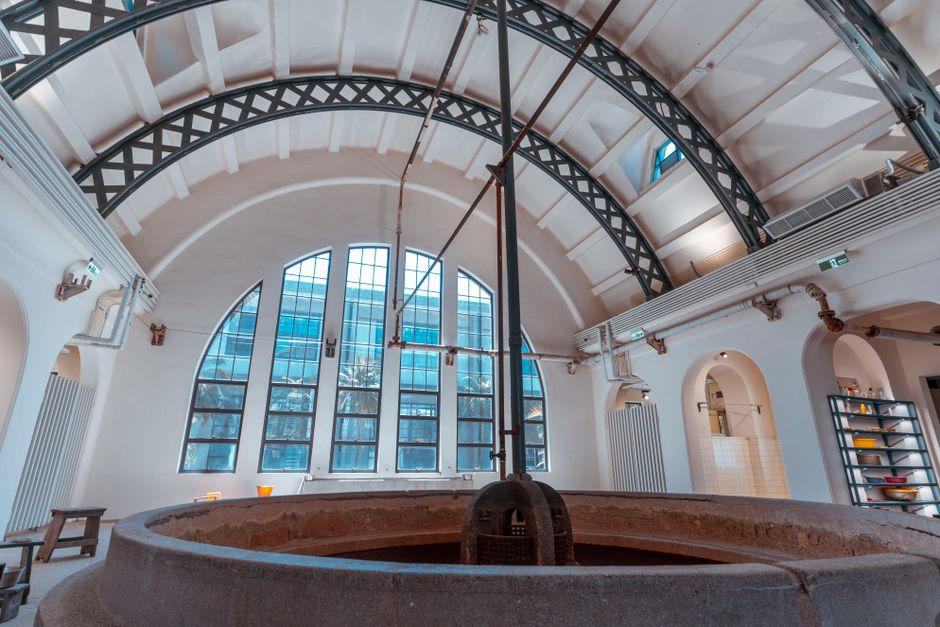
This German city hosts a unique museum dedicated entirely to the 6,000-year cultural history of bread, a staple often taken for granted.
The Museum of Bread Culture in Ulm explores bread's profound significance beyond mere sustenance. Its exhibits delve into bread's role in religion, art, social status, and daily life across millennia. It showcases ancient baking tools, historical recipes, and the evolution of grains, reminding visitors of the fundamental, often spiritual, importance of this simple food before it became mass-produced. It's a journey through humanity's relationship with one of its most basic and vital foods.

7. Faroe's Fermented Survival
Faroe Islands, Denmark
Isolated and windswept, these islands developed unique fermentation and air-drying techniques to preserve meat and fish, creating a distinctive and essential cuisine.
The harsh climate of the Faroe Islands made traditional farming difficult, pushing inhabitants to master the art of preservation. 'Ræst,' a semi-fermented lamb or fish, and 'skerpikjøt,' wind-dried mutton, are culinary cornerstones. These methods, utilizing specific conditions of temperature and humidity in outdoor drying sheds, are not just about taste but survival. They represent a deep cultural knowledge of food processing that predates refrigeration and industrial preservatives by centuries.
8. Crete's Ancient Olive Sentinel
Vouves, Crete, Greece
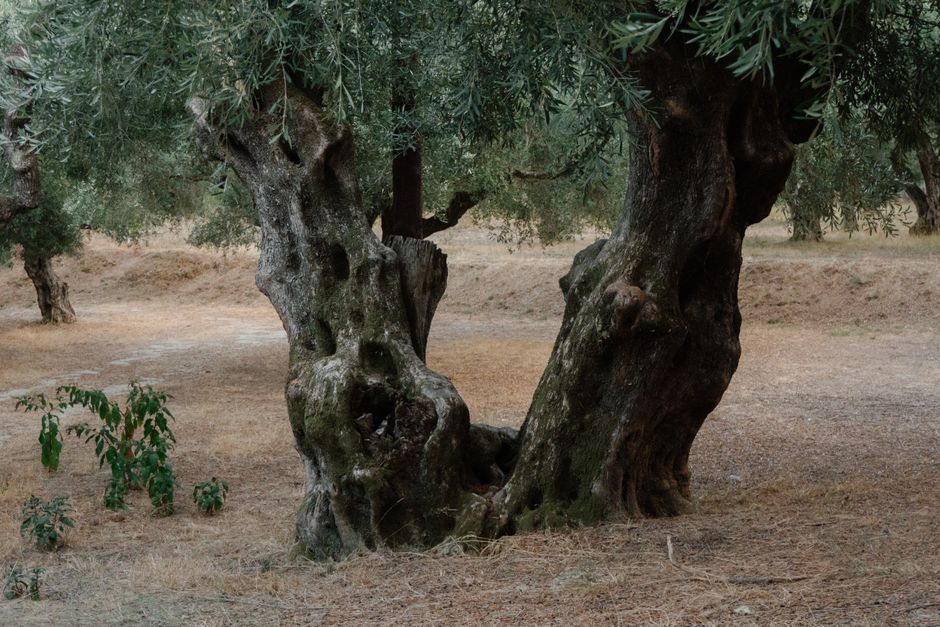
Home to one of the world's oldest olive trees, estimated to be thousands of years old, still bearing fruit and symbolizing enduring agricultural heritage.
In the village of Ano Vouves stands an olive tree that has witnessed millennia of history, its gnarled trunk a testament to enduring life. This ancient monument, dated between 3,000 and 5,000 years old, continues to produce olives, which are still harvested. It's a living symbol of Crete's deep connection to olive oil, a cornerstone of the healthy Mediterranean diet, representing a continuous, natural food source cultivated with respect for generations.
Frequently asked questions
Why is ultraprocessed food considered unhealthy?
Ultraprocessed foods often contain high levels of added sugar, unhealthy fats, and sodium, along with artificial colors, flavors, and preservatives. These ingredients can contribute to inflammation, weight gain, and an increased risk of chronic diseases like heart disease and diabetes. They also tend to be low in fiber and essential nutrients.
What makes a food 'ultraprocessed'?
Ultraprocessed foods are industrial formulations made from ingredients derived from foods, often with minimal whole food components. They typically involve multiple processing steps and contain additives like emulsifiers, thickeners, and artificial sweeteners not found in home cooking. Examples include packaged snacks, sugary cereals, and ready-to-eat meals.
How can I identify ultraprocessed foods when traveling?
When traveling, look for foods with long ingredient lists containing unfamiliar chemical names or ingredients you wouldn't typically use in your kitchen. Prioritize fresh, local produce, whole grains, and dishes prepared with simple, recognizable ingredients. Visiting local markets and eating at traditional eateries can help you avoid them.
How does AllTours.ai help me explore food history on my travels?
AllTours.ai connects you directly to the rich stories behind the places you visit, including their unique food traditions and agricultural heritage. By simply pointing your phone camera at a landmark or landscape, the app narrates its history, geology, and culture in your language, bringing to life the origins of local ingredients and ancient foodways.
Related guides
Photography via Pexels. AllTours.ai is an AI audio tour guide — point your camera at any landscape and hear its story.