July 4, 2026 · 4 min read
The hypothetical question is a classic: If you could only have one meal for the rest of your life, what are you picking? It’s a challenge to narrow down a lifetime of culinary delights to a single, perfect plate. But beyond just taste, what if that meal could also connect you to a profound story – a snippet of history, a geological marvel, or a unique cultural tradition?
Forget the usual suspects. We’ve scoured the globe for eight truly special, often overlooked, dishes that offer not just incredible flavors, but also a deep dive into the soul of a place. These aren't just meals; they're edible history lessons, cultural touchstones, and windows into fascinating worlds. Prepare your palate for discovery.

1. Fermented Flavors of the Norse
Kirkjubøur, Faroe Islands
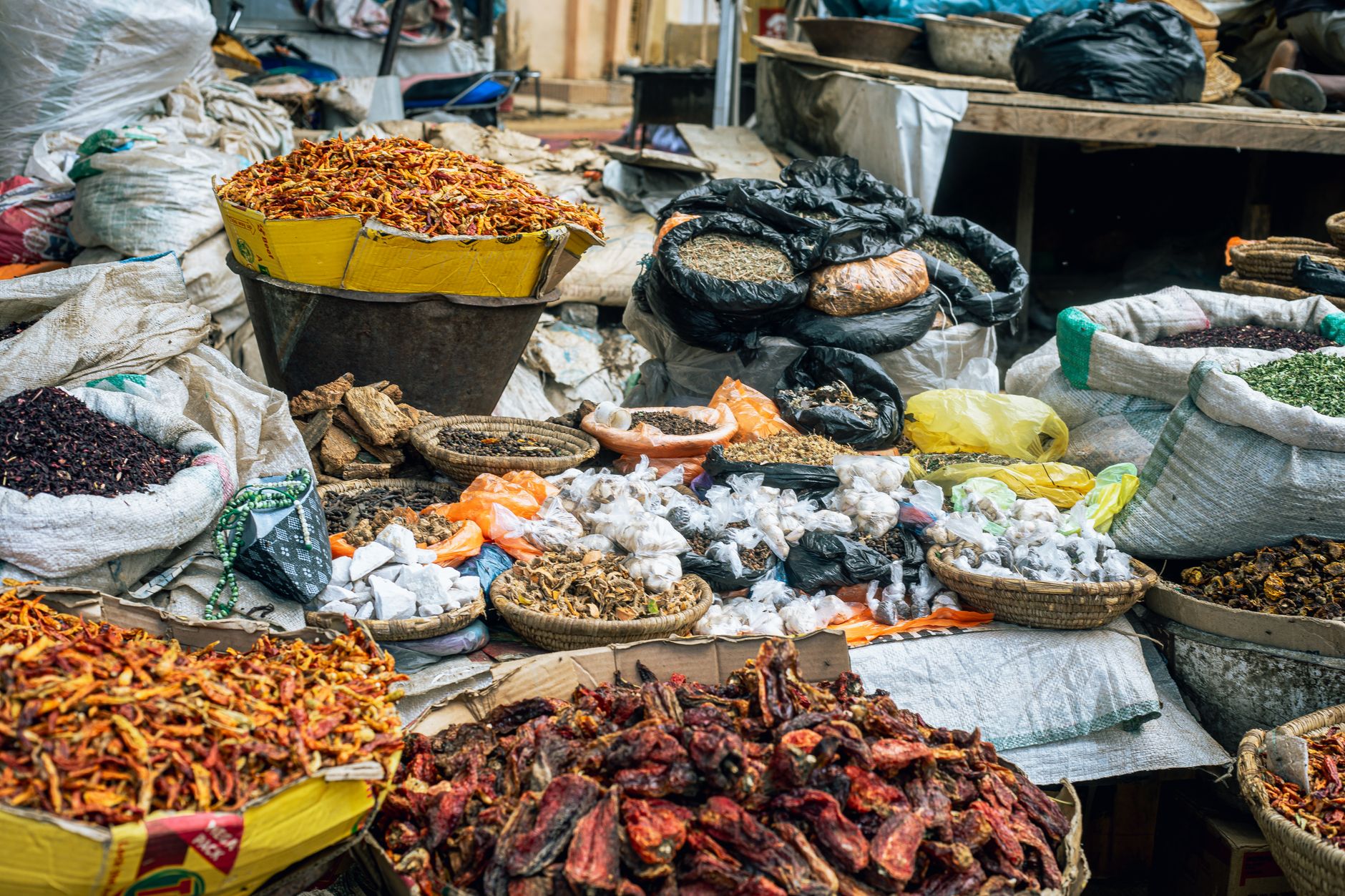
This dish is prepared using a Viking-era preservation technique, where lamb air-dries for months in special sheds, developing a uniquely pungent, umami flavor.
The method of "ræst" has been perfected over centuries in the unforgiving North Atlantic climate. Locals still use traditional "hjallur" (drying sheds) where the sea winds and specific temperatures naturally ferment the meat. It's not for the faint of heart, but it's a direct culinary link to the Norse settlers who first brought sheep to these remote islands. The intense flavor tells a story of survival and ingenuity, a true taste of Arctic resilience.
2. Sardinia's Harvest Blessing Pasta
Ogliastra region, Sardinia, Italy
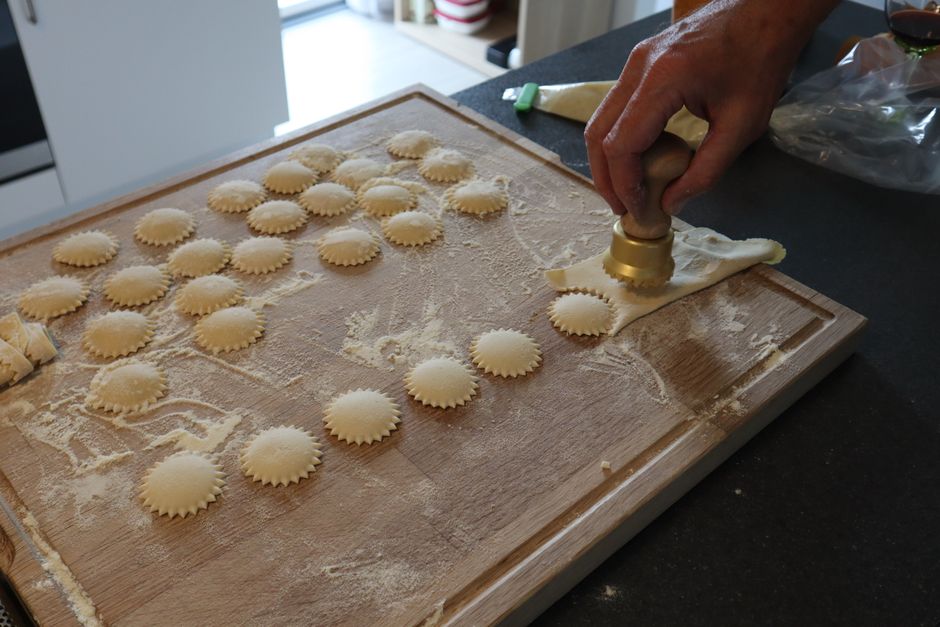
These delicate pasta parcels are traditionally sealed with a 'sa spighitta' (wheat ear) pattern, a symbol of prosperity and a blessing for the harvest, passed down through generations.
In the isolated Ogliastra region, culurgiones are more than just food; they're a cultural emblem. The intricate sealing technique, resembling a braided ear of wheat, is a skill taught from mother to daughter, reflecting the island's deep agricultural roots and a reverence for the land. Traditionally filled with potato, mint, and Pecorino Sardo, they embody the ancient pastoral traditions of Sardinia, a taste of an unchanging way of life, distinct from mainland Italian cuisine.
3. Andean Resilience in a Bowl
Puno, Peru
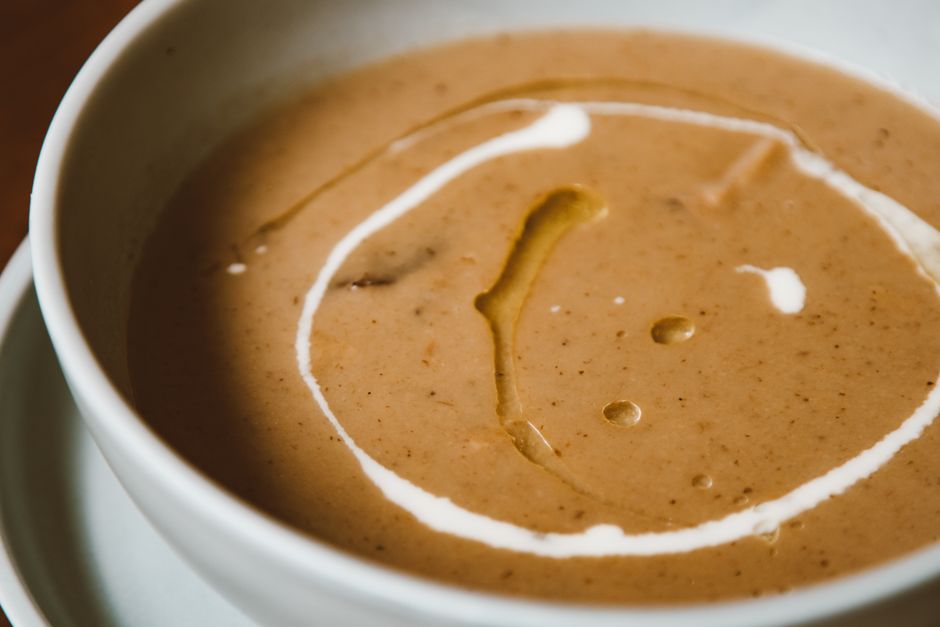
This hearty Andean soup is built around "chuño," freeze-dried potatoes that survive harsh altiplano winters, a staple food cultivated since Inca times.
Chairo soup is a lifeline in the high altitudes of the Peruvian Andes, especially around Lake Titicaca. Its key ingredient, chuño, is made by exposing potatoes to freezing night temperatures and intense daytime sun, then trampling them to remove water. This ancient preservation method, dating back to the Inca Empire, allowed communities to store potatoes for years, ensuring survival in a challenging environment. Eating chairo is a taste of resilience and a direct connection to the ingenuity of pre-Columbian agriculturalists.
4. Okinawa's Longevity Stir-fry
Okinawa, Japan
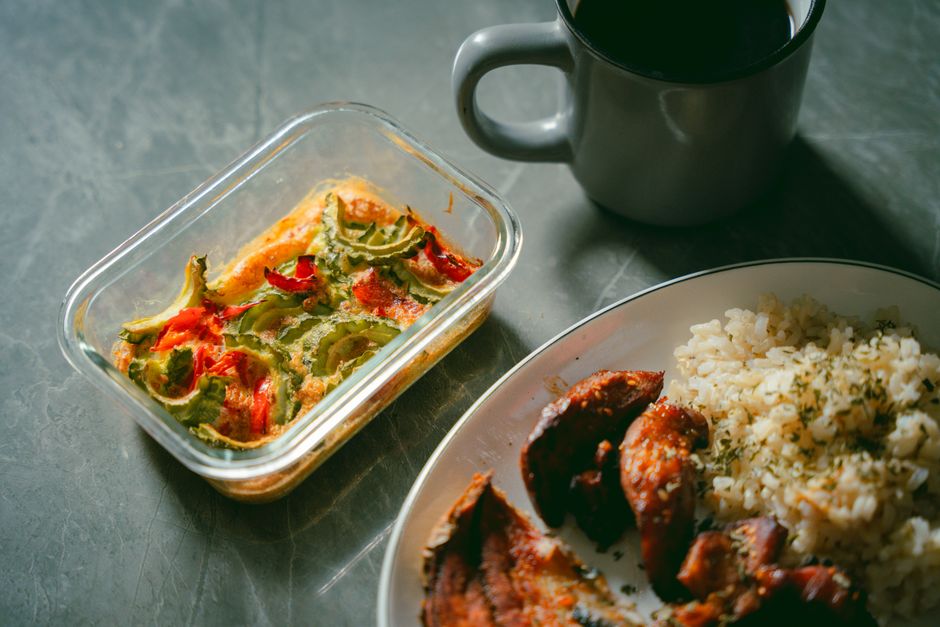
A stir-fry featuring bitter melon, a key ingredient in the Okinawan diet credited with contributing to the islanders' famously long lifespans.
Okinawa is renowned as one of the world's "Blue Zones," areas where people live significantly longer. Goya Champuru, a staple dish, showcases the unique Okinawan culinary approach. The bitter melon (goya) is stir-fried with tofu, egg, and sometimes pork, creating a distinct flavor profile. This dish isn't just delicious; it's a testament to a food culture deeply intertwined with health and longevity, reflecting centuries of local wisdom and a diet rich in plant-based ingredients.
5. Alpine Frontline Fuel
Soča Valley, Slovenia
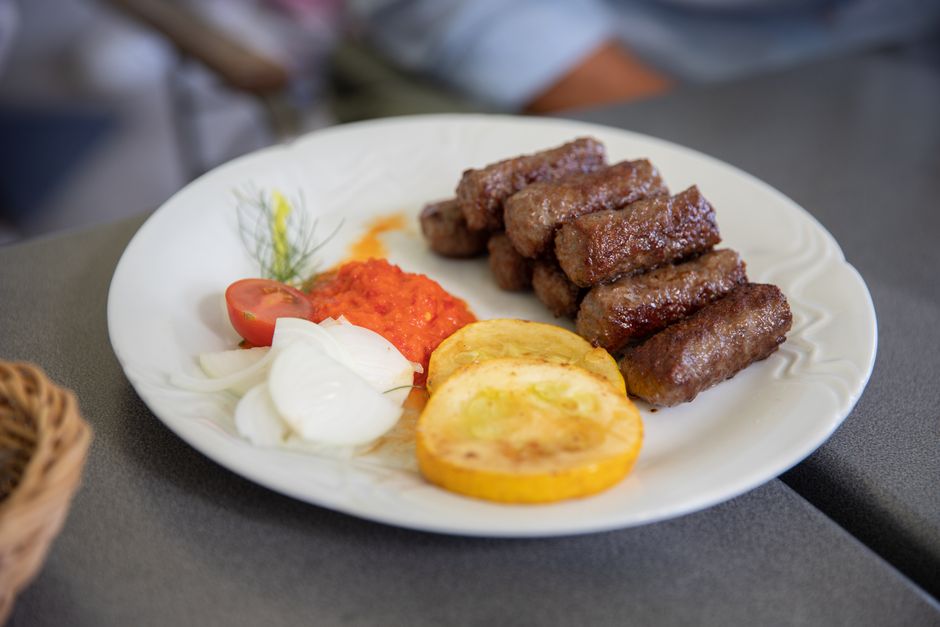
This simple, robust dish was the sustenance for soldiers fighting on the Isonzo Front during WWI, giving them energy in the brutal Alpine trenches.
The Soča Valley, known for its emerald river, was a brutal battleground during WWI's Isonzo Front. Frika, a hearty fritter of cheese and potatoes, became a survival food for the soldiers. Its high caloric content and ease of preparation made it ideal for sustaining troops in the harsh mountain conditions. Today, eating frika in a local 'gostilna' is a direct culinary link to that harrowing period, a humble dish carrying immense historical weight from a region deeply scarred by conflict.
6. Oaxaca's Ancient Corn Canvas
Oaxaca City, Mexico
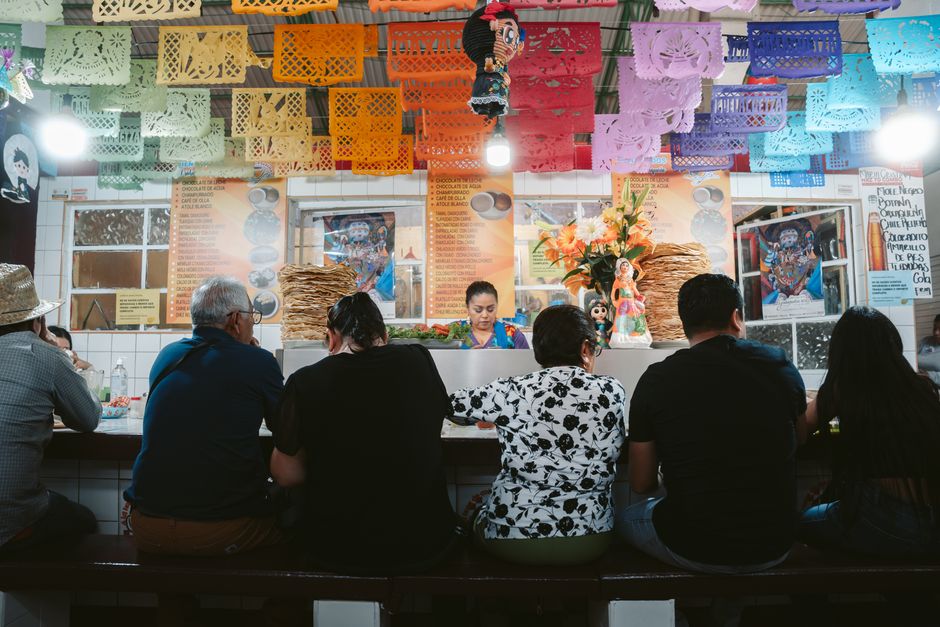
Often called "Oaxacan pizza," tlayudas are large, crisp tortillas traditionally cooked over a comal, embodying the region's deep corn culture and pre-Hispanic culinary traditions.
Oaxaca is a culinary powerhouse, and tlayudas are its crunchy, flavorful ambassadors. These oversized, thin tortillas are partially cooked, then spread with refried beans, lard (asiento), cheese (quesillo), and various toppings, before being grilled until crisp. The process reflects centuries of maize cultivation and preparation, a cornerstone of Mesoamerican civilization. Each bite offers a connection to ancient cooking methods and the vibrant street food culture that thrives in this southern Mexican state.

7. Harar's Trade Route Platter
Harar Jugol, Ethiopia
This communal platter is a culinary mirror to Harar's unique cultural mosaic, reflecting its ancient trade routes and Islamic heritage through a medley of spiced stews and flatbread.
Harar Jugol, a UNESCO World Heritage site, is a fortified city steeped in history, a former Islamic sultanate and trade hub. Harari Beyaynetu is more than a meal; it's a communal experience. Served on a large injera (sourdough flatbread), it features an array of 'wot' (stews) – often lentil, vegetable, or slow-cooked meat – distinctively spiced to reflect the city's unique blend of African, Arab, and Indian influences from centuries of trade. Eating it is to taste the convergence of diverse cultures that shaped this remarkable city.
8. Hoi An's Secret Well Noodles
Hoi An, Vietnam
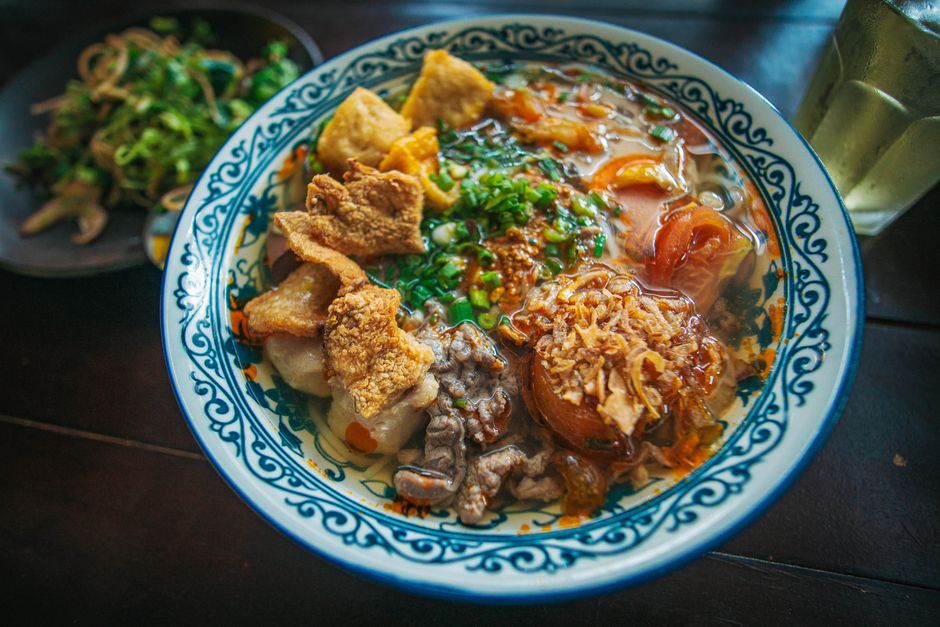
The noodles for this iconic dish are said to be made only with water drawn from a specific ancient well in Hoi An, giving them their unique texture and flavor.
Cao Lau is a dish intrinsically linked to Hoi An's identity. Its unique, chewy noodles are traditionally made from rice flour soaked in lye water, purportedly sourced only from the Ba Le well, a centuries-old well within the ancient town. This specific water, combined with ash from local trees, is believed to give the noodles their distinct texture and yellowish hue. Topped with sliced pork, greens, and crispy croutons, Cao Lau tells a story of local craftsmanship and the enduring culinary secrets of this historic trading port.
Frequently asked questions
What makes a meal 'underrated' for travelers?
An underrated meal is typically a local specialty found off the main tourist paths, often in smaller towns or specific regions. It's usually deeply tied to the local culture, history, or geography, offering a unique and authentic taste experience that hasn't been widely commercialized.
How can I find these lesser-known local dishes when I travel?
Engage with locals – ask hotel staff, shopkeepers, or even taxi drivers for their favorite traditional spots. Look for restaurants filled with local patrons rather than tourists. Visiting local markets can also give you clues about regional ingredients and specialties.
Are these specific dishes difficult to find or try?
Some of these dishes, like Faroe Islands' ræst kjøt or Sardinia's culurgiones, are regional specialties and might require traveling to specific towns or regions. Others, like Oaxaca's tlayudas or Okinawa's goya champuru, are more common within their respective areas but still offer unique cultural insights.
How can AllTours.ai enhance my culinary travel experience?
AllTours.ai transforms your phone into an AI audio tour guide. Point your camera at a dish, a market, or a landmark, and the app will narrate its history, cultural significance, and even geological context in your language. It’s perfect for uncovering the hidden stories behind your food and surroundings, making every meal and every moment a deeper discovery.
Related guides
Photography via Pexels. AllTours.ai is an AI audio tour guide — point your camera at any landscape and hear its story.