
July 4, 2026 · 4 min read
In a world where culinary trends dominate social feeds and popular dishes grab all the headlines, it's easy to overlook the true unsung heroes of gastronomy. We often ask ourselves, 'What type of cuisine is severely underrated?' The answer lies far beyond the well-trodden paths, in regions where food tells a profound story of history, geography, and survival.
These are the places where unique ingredients, ancient techniques, and isolated communities have fostered distinct culinary identities, waiting to be discovered. Forget the usual suspects; prepare to have your taste buds and your understanding of global food culture expanded.

1. The Chili-Cheese Heart of the Himalayas
Paro Valley, Bhutan
Bhutanese staple, Ema Datshi, is so chili-centric it's considered a vegetable, not merely a condiment, reflecting the nation's deep love for heat.
In Bhutan, chilies are not just a spice; they are a fundamental ingredient, often forming the bulk of dishes like Ema Datshi, a fiery stew of chilies and local cheese. This unique approach to heat shapes a cuisine rich in red rice, buckwheat, and foraged ingredients, born from the rugged Himalayan landscape and a philosophy of simple, hearty sustenance. It’s a flavor profile unlike any other, challenging perceptions of what constitutes a 'main dish'.
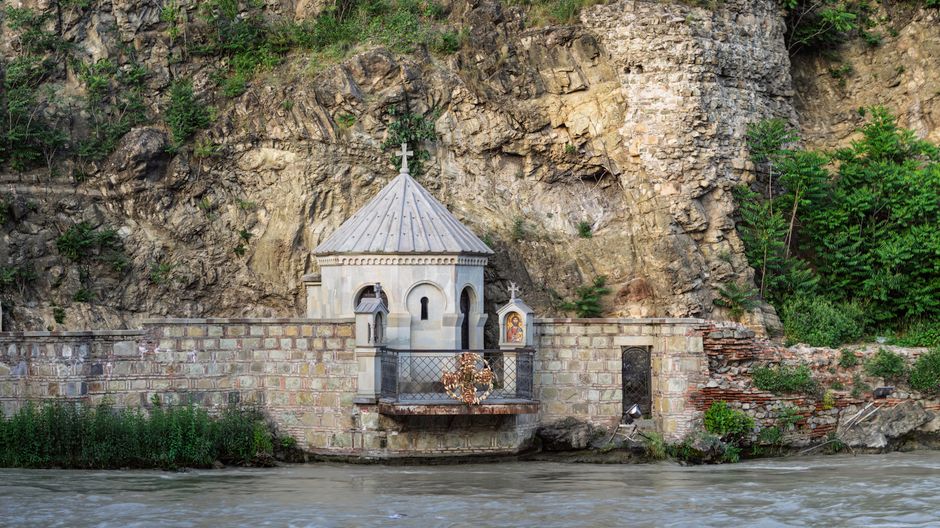
2. Mountain Secrets: Svaneti's Fragrant Salt
Mestia, Svaneti, Georgia
Svanuri Marili, a unique salt blend from Georgia's Svaneti region, is a closely guarded secret passed down through generations in isolated mountain communities.
High in Georgia's Caucasus Mountains, the Svan people have perfected Svanuri Marili, a fragrant seasoning salt infused with a dozen local herbs and spices. This blend is integral to dishes like kubdari, a spiced meat pie, and defines the robust, flavorful cuisine shaped by centuries of isolated mountain life. Every family often has its own slightly varied recipe, making it a true taste of local heritage.
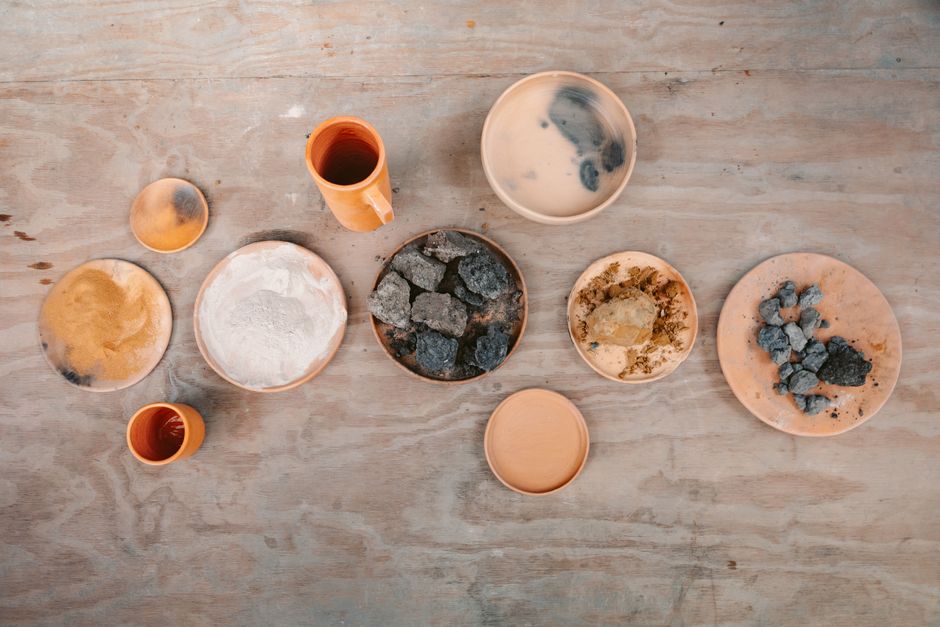
3. Ancient Ovens, Timeless Flavors
San Pablo Macuiltianguis, Oaxaca, Mexico
Ancient Zapotec cooking techniques, like using a comixcal (pre-Hispanic oven), still define the earth-driven flavors of Oaxaca's Sierra Norte mountains.
While Oaxacan cuisine is celebrated, the distinct flavors of its Sierra Norte region are often overlooked. Here, traditional Zapotec methods persist, with dishes slow-cooked in underground comixcal ovens or on comals over wood fires. This preserves the profound connection to local corn varieties, wild mushrooms, and unique mole variations, creating a deeply rooted culinary experience that echoes millennia of tradition.
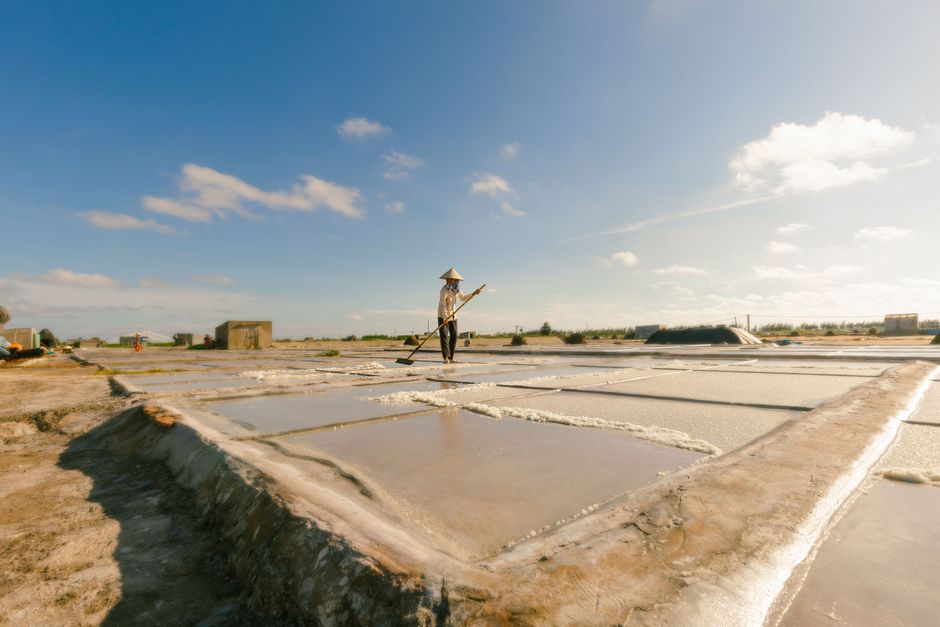
4. Volcanic Capers of the Aeolian Sea
Salina, Aeolian Islands, Italy
The small volcanic island of Salina is famous for its capers, which thrive in its unique soil and are central to the island's distinct seafood dishes.
Off the coast of Sicily, the Aeolian Islands offer a micro-cuisine deeply tied to their volcanic landscape and the sea. Salina, in particular, is renowned for its succulent capers, which flourish in the mineral-rich soil. These capers star in iconic dishes like pasta alla Salina, a simple yet profound celebration of local ingredients, where the island's isolation has preserved a purity of flavor.
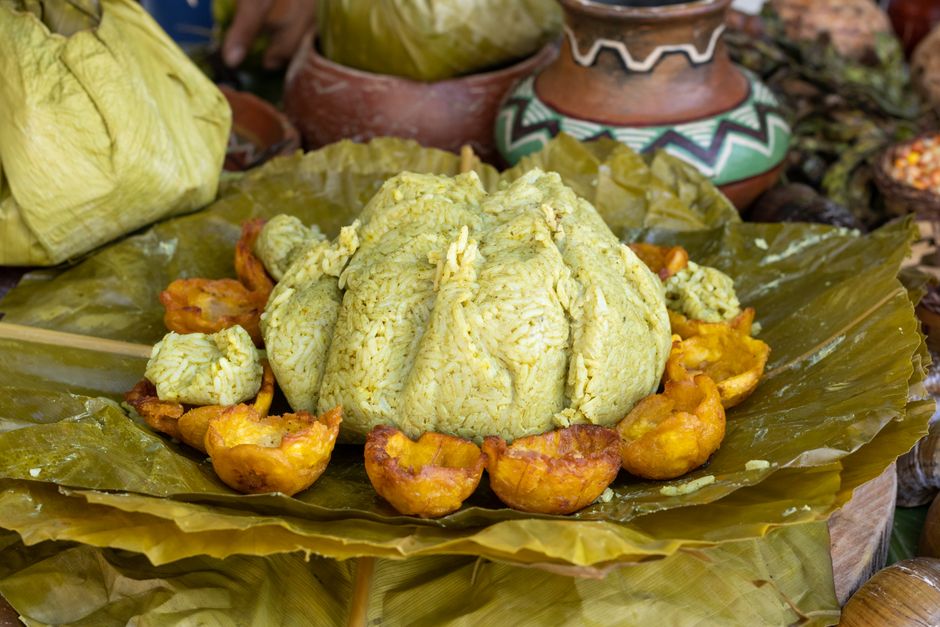
5. The Exotic Bounty of the Peruvian Jungle
Iquitos, Peruvian Amazon
Many Amazonian fruits, like camu camu and aguaje, are not just delicious but also potent superfoods integral to the diet and culture of the Peruvian jungle.
Beyond the celebrated Andean and coastal Peruvian fare, the Amazon offers a wildly different culinary landscape. In cities like Iquitos, the jungle's incredible biodiversity translates into dishes featuring exotic river fish like paiche, a myriad of unique fruits, and plantains. Staples like juane (a rice and chicken tamale) showcase a cuisine born from the lush, wild environment, where every meal is a direct link to the rainforest's bounty.
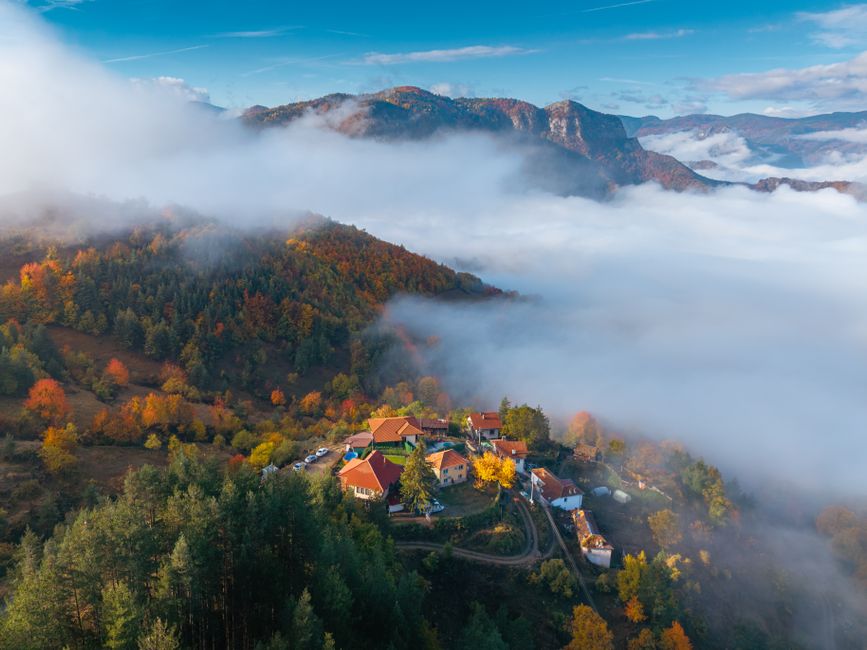
6. Rhodope Hearth: Shepherd's Culinary Legacy
Shiroka Laka, Rhodope Mountains, Bulgaria
The Rhodope Mountains are home to unique slow-cooked clay pot dishes, reflecting centuries of pastoral life and rich dairy traditions.
Bulgarian cuisine, particularly from the Rhodope Mountains, embodies hearty, comforting flavors born from a shepherd's lifestyle. Dishes like patatnik (a potato pie) and the famous cheverme (spit-roasted lamb) are staples. The abundant use of local cheeses like sirene and creamy yogurt speaks to a deep connection with dairy farming, creating a robust, flavorful cuisine perfectly suited to the cool mountain climate.
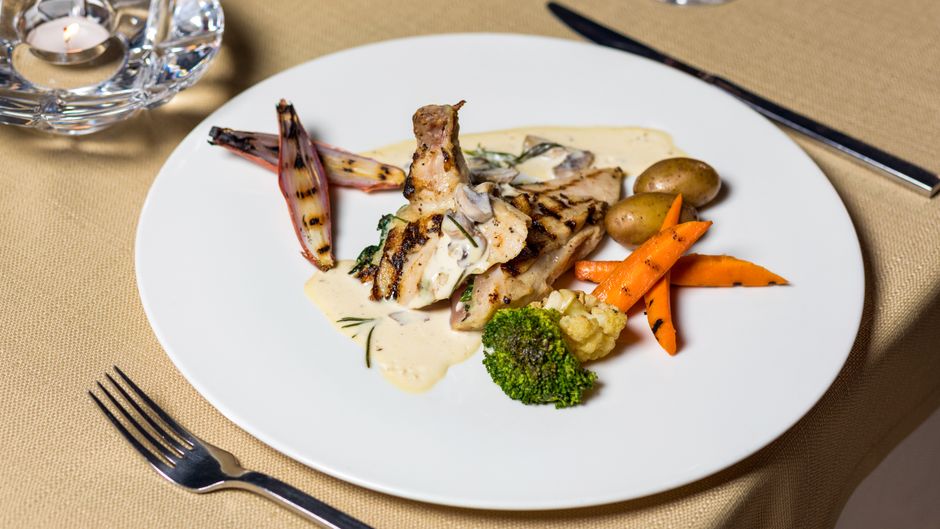
7. The Pristine Taste of Soča River Trout
Kobarid, Soča Valley, Slovenia
The pristine Soča River is famous for its marble trout, a rare species central to the valley's culinary identity and once thought extinct.
Slovenian cuisine, often overshadowed by its Italian and Austrian neighbors, holds unique gems like those found in the emerald Soča Valley. Here, the focus is on fresh, clean flavors, epitomized by the revered marble trout, a native species brought back from the brink of extinction. Local dishes also include frika (a hearty cheese and potato dish), reflecting a cuisine that celebrates the purity of its mountain rivers and lush landscapes.
Frequently asked questions
What are some lesser-known regional cuisines in Europe worth exploring?
Beyond the popular European destinations, consider the unique flavors of Svaneti in Georgia with its special salt blends, the volcanic caper dishes of Salina in Italy's Aeolian Islands, or the hearty shepherd's meals from Bulgaria's Rhodope Mountains. Slovenia's Soča Valley also offers distinct river-influenced cuisine.
How do geographical features influence local food traditions?
Geography plays a crucial role. Volcanic soils, like those in Salina, enrich specific crops such as capers. Isolated mountain regions, such as Svaneti or the Rhodopes, foster unique preservation methods and hearty, resource-efficient dishes. River ecosystems, like the Soča or the Amazon, dictate a focus on local fish and aquatic produce.
Are there any ancient cooking traditions still practiced in modern cuisines?
Absolutely. In Oaxaca's Sierra Norte, ancient Zapotec cooking techniques using comixcal (pre-Hispanic ovens) are still vital. Similarly, the unique blend of Svanuri Marili salt in Georgia has been passed down for generations. These traditions offer a direct link to historical culinary practices.
How can I discover these unique local food stories and more while traveling?
AllTours.ai is your ultimate companion for uncovering the hidden stories behind every place. Simply point your phone camera at a landmark, a market stall, or a landscape, and the app instantly narrates its deep history, geology, and culture in your preferred language, enriching your understanding of the world around you.
Related guides
Photography via Pexels. AllTours.ai is an AI audio tour guide — point your camera at any landscape and hear its story.