
September 15, 2026 · 4 min read
The idea of using artificial intelligence to plan a trip often sparks a debate: does it strip away the spontaneity, the thrill of the unknown, the very essence of a 'real' adventure? Many travelers fear that AI will sanitize their journey, replacing serendipitous discoveries with predictable itineraries.
However, this perspective overlooks AI's true potential: not to replace the adventure, but to deepen it. By sifting through countless data points, AI can unearth genuinely lesser-known spots and unlock their surprising stories, guiding you to experiences far beyond the typical tourist trail. These are places where history, geology, and culture converge in truly unexpected ways, proving that technology can be a powerful compass for curiosity.

1. The Desert's Self-Propelled Stones
Racetrack Playa, Death Valley, USA
Rocks weighing hundreds of pounds inexplicably slide across this dry lakebed, leaving long trails behind them.
For decades, the phenomenon of 'sailing stones' baffled scientists and visitors alike. These boulders, some as heavy as 700 pounds, appear to move across the flat, cracked surface of Racetrack Playa without human or animal intervention. It wasn't until recent studies involving GPS trackers and time-lapse photography that researchers finally captured the elusive process, revealing the combined roles of ice sheets and light winds.
2. The Forest of Bending Pines
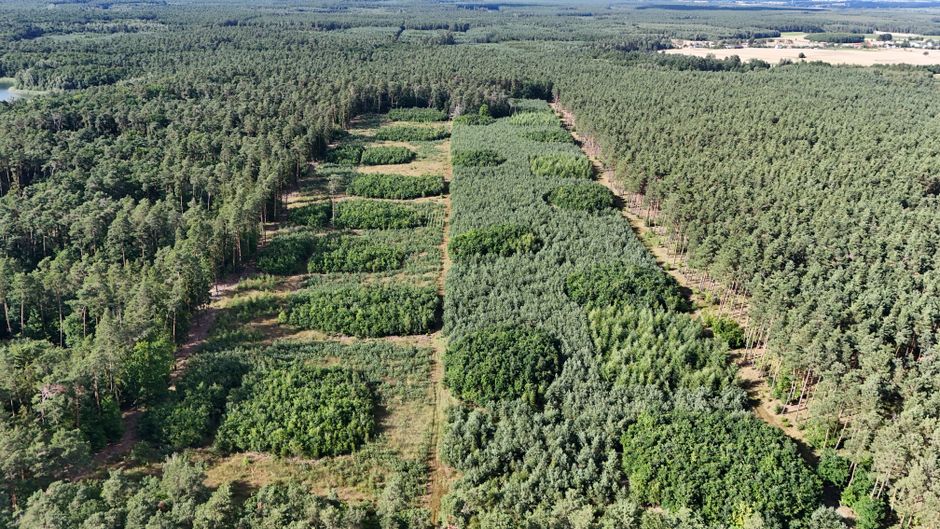
Crooked Forest, Gryfino, Poland
Hundreds of pine trees in this Polish forest grow with a dramatic 90-degree bend at their base, all facing north.
Nestled near Gryfino, the Crooked Forest is home to an estimated 400 pine trees that exhibit a bizarre J-shaped curve near their roots before growing upright. Planted around the 1930s, the exact cause of this unique deformity remains a mystery. Theories range from specific human intervention – perhaps for crafting furniture or boat parts – to extreme weather events or even a unique gravitational pull, adding to the enigmatic charm of this arboreal anomaly.

3. The Well That Turns Objects to Stone
The Petrifying Well, Knaresborough, England
Water from this ancient well is said to turn anything it touches into stone, a phenomenon explained by extreme mineral content.
Located beside the River Nidd, the Petrifying Well has captivated visitors for centuries with its seemingly magical properties. Objects hung beneath its constantly dripping water quickly become encrusted with minerals, taking on the appearance and hardness of stone. While folklore once attributed this to witches, modern science explains it as an extreme calcification process, where water laden with calcium carbonate deposits minerals onto objects, slowly solidifying them over time.
4. The Desert Oasis Village
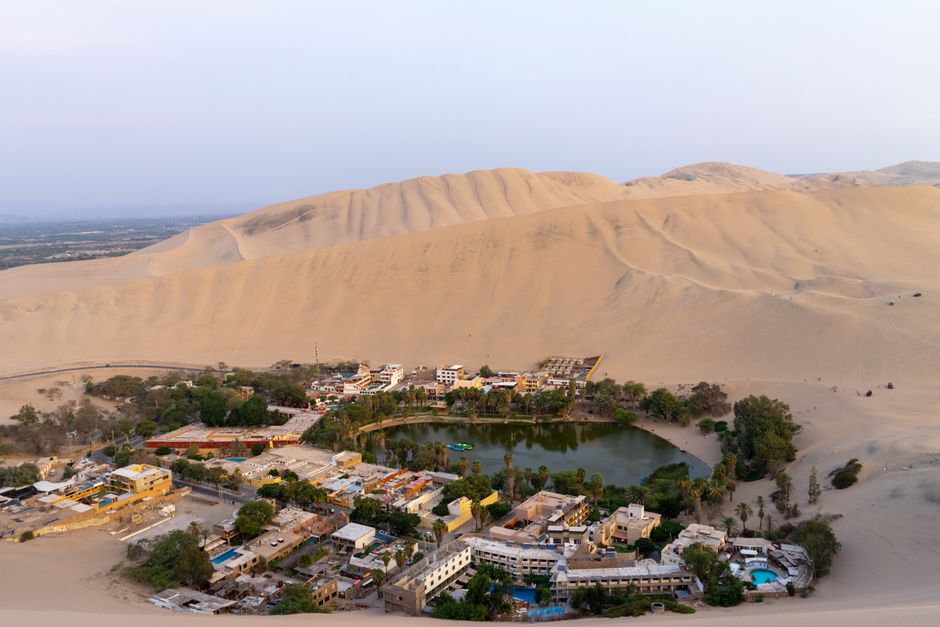
Huacachina Oasis, Peru
A vibrant village, complete with shops and hotels, has sprung up around a natural lagoon in the middle of a vast desert.
Surrounded by towering sand dunes in the Ica Region of Peru, Huacachina is a real-life desert oasis. Legend says the lagoon was formed by a beautiful princess who fled from a hunter, leaving behind a pool of water as she transformed into a mermaid. Today, it's a bustling hub for travelers seeking adventure, offering thrilling dune buggy rides and sandboarding down massive slopes, all against the surreal backdrop of palm trees and a shimmering blue lagoon.
5. The Door to Hell
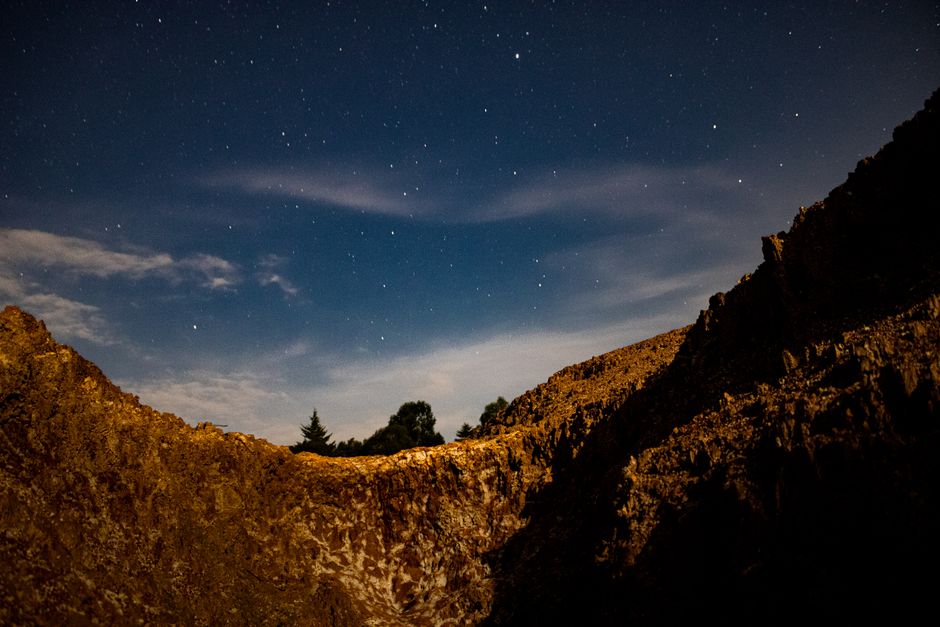
Derweze Gas Crater, Turkmenistan
A massive, perpetually burning natural gas crater in the Karakum Desert has been alight for over 50 years.
The Derweze Gas Crater, ominously known as the "Door to Hell," is a geological marvel and a human-made accident. In 1971, Soviet geologists drilling for natural gas accidentally collapsed a cavern, creating a sinkhole that began emitting methane. To prevent the gas from spreading, they decided to burn it off, expecting it to last a few weeks. Five decades later, the crater still burns fiercely, a spectacular and eerie sight against the vast, dark desert night.

6. The Tidal Symphony
The Wave Organ, San Francisco, USA
An acoustic sculpture on a jetty plays music using the movement of the Bay's tides, creating unique, ever-changing sounds.
Perched on a jetty overlooking San Francisco Bay, the Wave Organ is an experimental musical instrument powered entirely by nature. Built in 1986 by artists Peter Richards and George Gonzales, it consists of 25 PVC and concrete pipes of varying lengths and diameters, extending down into the water. As waves crash into the pipes and tides ebb and flow, air is compressed and released, producing a series of subtle, resonant gurgles, moans, and splashes that make each visit a unique auditory experience.
7. The Impossible Ancient Stonework
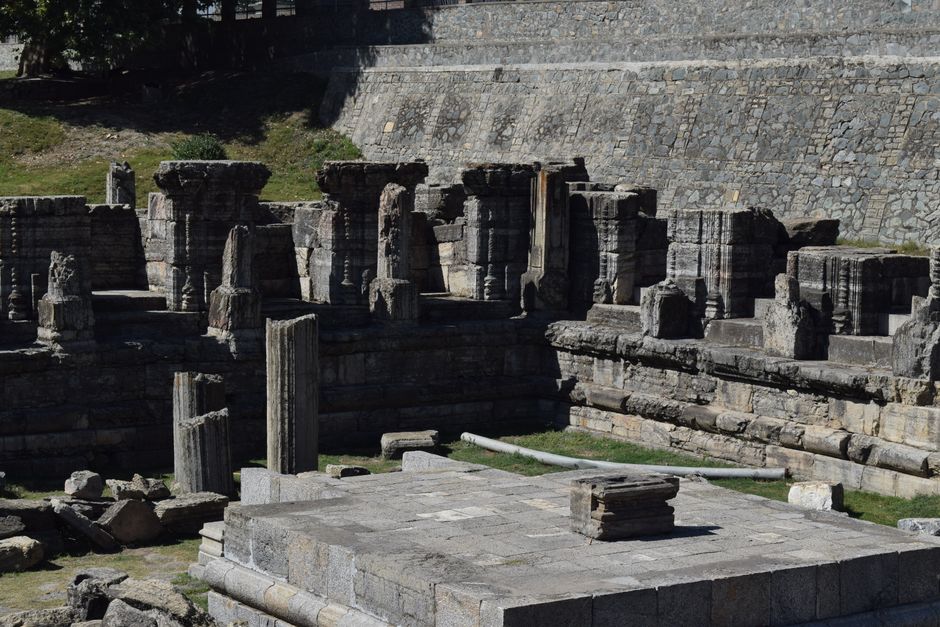
Pumapunku, Tiwanaku, Bolivia
This ancient ruin features precisely cut, interlocking stones with complex shapes that challenge modern engineering capabilities.
Adjacent to the Tiwanaku site, Pumapunku stands as a testament to an enigmatic pre-Incan civilization. The ruins are characterized by massive, finely cut andesite and diorite blocks, some weighing over 100 tons, that fit together with incredible precision without mortar. Many stones feature intricate "H-blocks" and interlocking joints, suggesting advanced construction techniques and tools that archaeologists still struggle to fully comprehend, sparking theories about lost technologies or even extraterrestrial influence.
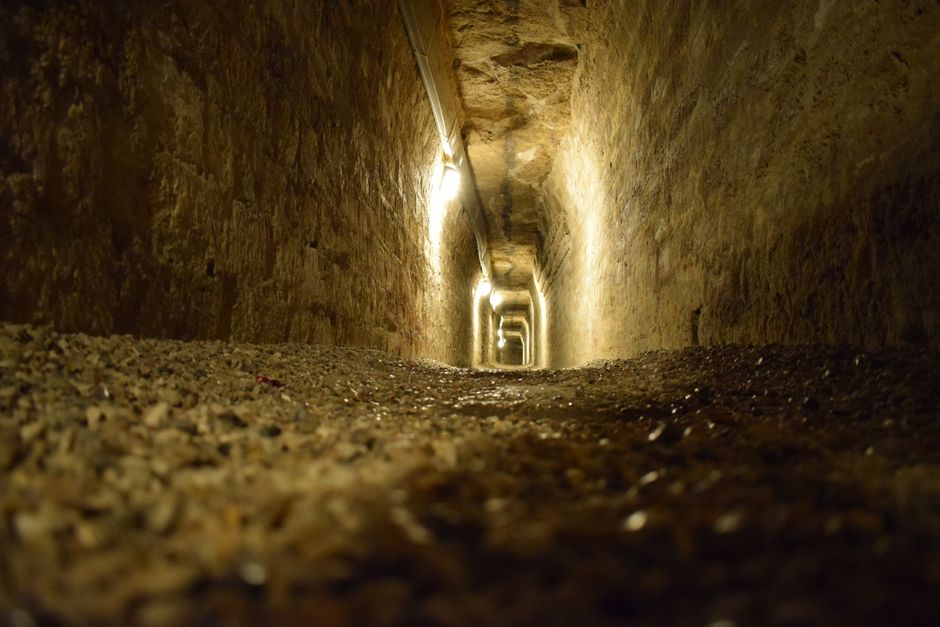
8. The Fusion Tombs of Alexandria
Catacombs of Kom El Shoqafa, Alexandria, Egypt
This vast ancient necropolis blends Pharaonic, Greek, and Roman artistic styles in its elaborate tombs.
Discovered by chance in 1900 when a donkey disappeared into a hole, the Catacombs of Kom El Shoqafa are a marvel of funerary architecture. Spanning three levels carved into rock, these tombs represent a unique cultural crossroads, depicting Egyptian gods in Roman armor, and Pharaonic burial rituals with Greek mythological figures. The most striking is the main tomb, featuring a dining hall for mourners and a central shaft for lowering the deceased, showcasing the rich syncretism of ancient Alexandria.
Frequently asked questions
Can AI help me find unique travel experiences?
Absolutely. AI excels at processing vast amounts of data to identify less-traveled destinations and uncover specific, intriguing stories about places that traditional guidebooks might overlook. It can tailor recommendations to your interests, leading you to genuinely unique discoveries.
Is AI good at planning spontaneous trips?
Yes, AI can be incredibly useful for spontaneous travel. Its ability to quickly search for information on the fly—from local history to nearby points of interest—means you can adapt your plans instantly and uncover unexpected adventures as you go, without extensive prior research.
What are the benefits of using AI for travel planning?
Using AI for travel planning offers numerous benefits, including personalized itineraries, discovering hidden gems, efficient route optimization, and access to real-time information. It streamlines the research process, allowing you to focus more on the experience itself rather than the logistics.
How does AllTours.ai enhance exploration?
AllTours.ai transforms your phone into an intelligent audio tour guide. Simply point your camera at any landscape or landmark, and the app instantly narrates its rich history, geology, and cultural significance in your preferred language, turning every view into a deep, personalized adventure.
Related guides
Photography via Pexels. AllTours.ai is an AI audio tour guide — point your camera at any landscape and hear its story.