August 1, 2026 · 4 min read
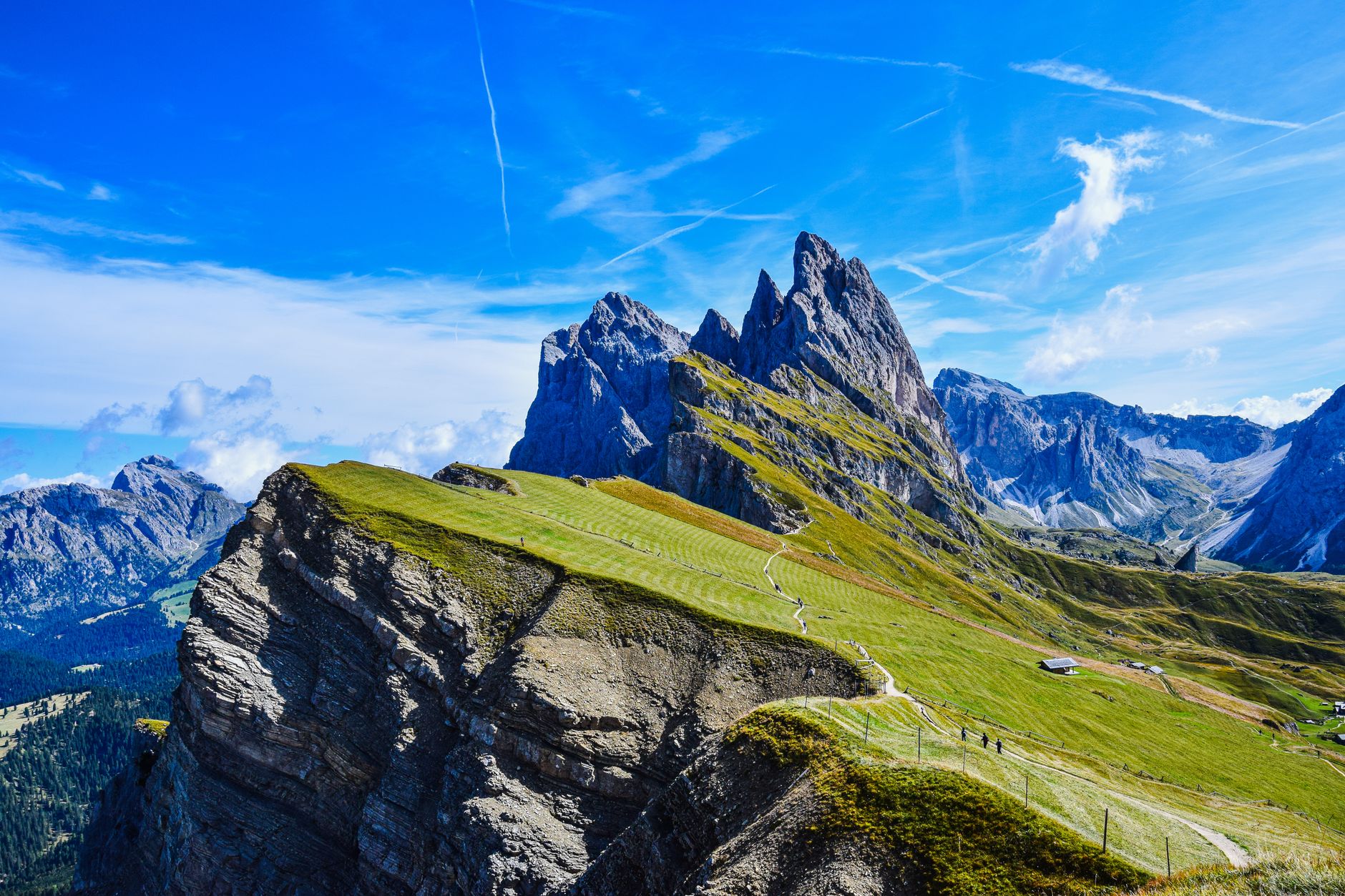
The Dolomites, a UNESCO World Heritage site, transform into a vibrant playground when summer arrives. Beyond their iconic jagged peaks, these mountains harbor a wealth of hidden stories, from ancient geological marvels to echoes of wartime history and local folklore.
Planning your summer escape here means choosing between exhilarating hikes, serene lake visits, and thrilling mountain bike trails, each offering a unique perspective. But what if you could uncover the secret history behind every breathtaking view? Let's explore some of the best summer activities in the Dolomites, revealing unexpected tales that lie beneath the surface.
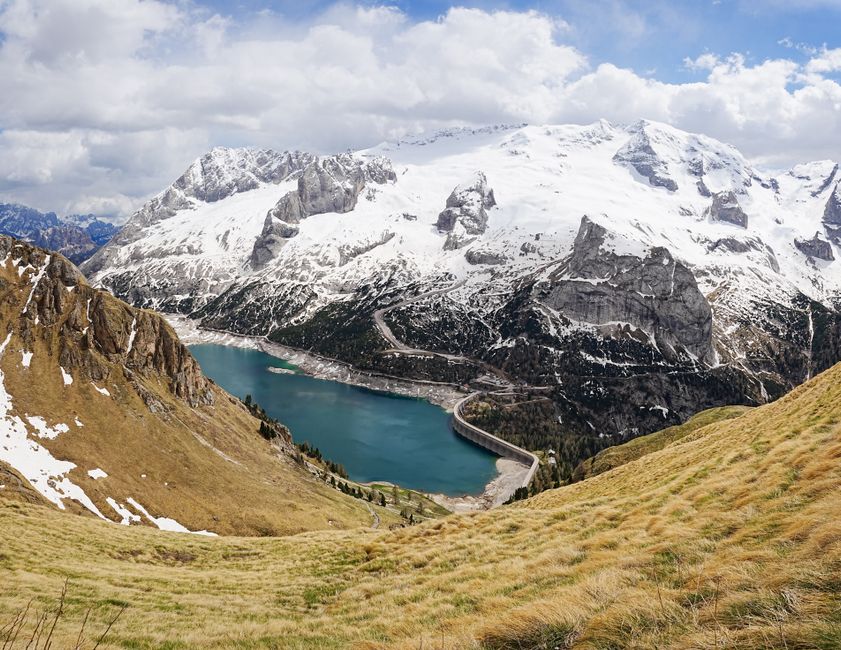
1. The Submerged Village of Lake Fedaia
Lake Fedaia, Italy
Beneath the waters of Lake Fedaia lies a submerged village, while the glacier above holds secrets from World War I.
Nestled at the foot of the Marmolada, the 'Queen of the Dolomites,' Lake Fedaia conceals a poignant past: a small village was intentionally flooded to create the reservoir for a hydroelectric dam. Above, the Marmolada glacier itself served as a brutal front during World War I. Austrian and Italian soldiers dug extensive tunnels and fortifications directly into the ice, creating an entire 'City of Ice' where they lived and fought in unimaginable conditions.
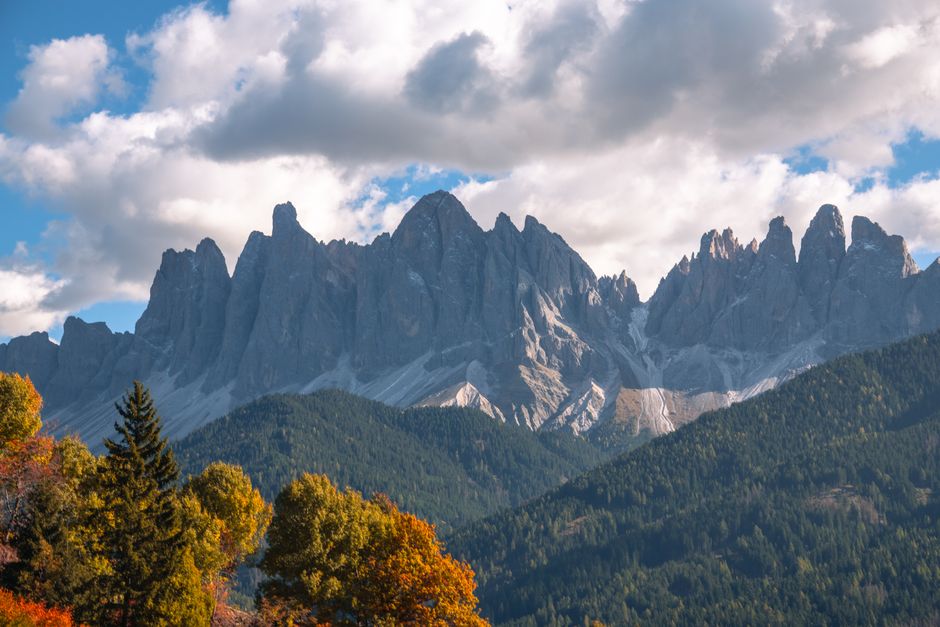
2. Val di Funes: Tracing Ancient Oceans
Val di Funes, Italy
This picturesque valley is a UNESCO World Heritage site, preserving the ancient seabed of a prehistoric ocean.
Val di Funes, famous for its iconic Santa Maddalena church set against the dramatic Geisler peaks, is more than just a postcard view. It's a geological wonderland, part of the Puez-Odle Nature Park, recognized by UNESCO for its exceptional universal value. Hiking through these trails, you're walking on what was once the floor of the Tethys Ocean, with limestone and dolomite rocks revealing millions of years of marine history and occasional fossilized sea creatures.
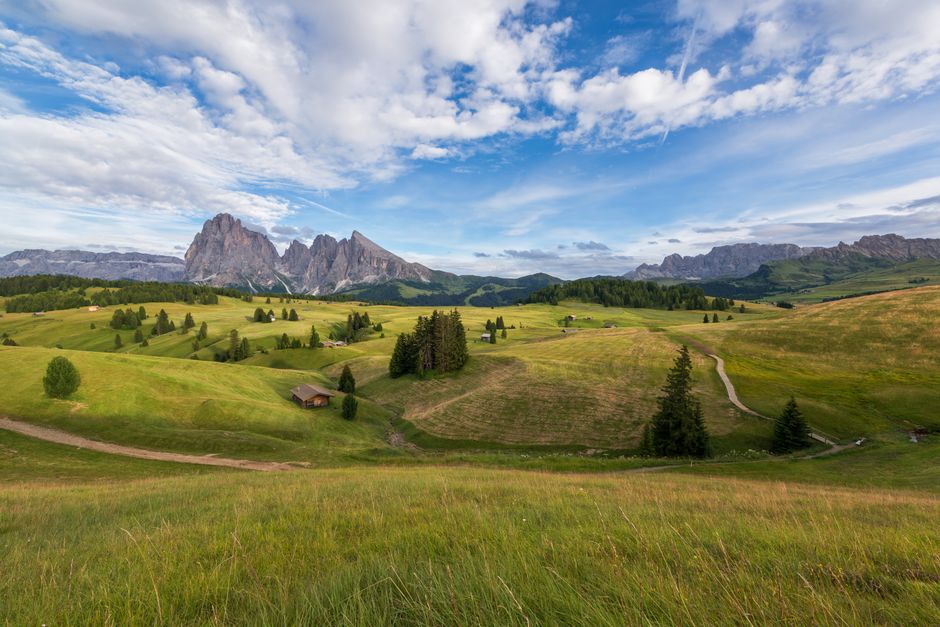
3. Alpe di Siusi's Witchy Past
Alpe di Siusi, Italy
Europe's largest high-alpine meadow, Alpe di Siusi, was once the unsettling stage for pagan rituals and infamous witch trials.
While breathtakingly beautiful with its rolling green pastures and panoramic views, Alpe di Siusi, or Seiser Alm, carries a darker historical resonance. Local folklore is rich with tales of witches and ancient pagan gatherings on these very meadows. In the 16th and 17th centuries, the region was gripped by intense witch hunts, leading to numerous accusations and executions. Visitors today can still sense the echoes of these chilling stories amidst the vibrant wildflowers.
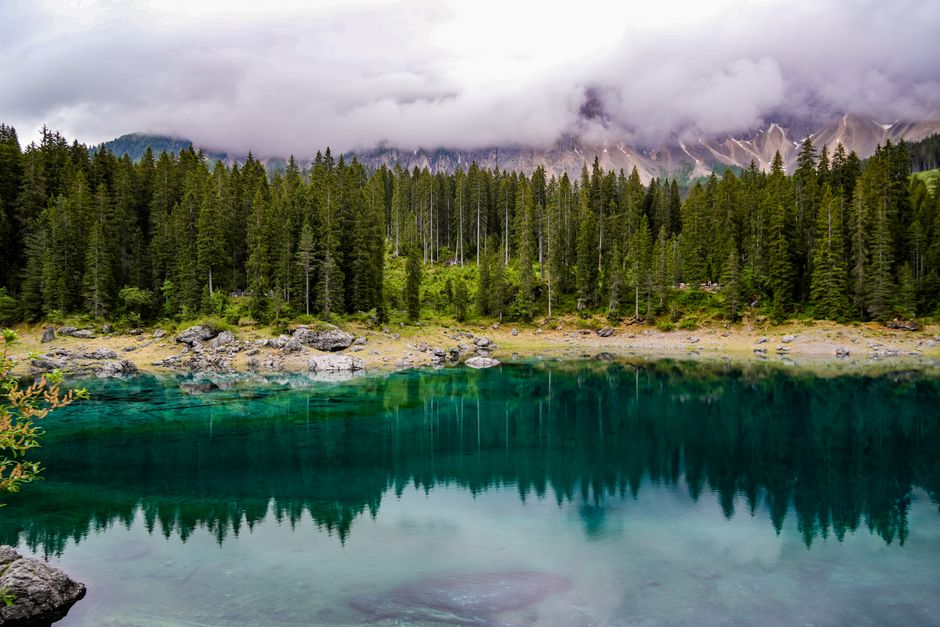
4. The Mystery of Lago di Tovel's Red Waters
Lago di Tovel, Italy
Lago di Tovel was once a natural marvel, famous for its waters mysteriously turning blood-red every summer.
Nestled within the Brenta Dolomites, Lago di Tovel captivated observers for centuries with its unique summer transformation: its crystal-clear waters would turn a vivid, almost shocking, blood-red. This phenomenon was attributed to a specific algae, *Tovellia sanguinea*, thriving in the lake's unique ecosystem. However, since 1964, likely due to changes in nutrient input, the lake has ceased its crimson blush, though its emerald green beauty and surrounding trails remain a captivating destination.
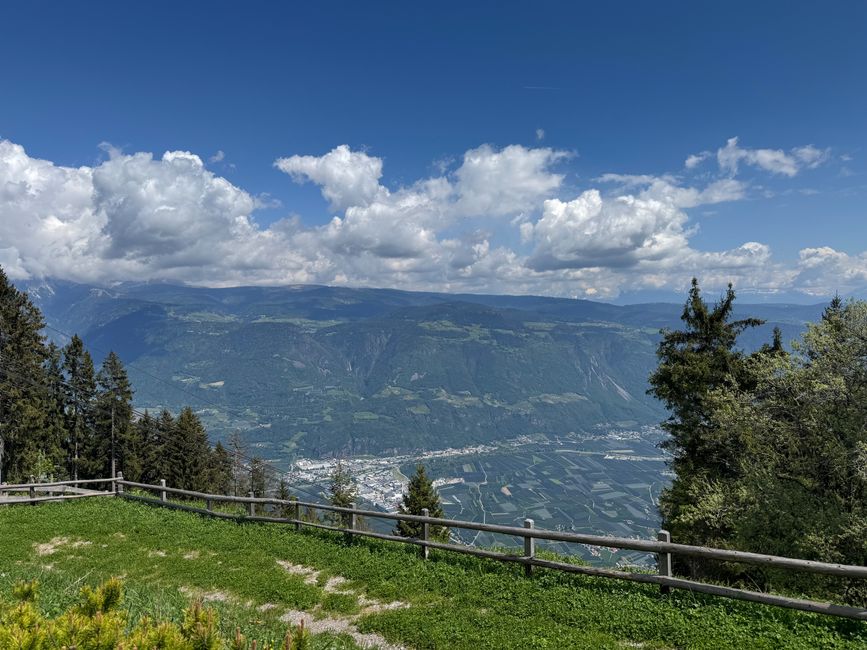
5. Col di Lana: The Exploded Mountain
Col di Lana, Italy
During World War I, the peak of Col di Lana was literally blown apart by a massive Italian mine.
Col di Lana, grimly known as the 'Col di Sangue' or Blood Mountain, is a stark testament to the brutality of the Alpine front in World War I. In April 1916, Italian engineers detonated an enormous mine beneath the Austrian positions, literally exploding the summit and forever altering the mountain's profile. Today, hikers can explore the remnants of trenches, tunnels, and fortifications, walking through a landscape scarred by one of the most dramatic acts of mountain warfare.
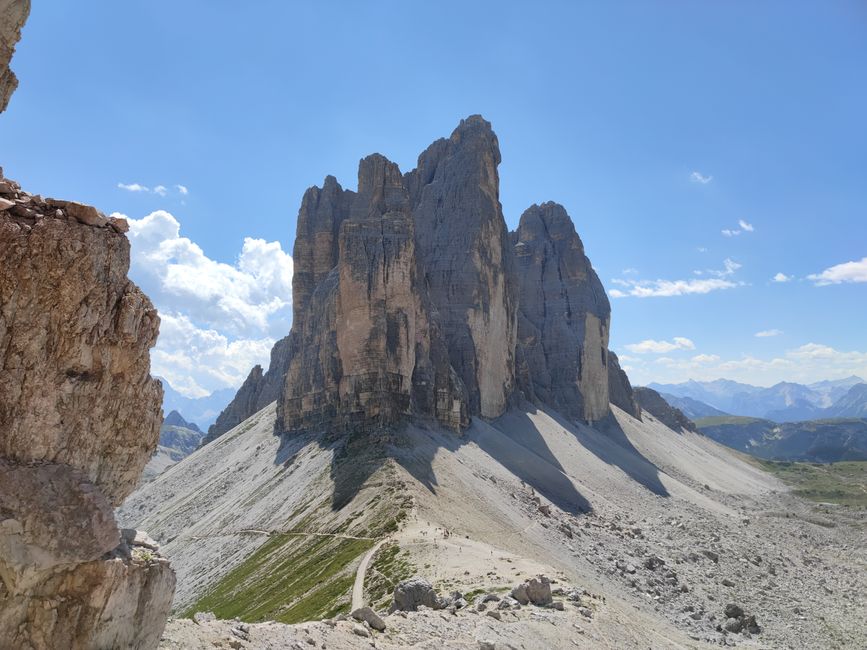
6. Messner Mountain Museum Dolomites: A Fortress of Geology
Cibiana di Cadore, Italy
This unique museum, dedicated to the geology of the Dolomites, is housed within a restored WWI fortress.
Perched atop Monte Rite, the Messner Mountain Museum Dolomites (MMM Dolomites) offers an extraordinary blend of cultural insight and historical preservation. Curated by mountaineering legend Reinhold Messner, the museum explores the creation and geology of the Dolomites, from ancient coral reefs to their present-day forms. The building itself is a meticulously restored WWI fortress, Forte Monte Rite, providing panoramic views that directly illustrate the very geological processes described within its walls.
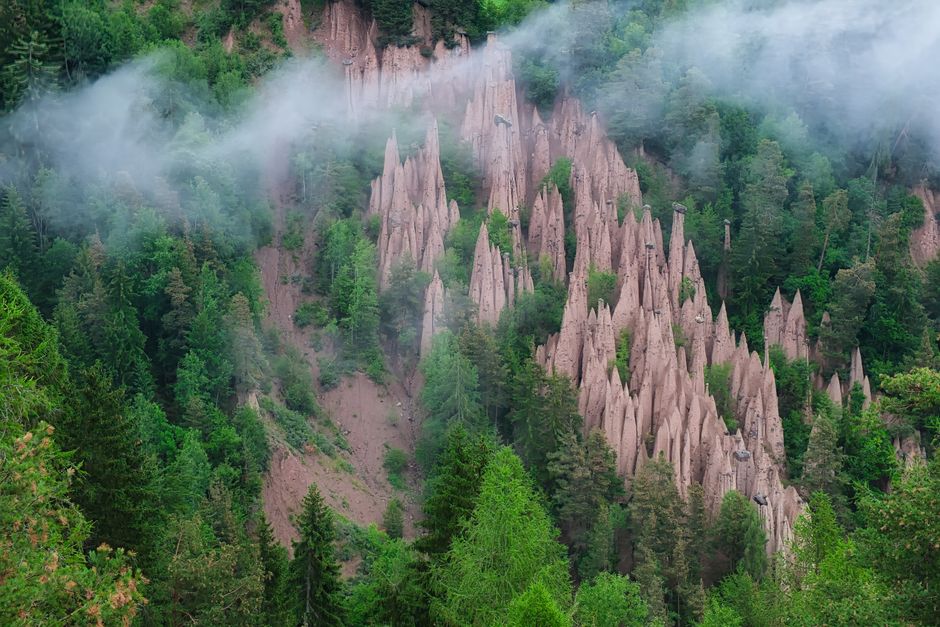
7. The Earth Pyramids of Percha
Percha, Italy (South Tyrol)
Witness gravity-defying 'earth pyramids' – unique geological formations sculpted by erosion over centuries.
In the Val Pusteria, near the village of Percha, you can encounter a truly fascinating natural phenomenon: the Earth Pyramids. These tall, slender columns of compacted moraine clay are topped with large boulders that act as protective caps, shielding the earth beneath from rain. Constantly evolving, these formations are a dynamic testament to the Dolomites' geological power, slowly sculpted by erosion over hundreds of years, offering a unique photographic opportunity and an easy, scenic walk.
Frequently asked questions
When is the best time to visit the Dolomites in summer?
The prime summer months for visiting the Dolomites are June to September. July and August offer the warmest weather and full accessibility to trails and lifts, though they are also the busiest. Early June and late September provide cooler temperatures, fewer crowds, and stunning transitional landscapes.
Are the Dolomites suitable for beginner hikers?
Yes, the Dolomites offer a wide range of trails for all skill levels. While there are challenging via ferratas and multi-day treks, you'll also find numerous easy walks, scenic cable car rides to panoramic viewpoints, and well-maintained paths suitable for families and casual walkers.
What unique geological features can I expect to see?
The Dolomites are famous for their pale, jagged peaks, which are ancient coral reefs pushed up from a prehistoric ocean. Look for fossilized marine life, distinctive stratified rock layers, and unique formations like the 'earth pyramids' or the massive rock walls of the Three Peaks.
How can AllTours.ai enhance my Dolomites experience?
AllTours.ai brings the stories of the Dolomites to life. Simply point your phone camera at a peak, a lake, or a historical ruin, and the app will narrate its fascinating history, geological formation, and local cultural significance in your language, turning every view into a rich discovery.
Related guides
Photography via Pexels. AllTours.ai is an AI audio tour guide — point your camera at any landscape and hear its story.