June 30, 2026 · 4 min read
History is full of 'what if' moments, sudden shifts, and unforeseen outcomes that shape our world in profound ways. While some ponder hypothetical scenarios like 'Who would have won the 2024 election, but “Democrats” sold T,' the real marvels often lie in the unexpected twists and turns of our planet's past and present, far from the daily headlines.
Beyond the well-trodden paths and widely known narratives, countless places hold secrets of geological anomalies, ancient human ingenuity, and cultural shifts that defy easy explanation. These are the locations where the story you expect is often eclipsed by a far more surprising truth, inviting a deeper look into the fabric of our shared heritage.
1. City Below the Earth
Cappadocia, Turkey
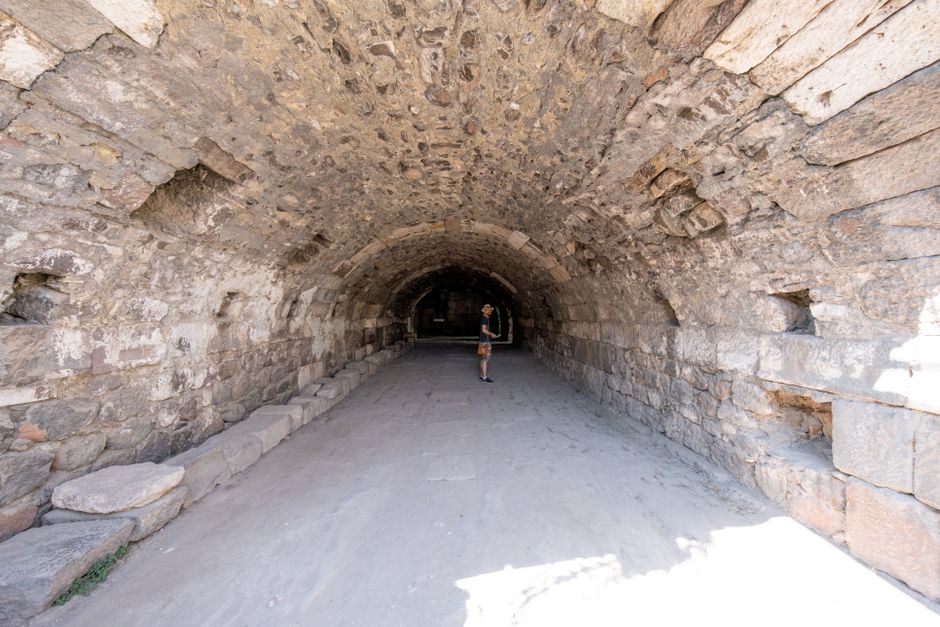
An entire ancient city, capable of housing thousands, lies hidden beneath the surface, complete with stables and churches.
Imagine a self-sufficient underground metropolis, carved into the soft volcanic rock of Cappadocia. Derinkuyu is just that: a multi-level city extending dozens of meters deep, equipped with ventilation shafts, wells, kitchens, and even schools. It served as a refuge for early Christians fleeing persecution, its massive stone doors sealing off the entrance from invaders, allowing inhabitants to survive for months in complete secrecy.
2. The Shifting Sands of History
Curonian Spit, Lithuania/Russia
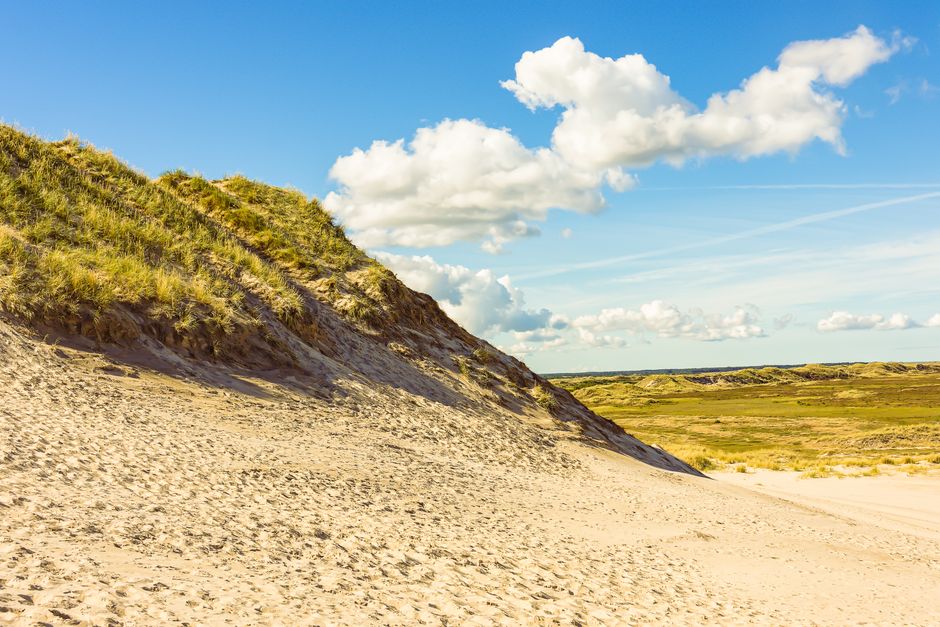
This narrow strip of land, a UNESCO World Heritage site, was once home to entire villages swallowed whole by migrating sand dunes.
Stretching 98 kilometers, the Curonian Spit is a marvel of wind-sculpted sand dunes, some reaching 60 meters high. Its history is a testament to human resilience against nature's power; entire settlements, known as 'ghost villages,' were buried under the relentless march of the dunes in centuries past. Efforts to stabilize the spit with extensive reforestation began in the 19th century, preserving this unique landscape where freshwater lagoons meet the Baltic Sea.
3. The Enigma of the Bent Pines
Gryfino, Poland
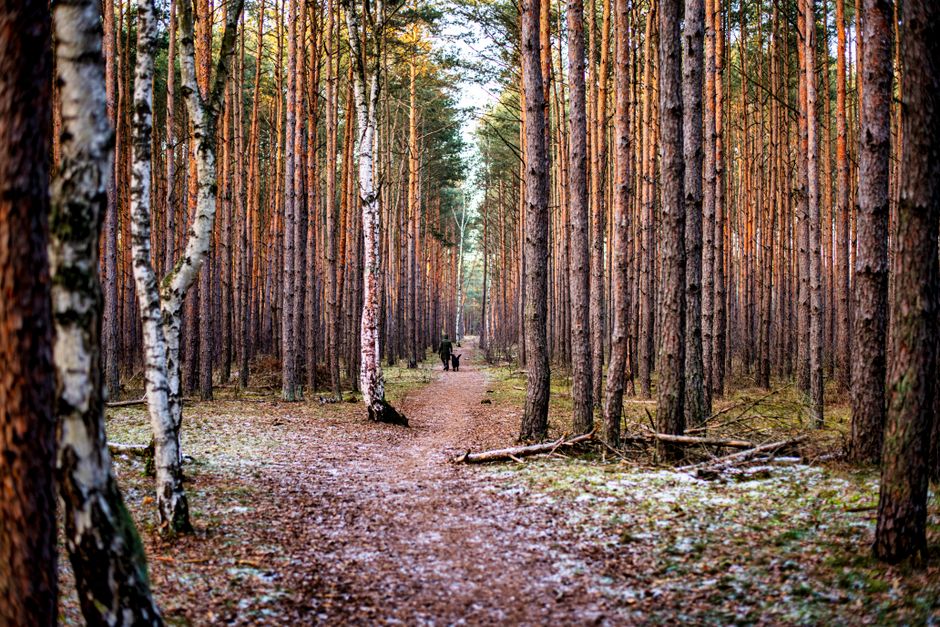
Hundreds of pine trees in this forest inexplicably grow with a 90-degree bend at their base, pointing north.
Nestled near Gryfino, this small grove of pines presents one of nature's most enduring mysteries. Planted around 1930, nearly all 400 trees exhibit a distinct, sharp curve near their roots before straightening upwards. Theories range from heavy snowfall to a unique genetic mutation, but the most popular suggests human intervention, perhaps to create naturally curved timber for furniture or shipbuilding, though no definitive explanation has ever been proven.
4. Ancient Desert Hydrology
Nazca, Peru
Beyond the famous Nazca Lines, an intricate network of ancient spiral-shaped wells and underground channels still supplies water to arid communities today.
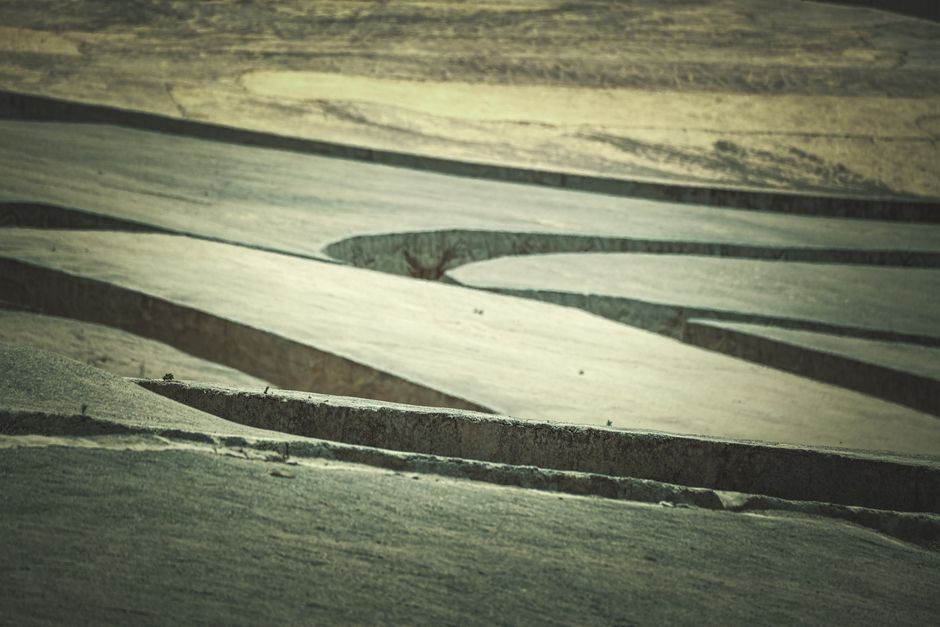
While the geoglyphs of Nazca capture global imagination, the Puquios represent an equally astounding feat of ancient engineering. These open, spiral-shaped tunnels, built by the Nazca people over 1,500 years ago, tap into subterranean aquifers and bring water to the surface through a sophisticated system of underground channels. Their ingenious design allowed a thriving civilization to exist in one of the driest regions on Earth, a system still in use by local farmers.
5. The Accidental Inferno
Darvaza, Turkmenistan
A Soviet drilling mishap in 1971 created a fiery crater in the desert that has been burning continuously for over five decades.
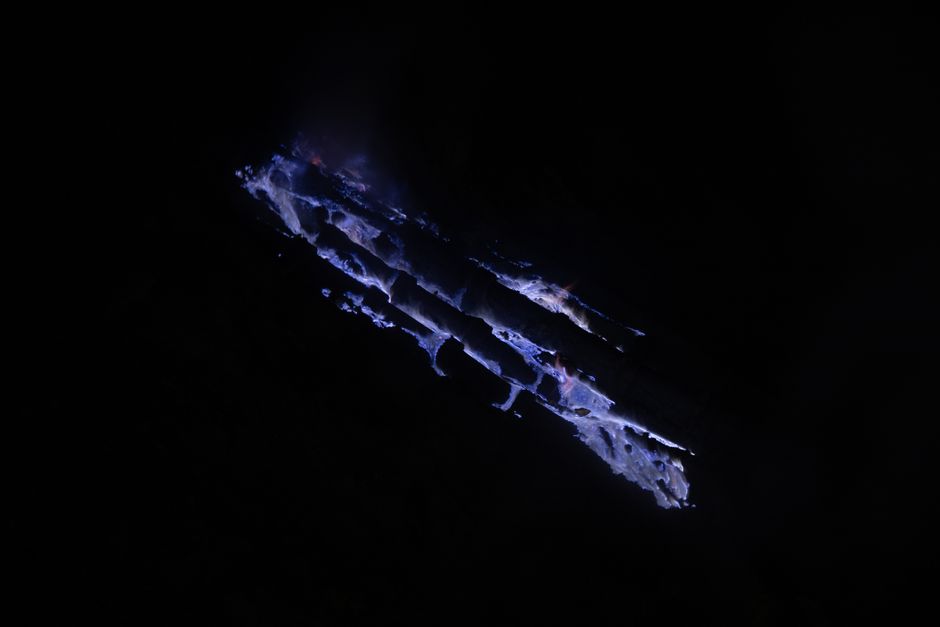
Deep in the Karakum Desert, a fiery abyss glows perpetually: the Darvaza Gas Crater. Geologists, drilling for natural gas, accidentally punched into a cavern containing a large natural gas pocket. To prevent the spread of poisonous methane gas, they decided to burn it off, expecting it to last a few weeks. More than 50 years later, the "Door to Hell" continues to burn, a spectacular and unintentional monument to human exploration and its unforeseen consequences.
6. The Moai's Birthplace
Rapa Nui (Easter Island), Chile
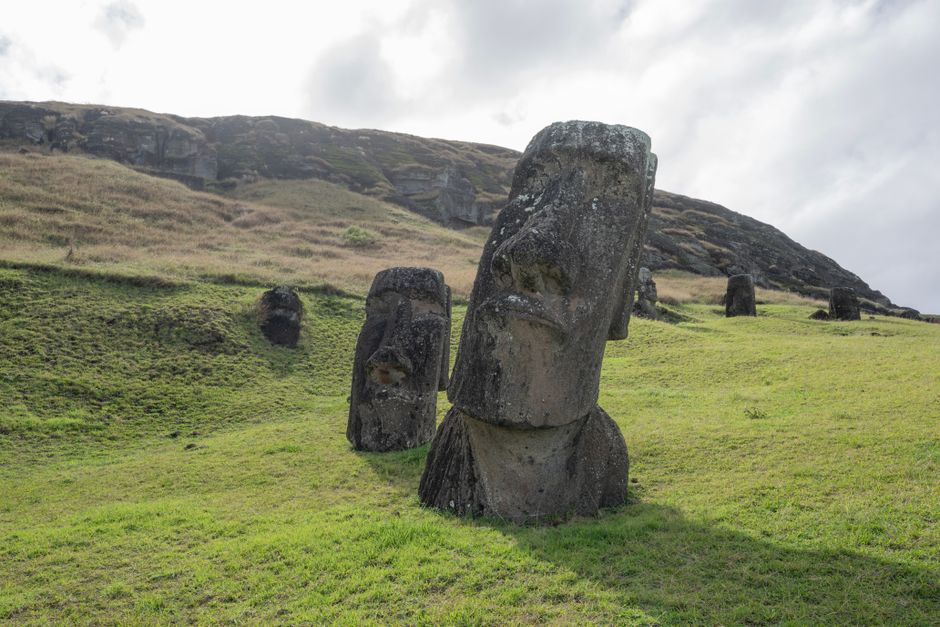
Over 400 unfinished moai statues lie abandoned in this volcanic quarry, revealing the sudden halt of an entire civilization's monumental project.
Rano Raraku is not just a quarry; it's a frozen moment in time. This volcanic cone served as the sole source of the tuff rock used to carve Easter Island's iconic moai statues. Hundreds of figures, in various stages of completion, remain embedded in the rock or scattered on its slopes, some still attached to their bedrock. Their sudden abandonment offers a stark glimpse into the dramatic collapse or profound societal changes that swept across Rapa Nui centuries ago, leaving behind a silent testament to a lost era.
7. The Sahara's Enigmatic Eye
Ouadane, Mauritania
Visible from space, this massive circular geological formation was long thought to be an impact crater, but is actually an eroded dome.
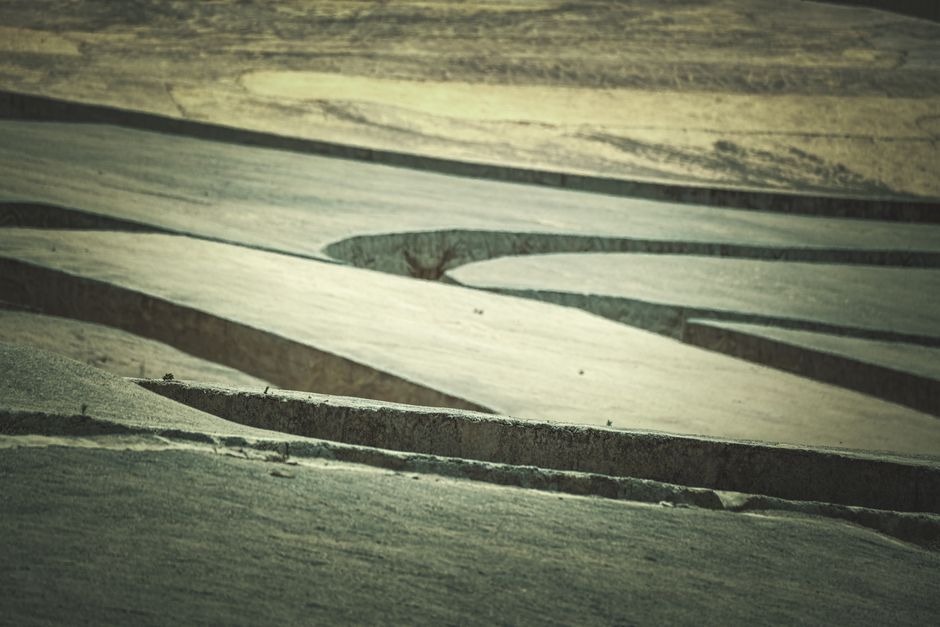
Spanning nearly 50 kilometers across the Sahara Desert, the Richat Structure, often called the "Eye of the Sahara," is an astounding natural phenomenon. Its concentric rings of rock were initially believed to be the result of a meteor impact. However, extensive research has revealed it to be a deeply eroded geological dome, where layers of rock have been uplifted and then gradually worn away over millions of years, exposing its intricate, onion-like structure.
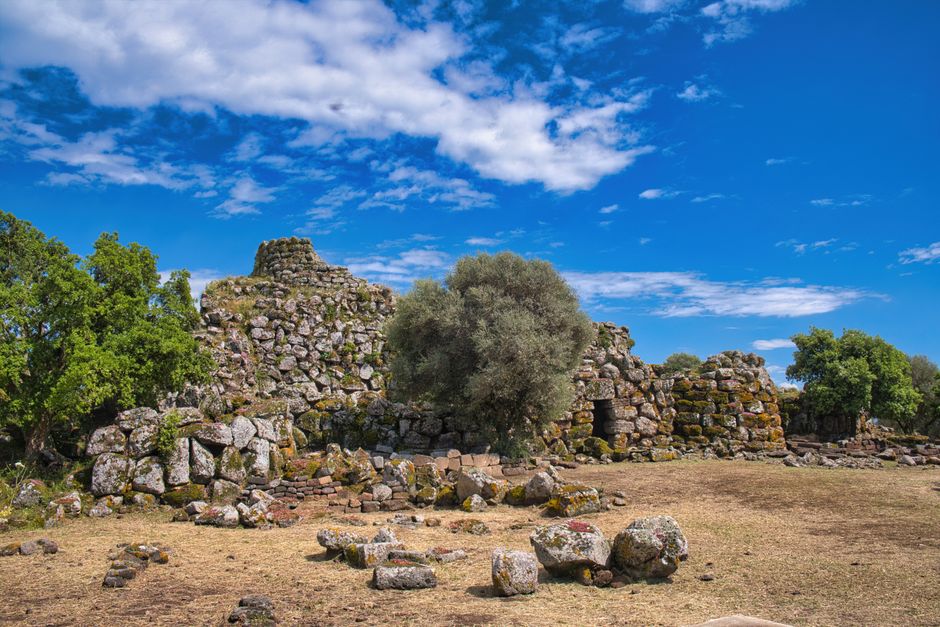
8. Sardinia's Ancient Stone Sentinels
Sardinia, Italy
Over 7,000 mysterious megalithic stone towers, unique to Sardinia, dot the landscape, built by an enigmatic Bronze Age civilization.
Standing as silent sentinels across the Sardinian landscape are the Nuraghe, massive truncated conical stone towers constructed between 1900 and 730 BCE. Built without mortar, some reaching 20 meters high, their exact purpose remains one of archaeology's greatest puzzles. While theories suggest they were defensive fortresses, temples, or even homes, these structures represent a sophisticated and unique Bronze Age civilization that left behind no written records, only these enduring stone monuments.
Frequently asked questions
What are some truly unique historical sites that aren't famous?
Beyond well-known landmarks, places like the Derinkuyu Underground City in Turkey, the Puquios of Nazca in Peru, or Sardinia's Nuraghe towers offer deep dives into ancient ingenuity and mysterious pasts, often revealing more than initial appearances suggest.
Are there places on Earth where natural phenomena are still a mystery?
Absolutely. The Crooked Forest in Poland, with its inexplicably bent trees, and the Fairy Circles of Namibia, whose origins scientists still debate, are prime examples of natural wonders that continue to baffle and intrigue researchers worldwide.
How do geologists find new discoveries in remote areas?
Geologists often use satellite imagery to spot unusual formations, followed by ground expeditions and advanced sensing technologies like ground-penetrating radar. This combination allows them to uncover hidden structures, as seen with detailed studies of the Richat Structure in the Sahara.
How can AllTours.ai help me explore these lesser-known places?
AllTours.ai is an AI audio tour guide app that brings these stories to life. Simply point your phone camera at a landmark or landscape, and the app will narrate its history, geology, and culture in your language, providing rich context even for the most obscure locations.
Related guides
Photography via Pexels. AllTours.ai is an AI audio tour guide — point your camera at any landscape and hear its story.