November 4, 2026 · 4 min read
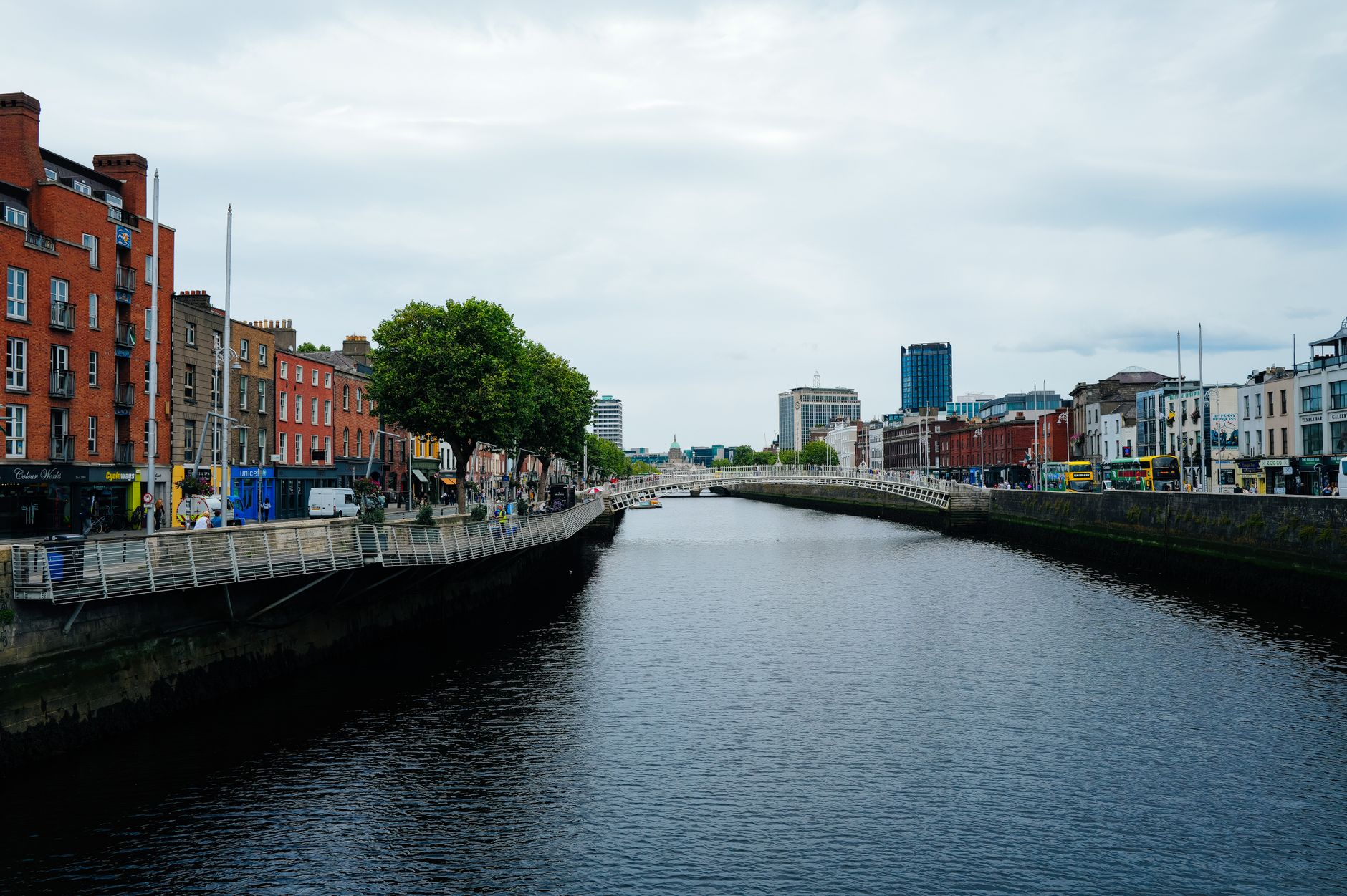
Dublin isn't just a city; it's a living library, its cobbled streets and historic buildings holding countless stories. From the whispers of ancient monks to the boisterous debates of literary giants in gaslit pubs, Ireland's capital has shaped and been shaped by words, ideas, and profound historical moments.
Spending 1 day in Dublin literary pubs and history means diving deep into this rich tapestry. This whirlwind guide bypasses the obvious to uncover the city's hidden narratives, revealing surprising connections between its revolutionary past and its enduring legacy as a UNESCO City of Literature.
1. Bullet Holes in Ancient Pages
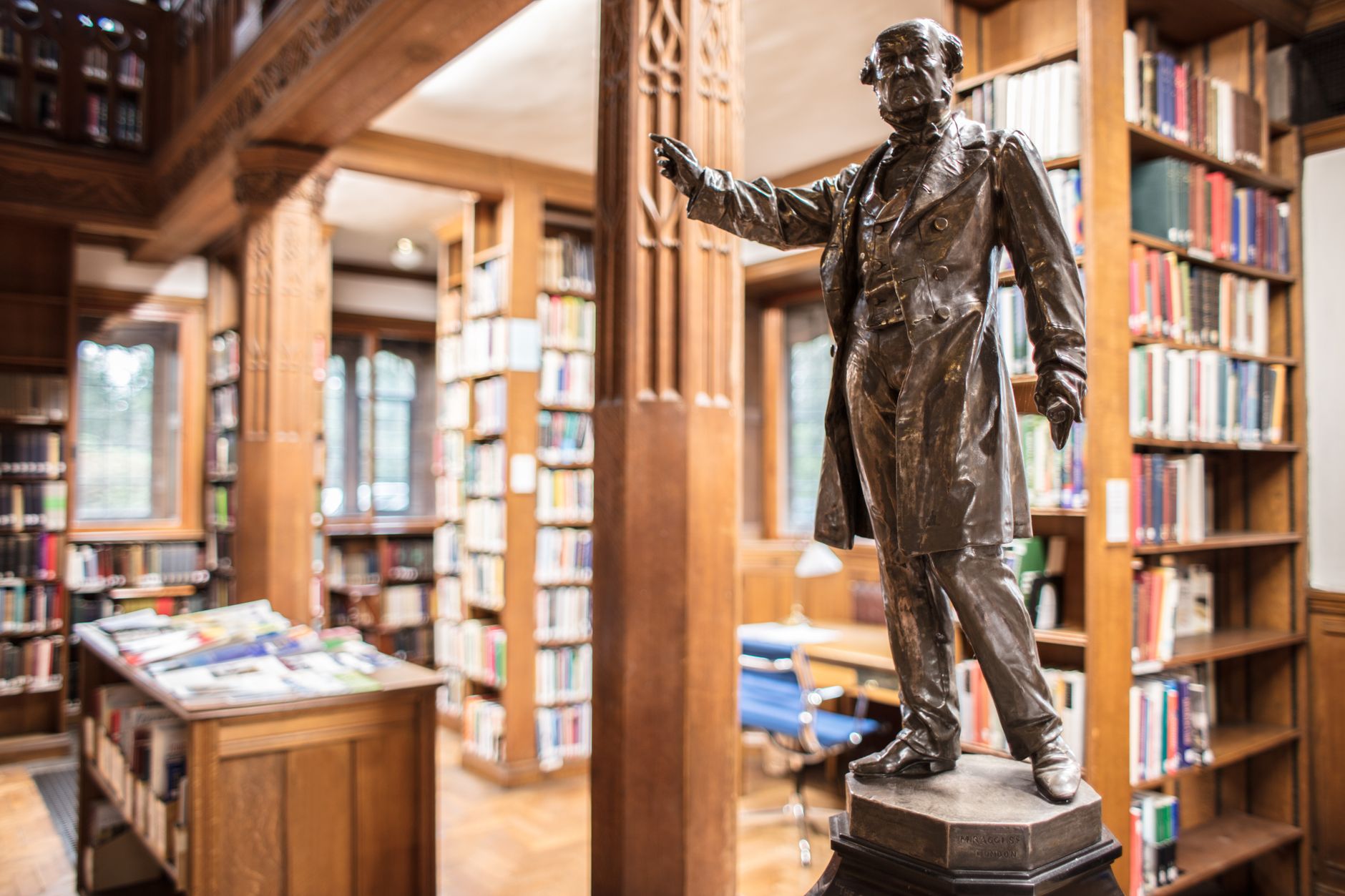
Marsh's Library, Dublin, Ireland
Ireland's oldest public library still bears bullet holes from the 1916 Easter Rising.
Founded in 1701, this beautifully preserved library holds over 25,000 rare books. Visitors can still see the original wire cages where readers were locked in with especially valuable texts to prevent theft. The library's silent halls witnessed the turmoil of the 1916 Easter Rising, with bullet marks visible on some shelves, a quiet testament to a turbulent past.
2. The Rebels' Rendezvous
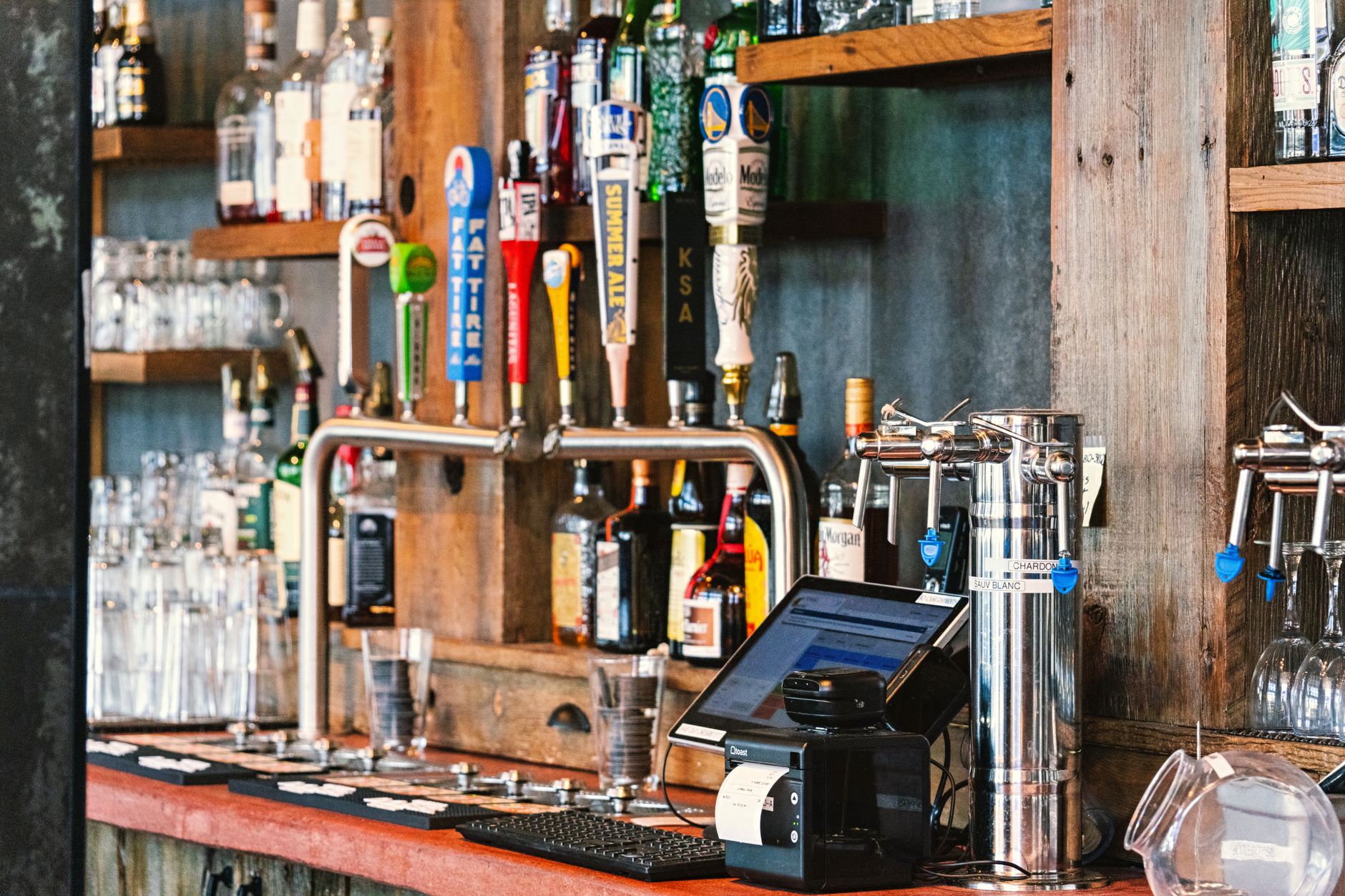
The Brazen Head, Dublin, Ireland
Dublin's oldest pub was a secret meeting place for Irish rebels planning the 1798 Rebellion.
Established in 1198, The Brazen Head claims the title of Dublin's oldest pub, an institution that has welcomed patrons for over 800 years. Beyond serving pints, it secretly hosted figures like Robert Emmet and Wolfe Tone, leaders of the 1798 Rebellion, who used its back rooms to plan their revolutionary efforts against British rule. Its low ceilings and hidden nooks still whisper tales of political intrigue and clandestine meetings.
3. Beckett's Silent Phone
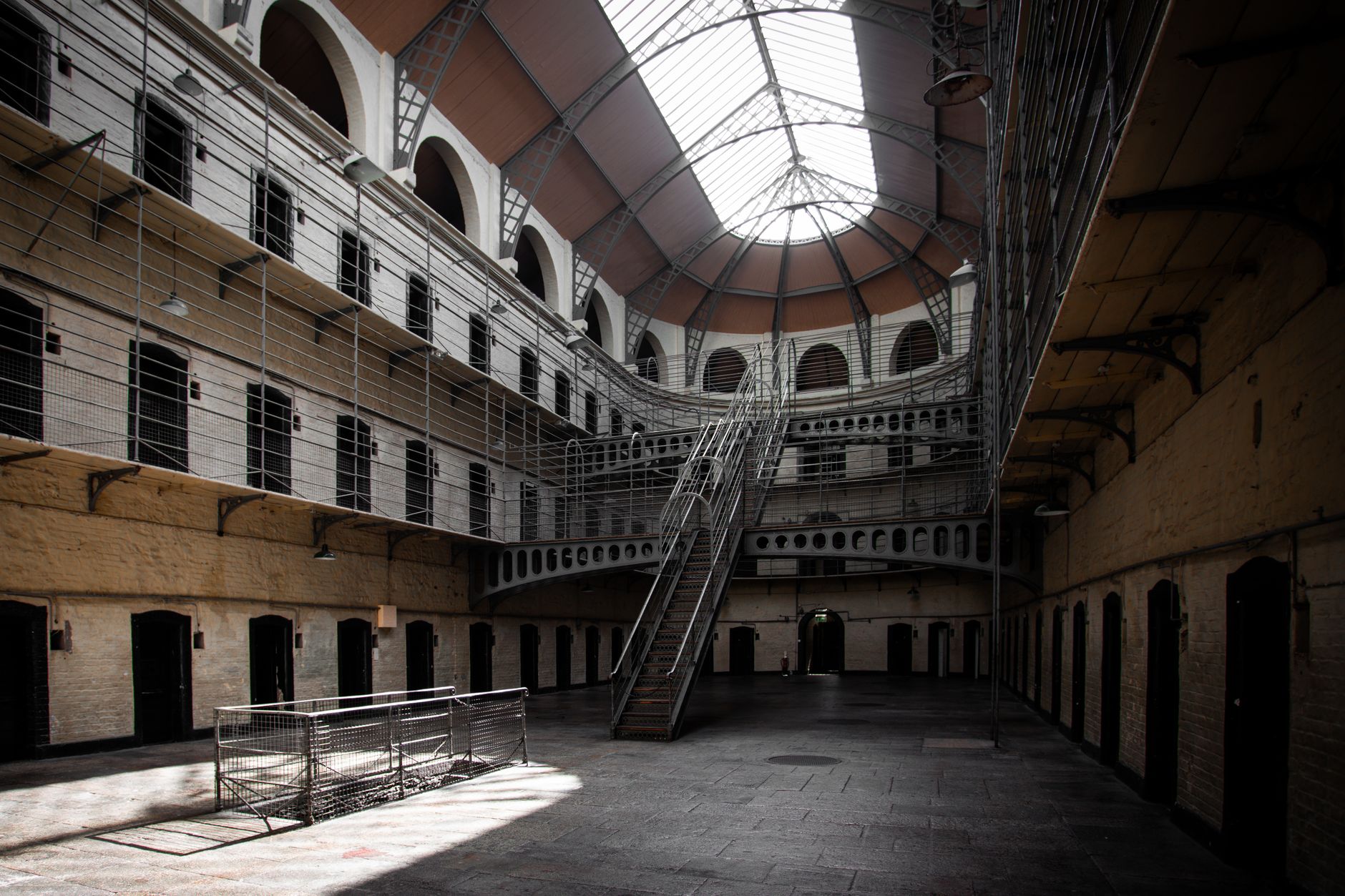
Dublin Writers Museum, Dublin, Ireland
The museum displays Samuel Beckett's personal telephone, famously designed without a bell.
Housed in an 18th-century Georgian mansion, the Dublin Writers Museum celebrates the city's literary giants. While familiar names like Joyce and Yeats feature prominently, one surprising exhibit is Samuel Beckett's personal telephone, infamous for its design quirk: it had no bell. Beckett, a notoriously private man, simply didn't want to be disturbed, making this silent object a perfect symbol of his reclusiveness.
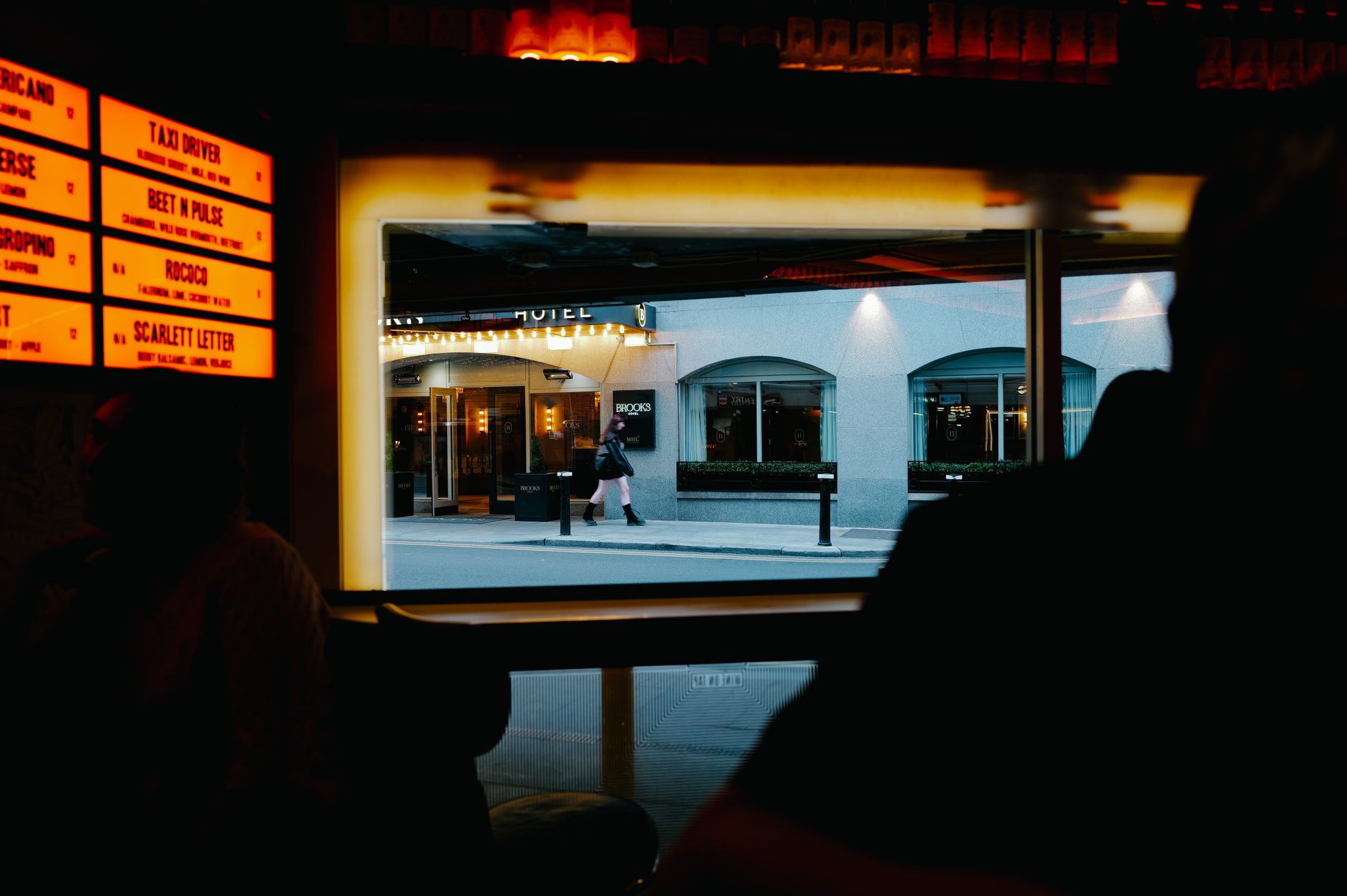
4. The Journalists' Watering Hole
The Palace Bar, Dublin, Ireland
This Victorian pub was the preferred haunt and unofficial newsroom for journalists from the nearby *Irish Times* newspaper.
An exquisite example of a Victorian pub, The Palace Bar on Fleet Street has long been a beloved institution. Its ornate snugs and stained-glass windows were a regular refuge for journalists from the *Irish Times* offices across the road. They would gather here after deadlines, debating headlines and sipping whiskey, turning the pub into an unofficial newsroom and a hub for Dublin's intellectual and political discourse.
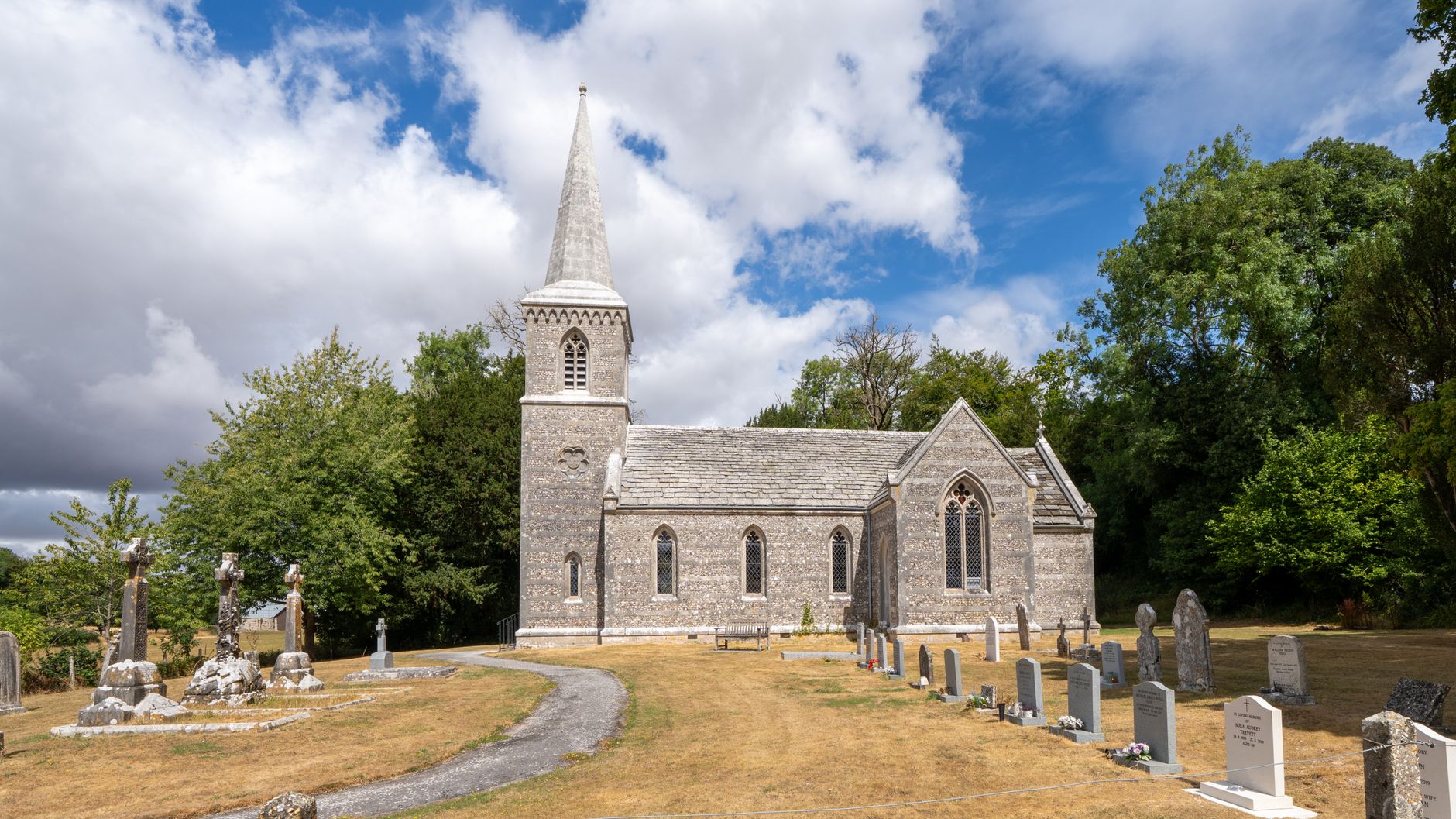
5. Mummified Crusaders Below
St. Michan's Church, Dublin, Ireland
Its crypt contains naturally mummified remains, including one alleged to be a Crusader with broken legs.
St. Michan's Church, founded in 1095, holds a chilling secret beneath its floorboards: a series of dry, limestone crypts that naturally preserve the bodies within. Visitors can descend into these vaults to see open coffins holding the mummified remains of Dubliners from centuries past. One particularly striking figure is a supposed Crusader, his legs broken to fit him into his coffin, a stark reminder of medieval life and death.
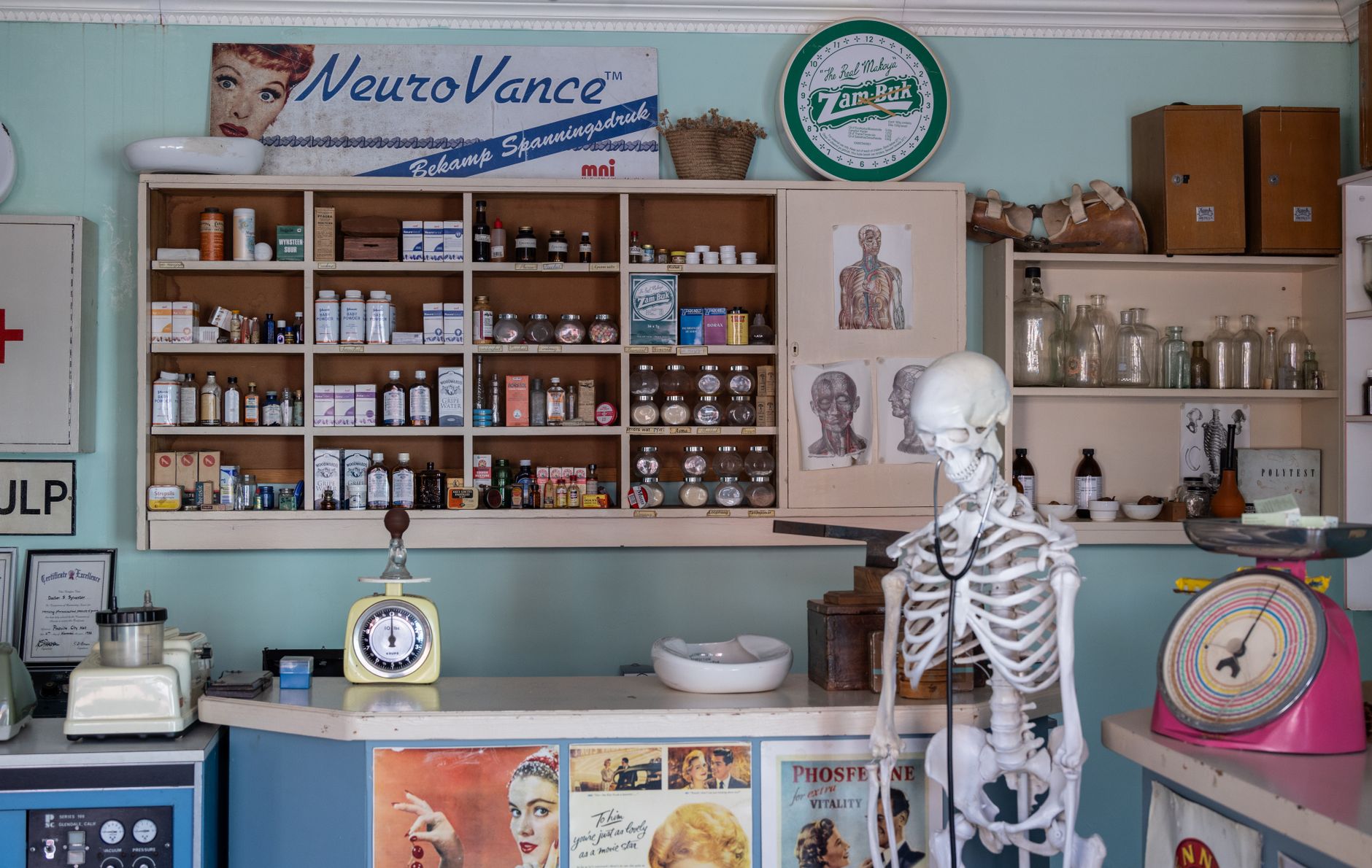
6. Joyce's Frozen Pharmacy
Sweny's Pharmacy, Dublin, Ireland
This working pharmacy, frozen in time, is a key setting in James Joyce's *Ulysses* and still sells lemon soap.
Step into Sweny's Pharmacy on Lincoln Place and you're stepping directly into the pages of James Joyce's *Ulysses*. Preserved exactly as it was in 1904, the pharmacy still sells lemon soap, just as Leopold Bloom bought it in the novel. Today, it functions not as a pharmacy, but as a volunteer-run literary landmark where Joyceans gather to read passages from *Ulysses* aloud, keeping the spirit of the book alive.
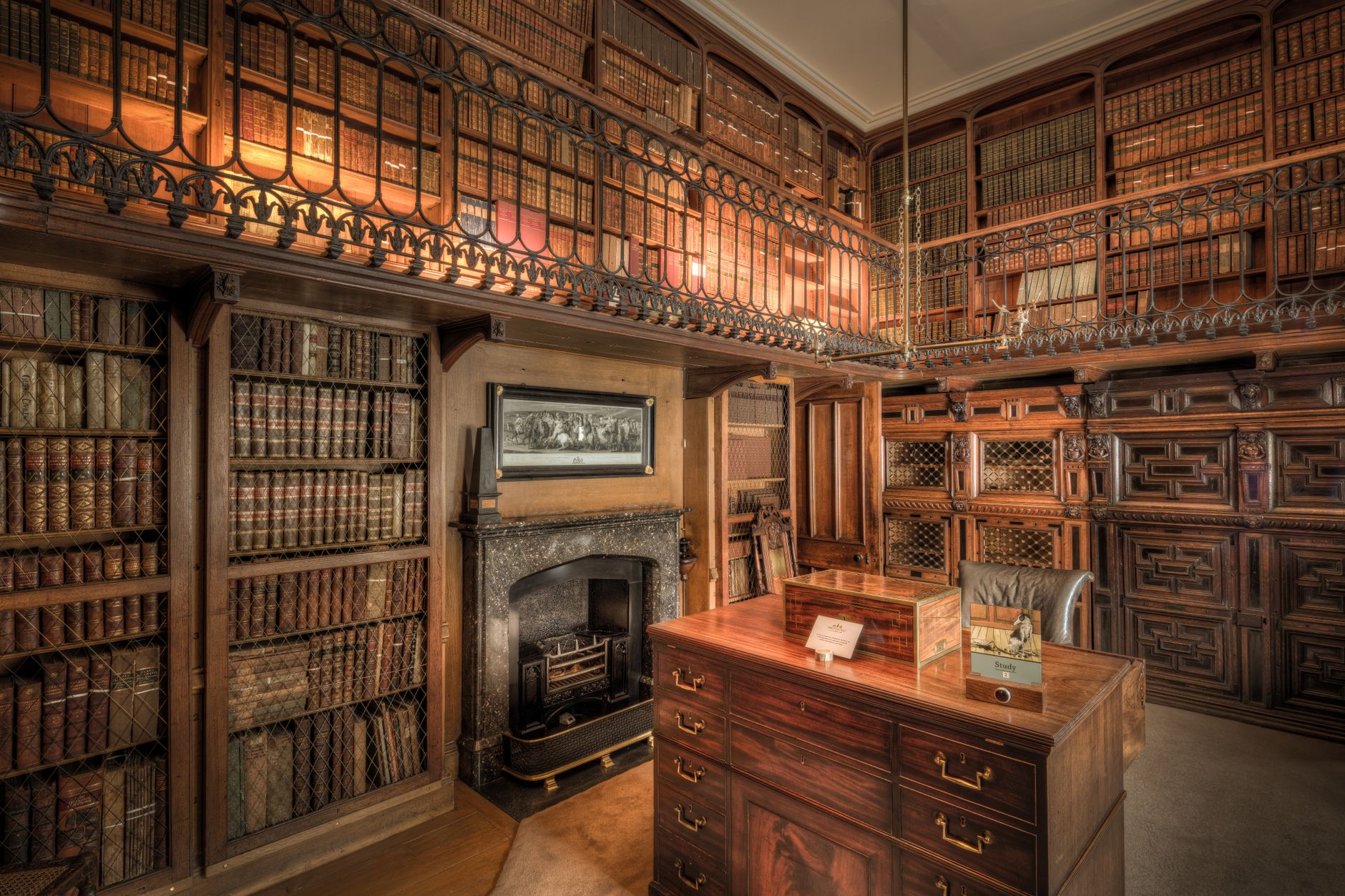
7. The Brian Boru Harp
The Long Room at Trinity College Library, Dublin, Ireland
Beyond its famous books, the Long Room houses the oldest surviving Irish harp, the national emblem of Ireland.
While Trinity College Library itself is famous, the Long Room within it is a spectacular sight, often visited for the Book of Kells. Less known is that it also protects the Brian Boru Harp, an ancient instrument dating back to the 15th century, believed to be the oldest existing Irish harp. This beautifully crafted artifact is not just a musical relic; it's the very symbol that appears on Irish coins and Guinness labels, connecting Ireland's ancient past to its modern identity.
8. Bloom's Lunch Spot
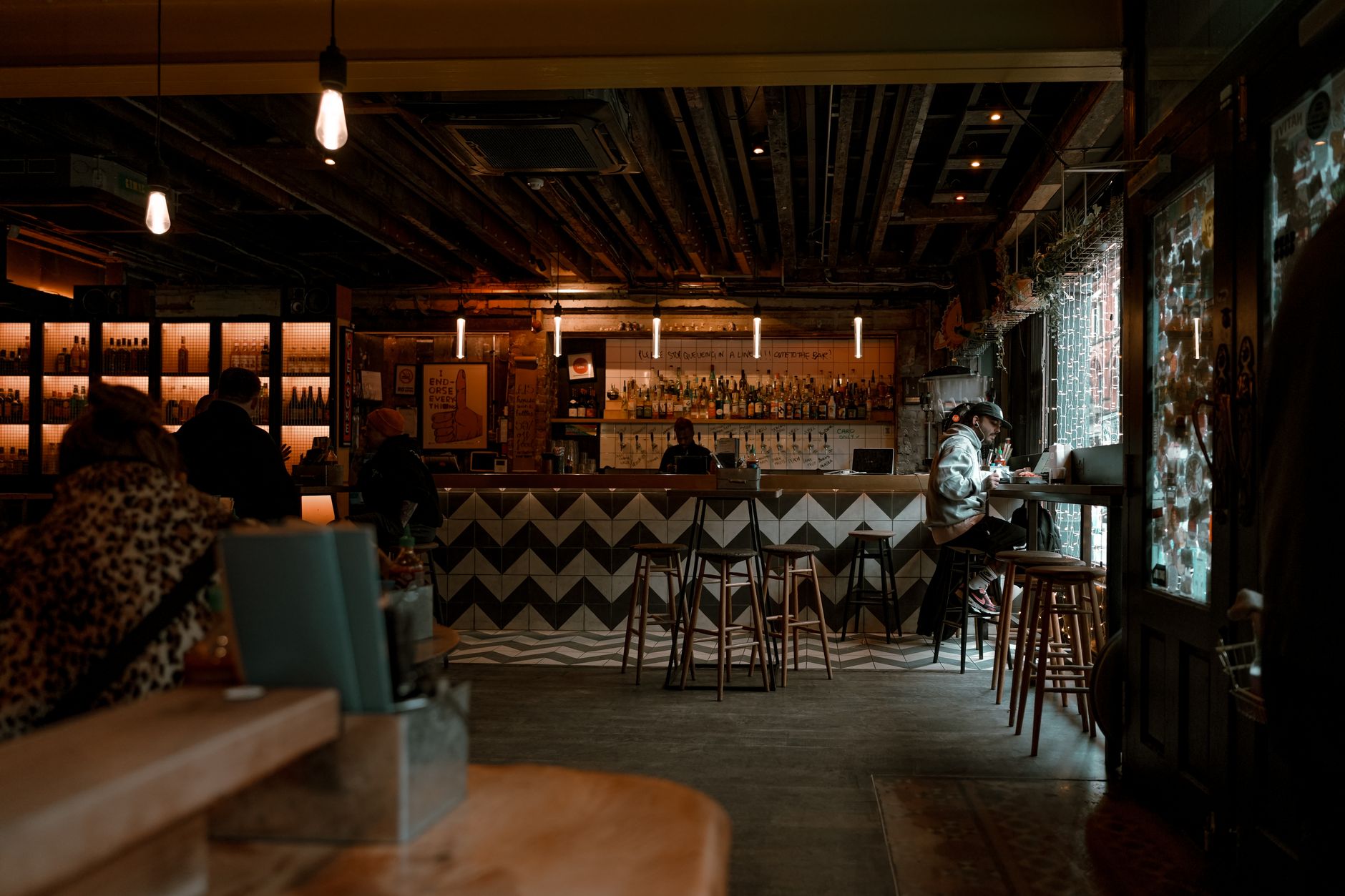
Davy Byrnes pub, Dublin, Ireland
Leopold Bloom famously ate a gorgonzola sandwich and drank a glass of burgundy here in James Joyce's *Ulysses*.
Davy Byrnes is another establishment immortalized in *Ulysses*, specifically as the spot where Leopold Bloom enjoyed his iconic lunch. The pub, still thriving on Duke Street, proudly acknowledges its literary connection. While the gorgonzola sandwich and burgundy might not be on every modern menu, the spirit of Bloom's solitary, observant meal permeates the space, inviting patrons to reflect on Dublin's everyday life through a literary lens.
Frequently asked questions
What's the best way to get around Dublin for a day?
Dublin's city center is very walkable, making it ideal for exploring literary pubs and historical sites on foot. For longer distances, the city has an efficient bus network and a tram system called the Luas. Taxis and ride-sharing services are also readily available.
Are Dublin's literary pubs expensive?
Prices for drinks in Dublin pubs can vary, but generally, a pint of Guinness or a standard drink is comparable to other major European cities. Many pubs offer food at reasonable prices, especially for lunch. Visiting these pubs is more about the atmosphere and history than just the cost of a drink.
Can I visit these literary sites without booking ahead?
Most pubs mentioned are open to the public without reservations. For sites like Marsh's Library or the Dublin Writers Museum, it's always wise to check their official websites for current opening hours and any specific entry requirements or guided tour options, especially during peak tourist seasons.
How does AllTours.ai enhance a Dublin trip?
AllTours.ai transforms your exploration of Dublin by providing instant, in-depth audio narratives. Simply point your phone camera at a landmark, building, or even a street, and the app will tell you its unique history, geology, or cultural significance in your preferred language, revealing the hidden stories that bring the city to life.
Related guides
Photography via Pexels. AllTours.ai is an AI audio tour guide — point your camera at any landscape and hear its story.