July 22, 2026 · 4 min read
Many travelers seek not just new sights, but profound shifts in understanding. What are some eye-opening travel experiences that have fundamentally changed people's perspectives on life and happiness? Often, these aren't found on the well-trodden paths to famous landmarks, but in the quiet corners of the world, where history, geology, or culture present themselves in truly unexpected ways.
Prepare to have your curiosity piqued by places that challenge assumptions and reveal the intricate tapestry of our planet. These are the journeys that stay with you, long after you've returned home, reshaping how you see the world and your place within it.
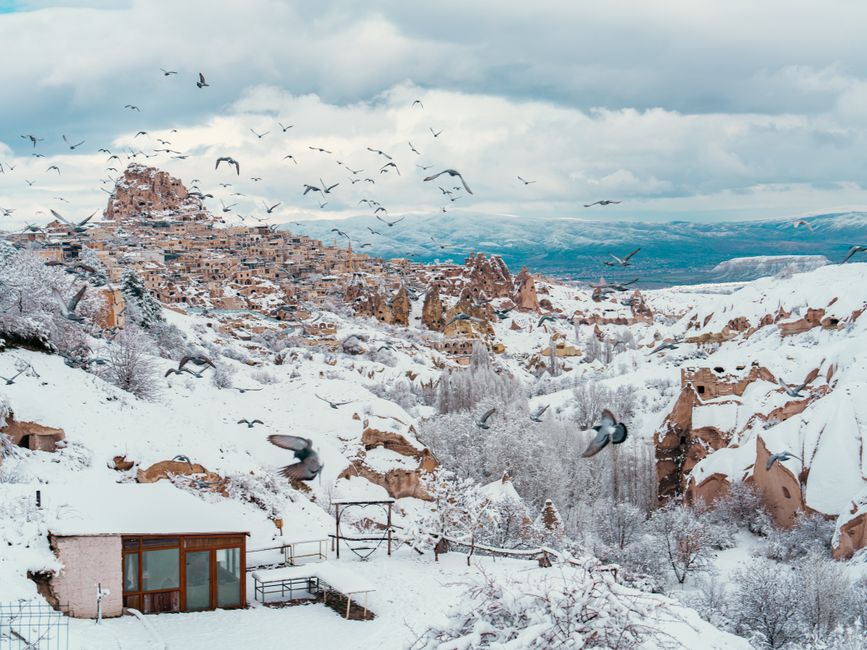
1. Cappadocia's Ancient Pigeon Homes
Cappadocia, Turkey
In the fairy chimney landscapes of Cappadocia, hundreds of ancient caves were carved not for humans, but specifically for pigeons, whose droppings were a vital commodity.
For centuries, locals meticulously sculpted dovecotes into the soft volcanic rock formations, creating intricate facades. These pigeon houses were crucial for collecting guano, a rich fertilizer that nourished the region's vineyards and orchards, and for providing meat and messenger pigeons. This unique agricultural practice reveals a deeply intertwined relationship between humans, animals, and the landscape, showcasing resourcefulness in a harsh environment.
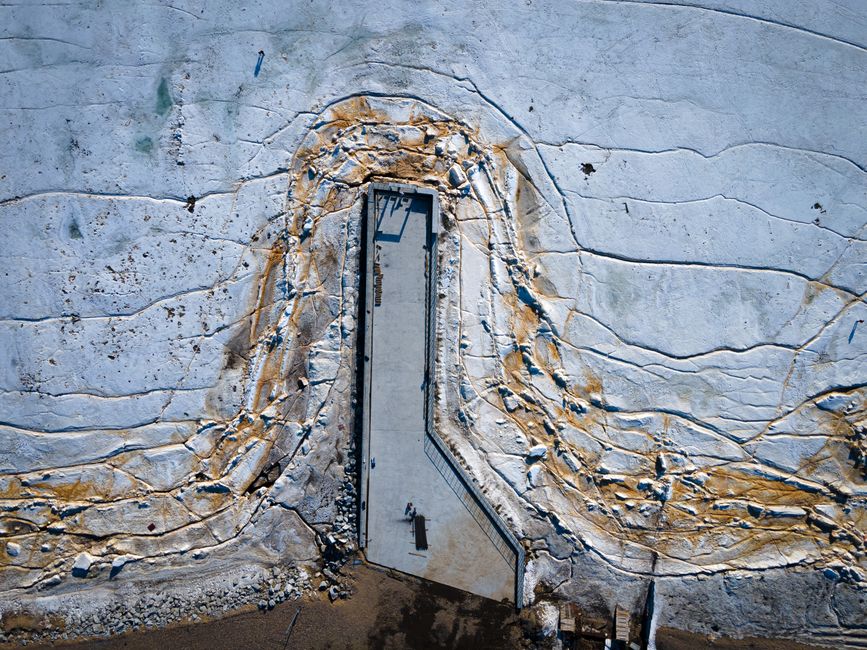
2. The Eye of the Sahara
Richat Structure, Mauritania
A massive, perfectly circular geological formation in the Mauritanian desert, once speculated to be an impact crater, is actually a deeply eroded dome spanning miles.
Visible from space, the Richat Structure, often called the "Eye of the Sahara," presents a breathtaking natural enigma. Its concentric rings of alternating rock types, exposed by erosion, form a striking bullseye pattern. Scientists now understand it as a symmetrical dome that collapsed and was subsequently carved out over millions of years, rather than a meteorite impact or volcanic caldera, offering a profound lesson in geological processes and the scale of Earth's transformations.
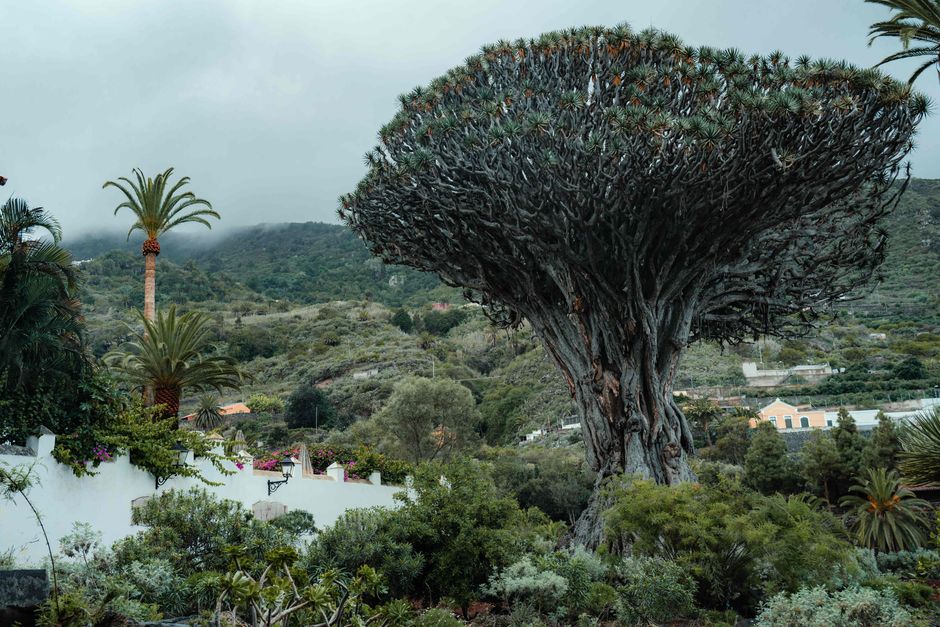
3. Socotra's Alien Flora
Socotra Island, Yemen
This isolated island in the Arabian Sea is home to bizarre, endemic plants like the Dragon's Blood Tree, making its landscape feel like a scene from another planet.
Socotra's extreme isolation and harsh climate have fostered an extraordinary level of endemism, with over a third of its plant species found nowhere else on Earth. The iconic Dragon's Blood Tree, with its umbrella-shaped canopy and red sap, dominates a landscape also featuring bottle trees and cucumber trees. Witnessing this unique biodiversity offers a powerful glimpse into evolution's remarkable adaptability and the fragility of specialized ecosystems.
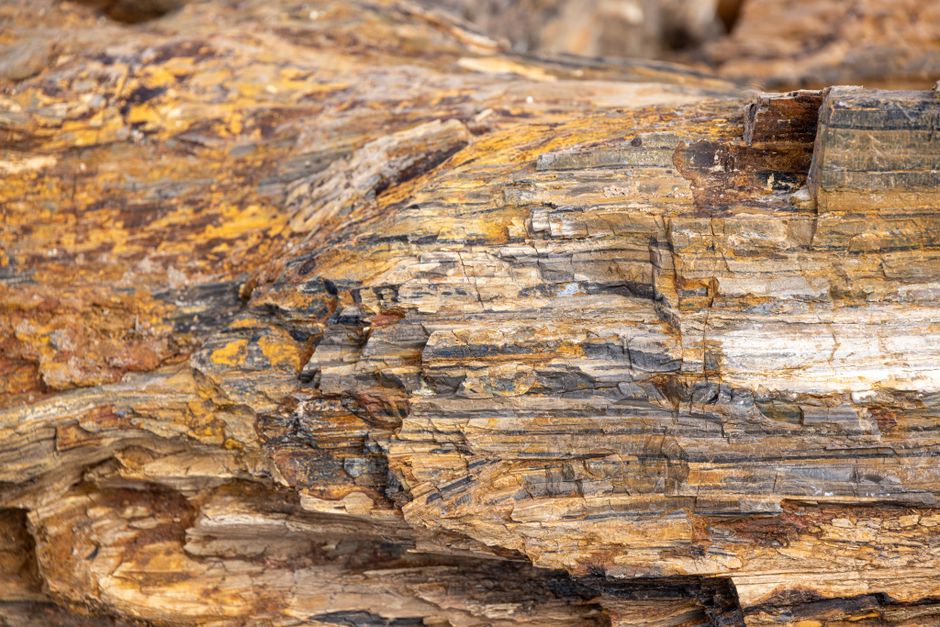
4. Lesbos' Petrified Forest
Lesbos, Greece
On the Greek island of Lesbos, an ancient forest was turned to stone by volcanic ash millions of years ago, preserving trees with their root systems intact.
This UNESCO Global Geopark holds one of the world's most complete petrified forests, formed when volcanic eruptions around 18 million years ago buried a subtropical forest under ash and lava. The rapid burial deprived the wood of oxygen, allowing mineral-rich groundwater to replace organic matter, turning trees into stone down to their cellular structure. Walking among these fossilized giants, some still standing upright, provides a tangible connection to Earth's deep past and the immense forces that shaped it.
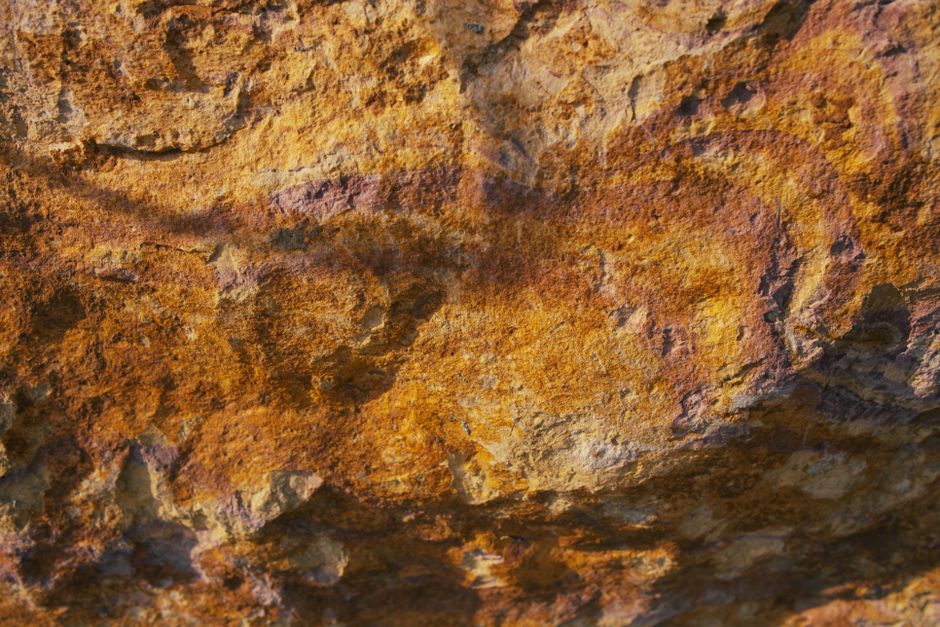
5. Chiribiquete's Ancient Art
Chiribiquete National Park, Colombia
Deep within the Colombian Amazon, remote sandstone tepuis are adorned with tens of thousands of ancient rock paintings depicting extinct megafauna and human-animal interactions.
Chiribiquete, a UNESCO World Heritage site, is one of the most biodiverse and culturally significant places on Earth, largely inaccessible to visitors. Its sheer cliffs and caves hold an astounding record of human occupation spanning over 20,000 years, with art showing mastodons, giant sloths, and jaguars. This vast "Sistine Chapel of the Ancients" offers an unparalleled window into the spiritual and daily lives of prehistoric Amazonian communities, reminding us of humanity's long and deep connection to the natural world.
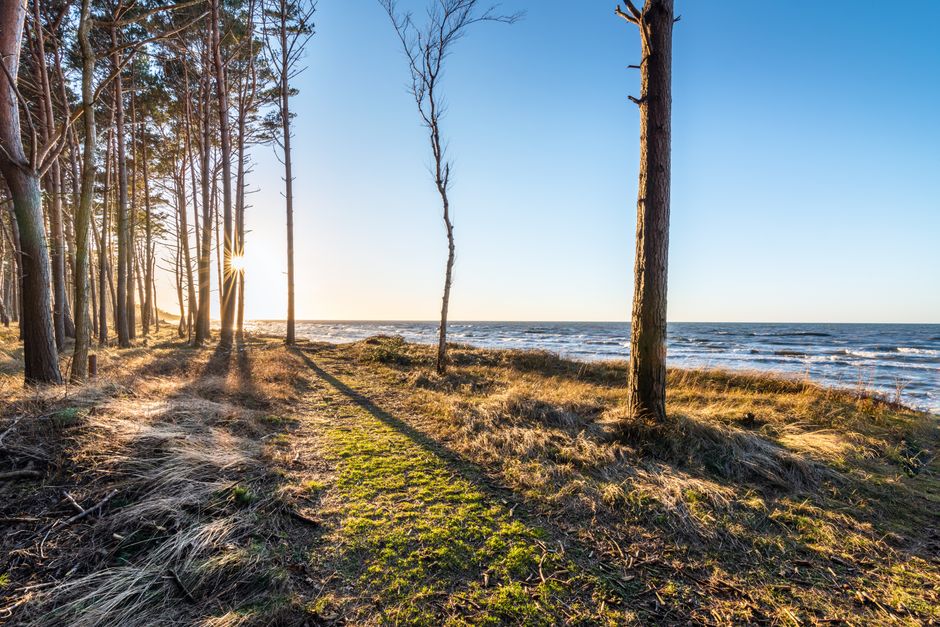
6. The Crooked Forest's Mystery
Gryfino, Poland
A perplexing grove of pine trees in western Poland exhibits a bizarre 90-degree bend at their base, with the cause of their unique shape remaining a mystery.
Planted around the 1930s, the approximately 400 pine trees in the "Crooked Forest" all curve sharply northward just above the ground before straightening out to grow vertically. Theories range from intentional human manipulation for furniture or shipbuilding to environmental factors like heavy snow loads or even a unique gravitational pull. Standing amidst these strangely contorted trees evokes a sense of wonder and invites contemplation on the unexplained phenomena that exist in our world.
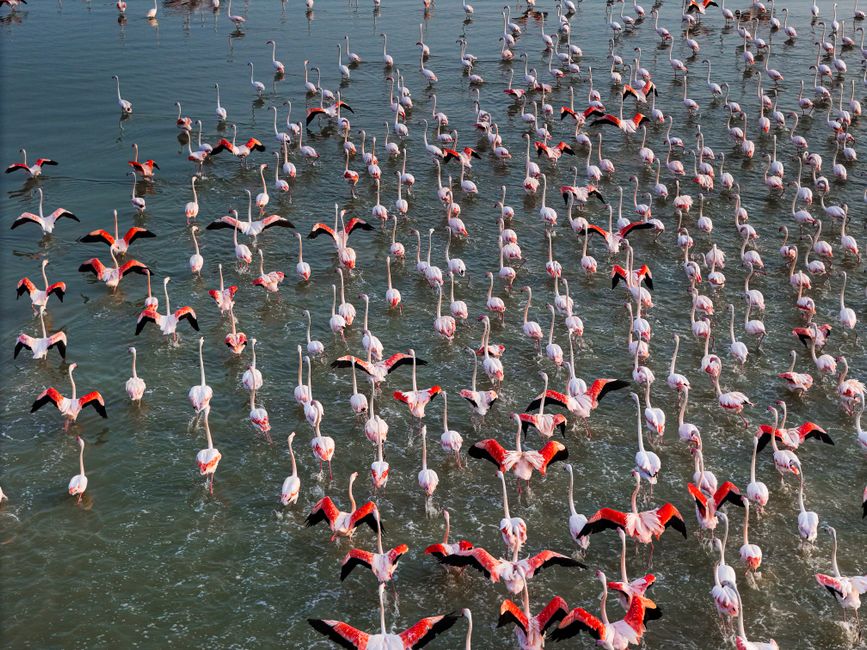
7. Lake Natron's Petrifying Waters
Lake Natron, Tanzania
This hyper-alkaline lake in the Great Rift Valley is so caustic it can calcify animals that drown in its waters, yet it's a vital breeding ground for millions of flamingos.
Lake Natron's vivid red hues come from salt-loving microorganisms thriving in its extreme conditions, with pH levels reaching over 10.5. For most animals, contact can be deadly, turning them into eerie, calcified statues. Yet, the lake is the sole regular breeding ground for East Africa's lesser flamingos, who are uniquely adapted to its harsh environment, nesting on salt islands formed by the soda. This stark contrast between deadly beauty and thriving life is a powerful testament to nature's relentless adaptability.
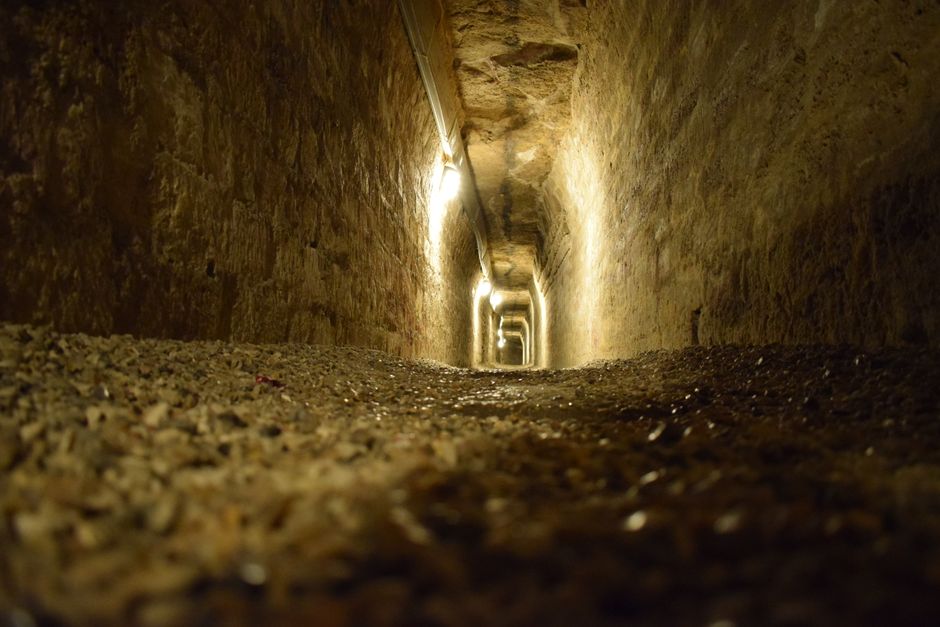
8. Milos' Early Christian Catacombs
Milos, Greece
On the volcanic island of Milos, a network of underground catacombs served as a secret burial site and place of worship for early Christians, predating Rome's famous catacombs.
Carved into the soft volcanic rock of Milos, these catacombs date back to the 1st to 5th centuries AD, making them one of the most significant early Christian monuments in Greece and even older than many in Rome. They consist of three large underground chambers and a burial chamber, containing over 2,000 burials. Exploring these dimly lit tunnels offers a poignant journey into the origins of Christianity in the Aegean and the steadfast faith of its early followers, providing a profound historical and spiritual perspective.
Frequently asked questions
How do I find these lesser-known travel destinations?
Research is key. Look beyond popular guidebooks to specialized travel blogs, geological societies, and academic papers. Local tourism boards in less-visited regions often highlight unique attractions.
Is it safe to travel to very remote or underrated places?
Safety varies greatly by location. Always check current travel advisories from your government, hire reputable local guides, and ensure you have appropriate insurance and emergency plans before venturing into remote areas.
What should I pack for a trip to unique natural wonders?
Essential items often include sturdy walking shoes, weather-appropriate clothing, a reliable map or GPS, a first-aid kit, plenty of water, and snacks. For specific locations, consider specialized gear like binoculars, headlamps, or sun protection.
How can AllTours.ai enhance my experience at these unique locations?
AllTours.ai acts as your personal AI audio guide. Simply point your phone camera at a landmark, landscape, or even a unique plant, and the app will narrate its history, geology, and cultural significance in your preferred language, bringing these eye-opening stories to life right before your eyes.
Related guides
Photography via Pexels. AllTours.ai is an AI audio tour guide — point your camera at any landscape and hear its story.