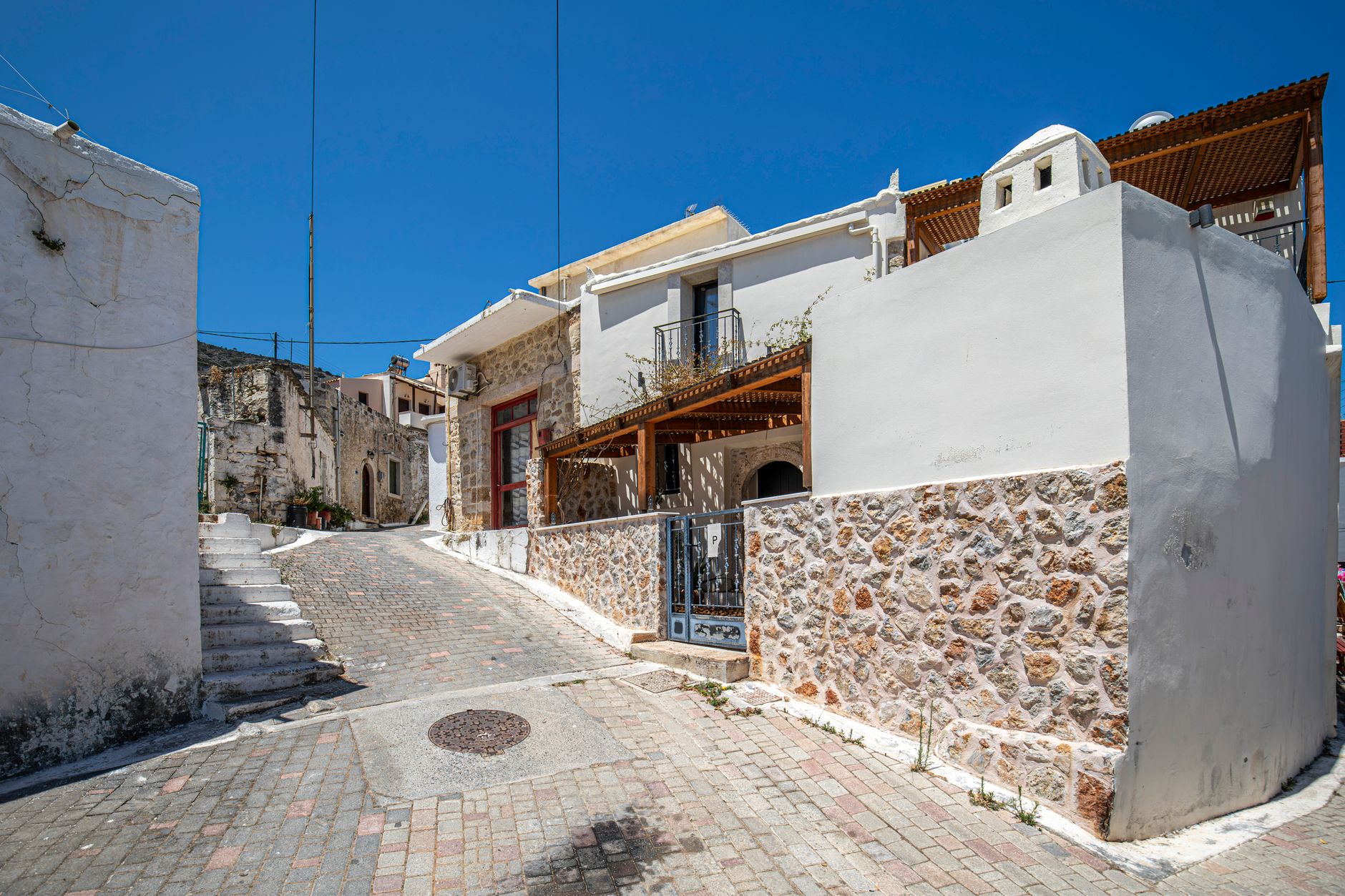
July 9, 2026 · 4 min read
Agios Nikolaos, with its picturesque lake and bustling harbor, draws many visitors. Yet, the real heart of Cretan gastronomy often beats quietly in the villages just beyond the well-trodden paths. This is where generations-old recipes are still lovingly prepared, where the ingredients come directly from the surrounding land and sea, and where every meal tells a story.
If your question is 'What is your favorite Cretan restaurant or taverna in or around Agios Nikolaos?', and you’re looking to truly taste the island's soul, we've ventured into the lesser-known corners. Prepare to discover authentic eateries, each with a unique historical, cultural, or geological narrative that makes the food taste even richer.
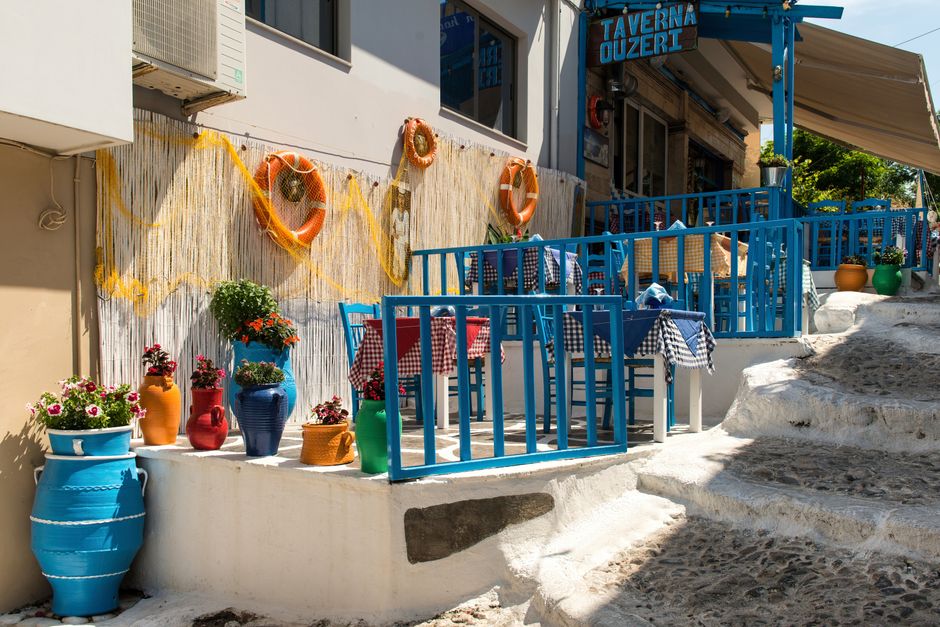
1. The Millstone's Legacy
Taverna Kroustas, Kroustas, Crete, Greece
The village of Kroustas is home to one of Crete's oldest and most revered olive trees, a silent witness to millennia of history.
This unassuming taverna in Kroustas, often just called 'Kroustas Taverna' by locals, lies tucked away near the village square. Its dishes often feature olive oil pressed from trees that could be direct descendants of those ancient groves, some dating back thousands of years. The village itself is a living museum of traditional Cretan life, where time seems to slow, inviting you to savor flavors deeply rooted in the land’s enduring heritage.
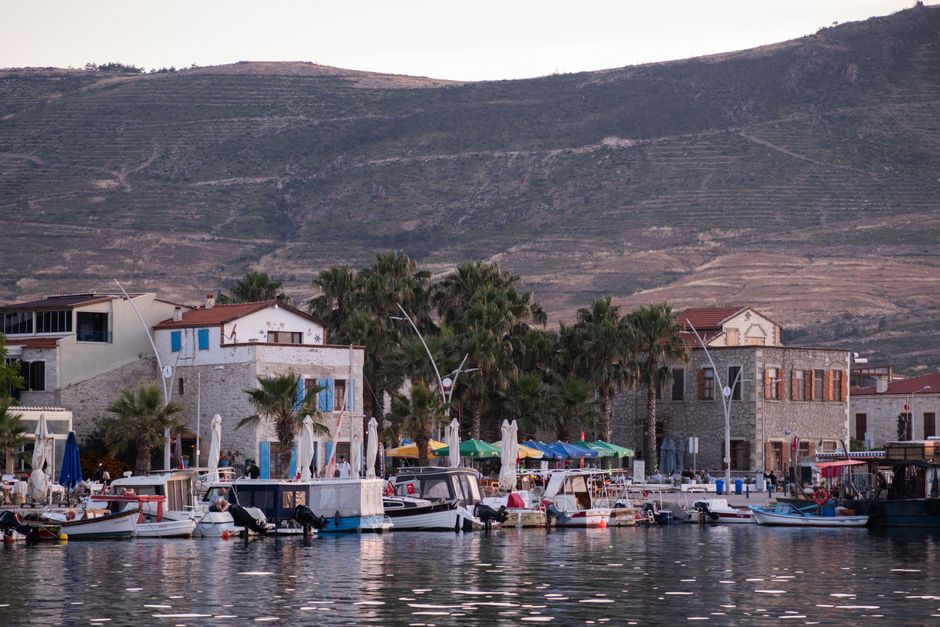
2. Seafood Echoes of Minoan Shores
Toh Koutouki tou Antoni, Mochlos, Crete, Greece
The tiny fishing village of Mochlos sits opposite a small islet, once a significant Minoan settlement, influencing local life and cuisine for millennia.
Mochlos is a tranquil haven, a world away from the island's bustling resorts. At Toh Koutouki tou Antoni, the daily catch dictates the menu, a tradition echoing the village's deep connection to the sea. The nearby Minoan ruins on the islet of Agios Nikolaos hint at a civilization that also relied on these very waters, making every bite of fresh fish a taste of ancient Cretan continuity. It's a place where the sea whispers its history directly onto your plate.
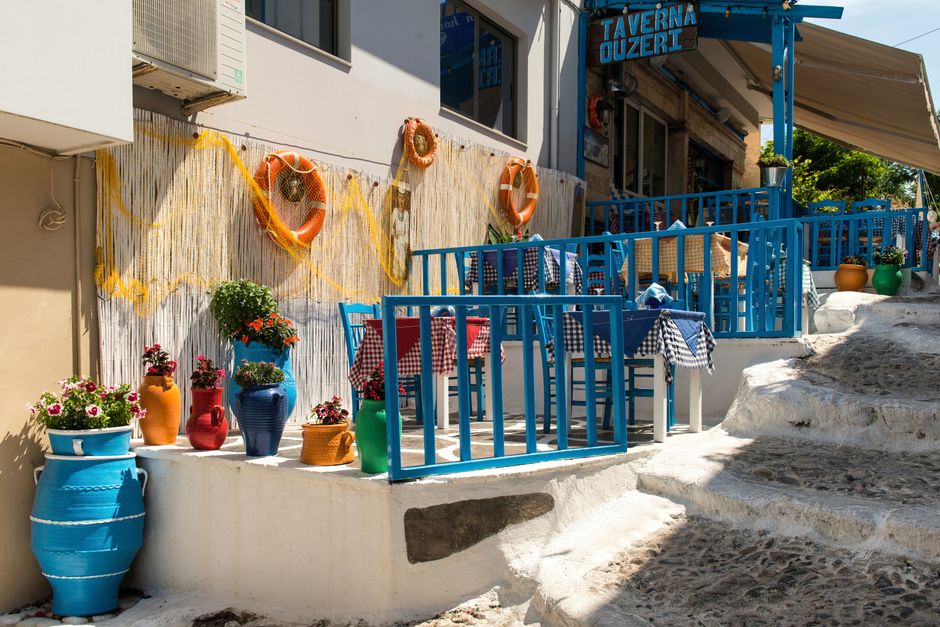
3. Shepherd's Supper in the Mountains
Taverna Vrachasi, Vrachasi, Crete, Greece
Vrachasi, a rugged mountain village, maintains strong ties to Crete's ancient shepherd traditions, evident in its rich dairy and meat dishes.
High in the Dikti Mountains, Taverna Vrachasi offers hearty, traditional fare that reflects its pastoral surroundings. Here, the graviera cheese is made from sheep and goat milk by local shepherds, and the lamb or goat often comes from herds grazing on the wild herbs of the surrounding peaks. This connection to the land and its age-old practices ensures a depth of flavor that can only be found in places where food production remains a community affair, largely untouched by modern industrialization.
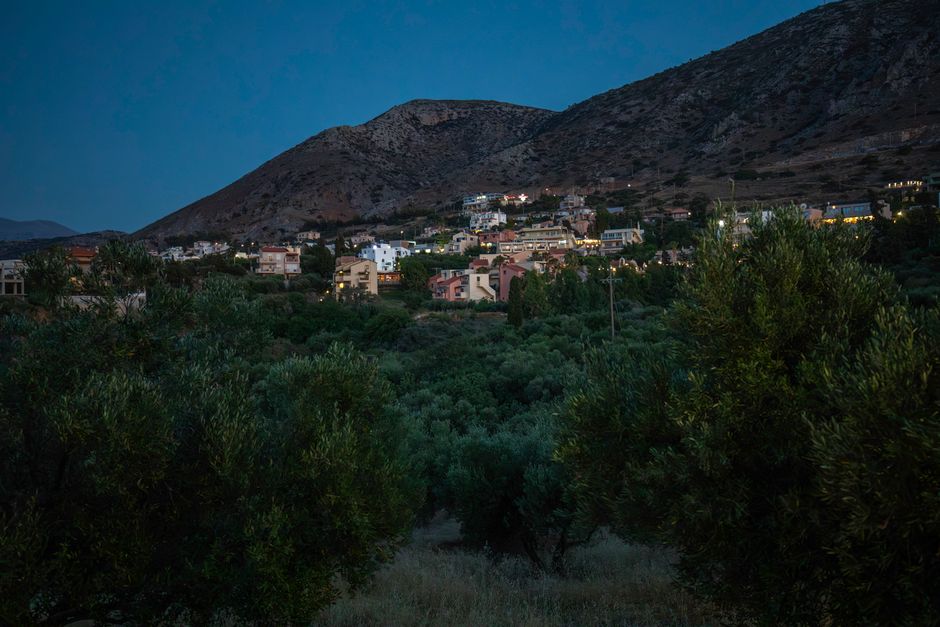
4. The Byzantine Village Feast
Taverna Kriti, Limnes, Crete, Greece
Limnes village is dotted with ancient Byzantine churches, testaments to centuries of spiritual and communal life that shaped local culinary practices.
In the charming village of Limnes, Taverna Kriti is a family-run establishment serving dishes honed over generations. The village's history, marked by numerous Byzantine churches and traditional architecture, suggests a deep-rooted agricultural past. The taverna’s use of local vegetables, wild greens, and slow-cooked meats reflects a cuisine that has sustained communities through centuries, offering a comforting blend of flavors that feel both simple and profound.
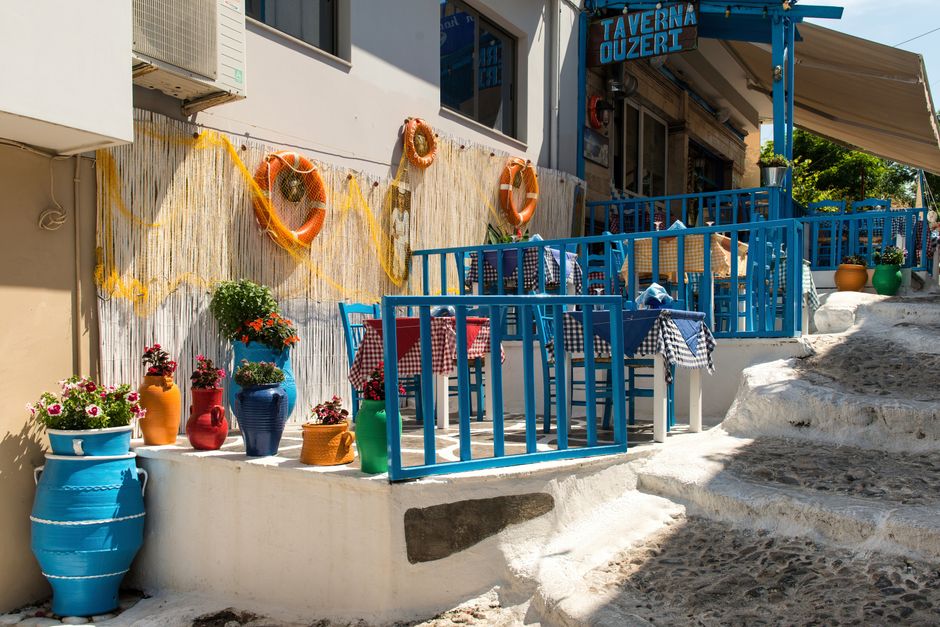
5. Olive Oil's Ancient Secret
Taverna Fourni, Fourni, Crete, Greece
Fourni is surrounded by some of Crete's most ancient olive groves, with trees that have stood for hundreds of years, making its olive oil a true liquid gold.
Taverna Fourni, nestled in the quiet, verdant valley of the same name, capitalizes on its abundant local resource: exquisite olive oil. Every dish, from the simplest salad to slow-cooked stifado, showcases the rich, peppery notes of oil pressed from olives grown on trees that predate many modern nations. The village itself, with its traditional kafenions and sleepy pace, feels like a journey back in time, where the quality of ingredients is paramount.
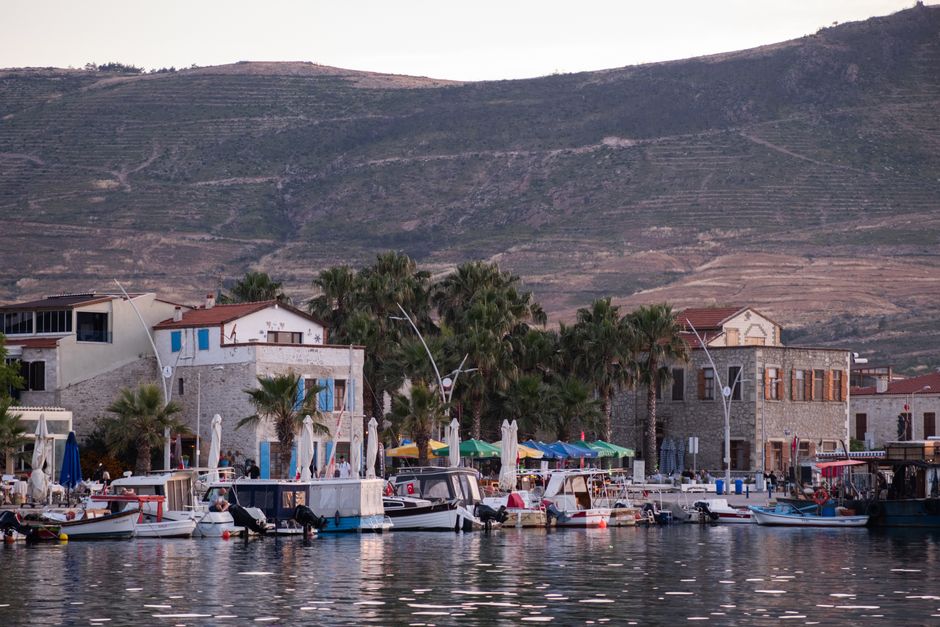
6. The Upper Village Vista
Taverna Platanos, Pano Elounda, Crete, Greece
Pano Elounda, the 'upper' village, offers breathtaking views and a glimpse into Elounda's past before it became a luxury destination, preserving older culinary traditions.
While modern Elounda is known for its luxury resorts, a short drive uphill reveals Pano Elounda, a village that retains its authentic charm. Taverna Platanos, often situated under the shade of a large plane tree, serves classic Cretan dishes with ingredients sourced from the surrounding hills. Eating here offers a panoramic view of the Spinalonga peninsula and Mirabello Bay, a view largely unchanged for centuries, allowing diners to connect with the island's timeless beauty while savoring traditional flavors.
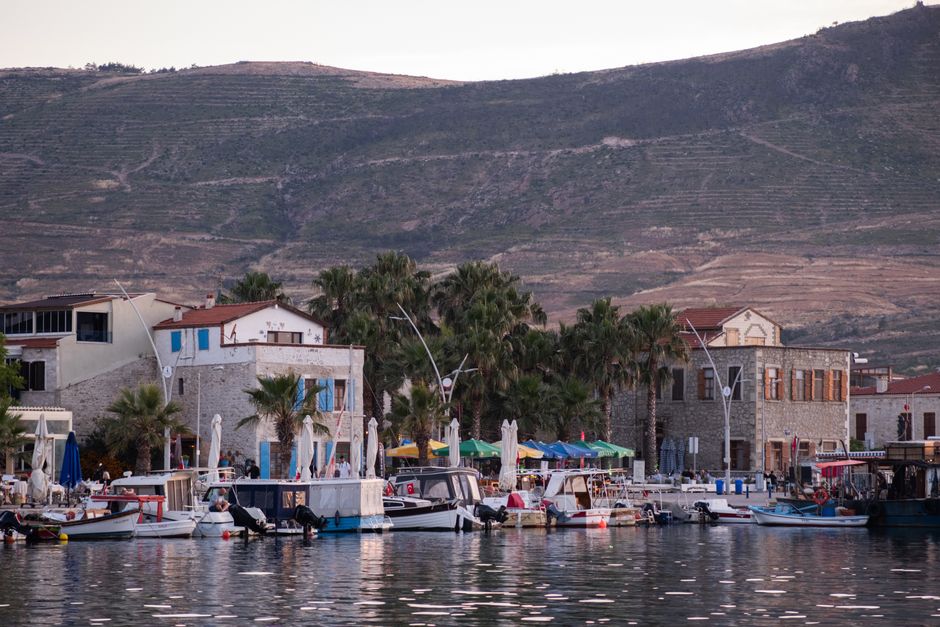
7. Harbor's Salt-Kissed Flavors
Taverna Remezzo, Sisi, Crete, Greece
Sisi's unique natural harbor, almost completely enclosed, has protected its fishing fleet and traditions for generations, shaping its distinct seafood cuisine.
The charming fishing village of Sisi is famous for its picturesque, fjord-like harbor. Taverna Remezzo, right by the water's edge, embodies this maritime heritage. The daily menu features ultra-fresh seafood, often caught just hours before, seasoned with local sea salt harvested from nearby coastal pans. The village’s sheltered harbor has allowed its fishing community to thrive relatively undisturbed, ensuring that the seafood served here carries the authentic taste of the Cretan Sea, untouched by modern overfishing practices.
Frequently asked questions
What is Cretan cuisine known for?
Cretan cuisine is celebrated for its incredible health benefits and delicious simplicity, often cited as one of the healthiest diets in the world. It emphasizes fresh, seasonal ingredients like wild greens, olive oil, pulses, vegetables, herbs, and lean meats, all locally sourced and prepared with minimal processing.
How do I find authentic tavernas in Crete?
To find authentic tavernas, venture away from major tourist hubs into smaller villages. Look for places where locals gather, often indicated by handwritten menus, simple decor, and a focus on seasonal, local ingredients. Don't be afraid to ask hotel staff or shopkeepers for their personal recommendations.
Are reservations necessary for tavernas in small Cretan villages?
Generally, reservations are not necessary for tavernas in smaller Cretan villages, especially outside peak season. However, for popular spots or larger groups, a quick call ahead can be a good idea, particularly on weekend evenings. Many small tavernas prioritize walk-ins.
How can AllTours.ai enhance my exploration of Crete?
AllTours.ai brings the stories of Crete to life as you explore. Simply point your phone camera at a landmark, a mountain, or even a local plant, and the app will narrate its fascinating history, geology, and cultural significance in your language, making every step an enriching discovery.
Related guides
Photography via Pexels. AllTours.ai is an AI audio tour guide — point your camera at any landscape and hear its story.