July 4, 2026 · 4 min read
Every traveler has that one story, that one place that defied expectations and etched itself into memory. When asked, "What’s the most interesting place you’ve traveled to?" the mind often jumps to the grand, the iconic, the well-trodden. But true fascination often lies off the beaten path, in the corners of the world less explored, where history whispers from forgotten stones and nature sculpts wonders unseen.
This list isn't about the destinations you already know. Instead, we're uncovering eight genuinely surprising locations, each with a captivating story woven into its very fabric. From geological anomalies burning for decades to entire towns hidden from view, prepare to ignite your curiosity about places that truly stand apart.
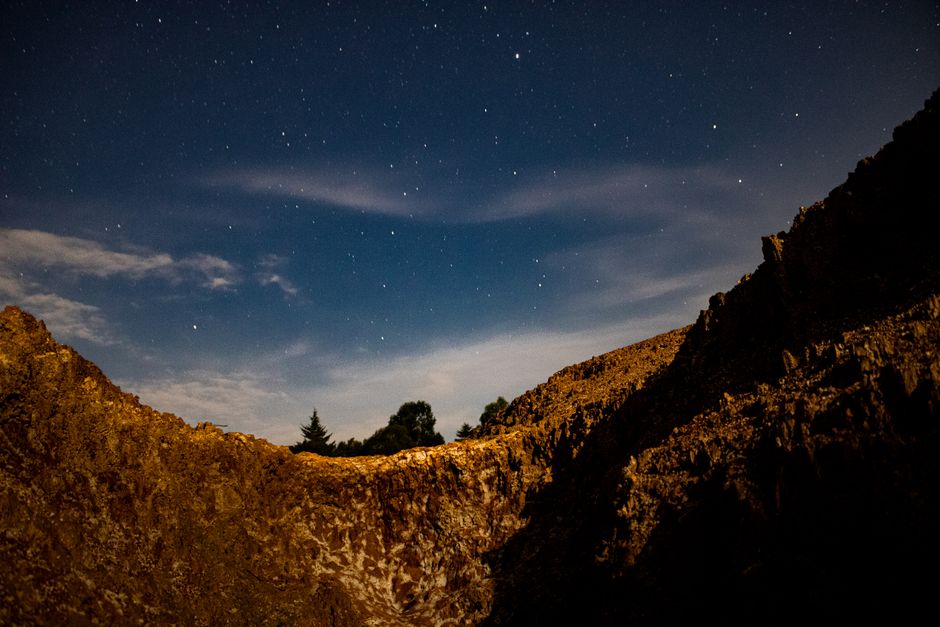
1. The Ever-Burning "Door to Hell"
Derweze, Turkmenistan
A Soviet drilling accident ignited a natural gas field that has been burning continuously for over 50 years in the Karakum Desert.
In the early 1970s, Soviet geologists were exploring for gas when their rig collapsed into an underground cavern, creating a massive crater. Fearing the release of toxic methane gas, they decided to set it alight, expecting it to burn off in a few weeks. Five decades later, the "Door to Hell" still glows fiercely, a surreal fiery spectacle against the desert night, drawing an eerie glow to the horizon.
2. The Hidden Fortress Island
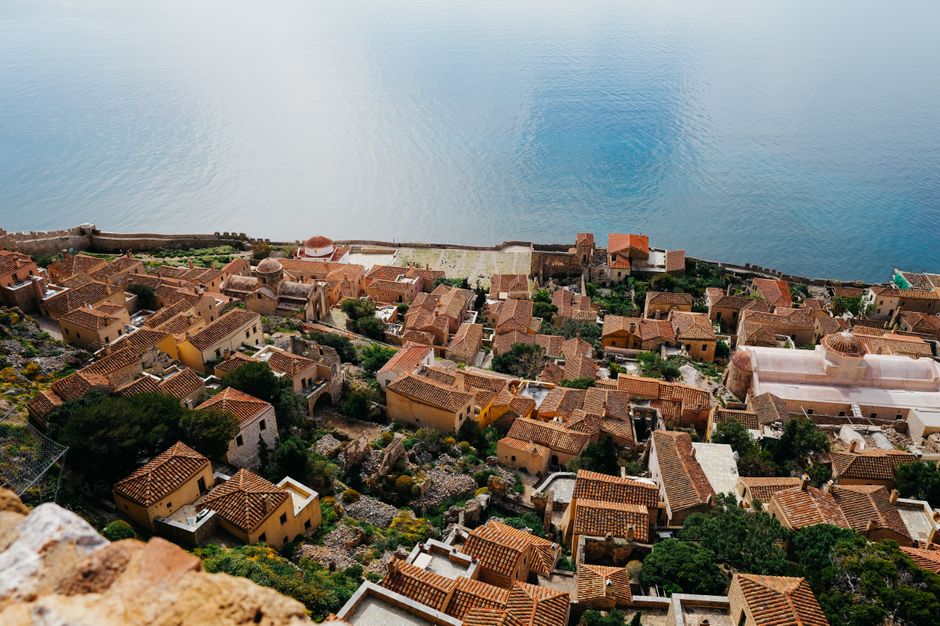
Monemvasia, Greece
This entire medieval fortress town is built on a massive rock island, historically invisible from the mainland, making it an unassailable natural fort.
Monemvasia, meaning "single entrance," is a breathtaking Byzantine fortified town carved into the back of a huge rock in the Peloponnese. For centuries, its strategic location made it a crucial port and refuge, with its churches and homes clinging to the cliff face. It remained hidden from approaching invaders until they rounded the monolithic rock, giving it an unparalleled defensive advantage.
3. The Alien Landscape of Dragon's Blood Trees
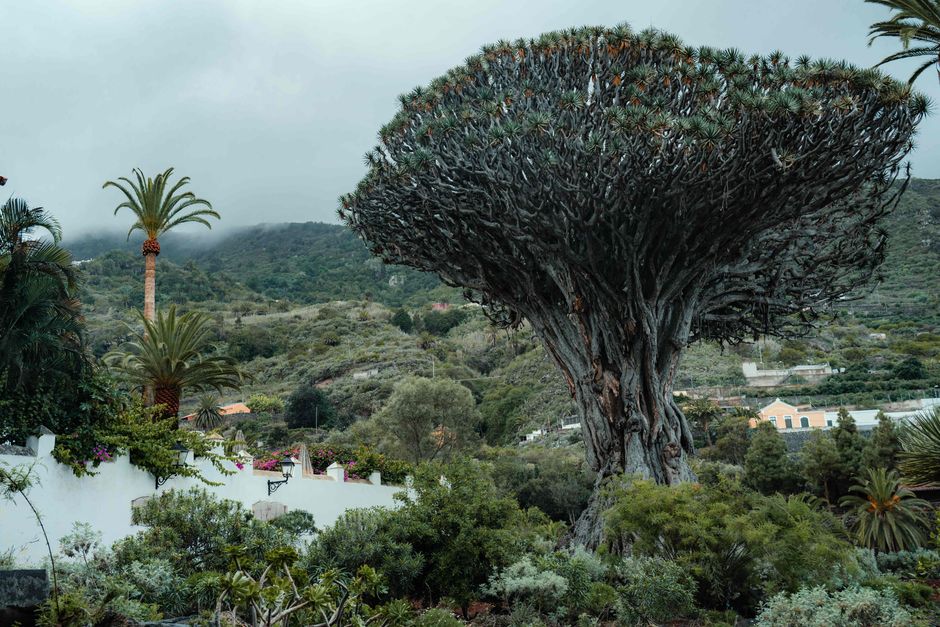
Socotra Island, Yemen
This isolated island boasts an alien-like ecosystem with bizarre dragon's blood trees and other unique species found nowhere else on Earth.
Often dubbed the "Galapagos of the Indian Ocean," Socotra is a biodiversity hotspot with an astonishing level of endemism. Over a third of its plant species are unique to the island, most famously the Dragon's Blood Tree, with its distinctive umbrella-shaped canopy and red sap. Its surreal flora and dramatic landscapes make it feel like stepping onto another planet.
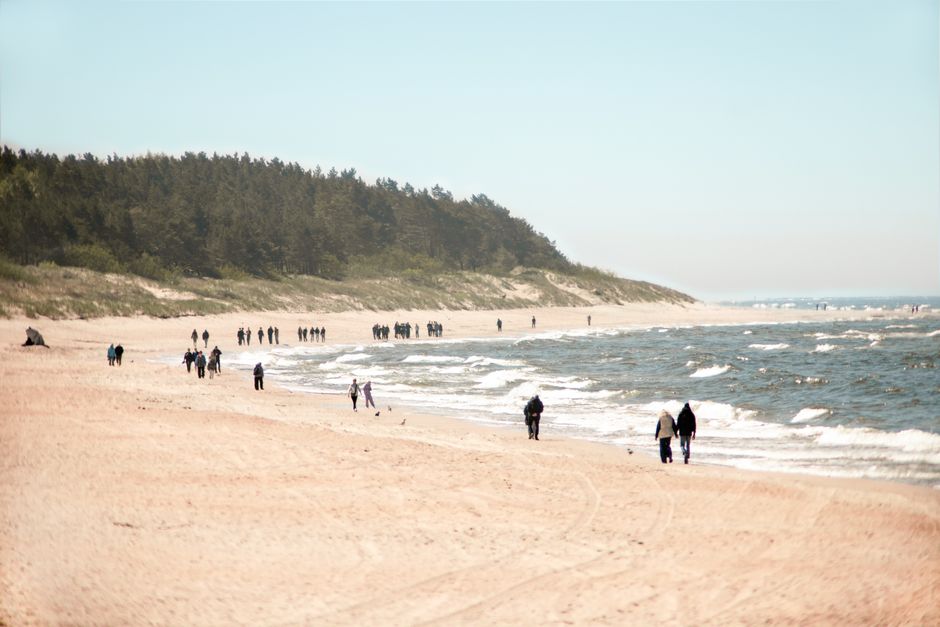
4. The Shifting Sands That Swallowed Villages
Curonian Spit, Lithuania
This narrow, sandy peninsula is a UNESCO World Heritage site constantly reshaped by wind and home to "dead dunes" that entirely engulfed several historical villages.
The Curonian Spit is a 98-kilometer-long, delicate strip of sand dunes separating the Curonian Lagoon from the Baltic Sea. For centuries, its powerful shifting sands posed a constant threat to human settlements. Entire villages were famously swallowed whole by these moving dunes, leaving behind only their names and ghost stories, earning them the eerie moniker "dead dunes."
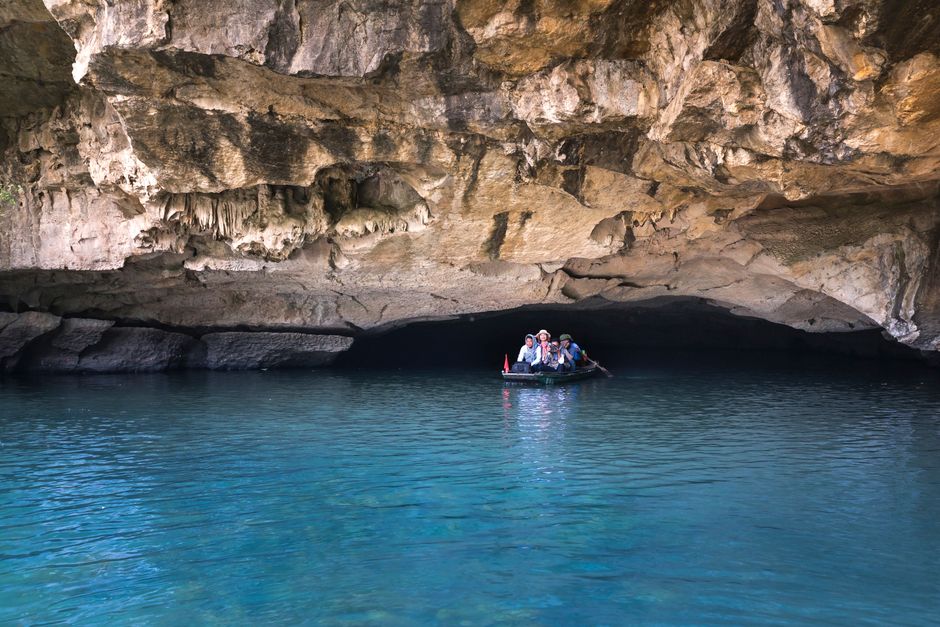
5. The Subterranean Starry Night
Waitomo Caves, New Zealand
Glide through dark underground caverns illuminated by thousands of tiny glowworms creating a breathtaking, shimmering "starry night" effect.
The Waitomo Caves are renowned for their extraordinary population of *Arachnocampa luminosa*, a species of glowworm found exclusively in New Zealand. Visitors experience a silent boat ride through the pitch-black caverns, looking up at a ceiling transformed into a living galaxy by the countless bioluminescent lights of these tiny creatures, an unforgettable natural spectacle.
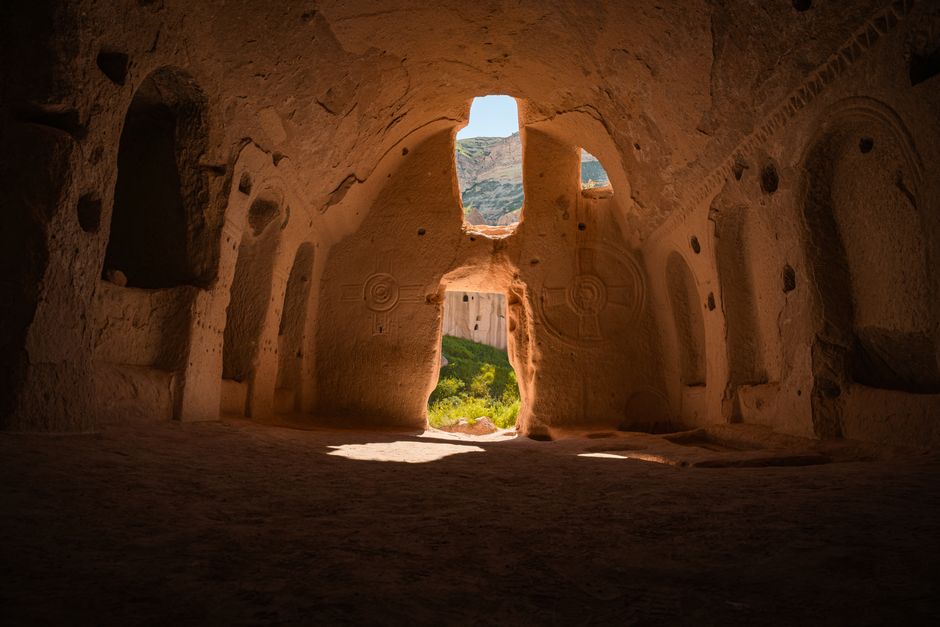
6. Cities Beneath the Fairy Chimneys
Cappadocia, Turkey
Beneath Cappadocia's iconic "fairy chimneys" lies an ancient network of vast multi-level underground cities, carved by early civilizations for refuge.
While Cappadocia's unique "fairy chimney" rock formations are famous, the true marvels lie beneath the surface. Early Christians and other civilizations carved intricate, multi-level underground cities like Derinkuyu and Kaymaklı into the soft volcanic rock. These colossal subterranean complexes offered refuge for thousands for months at a time, complete with ventilation shafts, kitchens, stables, and churches, all hidden from invaders.
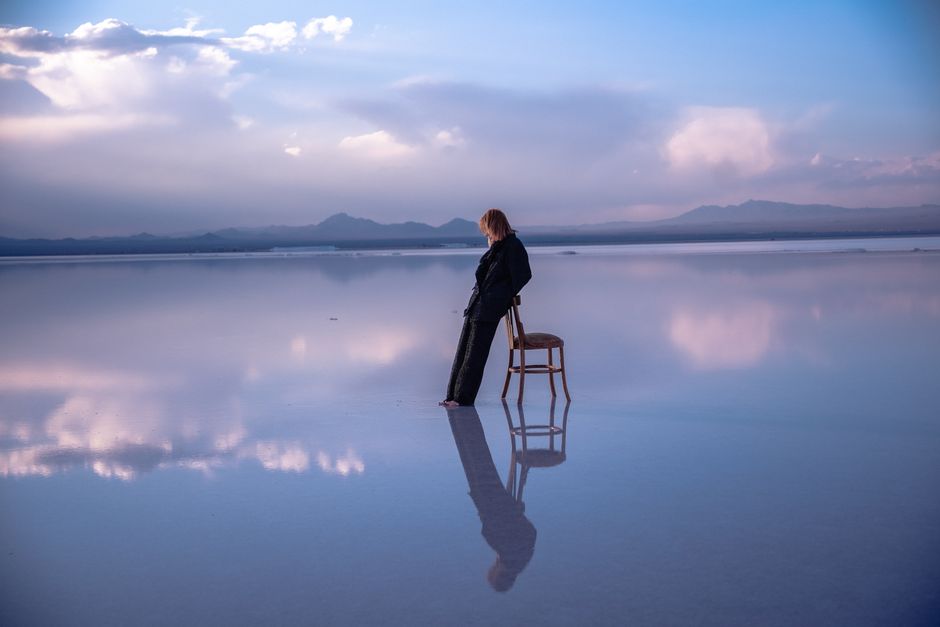
7. The World's Largest Mirror
Salar de Uyuni, Bolivia
During the rainy season, the world's largest salt flat transforms into an colossal, ethereal mirror, perfectly reflecting the sky and blurring the horizon.
Covering over 10,000 square kilometers, Salar de Uyuni is the dazzling white remnant of prehistoric lakes in the Bolivian Andes. When a thin layer of rainwater collects on its surface, the salt flat becomes an immense, breathtaking mirror. This natural phenomenon creates stunning optical illusions, making it impossible to distinguish where the earth ends and the sky begins, an experience unlike any other.
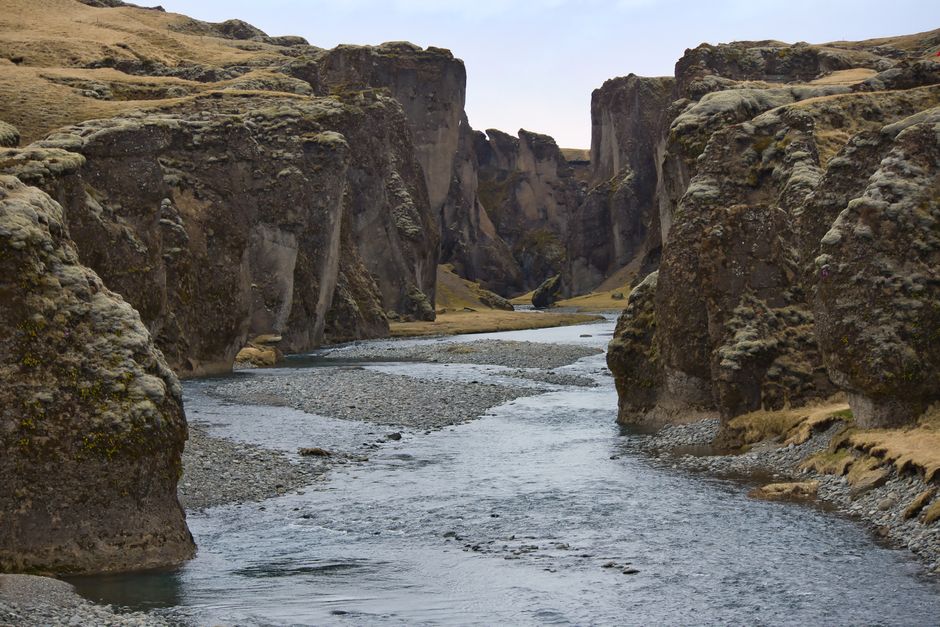
8. The Serpentine Canyon Carved by Ice
Fjaðrárgljúfur, Iceland
This ancient, winding canyon in southeast Iceland was dramatically carved by glacial meltwater over millennia, revealing striking layers of volcanic rock.
Fjaðrárgljúfur is a magnificent, serpentine canyon located in the remote southeast of Iceland, reaching over 100 meters deep and stretching for approximately two kilometers. Its dramatic, steep walls and verdant ledges were formed by the progressive erosion of flowing water from a large glacial lake at the end of the last Ice Age, showcasing the raw power of nature's sculpting hand.
Frequently asked questions
What is considered an interesting travel destination?
An interesting travel destination typically offers unique cultural experiences, remarkable historical sites, or extraordinary natural phenomena. It often sparks a sense of wonder and provides stories you won't find anywhere else, beyond typical tourist attractions.
How do you find unique places to travel?
To find unique places, research lesser-known regions, look for UNESCO sites that aren't mainstream, or explore destinations known for specific geological formations or ancient histories. Reading travel blogs focused on off-the-beaten-path adventures can also uncover hidden gems.
What makes a place historically interesting?
A place becomes historically interesting through its deep connections to past events, significant civilizations, or pivotal moments that shaped the world. This could include ancient ruins, battlefields, or sites where groundbreaking cultural or scientific advancements occurred.
How can AllTours.ai enhance my trip to these unique places?
AllTours.ai is an AI audio tour guide app that brings these incredible stories to life. Simply point your phone camera at any landmark or landscape, and the app will narrate its history, geology, and culture in your language, making every discovery deeper and more engaging.
Related guides
Photography via Pexels. AllTours.ai is an AI audio tour guide — point your camera at any landscape and hear its story.