July 27, 2026 · 4 min read
Travel often brings us to vibrant, bustling metropolises or tranquil, sun-drenched beaches. But what about the places that defy easy categorization? We're talking about cities and towns that, on the surface, might seem off the beaten path or even surprisingly affordable, yet harbor unique economic complexities or historical values that make specific aspects of life there remarkably 'costly' or valuable in unexpected ways.
These aren't always about high rent prices or expensive groceries; sometimes, the 'cost' is in the immense human effort, the preservation of ancient heritage, or the sheer ingenuity required to adapt to extreme environments. Join us as we explore some of these fascinating, lesser-known destinations where history, geology, and culture intertwine to create a unique sense of value and challenge.
1. The Mountain That Eats Men
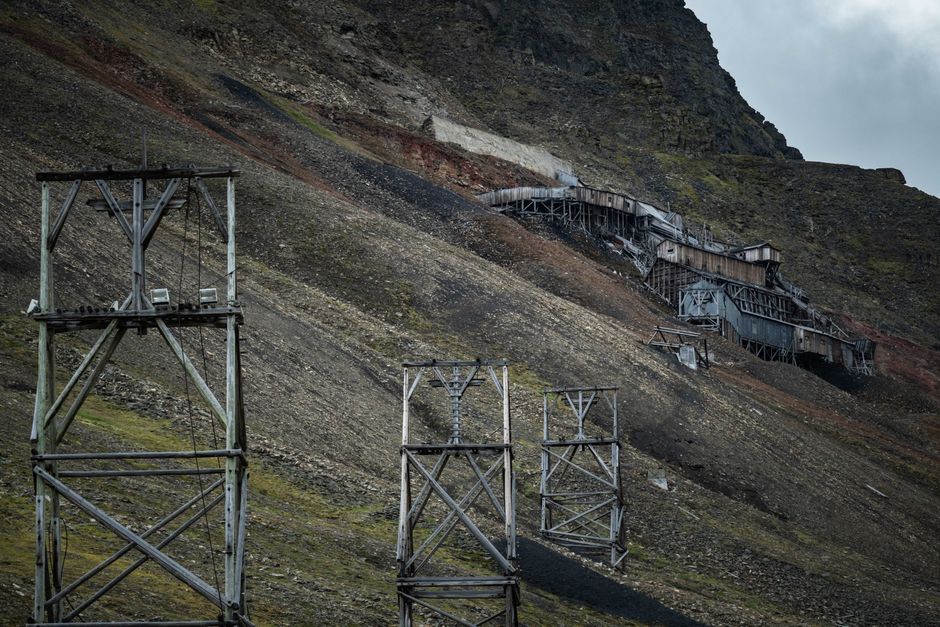
Potosí, Bolivia
This city, once the world's largest industrial complex, was built on a mountain so rich in silver it changed global economics.
Nestled high in the Andes, Potosí’s Cerro Rico (Rich Mountain) fueled the Spanish Empire for centuries, making it one of the largest and wealthiest cities in the world by the 17th century. The immense value extracted came at a tragic human cost, leading to the mountain's grim nickname. Today, while Bolivia is generally affordable, the legacy of this silver, the ongoing (and dangerous) mining, and the preservation of its UNESCO-listed colonial architecture present unique economic dynamics.
2. The Pole of Cold's Enduring Spirit
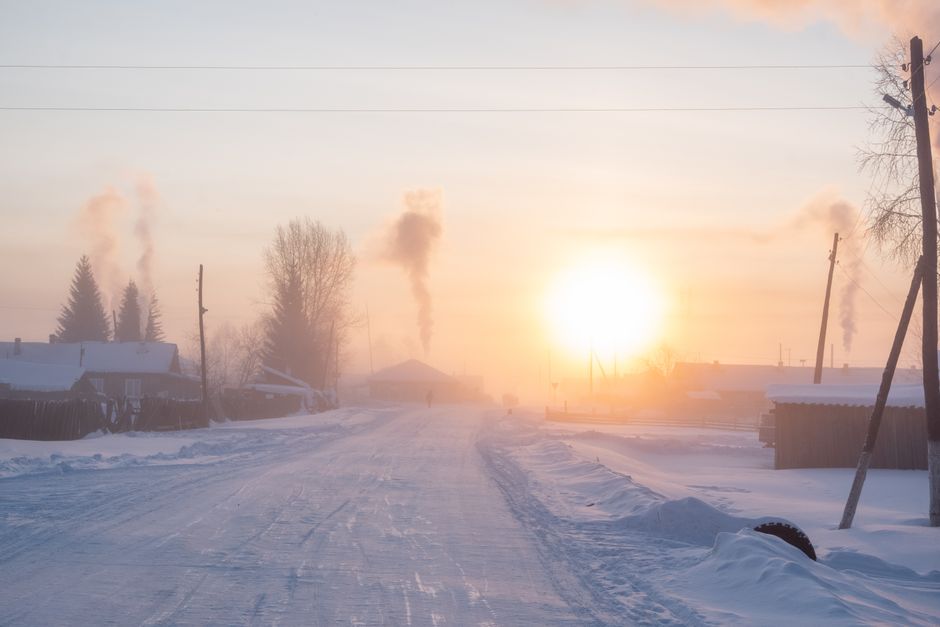
Oymyakon, Sakha Republic, Russia
Imagine a place where steel freezes to your face and car engines must run constantly—yet people thrive here.
Oymyakon holds the record for the lowest temperature ever recorded in an inhabited area, routinely dropping below -50°C. Life here demands extraordinary adaptations: specialized infrastructure for heating and plumbing, vehicles modified for extreme cold, and a diet rich in reindeer and horse meat. The sheer logistical and technological challenges of sustaining a community in such an unforgiving environment mean that while basic goods might seem locally priced, the underlying 'cost' of living—in terms of resilience, specialized equipment, and energy—is exceptionally high.
3. The Gibraltar of the East
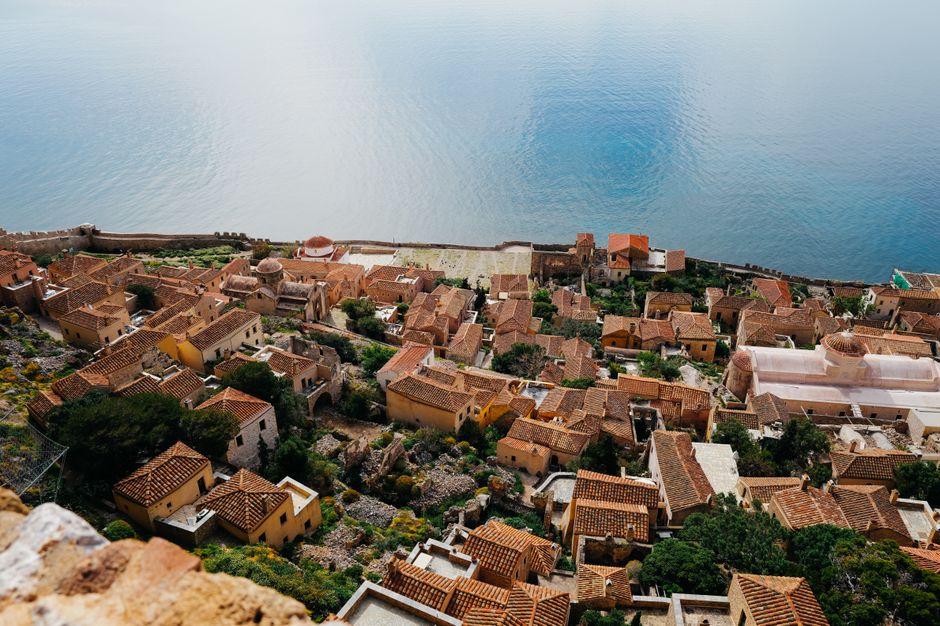
Monemvasia, Laconia, Greece
This medieval fortress town is carved entirely into the backside of a massive sea rock, invisible from the mainland.
Perched on an island-like rock connected by a narrow causeway, Monemvasia's lower and upper towns are a living museum. Its unique isolation and limited space mean that properties within its ancient walls are highly prized for their historical significance and breathtaking views. The meticulous preservation of its Byzantine churches and Venetian mansions, combined with the logistical challenges of maintaining a car-free, rock-bound settlement, contributes to a unique value proposition distinct from mainland Greek towns.
4. Living Beneath the Desert
Coober Pedy, South Australia, Australia
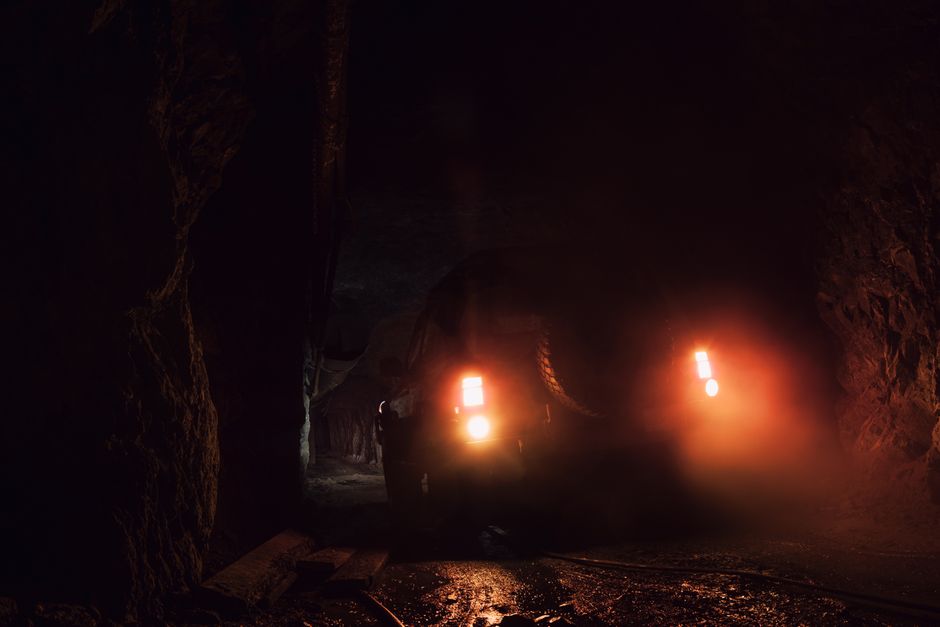
In this remote desert town, 80% of residents live underground to escape the scorching heat, making it the 'Opal Capital of the World.'
Coober Pedy's harsh outback climate—blistering summers and dust storms—led its opal miners to carve homes, shops, and even churches into the sandstone hills. These 'dugouts' offer natural temperature control, but specialized mining equipment and the fluctuating value of opal dictate the town's volatile economy. While the town itself may seem rustic, the unique underground real estate and the boom-and-bust nature of the precious gemstone market create a distinctive and often high-stakes economic environment.
5. The City of Stone's Ancient Charm
Gjirokastër, Albania
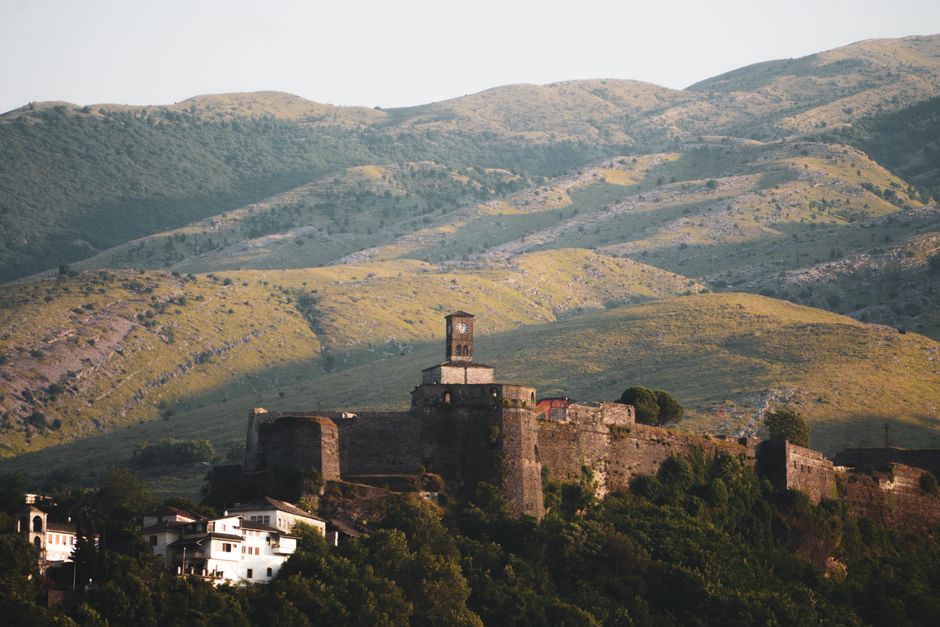
A UNESCO World Heritage site, this city is renowned for its distinctive Ottoman-era stone houses that resemble small fortresses.
Gjirokastër's 'qafas' houses, with their characteristic stone roofs and fortified appearance, spill down a mountainside below a massive castle. The city’s designation as a museum city under communist rule and its subsequent UNESCO status highlight its immense cultural value. While Albania offers a generally lower cost of living, the stringent preservation requirements for these unique historical dwellings mean that maintaining or renovating property here involves specialized crafts and materials, adding a distinct economic layer for residents and owners.
6. The Eighth Wonder of the World's Labor
Banaue, Ifugao, Philippines
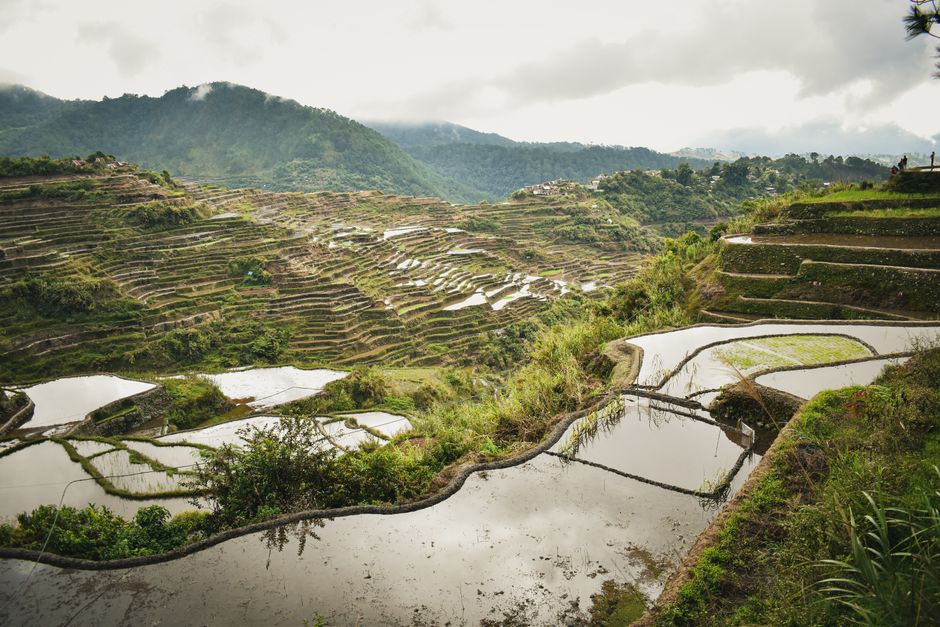
These 2,000-year-old rice terraces, hand-carved into mountainsides by the Ifugao people, represent an astonishing feat of ancient engineering.
Often called the 'Eighth Wonder of the World,' the Banaue Rice Terraces are a living landscape, still farmed today. The immense human labor and indigenous knowledge required to construct and continually maintain these intricate irrigation systems are invaluable. While the region’s local economy is modest, the cultural and historical 'cost' of preserving this UNESCO site, supporting the traditional way of life, and adapting to modern challenges creates a unique economic pressure to maintain this irreplaceable heritage.
7. Houses Under a Rock
Setenil de las Bodegas, Andalusia, Spain
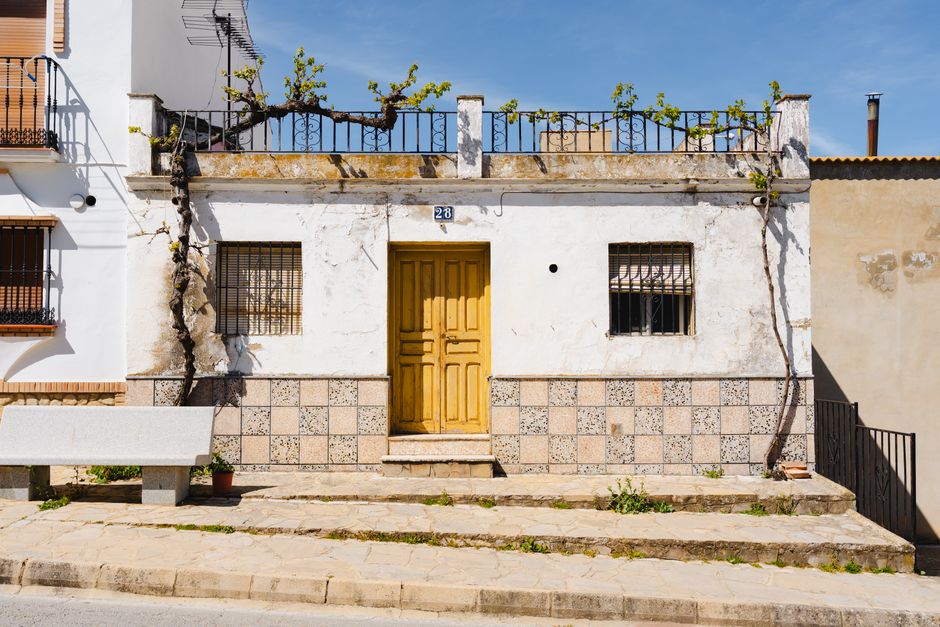
This 'white village' uniquely integrates its buildings directly into massive rock overhangs and caves, rather than merely beside them.
Unlike typical cave dwellings, Setenil's houses use the natural rock formations as roofs and walls, creating a striking architectural style known as 'shelter under rocks.' This ingenious adaptation to the Tajo River gorge means that while the surrounding Andalusian countryside might be affordable, the specific, limited, and structurally unique properties in Setenil carry an inherent value. The blend of natural geology and human ingenuity creates a charming, yet economically distinct, living environment.
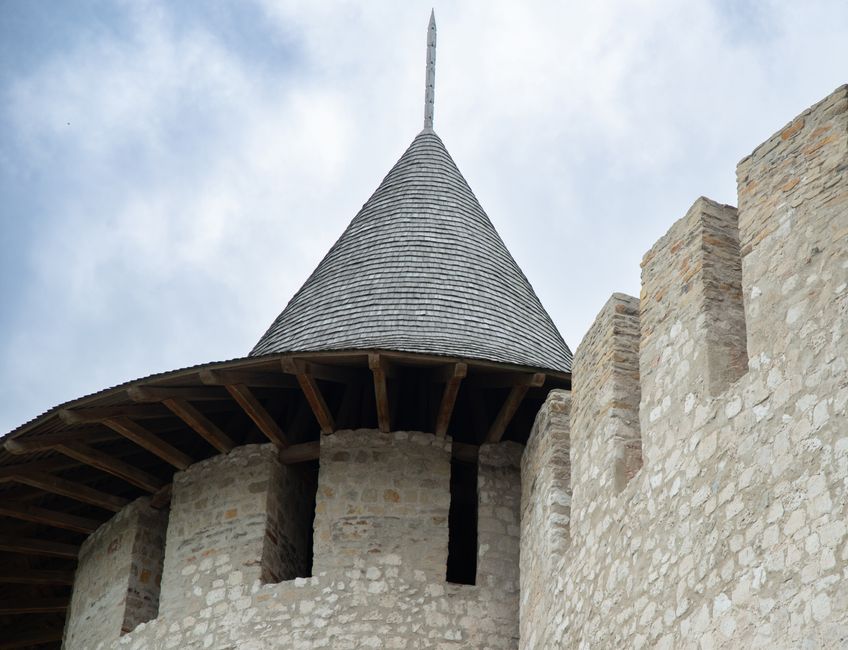
8. Dracula's Birthplace, Frozen in Time
Sighișoara, Mureș County, Romania
This perfectly preserved 12th-century medieval citadel is the last inhabited fortified town in Europe and the birthplace of Vlad the Impaler.
A UNESCO World Heritage site, Sighișoara's colorful buildings, cobblestone streets, and clock tower transport visitors back to the Middle Ages. Its status as a living historical monument means strict regulations on renovations and development, ensuring its authenticity but also adding to property maintenance costs. While Romania generally offers a lower cost of living, the unique value of residing within such a historically significant and well-preserved citadel creates a distinct economic niche, driven by both tourism and the demands of heritage conservation.
Frequently asked questions
Why do some remote places have surprisingly high costs for certain things?
Remote locations often incur higher transportation costs for goods, specialized labor, and infrastructure maintenance. Extreme environments, like Oymyakon, demand highly specialized building materials and energy solutions, dramatically increasing the operational cost of living.
How does historical preservation impact the cost of living in ancient cities?
Preserving ancient cities, especially UNESCO sites like Gjirokastër or Sighișoara, often requires adhering to strict architectural guidelines, using traditional materials, and employing skilled artisans. These specialized requirements can significantly increase renovation and maintenance costs for property owners, contributing to a unique economic landscape.
Can unique geographical features influence a city's economic value?
Absolutely. Places like Monemvasia, built into a rock, or Setenil de las Bodegas, under rock overhangs, have extremely limited and unique building spaces. This scarcity, combined with the ingenuity required for construction and maintenance, drives up the value of properties and creates a distinct local economy.
How can AllTours.ai help me explore these unique destinations?
AllTours.ai brings the stories of these places to life. Simply point your phone camera at a landmark, a landscape, or even a unique architectural feature, and the app will narrate its history, geology, and cultural significance in your language, making your exploration richer and more informed.
Related guides
Self-guided audio tours
Walk these places stop by stop — free five-stop story tours you can take at your own pace:
Photography via Pexels. AllTours.ai is an AI audio tour guide — point your camera at any landscape and hear its story.