June 30, 2026 · 4 min read
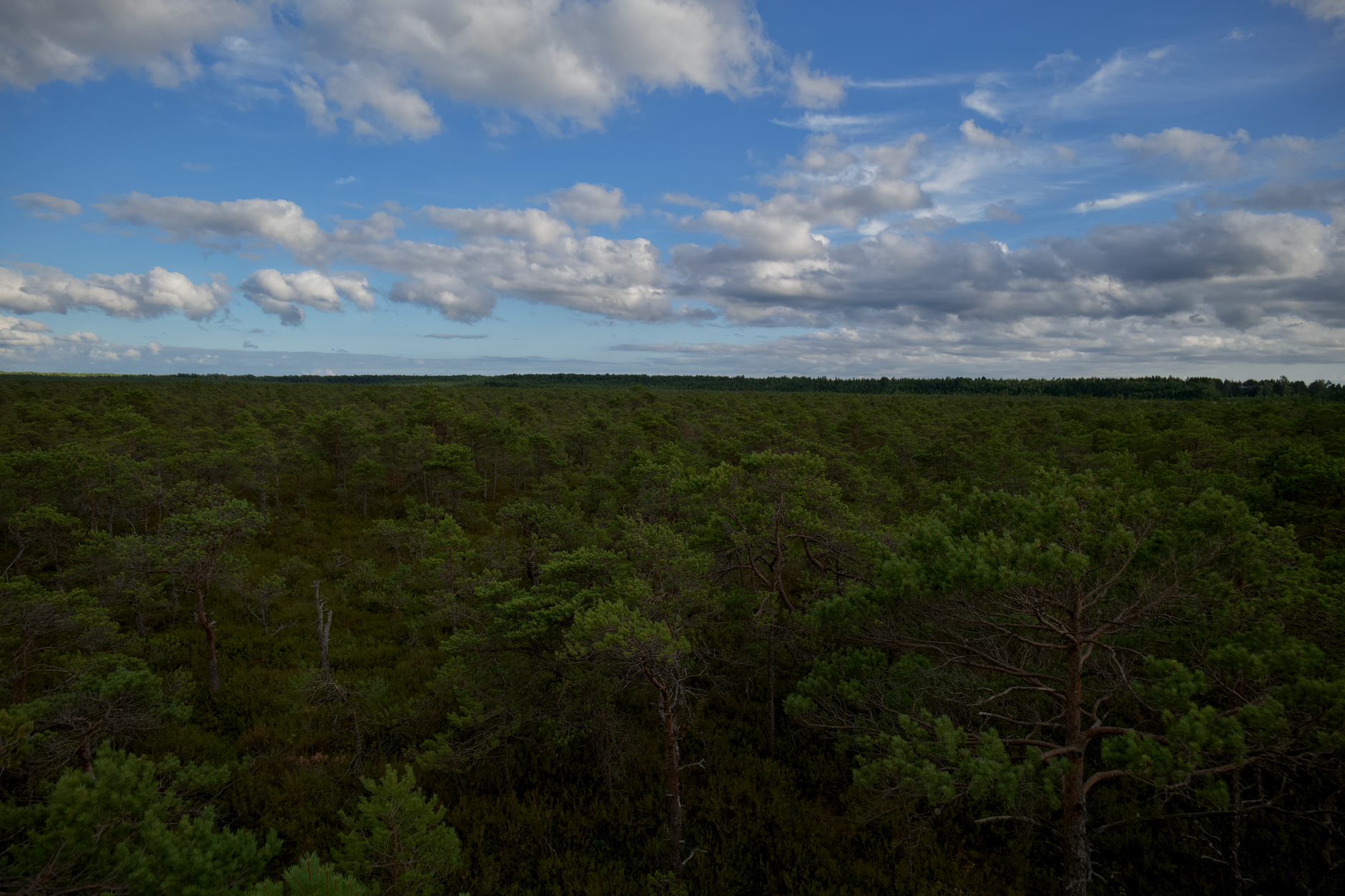
We've all been there: the frustrating silence, the unspoken tension, the feeling of being utterly dismissed. When a neighbor's blatant disrespect hangs in the air and conversation is off the table, the familiar becomes a source of endless irritation. Sometimes, the best way to 'handle' such a situation isn't confrontation, but a change of scenery – a profound shift in perspective.
Imagine trading the view of your problematic fence line for horizons steeped in ancient mysteries, geological wonders, or cultural phenomena that redefine what you thought possible. The world is full of incredible, lesser-known places, each with a story so captivating it can make your everyday worries shrink into insignificance. Here are some of the most surprising spots to spark your curiosity and remind you of the vast, fascinating world beyond your immediate surroundings.
1. The World's First Temple
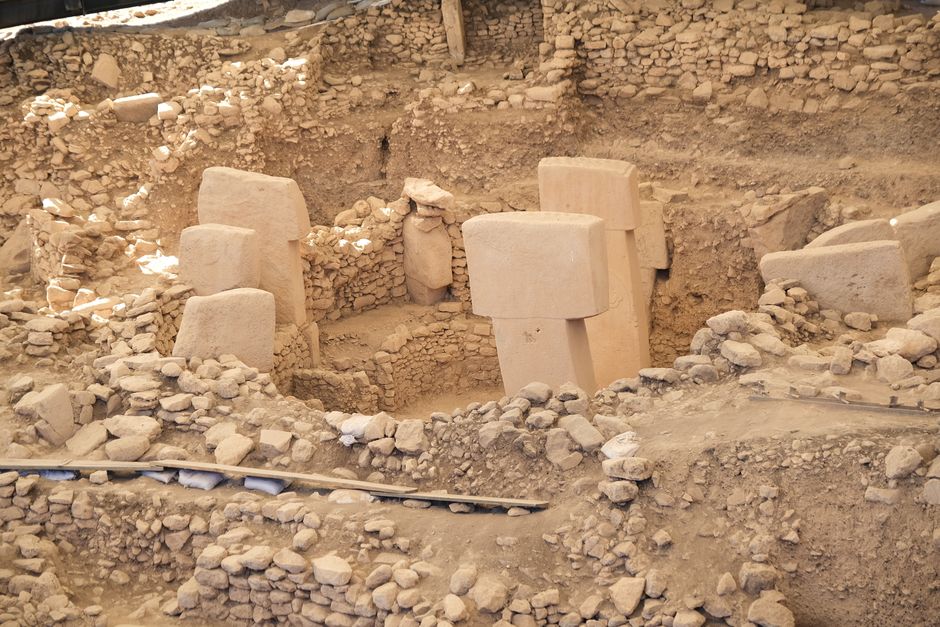
Gobekli Tepe, Turkey
It's a massive stone complex built by hunter-gatherers thousands of years before farming began, rewriting the timeline of human civilization.
Before agriculture, before pottery, before writing, hunter-gatherers erected monumental stone pillars decorated with intricate animal carvings on a hilltop in what is now Turkey. Gobekli Tepe, dating back over 11,000 years, predates Stonehenge by 6,000 years and challenges the long-held belief that complex societies emerged only after the advent of farming. Its discovery suggests that the human drive for ritual and community might have actually spurred the agricultural revolution.
2. Island of Alien Trees
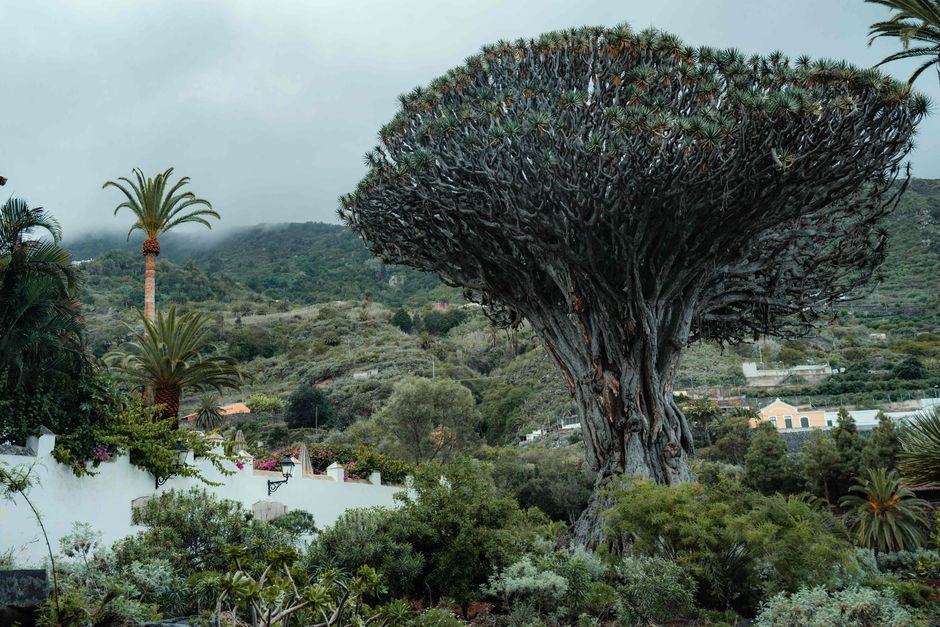
Socotra Island, Yemen
This isolated island is a living museum of bizarre, alien-like plants, including trees that bleed red sap, found nowhere else on Earth.
Often described as 'the most alien-looking place on Earth,' Socotra's unique biodiversity is a marvel. Its extreme isolation has led to the evolution of species found nowhere else, with nearly a third of its plant life being endemic. The most iconic is the Dragon's Blood Tree, with its umbrella-shaped canopy and crimson sap, which locals once used for medicine and dye. Exploring Socotra feels like stepping onto another planet, offering a profound sense of wonder.
3. The Mystery of Moving Rocks
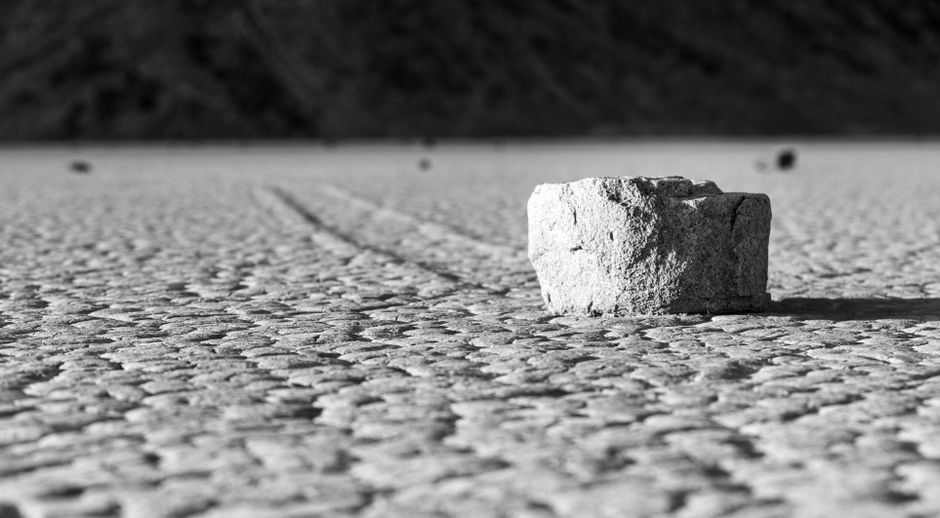
Racetrack Playa, Death Valley, USA
Heavy rocks inexplicably slide across this dry lakebed, leaving long tracks in their wake, a puzzle that baffled scientists for decades.
On the flat, dry surface of Racetrack Playa, large rocks, some weighing hundreds of pounds, appear to move on their own, leaving trails up to a quarter-mile long. For years, the phenomenon of these 'sailing stones' was a complete mystery, with theories ranging from strong winds to magnetic forces. It wasn't until scientists observed the process in 2013 that the secret was revealed: thin sheets of ice, propelled by light winds, push the rocks across the slick muddy surface when specific weather conditions align.
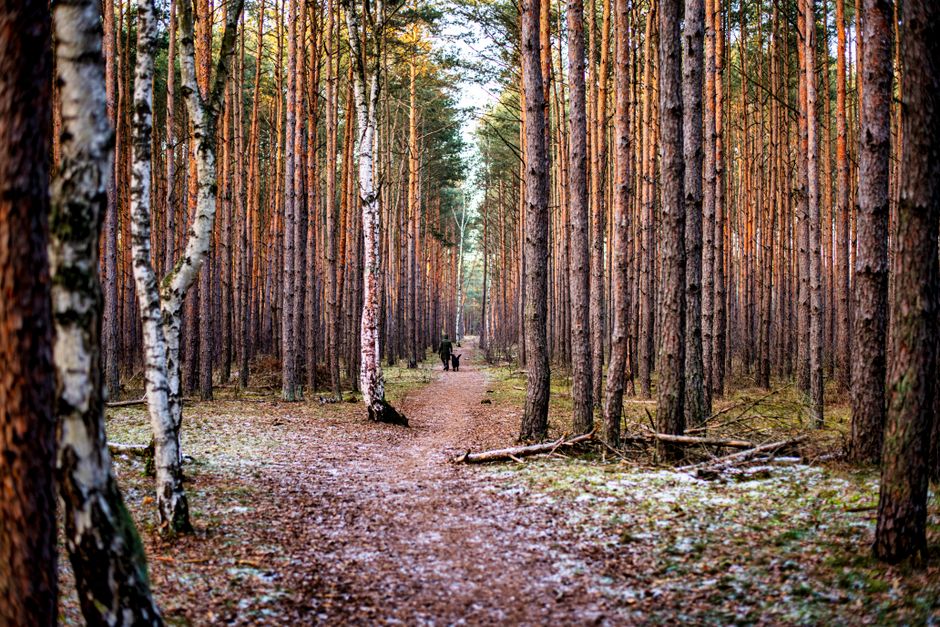
4. The Crooked Forest's Riddle
Gryfino, Poland
Hundreds of pine trees in this forest inexplicably grow with a sharp, 90-degree bend near their base before curving upwards.
Deep in western Poland lies a peculiar grove of approximately 400 pine trees, all of which exhibit a distinct, uniform bend at their base, hooking sharply northward before growing straight upwards. Planted around the 1930s, the cause of their unusual shape remains a subject of debate. Theories range from wartime tank damage to heavy snowfall, but the most popular suggests human intervention, perhaps to create naturally curved timber for furniture or shipbuilding. The mystery only adds to its eerie, silent charm.
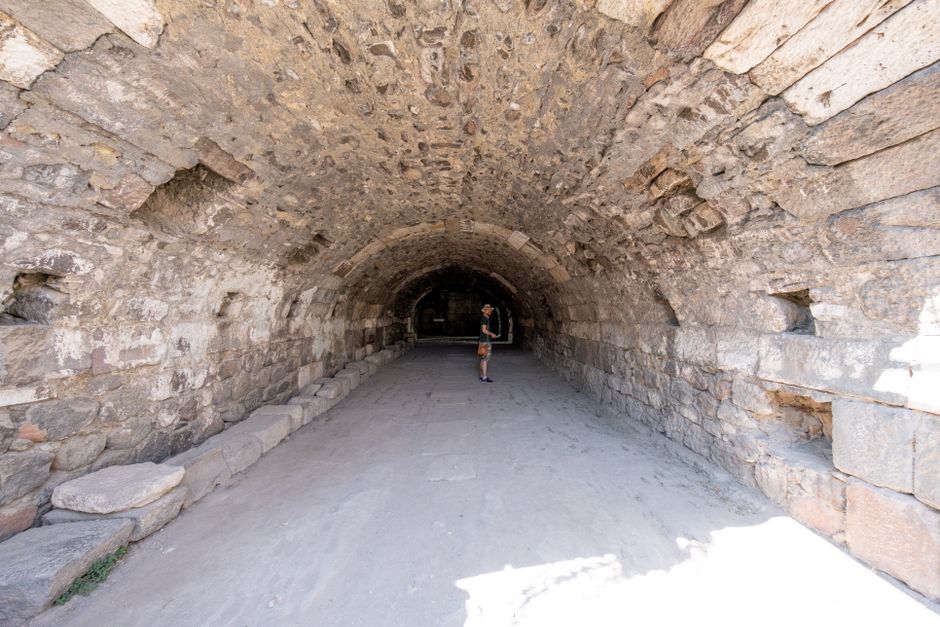
5. A City Beneath the Earth
Derinkuyu Underground City, Turkey
This massive subterranean city, carved into volcanic rock, could once house 20,000 people along with their livestock, complete with schools and wineries.
Beneath the lunar landscape of Cappadocia, Turkey, lies Derinkuyu, the largest excavated underground city in the world. Carved into soft volcanic rock by early Byzantine inhabitants to escape persecution, it descends over 85 meters, featuring 18 levels of tunnels, living quarters, stables, churches, and storage rooms. Giant circular stone doors could seal off intruders, and a sophisticated ventilation system ensured fresh air. It's a testament to ancient ingenuity and resilience under threat.
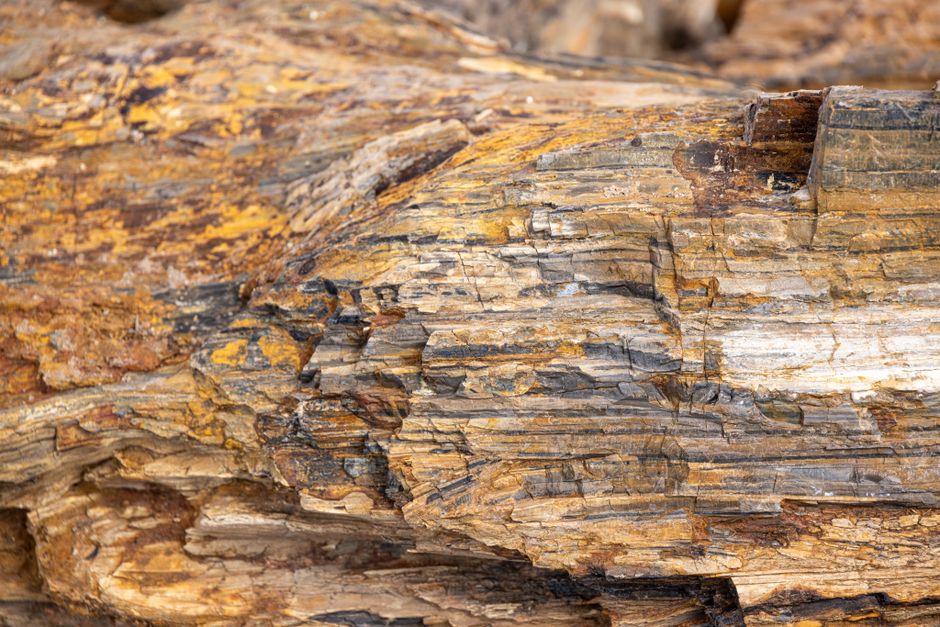
6. The Petrifying Lake
Lake Natron, Tanzania
This highly alkaline lake has the unsettling ability to turn animals that perish in its waters into calcified, lifelike statues.
Lake Natron is one of the world's most serene yet deadly bodies of water. Its extreme alkalinity and high temperatures (up to 60°C) are due to volcanic ash runoff, making it inhospitable for most life forms. However, it's a vital breeding ground for flamingos. For other creatures, though, touching its waters can be fatal; the lake's unique chemical composition calcifies animal remains, preserving them as eerie, perfectly preserved 'statues' along its shores, a haunting tableau of nature's power.
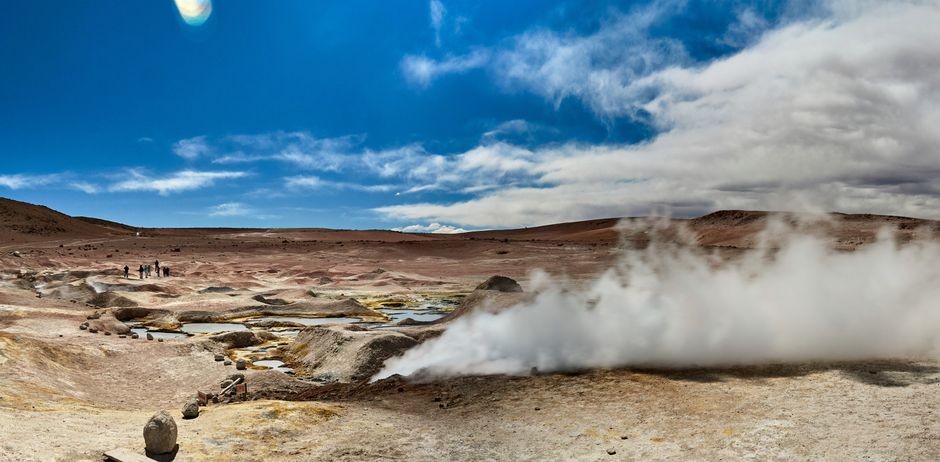
7. Accidental Geyser Art
Fly Geyser, Nevada, USA
This vibrant, multi-colored geyser was accidentally created by a drilling error in 1964 and continues to erupt spectacular streams of hot water.
Fly Geyser is a surreal, continuously erupting geothermal marvel, but it's entirely man-made. In 1964, a geothermal energy company drilled an exploratory well that wasn't properly capped. Over decades, superheated water began to rise, depositing minerals that formed the vibrant, cone-shaped mounds we see today, painted with brilliant hues by thermophilic algae. It’s a stunning example of an accidental masterpiece, where human error met natural processes to create something truly unique and beautiful.
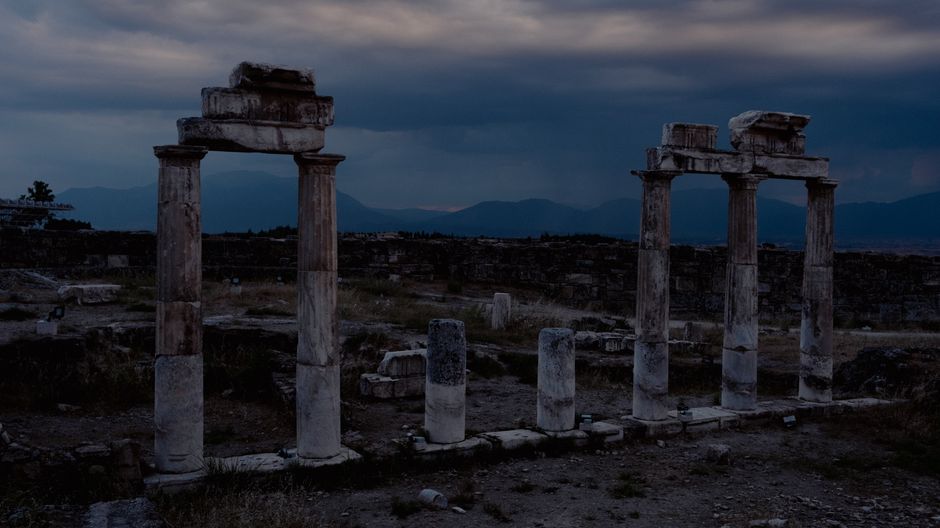
8. Pluto's Poisonous Gate
Hierapolis (Pamukkale), Turkey
For centuries, this cave opening was believed to be a portal to the underworld, emitting deadly fumes that instantly killed anything entering.
Beneath the ancient Roman city of Hierapolis, near the stunning white terraces of Pamukkale, lies 'Pluto's Gate' – a small cave from which deadly carbon dioxide gas continuously emanates. Ancient priests would parade animals into the cave, observing their instant demise, proving it was indeed a direct entrance to the underworld. Even today, the gas concentration can be lethal near the opening, a stark reminder of the geological forces that shaped beliefs and fears in the ancient world.
Frequently asked questions
Why travel to lesser-known places instead of popular tourist spots?
Lesser-known destinations often provide a more authentic and intimate travel experience, free from crowds and commercialization. They allow for deeper cultural immersion and the discovery of truly unique stories, offering a fresh perspective that popular sites might not.
How can I find truly hidden gems for my next trip?
Researching local blogs, historical societies, and niche travel forums is a great start. Consulting with local guides or asking residents for their favorite secret spots can also uncover incredible places not found in standard guidebooks. Embrace serendipity and a willingness to explore off the beaten path.
What should I consider when visiting remote or historically sensitive locations?
Always prioritize responsible tourism: respect local customs, traditions, and the environment. Be mindful of your impact, stick to marked paths, and ensure you have necessary permits or permissions. Leave no trace and support local communities ethically.
How does AllTours.ai help explore these unique places?
AllTours.ai transforms your phone into an intelligent guide. Simply point your camera at any landscape or landmark, and the app instantly narrates its rich history, geology, and cultural significance in your language, making every hidden gem come alive with its unique story.
Related guides
Photography via Pexels. AllTours.ai is an AI audio tour guide — point your camera at any landscape and hear its story.