July 2, 2026 · 4 min read
For many, travel means ticking off famous landmarks and following the well-trodden path. But for seasoned explorers, the true joy of a journey lies in uncovering the unexpected, experiencing a country's authentic pulse, and doing it all without spending like a typical tourist. It's about looking beyond the postcards and diving into the rich tapestry of lesser-known places that hold incredible stories.
This guide steers clear of crowded plazas and overpriced attractions. Instead, we'll journey to places where history whispers from forgotten stones, nature performs astonishing feats, and culture reveals itself in unique, vivid ways. These are destinations that reward curiosity, offer genuine immersion, and prove that the most memorable experiences often come from the most unassuming corners of the world.
1. The Monastic Kitchen's Colossal Cauldron
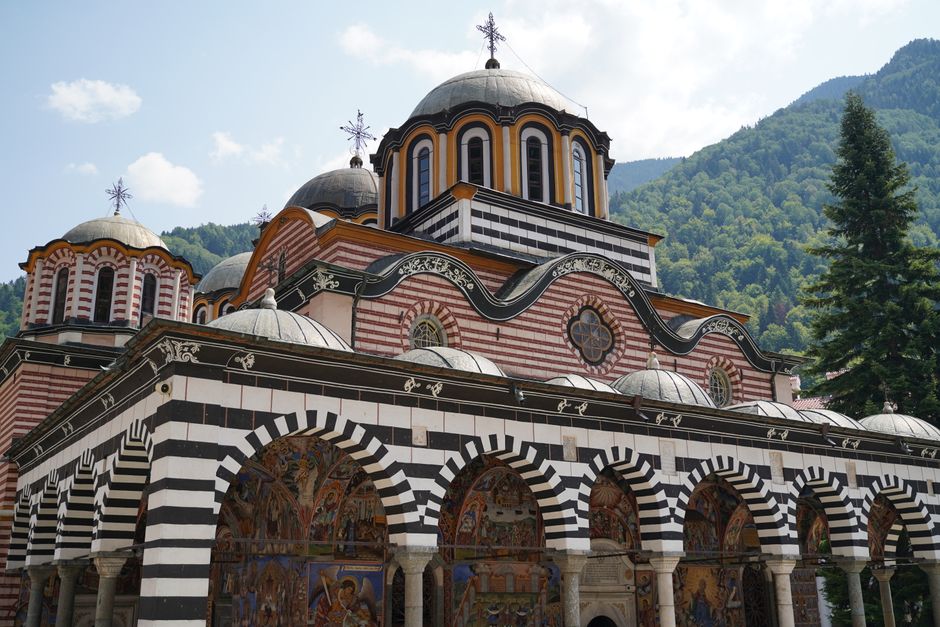
Rila Monastery, Bulgaria
A historic monastic kitchen once prepared food for thousands using a colossal 18th-century cauldron, embodying centuries of communal life.
Within the UNESCO-listed Rila Monastery, a spiritual heart of Bulgaria, lies an original 18th-century kitchen often overlooked by visitors. This massive, stone-built space features a towering chimney and a truly enormous copper cauldron, designed to cook for the hundreds of monks and pilgrims who once sought solace and sustenance here. It’s a powerful, tangible link to the monastery's self-sufficient past and the enduring spirit of Orthodox monastic life, far beyond its ornate frescoes.
2. The Dune That Sings
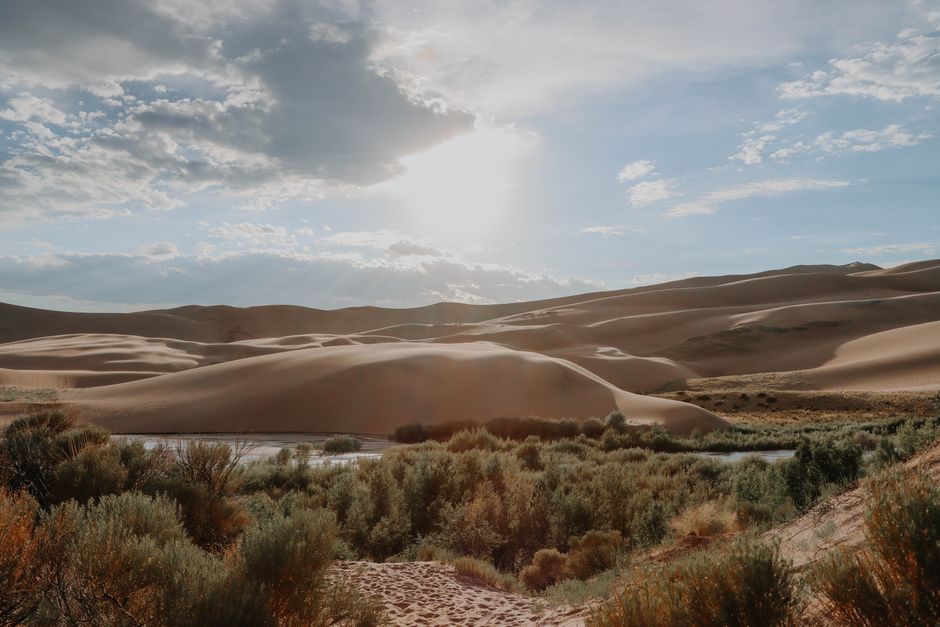
Altyn-Emel National Park, Kazakhstan
A colossal sand dune in Kazakhstan mysteriously "sings" with a low, rumbling organ-like sound when conditions are right.
Deep within the vast Altyn-Emel National Park, a natural wonder known as the Singing Dune stretches for miles across the arid landscape. This crescent-shaped dune produces a deep, resonant hum—sometimes likened to an organ—as dry sand grains slide over each other, often triggered by wind or footsteps. Local legends attribute the ethereal sounds to desert spirits, but scientists link it to the unique friction and resonance of the sand, offering an otherworldly auditory experience in the heart of Central Asia.
3. Romania's Open-Air Bibles
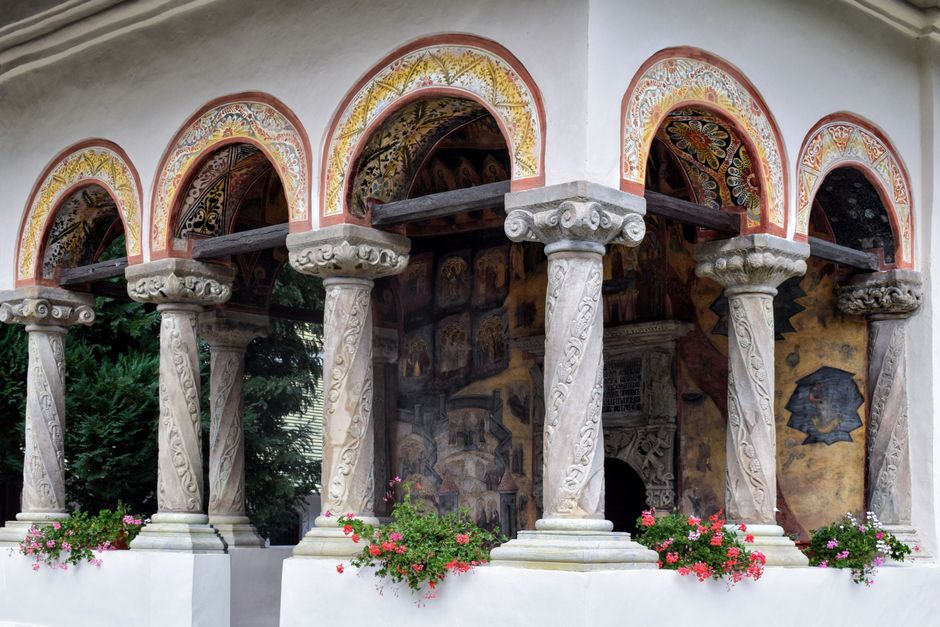
Moldavia, Romania
Entire monastery exteriors in Romania are covered in vibrant 15th-century frescoes, serving as open-air Bibles for the illiterate.
In Romania's historic Moldavia region, several Orthodox monasteries, including Voroneț and Sucevița, are renowned for their vividly painted exteriors. Dating back to the 15th and 16th centuries, these intricate frescoes depict biblical scenes, saints' lives, and moral narratives, meticulously preserved against the elements. Designed to educate an largely illiterate populace, these "open-air Bibles" transformed the monastery walls into a grand visual scripture, making complex theological stories accessible to all who gazed upon them.
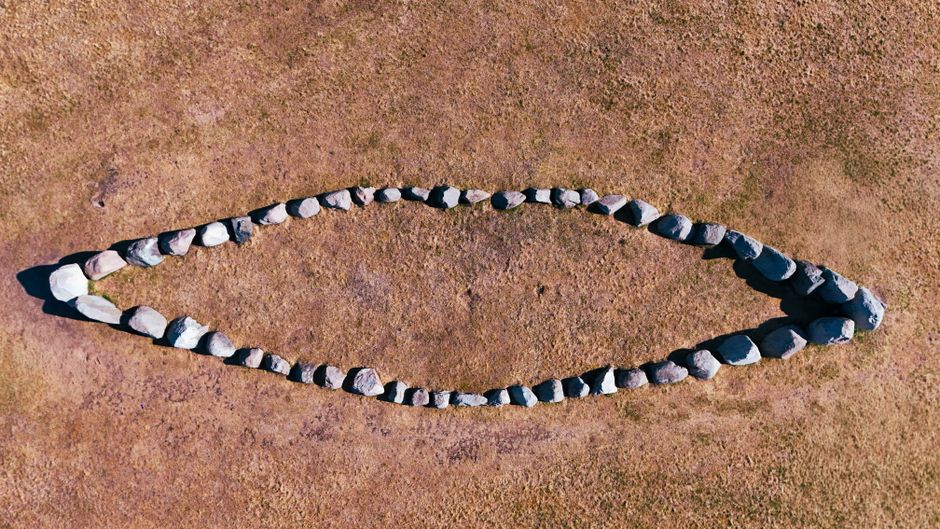
4. The Enigmatic Stone Circles of West Africa
Wassu, Gambia
Thousands of mysterious ancient stone circles dot the landscape of Senegal and Gambia, marking a vast prehistoric burial ground whose purpose remains largely unknown.
Along the Gambia River and extending into Senegal, the Stone Circles of Senegambia form one of the largest concentrations of megalithic monuments globally. These circles, often made of laterite pillars, date from the 3rd century BC to the 16th century AD and are believed to be funerary sites. Despite extensive archaeological study, the precise purpose and the methods of their construction by the ancient populations remain largely speculative, lending an enduring air of mystery to these powerful ancient structures.
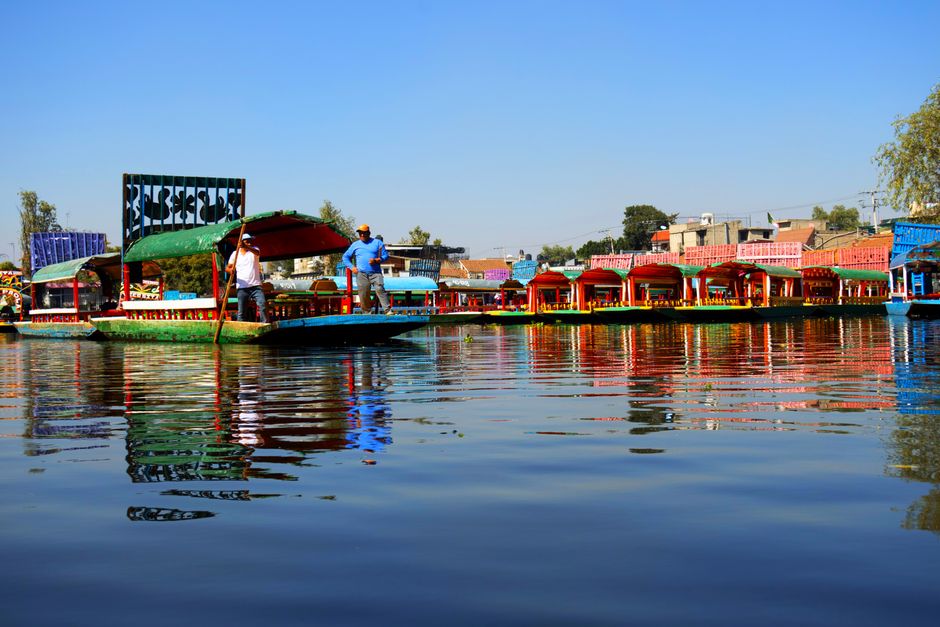
5. The Haunting Island of Dolls
Xochimilco, Mexico City, Mexico
A remote island south of Mexico City is adorned with thousands of old, dismembered dolls, each with a haunting story of a lost girl.
Deep within the ancient canals of Xochimilco lies Isla de las Muñecas, or "Island of the Dolls." This chilling destination is covered with thousands of decaying, dismembered dolls, hung from trees and structures. The island's former caretaker, Julián Santana Barrera, began collecting and displaying them after finding a drowned girl nearby, believing the dolls would appease her spirit. It's a unique and unsettling folk art installation, a poignant memorial, and a profound glimpse into local folklore.
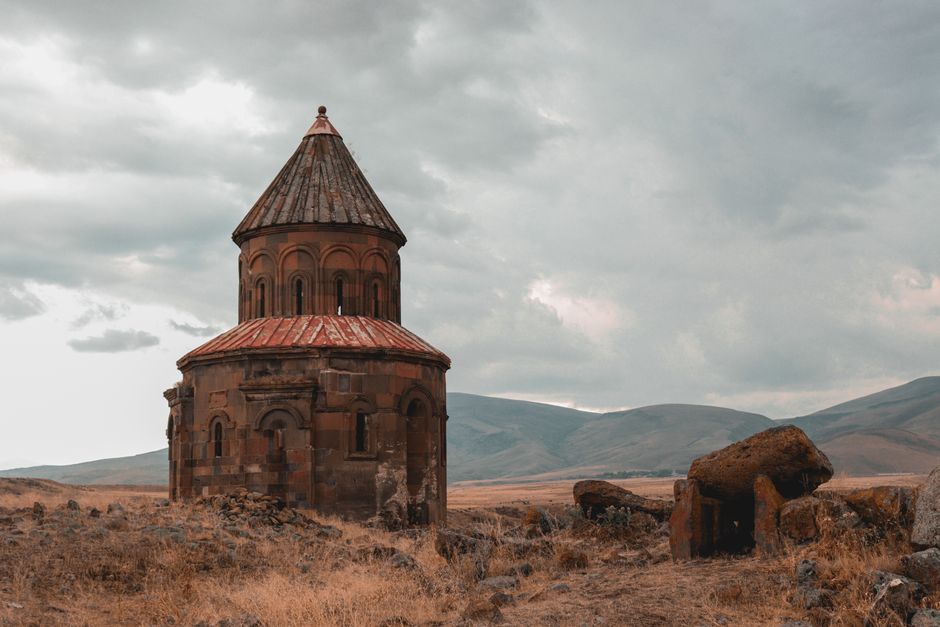
6. The Ghost City of 1001 Churches
Ani, Kars Province, Turkey
Once a bustling medieval Armenian capital of 100,000, the "City of 1001 Churches" now stands as a desolate, wind-swept ghost city on the Turkish-Armenian border.
Perched on a high plateau near Turkey's closed border with Armenia, the ruins of Ani whisper tales of a glorious past. In the 10th and 11th centuries, Ani was a major Silk Road city and the capital of the Bagratid Armenian kingdom, renowned for its magnificent churches and palaces, earning its moniker. Conquered and abandoned over centuries, its remaining structures – including the grand Cathedral of Ani and the Church of St. Gregory – are now slowly reclaimed by nature, a poignant testament to a forgotten grandeur.

7. Sydney's Floating Forest Shipwreck
Homebush Bay, Sydney, Australia
A century-old shipwreck in a Sydney bay has become a unique floating forest, with mangrove trees growing directly from its rusting hull.
Tucked away in Homebush Bay, a former industrial area of Sydney, lies the intriguing wreck of the SS Ayrfield. This coal collier, built in 1911, was sent to the ship-breaking yard in 1972 but was never fully dismantled. Over the decades, mangrove trees have spectacularly colonized its decaying hull, transforming the old vessel into a vibrant, unique "floating forest." It stands as a powerful, beautiful symbol of nature reclaiming abandoned human structures, a captivating sight easily accessible in an urban environment.
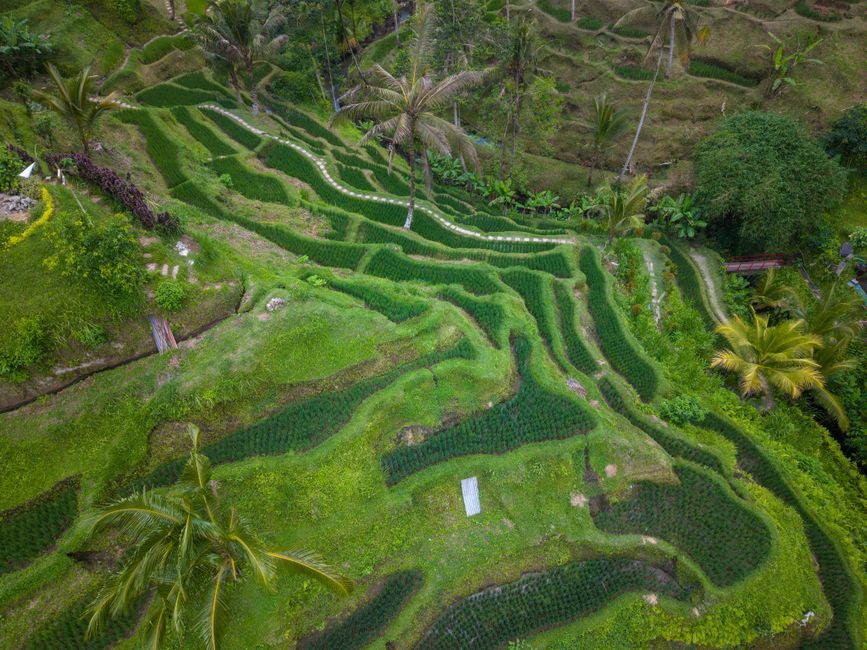
8. Colombia's Older Lost City
Sierra Nevada de Santa Marta, Colombia
Deeper in the Colombian jungle than Machu Picchu, a vast ancient city built by the Tairona people lay hidden for centuries, accessible only by a multi-day trek.
Ciudad Perdida, or "Lost City," predates Peru's Machu Picchu by hundreds of years and was only rediscovered in 1972. Built by the Tairona people around 800 AD, this intricate network of stone terraces, plazas, and pathways once housed thousands. Today, reaching it involves a challenging multi-day trek through dense jungle, offering a profound sense of exploration and connection to an advanced, forgotten civilization, still guarded by indigenous communities in the Sierra Nevada de Santa Marta mountains.
Frequently asked questions
How can I find unique cultural experiences without breaking the bank?
Focus on local markets, free walking tours, and seek out community events instead of expensive guided tours. Engage with locals to learn about traditions and discover hidden gems through their recommendations. Often, the most authentic experiences are free or very low cost.
What are the best ways to eat authentically and affordably while traveling?
Eat where locals eat: street food stalls, small family-run eateries, and grocery stores for picnics. Avoid restaurants in major tourist zones, as they often have inflated prices and less authentic fare. Don't be afraid to try new things and ask for recommendations from residents.
Is it safe to travel to lesser-known destinations?
Many "lesser-known" places are incredibly welcoming and safe, offering a more genuine experience than overcrowded tourist hubs. Always research local customs and safety advisories for your destination, inform someone of your itinerary, and trust your instincts. Being respectful and aware goes a long way.
How does the AllTours.ai app enhance travel to these unique locations?
AllTours.ai lets you point your phone camera at any landmark or landscape, and it instantly narrates its history, geology, and culture in your language. It’s like having an expert local guide for every unexpected discovery, giving you deep context and fascinating stories about even the most off-the-beaten-path places, without the cost of a traditional tour.
Related guides
Photography via Pexels. AllTours.ai is an AI audio tour guide — point your camera at any landscape and hear its story.