
July 26, 2026 · 4 min read
Is a $110,000 a year a good salary for a single person on the US? For many, it represents not just financial stability, but the freedom to explore. Beyond covering living expenses, a salary like this opens doors to experiences that enrich life, particularly travel. But where to go when you want more than the usual crowded tourist traps?
The US is vast, filled with incredible stories and landscapes often overshadowed by its more famous landmarks. This isn't about luxury resorts or high-end dining, but about genuine discovery—places where history, geology, and culture reveal themselves in surprising ways, and where your travel budget allows for deeper immersion.
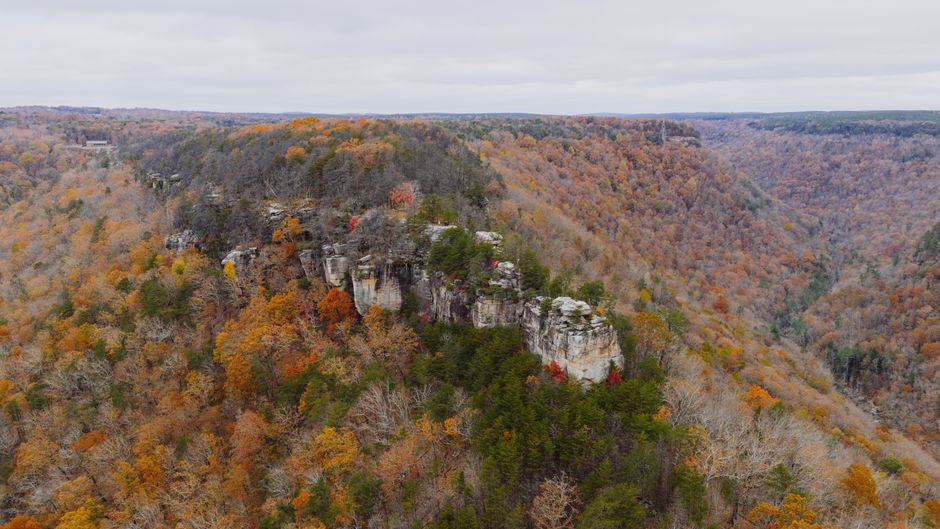
1. The Ancient River That Flows North
New River Gorge National Park, West Virginia, US
The New River is one of the oldest rivers on Earth, flowing inexplicably north through mountains it predates.
Carving a rugged, deep canyon through the Appalachian Mountains, the New River is a geological anomaly. Unlike most rivers that follow the contours of the land, this ancient waterway cut its path before the mountains fully formed, flowing against the grain for millions of years. This incredible persistence has created a landscape of dramatic cliffs, dense forests, and powerful rapids, making it a hub for outdoor adventure and a living testament to geological time.
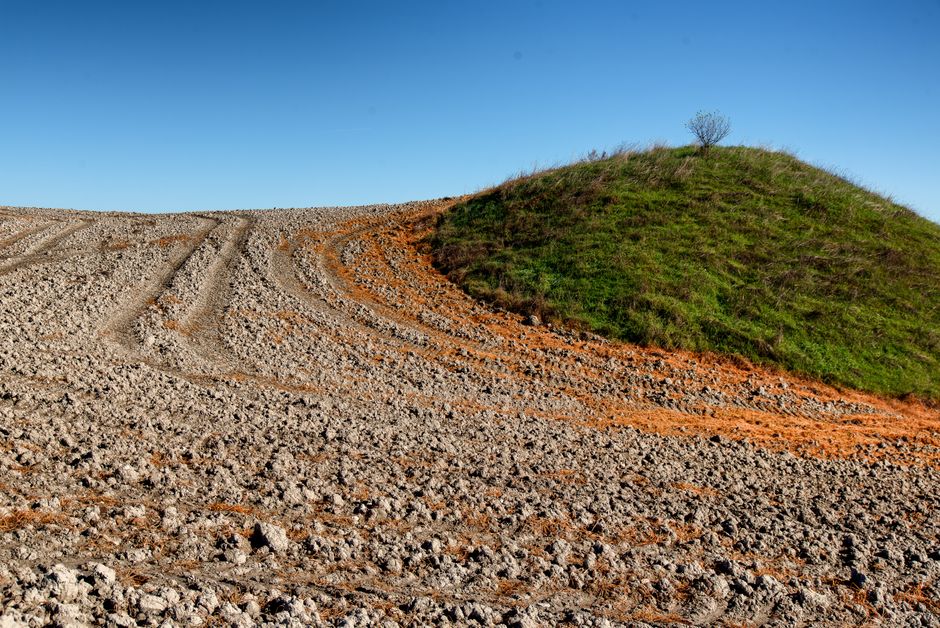
2. America's First Great City
Cahokia Mounds State Historic Site, Illinois, US
Before European arrival, this site was a sprawling Indigenous city, larger than London was at the same time, with sophisticated urban planning.
Just across the Mississippi River from modern-day St. Louis lies the remnants of Cahokia, North America's largest pre-Columbian city. At its peak around 1050-1200 CE, Cahokia had a population estimated between 10,000 and 20,000 people, featuring over 120 earthen mounds, including the colossal Monks Mound. This sophisticated Mississippian culture built complex astronomical observatories and a vast trade network, leaving behind an archaeological marvel that reshapes our understanding of early American civilizations.
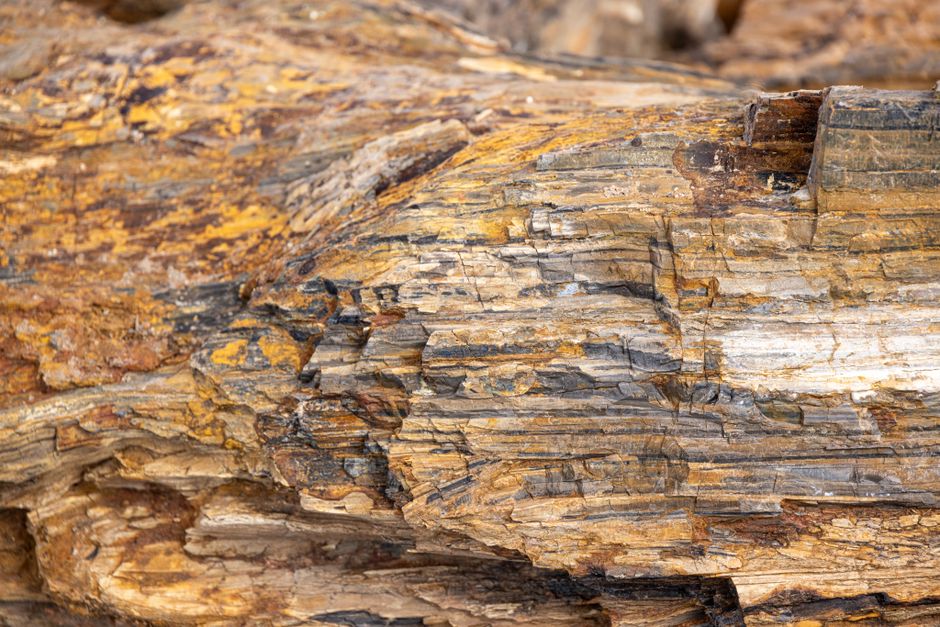
3. Deserts of Stone and Time
Petrified Forest National Park, Arizona, US
This desert landscape is littered with enormous, rainbow-hued logs that are not wood, but ancient trees turned entirely to stone over millions of years.
What appears to be an ordinary desert reveals an extraordinary secret: a forest transformed into mineral. The vibrant colors of the petrified wood come from minerals like iron and manganese, which replaced the organic material of ancient trees buried by volcanic ash and sediment over 200 million years ago. These fossilized giants, washed down from distant volcanoes, offer a vivid window into a Triassic ecosystem, where giant amphibians and early dinosaurs once roamed.
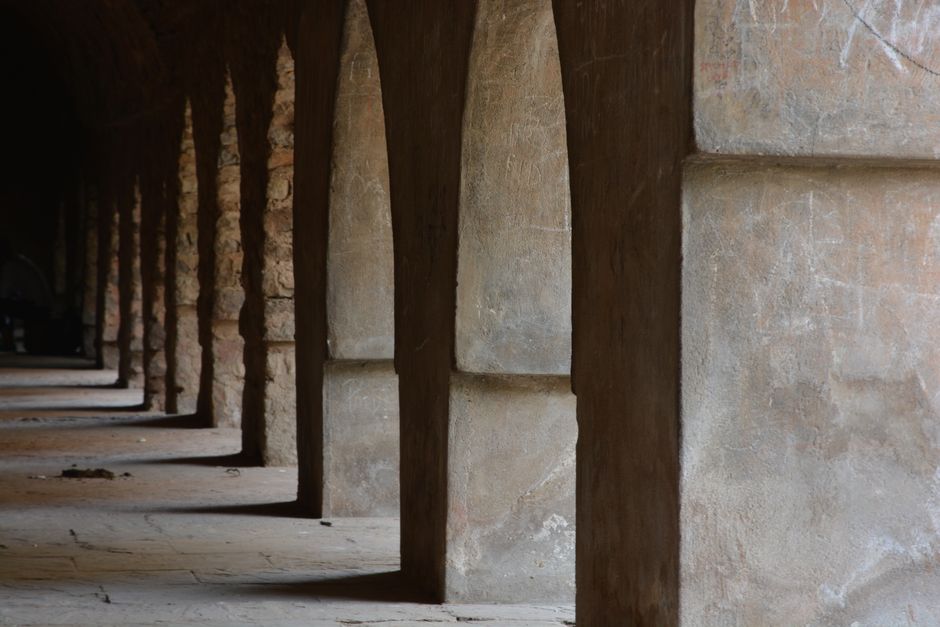
4. The Fort That Never Finished
Dry Tortugas National Park, Florida, US
Seventy miles offshore from Key West, a massive but unfinished 19th-century fortress stands guard over pristine coral reefs and a vibrant marine ecosystem.
Accessible only by boat or seaplane, Dry Tortugas National Park protects seven small islands and the magnificent Fort Jefferson. This colossal brick fort, never fully completed due to changes in naval technology, was designed to protect the highly strategic deep-water harbor for US shipping. Today, its abandoned walls provide shelter for thousands of seabirds, and its surrounding crystal-clear waters teem with healthy coral reefs, offering unparalleled snorkeling and a sense of remote history.
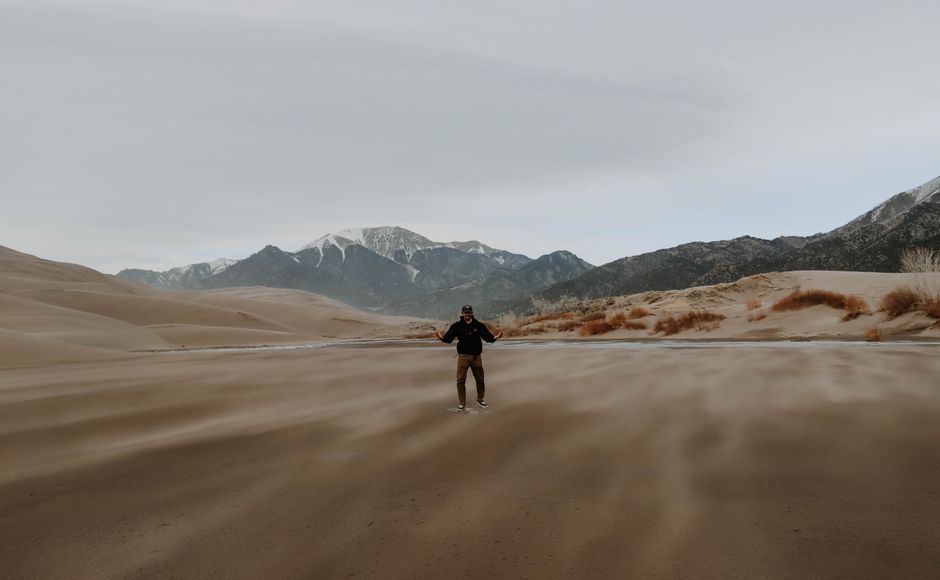
5. Where Mountains Built the Dunes
Great Sand Dunes National Park and Preserve, Colorado, US
Towering sand dunes, some reaching 750 feet tall, are not from a desert but are formed by the unique interplay of wind and mountains.
Nestled against the Sangre de Cristo Mountains, the Great Sand Dunes are a geological marvel. Unlike coastal dunes, these colossal piles of sand are recycled from ancient mountains, carried by winds that blow across the San Luis Valley. The unique wind patterns, combined with the barrier of the mountains, trap the sand, building the tallest dunes in North America. Medano Creek, which flows at the base of the dunes, creates a unique "surge flow" phenomenon, adding to the park's surreal landscape.
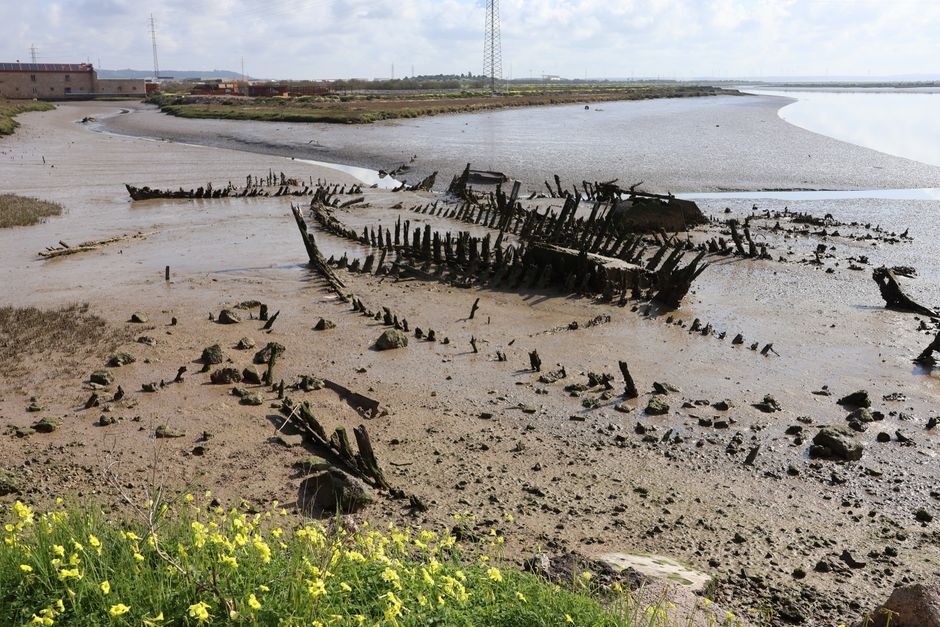
6. The Ghost Fleet's Living Reef
Mallows Bay - Potomac River National Marine Sanctuary, Maryland, US
Over 200 wooden steamships, built for World War I and then scuttled, now form a vast artificial reef teeming with wildlife.
Mallows Bay holds a haunting secret: the largest collection of historic shipwrecks in the Western Hemisphere. During WWI, a massive shipbuilding program created hundreds of wooden steamships, many of which were obsolete by the war's end. Rather than costly disposal, they were brought to Mallows Bay and scuttled. Today, their decaying hulls have become a vibrant ecosystem, attracting diverse marine life and migratory birds, earning it the nickname "Ghost Fleet."
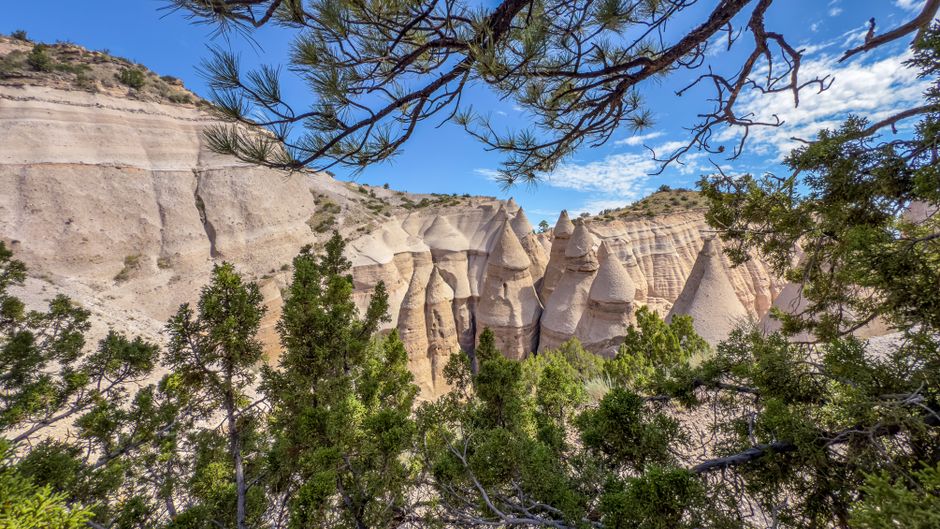
7. Sculpted by Fire and Wind
Kasha-Katuwe Tent Rocks National Monument, New Mexico, US
Cone-shaped "tent rocks" and "hoodoos" are natural sculptures formed from ancient volcanic eruptions and millions of years of erosion.
The distinctive landscape of Kasha-Katuwe is a testament to the power of geological forces. These dramatic formations were created by pyroclastic flows—superheated avalanches of volcanic ash and rock—from eruptions six to seven million years ago. Over millennia, wind and water eroded the softer volcanic tuff, leaving behind the harder caprocks that protected the cone-shaped "tent rocks" beneath. Hiking among these otherworldly formations feels like stepping onto another planet.
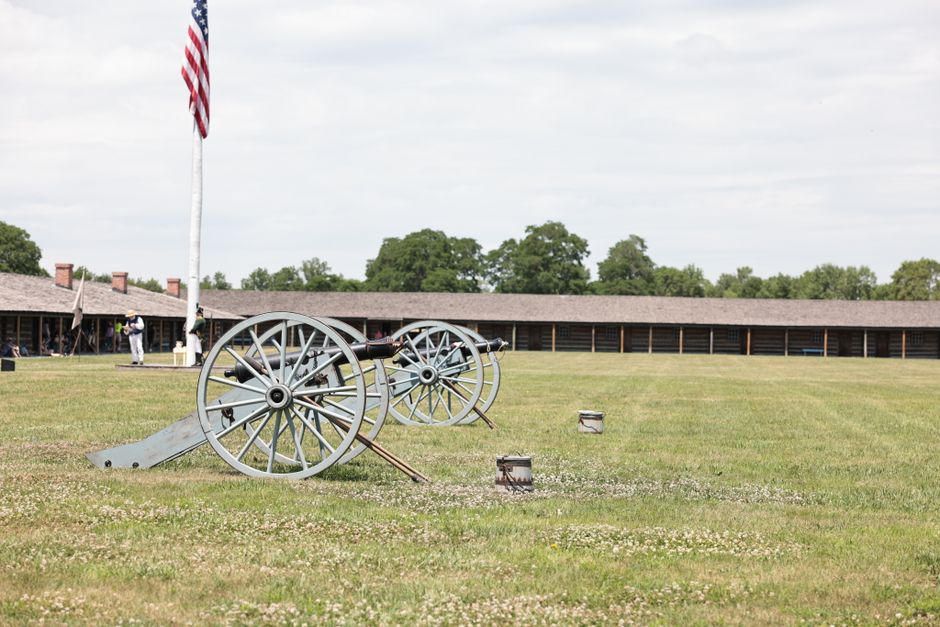
8. A Desert Reminder of Injustice
Minidoka National Historic Site, Idaho, US
In this remote desert landscape, thousands of Japanese Americans, many US citizens, were unjustly incarcerated during World War II.
Minidoka stands as a stark and necessary memorial to a painful chapter in American history. From 1942 to 1945, over 13,000 Japanese Americans were forcibly removed from their homes and incarcerated here, simply because of their ancestry. The harsh conditions of the high desert, combined with the loss of their freedoms and livelihoods, represent a profound injustice. Today, Minidoka preserves the stories and structures of this internment camp, urging visitors to reflect on civil liberties and prejudice.
Frequently asked questions
What are some affordable travel destinations in the US?
While "affordable" depends on your travel style, many lesser-known national parks, state parks, and historic sites offer immense value. Camping, exploring public lands, and visiting off-peak can significantly reduce costs while providing rich experiences.
How can I find unique places to visit in the US?
Look beyond major cities and popular national parks. Explore national monuments, state historic sites, and areas managed by the Bureau of Land Management (BLM). Local tourism boards for smaller towns often highlight unique attractions that bigger guides miss.
Is it better to road trip or fly to US national parks?
For many US national parks, especially those in the West, a road trip offers the most flexibility and allows you to explore surrounding areas and smaller towns. Flying might be quicker for distant parks, but you'll likely still need a rental car to navigate within the park and its vicinity effectively.
How does AllTours.ai enhance my travel experience?
AllTours.ai transforms your phone into an AI audio tour guide. Simply point your camera at any landscape or landmark, and the app instantly narrates its history, geology, and culture in your preferred language. It's like having a personal expert with you, revealing the hidden stories of the places you visit.
Related guides
Photography via Pexels. AllTours.ai is an AI audio tour guide — point your camera at any landscape and hear its story.