September 18, 2026 · 4 min read
For many, rice is a daily staple, a comforting presence on the dinner plate. But beyond the nutritional debates about whether eating rice every day is unhealthy, lies a much richer, more complex story. This humble grain has shaped civilizations, inspired art, and forged resilient communities across continents.
Forget the usual tourist traps. We're journeying to overlooked corners of the world where rice isn't just food; it's a testament to human ingenuity, cultural identity, and a deep connection to the land. Prepare to see rice in a whole new light.
1. Where Mountains Mirror the Sky
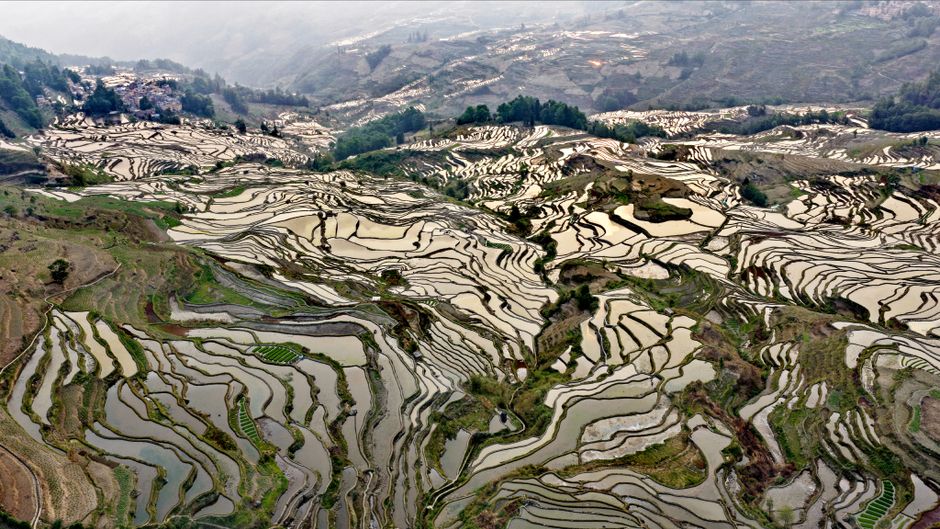
Yuanyang Hani Rice Terraces, China
For over 1300 years, an indigenous people carved mountains into self-sustaining, water-filled staircases for rice cultivation.
The Hani people of Yunnan province engineered an astonishing agricultural system: vast rice terraces that follow the contours of the Ailao Mountains. These terraces are not merely fields; they are a complex, self-regulating ecosystem of forests, villages, and irrigation channels. Water flows down the mountains, irrigating the paddies and nurturing the rice that has sustained the Hani for centuries, creating a landscape that shifts colors with the seasons.
2. Living Canvas of the Paddy Fields
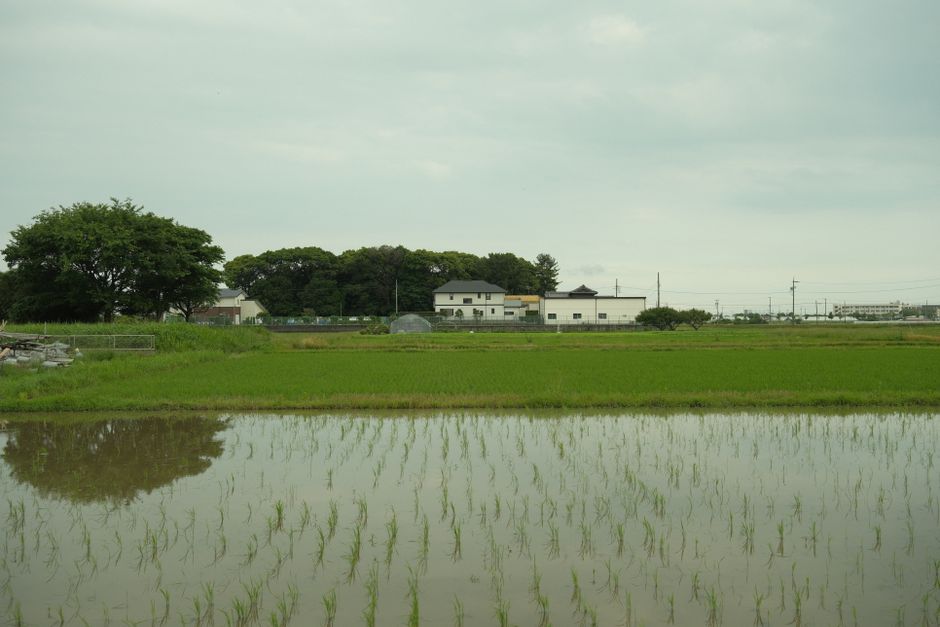
Inakadate Village, Japan
An entire Japanese village "paints" colossal, temporary masterpieces using only different colored rice plants.
Inakadate, a small village in Aomori Prefecture, faced economic decline until a unique idea blossomed: "Tanbo Art." Using various strains of rice, including ancient purple and yellow varieties alongside modern green, villagers precisely plant fields to form giant, intricate images visible from observation towers. These ephemeral artworks, depicting everything from samurai warriors to mythological creatures, draw thousands of visitors and revive local pride.
3. The Sacred Grain of Laos
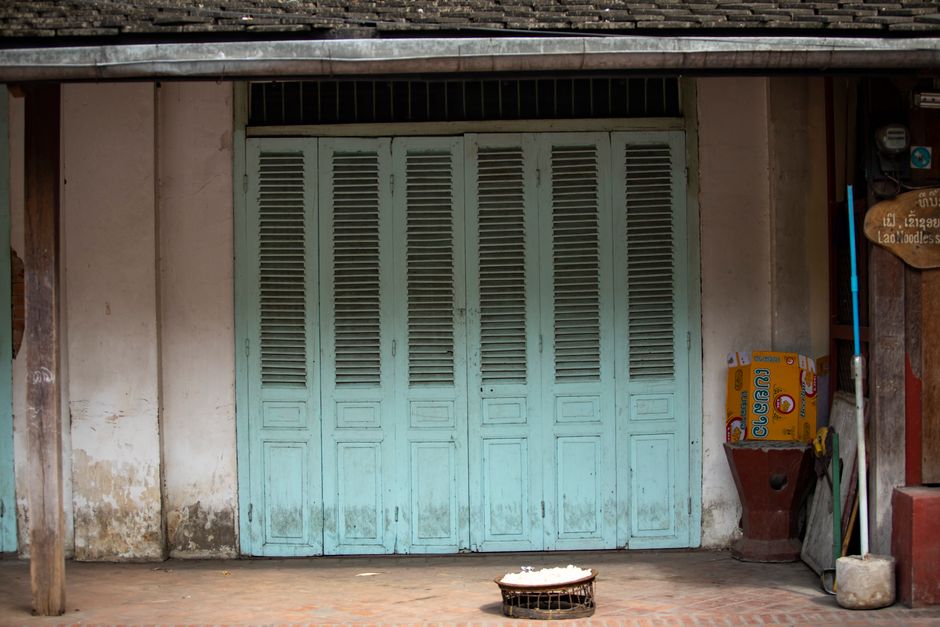
Luang Prabang, Laos
In Laos, sticky rice is more than just a staple; it's a profound cultural symbol and a daily offering to Buddhist monks.
Khao Niao, or sticky rice, is the heart of Laotian cuisine and culture, particularly evident in the spiritual city of Luang Prabang. Every morning, locals participate in 'tak bat,' the ancient ritual of alms giving, where they offer portions of their freshly steamed sticky rice to lines of saffron-robed Buddhist monks. This act reinforces community bonds and spiritual devotion, making the grain central to daily life and identity.
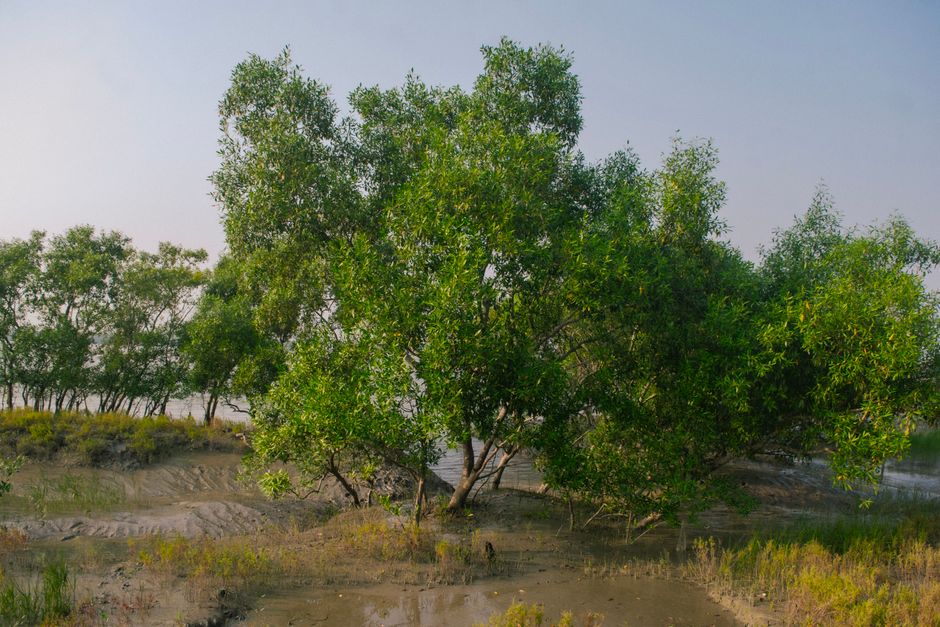
4. Rice Against the Tides
Sundarbans, Bangladesh
In the world's largest mangrove forest, communities rely on unique rice varieties that thrive in saline, tidal waters.
The Sundarbans, a dynamic landscape of waterways and mudflats, presents immense challenges for agriculture. Here, indigenous rice strains have evolved to tolerate the brackish water and frequent inundation from tidal surges. These "saline-tolerant" varieties are crucial for the survival of the local communities, representing a remarkable adaptation to one of the planet's most volatile ecosystems and a testament to resilience.
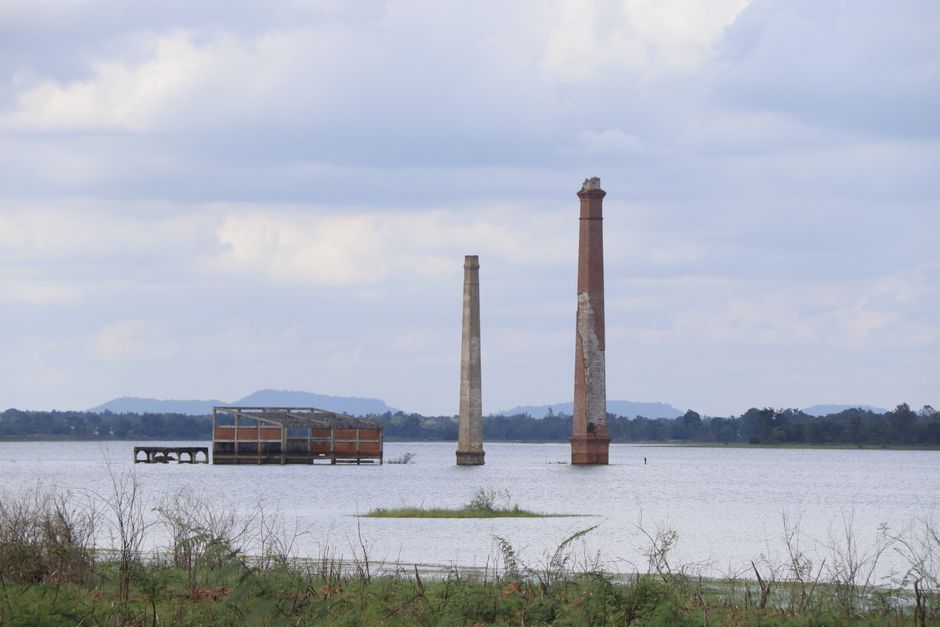
5. An Empire Built on Water
Polonnaruwa, Sri Lanka
An ancient Sri Lankan king engineered a "sea" of fresh water to irrigate his kingdom's vast rice fields, fueling a golden age.
The Parakrama Samudra, or "Sea of Parakrama," in Polonnaruwa is an extraordinary feat of ancient engineering. This colossal man-made reservoir, built in the 12th century by King Parakramabahu I, covers thousands of acres and was designed to store monsoon rains for year-round irrigation of rice paddies. It transformed the dry zone into a fertile agricultural heartland, sustaining a powerful kingdom and its people.
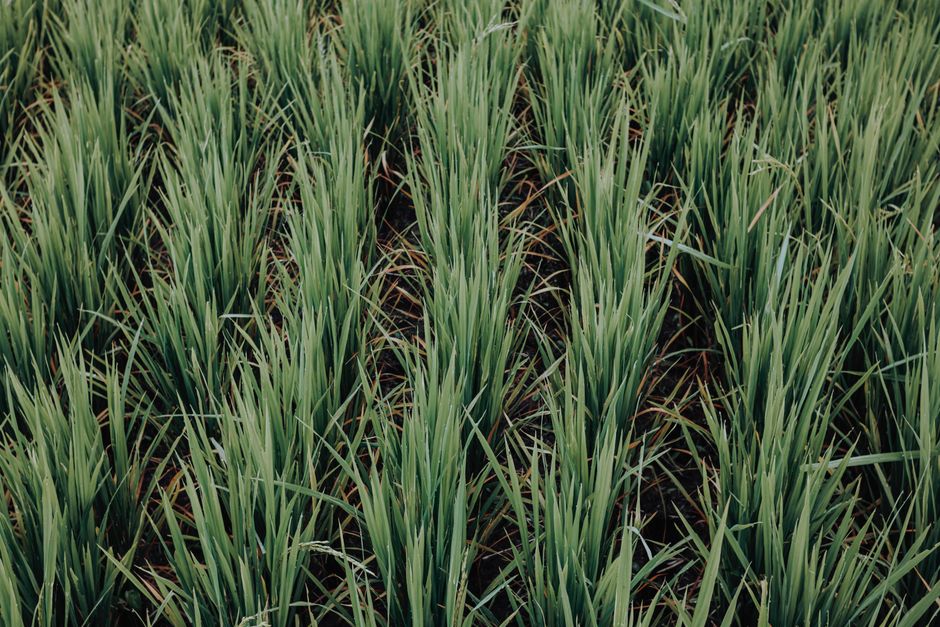
6. The Grain That Shaped a Culture
Gullah Geechee Nation, USA (Lowcountry, South Carolina)
The knowledge of rice cultivation, brought by enslaved Africans, profoundly shaped the landscape, economy, and unique Gullah Geechee culture of the American South.
The Lowcountry region of South Carolina and Georgia owes much of its historical agricultural success to rice. Enslaved West Africans, particularly from regions with long histories of rice cultivation, brought invaluable expertise in planting, harvesting, and processing the grain. Their labor and knowledge created vast rice plantations and laid the foundation for the distinct Gullah Geechee culture, whose culinary traditions, language, and spiritual practices are deeply intertwined with rice.
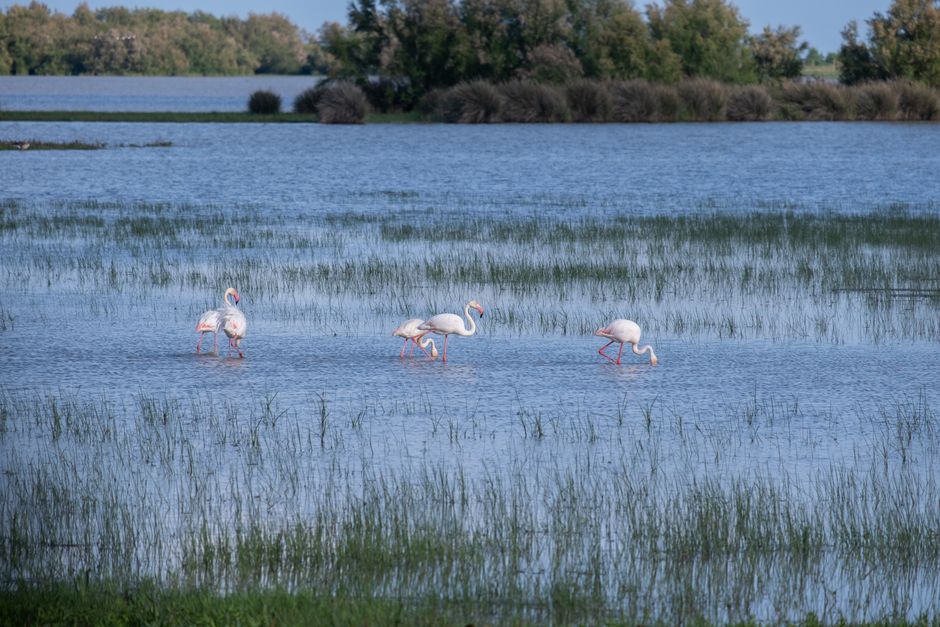
7. Europe's Wild Red Harvest
Camargue, France
In a unique Mediterranean delta, Europe's only significant rice-growing region cultivates a distinctive red rice.
The Camargue, a wild and watery region in southern France, is a surprising hub for rice cultivation, particularly its famed red rice. This ancient, unhulled variety thrives in the region's salty, marshy soils, absorbing nutrients that give it a unique reddish hue and a nutty, earthy flavor. A protected regional specialty, Camargue red rice is a testament to the region's diverse agriculture and gastronomic heritage.
Frequently asked questions
Is brown rice healthier than white rice?
Brown rice retains its bran and germ, which are rich in fiber, vitamins, and minerals. White rice has these removed, making it quicker to cook and digest, but with less fiber. Both can be part of a healthy diet, depending on individual needs and preferences.
What are common myths about rice consumption?
A common myth is that rice is "fattening." In reality, rice itself is low in fat and a good source of energy. Its impact on weight depends more on portion sizes and what it's eaten with (e.g., high-calorie sauces). Another myth is that all rice is the same; there's immense diversity in types and nutritional profiles.
Can rice be part of a sustainable diet?
Yes, with conscious choices. Rice cultivation can be water-intensive, but sustainable practices like "System of Rice Intensification" (SRI) use less water and fewer chemicals. Choosing locally grown or sustainably sourced rice can contribute to a more eco-friendly diet.
How can AllTours.ai enhance my understanding of places like these?
AllTours.ai uses AI to turn your phone camera into an audio tour guide. Simply point your camera at a landmark, landscape, or even a local market, and the app will narrate its history, geology, and cultural significance in your language, bringing places like these rice-rich regions to life with rich, contextual stories.
Related guides
Photography via Pexels. AllTours.ai is an AI audio tour guide — point your camera at any landscape and hear its story.