September 15, 2026 · 4 min read
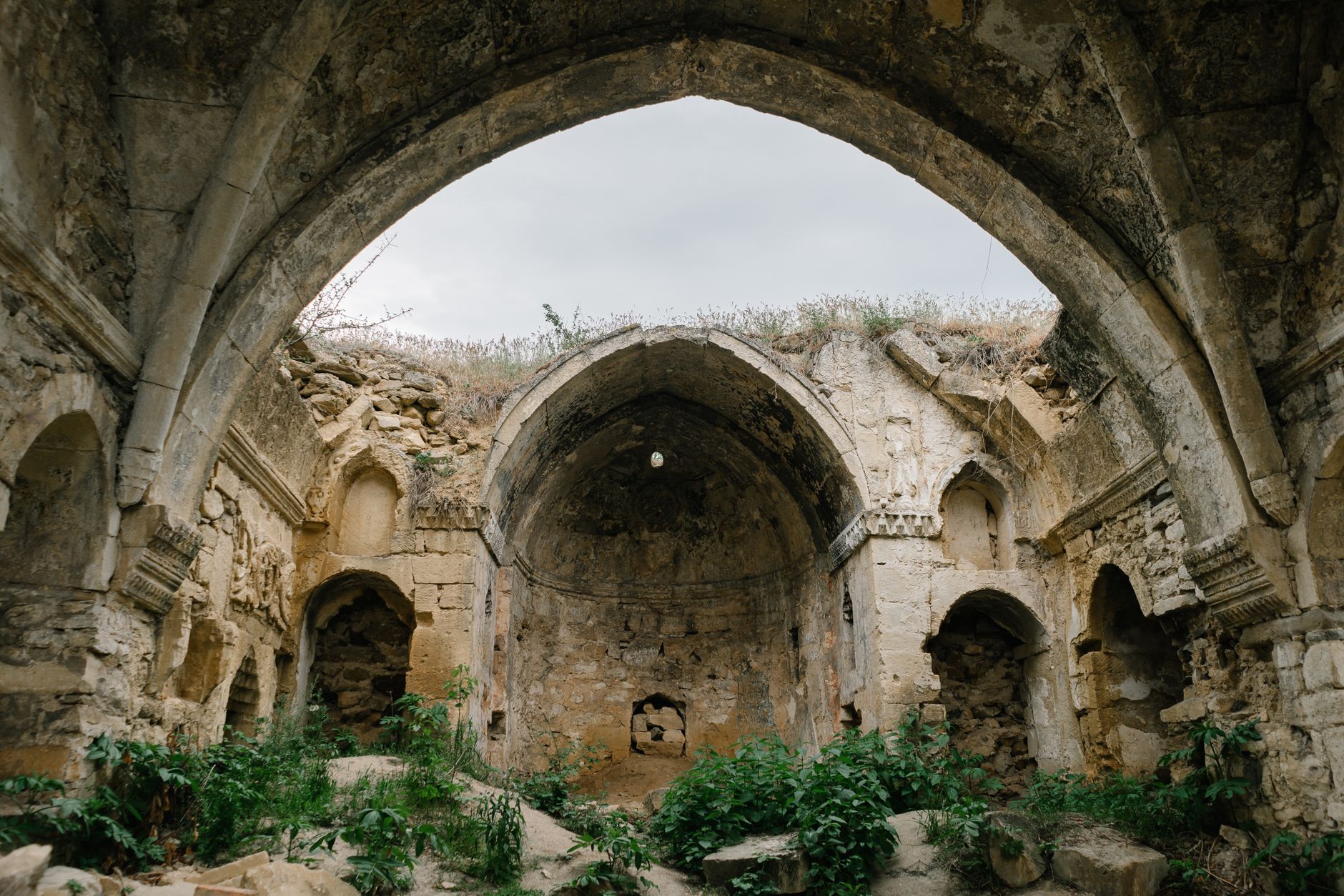
The question of whether someone should avoid sleeping in a room that has been left empty for more than a month often sparks a mix of practical concerns and a touch of the uncanny. An empty room, after all, isn't just a space; it's a repository of silence, a canvas for lingering memories, or perhaps just a dusty testament to forgotten routines. This feeling, this sense of a story waiting to be told, extends far beyond our homes into the world's most fascinating, yet often overlooked, corners.
Across continents, there are places that have been 'empty' for centuries, left by their inhabitants for reasons ranging from environmental catastrophe to changing political tides. These are not just vacant spaces, but vivid historical markers, each with a profound narrative woven into its very fabric. Instead of avoiding these 'empty' rooms of history, we encourage you to discover them, to listen to the echoes of lives once lived, and to uncover the astonishing tales they hold.
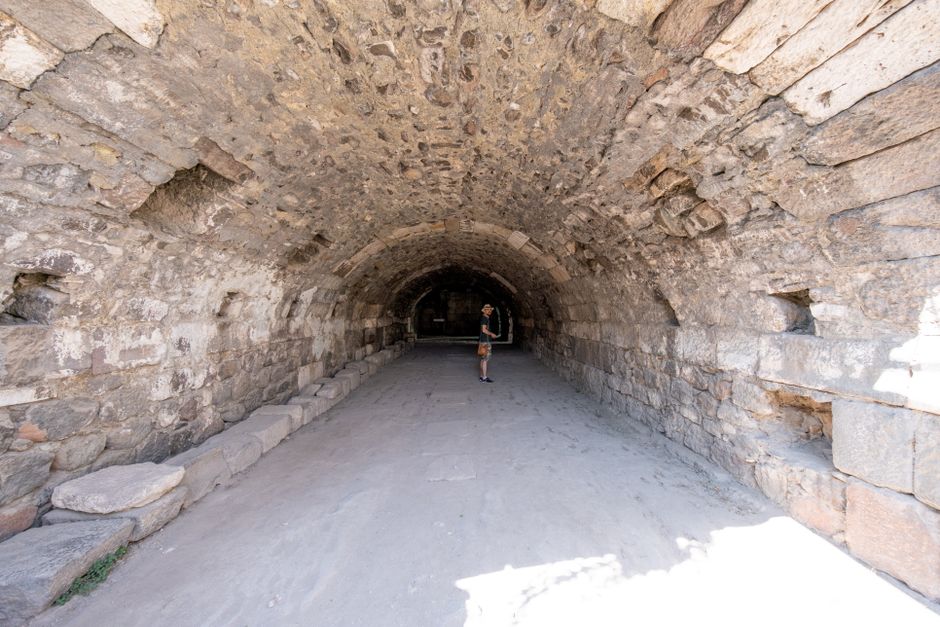
1. The Subterranean City of Derinkuyu
Derinkuyu, Turkey
This isn't just a cave; it's an entire underground city carved into soft volcanic rock, complete with churches, stables, and ventilation shafts, designed to house thousands for months.
Beneath the Cappadocian landscape lies Derinkuyu, one of several vast underground cities. Discovered accidentally in the 1960s, its eighteen levels descend over 85 meters, featuring schools, communal kitchens, and even wine presses. Built by Phrygians and later expanded by Byzantines, it served as a refuge during invasions, its massive stone doors sealing inhabitants inside for prolonged periods.
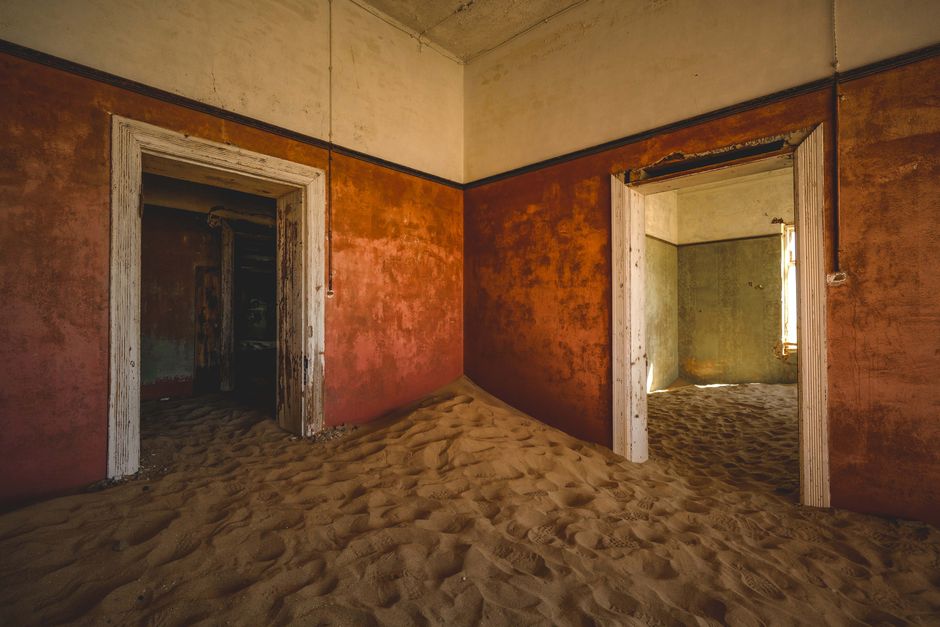
2. Kolmanskop: The Desert's Diamond Ghost
Kolmanskop, Namibia
Once a bustling diamond mining town boasting German architecture and opulent amenities, Kolmanskop is now being slowly swallowed by the encroaching Namib Desert.
In the early 20th century, Kolmanskop thrived as prospectors flocked to the area for diamonds. It featured a casino, a bowling alley, and even an ice factory, bringing European luxury to the desert. By the 1950s, the diamond field was depleted, and the town was abandoned. Today, its grand, empty houses are half-filled with sand dunes, offering an eerie glimpse into a bygone era of wealth and desolation.
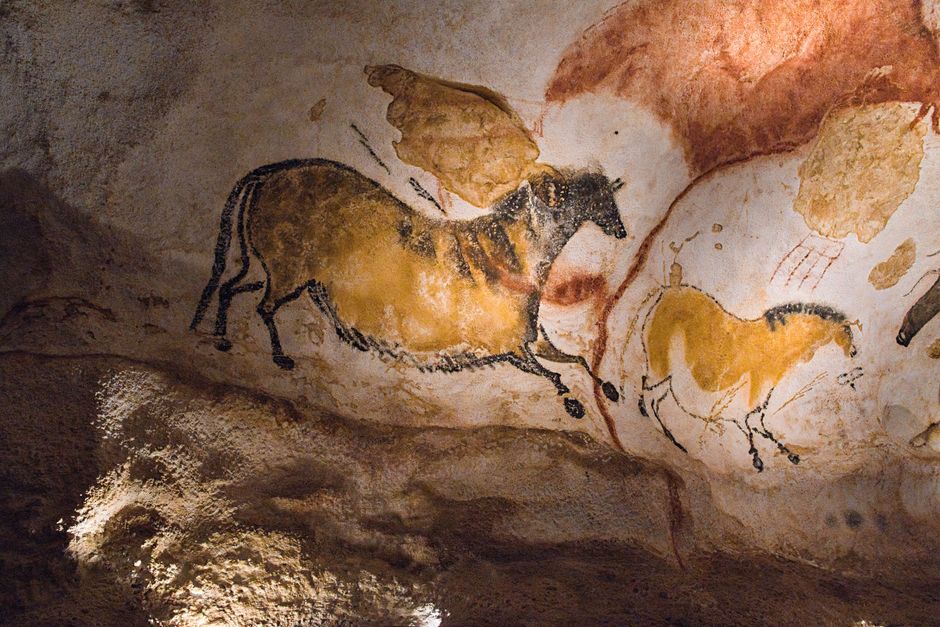
3. Chauvet 2 Cave: Echoes of the Ice Age
Ardèche, France
Home to the earliest known figurative cave paintings, depicting mammoths, lions, and rhinos with astonishing realism, dating back over 30,000 years to the Ice Age.
While the original Chauvet Cave is strictly protected and closed to the public, the Chauvet 2 replica offers an immersive experience of this monumental prehistoric art. The cave's detailed frescoes showcase the artistic prowess of early humans, capturing movement and perspective in a way that challenged previous understandings of Paleolithic art. It's a profound window into the minds and environments of our ancient ancestors.
4. Hashima Island: Battleship Island's Concrete Shell
Nagasaki, Japan
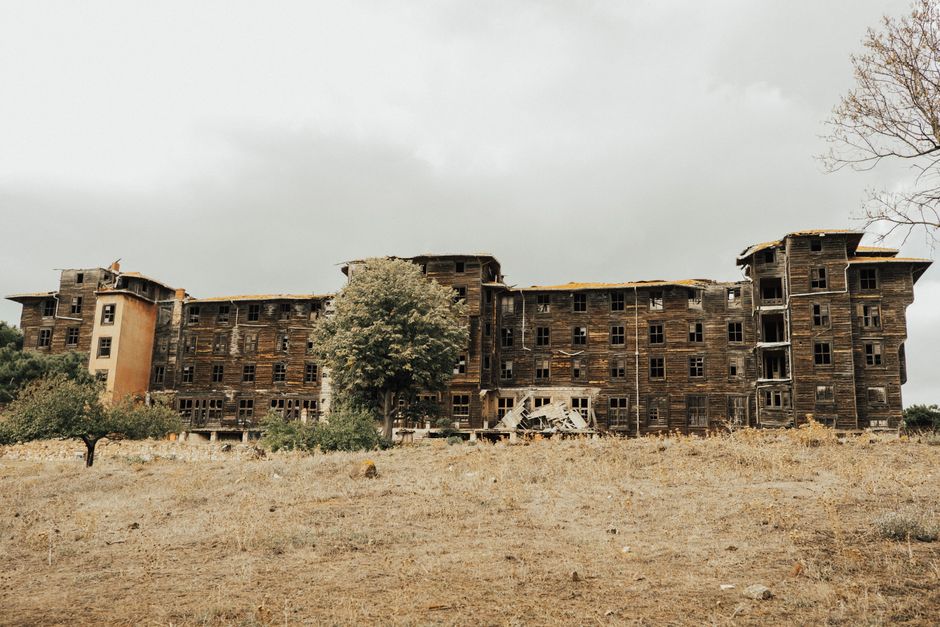
Once the most densely populated place on Earth, this island, shaped like a battleship, is now an abandoned concrete shell, a stark monument to Japan's industrial past.
Hashima Island, also known as Gunkanjima, was a thriving coal mining community from the late 19th century until 1974. At its peak, over 5,000 people lived on the tiny island, packed into high-rise concrete apartments. When petroleum replaced coal, the mine closed, and residents left almost overnight. Today, its decaying buildings stand as a powerful, haunting testament to rapid industrialization and subsequent abandonment.
5. The Great Serpent Mound: Ancient Earthwork Mystery
Peebles, Ohio, USA
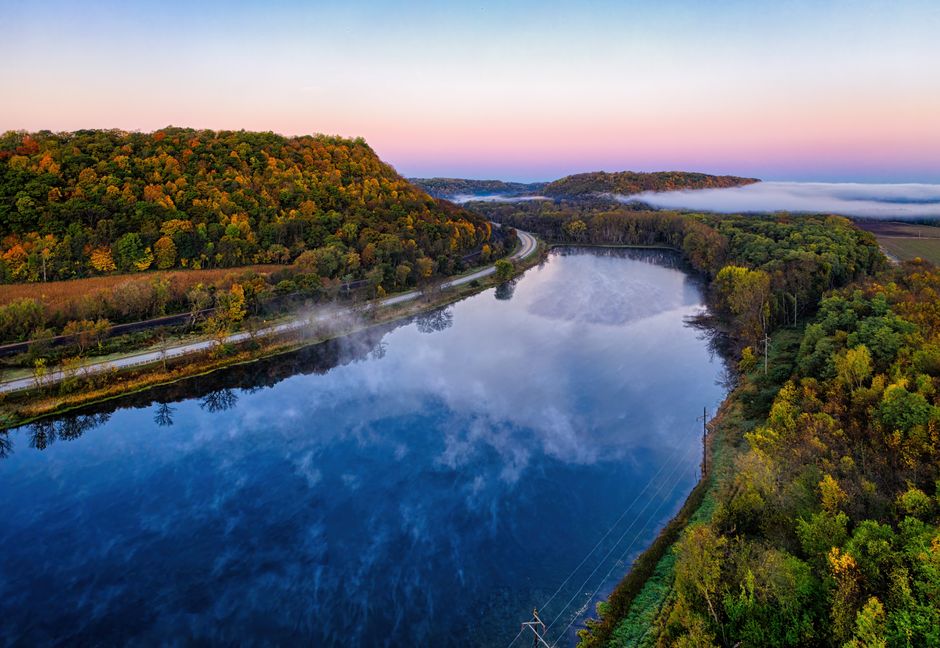
An enormous prehistoric effigy mound depicting an uncoiling snake, stretching over 1,300 feet, precisely aligned to lunar and solar events by ancient Indigenous cultures.
Constructed by the ancient Adena or Fort Ancient cultures, the Great Serpent Mound is the largest effigy mound in the world. Its winding form, believed to represent a serpent swallowing an egg (the oval head), aligns with the solstices and equinoxes, suggesting advanced astronomical knowledge. The mound's true purpose remains debated—perhaps a calendar, a ceremonial site, or a marker of sacred space.
6. Poveglia Island: Venice's Haunted Quarantine
Venice, Italy
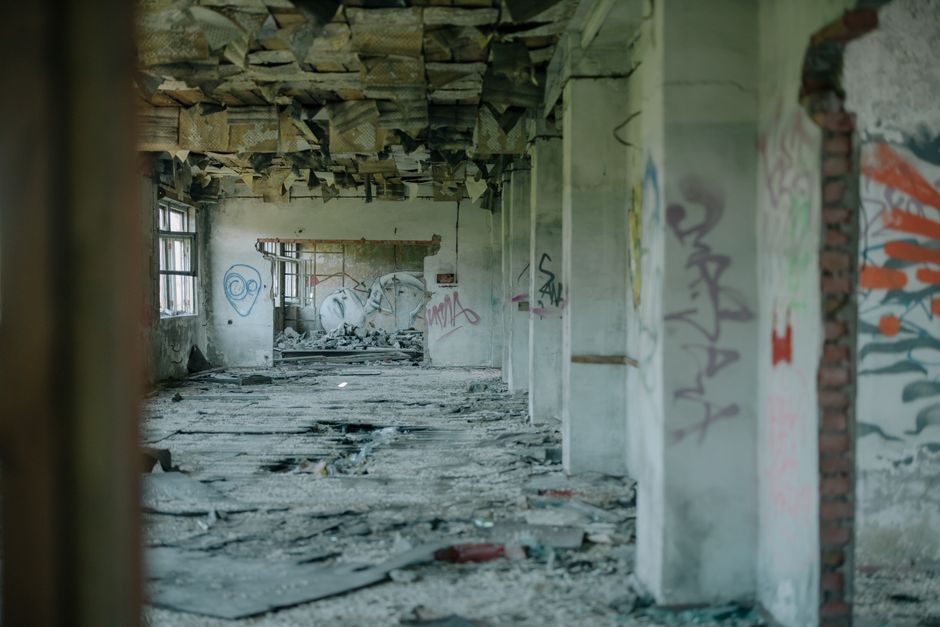
A small island in the Venetian Lagoon shrouded in a dark history, having served as a quarantine station for plague victims and later a psychiatric asylum.
Poveglia's grim past dates back to Roman times, but its most harrowing period was during the Black Death, when it became a mass grave for plague victims. Later, in the 20th century, it housed a psychiatric hospital, rumored to have subjected patients to horrific experiments. The island has been abandoned for decades, its decaying structures and overgrown grounds fueling local legends of ghosts and restless spirits.
7. Skellig Michael: Monks on the Edge of the World
County Kerry, Ireland
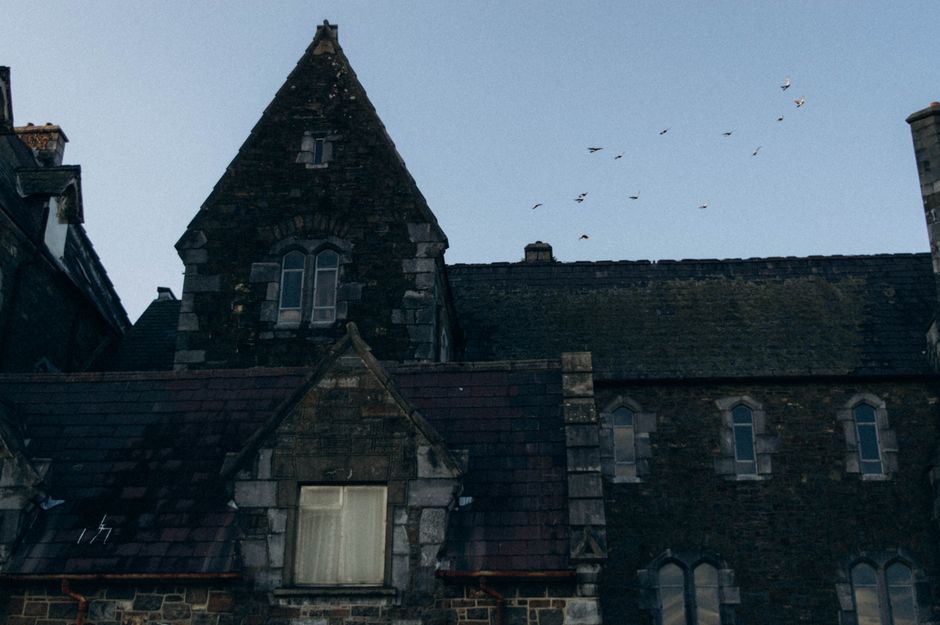
A remote, craggy island where early Christian monks built a monastery of beehive-shaped huts and chapels on near-vertical rock faces, enduring incredible isolation.
Perched precariously on a jagged rock 12 kilometers off the coast of Ireland, Skellig Michael is a UNESCO World Heritage site of extraordinary natural beauty and historical significance. From the 6th to the 13th century, a small community of monks lived here in remarkable stone 'beehive' huts, accessible only by climbing 600 ancient steps. Their austere life was a testament to faith and endurance in one of the most remote and challenging environments imaginable.
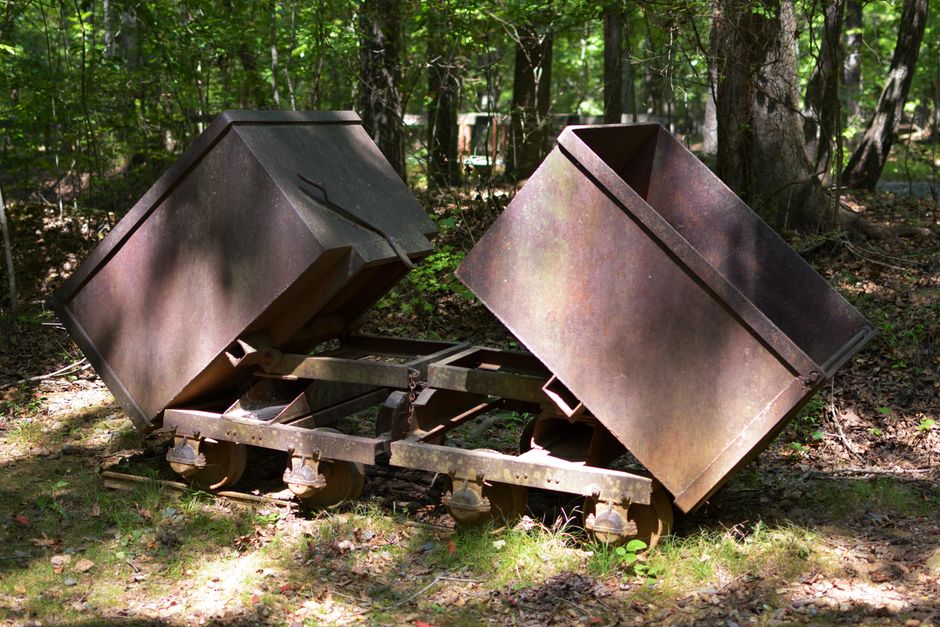
8. Centralia: The Town on Fire
Centralia, Pennsylvania, USA
An abandoned town where an underground coal mine fire has been burning beneath its streets for over 60 years, creating steaming cracks and an eerie, deserted landscape.
Centralia was once a bustling coal mining town until 1962, when an attempt to burn trash in an abandoned mine pit ignited a seam of coal. The fire spread through the labyrinthine mines beneath the town and has been burning ever since, releasing noxious gases and creating sinkholes. Most residents were relocated, leaving behind a ghost town with smoking ground and a section of highway permanently closed due to fissures and heat.
Frequently asked questions
Is it safe to visit abandoned historical sites?
While many historical sites are open to the public and perfectly safe, genuinely abandoned or unrestored locations can pose risks like unstable structures, hazardous materials, or uneven terrain. Always prioritize safety, observe warning signs, and consider guided tours for such places.
What are the common hazards in neglected historical spaces?
Common hazards include falling debris, rotten floorboards, exposed wiring, sharp objects, and the presence of mold or asbestos. In natural settings, there can be dangerous wildlife or unstable ground. It's crucial to be aware of your surroundings and not enter restricted areas.
How can I explore historical sites responsibly?
Responsible exploration means respecting the site's integrity: do not take souvenirs, leave no trace, and stick to marked paths. Learn about the local culture and history beforehand, and support local conservation efforts where possible. Always prioritize preservation over personal gain.
How does AllTours.ai enhance my travel experience at historical sites?
AllTours.ai transforms your exploration of historical sites by providing instant, in-depth audio narratives. Simply point your phone camera at a landmark or landscape, and our AI will narrate its history, geology, and culture in your preferred language, bringing every 'empty' space to life with rich, contextual stories.
Related guides
Photography via Pexels. AllTours.ai is an AI audio tour guide — point your camera at any landscape and hear its story.