August 19, 2026 · 4 min read
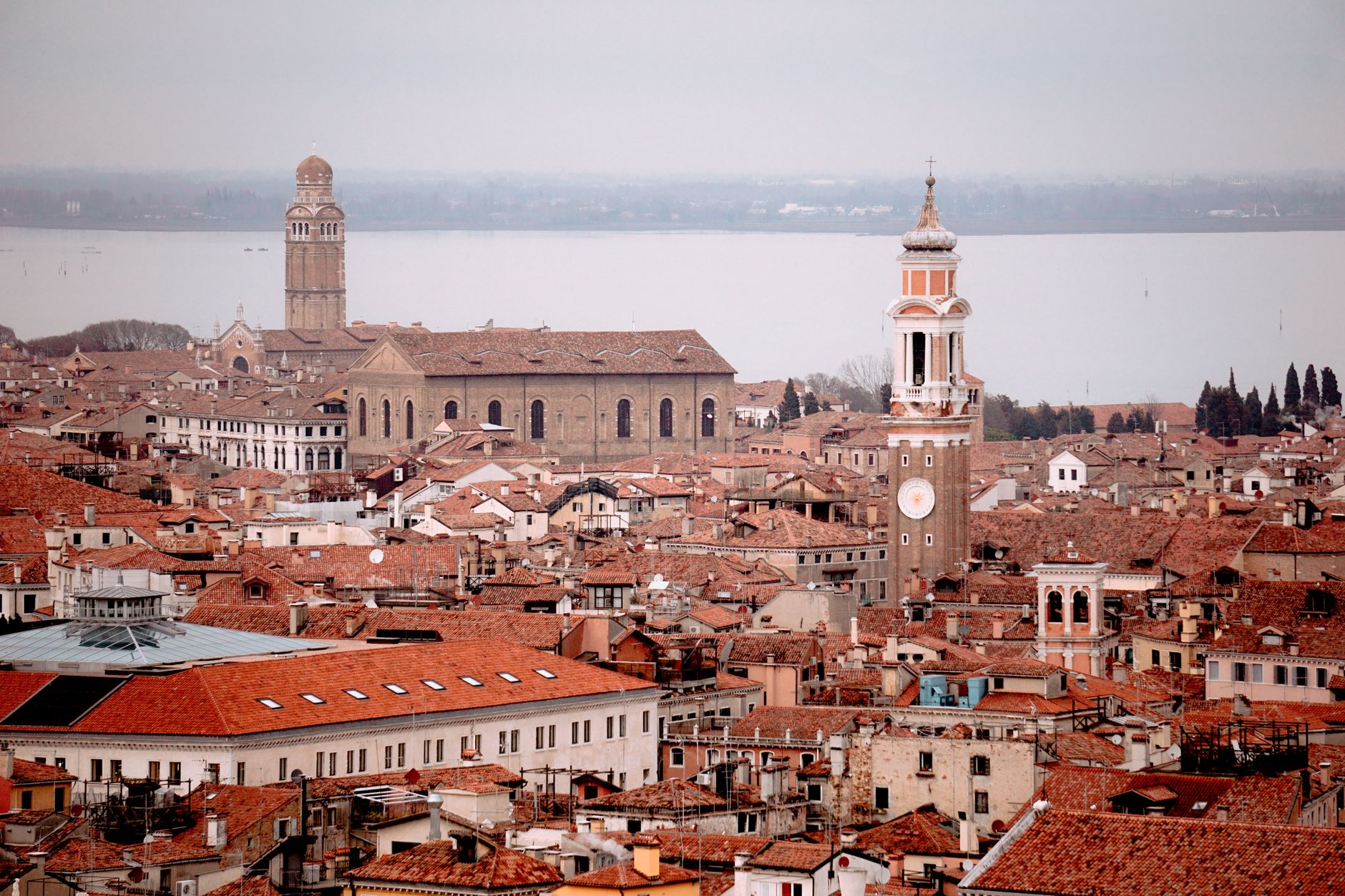
Navigating Venice in just one day feels like a daunting task, a whirlwind of iconic sights and labyrinthine alleyways. Yet, with a focused plan, it's entirely possible to peel back the layers of this extraordinary city, moving beyond the obvious to uncover its lesser-known marvels and the fascinating stories etched into its very foundations.
This curated 1 day in Venice itinerary guides you through the city's most celebrated landmarks, including St. Mark's Square and the Doge's Palace, while also revealing hidden gems and curious historical footnotes. Prepare to experience Venice not just as a beautiful backdrop, but as a living museum of human ingenuity, resilience, and captivating secrets.
1. The Piazza's Ancient Pavement
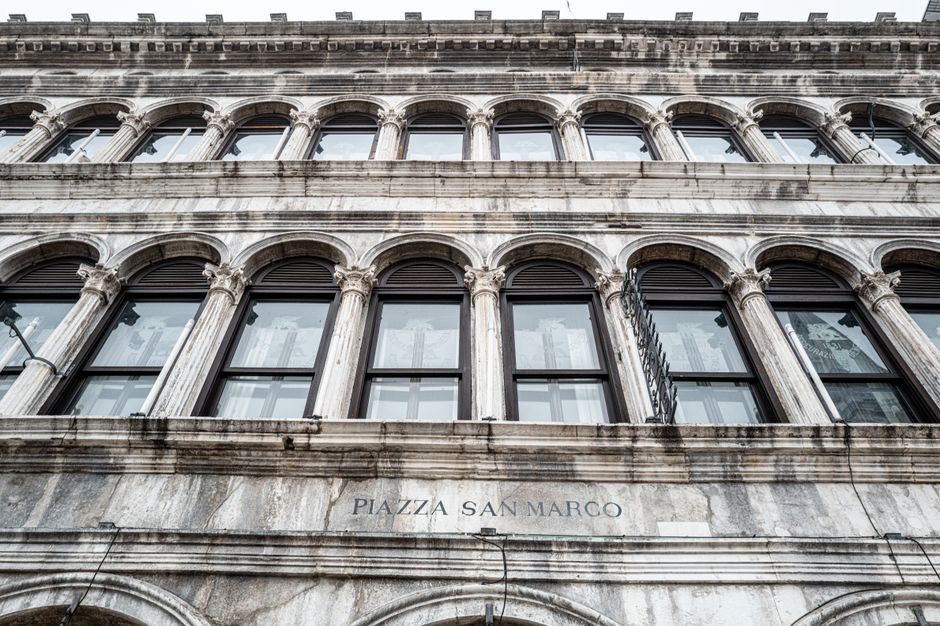
Piazza San Marco, Venice, Italy
Beneath St. Mark's Square lies not solid ground, but an ancient forest of inverted tree trunks, crucial to supporting Venice's iconic heart.
Venice is built on ingenuity, and Piazza San Marco is no exception. Before its grand paving, this area was a marshy space, reinforced by thousands of wooden piles driven deep into the mud. These inverted alder and oak trunks, submerged in oxygen-free water, have petrified over centuries, forming a bedrock that supports the weight of the Basilica and surrounding palazzi. This unseen foundation is a testament to the Venetians' mastery of their watery environment, a silent forest preserving history beneath your feet.
2. Doge's Secret Justice
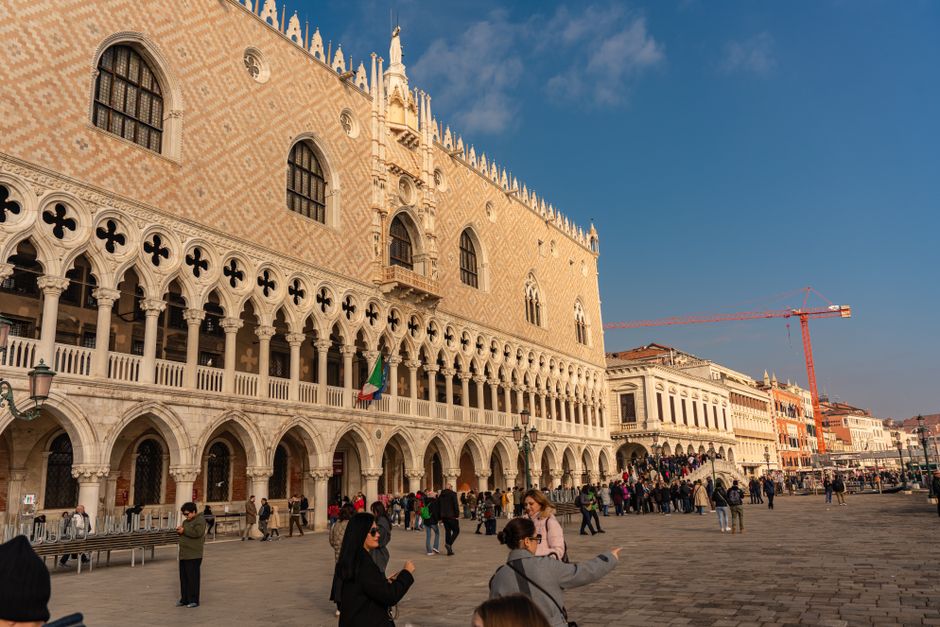
Palazzo Ducale, Venice, Italy
The Doge's Palace held the formidable Council of Ten, whose secret trials and often brutal justice were whispered about throughout the Republic.
While the Doge's Palace dazzles with its Gothic architecture and opulent halls, its true power lay behind closed doors. The Council of Ten, a secretive body with vast authority, met here to enforce the laws of the Republic, often in secret tribunals that left little room for appeal. Beyond the gilded chambers, hidden passages connected to the fearsome New Prisons via the Bridge of Sighs, where accused criminals experienced their last views of freedom. This dual nature of splendor and severe justice defined the Venetian Republic for centuries.
3. Rialto's Shifting Shape
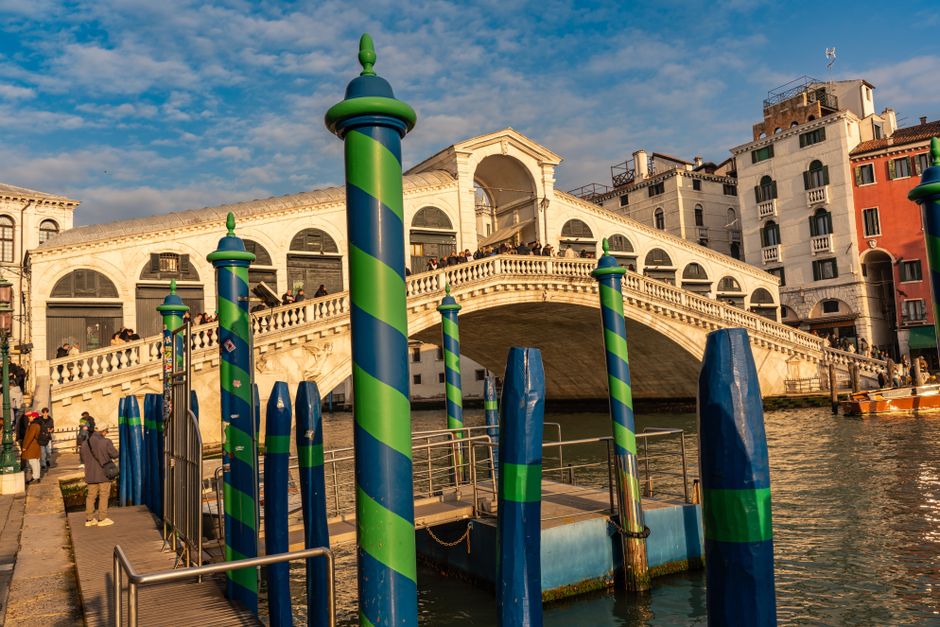
Ponte di Rialto, Venice, Italy
Before its sturdy stone form, the Rialto Bridge was a wooden drawbridge that collapsed multiple times, once famously under a crowd watching a boat parade.
The iconic Ponte di Rialto we see today is a triumph of engineering, but it's not Venice's first attempt to span the Grand Canal at this crucial trading point. Earlier versions were wooden, including a drawbridge that once allowed the passage of tall ships. This wooden predecessor famously buckled in 1444 under the weight of spectators watching the procession of the Marquise of Ferrara. Its eventual stone replacement, designed by Antonio da Ponte, was a massive undertaking, solidifying its role as Venice's commercial heart and a symbol of its resilience.
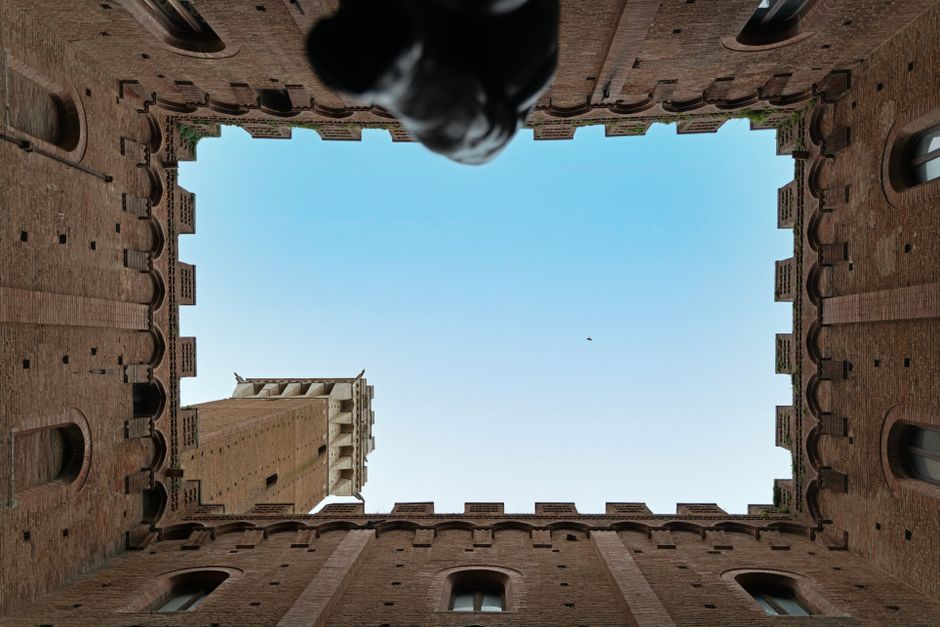
4. The Snail's Ascent
Scala Contarini del Bovolo, Venice, Italy
Tucked away in a quiet courtyard, this magnificent spiral staircase was built not for defense, but as a flamboyant display of a Venetian family's new wealth and status.
The name "Bovolo" translates to "snail" in Venetian dialect, a fitting description for the extraordinary external spiral staircase that winds up the side of Palazzo Contarini del Bovolo. Commissioned in the late 15th century by Pietro Contarini, a newly rich merchant, its primary purpose was less about practicality and more about making a grand architectural statement. It was a bold, visible declaration of the family's ascent in Venetian society, offering panoramic views and a unique example of Gothic, Renaissance, and Byzantine influences in one stunning structure.
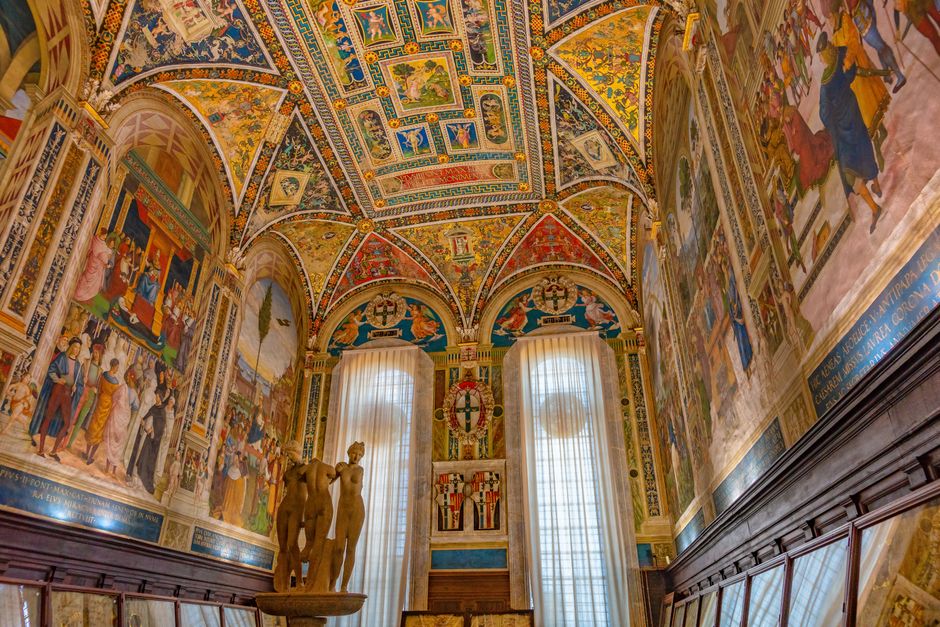
5. The Bookstore That Floats
Libreria Acqua Alta, Venice, Italy
In this whimsical bookstore, rare and antique books are stored in bathtubs, gondolas, and even a full-sized rowboat to protect them from Venice's frequent floods.
Libreria Acqua Alta, meaning "High Water Bookstore," is a labyrinthine treasure trove unlike any other. Its owner, Luigi Frizzo, devised creative solutions to protect his vast collection from the inevitable acqua alta. Bookshelves are fashioned from disused gondolas, bathtubs, and barrels, transforming the potential disaster of flooding into a quirky, charming defense mechanism. Beyond its novel storage, the bookstore is a sensory experience, filled with cats, unexpected staircases made of old books, and a delightful chaos that perfectly captures Venice's unique spirit.
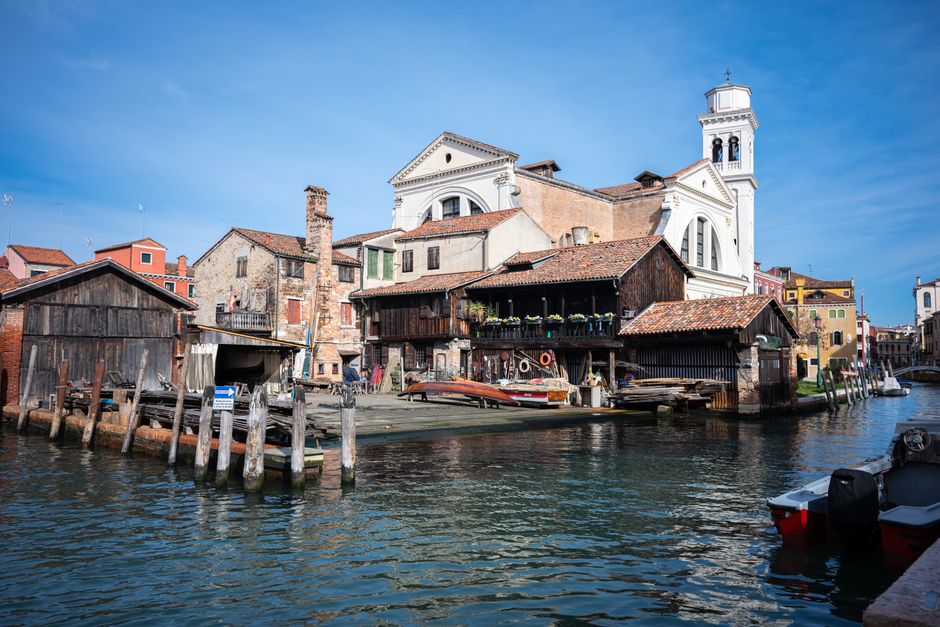
6. Gondola's Traditional Cradle
Squero di San Trovaso, Venice, Italy
Tucked away from the main tourist paths, this historic squero is one of the few remaining traditional boatyards where skilled artisans still handcraft and repair gondolas using centuries-old techniques.
The Squero di San Trovaso is not just a boatyard; it's a living piece of Venetian history. Here, master craftsmen continue the ancient art of building and repairing gondolas, a trade passed down through generations. Unlike other Venetian buildings, its wooden structure resembles an Alpine chalet, reflecting the origins of the workers who once brought timber from the mountains. Watching the precise, unhurried work from across the canal offers a rare glimpse into the meticulous craftsmanship required to maintain Venice's iconic black boats, each uniquely asymmetrical to counteract the gondolier's oar.
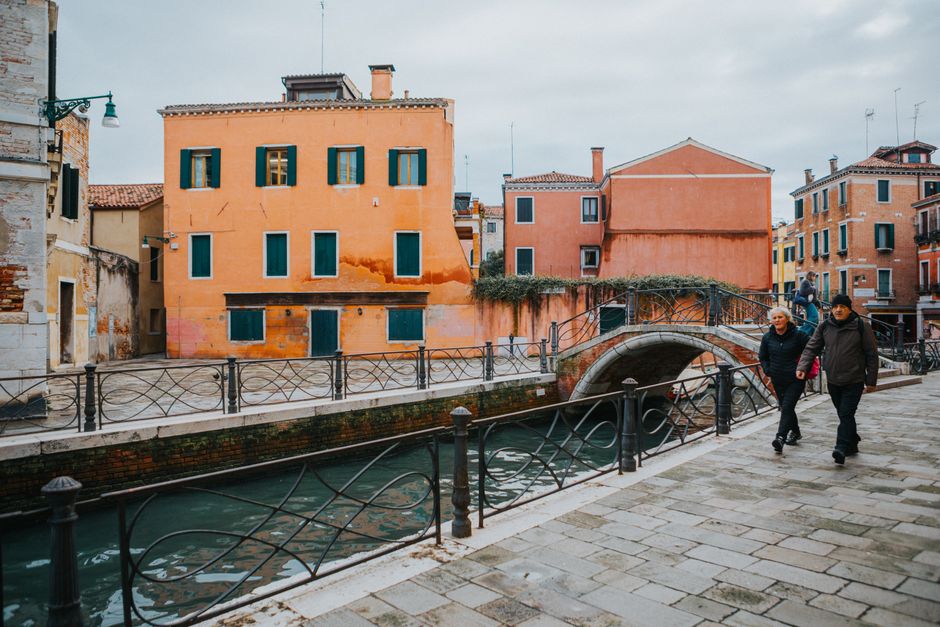
7. The World's First Ghetto
Campo del Ghetto Nuovo, Venice, Italy
The Venetian Ghetto was not a prison, but a regulated, self-governing district established in 1516, forcing Jewish residents to live in Europe's first designated Jewish quarter.
The term "ghetto" originated right here in Venice, named after the geto or foundry that once occupied this island in Cannaregio. Established by decree in 1516, the Venetian Ghetto was a complex and often contradictory space. While it confined Jewish residents to a specific area, gates locked at night, it also allowed them a degree of self-governance and economic freedom within its walls. To accommodate a growing population in a limited space, buildings here are noticeably taller than elsewhere in Venice, a unique architectural adaptation born of necessity and resilience.
Frequently asked questions
Is one day enough to see Venice?
While Venice deserves more time, a single day is enough to experience its most iconic sights and uncover some of its charming hidden corners. Careful planning allows you to hit the highlights and still find moments of genuine discovery. Focus on one or two main areas to avoid feeling rushed.
What's the best way to get around Venice in a day?
Walking is by far the best way to explore Venice's narrow calli and bridges, allowing for unexpected discoveries. For longer distances or a classic experience, utilize the vaporetti (public water buses) or consider a gondola ride for a unique perspective of the canals. Avoid water taxis for general sightseeing due to their high cost.
What's the best time of year for a 1-day Venice trip?
Spring (April-May) and early Autumn (September-October) offer pleasant weather and fewer crowds than the peak summer months. Winter can be magical with fewer tourists, but be prepared for colder temperatures and the possibility of acqua alta (high water), which can sometimes flood St. Mark's Square.
How can AllTours.ai help me explore Venice?
AllTours.ai transforms your phone into a personal AI audio tour guide. Simply point your camera at any landmark, canal, or even a local bacaro, and the app will instantly narrate its history, geology, and culture in your preferred language. It's like having an expert local guide in your pocket, revealing the hidden stories of Venice as you wander.
Related guides
Photography via Pexels. AllTours.ai is an AI audio tour guide — point your camera at any landscape and hear its story.