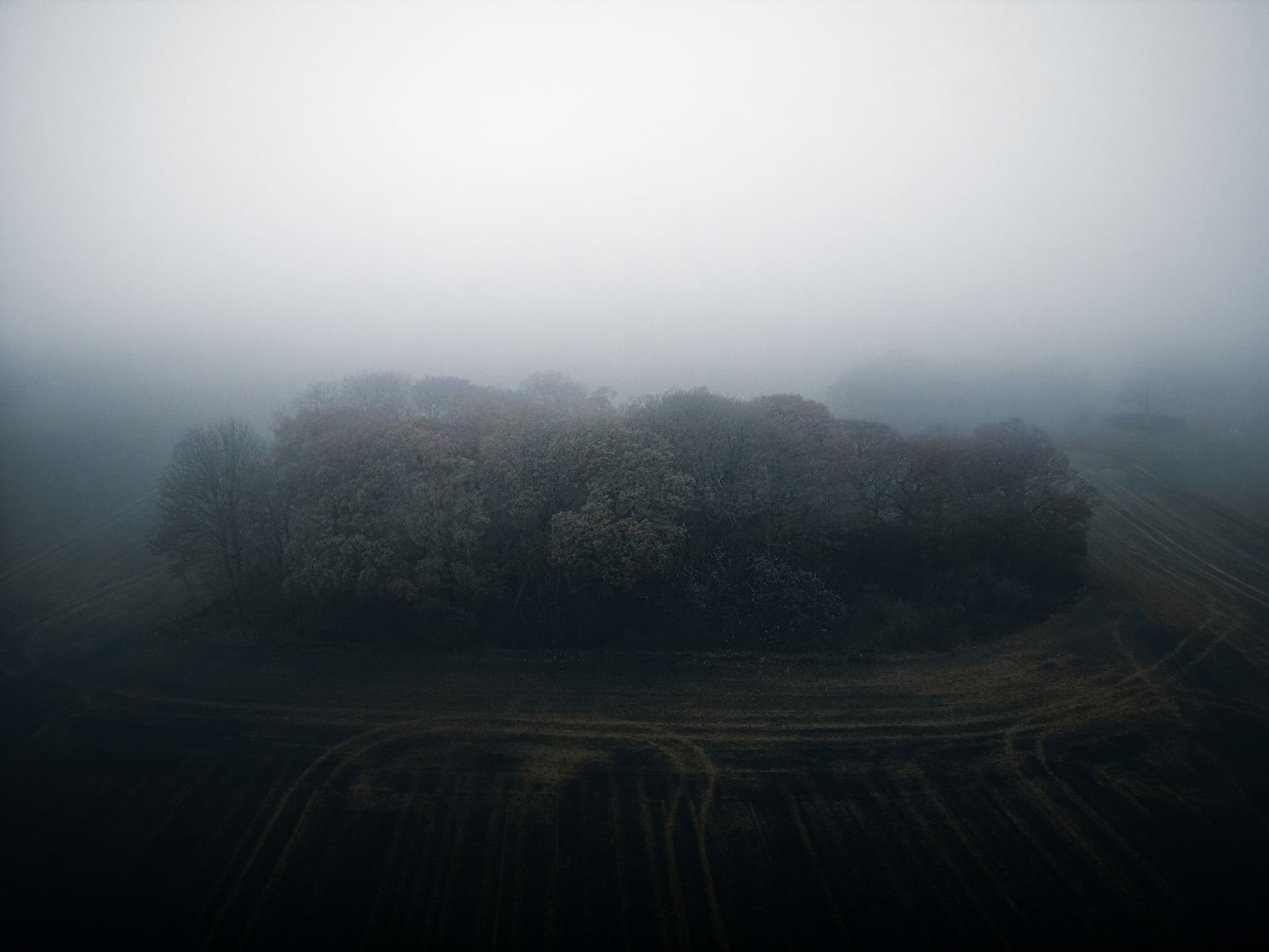
July 10, 2026 · 4 min read
The question 'Do you put sugar in your spaghetti?' isn't just about culinary preferences; it's about the delightful, sometimes bewildering, variations that make life — and travel — so rich. Just as a pinch of unexpected sweetness can transform a savory dish, some places on Earth harbor stories, traditions, or geological wonders so surprising, they challenge everything you thought you knew.
Forget the well-worn paths and obvious tourist traps. We're diving into the world's truly unique destinations, where history takes peculiar turns, nature paints unbelievable canvases, and culture offers a taste unlike any other. These are the spots where the 'sugar' isn't just an addition, but the very essence of their unforgettable character.

1. The Opal City Beneath the Earth
Coober Pedy, Australia
In this desert town, over half the residents live underground not just for coolness, but because their homes are literally carved into opal mines.
Coober Pedy, a remote outpost in the South Australian outback, is famous for its vast opal fields. To escape the scorching desert heat, miners and residents have for decades excavated "dugouts" – homes, churches, and even hotels – directly into the sandstone hills. These subterranean dwellings maintain a constant, cool temperature year-round, offering a bizarre yet practical way of life forged by extreme conditions and the relentless pursuit of precious stones.
2. The Eternal Wardrobe of the Departed
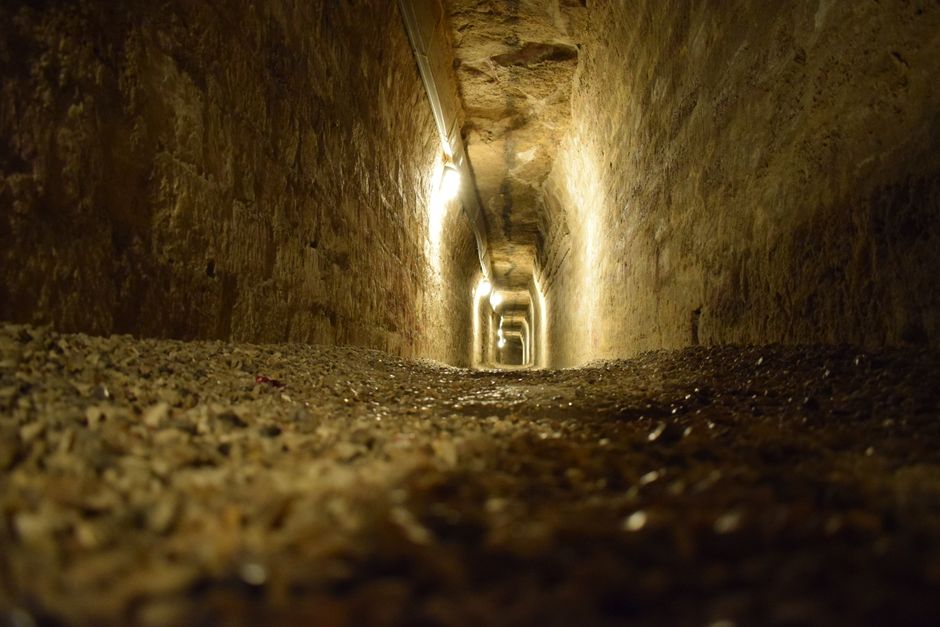
Palermo, Italy
Beneath a Capuchin monastery in Sicily lies a macabre museum where hundreds of mummified bodies, some dressed in their finest clothes, stand or lie centuries after death.
The Catacombe dei Cappuccini in Palermo offer a chilling, yet historically significant, glimpse into Sicilian attitudes towards death and remembrance. From the late 16th to the early 20th century, thousands of bodies – monks, priests, and local gentry – were preserved and displayed in these underground corridors. Entire families are arranged together, their mummified forms, some still with hair and skin, dressed in outfits from their era, creating a haunting tableau that speaks volumes about a society's unique funerary customs.
3. A Diamond Ghost Swallowed by Sand
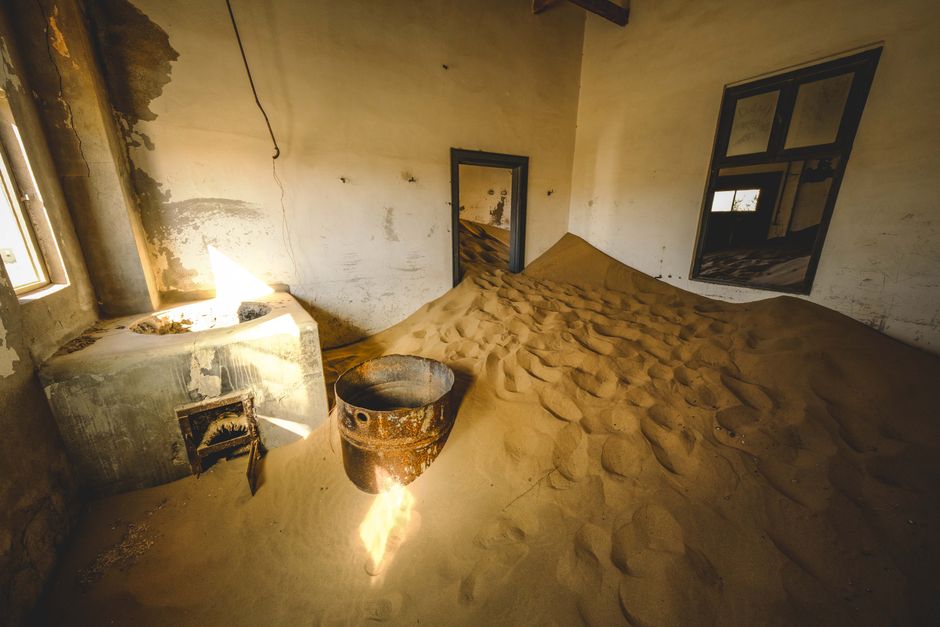
Kolmanskop, Namibia
This once-opulent German diamond mining town in the Namib Desert now stands as a ghost town, its elegant houses slowly being consumed by encroaching sand dunes.
Kolmanskop flourished in the early 20th century after diamonds were discovered in the unforgiving Namib Desert. It was a beacon of European luxury, boasting a hospital, ballroom, and even Africa's first tram. However, after World War I, diamond prices plummeted, and richer finds were made elsewhere, leading to its abandonment by 1956. Today, visitors can walk through houses where sand drifts pile high against walls and fill entire rooms, a stark and beautiful testament to nature's relentless power over human ambition.
4. Norway's Frosty Copper Heart
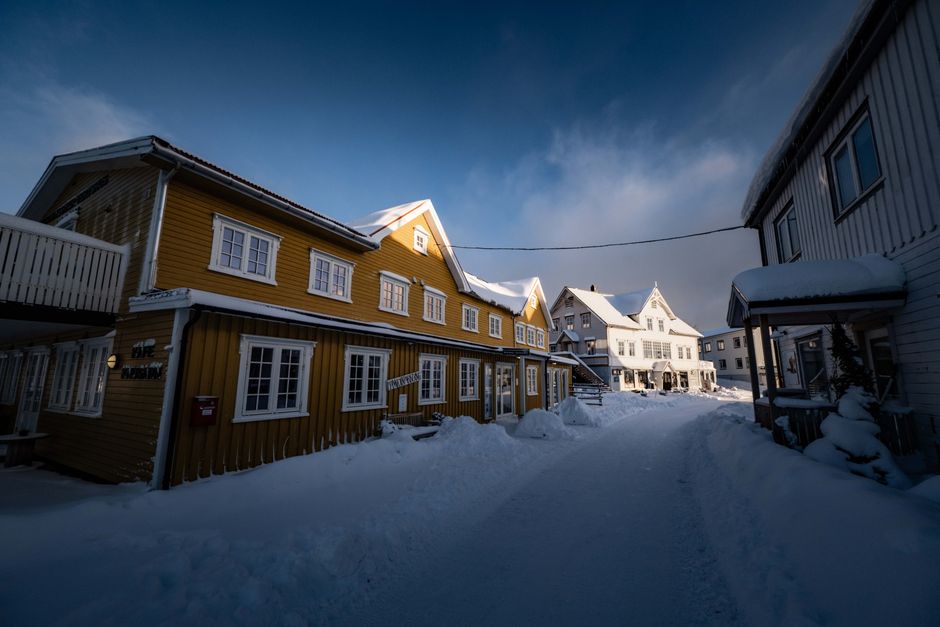
Røros, Norway
This UNESCO World Heritage site is one of the oldest and best-preserved wooden towns in Europe, where people still live and work in buildings from the 17th century.
Røros began as a copper mining town in 1644 and thrived for over 300 years, shaping a unique urban landscape adapted to Norway's harsh climate. Its distinct wooden architecture, narrow streets, and traditional mining structures have been meticulously preserved, offering a living museum experience. Even today, many residents heat their homes with wood-burning stoves, maintaining a connection to the town's industrial past while demonstrating remarkable resilience against the Arctic chill.
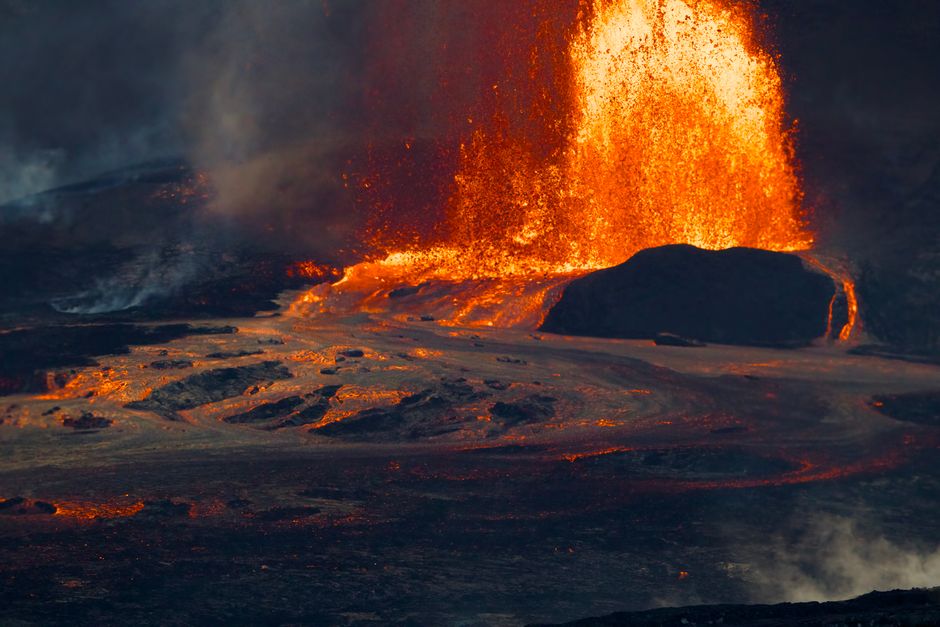
5. The Door to Hell's Eternal Blaze
Darvaza, Turkmenistan
Deep in the Karakum Desert, a massive crater has been burning continuously for over 50 years, accidentally ignited by Soviet geologists.
In 1971, Soviet engineers drilling for natural gas caused a cavern to collapse, creating a crater over 200 feet wide. Fearing the spread of poisonous methane gas, they decided to light it on fire, expecting it to burn out in a few weeks. Five decades later, the "Door to Hell" is still ablaze, a mesmerizing, terrifying, and entirely man-made spectacle. It casts an eerie glow across the desert night, drawing curious travelers to witness its perpetual, fiery roar.
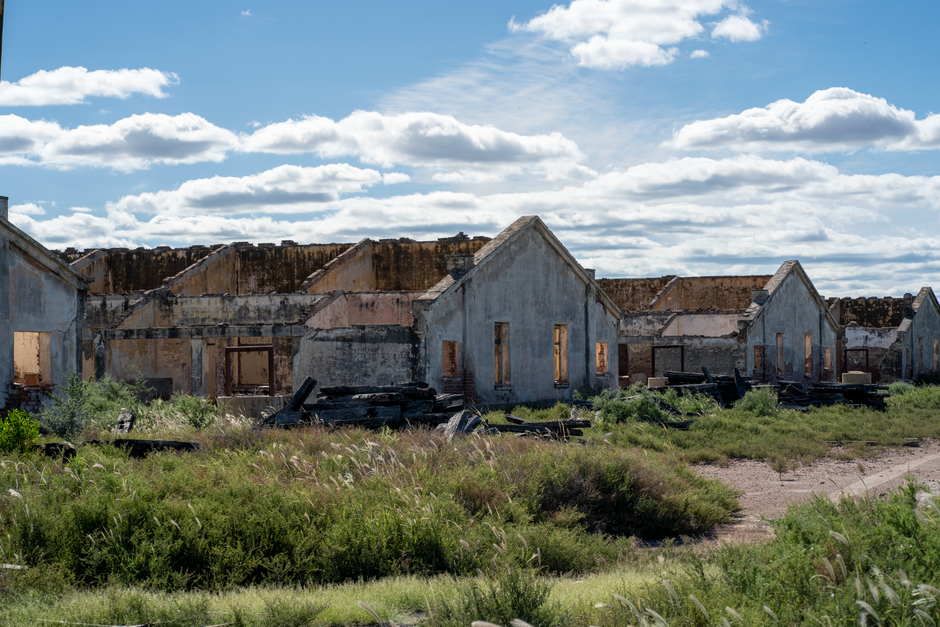
6. A Town Reborn from Salty Depths
Epecuén, Argentina
Once a thriving spa town, Epecuén was submerged by a flood for 25 years and has now dramatically re-emerged, a ghostly landscape of skeletal trees and salt-encrusted ruins.
Carhué, a popular tourist destination known for its therapeutic saltwater lake, was abruptly abandoned in 1985 when a dike burst, slowly swallowing the entire town under 30 feet of corrosive brine. Decades later, as the water receded, Epecuén reappeared, but as a stark, surreal ruin. Salt crystallizes on everything, from dead trees to crumbling buildings, creating an apocalyptic scene that tells a powerful story of nature's dominance and the ephemeral nature of human settlements.
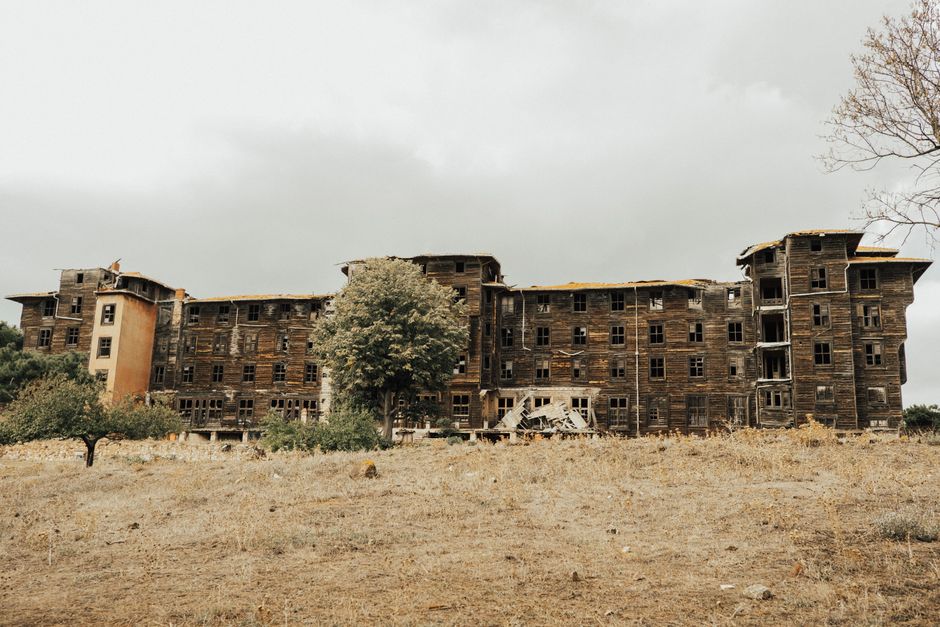
7. Venice's Forbidden Plague Island
Venice, Italy
This small, uninhabited island in the Venetian Lagoon carries a dark history as a quarantine station for plague victims and later as an asylum, making it one of the most forbidden places in Italy.
Poveglia's past is steeped in tragedy; it served as a mass grave for tens of thousands of plague victims during the Black Death, and later, in the early 20th century, housed an asylum with a grim reputation. Legend speaks of tormented spirits and a doctor who performed brutal experiments. Today, the island is completely abandoned and strictly off-limits to visitors, its crumbling buildings and overgrown grounds whispering tales of a dark, unsettling history just a short distance from bustling Venice.
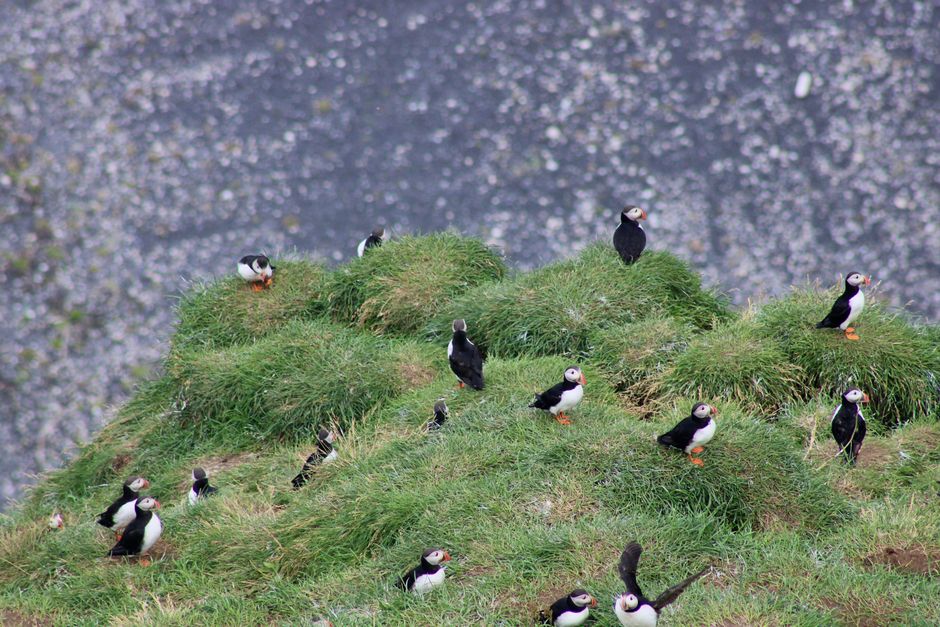
8. The Puffin Paradise at the World's Edge
Mykines, Faroe Islands
This remote island, home to more puffins than people, requires a precarious hike to a lighthouse at its westernmost tip, feeling like a journey to the very edge of the world.
Mykines is the westernmost island of the Faroe Islands, known for its dramatic cliffs, turf-roofed houses, and incredible birdlife. The island's tiny human population is dwarfed by hundreds of thousands of puffins, especially in summer. Reaching the lighthouse on the islet of Mykineshólmur involves crossing a narrow footbridge and navigating steep paths, rewarding travelers with unparalleled views and a profound sense of isolation, where nature's raw beauty dominates every vista.
Frequently asked questions
What does 'putting sugar in spaghetti' mean as a saying?
The phrase "putting sugar in spaghetti" refers to a culinary practice, common in some cultures or personal preferences, where a small amount of sugar is added to tomato-based pasta sauces. It's often done to balance acidity or enhance sweetness, creating a different flavor profile than traditional recipes.
Are there real places that feel 'unexpected' like putting sugar in spaghetti?
Absolutely. Travel is full of such delightful surprises. From towns built entirely underground to cities reclaimed by salt, or ancient traditions that defy modern expectations, many destinations offer unique cultural, historical, or geological "ingredients" that might initially seem unusual but ultimately define their unforgettable character.
How can I find truly lesser-known travel spots?
To discover genuinely underrated places, look beyond popular travel guides and social media trends. Explore local blogs, historical archives, or geological surveys. Engage with local communities, ask for recommendations from residents, and consider destinations with specific, niche interests rather than broad appeal.
How can AllTours.ai help me discover these kinds of unique stories?
AllTours.ai is designed to bring the hidden stories of any place to life. Simply point your phone camera at a landscape, landmark, or even a local curiosity, and the app instantly narrates its rich history, geological formation, or cultural significance in your preferred language. It's like having a local expert in your pocket, revealing the "sugar in the spaghetti" of every destination you visit.
Related guides
Photography via Pexels. AllTours.ai is an AI audio tour guide — point your camera at any landscape and hear its story.