
August 2, 2026 · 4 min read
The question "Is elotes, a type of Mexican street food, considered authentic?" is more complex than it first appears. Elotes, the beloved grilled or boiled corn on the cob, slathered with mayonnaise, cheese, chili, and lime, is a ubiquitous sight across Mexico. But its authenticity isn't found in a single recipe or a specific corner; it's woven into the very fabric of Mexico's diverse landscapes, ancient traditions, and resilient communities.
To truly understand elotes, we must look beyond the well-trodden tourist paths and explore the hidden corners where corn, the sacred grain of Mesoamerica, has shaped cultures for millennia. From volcanic soils to misty cloud forests, each region contributes a unique chapter to the story of this iconic street food, revealing its profound and varied authenticity.
1. Corn's Sacred Place
San Juan Chamula, Chiapas, Mexico
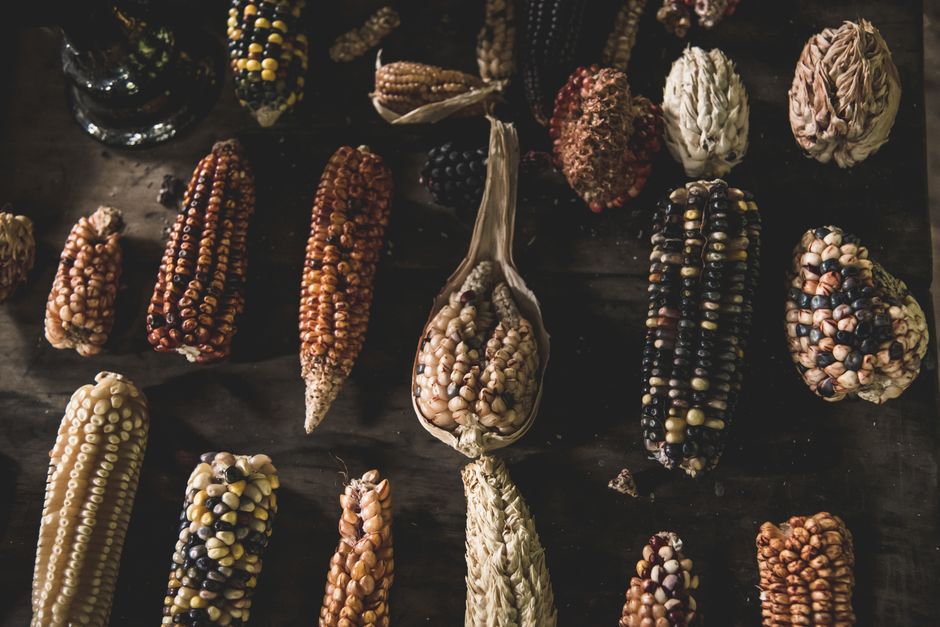
For the Tzotzil Maya, corn isn't just food; it's considered a living being, central to their cosmology and daily rituals.
In San Juan Chamula, corn holds a spiritual significance deeply woven into Tzotzil life. Every kernel is seen as sacred, a gift from the gods, and its cultivation is a ritual act. Local elotes often incorporate specific ceremonial preparation methods, reflecting this reverence. This isn't just a snack; it's a communion with their ancestral beliefs, where each bite connects to a profound cultural heritage.
2. Echoes in the Canyons
Santiago Apoala, Oaxaca, Mexico
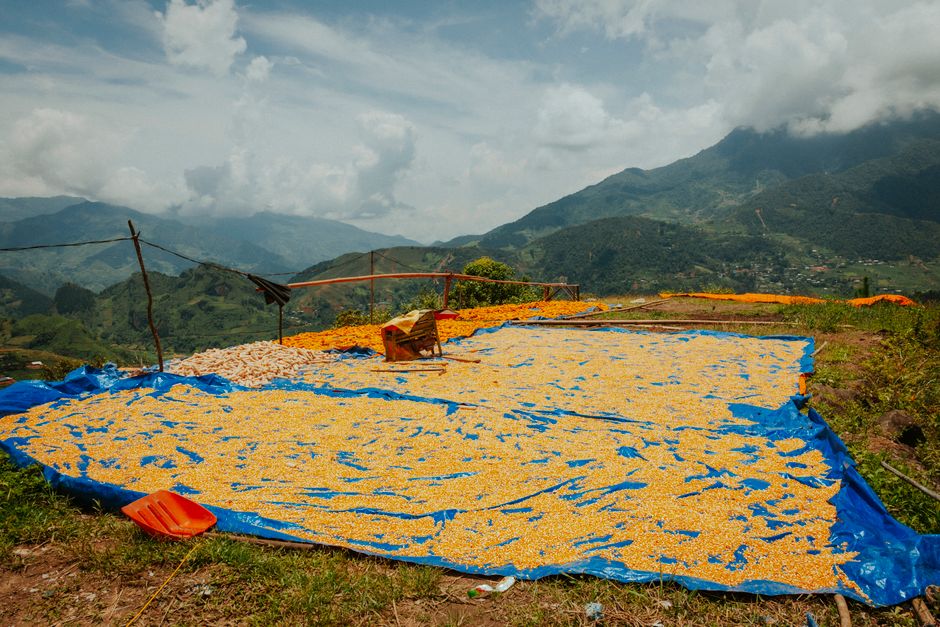
The dramatic canyon landscapes of Santiago Apoala reveal how ancient Mixtec farmers innovated corn cultivation using natural terraces.
Nestled within the Sierra Mixteca, Apoala's stunning canyons aren't just scenic; they were once ingenious agricultural sites. Ancient Mixtec communities here developed sophisticated terrace farming techniques, adapting corn to the steep terrain. The local elotes carry the legacy of this ingenuity, often made from resilient heirloom varieties perfected over millennia in this challenging environment, a direct link to ancient farming wisdom.
3. Guardians of Ancient Seeds
Yaxunah, Yucatán, Mexico
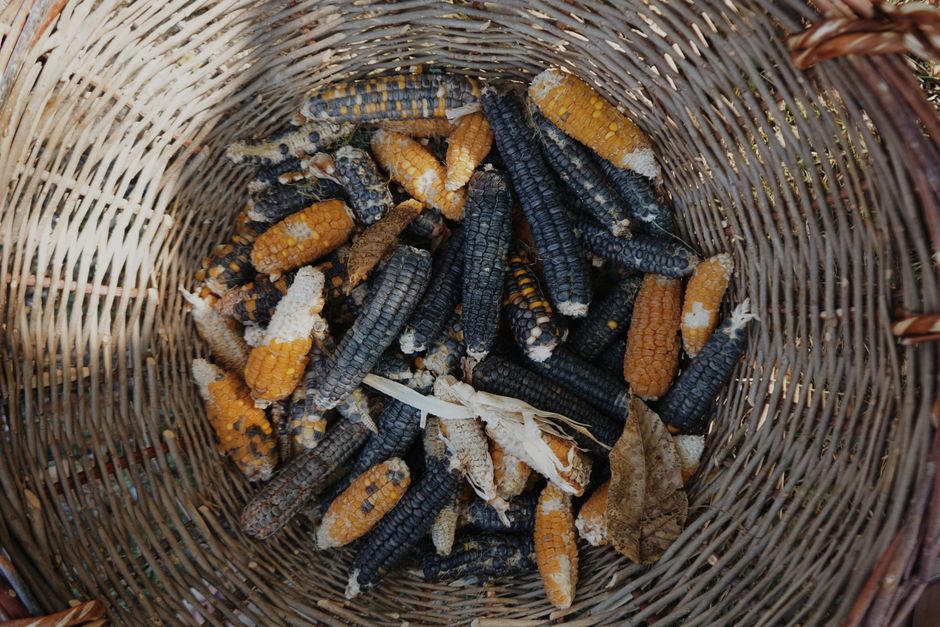
This small Mayan village actively preserves ancient corn varieties through community seed banks, ensuring the genetic heritage of elotes.
Just a stone's throw from Chichen Itza, Yaxunah stands as a living testament to Mayan agricultural resilience. The community here meticulously cultivates and protects heirloom corn strains, some dating back thousands of years. These unique varieties, adapted to the Yucatán's specific climate, lend a distinct flavor profile to local elote preparations, a direct link to the region's deep past and its ongoing efforts in biodiversity preservation.
4. The City's Green Lung
Milpa Alta, Mexico City, Mexico
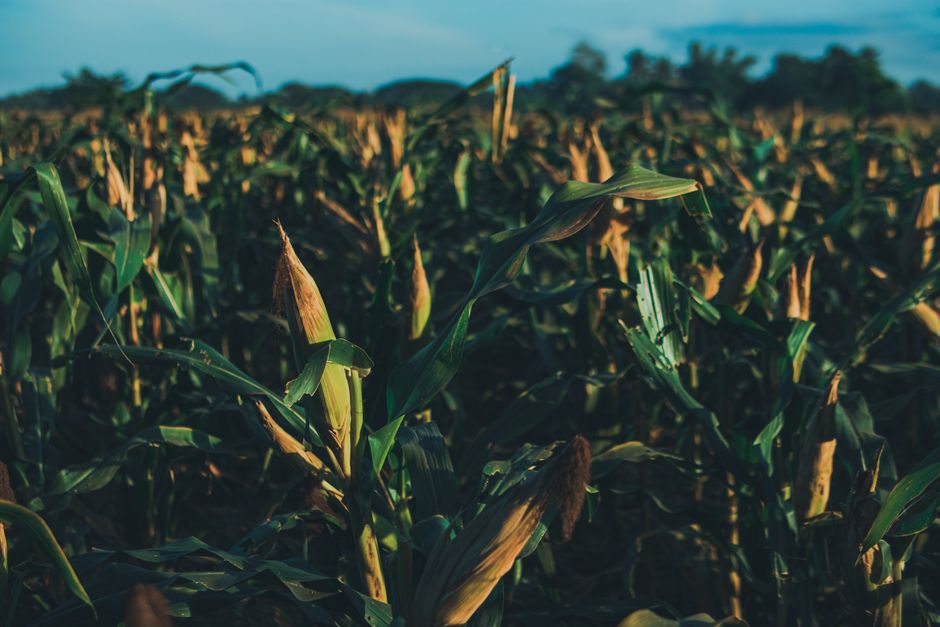
Within the sprawling metropolis of Mexico City, Milpa Alta remains a stronghold of traditional agriculture, cultivating unique heirloom corn varieties.
Often overlooked by tourists, Milpa Alta is one of Mexico City's most rural boroughs, where ancient agricultural practices thrive. Farmers here cultivate specific criollo corn types using traditional methods, eschewing modern hybrids. The elotes found in its local markets are made from these distinct corns, offering a taste of Mexico City's pre-Hispanic roots and a stark contrast to the surrounding urban landscape.
5. Mist-Kissed Maize
Cuetzalan del Progreso, Puebla, Mexico
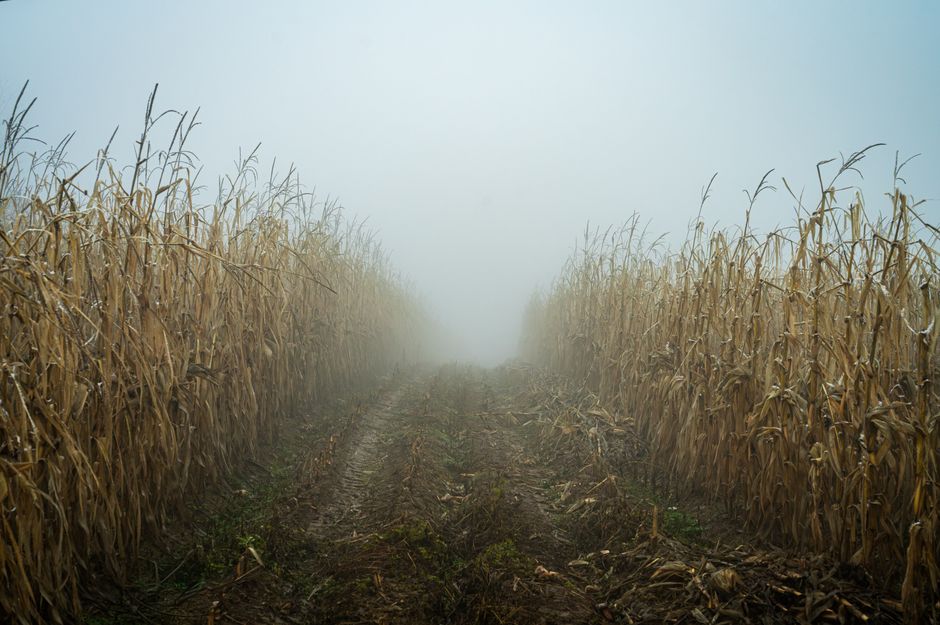
In the cloud forests of Cuetzalan, corn cultivation adapts to a unique misty mountain microclimate, shaping distinct local elote variations.
Cuetzalan, a Pueblo Mágico nestled in the Sierra Norte de Puebla, is characterized by its perpetually misty, humid climate. Here, indigenous Nahua and Totonac farmers have perfected corn cultivation suited to these conditions. The result is corn with a particular texture and flavor, which translates into elotes that are uniquely adapted to this environment, often accompanied by local herbs and cheeses specific to the region's rich biodiversity.
6. Jungle Survival's Harvest
Calakmul Biosphere Reserve (surrounding communities), Campeche, Mexico
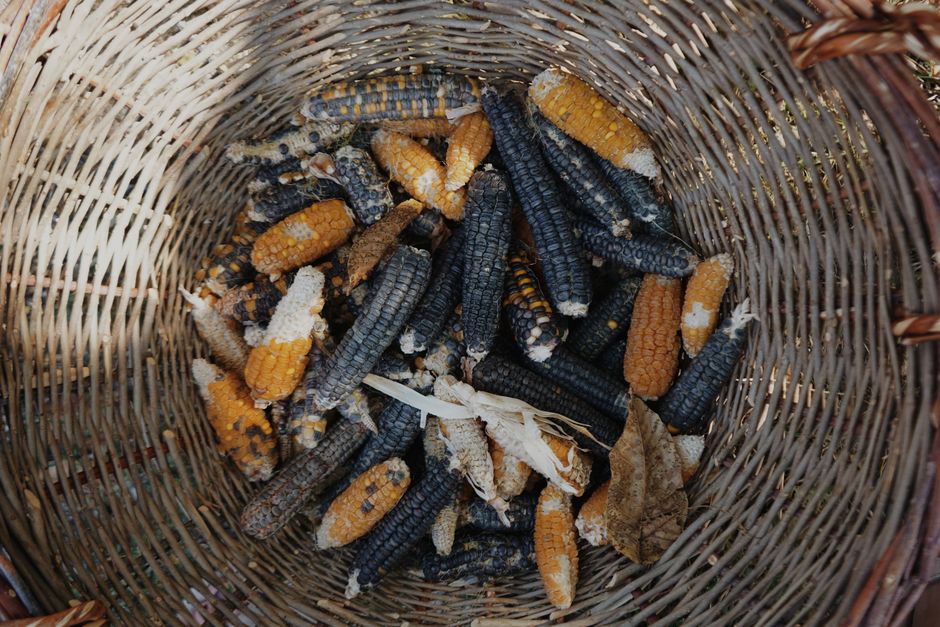
The communities bordering the Calakmul Biosphere preserve ancient Mayan methods for cultivating drought-resistant corn, crucial for jungle life.
Deep in the Campeche jungle, near the magnificent Calakmul ruins, lie small communities whose lives are intertwined with the forest. They continue ancient Mayan agricultural practices, specializing in hardy, drought-resistant corn varieties that thrive in this challenging environment. Elotes enjoyed here are a testament to human resilience and adaptation, made from corn that has sustained civilizations for millennia in the heart of the jungle.

7. Floating Gardens' Bounty
San Gregorio Atlapulco, Xochimilco, Mexico City, Mexico
Corn grown on the ancient chinampas of Xochimilco offers a direct link to Aztec agricultural ingenuity, providing incredibly fertile soil.
While Xochimilco is famous for its trajineras, its true agricultural heart lies in places like San Gregorio Atlapulco. Here, the ancestral chinampas – floating gardens – are still actively farmed. The rich, organic soil of these pre-Hispanic plots yields corn with exceptional vitality. Elotes made from this chinampa-grown maize carry the legacy of Aztec ingenuity, a taste of history from one of the world's most unique farming systems.
8. Volcanic Earth, Vibrant Corn
Tepoztlán, Morelos, Mexico
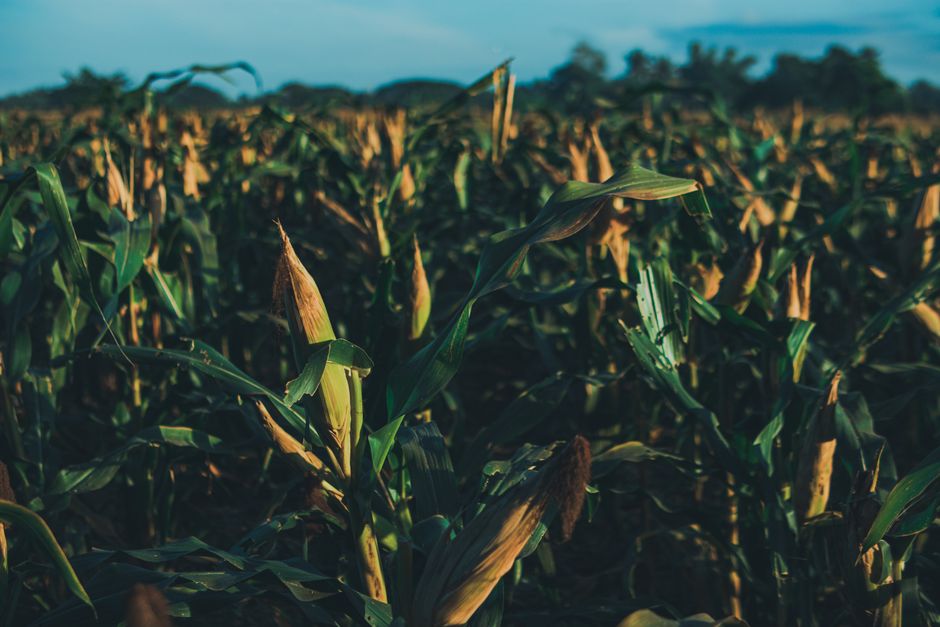
The unique volcanic soil surrounding Tepoztlán enriches corn varieties, lending a distinct minerality and flavor to local elote preparations.
Tepoztlán, famous for its mystical mountain El Tepozteco, is also surrounded by incredibly fertile volcanic land. This mineral-rich soil imparts a unique character to the corn grown here, influencing its texture and taste. Local elotes often feature this distinctive maize, paired with regional toppings, reflecting the powerful geological forces that shaped both the landscape and its culinary traditions for centuries.
Frequently asked questions
What makes elotes "authentic"?
Authenticity in elotes is less about a single recipe and more about its connection to local ingredients, regional preparation methods, and cultural significance. It varies widely across Mexico, reflecting diverse indigenous traditions and agricultural practices, each contributing to its rich heritage.
Are there different types of corn used for elotes?
Yes, absolutely. Mexico is the birthplace of corn, boasting hundreds of native varieties. Different regions use specific heirloom corns (criollos), each with unique colors, textures, and flavors that contribute to the distinctiveness of local elotes, making each regional version a unique culinary experience.
What are common toppings for elotes in Mexico?
While butter, mayonnaise, cheese (cotija or other local varieties), chili powder (like Tajín), and lime are classic, toppings vary regionally. Some areas might use specific herbs, local sauces, or even different types of cream, reflecting local culinary traditions and available ingredients, creating endless variations.
How can AllTours.ai help me discover authentic elotes?
AllTours.ai enhances your travel experience by narrating the history, geology, and culture of places you visit. Point your camera at a market or a street vendor, and the app can reveal insights into the local corn varieties, culinary traditions, and historical significance behind the elotes you're about to enjoy, connecting you deeply to the local food story.
Related guides
Photography via Pexels. AllTours.ai is an AI audio tour guide — point your camera at any landscape and hear its story.