June 13, 2026 · 4 min read
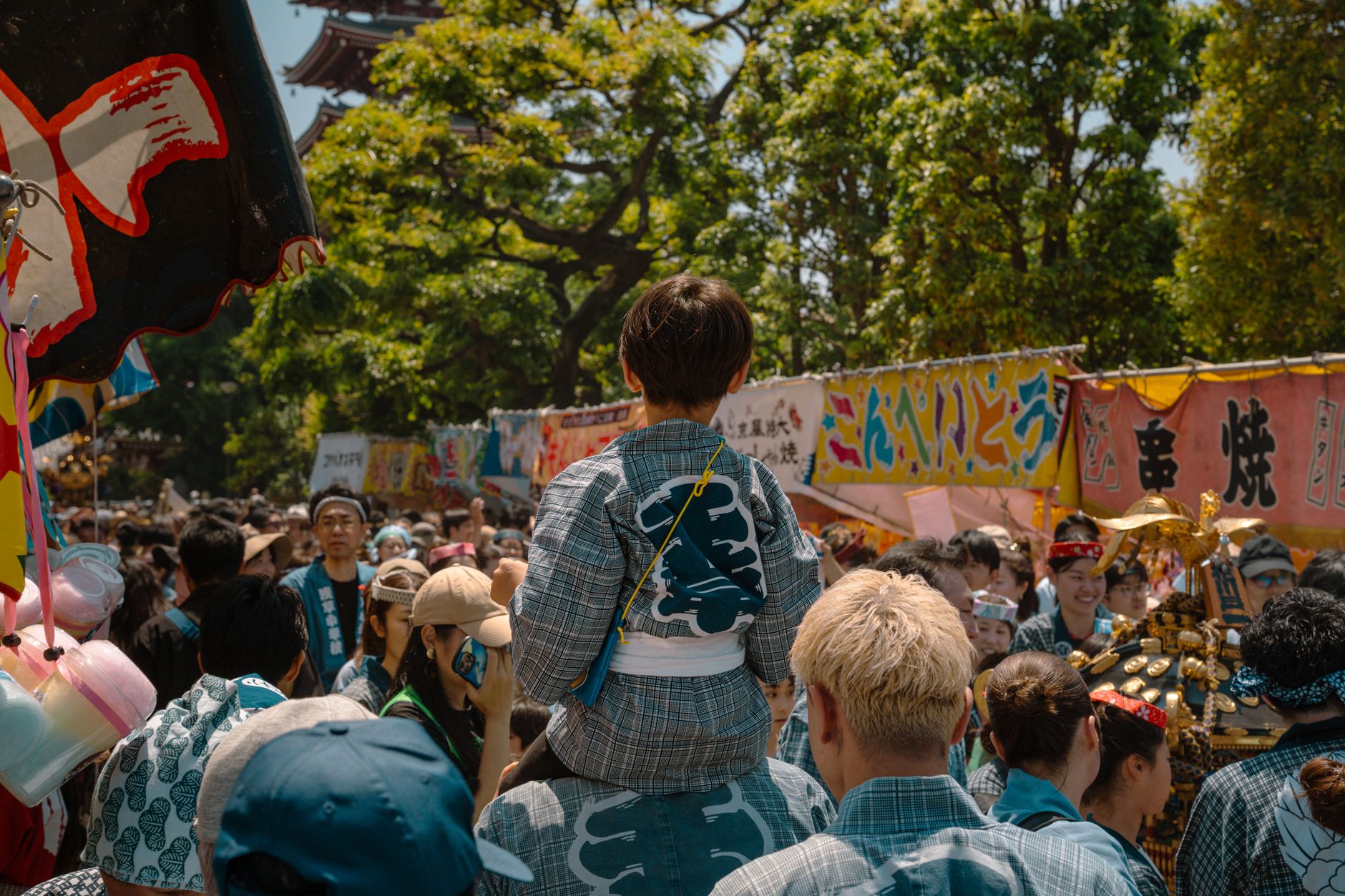
Japan's summer is a symphony of sound and light, defined by its matsuri—festivals that ignite cities and towns with vibrant energy. While many envision bustling crowds, the true magic often lies in the quieter moments and the incredible, centuries-old stories woven into each tradition.
This summer, look beyond the main parade route and delve into the surprising origins of Japan's most captivating festivals. From ancient plague remedies to samurai horse races, these are the narratives most visitors never hear, offering a deeper connection to Japan's living heritage.
1. Kyoto's Gion: Plague's Ancient Remedy
Kyoto, Japan
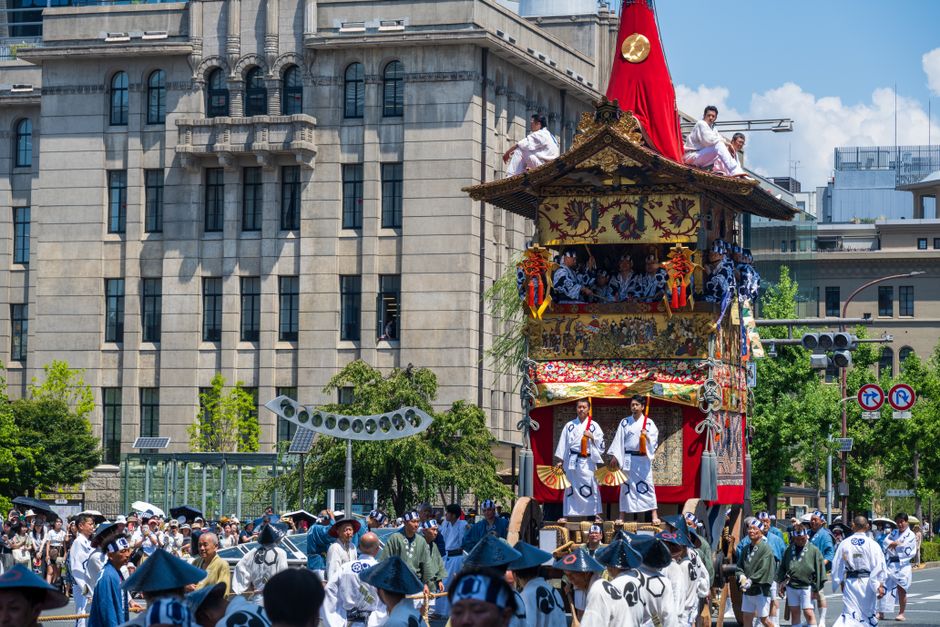
Kyoto's Gion Matsuri began not as a spectacle, but as a desperate plea to appease vengeful spirits during a devastating plague.
The grandeur of Gion Matsuri's towering floats, or *yamaboko*, belies its somber origins. In the 9th century, a severe plague gripped Kyoto. To combat it, rituals were performed at Gion Shrine, with 66 halberds (one for each province of Japan) erected to draw away the pestilence. While the main parade is iconic, the *yoiyama* evenings leading up to it offer a quieter, more reflective chance to admire the floats up close, understanding their profound historical purpose.
2. Aomori's Nebuta: Banishing Summer Slumber
Aomori, Japan
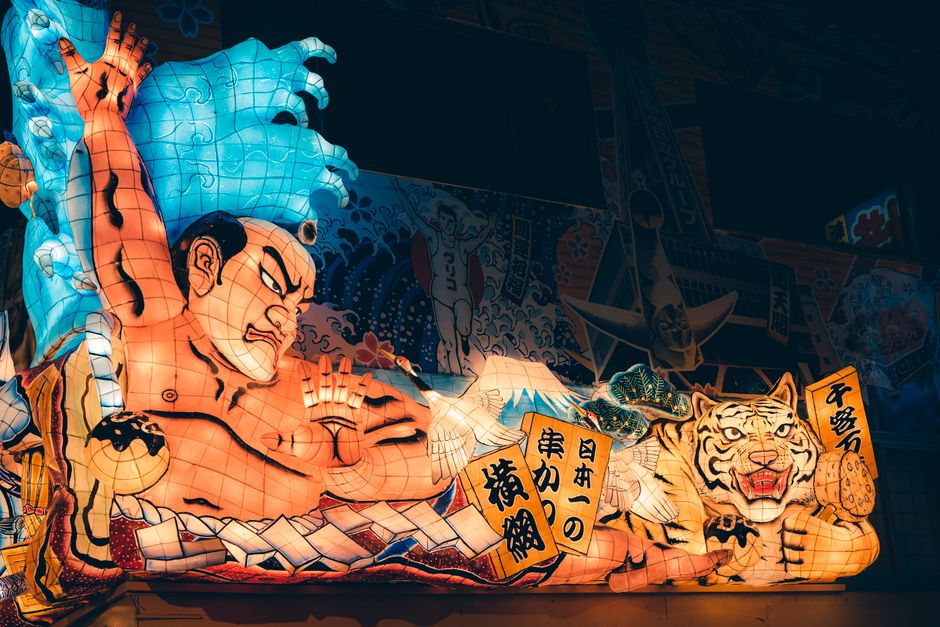
The luminous, dynamic floats of Aomori's Nebuta Matsuri are said to originate from an ancient ritual to banish summer sleepiness.
While often associated with brave warriors and mythical figures, the true root of Nebuta Matsuri is believed to be *nemuri流し* (nemuri nagashi), a ritual to wash away drowsiness. In ancient times, people would float lanterns down rivers or into the sea, praying to dispel the lethargy that the summer heat brought, ensuring productivity for the harvest. The giant paper floats, illuminated from within, are a dramatic evolution of this plea, making the entire city a vibrant, moving art installation.
3. Tokushima Awa Odori: Lord's Castle, People's Dance
Tokushima, Japan
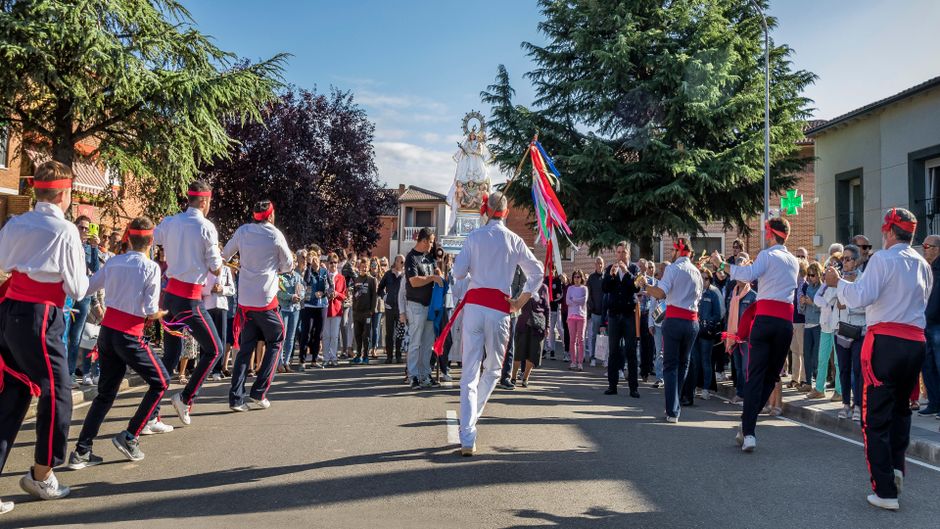
Tokushima's Awa Odori, one of Japan's largest dance festivals, was born from a feudal lord's celebration of his newly built castle.
The infectious rhythm of "Yattosa! Yattosa!" filling the streets of Tokushima traces back to 1587, when Hachisuka Iemasa, the newly appointed lord of Awa Province, celebrated the completion of Tokushima Castle. He encouraged his people to drink and dance freely, leading to a spontaneous, joyous outpouring. Today, *ren* (dance groups) fill the streets, their movements a mix of structured tradition and unbridled exuberance, inviting everyone to join in the "fool's dance" (*Aho Odori*).
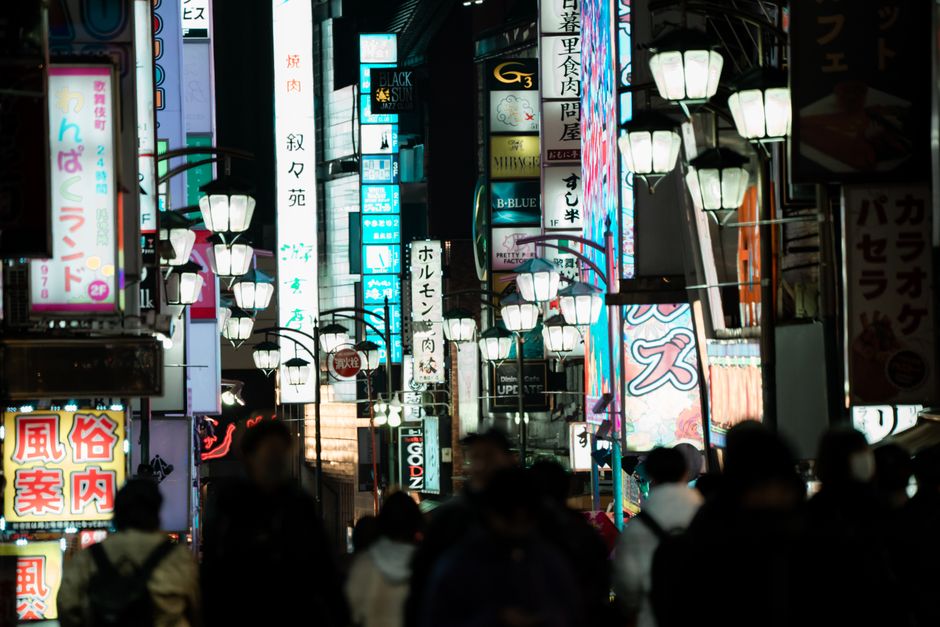
4. Akita Kanto: Balancing Bountiful Harvests
Akita, Japan
Akita's Kanto Matsuri is a breathtaking display of skill, where performers balance towering bamboo poles adorned with lanterns as a prayer for a rich harvest.
More than just a spectacle of balance, the Kanto Matsuri symbolizes an ancient agricultural ritual. The *kanto* poles, resembling ears of rice, are raised and skillfully manipulated by performers who balance them on their foreheads, shoulders, or hips. This act, traditionally performed during the summer *Obon* period, is a powerful prayer for an abundant harvest and the warding off of evil spirits. The sight of hundreds of glowing lanterns swaying against the night sky is both mesmerizing and deeply spiritual.
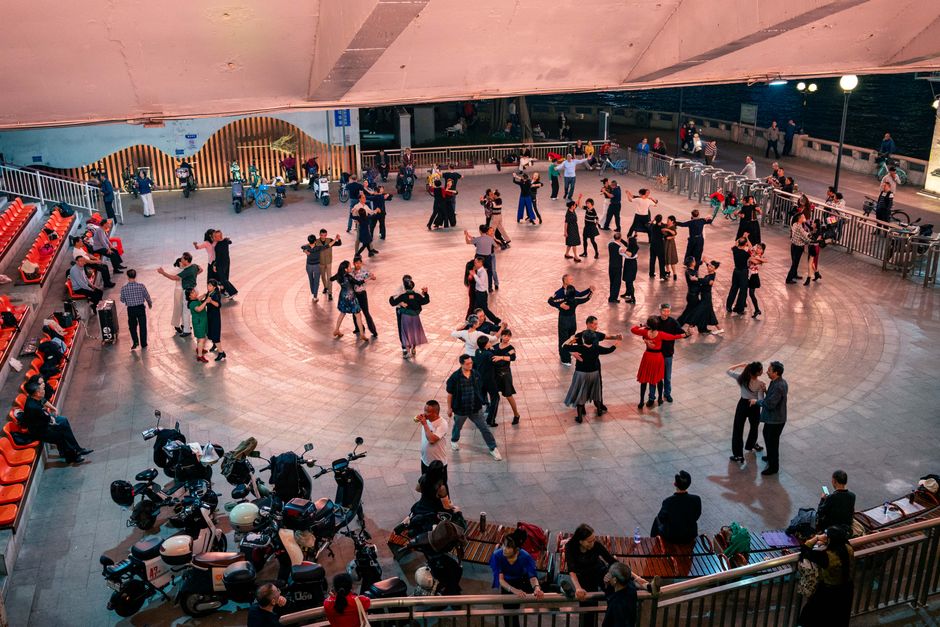
5. Gujo Odori: Dancing Through the Summer Night
Gujo Hachiman, Gifu, Japan
In Gujo Hachiman, Gifu, the Gujo Odori is not just a performance; it's an all-night, town-wide dance party that historically dissolved social barriers.
Unique among *bon* dances, Gujo Odori runs for over 30 nights during the summer, with four of those nights lasting from dusk until dawn. Its origins in the Edo period were encouraged by feudal lords to foster unity among the samurai, merchants, and farmers. Everyone, regardless of social status, was encouraged to join the circle. This spirit of inclusion persists, making it one of Japan's most accessible and authentic folk dances where visitors can easily learn the steps and dance alongside locals until the sun rises.
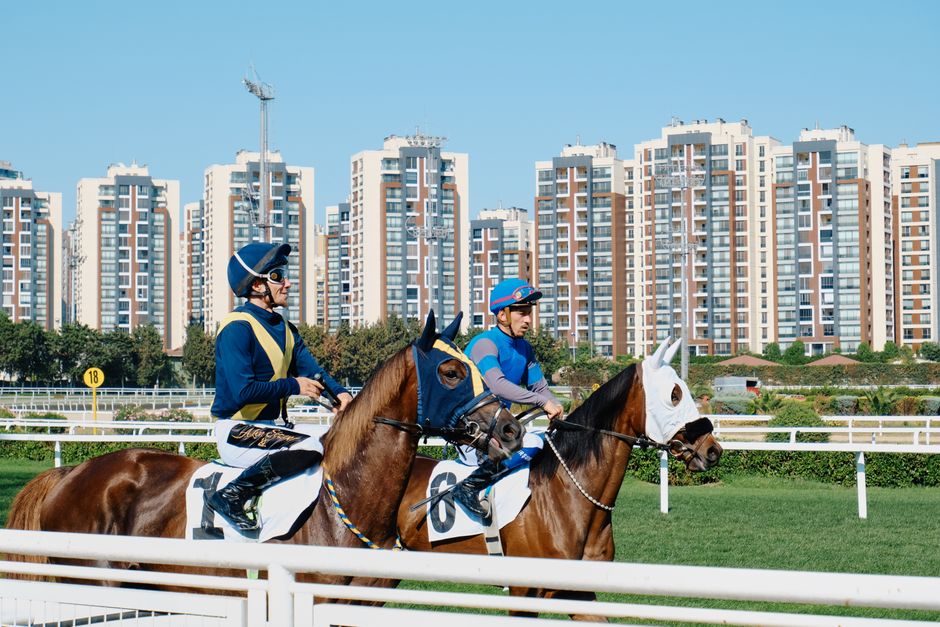
6. Soma Nomaoi: Samurai's Gallop Across Centuries
Fukushima, Japan
Fukushima's Soma Nomaoi is an extraordinary 1,000-year-old equestrian festival where hundreds of armored samurai ride in a thrilling, ancient display.
Far from a typical summer festival, Soma Nomaoi is a living testament to Japan's samurai heritage. Originating from military exercises ordered by Taira no Kojiro Masakado a millennium ago, it evolved into a Shinto ritual. Today, over 400 riders, clad in full samurai armor and family banners fluttering, compete in horse races and a dramatic wild horse chase, culminating in the capture of a sacred flag. It offers a rare glimpse into a warrior culture preserved with stunning authenticity.
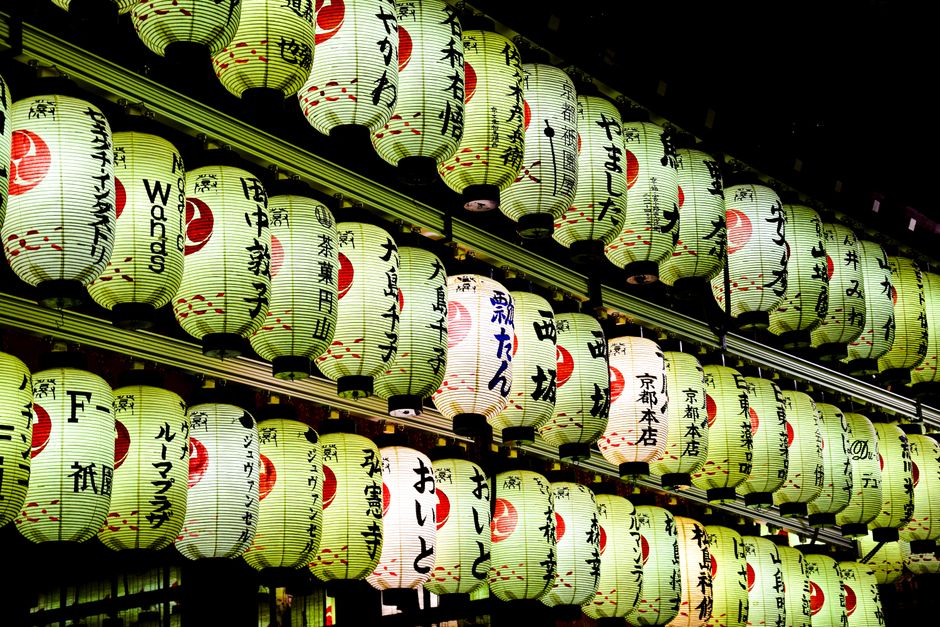
7. Daimonji Okuribi: Guiding Spirits with Sacred Fires
Kyoto, Japan
Kyoto's Daimonji Gozan Okuribi is a profoundly spiritual event where five giant bonfires are lit on mountainsides to guide ancestral spirits back to the afterlife.
As the *Obon* season concludes, Kyoto observes the silent, awe-inspiring ritual of Daimonji. Five giant characters and symbols, including the iconic "大" (dai, meaning "great"), are meticulously formed on five different mountains surrounding the city and set ablaze. This isn't a boisterous celebration but a solemn, collective act of farewell, believed to illuminate the path for ancestral spirits returning to the spirit world. Viewing it from a quiet spot along the Kamo River offers a deeply moving, reflective experience.
Frequently asked questions
When is the best time to visit Japan for summer festivals?
Japan's summer festival season generally runs from mid-July through August, with some events extending into early September. The specific timing varies by festival, so it's best to check individual festival dates well in advance of your trip.
How can I experience these festivals without the largest crowds?
Many major festivals, like Kyoto's Gion Matsuri, have pre-festival events (*yoiyama*) or quieter viewing spots for parades. For participatory dances like Gujo Odori or Awa Odori, joining in can be a more immersive experience than just observing from the sidelines. Researching less-known local festivals or specific viewing strategies can also help.
Do I need special tickets or reservations for summer festivals in Japan?
Most street festivals in Japan are free to attend and open to the public. However, for certain parades, reserved seating areas may be available for purchase. If you plan to stay overnight in a festival town, booking accommodation far in advance is highly recommended as rooms fill up quickly.
How can AllTours.ai enhance my festival experience?
AllTours.ai allows you to point your phone camera at a landmark or even a festival scene, and it will narrate its history, geology, and culture in your language. Imagine understanding the ancient origins of a matsuri float or the significance of a dance move in real-time, providing a deeper, more personal connection to Japan's vibrant summer traditions.
Related guides
Photography via Pexels. AllTours.ai is an AI audio tour guide — point your camera at any landscape and hear its story.