July 5, 2026 · 4 min read
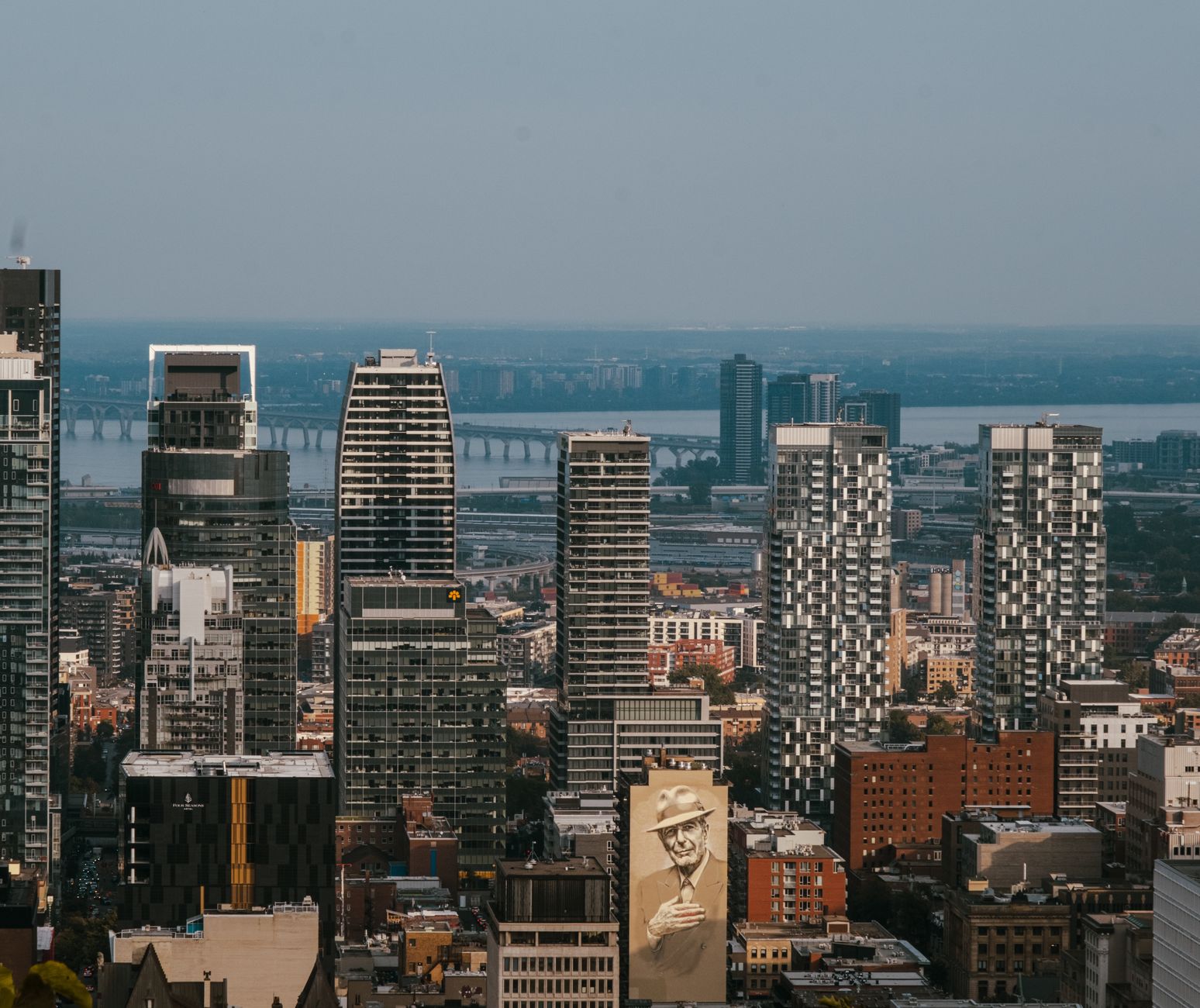
The question, "What is your opinion on Montreal and Toronto? Which city do you think is more boring and why?" often sparks lively debate. Both cities are Canadian titans, vibrant and unique, yet sometimes visitors stick to the well-trodden paths, missing the layers of history and quirk that truly define them.
To call either city boring would be to overlook a wealth of fascinating, lesser-known spots. We're diving beyond the postcard views to reveal the genuinely surprising stories and hidden corners that make Montreal and Toronto anything but dull.
1. The Palace of Purification
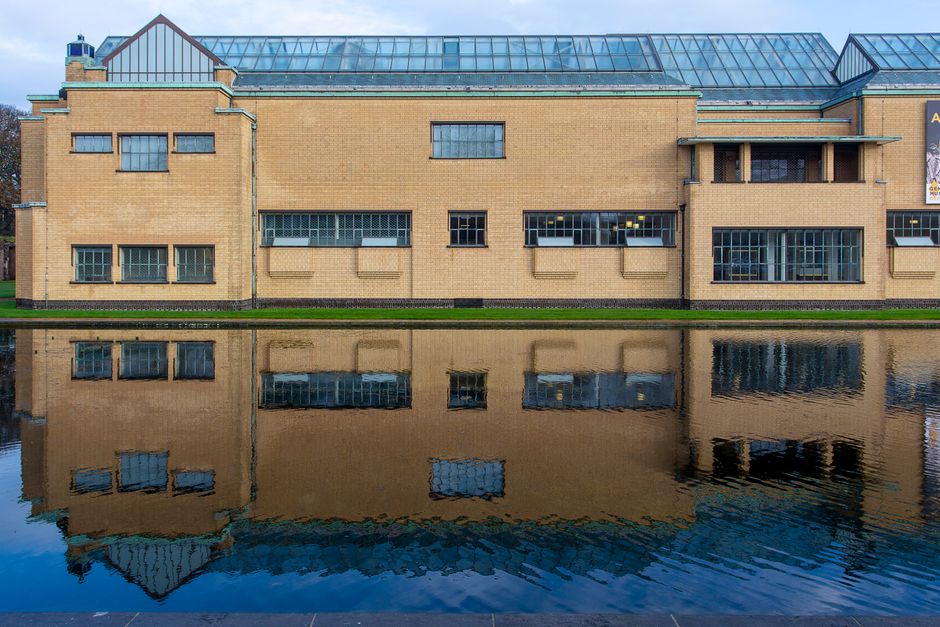
R.C. Harris Water Treatment Plant, Toronto, Canada
This functional water treatment plant on Lake Ontario is a stunning example of Art Deco architecture, often mistaken for a grand public building or a forgotten palace.
Built during the Great Depression, the R.C. Harris Water Treatment Plant was designed not just for utility but for beauty. Its striking Art Deco design, complete with intricate brickwork, towering smokestacks, and ornate details, earned it the nickname 'The Palace of Purification.' It stands as a testament to the era's belief that public infrastructure could also be public art, delivering clean water to millions while captivating onlookers with its unexpected grandeur.
2. Montreal's First Hospital
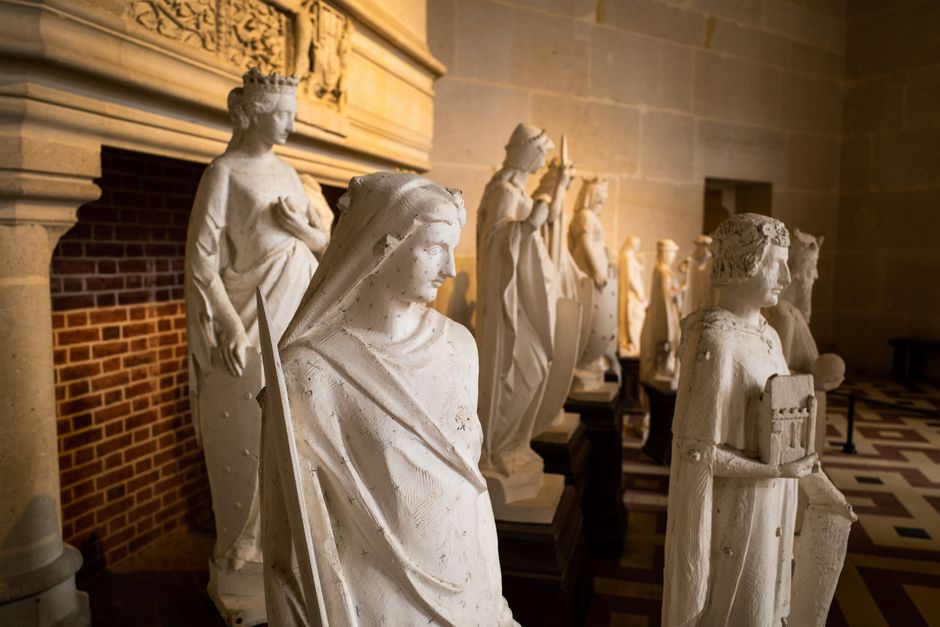
Musée des Hospitalières de l'Hôtel-Dieu de Montréal, Montreal, Canada
Tucked beside a modern medical center, this museum tells the remarkable story of Montreal's very first hospital, founded by a fearless nun in 1642.
Jeanne Mance, a lay nurse, established Hôtel-Dieu de Montréal just a year after the city's founding, battling harsh conditions and disease to care for early settlers and Indigenous peoples. The museum now occupies a building from 1861, preserving artifacts, medical instruments, and stories from nearly four centuries of continuous care. It offers a poignant look at the resilience and ingenuity that laid the foundation for healthcare in New France, often overlooked by those visiting the more famous Old Montreal attractions.
3. The Architectural Graveyard
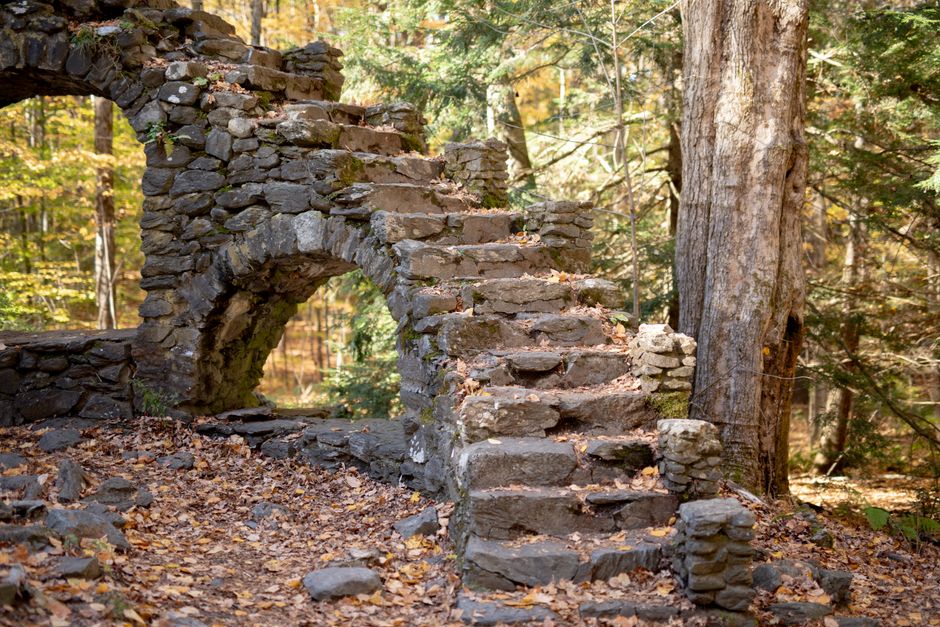
Guild Park and Gardens, Toronto, Canada
This tranquil park acts as an open-air museum, preserving stone fragments and entire façades salvaged from Toronto's demolished historic buildings.
After the Guild of All Arts closed, its property became Guild Park, where sculptures and architectural remnants from Toronto's past were thoughtfully reassembled. Visitors discover a Romanesque arch from the old Bank of Toronto, columns from the city's first post office, and even an entire façade from a former downtown office building. It’s a fascinating, almost surreal experience, walking among these ghosts of Toronto's architectural history, each piece telling a silent story of urban change and preservation.
4. The Mummy's Montreal Home
Redpath Museum, Montreal, Canada
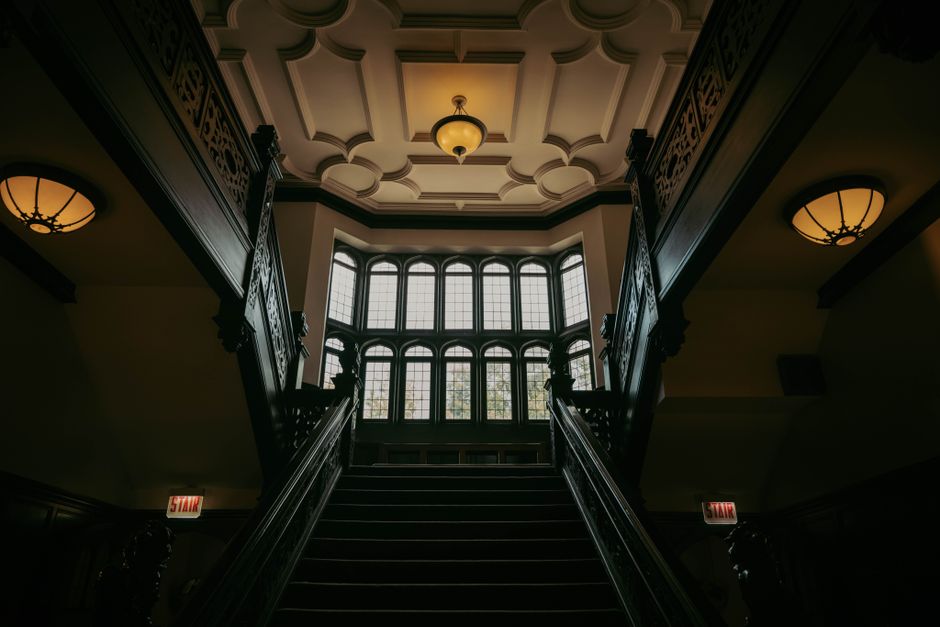
This Victorian natural history museum at McGill University houses not only dinosaur skeletons but also a genuine ancient Egyptian mummy, a resident since 1895.
The Redpath Museum, opened in 1882, is a relic in itself, with its grand, high-ceilinged galleries and original display cases. Among its diverse collections—from minerals and fossils to taxidermy—lies a surprisingly well-preserved Egyptian mummy. This individual, a priestess named Nakht, has silently observed over a century of academic life in Montreal, connecting visitors to a world thousands of years and miles away, far from the typical tourist circuits of the city.
5. Famine Memorial by the Lake
Ireland Park, Toronto, Canada
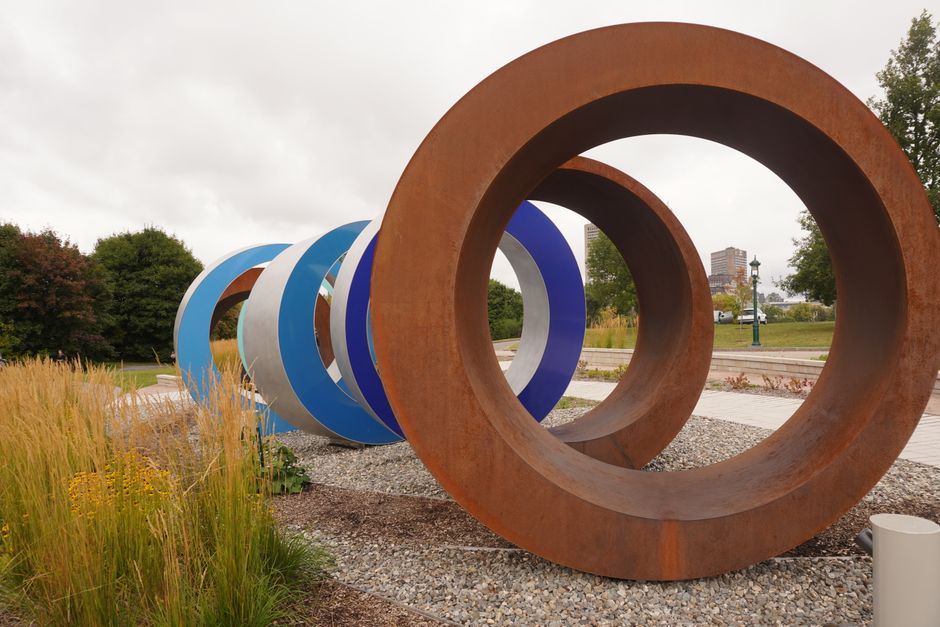
This poignant memorial along Toronto's waterfront commemorates the 38,000 Irish Famine refugees who arrived in the city in 1847, a pivotal moment in its history.
Ireland Park features striking bronze sculptures by Rowan Gillespie, depicting gaunt figures arriving on Canadian shores, embodying the suffering and hope of those who fled the Great Famine. The park faces out to Lake Ontario, symbolically looking towards the journey these immigrants undertook. It's a solemn space that highlights a significant, often overlooked, chapter of Toronto's past, revealing the city's deep connections to global events and its role as a haven for newcomers.
6. The Square of Grand Reservoirs
Saint-Louis Square, Montreal, Canada
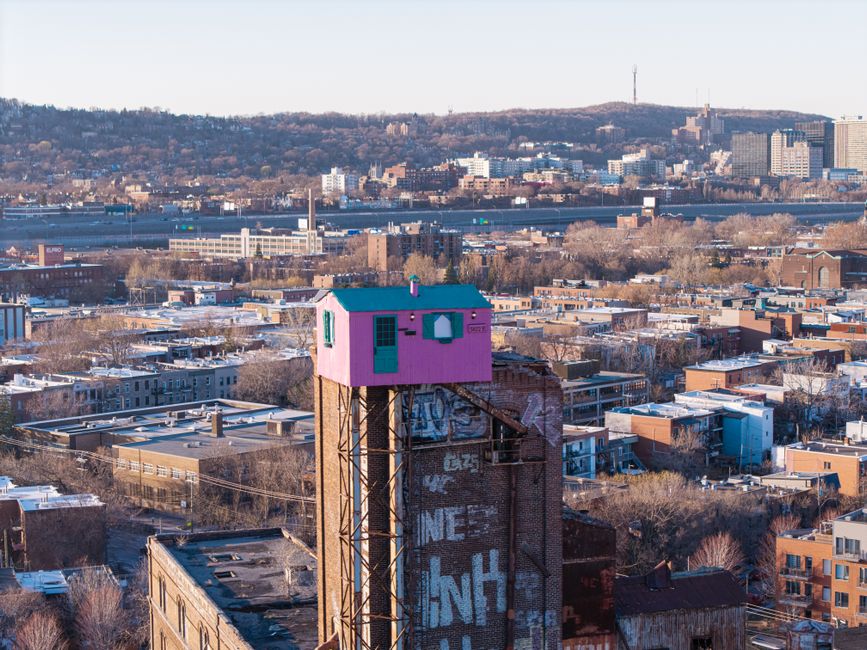
Once the site of Montreal's primary water reservoirs, this picturesque square is now lined with some of the city's most beautifully preserved Victorian homes.
Saint-Louis Square transitioned from vital public infrastructure to a residential oasis in the late 19th century. Its central fountain and mature trees create a serene atmosphere, but the real draw is the row of elegant, colourful Victorian houses that surround it. These homes, built for Montreal's Francophone bourgeoisie, showcase distinctive architectural styles and intricate details, offering a glimpse into the city's affluent past away from the bustling commercial districts.
7. Tales of the Necropolis
Toronto Necropolis Cemetery, Toronto, Canada
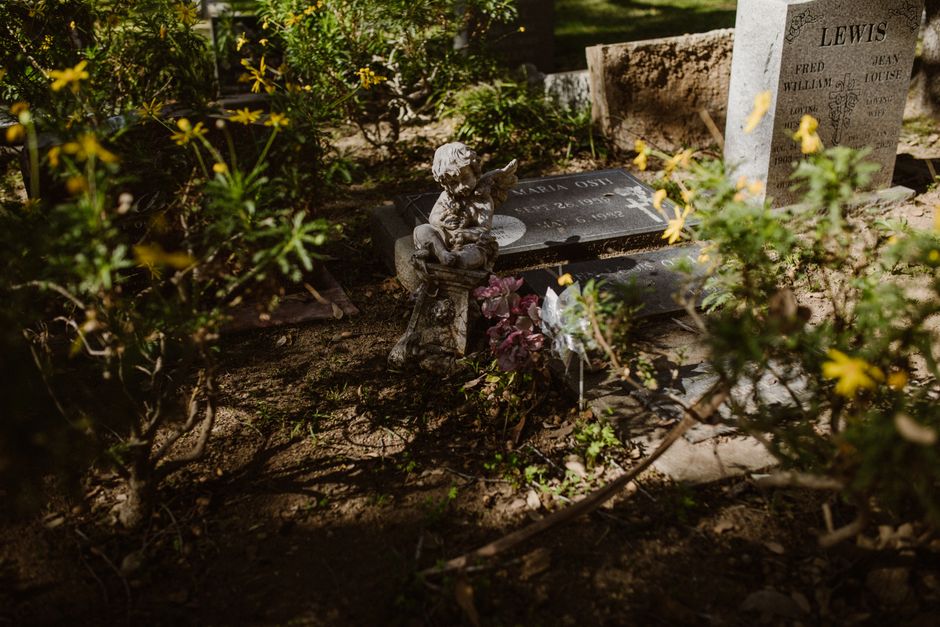
This historic Victorian garden cemetery is the final resting place for key figures in Canadian history, from rebels to Canada's first female doctor.
Established in 1850, the Toronto Necropolis is more than a burial ground; it's a beautifully landscaped park and an outdoor museum of Victorian mourning art. Here, visitors can find the graves of William Lyon Mackenzie, leader of the 1837 Upper Canada Rebellion, and Dr. Emily Howard Stowe, Canada's first female physician. The elaborate monuments and peaceful paths offer a quiet reflection on Toronto's past and the lives that shaped it, revealing stories often missed in the city's faster-paced attractions.
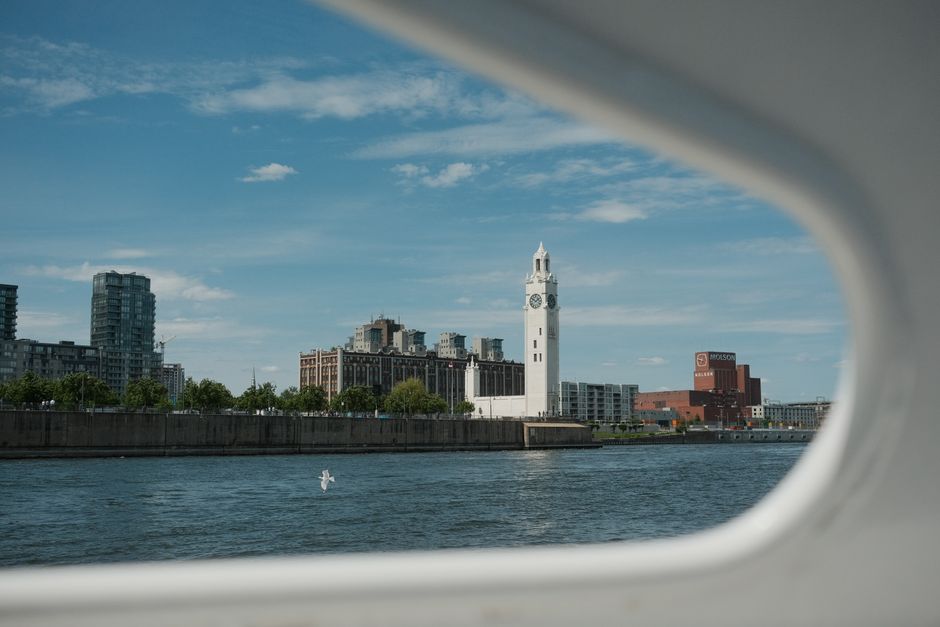
8. Lachine Canal's Industrial Ghosts
Lachine Canal National Historic Site, Montreal, Canada
This tranquil urban park traces the path of a canal that once fueled Montreal's industrial might, now revealing fascinating remnants of its past through lock houses and old factories.
The Lachine Canal, completed in 1825, was a vital artery that allowed ships to bypass the Lachine Rapids, transforming Montreal into a major port and industrial hub. Today, while barges are gone, the canal's banks are a park, but remnants of its industrial past are everywhere: old factories repurposed, the original lock mechanisms, and historic bridges. It's a unique blend of nature and history, telling the story of Montreal's economic engine and its eventual transformation into a green space.
Frequently asked questions
Is Montreal or Toronto better for history buffs?
Both cities offer rich historical narratives, but they focus on different eras. Montreal, with its French colonial roots, has a deeper pre-Confederation history, evident in its architecture and cultural institutions. Toronto's history largely kicks off with British settlement and its role in Canada's industrial and economic development. Exploring both offers a comprehensive view of Canadian heritage.
Which city is better for unique architecture?
Montreal is famous for its charming Old Montreal, with European-inspired stone buildings and distinctive residential styles like the 'triplex.' Toronto boasts a fascinating mix, from Victorian homes and Art Deco marvels to cutting-edge contemporary skyscrapers and repurposed industrial spaces. Each city presents its own unique architectural tapestry.
What's the best time of year to visit Montreal and Toronto?
Summer (June to August) is popular for both cities due to warm weather and numerous festivals, though it can be crowded. Spring (April-May) and Fall (September-October) offer pleasant temperatures, fewer tourists, and beautiful foliage, making them ideal for exploring the cities on foot and discovering their hidden gems.
How can AllTours.ai help me discover these hidden gems?
AllTours.ai uses your phone's camera to identify landmarks, landscapes, and even obscure points of interest. Simply point your camera, and the app will narrate its history, geology, and culture in your preferred language, revealing the surprising stories behind places you might otherwise walk right past.
Related guides
Photography via Pexels. AllTours.ai is an AI audio tour guide — point your camera at any landscape and hear its story.