June 29, 2026 · 4 min read
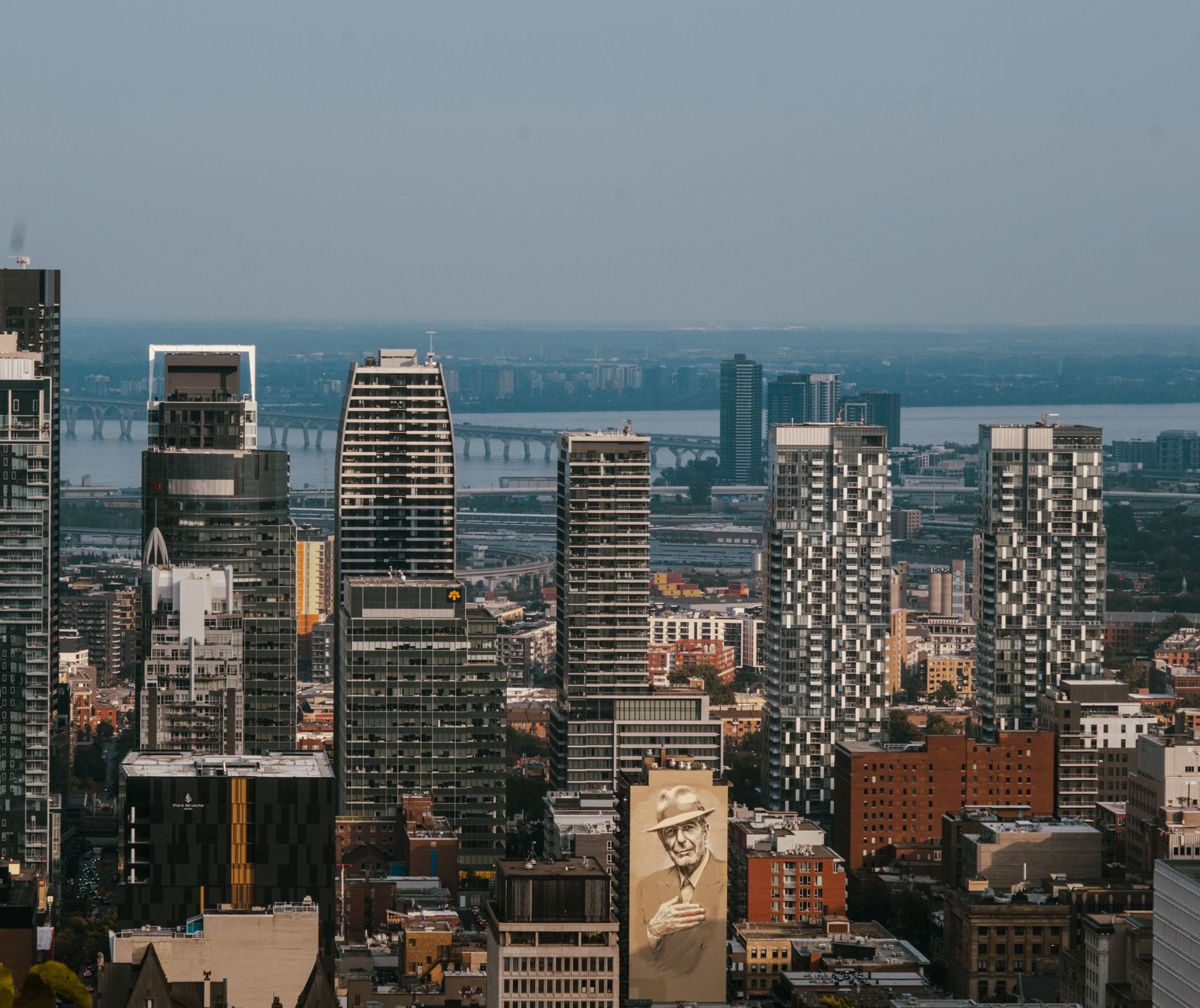
The age-old Canadian debate: Montreal or Toronto? If you could only pick one to live in, the choice can feel monumental. Both are vibrant, diverse metropolises, but their souls are distinctly different, shaped by centuries of unique histories and cultures.
Beyond the iconic landmarks and well-trodden paths, each city guards a wealth of lesser-known stories, places that truly define their character. To help you decide, we've unearthed some of these hidden gems, revealing the surprising narratives that make each city undeniably unique.
1. The Canal That Built a Nation
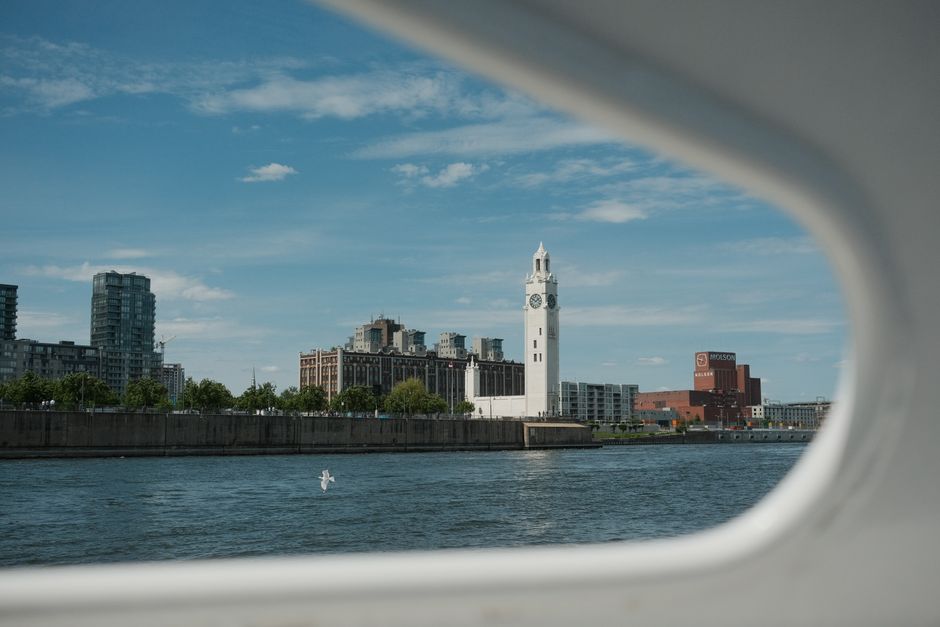
Lachine Canal National Historic Site, Montreal, Canada
Once the industrial heartland of Canada, this canal was home to pioneering hydro-electric power and a vibrant working-class community that shaped the nation.
Far from a quiet waterway, the Lachine Canal was a bustling artery of industry. It was here that some of Canada's first factories harnessed water power, including early industrial-scale hydro-electric plants. The canal banks teemed with immigrant workers, forming diverse communities whose struggles and innovations laid the groundwork for modern Canada.
2. From Reservoir to Bohemian Rhapsody
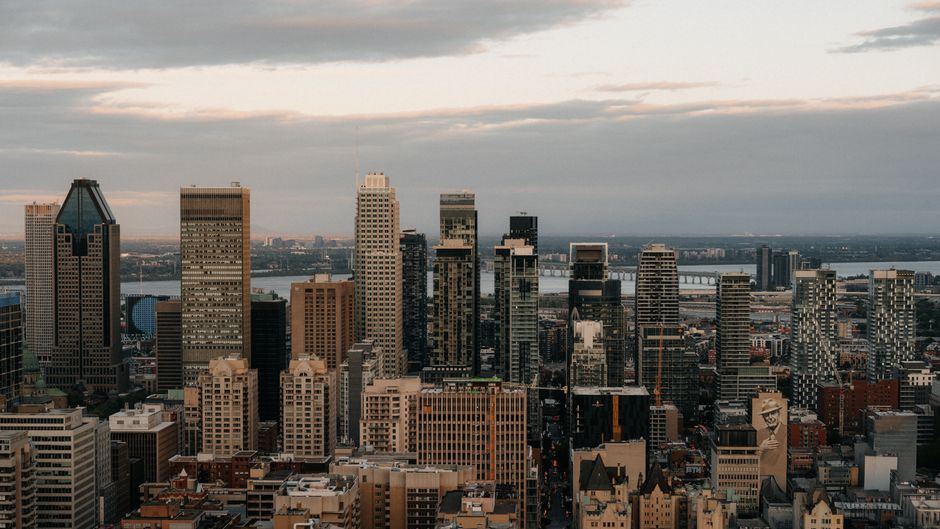
Carré Saint-Louis, Montreal, Canada
This elegant Victorian square was once a vital city reservoir, its waters powering Montreal before it transformed into a bohemian haven for artists and writers.
Before its current charm, Carré Saint-Louis was a functional water basin supplying Montreal. When the city upgraded its water system, the reservoir was drained and replaced by a picturesque public square. Grand Victorian homes sprang up around it, attracting intellectuals, poets, and painters, making it a hotbed of artistic and political thought throughout the 20th century.
3. A Palace for the People
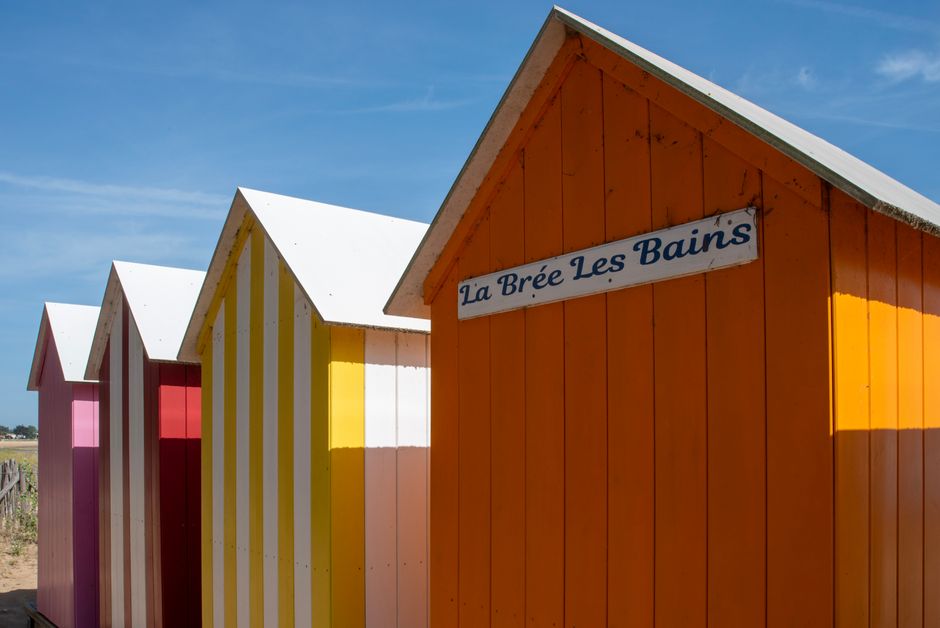
Bain Généreux, Montreal, Canada
An opulent, Roman-inspired public bathhouse, built to uplift and bathe the working class in an ambitious 'city within a city' vision.
In the early 20th century, the city of Maisonneuve (now part of Hochelaga-Maisonneuve) embarked on an ambitious civic building program. Bain Généreux, opened in 1927, was a jewel in this crown – a lavish public bath designed to offer hygiene and recreation to residents without indoor plumbing. Its soaring ceilings, intricate tiling, and grand architecture reflect a progressive era's belief in public amenities as a source of community pride.
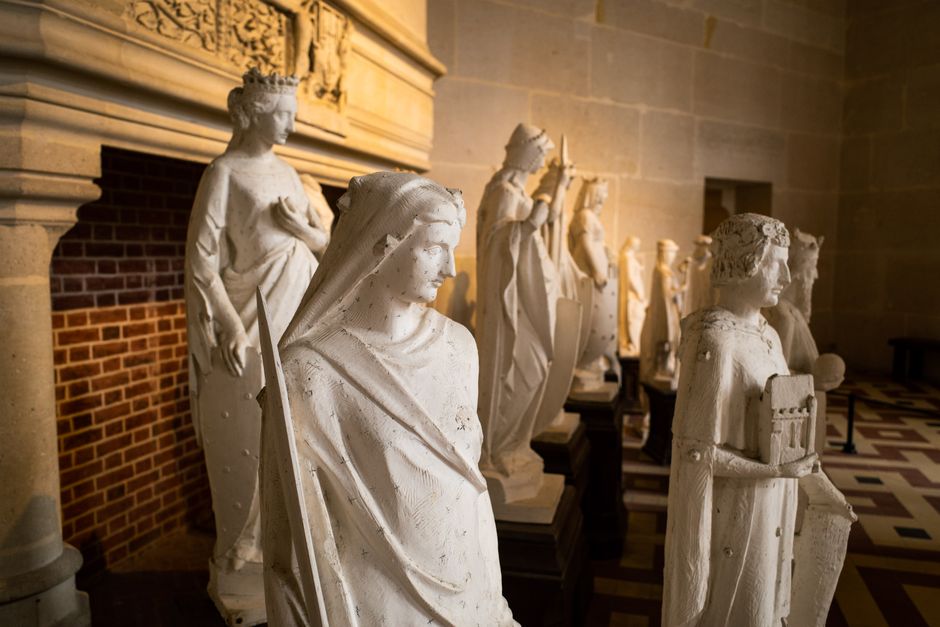
4. The Cradle of Canadian Healthcare
Musée des Hospitalières de l'Hôtel-Dieu de Montréal, Montreal, Canada
Home to Canada's first hospital, this site was founded by a pioneering French nun and has continuously cared for the sick for centuries, even housing a crypt.
Jeanne Mance, a courageous French laywoman, founded Hôtel-Dieu in 1642, making it the first hospital in North America. The museum preserves the rich history of the Hospitalières de Saint-Joseph, the nursing order that ran it. Visitors can explore ancient medical instruments, the nuns' living quarters, and even discover a crypt containing the remains of early founders, a testament to unwavering dedication.
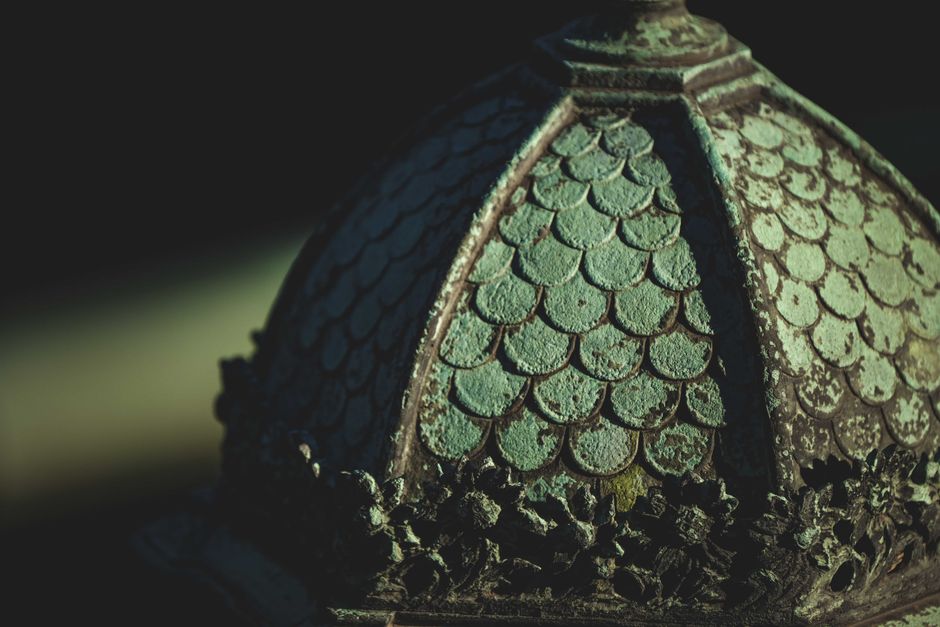
5. Toronto's Lost Architectural Treasures
Guild Park and Gardens, Scarborough, Canada
This unique park is an outdoor museum of Toronto's lost architectural heritage, featuring salvaged fragments from grand buildings demolished over decades.
Perched on the Scarborough Bluffs, Guild Park is a remarkable repository of Toronto's past. When historic buildings were torn down, the Guild of All Arts rescued their decorative elements – facades, archways, columns – and repurposed them into a whimsical sculpture garden. Walking through it feels like wandering through a ghost city, each stone telling a silent story of a Toronto that once was.
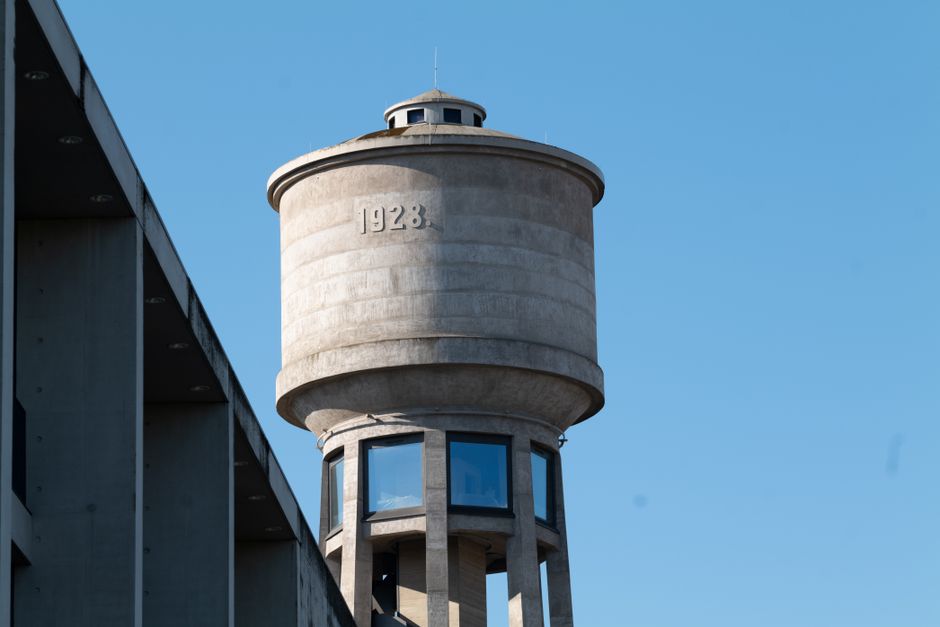
6. The Palace of Purification
R.C. Harris Water Treatment Plant, Toronto, Canada
A stunning Art Deco masterpiece, this operational water treatment plant was built during the Great Depression with a no-expense-spared aesthetic, providing beauty alongside vital public service.
Often called 'The Palace of Purification,' the R.C. Harris Water Treatment Plant stands as a monument to public works and Art Deco design. Completed in 1941, its intricate brickwork, soaring smokestacks, and elegant interiors were designed to instill public confidence in the water supply during a time of economic hardship. It's an active industrial site that doubles as a breathtaking architectural landmark, proving that utility can be truly beautiful.

7. A Farm in the City's Heart
Riverdale Farm, Toronto, Canada
This working farm, nestled in a bustling downtown neighbourhood, sits on the very site of Toronto's original zoo, offering a surprising glimpse into the city's rural past.
Tucked away in Cabbagetown, Riverdale Farm offers a slice of rural life amidst urban sprawl. But its history is even richer: it occupies the former grounds of the Riverdale Zoo, Toronto's first zoological garden which operated from 1894 to 1974. Today, visitors can interact with traditional farm animals and explore historic buildings, connecting with a quiet agricultural legacy that persists against the backdrop of a modern city.
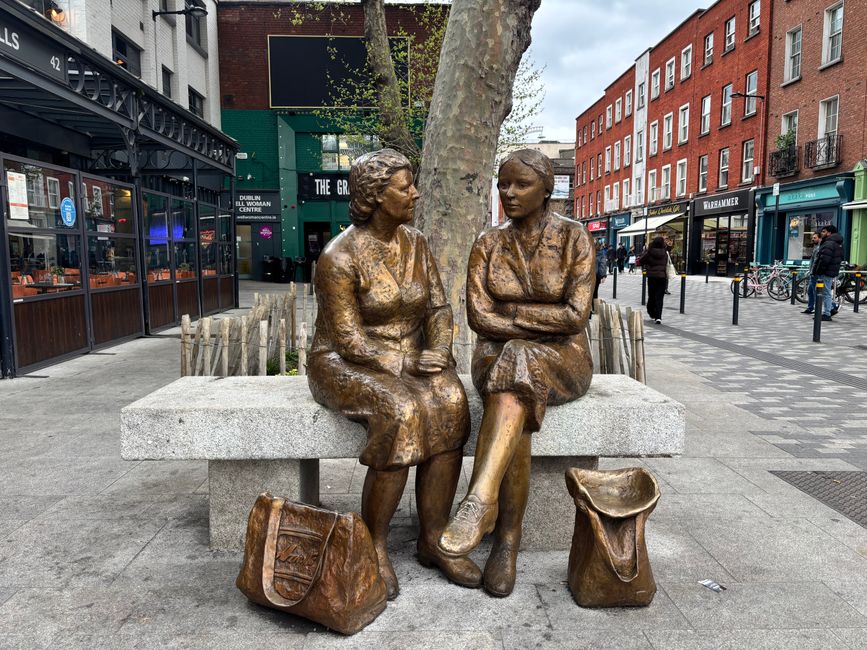
8. Echoes of the Famine Ships
Ireland Park, Toronto, Canada
A poignant memorial to the thousands of Irish famine immigrants who arrived in Toronto during the mid-19th century, many succumbing to disease shortly after arrival.
Ireland Park stands as a stark reminder of a tragic chapter in Toronto's history. Between 1847 and 1848, over 38,000 Irish immigrants, fleeing the Great Famine, arrived in Toronto, a city of only 20,000. Many were gravely ill with typhus and died shortly after disembarking. The park's stark, bronze figures, facing the lake, commemorate their struggle and the compassionate, yet overwhelmed, response of Toronto's citizens.
Frequently asked questions
Which city is better for job opportunities, Montreal or Toronto?
Toronto generally offers a broader range of job opportunities, particularly in finance, tech, and media, due to its status as Canada's economic hub. Montreal, while having a strong economy, excels in aerospace, gaming, AI, and creative industries, with a significant portion of jobs requiring French proficiency.
What's the cost of living difference between Montreal and Toronto?
Montreal is generally considered more affordable than Toronto, particularly concerning housing costs. While everyday expenses can be similar, rent and property prices in Toronto are significantly higher, making Montreal a more budget-friendly option for many.
Is it essential to speak French to live in Montreal?
While Montreal is predominantly French-speaking, especially in daily life and government services, a significant portion of its population is bilingual, and many people in service industries speak English. However, learning some French will greatly enhance your experience, integration, and job prospects.
How can AllTours.ai help me explore these cities?
AllTours.ai brings these hidden stories to life. Simply point your phone camera at any landmark or landscape, and the app will narrate its history, geology, and culture in your preferred language. It's like having a personal expert guide revealing the secrets of every corner you explore.
Related guides
Photography via Pexels. AllTours.ai is an AI audio tour guide — point your camera at any landscape and hear its story.