October 24, 2026 · 4 min read
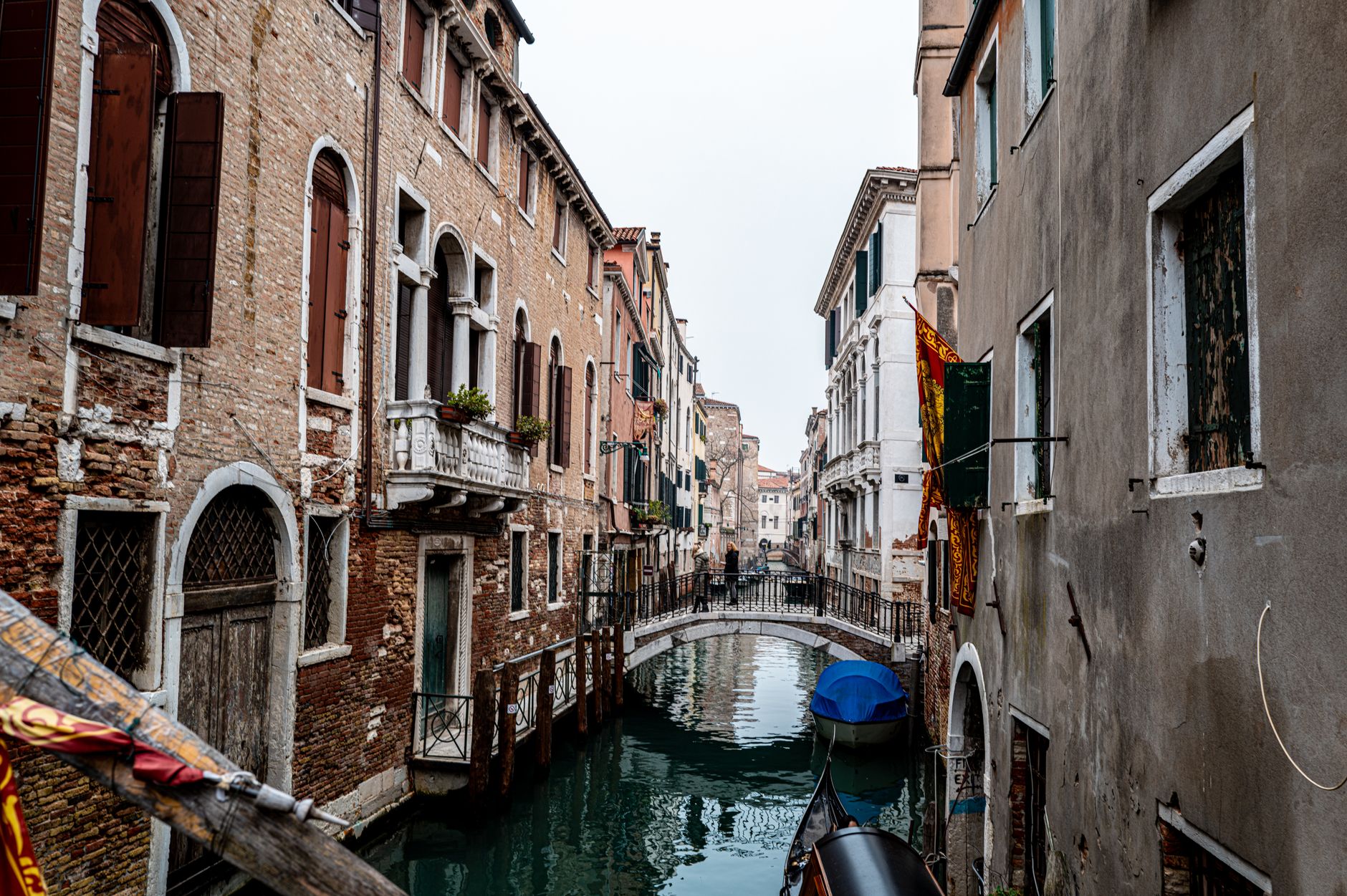
Venice. The name alone conjures images of majestic St. Mark's Square, the iconic Rialto Bridge, and serenading gondoliers. And while these sights are undeniably magnificent, they often come with a sea of fellow travelers, making an intimate encounter with the Floating City feel elusive.
But Venice has a quieter, more authentic soul waiting to be discovered. Venture beyond the well-trodden paths into lesser-known sestieri (districts) and you'll find a labyrinth of secret canals, peaceful campi (squares), and time-honored artisan workshops. This is where the true spirit of Venice, resilient and captivating, reveals itself.
1. The Gondola Workshop Hiding in Plain Sight
Squero di San Trovaso, Venice, Italy
This active gondola shipyard, nestled on a canal, remarkably resembles an Alpine chalet.
The Squero di San Trovaso is one of the very few remaining traditional boatyards where gondolas are still handcrafted and repaired. Its unique wooden architecture, distinct from typical Venetian buildings, is a nod to the carpenters' mountain origins. While not open for casual tours, you can observe the painstaking work of master artisans from across the canal, witnessing a centuries-old craft that keeps Venice's iconic boats afloat.
2. The Bookstore That Floats Its Inventory
Libreria Acqua Alta, Venice, Italy
This charming bookstore protects its precious volumes from Venice's frequent 'acqua alta' (high water) by storing them in bathtubs, gondolas, and even a full-size rowboat.
More than just a bookshop, Libreria Acqua Alta is an experience. Its quirky interior is a delightful maze of old and new books, stacked floor to ceiling and creatively protected from flooding. Visitors can wander through rooms filled with literary treasures, encounter resident cats, and even climb a staircase made entirely of old encyclopedias in the courtyard, offering views of a quiet canal.
3. Venice's First Ghetto: A Vertical City
Ghetto Ebraico, Cannaregio, Venice, Italy
The world's first Jewish Ghetto, established in Venice in 1516, forced its residents to build upwards, creating some of the city's tallest residential buildings.
Tucked away in the Cannaregio sestiere, the Jewish Ghetto is a profoundly significant historical area. Due to decrees limiting the size of the Jewish community to this small island, buildings grew unusually tall, sometimes reaching seven or eight stories, a rarity in Venice. Today, its quiet campi and narrow calli are home to ancient synagogues, kosher restaurants, and a museum, offering a poignant glimpse into a resilient community's history and culture.
4. The Original Cathedral on Its Own Island
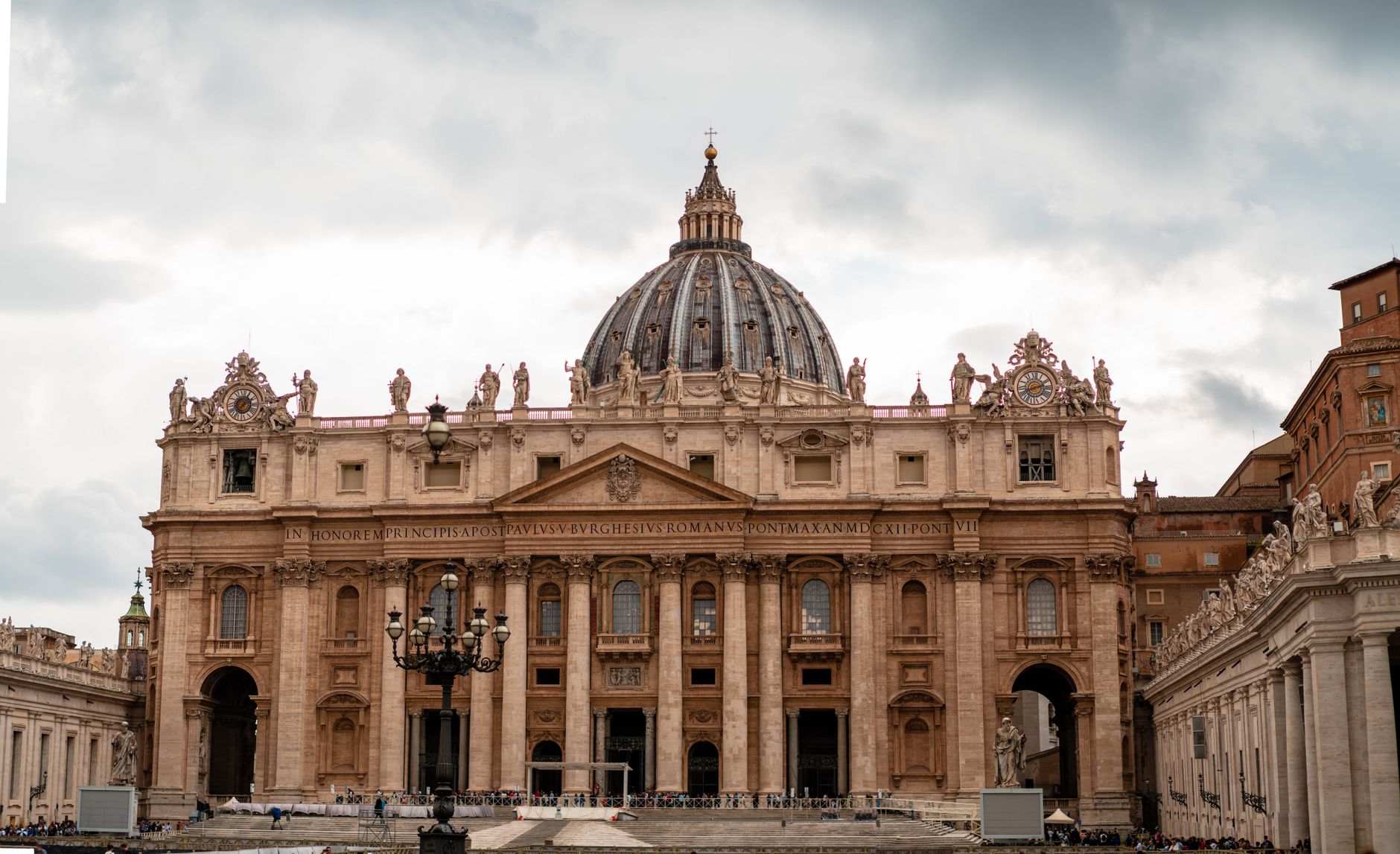
Basilica di San Pietro di Castello, Venice, Italy
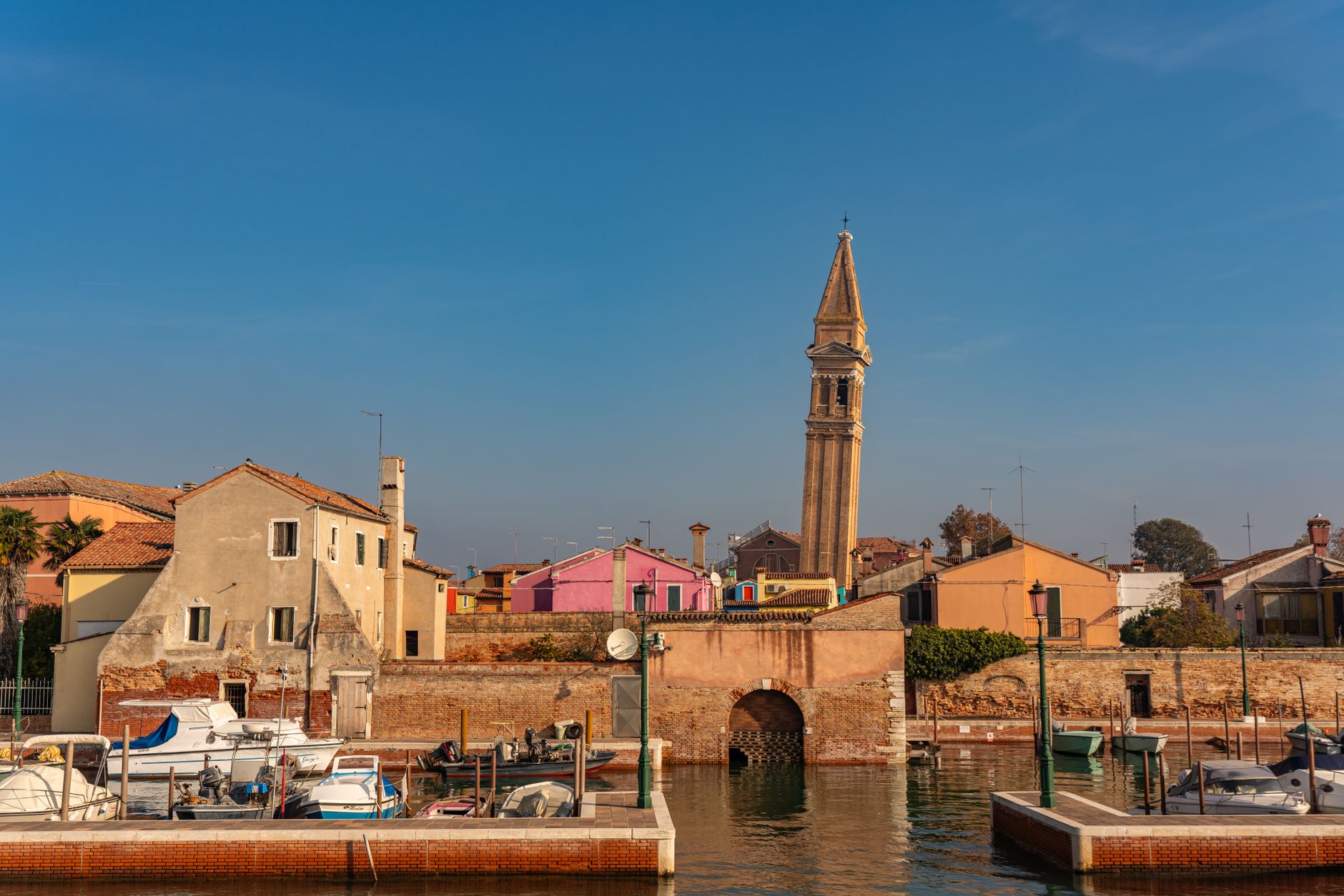
Before St. Mark's, this basilica on its own tranquil island was Venice's official cathedral for centuries.
Once the spiritual heart of Venice, San Pietro di Castello held the title of the city's cathedral from the 8th century until 1807. Located at the eastern edge of Castello, it offers a peaceful retreat from the bustling center. Its striking, leaning campanile and a unique throne made from an ancient Arab funeral stele are testaments to its long and varied history. The surrounding gardens and quiet lagoon views evoke a Venice of a bygone era.
5. The Lively Heart of Local Life
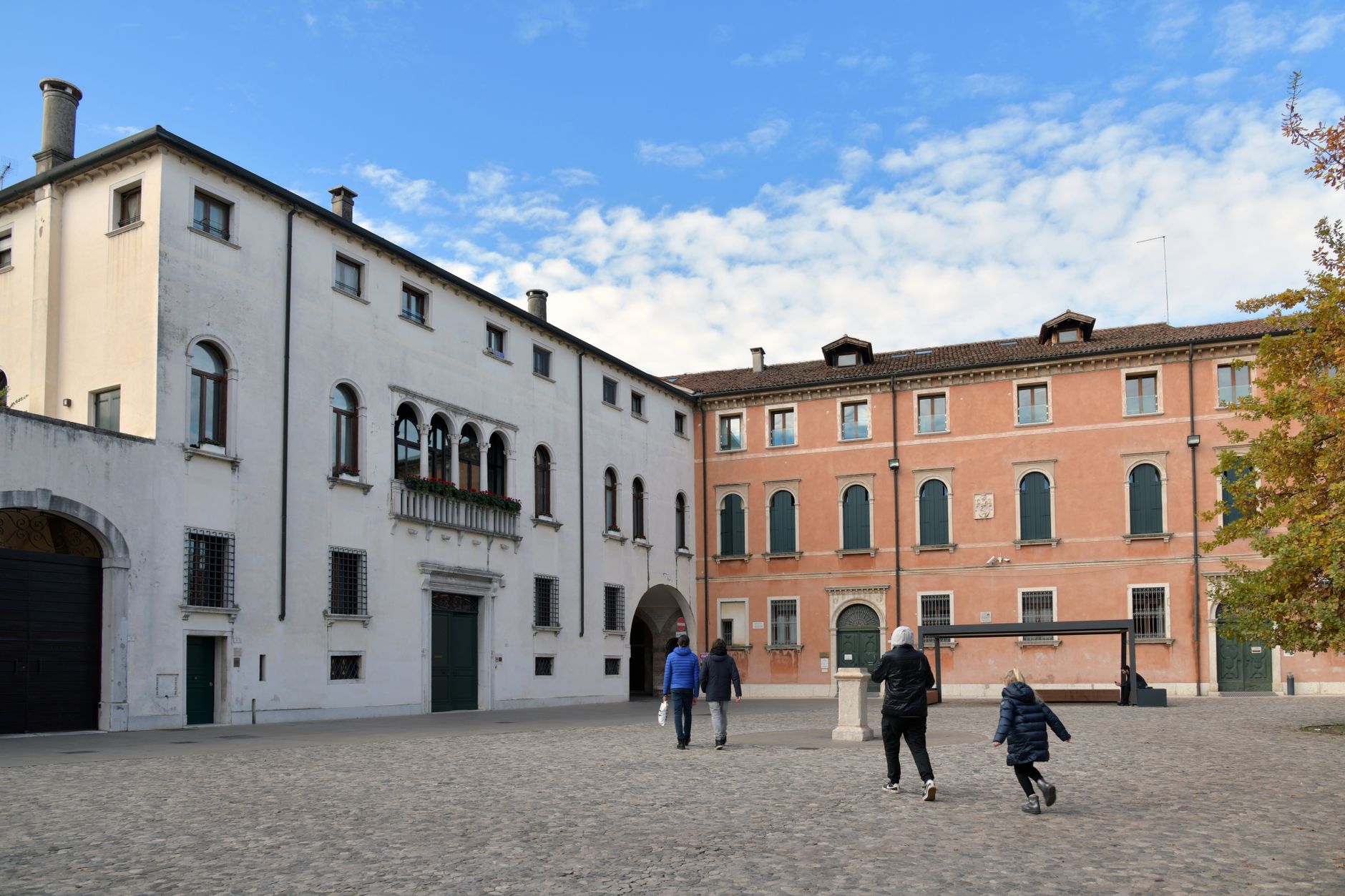
Campo San Giacomo dell'Orio, Venice, Italy
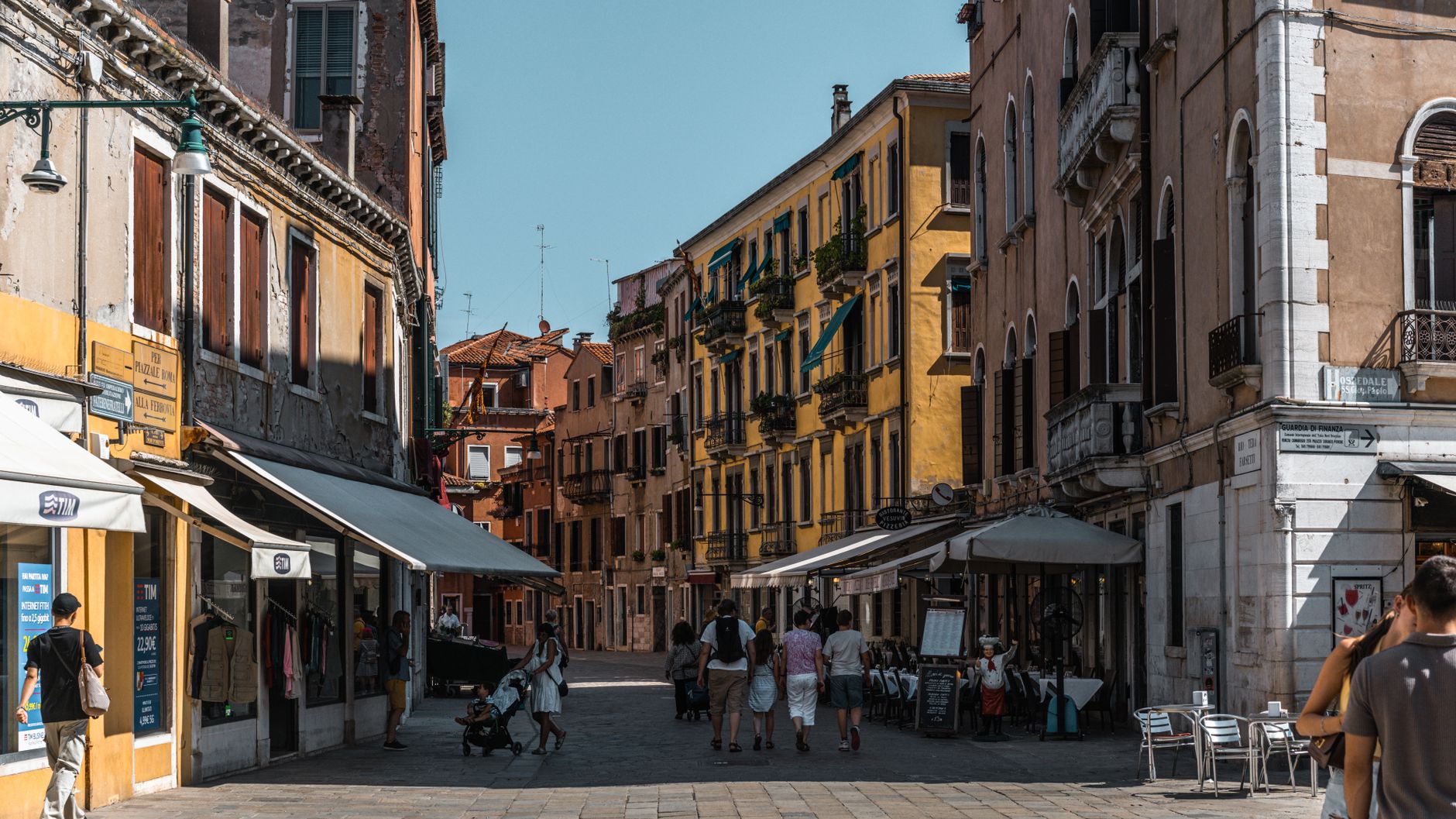
One of Venice's largest and most authentic squares, this 'campo' was once an orchard (hence 'dell'Orio', meaning 'of the orchard').
Far from the tourist routes, Campo San Giacomo dell'Orio in Santa Croce is a vibrant hub of local life. Children play football, elders chat on benches, and residents gather for coffee or cicchetti at its surrounding bars. The square is dominated by its ancient church, which dates back to the 9th century, featuring a ship's keel ceiling inside. This campo perfectly encapsulates the everyday rhythm and community spirit of Venice.
6. The Island of the Doge's Wine
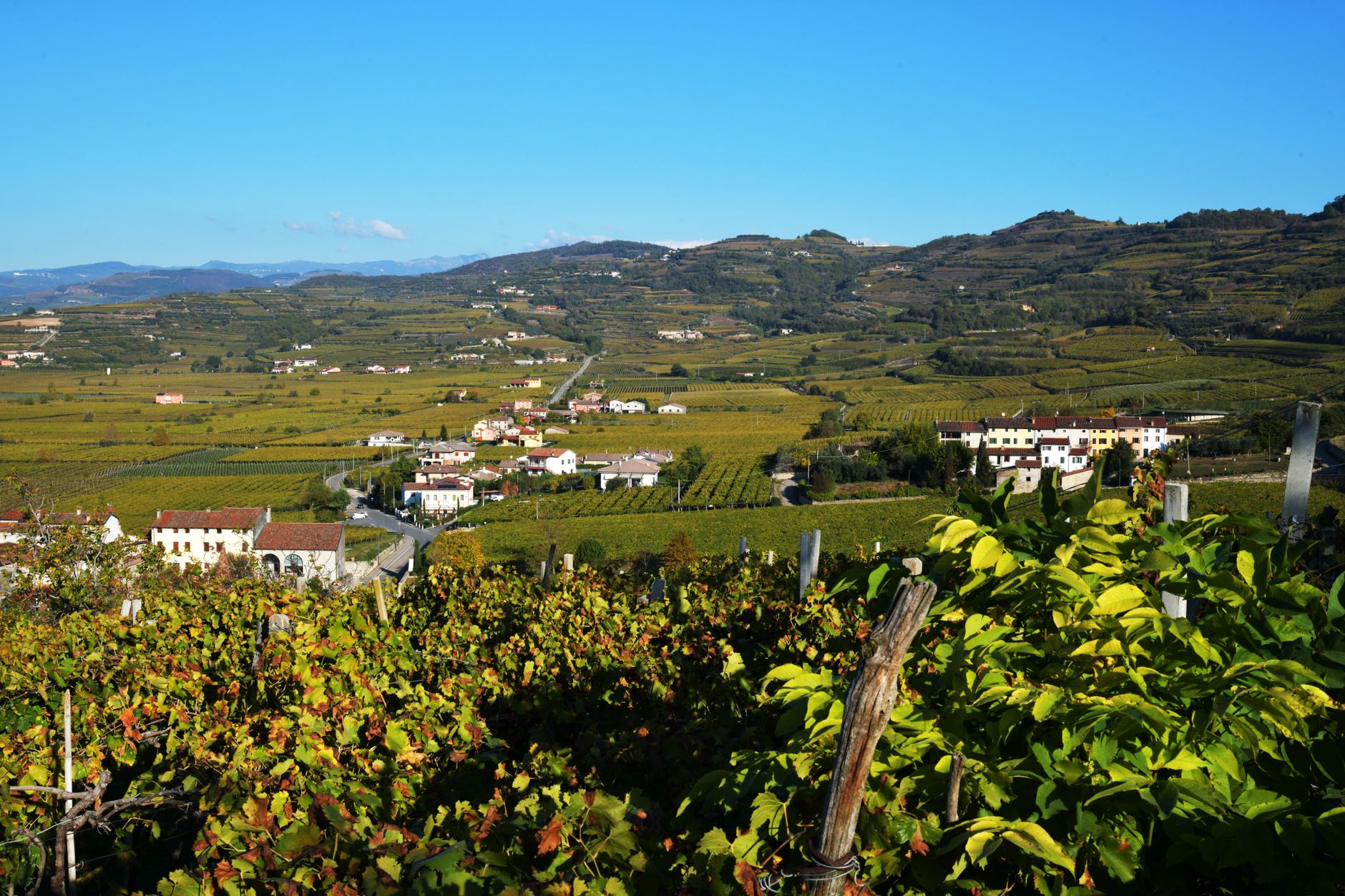
Mazzorbo Island, Venice, Italy
Connected to bustling Burano by a wooden bridge, this serene island is home to a rare vineyard cultivating the Dorona grape, once reserved for the Doges of Venice.
Mazzorbo offers a stark contrast to its colorful neighbor. Here, you'll find the Venissa vineyard, where the almost-extinct Dorona grape has been revived. This unique white wine, with its golden hue, was historically enjoyed by the Venetian Doges. Beyond the vineyard, Mazzorbo is a peaceful haven of quiet walking paths, orchards, and traditional houses, perfect for a contemplative stroll away from the crowds.
7. Venice's Narrowest Alley
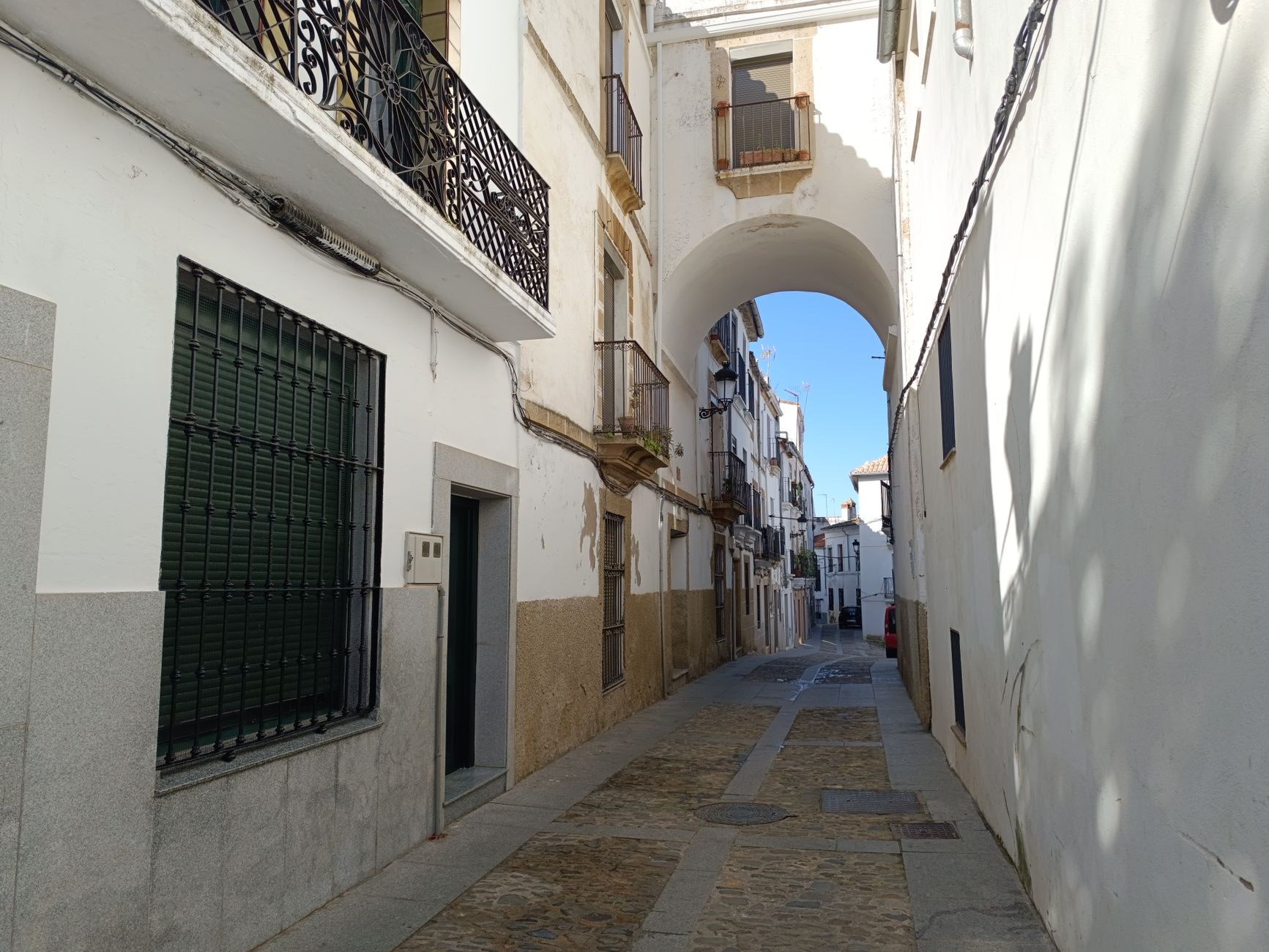
Calle Varisco, Cannaregio, Venice, Italy
This incredibly narrow calle (alley) is so tight in places that you can touch both walls simultaneously, offering an unusual squeeze through Venetian history.
Tucked away in the Cannaregio district, Calle Varisco is often cited as Venice's narrowest street, measuring less than 50 centimeters (about 20 inches) at its slimmest point. It's a fun, slightly eerie detour that transports you back to a time of dense urban planning. Finding it is part of the adventure, and squeezing through its ancient walls provides a tangible connection to the city's past, revealing how Venetians maximized every inch of their limited land.
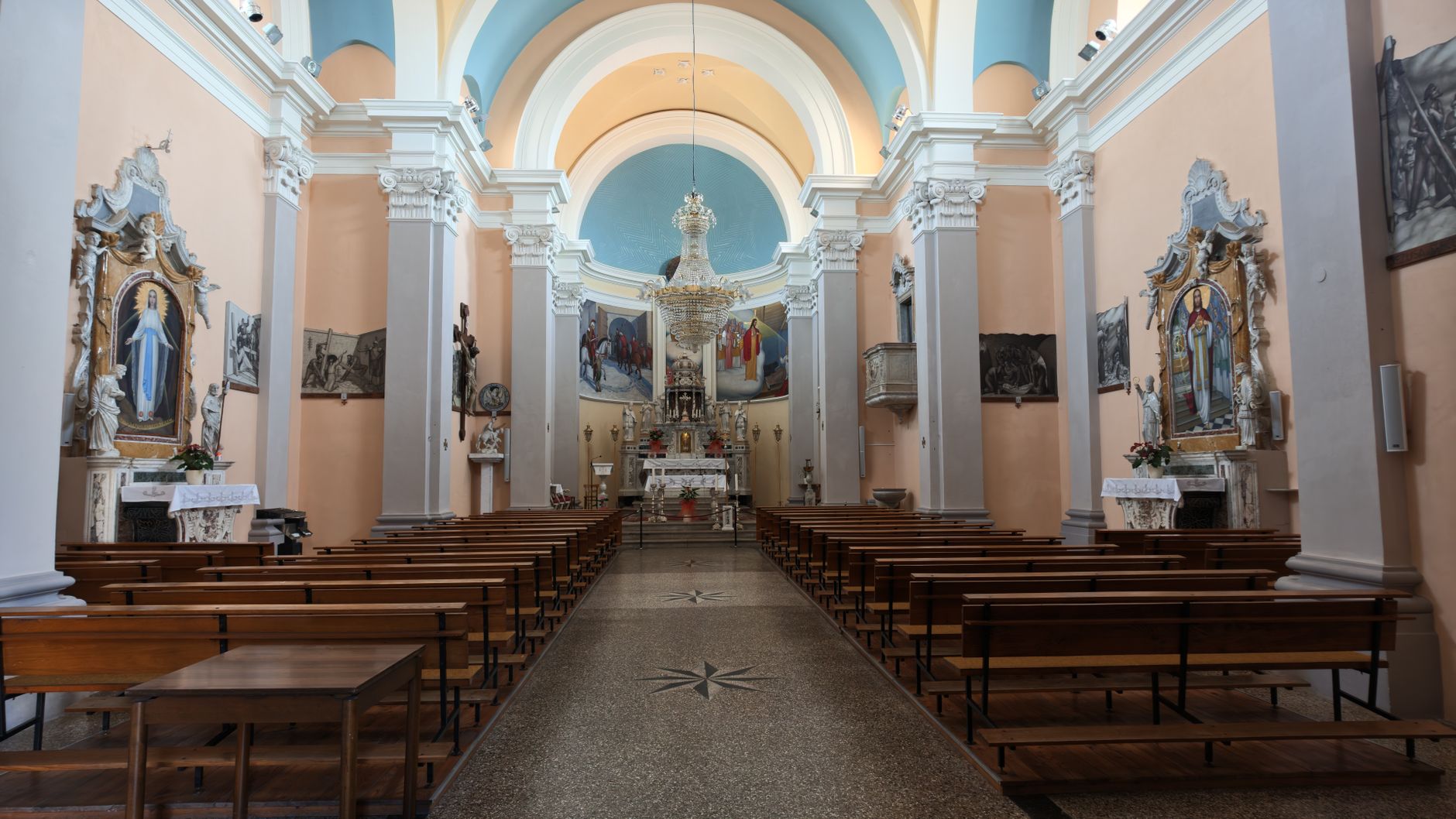
8. The Fishermen's Ancient Church
Chiesa di San Nicolò dei Mendicoli, Dorsoduro, Venice, Italy
One of Venice's oldest churches, dating back to the 7th century, it was historically the parish church for the city's poorest fishermen.
Located in a quiet corner of Dorsoduro, the Chiesa di San Nicolò dei Mendicoli offers a profound sense of history. Its name 'dei Mendicoli' refers to the 'beggars' or 'impoverished,' reflecting the community of fishermen it served. The church boasts a charming, somewhat rustic interior, featuring a unique wooden ceiling and a series of gilded statues. Its leaning campanile and serene campo make it a picturesque and peaceful stop, far from the tourist bustle.
Frequently asked questions
What are some lesser-known areas in Venice?
Beyond the crowded San Marco district, explore areas like Cannaregio (especially the northern parts), Castello (east of the Arsenale), and Dorsoduro (away from Accademia). The islands of Mazzorbo and Torcello also offer a more tranquil, authentic Venetian experience.
How can I avoid crowds in Venice?
To avoid crowds, visit during the off-season (November to March, excluding Carnival), wake up early to explore popular spots, and most importantly, venture into less-touristed sestieri. Utilize the Vaporetto system to reach quieter islands or areas, and embrace getting lost in the labyrinthine backstreets.
What is unique about Venetian architecture?
Venetian architecture is characterized by its reliance on wooden piles driven into the mud, intricate Gothic and Byzantine influences (especially visible in the Doge's Palace), and a pragmatic approach to building on water. Expect narrow, tall buildings, decorative facades, and a seamless blend of land and canal, adapted to the city's watery foundations.
How can AllTours.ai help me discover Venice's hidden stories?
AllTours.ai transforms your phone into an AI audio tour guide. Simply point your camera at any landmark, canal, or building mentioned in this post – or any other intriguing spot – and the app will narrate its history, geology, and cultural significance in your language, bringing Venice's hidden gems to life with rich, contextual stories.
Related guides
Photography via Pexels. AllTours.ai is an AI audio tour guide — point your camera at any landscape and hear its story.