October 27, 2026 · 4 min read
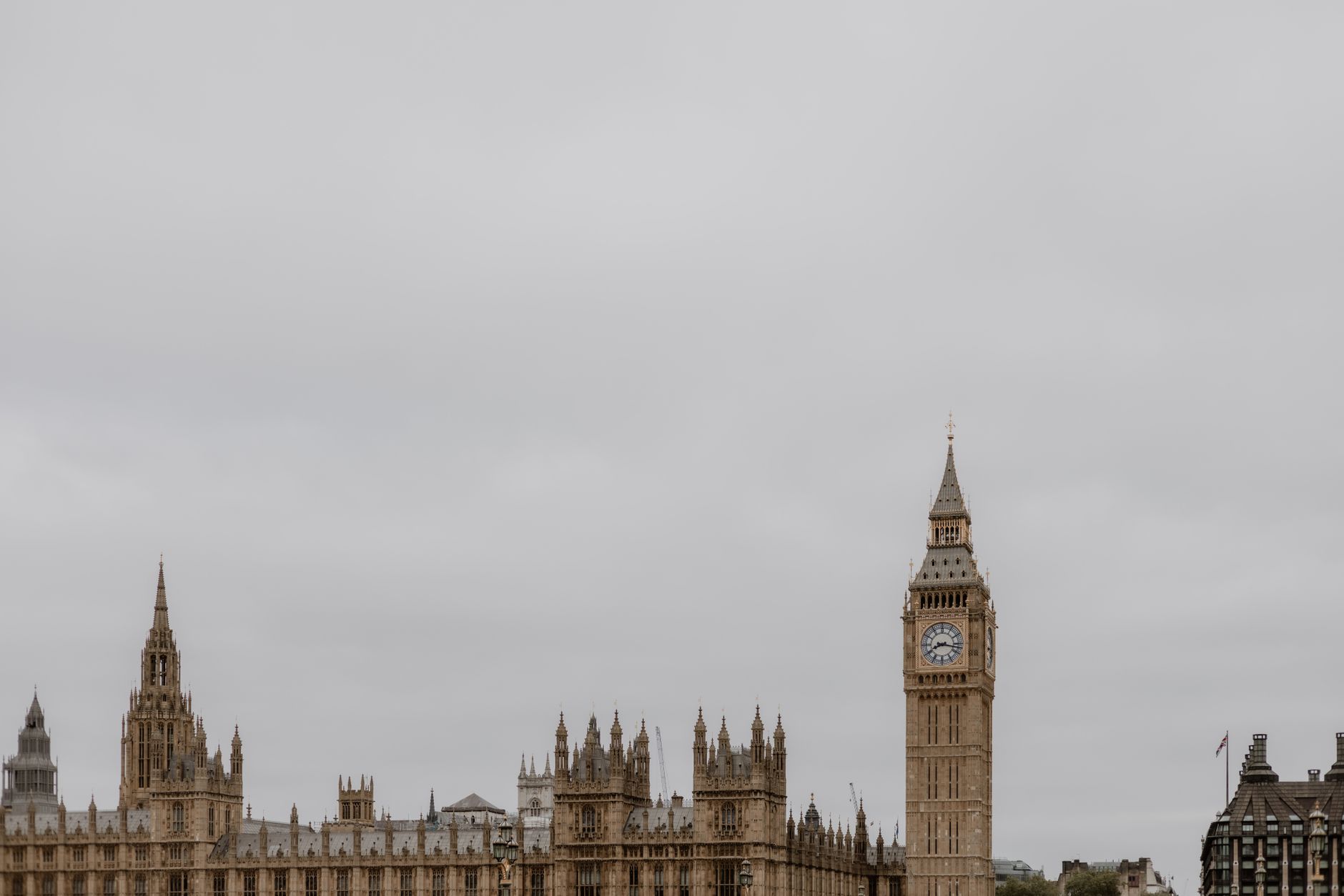
London's iconic landmarks draw millions, but its true historical depth often lies off the beaten path. Beyond the Tower and Westminster, a city of layered stories, hidden ruins, and forgotten lives waits for those willing to look closer. These are the places where the past feels not just preserved, but alive, whispering tales that didn't make it into the major guidebooks.
For the history buff craving something genuinely different, London offers a wealth of underrated sites that peel back centuries of human experience. From ancient Roman foundations to poignant Victorian burial grounds and immersive Georgian homes, these spots provide a richer, more personal understanding of one of the world's greatest cities. Prepare to uncover the surprising truths behind London's enduring facade.
1. A House Frozen in Time
Dennis Severs' House, London, UK
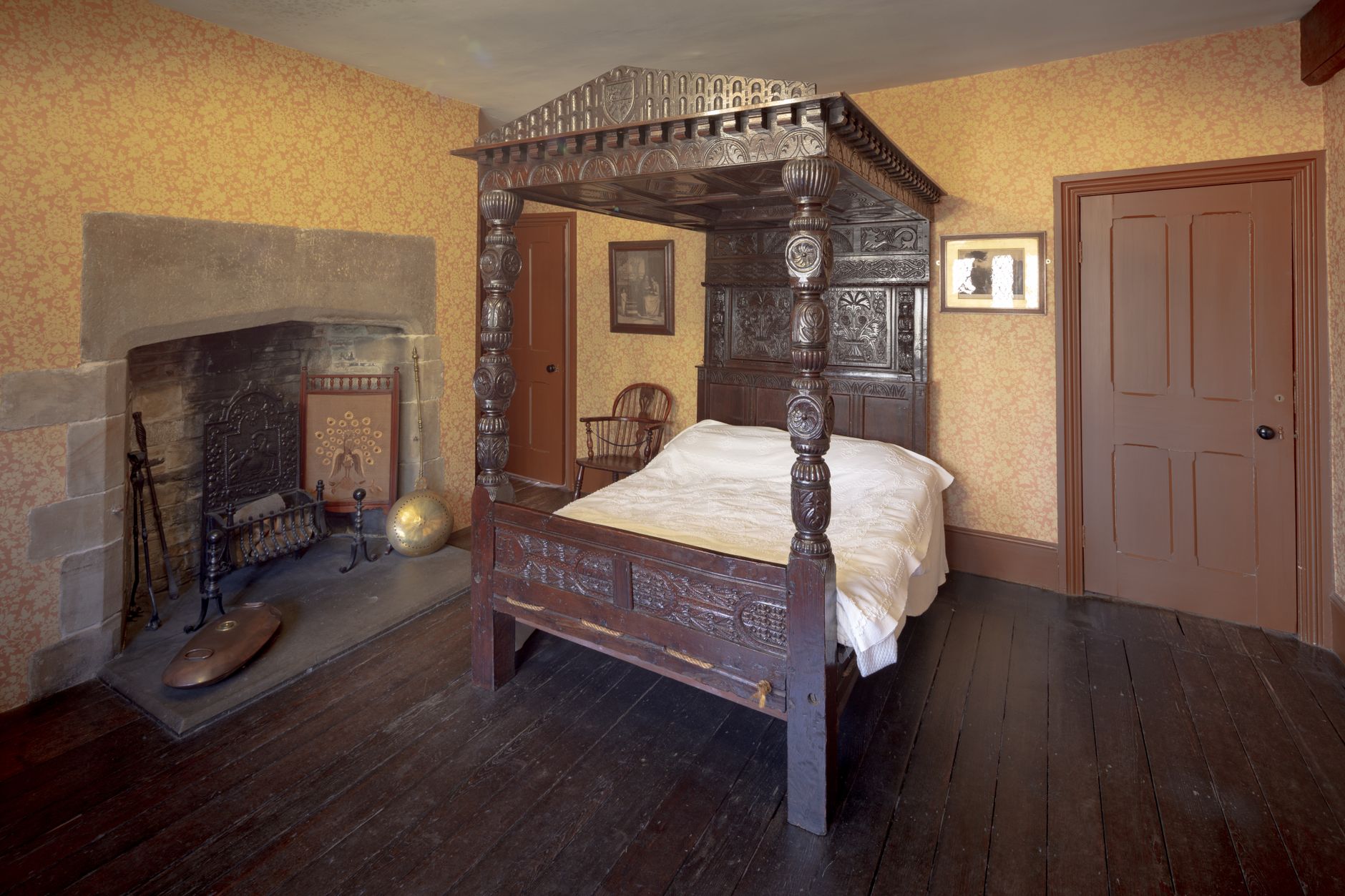
Dennis Severs' House offers an uncanny journey through time, preserving the atmosphere of a Georgian silk weaver's home as if its occupants just stepped out.
This immersive art installation recreates life from 1724 to 1914 within a Spitalfields townhouse. Each room is meticulously staged with sights, sounds, and smells, suggesting the continuous presence of a fictional Huguenot family. Visitors move through the house in silence, observing half-eaten meals, unmade beds, and crackling fires, creating a powerful, almost ghostly connection to London's past residents.

2. The Burial Ground of Outcasts
Crossbones Graveyard, London, UK
Beneath a vibrant London street lies a mass grave for medieval prostitutes, known as 'Winchester Geese', and other paupers, telling a poignant story of societal outcasts.
Crossbones Graveyard served as an unconsecrated burial ground for centuries, specifically for the poor, the unbaptised, and those deemed 'sinful' by society. Thousands are buried here, many of them women who worked in the medieval brothels of Southwark, licensed by the Bishop of Winchester. Today, it's a moving garden of remembrance, adorned with ribbons and dedications, a stark reminder of London's harsh social history.
3. London's Hidden Roman Arena
Roman Amphitheatre (Guildhall Art Gallery), London, UK
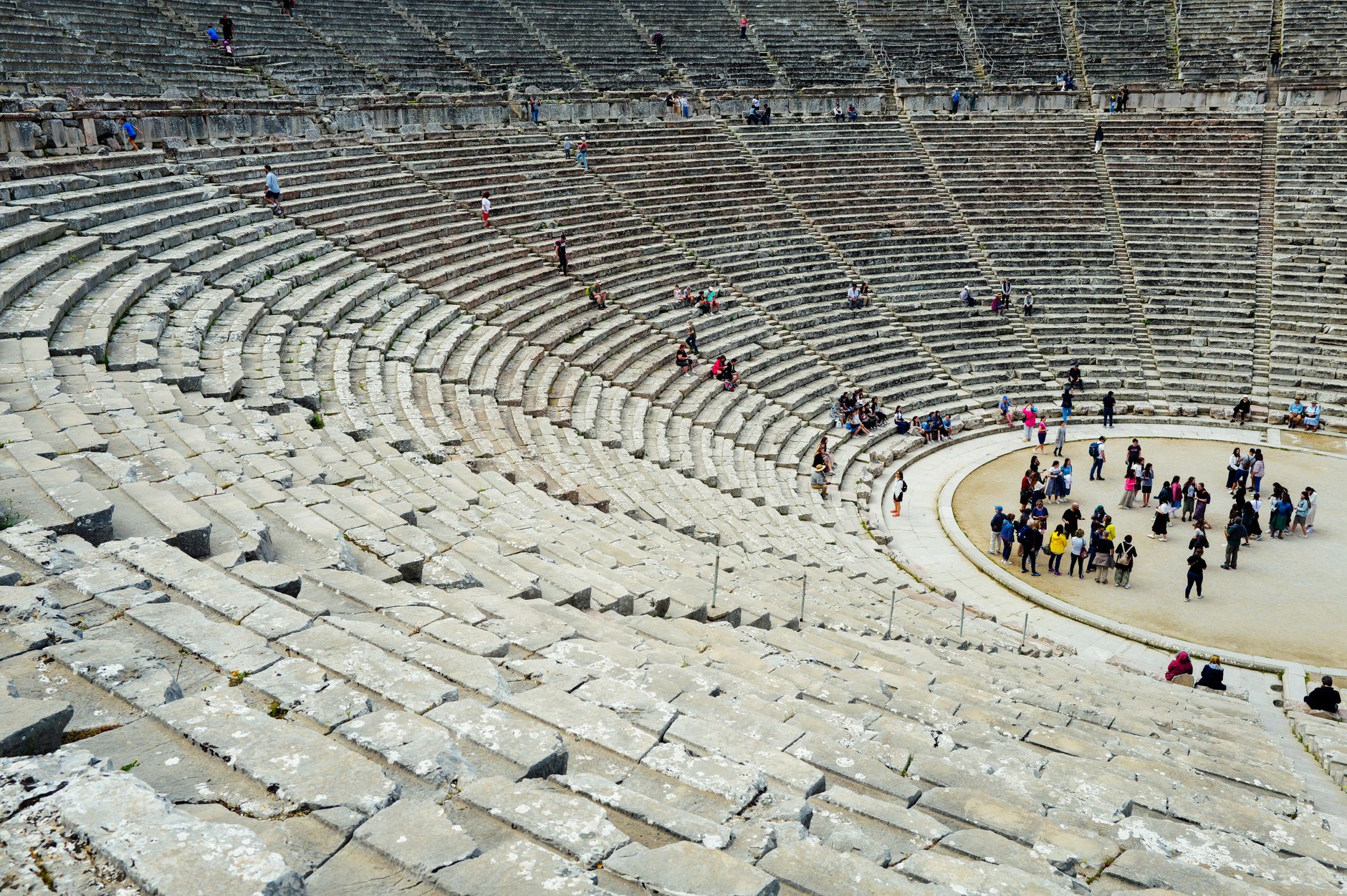
Deep below Guildhall Yard, the faint outline of London's original Roman amphitheatre reveals gladiatorial contests and public spectacles that once thrilled Londinium.
Discovered in 1988 during the construction of the new Guildhall Art Gallery, the remains of London's Roman Amphitheatre offer a tangible link to the city's ancient past. Visitors can descend to the preserved walls, drains, and the entrance to the arena, experiencing the scale of this structure that once held thousands of spectators. It's a powerful glimpse into the entertainment and public life of Roman London, hidden beneath the modern metropolis.
4. The Garden of War and Resilience
St Dunstan in the East Church Garden, London, UK
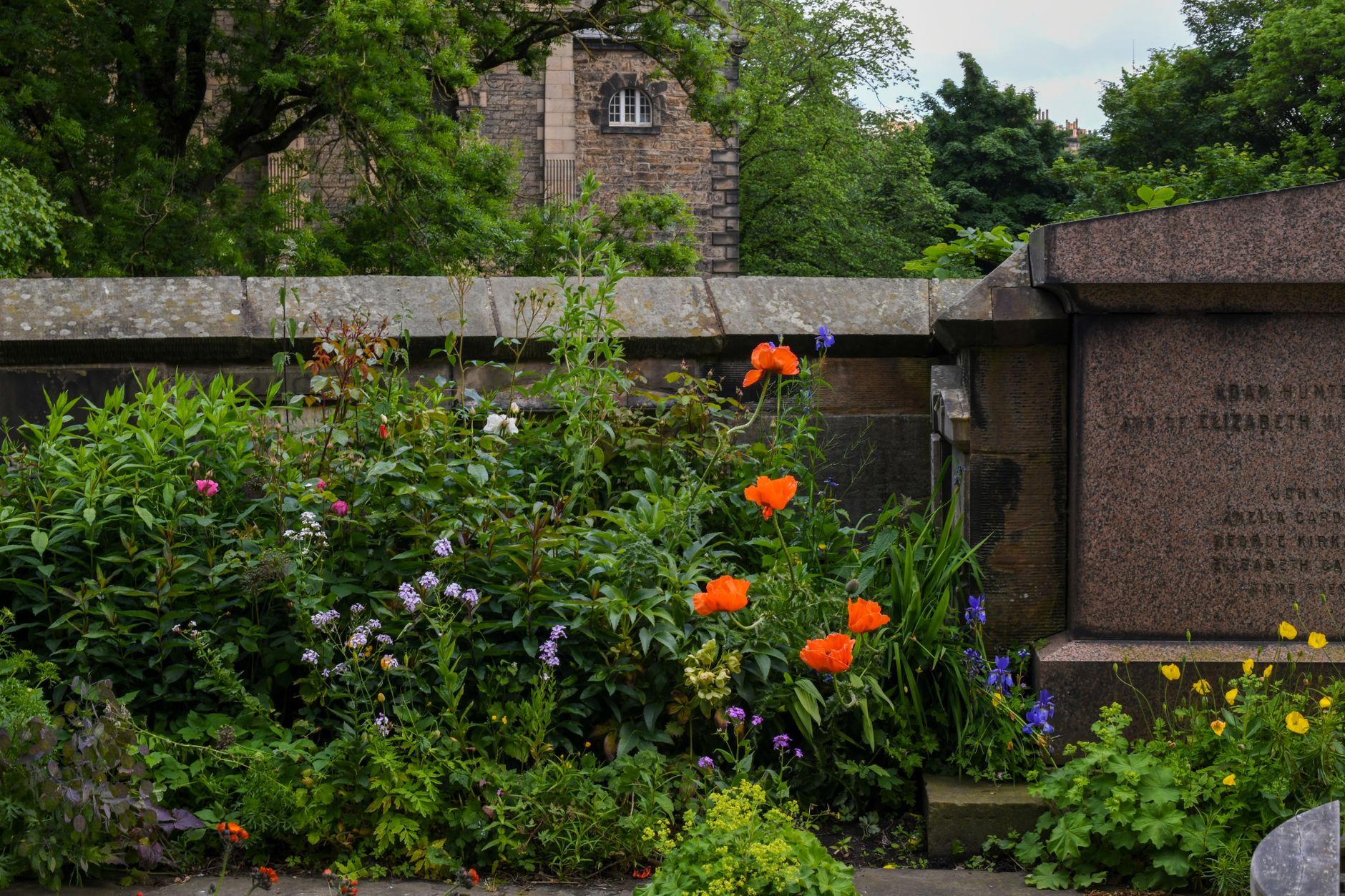
A church bombed during the Blitz now stands as a hauntingly beautiful, ivy-clad ruin, transformed into a serene public garden, blending destruction with renewal.
Originally built around 1100, St Dunstan in the East suffered extensive damage during the Great Fire of London in 1666, and later almost completely destroyed by the Blitz in 1941, leaving only its outer walls and Wren tower intact. Instead of rebuilding, the ruins were converted into a public garden in 1971. Lush foliage now grows within the skeletal walls, creating a tranquil oasis that stands as a living monument to London's resilience and its layered history.
5. Centuries of Charity and Learning
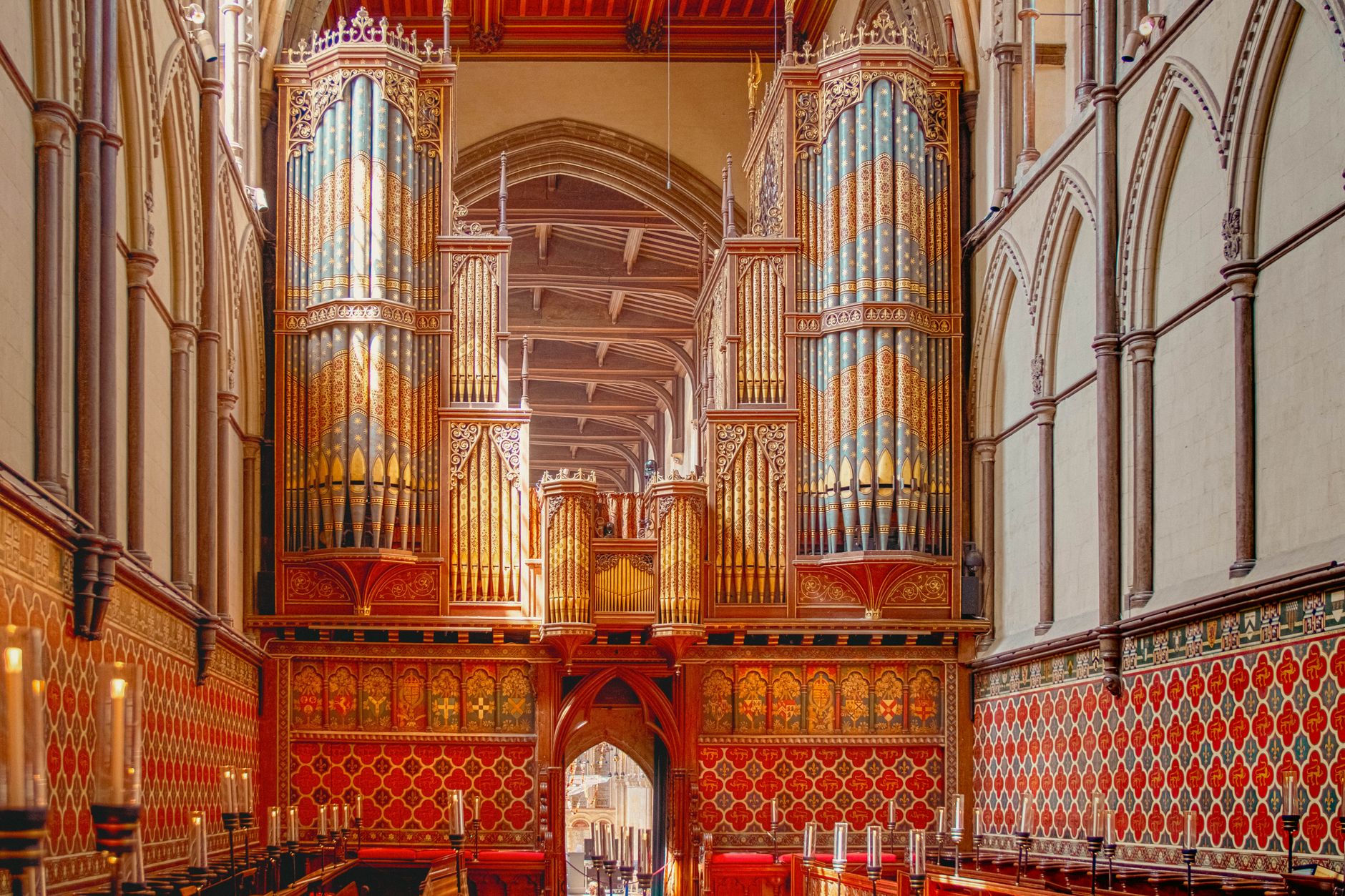
The Charterhouse, London, UK
From a 14th-century monastery to a Tudor palace, a boys' school, and an almshouse, this complex has witnessed over 650 years of continuous history.
The Charterhouse is a remarkable historical site with a multi-layered past. It began as a Carthusian monastery, dissolved by Henry VIII, then became a grand Tudor mansion. Later, it housed a famous public school and, since 1611, an almshouse providing a home for elderly men. Its courtyards, chapels, and Great Hall reflect these diverse eras, offering a profound sense of London's social and religious evolution.
6. The Resting Place of Radicals
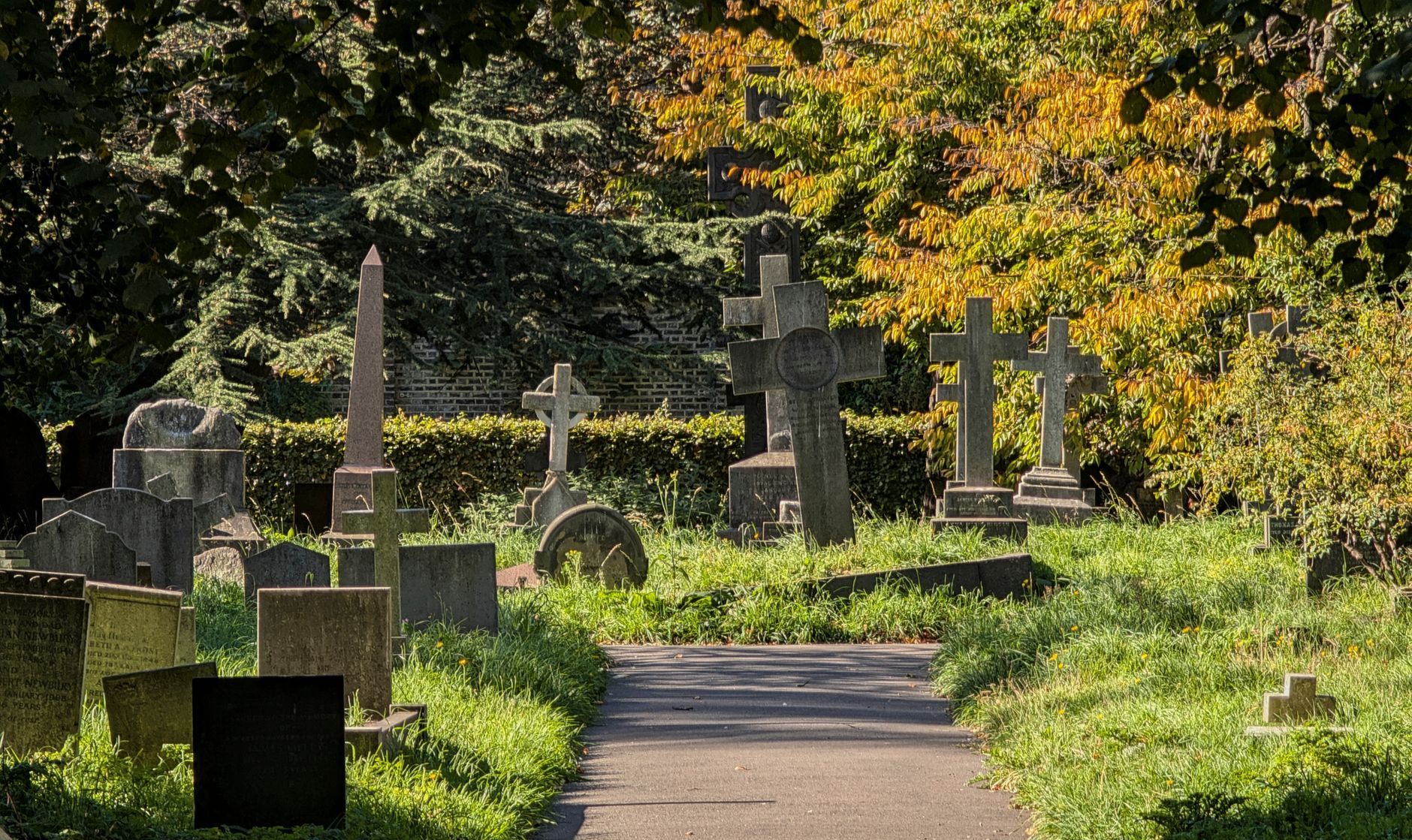
Bunhill Fields Burial Ground, London, UK
This historic burial ground is the final resting place for radical thinkers and literary giants like William Blake, Daniel Defoe, and John Bunyan, who challenged the norms of their time.
Bunhill Fields was a prominent nonconformist burial ground from the 17th to the 19th centuries, serving those who didn't adhere to the Church of England. It became the chosen resting place for many of England's most influential Dissenters, including the author of 'Robinson Crusoe' Daniel Defoe, the poet and artist William Blake, and 'Pilgrim's Progress' writer John Bunyan. Walking among the weathered tombstones provides a quiet moment to reflect on their enduring legacies.
7. London's Mysterious Heart
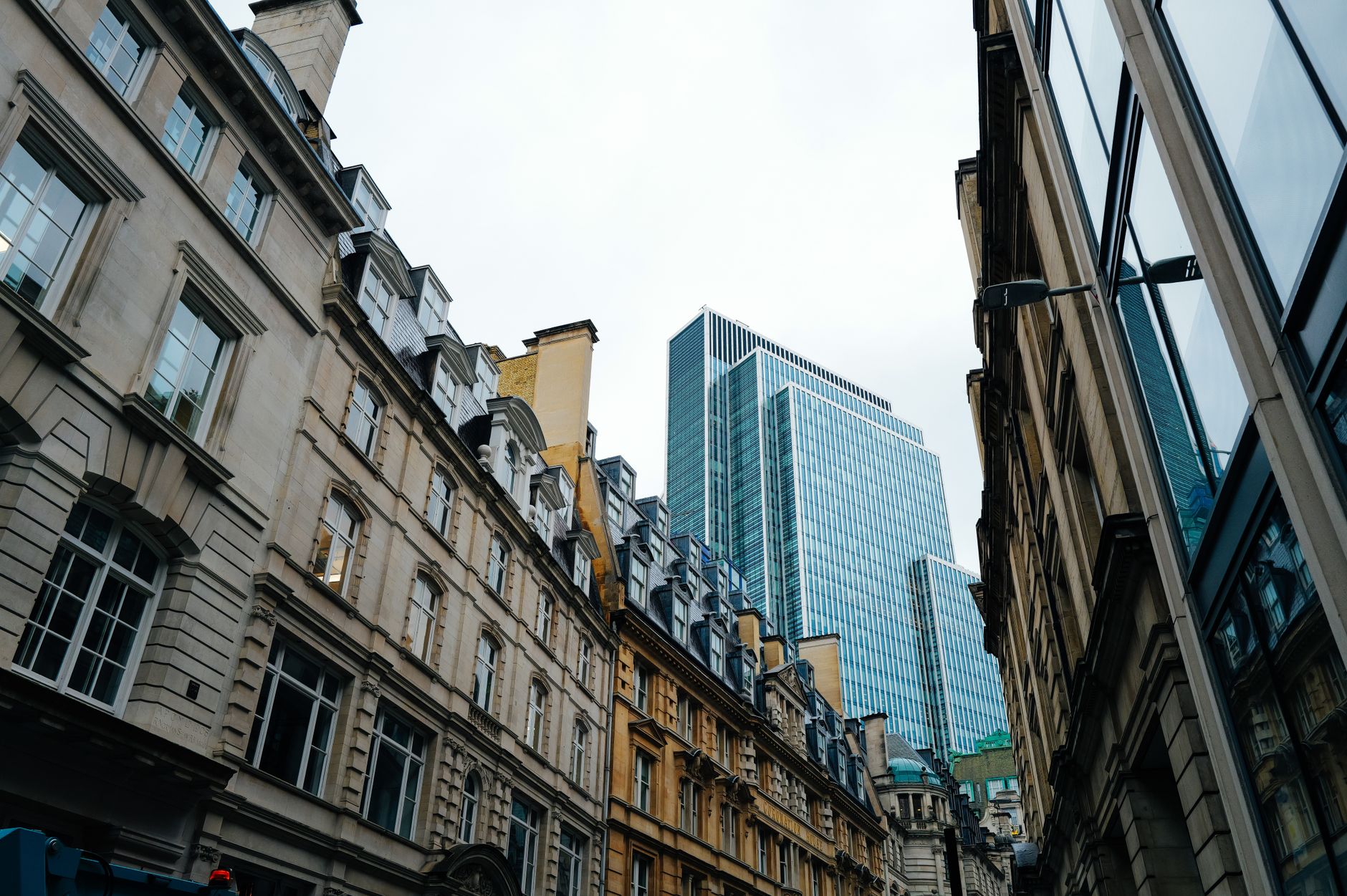
The London Stone, London, UK
A mysterious ancient stone, once believed to be the mythical heart of London, has stood for centuries, witnessing the city's growth and inspiring folklore.
The London Stone is a relic of unknown origin, first mentioned in the 12th century, though its purpose and age are subjects of debate. Legend holds that if the stone is moved or damaged, London will fall. Historically, it was used as a point for proclamations and measurements. Today, it rests behind an iron grille on Cannon Street, a small but powerful link to London's deepest, most enigmatic past, often overlooked by passersby.
8. An Architect's Cabinet of Curiosities
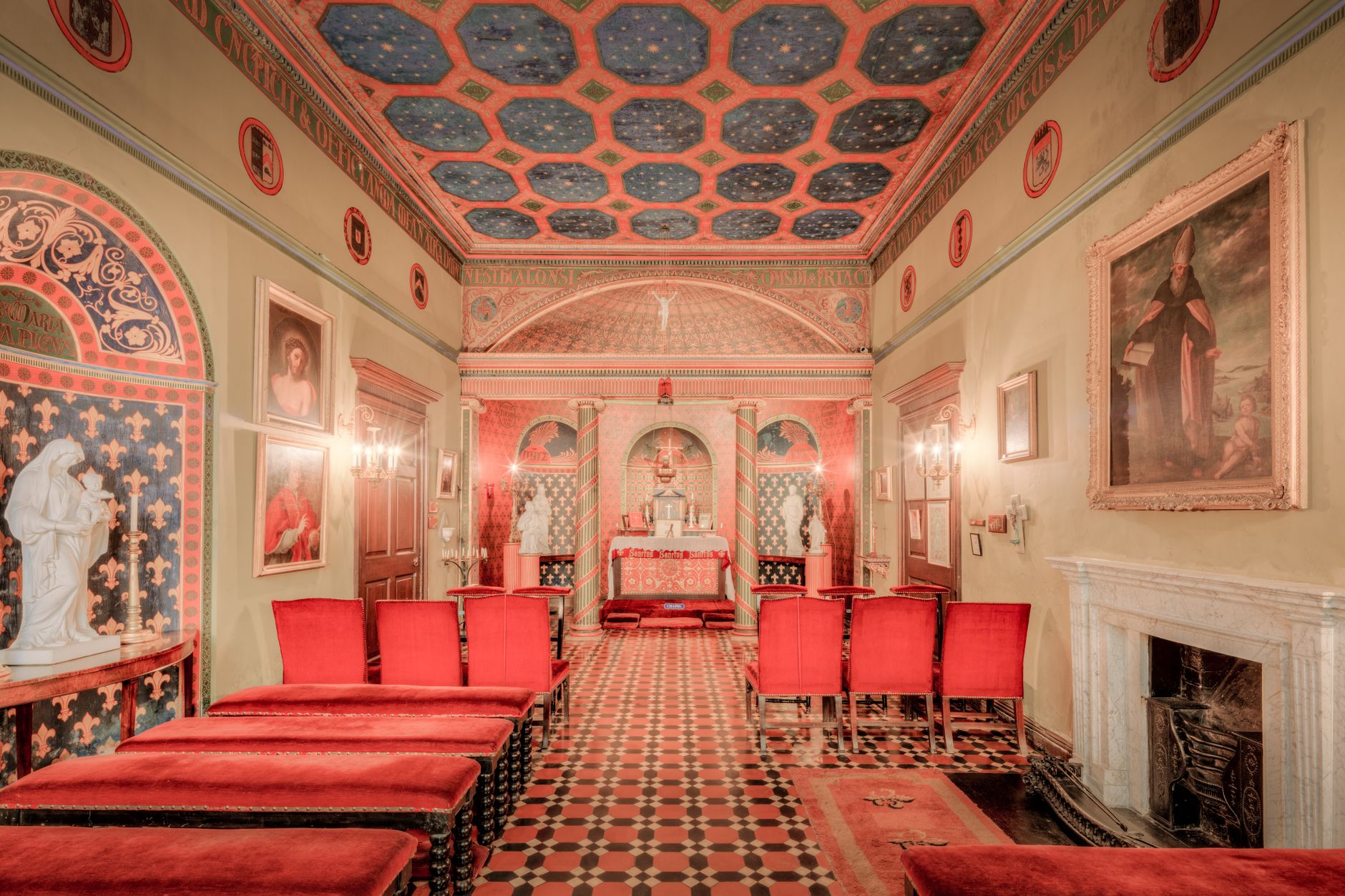
Sir John Soane's Museum, London, UK
The eccentric home of a Regency architect, filled with hidden passages, sarcophagi, and art, offers a personal glimpse into an early 19th-century mind.
Sir John Soane, a prominent architect of the Regency era, designed his house as a personal museum and laboratory for his students. Upon his death, he bequeathed it to the nation on the condition that it remain exactly as he left it. The museum is a labyrinth of rooms packed with antiquities, architectural fragments, and paintings, including Hogarth's 'A Rake's Progress'. It's a uniquely preserved slice of intellectual and artistic life.
Frequently asked questions
What are some lesser-known historical periods of London to explore?
Beyond the Tudors and Victorians, consider diving into Roman Londinium, exploring the city's medieval mercantile history, or understanding the impact of the Blitz. London's nonconformist history, particularly from the 17th to 19th centuries, also offers fascinating insights into religious and political dissent.
How can I find truly authentic historical experiences in London?
Seek out smaller, independent museums or specific historical societies dedicated to a particular area or trade. Walking tours focused on niche topics like literary London, Roman walls, or specific neighborhoods like Spitalfields can also uncover hidden gems and provide expert context often missed in general tours.
Are there any hidden historical gardens in London?
Yes, beyond St Dunstan in the East, London boasts several historic gardens. The Phoenix Garden, built on a former car park, and the Chelsea Physic Garden, one of the oldest botanical gardens in Britain, both offer unique historical perspectives and tranquil escapes within the bustling city.
How can AllTours.ai enhance my exploration of London's history?
AllTours.ai transforms your phone into an AI audio tour guide. Simply point your camera at any landmark, ruin, or historical building in London, and the app will instantly narrate its history, geology, and cultural significance in your preferred language. It's like having a personal historian by your side, ready to reveal the secrets of even the most underrated places.
Related guides
Photography via Pexels. AllTours.ai is an AI audio tour guide — point your camera at any landscape and hear its story.