September 11, 2026 · 4 min read
Canada has long cultivated a global reputation for compassion and a commitment to international cooperation. Often seen as a nation of peacekeepers and humanitarians, its contributions extend far beyond its borders, shaping lives and communities around the world.
But beyond the widely known headlines, countless lesser-known stories reveal the depth of Canada's global impact. These are tales of unexpected generosity, unwavering dedication, and profound solidarity, etched into the landscapes and histories of places you might never expect.

1. The Unplanned Welcome of Gander
Gander, Newfoundland and Labrador, Canada
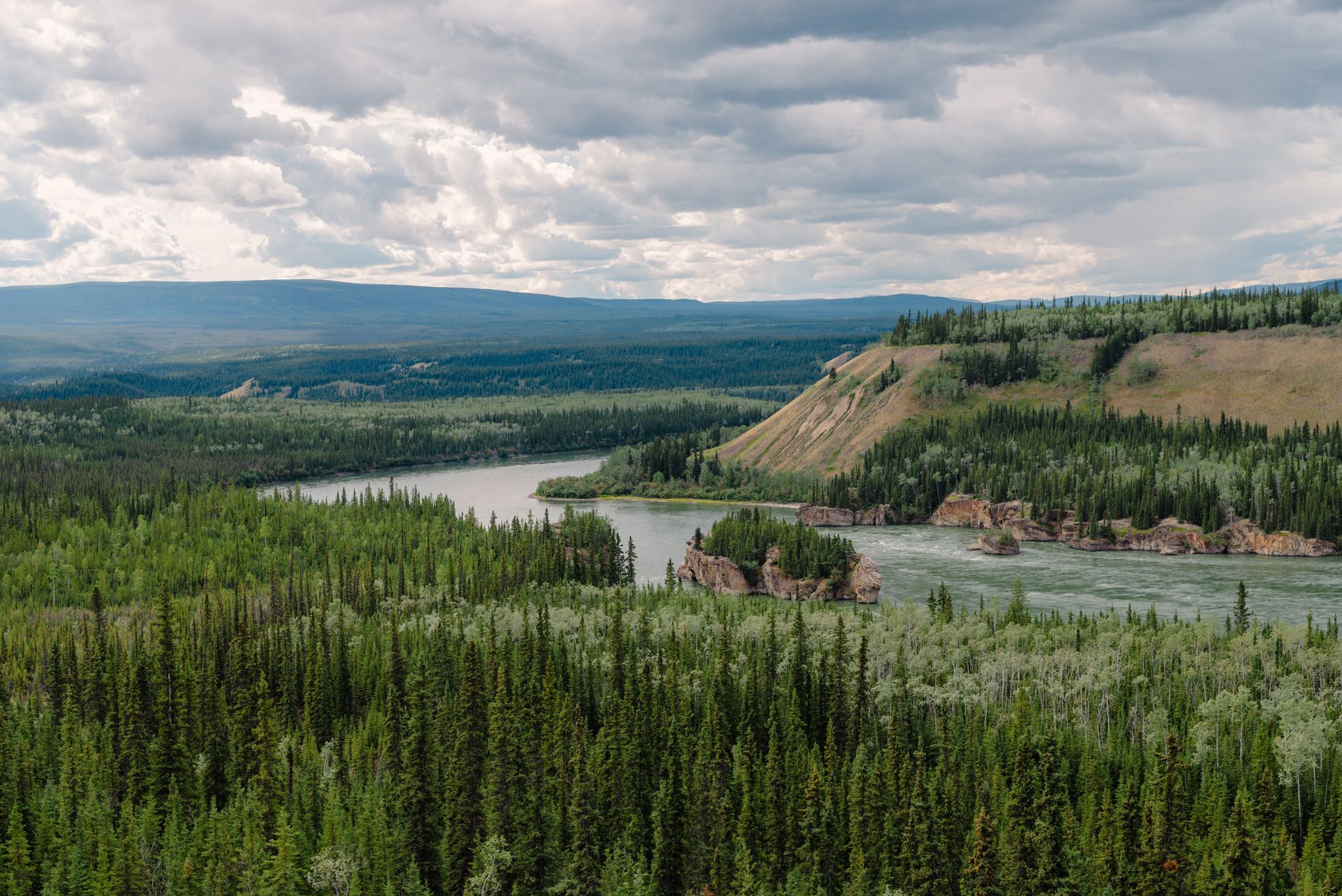
On 9/11, a small Newfoundland town spontaneously sheltered thousands of stranded air travelers from around the world, transforming a crisis into a global symbol of human kindness.
On September 11, 2001, as U.S. airspace closed, 38 trans-Atlantic flights carrying over 6,500 passengers were diverted to Gander. This town of 10,000 residents, along with nearby communities, mobilized instantly. Schools, community centers, and private homes became makeshift shelters, while locals cooked meals, washed clothes, and offered free phone calls, demonstrating extraordinary compassion to people from dozens of nations.
2. Guardians of the Green Line in Nicosia
Nicosia, Cyprus
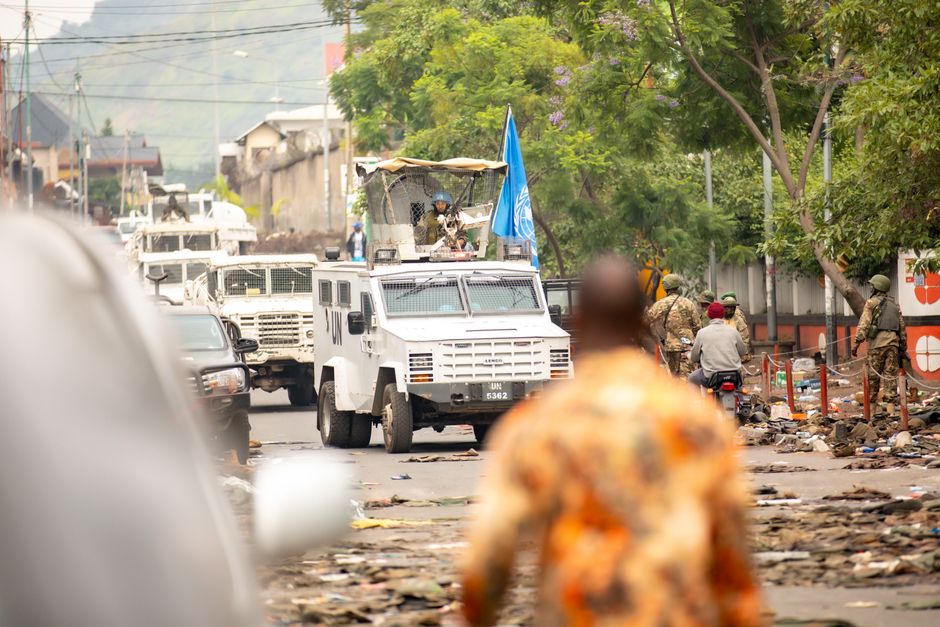
For nearly three decades, Canadian peacekeepers maintained a fragile 'Green Line' in Cyprus, preventing renewed conflict between Greek and Turkish Cypriot communities.
From 1964 to 1993, Canada maintained a significant military presence as part of the United Nations Peacekeeping Force in Cyprus (UNFICYP). Canadian soldiers patrolled the buffer zone, known as the Green Line, dividing the island's two ethnic communities. Their duties ranged from observing ceasefires to providing humanitarian aid, playing a crucial role in maintaining a delicate peace amidst deeply entrenched tensions.
3. Dutch Roots in Alberta's Prairies
Picture Butte, Alberta, Canada
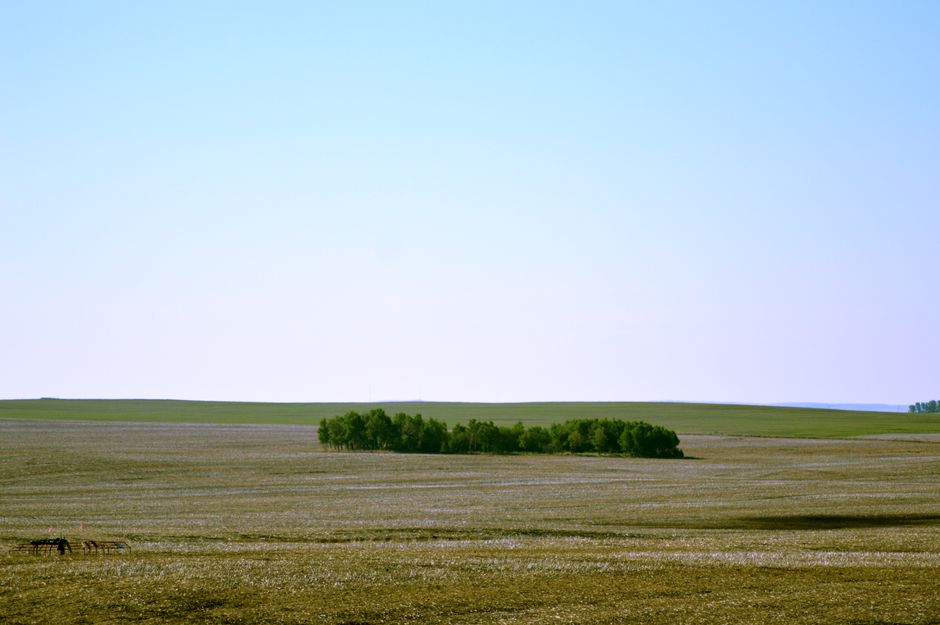
After World War II, a small Albertan town became a new haven for thousands of Dutch immigrants, who transformed its agricultural landscape with their farming expertise.
Following the devastation of World War II in Europe, Canada welcomed thousands of Dutch immigrants, many of whom settled in agricultural regions like southern Alberta. Picture Butte, in particular, saw a significant influx. These skilled farmers brought innovative techniques and a strong work ethic, contributing immensely to the region's sugar beet and potato industries, and enriching the cultural fabric of their new Canadian home.

4. The Impossible Choices in Kigali
Kigali, Rwanda
Amidst the horrors of the Rwandan Genocide, a small Canadian contingent of UN peacekeepers defied orders and risked their lives to protect thousands of Tutsis and moderate Hutus.
In 1994, under the command of Canadian Major-General Roméo Dallaire, the UN Assistance Mission for Rwanda (UNAMIR) was drastically under-resourced and its mandate restricted. Despite these limitations, Canadian soldiers, often acting beyond their official directives, provided refuge for thousands of Tutsis and moderate Hutus in sites like the Amahoro Stadium and Hotel des Mille Collines. Their presence, though insufficient to stop the genocide, saved countless lives under unimaginable circumstances.
5. Harvesting Hope for the World
Headingley, Manitoba, Canada (Canadian Foodgrains Bank HQ)
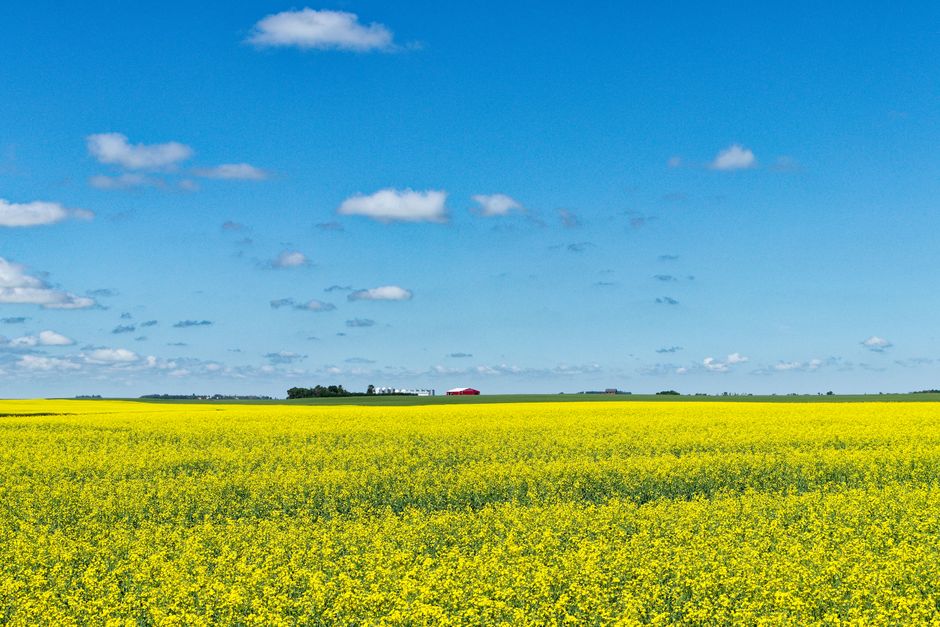
A unique coalition of Canadian farmers and churches annually donates millions of dollars in grain to alleviate global hunger, sending food aid to dozens of countries.
The Canadian Foodgrains Bank, founded in 1983, represents a collective effort by Canadian Christians to end global hunger. Farmers dedicate portions of their fields, donating the harvest, while churches and agencies contribute funds. This collaborative model allows for the shipment of food aid, often grown on Canadian soil, to communities experiencing famine or conflict in countries across Africa, Asia, and Latin America, providing vital sustenance and support.

6. A Northern Haven for Conscientious Objectors
Toronto, Ontario, Canada (major hub)
During the Vietnam War, Canada became a refuge for tens of thousands of American draft dodgers and deserters, who were offered a new life and citizenship.
From the mid-1960s to the early 1970s, an estimated 30,000 to 40,000 Americans, mostly young men resisting conscription into the Vietnam War, sought refuge in Canada. Major cities like Toronto, Montreal, and Vancouver saw significant influxes. The Canadian government adopted an open-door policy, allowing these individuals to immigrate and become citizens, fundamentally shaping Canadian society and demonstrating a different path during a divisive global conflict.
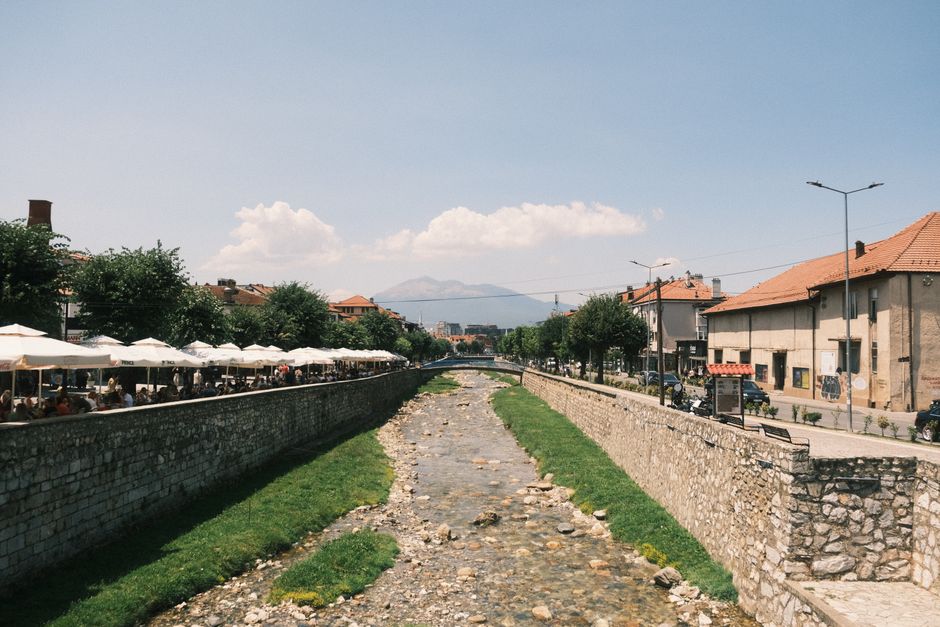
7. Airlifting Hope from Kosovo
Halifax, Nova Scotia, Canada (first major reception point)
In 1999, Canada launched "Operation Parasol," an unprecedented airlift to evacuate thousands of Kosovar Albanian refugees from war-torn regions to new homes across Canada.
As the humanitarian crisis in Kosovo escalated, Canada responded swiftly by implementing Operation Parasol. Over several months in 1999, military aircraft transported approximately 7,000 Kosovar Albanian refugees directly from refugee camps in Macedonia to Canada. Cities like Halifax prepared reception centers, and communities across the country rallied to welcome and resettle these displaced families, offering them safety and a chance to rebuild their lives far from conflict.
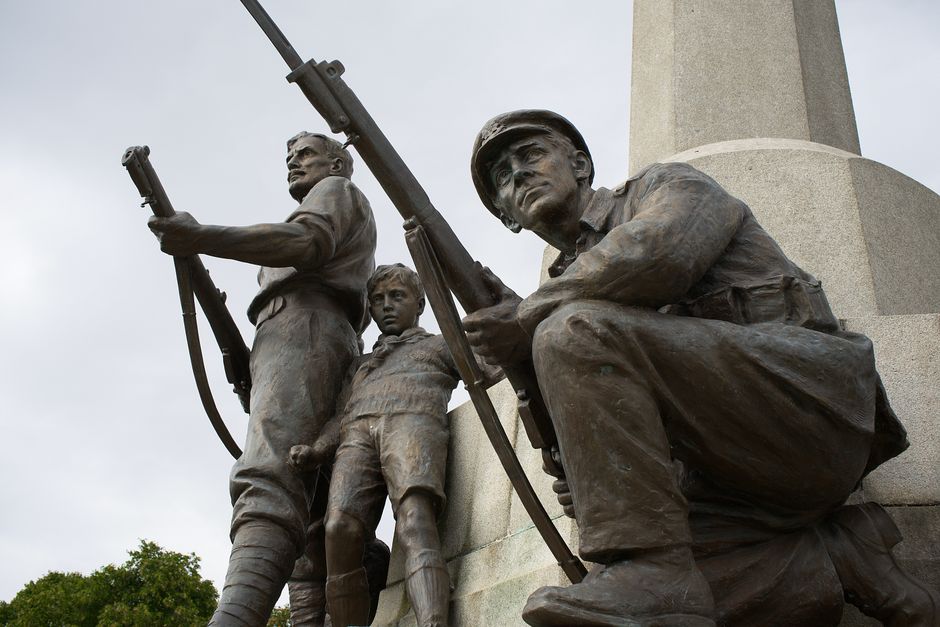
8. The Liberation of the Netherlands
Apeldoorn, Gelderland, Netherlands
During WWII, Canadian forces spearheaded the liberation of the Netherlands, enduring brutal fighting to free the Dutch people from Nazi occupation.
From late 1944 to May 1945, the First Canadian Army played a pivotal role in the liberation of the Netherlands. They fought through harsh conditions, including the Battle of the Scheldt and the final push through the German-occupied provinces. Their efforts relieved immense suffering and starvation, earning them enduring gratitude from the Dutch people, a bond still celebrated annually with Canada's gift of tulips.
Frequently asked questions
What is Canada's overall approach to foreign aid and international development?
Canada is known for its commitment to multilateralism and humanitarian assistance, often focusing on poverty reduction, gender equality, and sustainable development. Its foreign policy emphasizes diplomacy, peacekeeping, and providing aid through various international organizations and direct bilateral programs to countries in need.
Beyond financial aid, what specific types of assistance does Canada provide globally?
Canada provides diverse forms of assistance, including emergency humanitarian relief, long-term development projects in areas like health and education, military training and peacekeeping missions, and refugee resettlement programs. It also contributes significantly to global public goods such as environmental protection and disease eradication efforts.
Why is helping other countries considered a significant part of Canada's national identity?
Canada's national identity is deeply intertwined with values of multiculturalism, peacekeeping, and a sense of global responsibility. Shaped by its history as a peace-loving nation, its role in two World Wars, and its commitment to the United Nations, Canadians often view contributing to global well-being as a moral imperative and a reflection of their inclusive society.
How can I learn more about the history and culture of these places while traveling?
To truly immerse yourself in the stories of these locations and beyond, consider using an AI audio tour guide like AllTours.ai. Simply point your phone camera at a landmark or landscape, and the app will instantly narrate its history, geology, and culture in your language, bringing every place to life with rich, contextual information.
Related guides
Photography via Pexels. AllTours.ai is an AI audio tour guide — point your camera at any landscape and hear its story.