July 26, 2026 · 4 min read
The question, "What reasons do Europeans think contribute to Americans' lack of international travel?" often sparks lively debate. While various factors are cited – from differing vacation cultures to the sheer size of the United States – a key differentiator often boils down to Europe's unique geography and deep, accessible layers of history and culture. For Europeans, a short train ride can mean crossing multiple borders, languages, and millennia of human endeavor.
This ease of access to a vast tapestry of experiences might shape a different perception of travel. We've curated a list of fascinating, often overlooked places across Europe and its fringes. These spots offer vivid glimpses into the continent’s profound past, geological wonders, and enduring traditions, illustrating the kinds of discoveries that are often just a stone's throw away for European travelers, and perhaps less apparent for those accustomed to vast domestic journeys.
1. The Hidden City Below
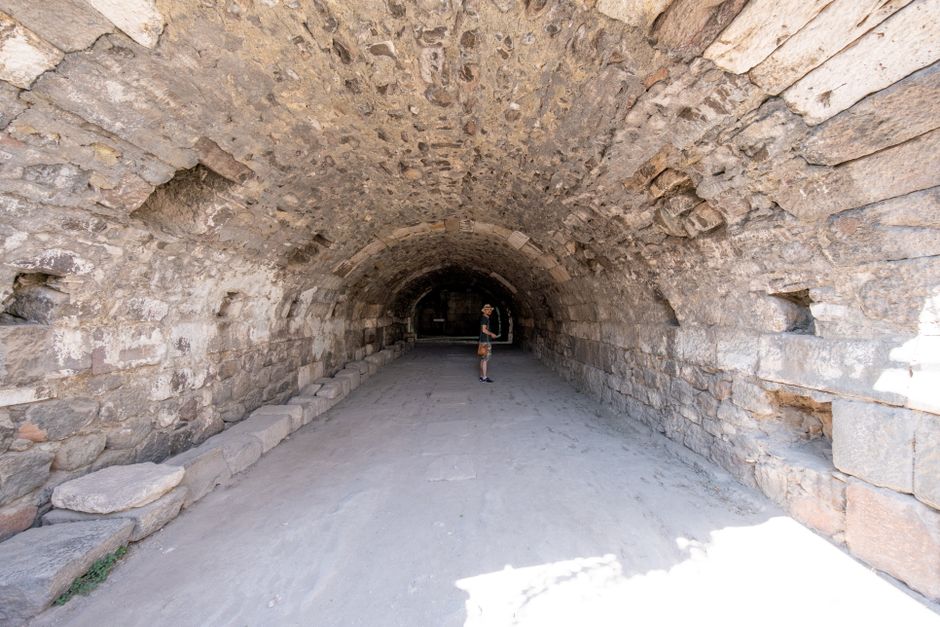
Derinkuyu Underground City, Turkey
Beneath central Anatolia lies an ancient multi-level underground city, carved over millennia to shelter thousands from invaders.
While Cappadocia is known for its fairy chimneys, fewer travelers descend into Derinkuyu, one of over 200 underground cities in the region. This colossal complex plunges more than eight levels deep, complete with stables, churches, schools, and ventilation shafts, offering a chilling insight into communities that sought refuge underground for centuries. It’s a testament to human ingenuity and resilience in times of conflict.
2. Three Countries, One Step
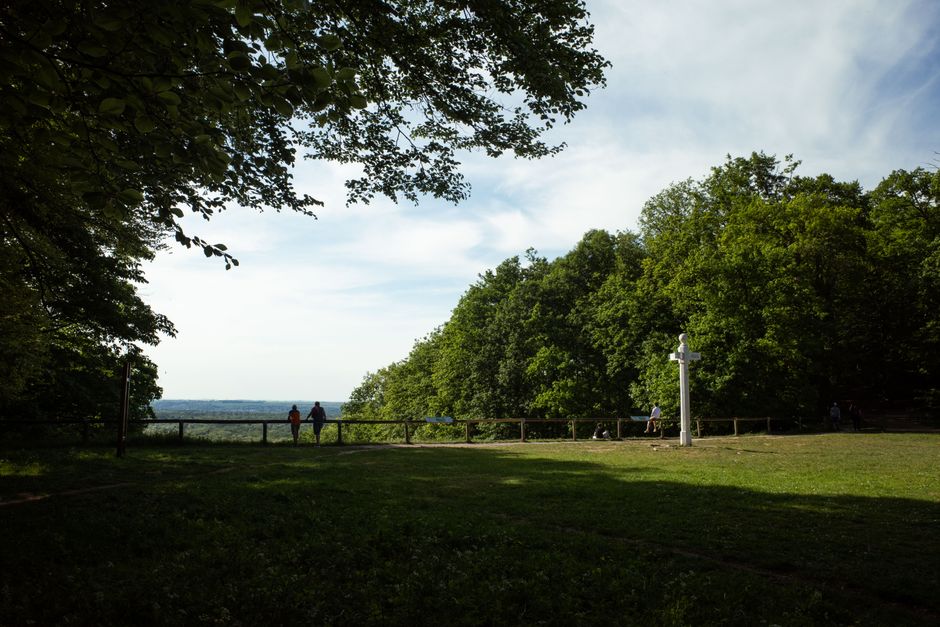
Vaalserberg Tripoint, Netherlands/Germany/Belgium
Stand in three countries at once at the Vaalserberg tripoint, where the Netherlands, Germany, and Belgium converge.
For many Europeans, crossing borders is a daily or weekly occurrence, a casual part of life that can be startlingly different from the experience in North America. At Vaalserberg, you can literally place a foot in each country simultaneously. This seemingly simple act highlights the continent's close-knit geography and the cultural fluidity that arises from such proximity, where distinct nations meet within a small park.

3. Older Than Stonehenge
Almendres Cromlech, Portugal
Near Évora, Portugal, lies one of the largest megalithic ensembles in Europe, predating Stonehenge by 2,000 years, aligning with astronomical events.
While Stonehenge draws crowds, the Almendres Cromlech offers a more solitary, ancient experience. This oval formation of nearly 100 standing stones, some dating back to 6,000 BCE, speaks to a sophisticated prehistoric culture with a deep understanding of astronomy. Wandering among these moss-covered monoliths in the quiet Portuguese countryside connects you directly to Europe's profoundly ancient roots, long before recorded history began.
4. Towers of Blood Feuds
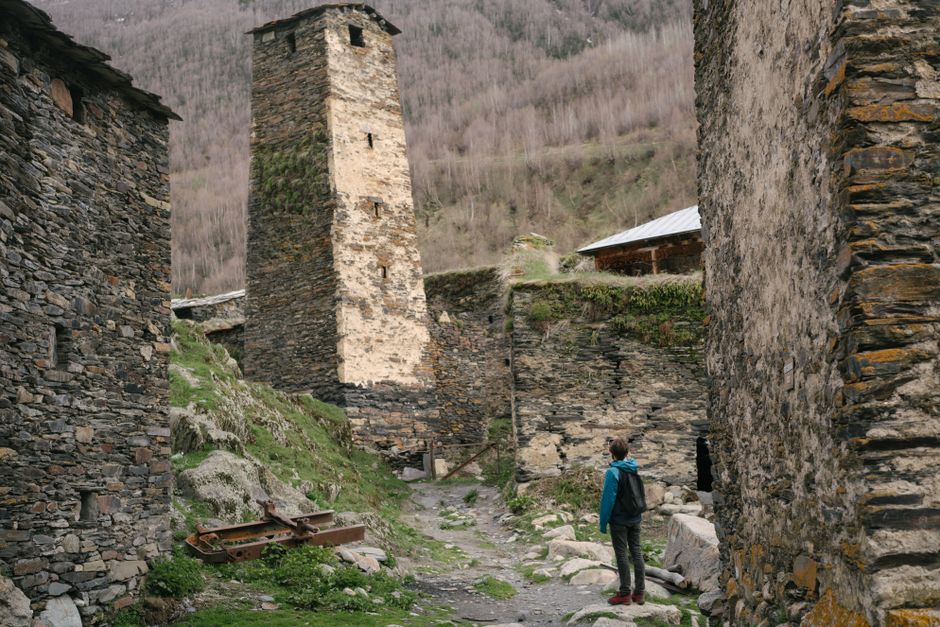
Svaneti, Georgia
Remote medieval villages in Georgia's Caucasus mountains are guarded by ancient stone defense towers, built to protect families from blood feuds.
High in the Caucasus, the Svaneti region feels like a journey back in time. Its isolated villages, like Ushguli, are famed for their unique Svan towers, imposing stone structures built between the 9th and 12th centuries. These towers served as both dwellings and defensive strongholds, a testament to a fiercely independent people and their centuries-old traditions, including a historical system of blood feuds that necessitated such formidable architecture.
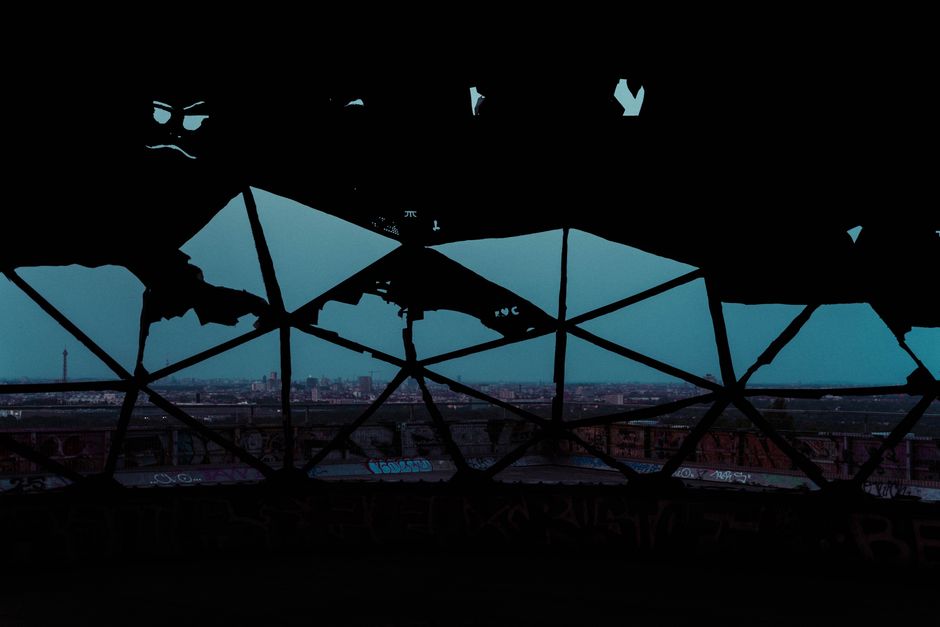
5. Cold War Echoes on a Hill of Rubble
Teufelsberg, Germany
An abandoned Cold War listening station atop a man-made hill of WWII rubble in Berlin offers a haunting glimpse into espionage history and urban art.
In the Grunewald forest, Teufelsberg, or 'Devil's Mountain,' isn't a natural peak but a hill constructed from 75 million cubic meters of Berlin's post-WWII debris. On its summit sits a derelict US listening station, a relic of Cold War espionage. Today, its iconic radomes are a canvas for street artists, creating a unique juxtaposition of recent history, political tension, and contemporary urban culture, easily accessible from a major European capital.
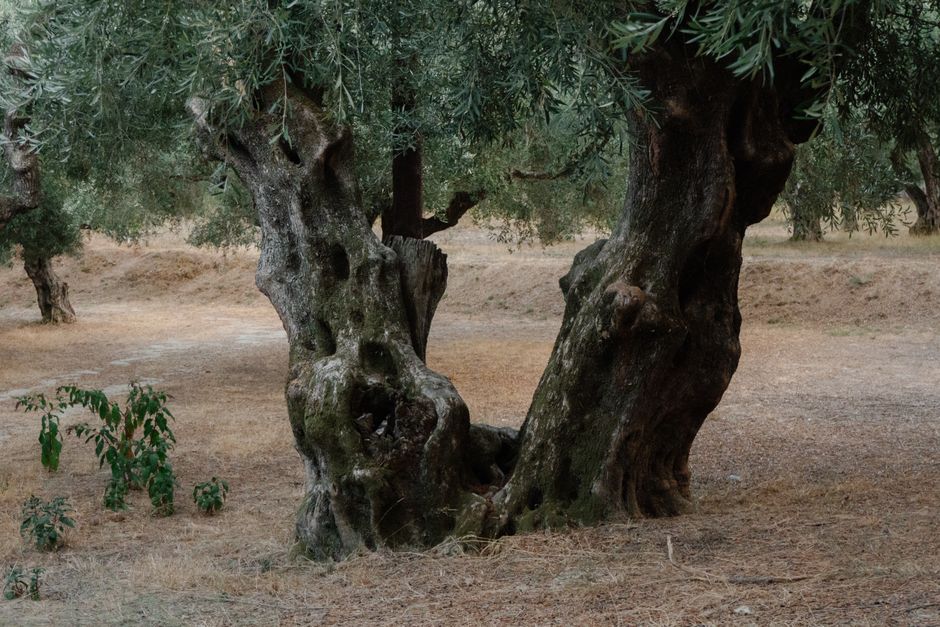
6. Ancient Olive Groves of Crete
Rakoti Gorge, Greece (Crete)
This remote Cretan gorge hides ancient olive trees, some over a thousand years old, still bearing fruit, remnants of a forgotten agricultural past.
While many visit Crete for its beaches and Minoan ruins, venturing into the island's rugged interior reveals a different kind of history. Rakoti Gorge, a lesser-known trail, leads to groves of gnarled, monumental olive trees, some dating back to Byzantine times or even earlier. These living relics connect visitors to millennia of agricultural tradition and the enduring relationship between the Cretan people and their land, away from the bustling tourist spots.
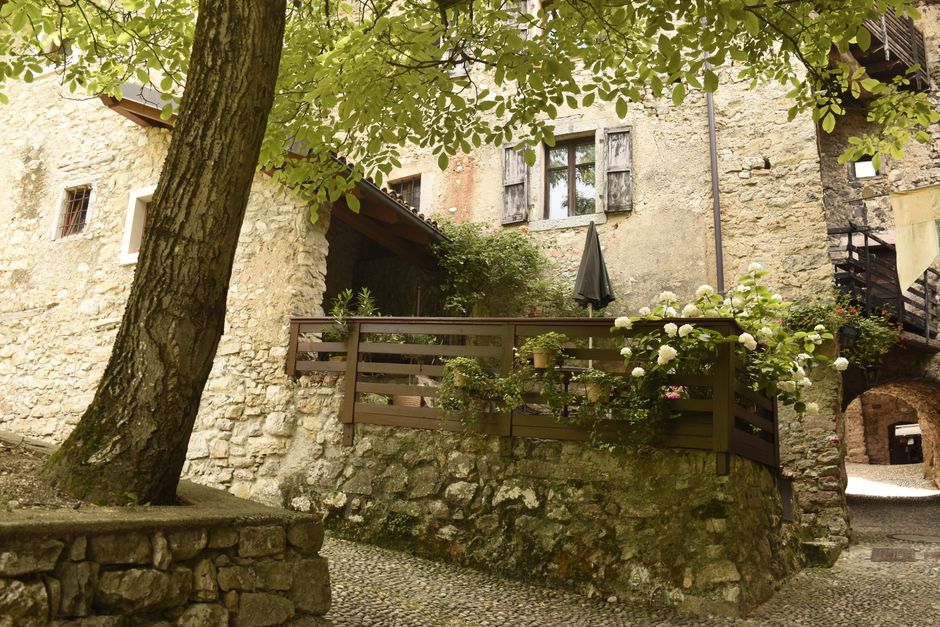
7. The Octagonal Enigma
Castel del Monte, Italy
This mysterious octagonal castle in southern Italy was built with a precise astronomical and mathematical design, possibly as a temple of knowledge.
Unlike Italy's more famous castles, Castel del Monte, a UNESCO site in Apulia, stands alone on a hill, its perfect octagonal shape and eight octagonal towers baffling historians. Built by Emperor Frederick II in the 13th century, its purpose remains debated – a hunting lodge, a fortress, or perhaps a symbolic temple? Its precise geometry and celestial alignments suggest a deeper, esoteric meaning, inviting travelers to ponder its secrets away from the typical Italian tourist routes.
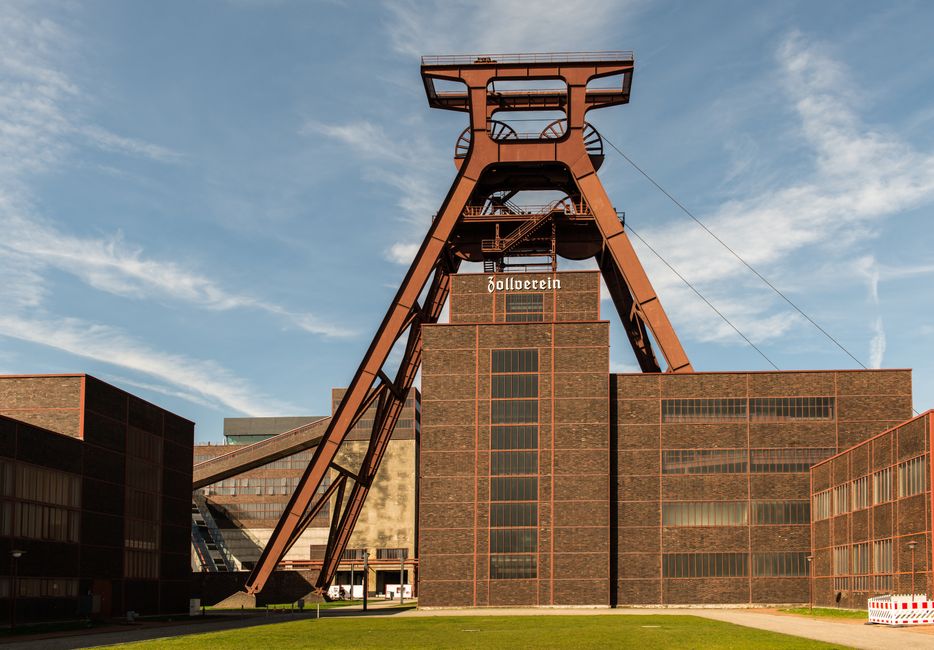
8. From Coal to Culture
Zollverein Coal Mine Industrial Complex, Germany
Once the world's largest and most modern coal mine, this UNESCO site in Germany's Ruhr Valley is now a stunning example of industrial architecture transformed into a cultural hub.
The Zollverein complex in Essen represents a profound shift in European identity, moving from industrial might to cultural innovation. Its imposing red-brick buildings, headframes, and coke ovens are not just relics, but a vibrant center housing museums, art installations, and design schools. Exploring this monumental site offers insight into the industrial revolution's legacy and Europe's capacity to reimagine its past, a powerful contrast to its ancient history.
Frequently asked questions
Is international travel generally more common for Europeans than for Americans?
Yes, statistics often show that Europeans tend to travel internationally more frequently. This is largely due to the geographical proximity of diverse countries within Europe, which makes cross-border trips shorter, more affordable, and often a part of regular life, unlike the vast distances typically covered for international travel from the United States.
What are some underrated European travel destinations for those seeking unique experiences?
Beyond the well-trodden paths, destinations like the Caucasus region (Georgia, Armenia), the Baltics (Estonia, Latvia, Lithuania), or specific regions within larger countries like Apulia in Italy or the Ruhr Valley in Germany, offer rich history, distinct cultures, and stunning landscapes that are often less crowded and more authentic.
How can I discover genuinely lesser-known historical sites or cultural experiences in Europe?
To find these hidden gems, consider looking beyond major city guides. Researching specific regions, asking locals for recommendations, exploring smaller towns and villages, or opting for off-season travel can lead to unique discoveries. Many historical sites are not extensively advertised but offer profound insights.
How does the AllTours.ai app enhance the experience of exploring historical sites?
AllTours.ai transforms your phone into an AI audio tour guide. Simply point your camera at any landscape, monument, or landmark, and the app will instantly narrate its history, geology, and cultural significance in your preferred language. It's like having an expert local guide with you, revealing the hidden stories of the world around you, even in the most remote or overlooked places.
Related guides
Photography via Pexels. AllTours.ai is an AI audio tour guide — point your camera at any landscape and hear its story.