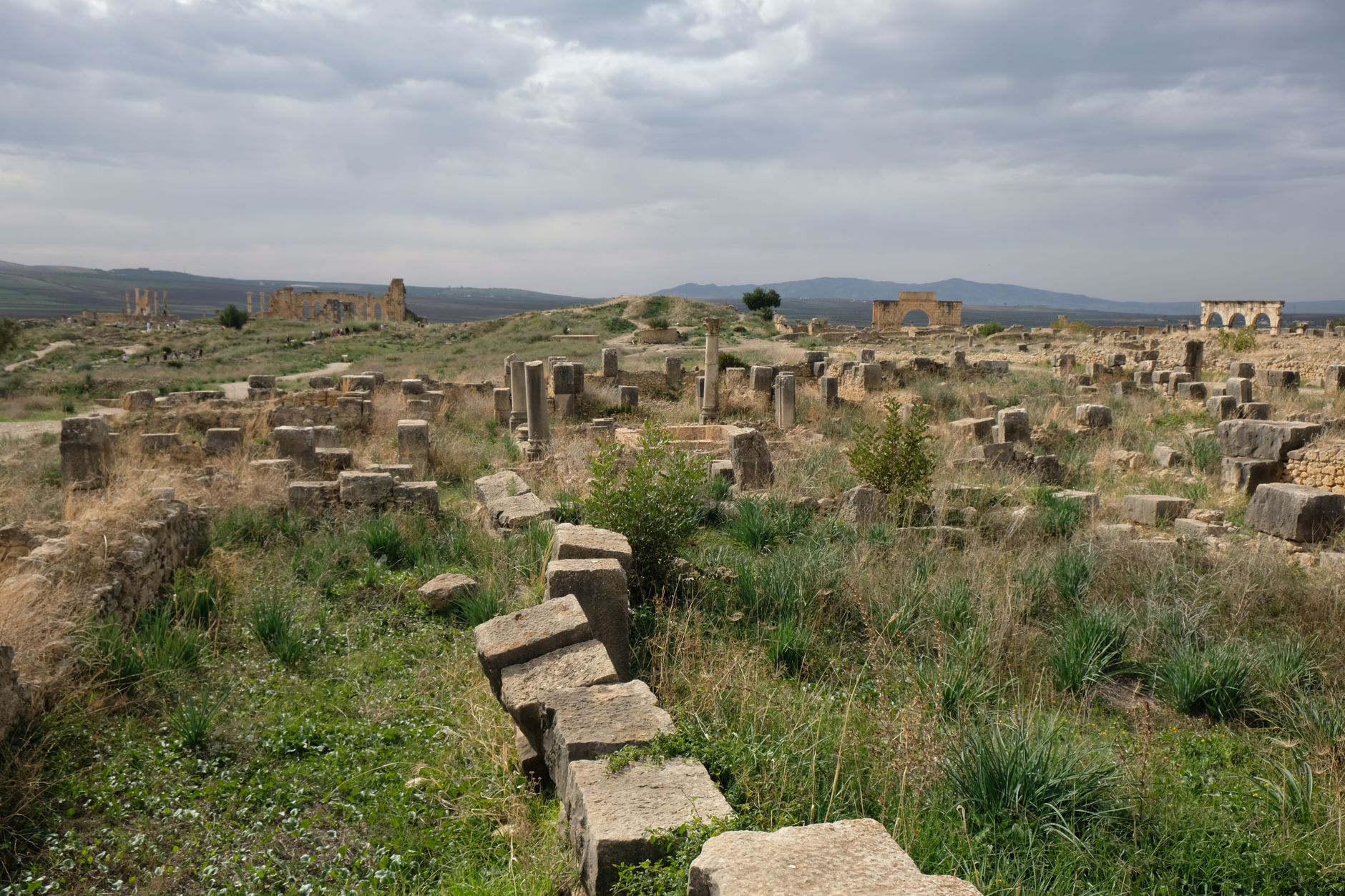
August 8, 2026 · 5 min read
The world is littered with echoes of past civilizations – silent cities, crumbling fortresses, and forgotten homes that tell incredible stories. While places like the Roman Colosseum or the Great Wall of China capture global imagination, countless other human-made ruins and structures hold equally profound, often more surprising, histories.
Beyond the well-trodden paths lie hidden marvels, places where nature slowly reclaims what humanity built, or where a single event froze time. These are the sites that spark true curiosity, inviting you to imagine lives lived, battles fought, and cultures that once thrived. Join us as we explore some of these underrated, breathtaking examples of human ingenuity and ultimate transience.
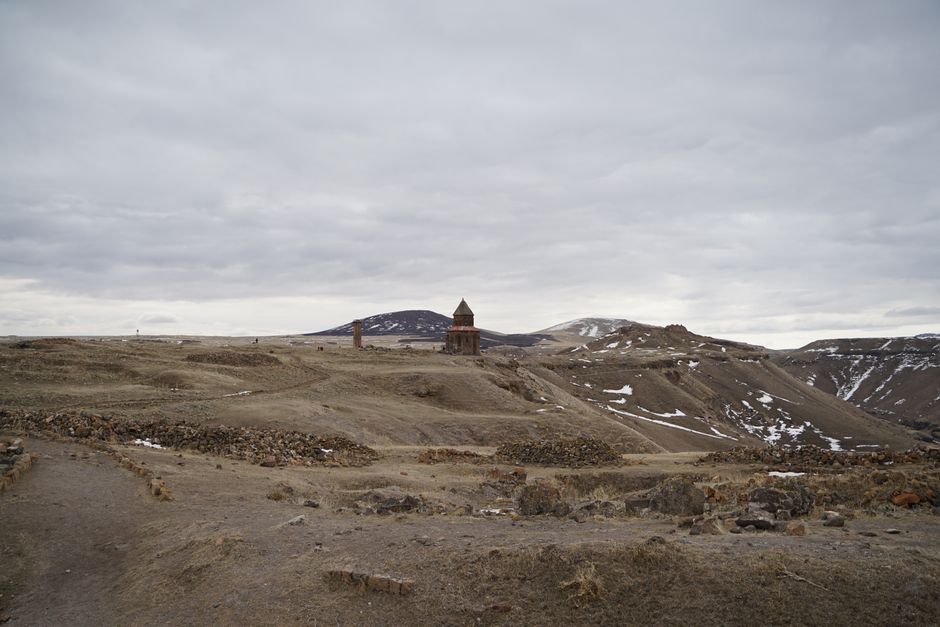
1. The Ghost City of 1001 Churches
Ani, Turkey
This once-thriving medieval Armenian capital was home to over a hundred churches, now standing as spectral husks on a deserted plain.
Ani was the capital of the Bagratid Armenian kingdom in the 10th and 11th centuries, a major trading hub on the Silk Road. Its impressive fortifications and numerous churches earned it the moniker "City of 1001 Churches." Abandoned after a series of earthquakes, sieges, and shifts in trade routes, its magnificent structures like the Cathedral of Ani and the Church of the Redeemer now stand as stark, beautiful monuments to a lost empire, slowly crumbling under the Anatolian sky.
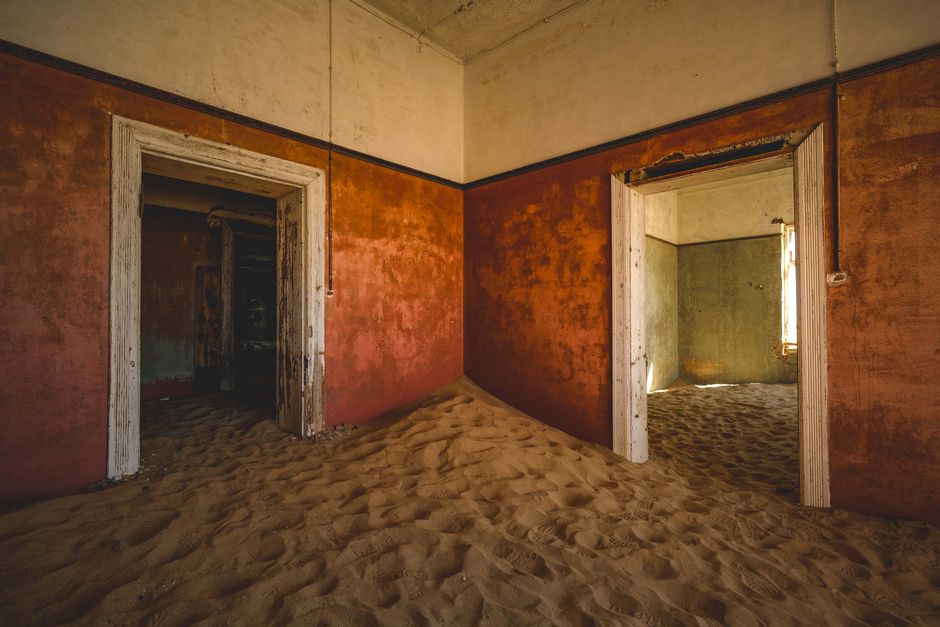
2. A Diamond Town Swallowed by Sand
Kolmanskop, Namibia
This once-opulent German diamond mining town in the Namib Desert was abandoned and is now slowly being reclaimed by shifting sand dunes.
Kolmanskop sprang up in 1908 after the discovery of diamonds in the Namib Desert. German miners built a lavish town complete with a hospital, ballroom, power station, and even the southern hemisphere's first X-ray station. By the 1950s, richer diamond fields were found elsewhere, and Kolmanskop was completely deserted. Today, visitors can walk through houses where sand dunes have breached walls and filled rooms, creating surreal and haunting interiors.
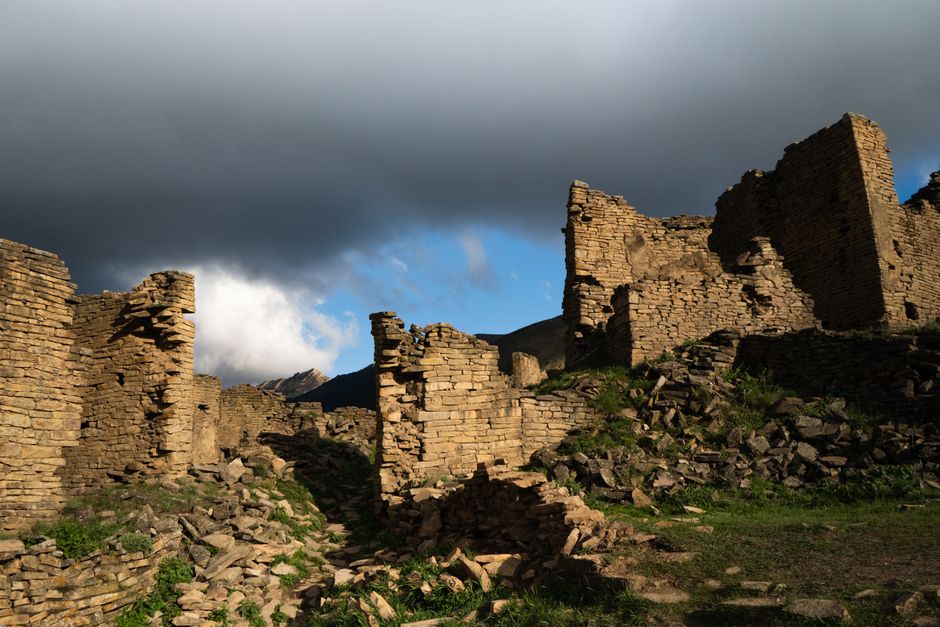
3. The Cradle of Gold's Sister City
Choquequirao, Peru
Often called Machu Picchu's "sacred sister," this vast Inca citadel is perched dramatically on a mountain spur, accessible only by a challenging multi-day hike.
Choquequirao, meaning "Cradle of Gold" in Quechua, is a sprawling Inca ruin complex that rivals Machu Picchu in size and architectural complexity. It likely served as a royal estate or a ceremonial center, possibly a final refuge for the Incas fleeing the Spanish conquest. Unlike its famous counterpart, only about 30-40% of Choquequirao has been excavated, and its remote location means it sees only a fraction of the visitors, offering an unparalleled sense of discovery amidst mist-shrouded peaks and cloud forests.
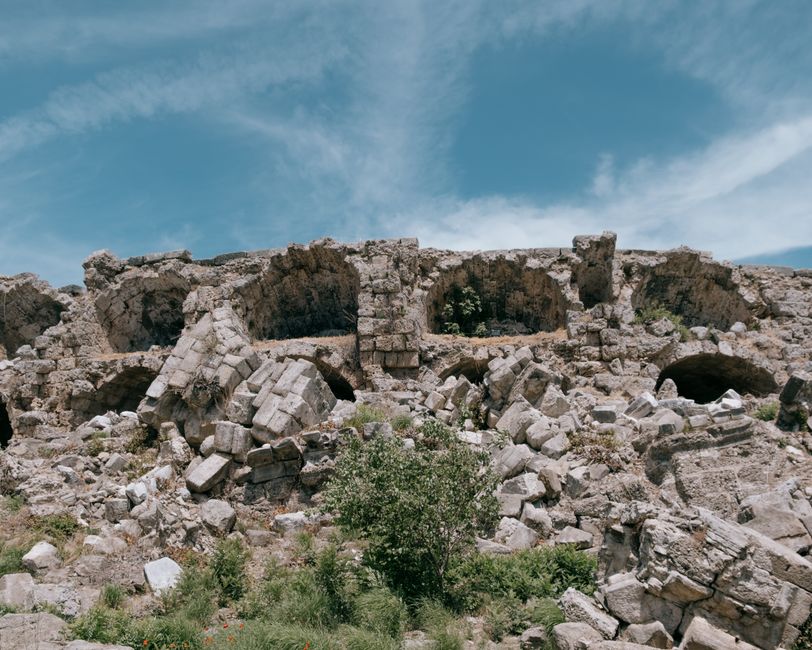
4. The Lost City of the Hittite Empire
Hattusha, Turkey
This ancient capital of the mighty Hittite Empire held a vast library of cuneiform tablets, revealing a sophisticated Bronze Age civilization that rivaled Egypt.
Hattusha was the capital of the Hittite Empire from roughly 1600 to 1180 BCE, a major power in the ancient Near East. The city boasted impressive fortifications, temples, and royal residences. One of its most significant discoveries was the royal archives, containing thousands of clay tablets detailing Hittite laws, treaties (including the world's oldest peace treaty), and religious texts. Today, visitors can explore the massive city walls, the Lion Gate, and the Great Temple, stepping back into the world of a civilization often overshadowed by its contemporaries.
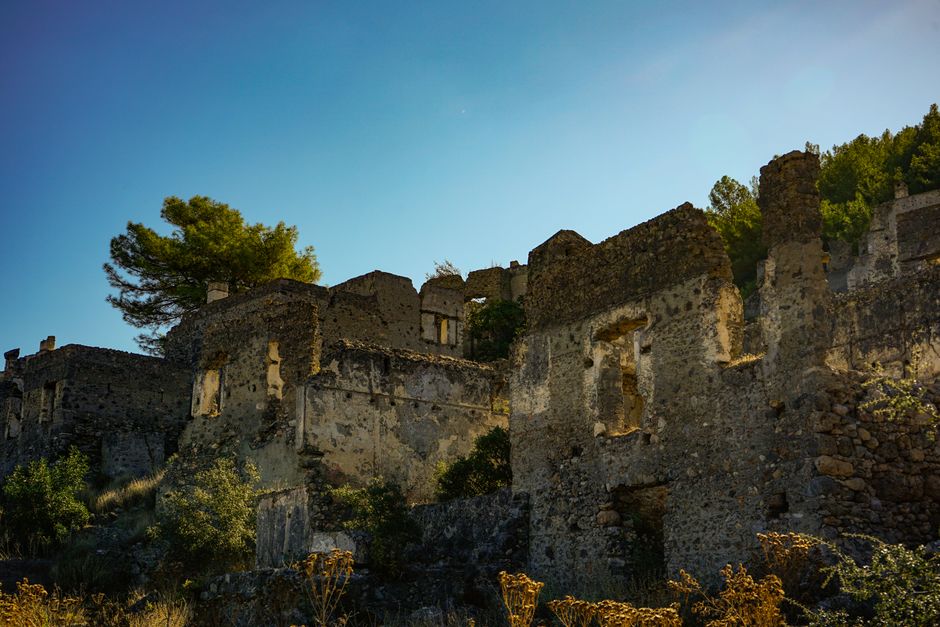
5. The Hilltop Town Frozen in Time
Craco, Italy
Perched precariously on a steep hill, this medieval village was completely abandoned due to a series of landslides and floods, leaving a strikingly preserved ghost town.
Craco's history dates back to the 8th century, growing into a thriving agricultural hub high in the Basilicata region. However, its dramatic geological setting proved its undoing. Throughout the 20th century, a succession of devastating landslides and floods forced its inhabitants to evacuate, with the last residents leaving in 1963. The empty stone buildings, including a Norman tower and a medieval castle, remain clinging to the ridge, offering a poignant glimpse into a past abruptly halted by nature's power.
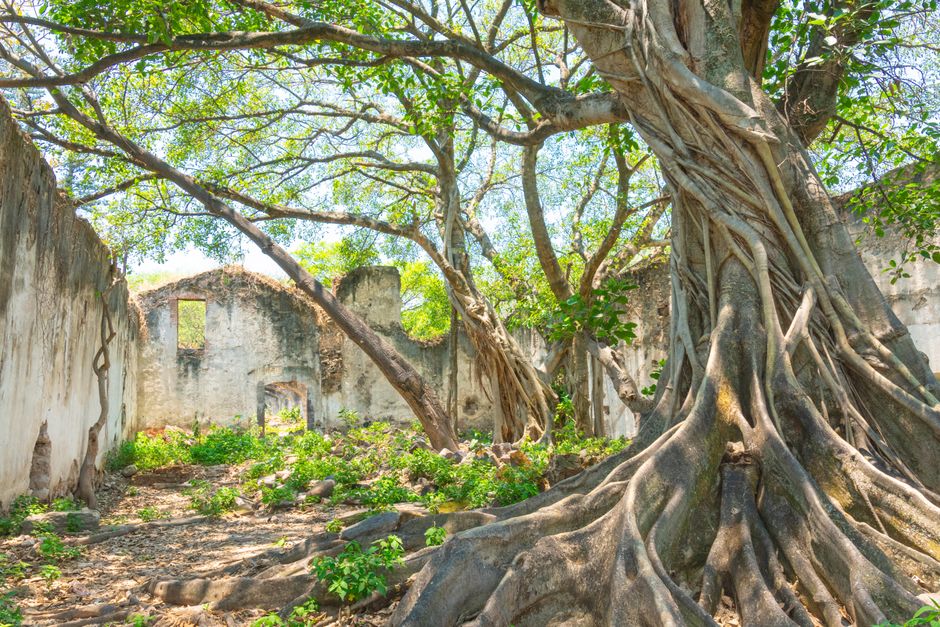
6. The Jungle-Claimed Colonial Capital
Ross Island, Andaman and Nicobar Islands, India
This small island once served as the administrative headquarters for the British in the Andaman Islands, now a haunting tableau of crumbling Victorian buildings entwined with giant fig roots.
From 1858, Ross Island was the seat of British power, featuring grand bungalows, a church, a hospital, and even a bakery and printing press. It was known as the "Paris of the East." However, a devastating earthquake in 1941, followed by Japanese occupation during WWII, led to its abandonment. Today, the island is a unique wildlife sanctuary where deer roam freely among the decaying brick structures, their walls dramatically consumed by the sprawling roots of tropical trees, creating a stunning visual of nature reclaiming history.
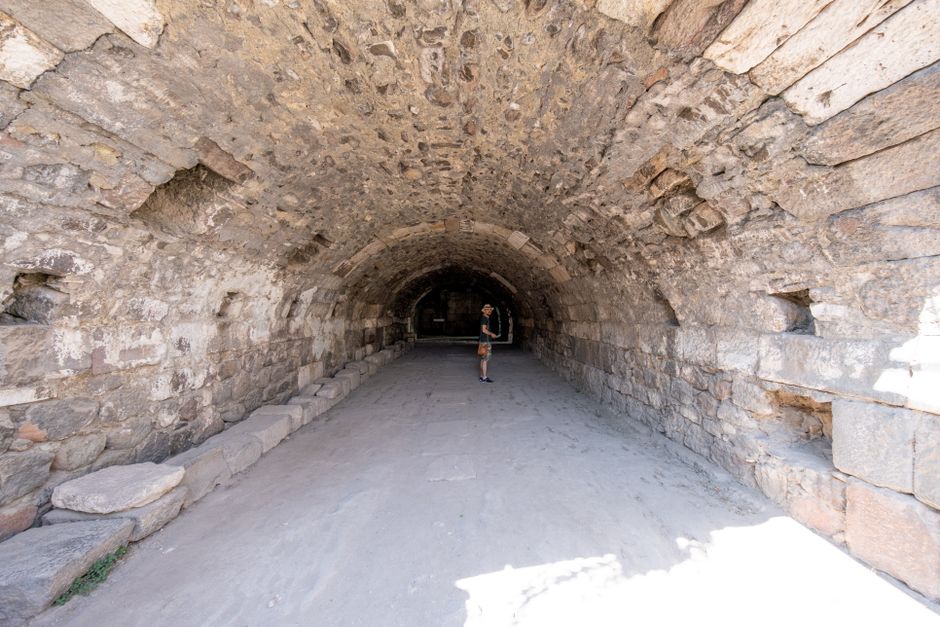
7. The Multi-Level Underground Metropolis
Derinkuyu Underground City, Turkey
This massive ancient city burrows eight levels deep into the earth, capable of housing thousands of people with their livestock, complete with ventilation shafts and chapels.
Discovered accidentally in 1963, Derinkuyu is the largest excavated underground city in Cappadocia, though many more exist. It was carved out of soft volcanic rock by early Christians, likely to escape persecution from invading armies. The city featured living quarters, stables, churches, wine and oil presses, and even a school. Giant circular stone doors could seal off tunnels, and a sophisticated ventilation system ensured fresh air throughout its depths, showcasing an incredible feat of ancient engineering and resilience.
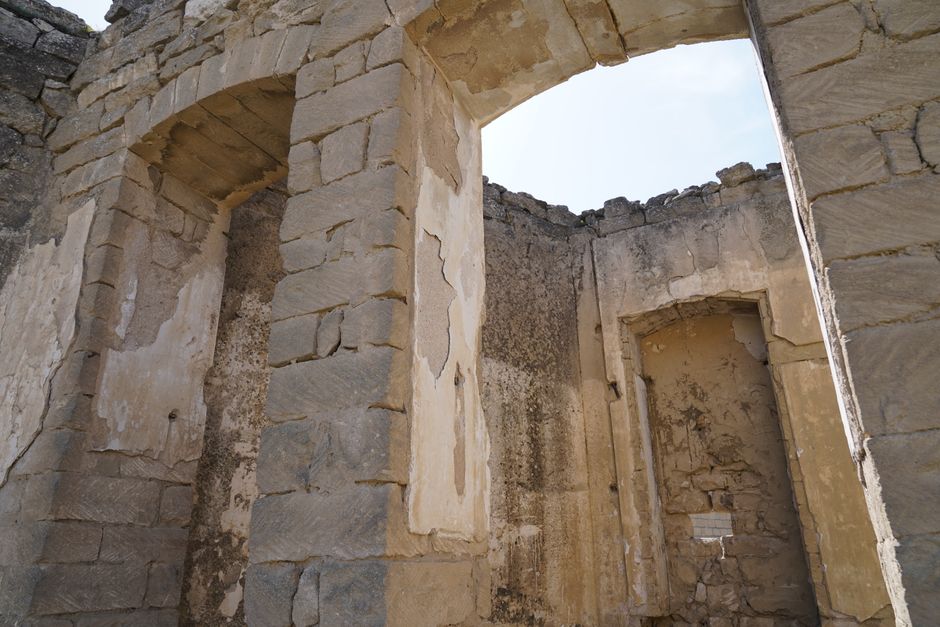
8. The Mysteriously Abandoned Swahili Port
Gede Ruins, Kenya
Deep within a coastal forest, these substantial ruins of a medieval Swahili town were mysteriously abandoned centuries ago, leaving behind palaces, mosques, and homes.
Gede was a prosperous Swahili town from the 12th to the 17th century, thriving on trade with merchants from around the Indian Ocean, as evidenced by imported pottery and beads found on site. Despite its size and wealth, it was never mentioned in historical records, and the exact reasons for its abandonment around the 17th century remain a subject of debate among archaeologists. Theories range from water scarcity and disease to attacks by migrating tribes. Today, the Gede Ruins offer a captivating glimpse into East Africa's rich Swahili past, hidden beneath the canopy of the indigenous forest.
Frequently asked questions
Why are so many ancient sites in ruins today?
Many ancient human-made structures fall into ruin due to a combination of factors, including natural disasters like earthquakes and floods, prolonged abandonment, shifts in trade routes or political power, and the slow but relentless process of erosion and vegetation overgrowth. Warfare and conquest also played a significant role in the destruction of many historical sites.
Are these lesser-known ruins safe to visit?
Generally, most designated archaeological sites and ghost towns are managed for visitor safety, but conditions can vary. It's always advisable to check local travel advisories, respect any barriers or warnings, and consider hiring local guides, especially for more remote or less developed sites.
How are efforts made to preserve these fragile historical sites?
Preservation efforts involve a range of activities, from archaeological excavation and consolidation of structures to protection from environmental damage and responsible tourism management. Organizations like UNESCO and local heritage trusts work to document, stabilize, and maintain these sites, ensuring their stories can continue to be told for future generations.
How can AllTours.ai enhance my experience at these ruins?
AllTours.ai transforms your phone into an AI audio tour guide. Simply point your camera at any part of a ruin or landscape, and the app instantly narrates its history, geology, and cultural significance in your preferred language, bringing the silent stones to life with rich, contextual stories right as you explore.
Related guides
Photography via Pexels. AllTours.ai is an AI audio tour guide — point your camera at any landscape and hear its story.