August 5, 2026 · 4 min read
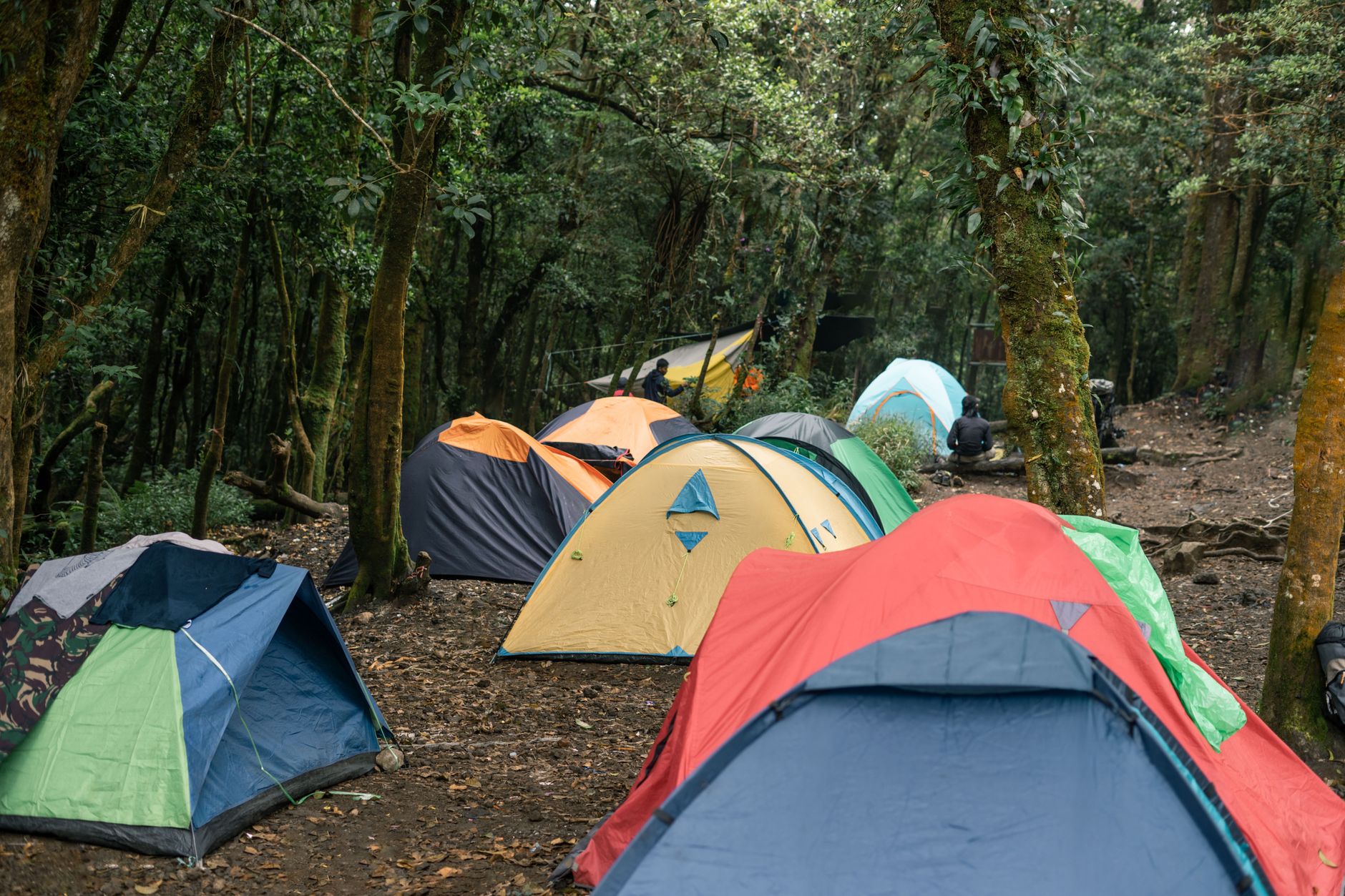
For many backpackers, a traditional tent is a non-negotiable item, the trusty home-away-from-home in the wild. Yet, the weight, bulk, and sometimes cumbersome setup of a conventional tent can significantly impact the freedom and agility of your journey. Imagine shedding that burden, not just for lighter pack, but to embrace more integrated, often more fascinating, ways to shelter.
The world is full of ingenious solutions to the need for protection from the elements, both natural and human-made. Beyond the standard nylon dome, exist places where the landscape itself, or clever historical design, offers a unique roof over your head. These alternatives often lead to more immersive experiences, connecting you intimately with the geology, history, and culture of truly remarkable, lesser-known locations.
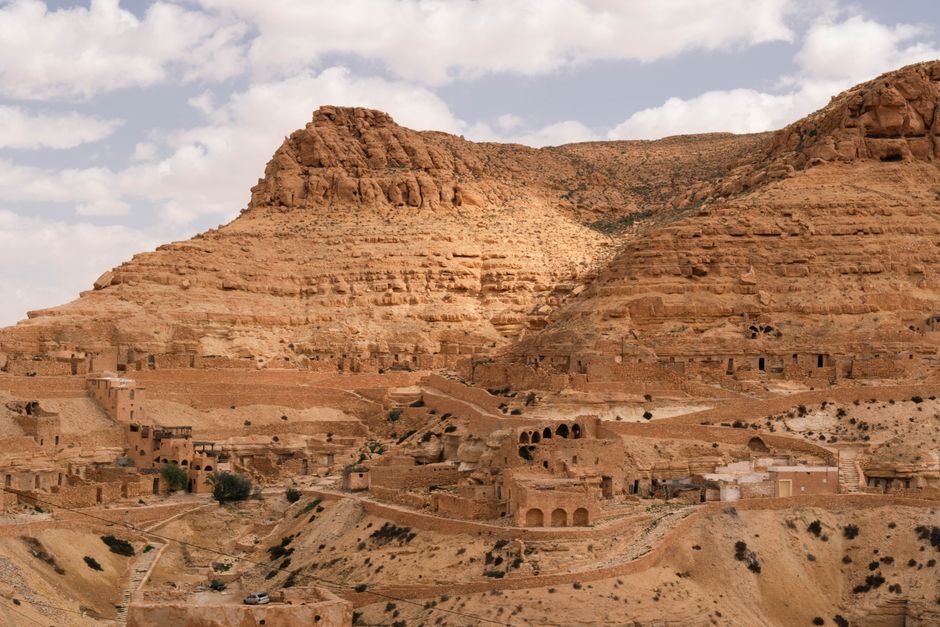
1. Matmata's Subterranean Sanctuaries
Matmata, Tunisia
Entire villages carved underground offer refuge from the desert sun and invaders.
For centuries, Berber communities in Matmata have sculpted their homes into the soft sandstone, creating crater-like courtyards leading to subterranean rooms. These troglodyte dwellings naturally maintain cool temperatures in scorching summers and warmth in chilly winters. One such dwelling famously served as Luke Skywalker's childhood home in "Star Wars," showcasing its unique, otherworldly appeal.
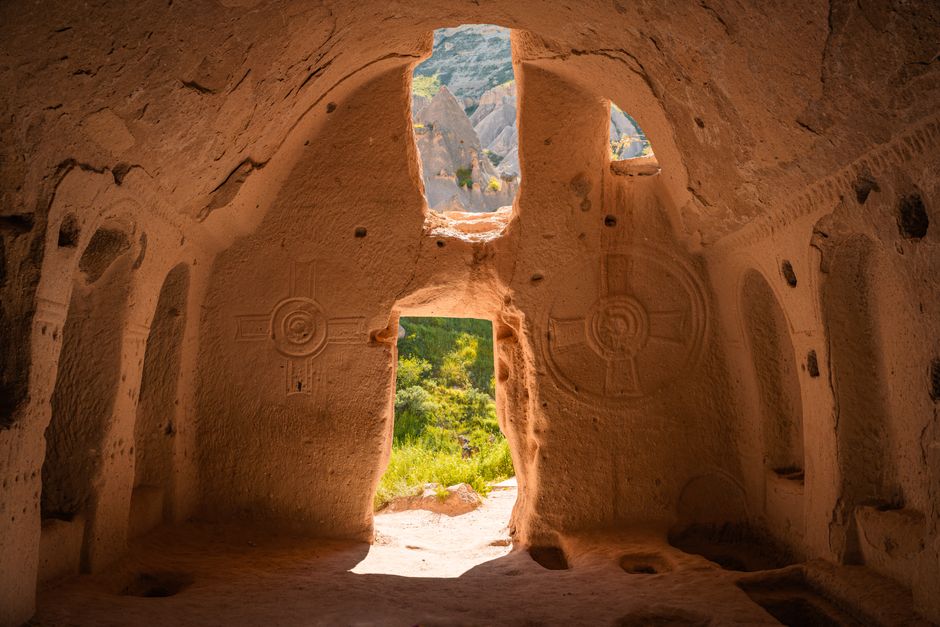
2. Cappadocia's Volcanic Chambers
Cappadocia, Turkey
Ancient cave churches and homes carved into towering 'fairy chimney' rock formations.
Cappadocia's unique landscape, shaped by volcanic eruptions, hosts an intricate network of human-carved dwellings and churches. Early Christians, seeking refuge from persecution, hollowed out these "fairy chimneys" and vast underground cities, decorating their hidden sanctuaries with vibrant frescoes. Some of these remarkable formations were even repurposed as pigeon houses, their droppings used as fertilizer for the arid land.
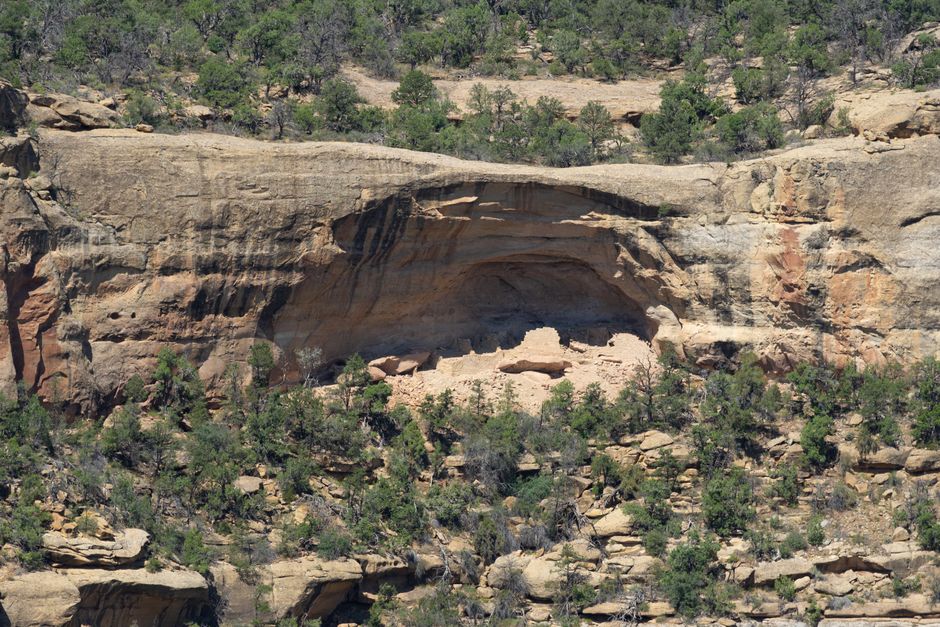
3. Tonto's Cliffside Legacy
Tonto National Monument, Arizona, USA
Ancestral Puebloans built entire communities high within natural cliff alcoves centuries ago.
Perched dramatically within sheltered caves of the Sonoran Desert, the Tonto Cliff Dwellings are a testament to the ingenuity of the Salado people. Constructed around the 13th-15th centuries, these multi-room structures utilized natural overhangs for protection from the elements and strategic defense. Their design provided natural insulation, offering cooler living spaces during the desert's intense heat and warmth in cooler months.
4. Sentinel Pine's Lofty Perch
Franconia Notch State Park, New Hampshire, USA
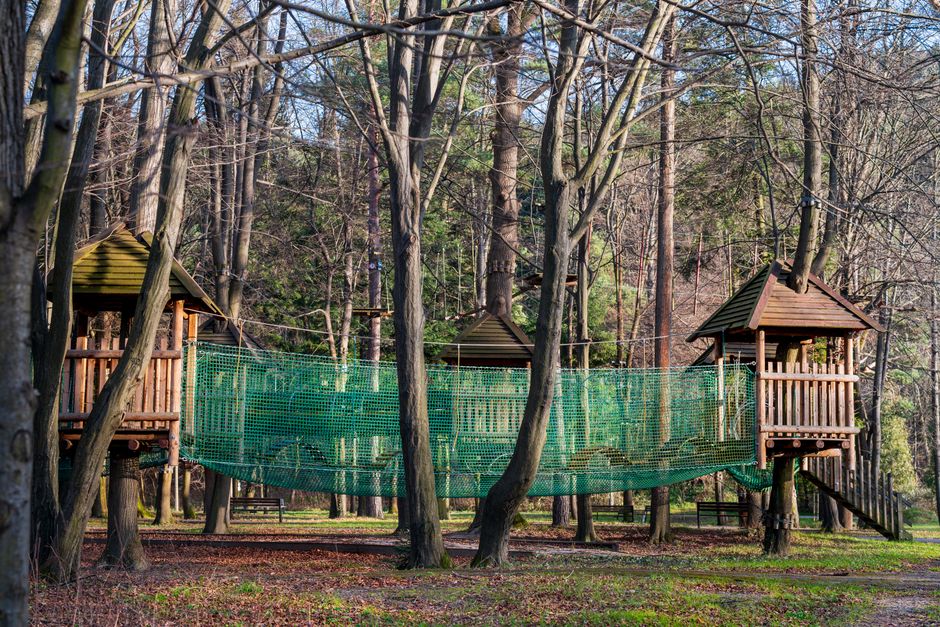
A historic treehouse-like structure built directly into the trunk of a massive, living pine tree.
More of a unique observation post than a dwelling, the Sentinel Pine Bridge's former treehouse section allowed visitors to step directly into the hollowed-out base of a colossal, ancient pine. Though the original structure has changed over time, the spirit of integrating human construction with living nature persists in the area. It highlights an imaginative use of natural features, offering a unique perspective from within a venerable forest giant.
5. Mont Blanc's Space-Age Bivouac
Val Ferret, Mont Blanc Massif, Italy
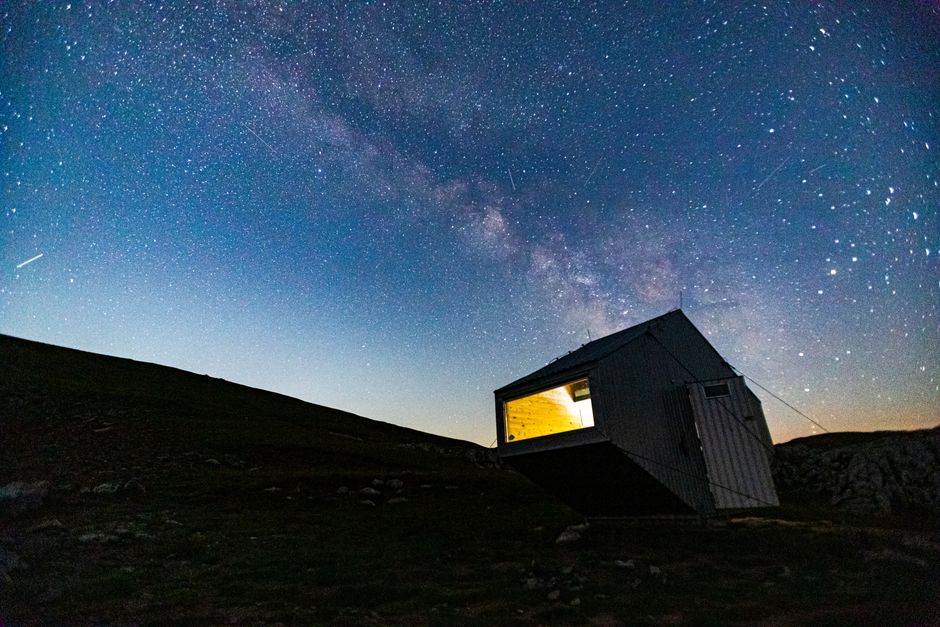
A cutting-edge, pre-fabricated capsule designed to withstand extreme alpine conditions, replacing traditional shelters.
The Bivacco Gervasutti is not a tent, but a bright yellow, modular survival pod bolted onto a precarious ledge at over 9,000 feet. This high-tech shelter provides mountaineers with essential respite and safety in the unforgiving Val Ferret. Replacing an older, simpler bivouac, its modern design and durable materials showcase how specialized, engineered solutions can outperform conventional tents in truly extreme environments.
6. Skellig Michael's Stone Cells
Skellig Michael, Ireland
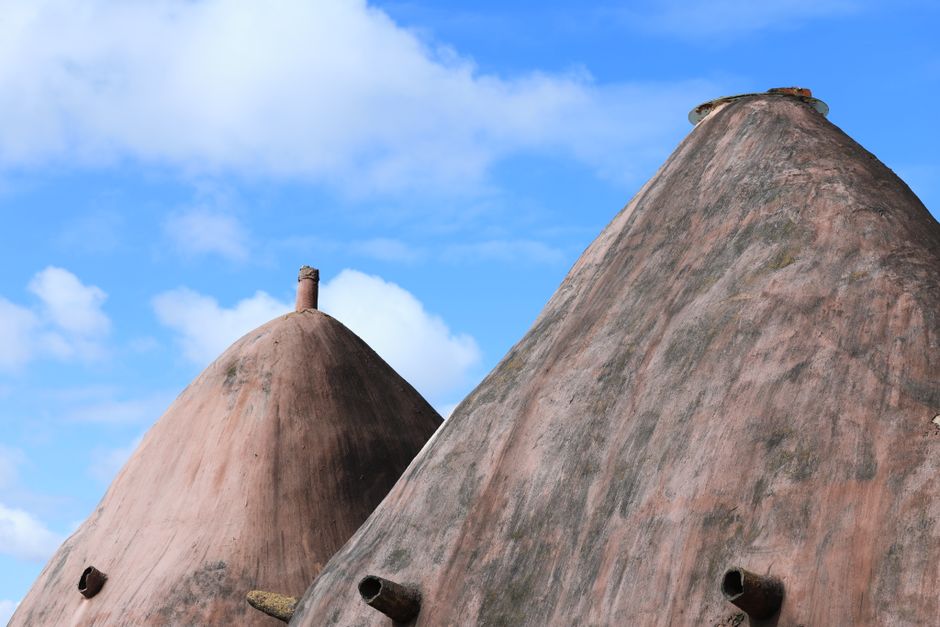
Ancient monks built extraordinary beehive huts on a remote, storm-lashed island, surviving centuries.
Rising dramatically from the Atlantic Ocean, Skellig Michael hosts a remarkably preserved 6th-century monastic settlement. Here, early Christian monks lived in dry-stone "beehive" huts, called clochán, enduring extreme isolation and harsh weather. These corbelled structures, built without mortar, are a testament to durable, minimalist shelter design, offering surprising warmth and protection within their thick stone walls.
7. Coffin Rock's Natural Canopy
Canyonlands National Park, Utah, USA
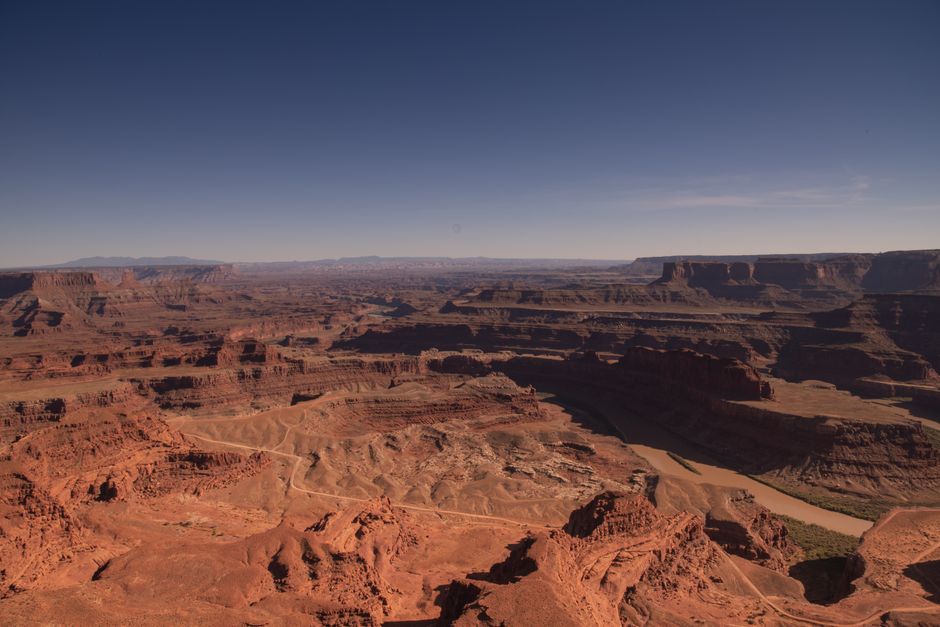
A designated backcountry campsite nestled beneath a colossal, naturally eroded rock overhang.
In the vast, stark beauty of Canyonlands, Coffin Rock offers a unique backcountry experience. This massive sandstone overhang, shaped over millennia by wind and water, provides a natural, pre-existing shelter. Backpackers can set up their sleeping systems directly beneath its protective curve, foregoing a tent entirely and experiencing the desert's raw elements while still shielded from sun, wind, or light rain.
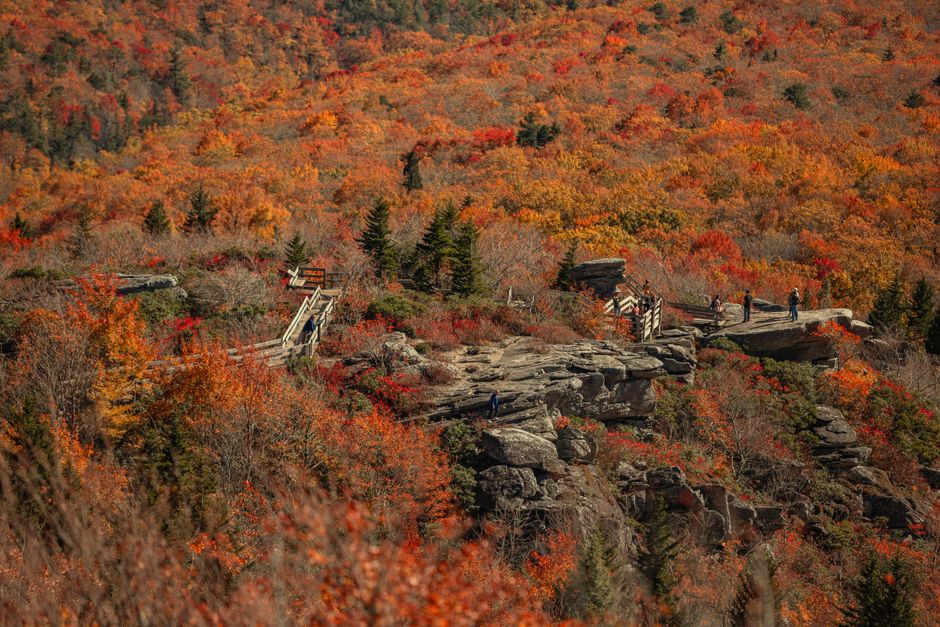
8. The AT's Overhanging Haven
Great Smoky Mountains National Park, USA (Appalachian Trail)
A massive rock overhang on the Appalachian Trail provides a natural, no-tent shelter for thru-hikers.
Along the rugged expanse of the Appalachian Trail, specifically in the Great Smoky Mountains, hikers often encounter large, natural rock shelters. One such anonymous but well-known overhang provides a spacious, dry bivouac for those seeking refuge from unexpected downpours or simply a break from tent pitching. These natural "caves" highlight how experienced backpackers often prioritize minimalist gear, leveraging geology for immediate protection.
Frequently asked questions
What are the main drawbacks of traditional backpacking tents?
Traditional backpacking tents can be heavy and bulky, taking up significant space in your pack. They also require dedicated setup time and can sometimes suffer from condensation issues, making the interior damp.
What are some lightweight alternatives to traditional tents for backpacking?
Popular lightweight alternatives include tarps, which offer versatile coverage; bivouac sacks (bivy sacks), which are minimalist, waterproof covers for sleeping bags; and hammocks, ideal for forested areas. Some ultralight shelters also combine tarp-like structures with minimal insect netting.
Are these tent alternatives always suitable for all backpacking conditions?
No, these alternatives offer varying levels of protection. Tarps and bivys might not provide full insect protection or robust defense against extreme wind and rain. Hammocks require trees, and natural shelters depend entirely on finding suitable geological features. They are best chosen based on expected weather, terrain, and personal comfort preferences.
How does AllTours.ai enhance exploration of these unique places and shelters?
AllTours.ai deepens your travel experience by providing rich context for any location. Simply point your phone camera at a landmark, a unique natural formation, or even a historical shelter, and the app will narrate its history, geology, and cultural significance in your preferred language, transforming your journey into an immersive learning adventure.
Related guides
Photography via Pexels. AllTours.ai is an AI audio tour guide — point your camera at any landscape and hear its story.