
August 5, 2026 · 4 min read
Mazatlán beckons with its golden zone and lively malecón, drawing visitors to its well-trodden shores. But just beyond the familiar tourist paths, a different side of Sinaloa's coastline unfolds – one of rugged beauty, ancient secrets, and vital ecosystems waiting to be discovered. These aren't just stretches of sand; they are canvases of history, geology, and vibrant natural life.
For those seeking genuine connection with a place, away from the resort crowds, Sinaloa offers a collection of lesser-known beaches. Each holds a unique story, whether it's the whispers of ancient civilizations, the geological drama of volcanic rock, or the quiet dedication to preserving marine wonders. Get ready to explore the hidden depths of Mexico's Pacific coast.
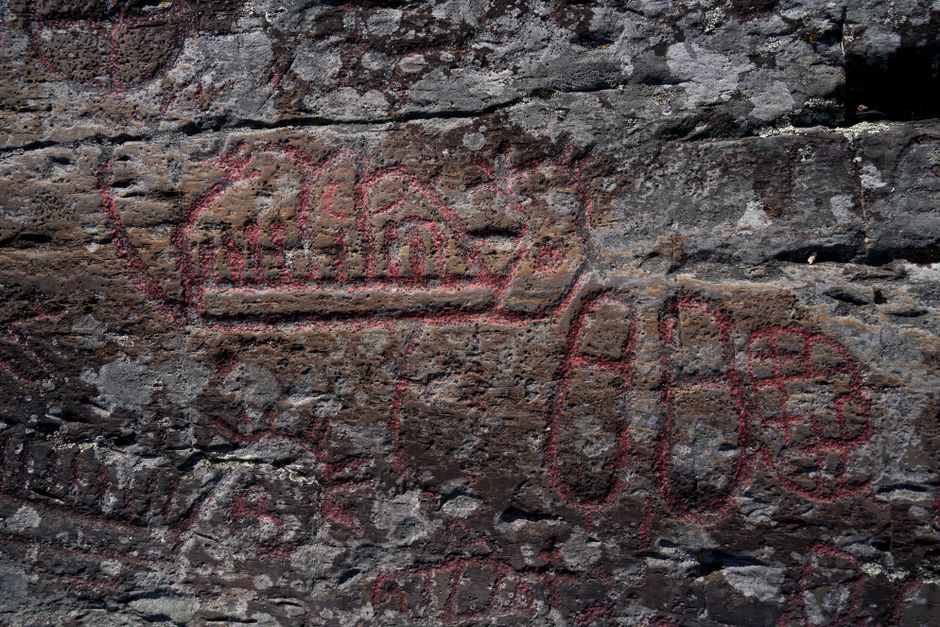
1. The Ancient Art Gallery of Las Labradas
Las Labradas, Sinaloa, Mexico
This beach is an open-air museum where pre-Hispanic petroglyphs are carved directly into the volcanic rock formations along the shore.
Stretching along the Pacific, Las Labradas offers a unique blend of natural beauty and archaeological wonder. Hundreds of ancient petroglyphs, some dating back over 2,500 years, are etched into the dark basalt rocks, depicting human figures, animals, and cosmic symbols. These carvings, exposed to the elements, tell stories of a forgotten culture that once thrived along this coast, offering a tangible link to Mexico's deep past.
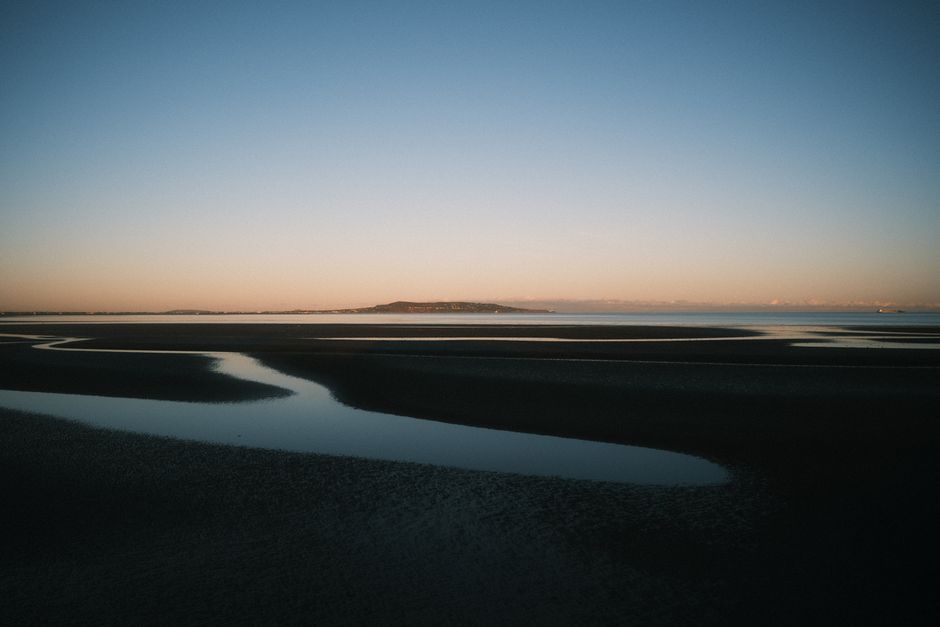
2. Ceuta's Estuary Haven
Playa Ceuta, Sinaloa, Mexico
Playa Ceuta is not just a beach but a critical estuary system, acting as a nursery for diverse marine life and a stopover for migratory birds.
South of Mazatlán, Playa Ceuta remains a tranquil escape. Its unique characteristic lies in the expansive estuary that meets the ocean, creating a rich ecosystem. Here, fresh and saltwater mingle, providing fertile grounds for juvenile fish and shrimp, which in turn attract a plethora of bird species, including herons, pelicans, and sometimes even spoonbills. It's a place where local fishermen still use traditional methods, offering a glimpse into an authentic coastal livelihood intertwined with nature.

3. The Turtle Nursery of El Verde Camacho
El Verde Camacho Turtle Sanctuary, Sinaloa, Mexico
This protected stretch of sand is one of the most important nesting sites for sea turtles on Mexico's Pacific coast, particularly the critically endangered Black Sea Turtle.
Far from the bustling resorts, the El Verde Camacho Turtle Sanctuary dedicates itself to the survival of several sea turtle species. Every year, female turtles return to these quiet shores to lay their eggs, a timeless ritual safeguarded by conservationists. Visitors can sometimes witness the delicate hatchlings making their perilous journey to the ocean, a powerful reminder of nature's cycles and the dedicated efforts to protect them.
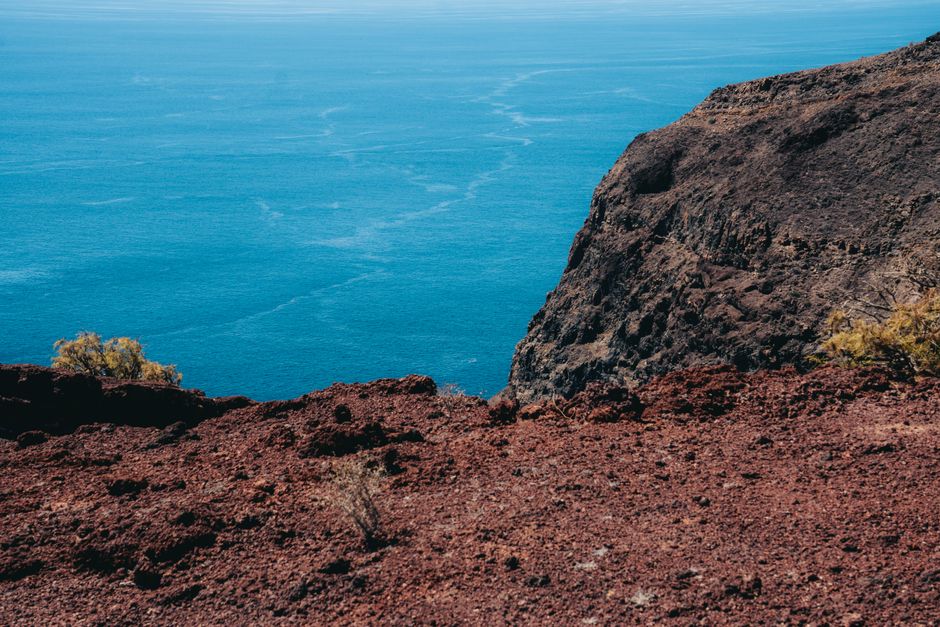
4. La Tambora's Red Rock Drama
Playa La Tambora, Sinaloa, Mexico
Playa La Tambora stands out with its dramatic reddish-hued volcanic rock formations that contrast sharply with the golden sand and blue ocean.
Tucked away near Concordia, La Tambora offers a geological spectacle. The beach is characterized by striking formations of volcanic rock, worn smooth by centuries of ocean waves, showcasing earthy red and orange tones. These natural sculptures create secluded coves and tide pools, perfect for quiet exploration. The unique coloration of the rocks provides a stark, beautiful backdrop, unlike any other beach in the region.
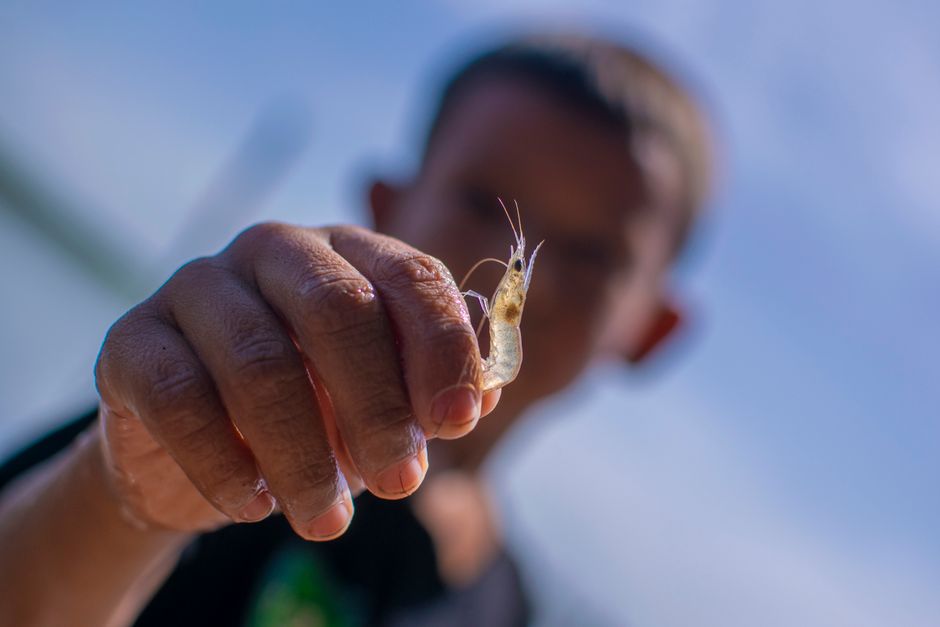
5. El Caimanero's Shrimp Coast
Playa El Caimanero, Escuinapa, Sinaloa, Mexico
This expansive beach is renowned for its vast shrimp farms and estuary system, which drives the local economy and attracts diverse birdlife.
Further south in Escuinapa, Playa El Caimanero offers a glimpse into Sinaloa's rich aquaculture. The surrounding estuary is dotted with shrimp farms, a vital part of the region's industry, providing some of the freshest seafood directly from its source. Beyond the economic activity, the estuary and mangroves are a haven for numerous bird species, making it an excellent spot for birdwatching amidst a working coastal landscape.
6. Las Cabras' Festival Spirit
Playa Las Cabras, Escuinapa, Sinaloa, Mexico
Playa Las Cabras is famous for hosting one of Sinaloa's most vibrant annual seafood festivals, drawing locals for its unique culinary traditions and lively atmosphere.
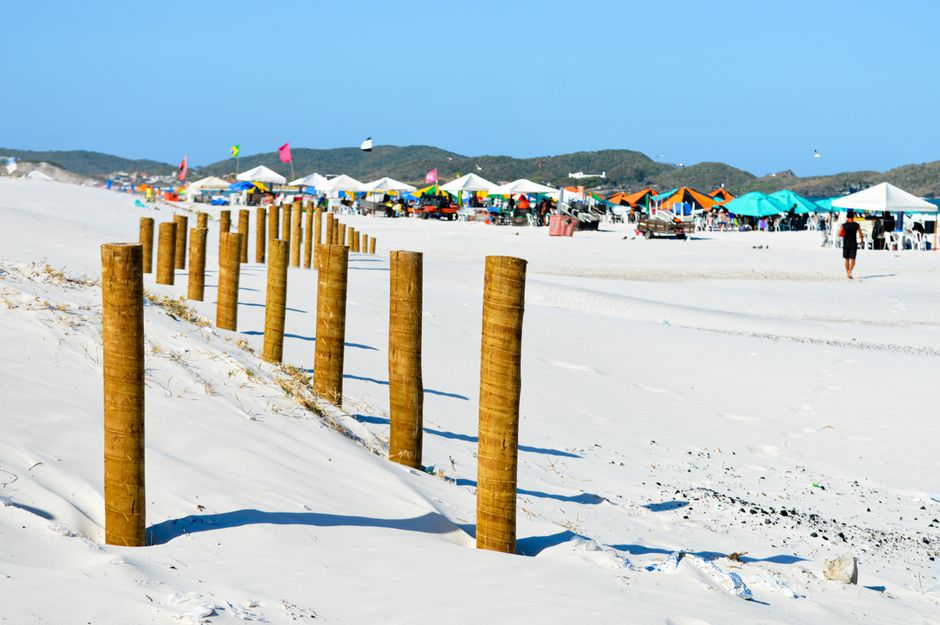
While generally a quiet, rustic beach, Playa Las Cabras transforms into a lively hub during its annual seafood festival. This event celebrates the region's abundant marine harvest, offering an array of fresh ceviches, grilled fish, and traditional dishes prepared by local families. Even outside festival season, the beach retains its charm as a local gathering spot, perfect for experiencing authentic Sinaloan coastal culture away from tourist crowds.
7. Teacapán's Mangrove Labyrinth
Playa Las Lupitas, Teacapán, Sinaloa, Mexico
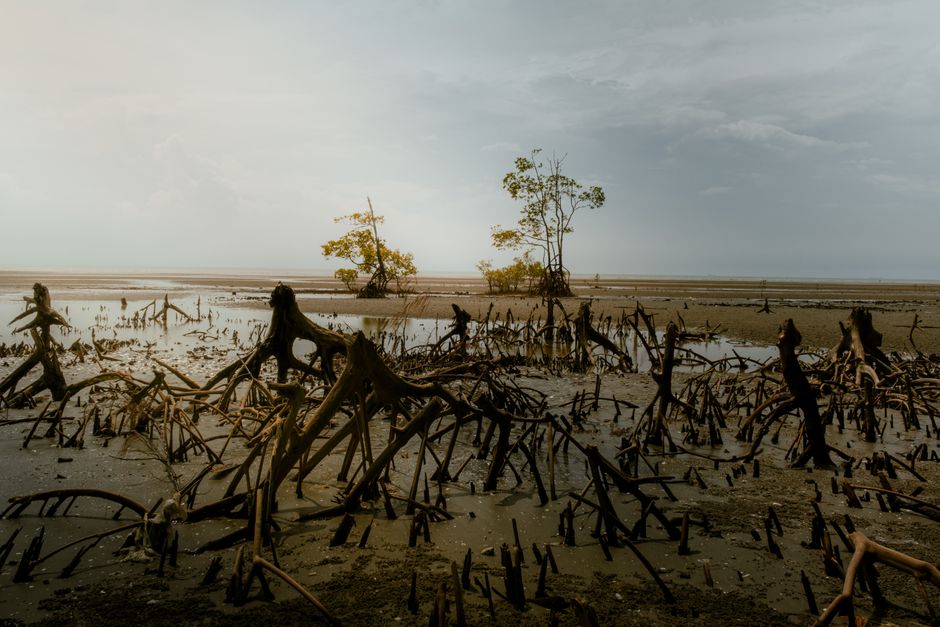
Located within the vast Teacapán lagoon system, Playa Las Lupitas offers access to a stunning mangrove labyrinth teeming with unique biodiversity.
Near the charming fishing town of Teacapán, Playa Las Lupitas serves as a gateway to an intricate world of mangroves. These vital coastal forests are nurseries for countless marine species and a sanctuary for migratory birds, including roseate spoonbills and frigatebirds. Exploring the channels by boat reveals a hidden ecosystem, where the roots of the mangroves create a complex habitat, offering a serene and immersive nature experience far from typical beach activities.
8. Mármol's Quarry Legacy Beach
Playa Mármol, Sinaloa, Mexico
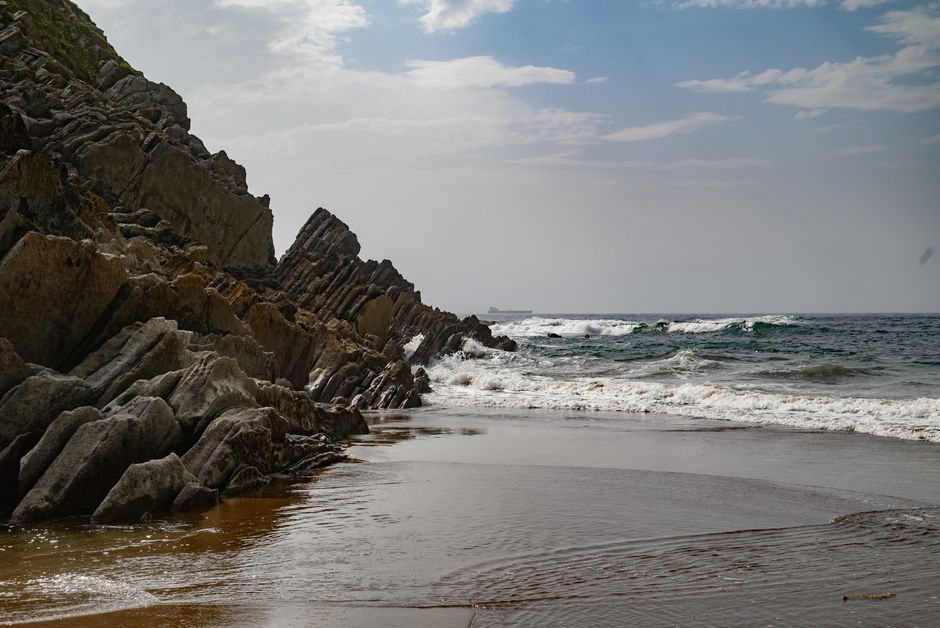
This rugged beach is named for a nearby historic marble quarry, and its shores feature unique rock formations that hint at its geological and industrial past.
Playa Mármol, meaning "Marble Beach," is a testament to the region's geological richness and past industry. While not actual marble on the beach, the name comes from the historic marble quarry located nearby. The beach itself is characterized by intriguing rock formations and a more rugged coastline, reflecting the powerful forces that shaped this area. It's a place that invites contemplation of both natural erosion and human endeavor.
Frequently asked questions
What's the best way to get to these hidden beaches near Mazatlán?
The most flexible way to reach these lesser-known spots is by renting a car, allowing you to explore at your own pace. For some, local buses or collective taxis (colectivos) might be an option to nearby towns, followed by a local ride to the specific beach, though this requires more planning.
Are these hidden beaches safe for swimming, and what amenities should I expect?
Safety for swimming varies; always observe local conditions and warnings. Many of these are undeveloped beaches, meaning amenities like lifeguards, restrooms, or formal restaurants are rare or non-existent. It’s best to bring your own water, snacks, and essentials.
How does the AllTours.ai app enhance exploration of these hidden beaches near Mazatlán?
AllTours.ai brings these hidden gems to life. Simply point your phone camera at a unique rock formation, an ancient petroglyph, or a stretch of mangrove, and the app instantly narrates its history, geological origins, cultural significance, or ecological importance in your preferred language. It's like having a personal expert guide revealing the stories behind every sight.
Related guides
Photography via Pexels. AllTours.ai is an AI audio tour guide — point your camera at any landscape and hear its story.