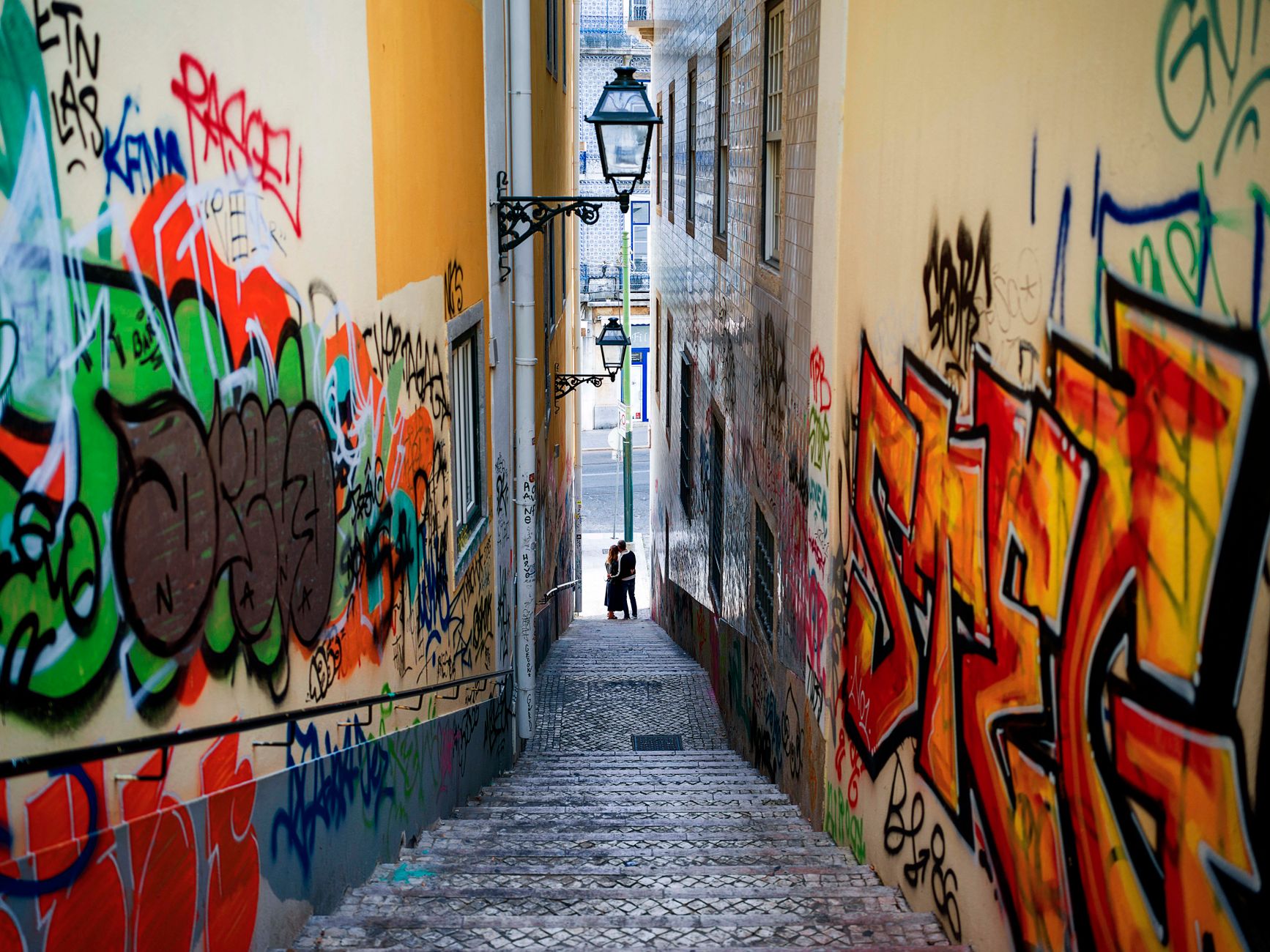
September 20, 2026 · 4 min read
Most Americans dream of European travel, picturing iconic landmarks and bustling city centers. We imagine grand cathedrals, famous museums, and well-trodden paths that have graced countless postcards. This familiar image, however, often leads to common misconceptions about what truly awaits across the Atlantic.
Europe is far more diverse and enigmatic than its most famous sites suggest. Beyond the usual tourist circuits lie countless stories, surprising histories, and hidden wonders that challenge preconceived notions, offering a richer, more profound travel experience. It's in these lesser-known corners that Europe truly reveals its multifaceted soul.
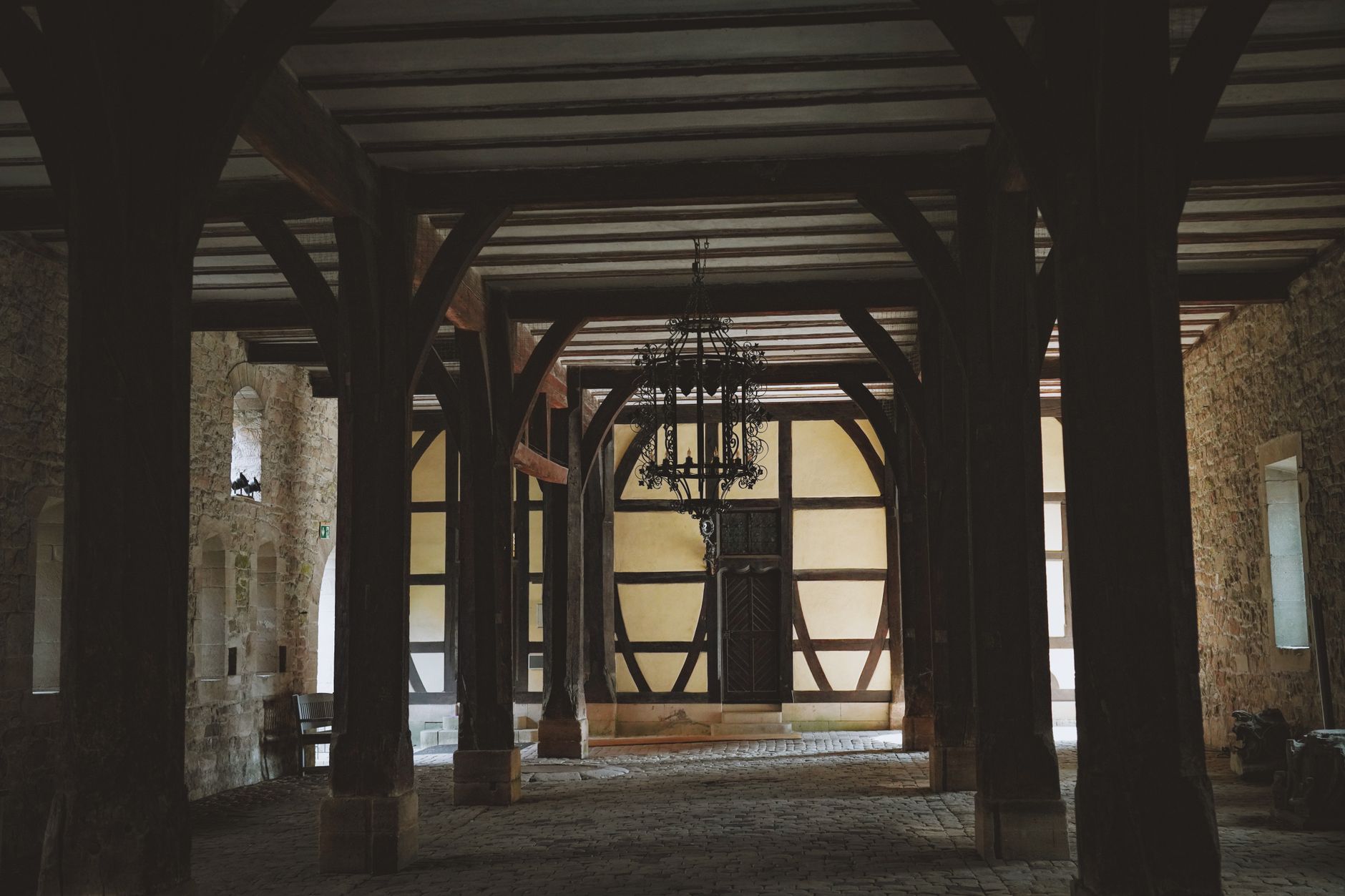
1. Lyon's Secret Passages
Lyon, France
Hidden within seemingly ordinary buildings, Lyon conceals a network of secret passageways with a surprising history.
These 'traboules' were originally built by silk workers to transport their delicate goods dry, directly from workshops to boats on the rivers. Later, during WWII, they became vital escape routes and communication lines for the French Resistance. Exploring them today offers a unique glimpse into the city's industrious past and its spirit of defiance, far from the typical French tourist trail.
2. Edinburgh's Subterranean Mystery
Edinburgh, Scotland
Beneath the bustling streets of Edinburgh lies a mysterious underground village carved directly from sandstone, its purpose still debated.
Gilmerton Cove consists of seven rooms and passageways, all hand-carved, with their original purpose still debated by historians. Theories range from a smugglers' den to a secret meeting place for Covenanters, or even a drinking establishment. The sheer effort and unknown intent behind its creation make it a truly enigmatic site, far from the Royal Mile's well-trodden paths.
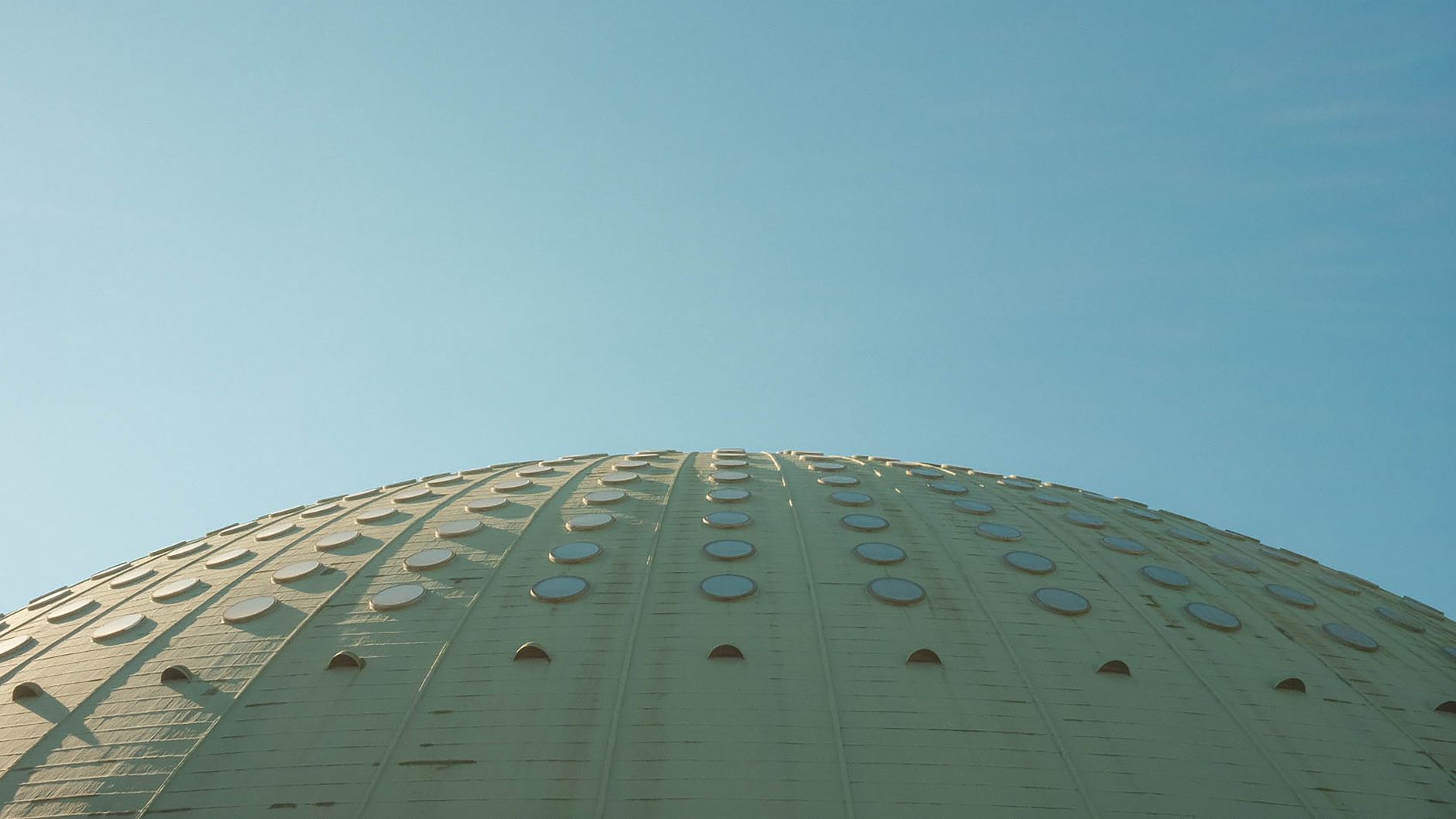
3. The Cold War's Whispering Hill
Berlin, Germany
Perched atop a man-made hill of WWII rubble, Teufelsberg once buzzed with Cold War espionage, now a haunting relic.
This imposing former US listening station, crowned with its iconic radar domes, was built on a hill composed of 26 million cubic meters of post-war debris. From its vantage point, Allied forces eavesdropped on Soviet communications for decades. Today, it stands as a captivating, graffiti-covered ruin, a stark monument to a divided world and a unique example of repurposing urban destruction.

4. The Somber Chapel of Bones
Evora, Portugal
In Evora, a 16th-century chapel offers a chilling reminder of mortality, its walls adorned with thousands of human bones.
The Capela dos Ossos, or Chapel of Bones, was constructed by Franciscan monks who sought to convey the ephemeral nature of life. An estimated 5,000 skeletons, exhumed from overcrowded cemeteries, were used to decorate the interior, along with two complete desiccated bodies hanging from chains. A stark inscription above the entrance reads: 'Nós ossos que aqui estamos, pelos vossos esperamos' ('We bones that here are, for yours await').
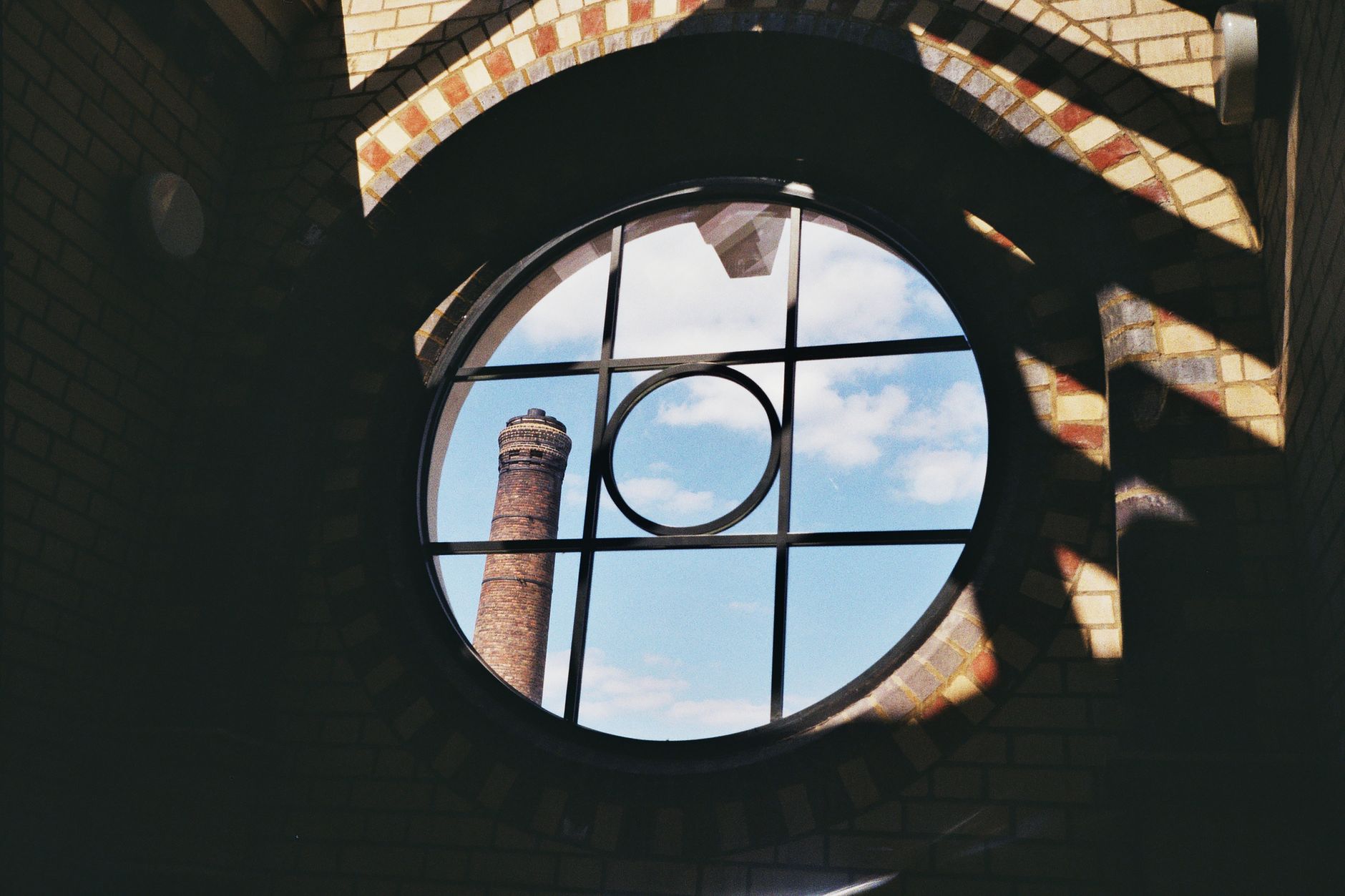
5. London's Grand Sewage Palace
London, England
Beyond Buckingham Palace, London holds a 'Cathedral of Sewage,' a surprisingly magnificent Victorian engineering marvel.
Designed by Sir Joseph Bazalgette in the 1860s, Crossness Pumping Station was a crucial part of London's revolutionary sewer system, built after 'The Great Stink' of 1858. Its magnificent ornamental cast ironwork, in the Byzantine and Romanesque styles, defies its utilitarian purpose. This ornate edifice transformed sewage disposal from a public health crisis into a testament to Victorian ingenuity and artistry, still housing its original steam engines.
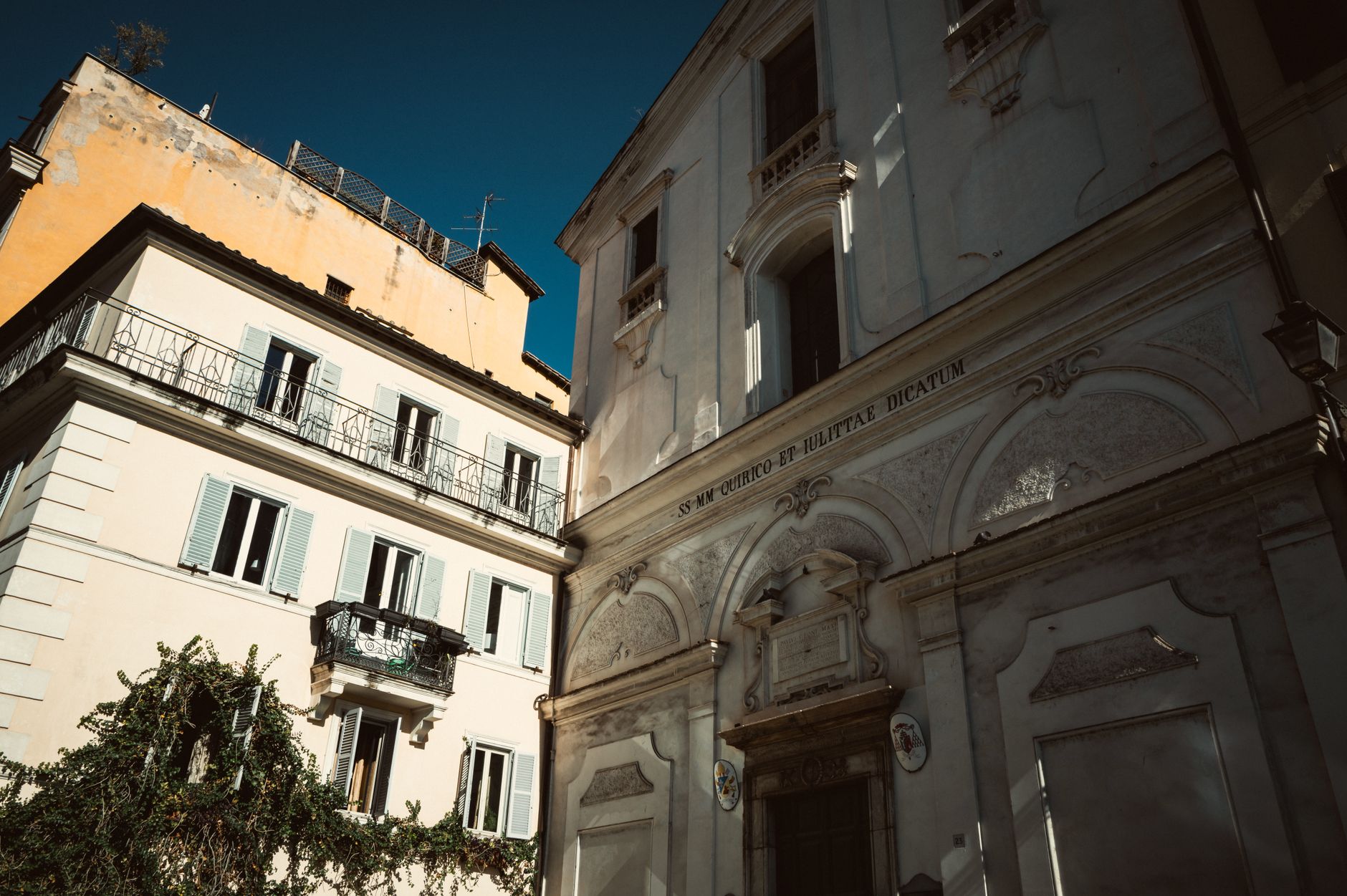
6. Rome's Hidden Fairy-Tale Quarter
Rome, Italy
Tucked away from the ancient ruins, Rome harbors a fantastical, Art Nouveau architectural wonderland.
Quartiere Coppedè is not an ancient site, but a whimsical complex of buildings designed by Gino Coppedè between 1913 and 1927, blending Art Nouveau, Baroque, and even medieval influences. It features ornate facades, sculpted creatures, and towering arches that create a dreamlike atmosphere, feeling more like a film set than a residential area. This secret district reveals a surprising, playful side of the Eternal City often missed by visitors.
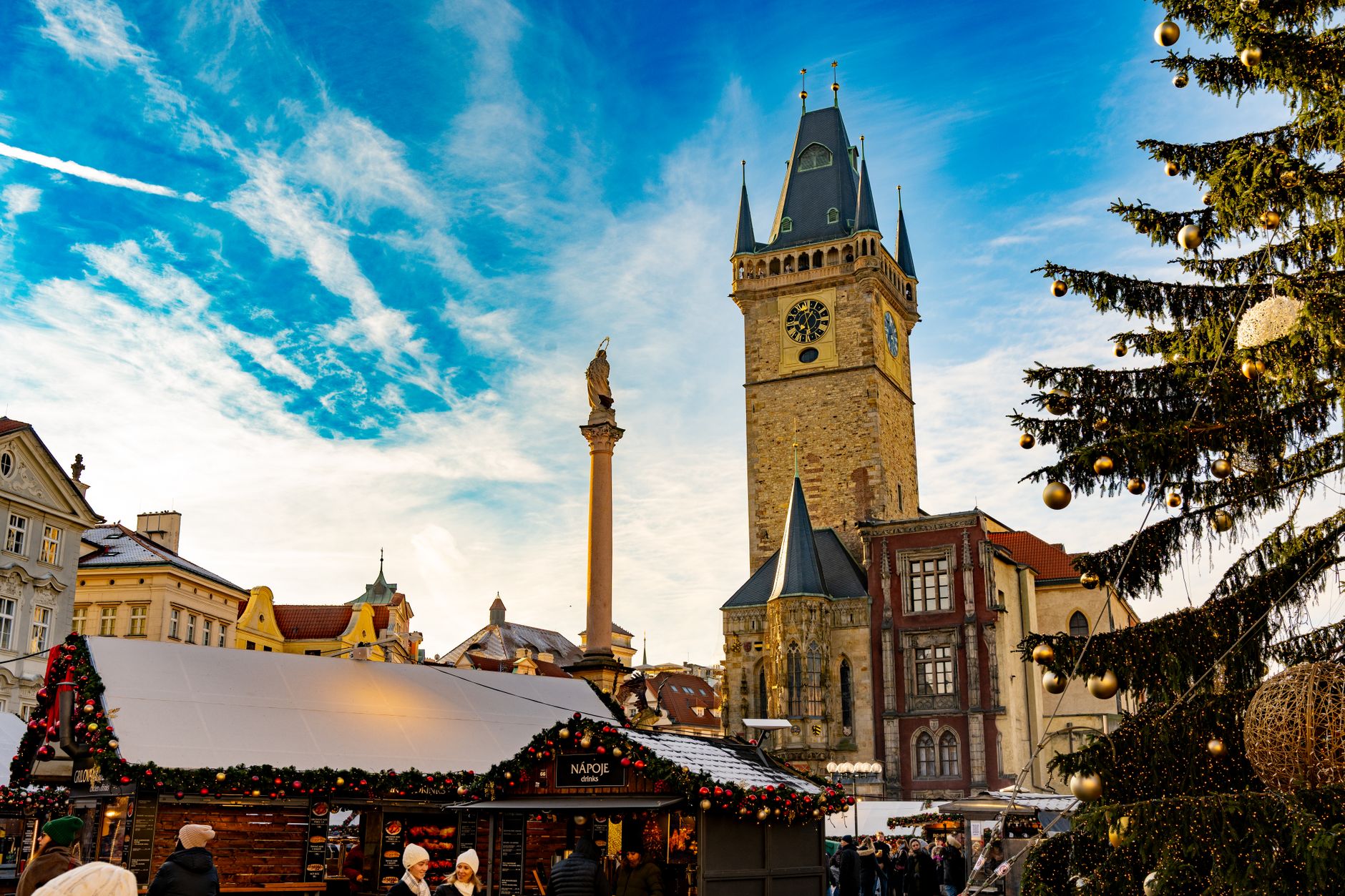
7. The Astronomical Clock's Dark Legend
Prague, Czech Republic
The renowned Prague Astronomical Clock, beyond its beauty, hides a chilling legend of blinding and a subsequent curse.
While admired for its intricate mechanism and hourly procession, local legend claims that the clock's master, Hanuš, was blinded by the city council upon its completion to prevent him from replicating his masterpiece elsewhere. In retaliation, Hanuš supposedly cursed the clock, leading to a period where anyone who tried to repair it went mad or died. This dark folklore adds a layer of mystery to one of Europe's most iconic timepieces.
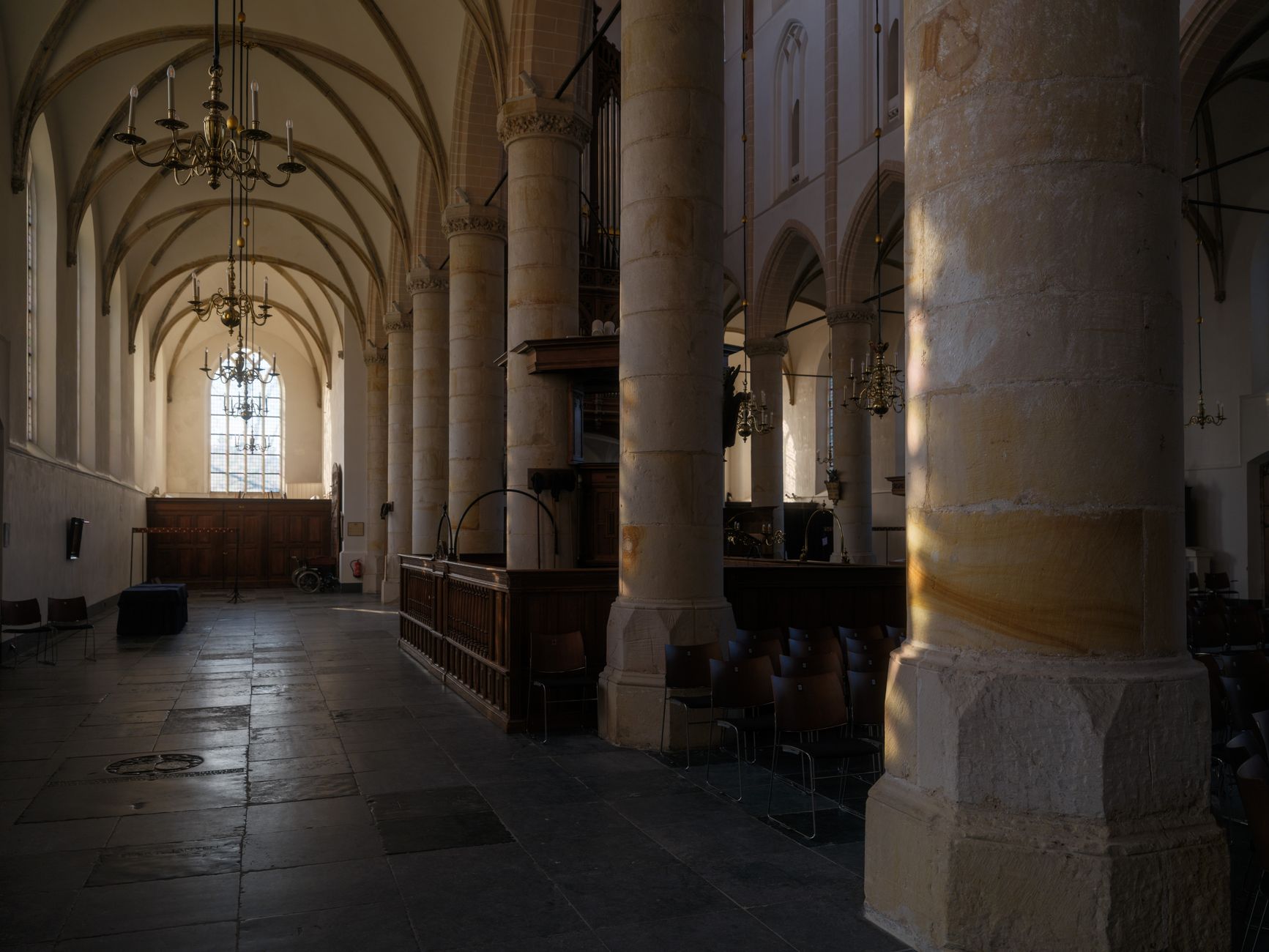
8. Amsterdam's Secret Church
Amsterdam, Netherlands
In the heart of Amsterdam, a seemingly ordinary canal house conceals a complete 17th-century Catholic church hidden in its attic.
During the Reformation, Catholic worship was forbidden in the Netherlands, leading to the creation of clandestine churches known as 'schuilkerken'. Museum Ons' Lieve Heer op Solder, or 'Our Lord in the Attic', is the best-preserved example. This three-story house hides a full-sized church, complete with an altar, pulpit, and pews, built into its upper floors. It offers a profound look into religious tolerance and ingenuity in Dutch history.
Frequently asked questions
Is Europe more expensive than people think?
Many travelers assume all European cities are uniformly expensive. While major capitals can be pricey, plenty of smaller cities and regions offer incredible value, especially for food and accommodation, allowing for a rich experience on a modest budget.
Do I need to speak the local language everywhere?
In most major European tourist destinations and larger cities, English is widely spoken, especially by younger generations and those in the service industry. However, learning a few basic phrases in the local language is always appreciated and can enhance your experience.
Are European cities always safe for solo travelers?
Generally, European cities are very safe for solo travelers. Like any urban area, it's wise to be aware of your surroundings, protect your belongings from pickpockets, and avoid isolated areas late at night. Trust your instincts and stay informed about local conditions.
How does the AllTours.ai app help me discover these hidden gems?
The AllTours.ai app acts as your personal AI audio guide. Simply point your phone camera at any landmark, landscape, or even a specific architectural detail, and the app will instantly narrate its history, geology, and cultural significance in your preferred language, revealing stories often missed by conventional guides.
Related guides
Photography via Pexels. AllTours.ai is an AI audio tour guide — point your camera at any landscape and hear its story.