June 12, 2026 · 5 min read
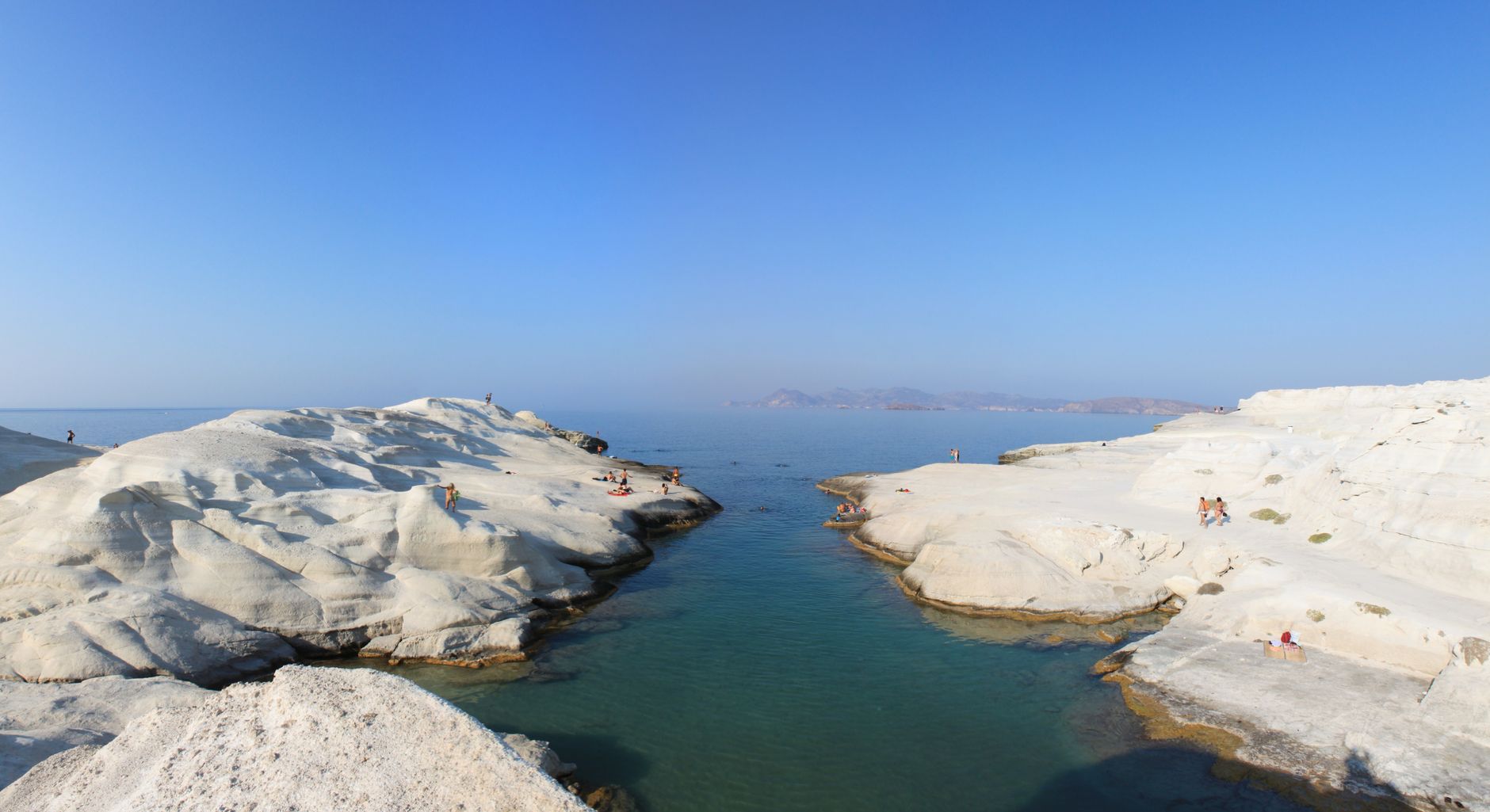
Milos, a jewel in the Cycladic archipelago, often captivates visitors with its azure waters and picturesque villages. Yet, beneath its charming facade lies a geological wonderland, a testament to millions of years of volcanic activity that has sculpted an island unlike any other. It’s a place where the earth’s raw power is visible at every turn, painting landscapes in colors from fiery red to stark white.
Beyond the well-trodden paths, Milos offers a fascinating journey for those curious about the planet's dynamic forces. The island's unique geological features are not just scenic backdrops; they are storytellers, revealing tales of ancient eruptions, mineral wealth, and the persistent work of wind and sea. Prepare to uncover the lesser-known, truly extraordinary corners of Milos.
1. The Ghost Town of Paliorema
Paliorema, Milos, Greece
What happens when a thriving sulphur mine is abandoned to the elements on a volcanic island?
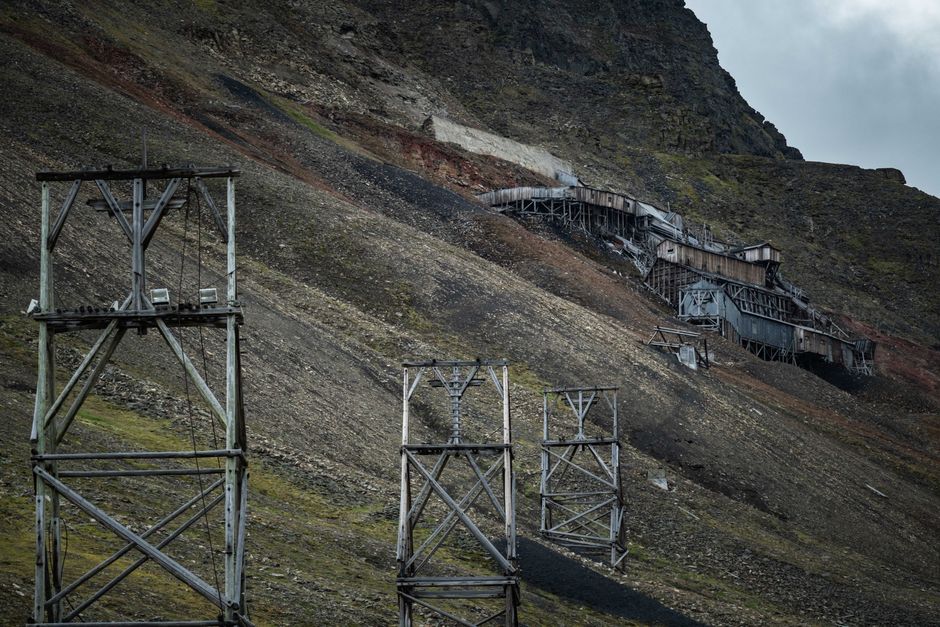
On Milos’s eastern coast lies Paliorema, the ghostly remains of an old sulphur mine. Here, the vibrant yellow streaks of sulphur still cling to the white volcanic rock, contrasting sharply with the crumbling industrial machinery left behind. This surreal landscape is a direct legacy of Milos's intense geothermal activity, which brought these valuable minerals to the surface. Exploring the site feels like stepping onto another planet, where nature is slowly reclaiming a chapter of human industry born from the island's fiery core.
2. The Petrified Forest of Agia Kyriaki
Agia Kyriaki, Milos, Greece
How did an ancient forest on this volcanic island turn completely to stone, preserving its prehistoric past?
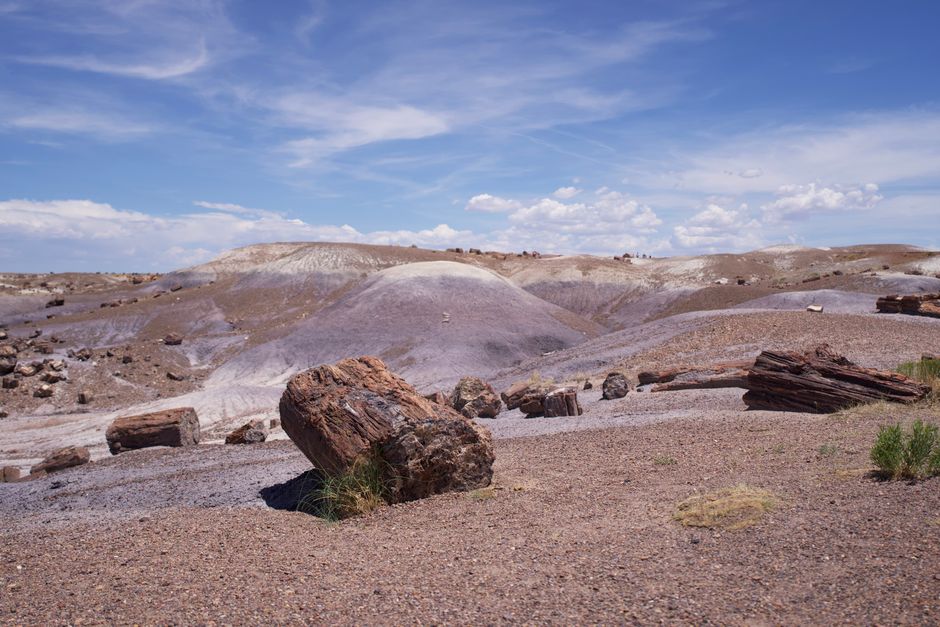
Near the village of Agia Kyriaki, Milos harbors a rare and fascinating geological phenomenon: a petrified forest. Formed millions of years ago when volcanic ash and silica-rich waters rapidly covered and preserved ancient trees, this site offers a tangible link to Milos's deep past. The wood, slowly replaced by minerals, has turned into stone, yet retains the intricate details of bark and growth rings. It's a powerful reminder of the island's dramatic geological history and how volcanic events can freeze moments in time.
3. Glaronissia: The Seagull Islands' Basalt Columns
Glaronissia, Milos, Greece
What dramatic volcanic cooling process sculpted these miniature, geometric cathedrals in the sea?
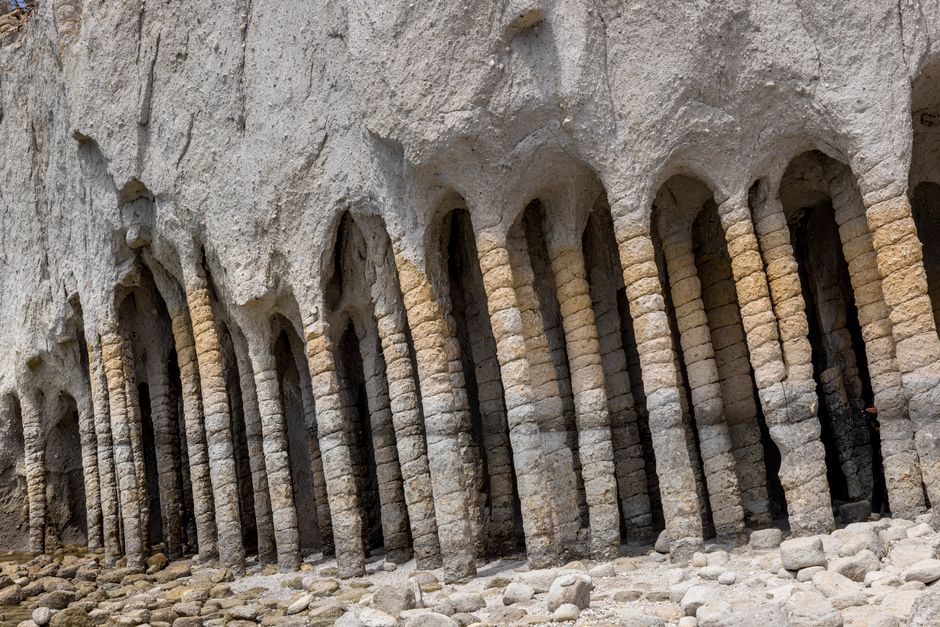
Just off the northern coast of Milos, the small, uninhabited islets of Glaronissia (Seagull Islands) hide a breathtaking geological secret: perfectly formed hexagonal basalt columns. These rare formations are created when thick lava flows cool and contract very slowly, fracturing into distinct, often polygonal pillars. Similar to the Giant's Causeway, but on a smaller, more intimate scale, Glaronissia offers a striking visual example of Milos's ancient volcanic eruptions and the precise, almost artistic, ways nature can sculpt rock.
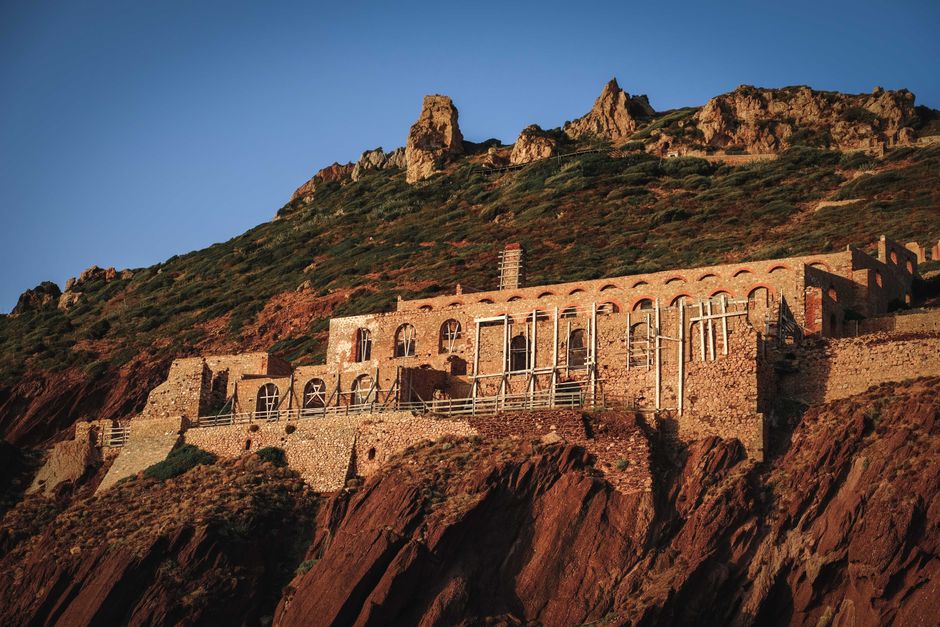
4. Vani Cape: The Forgotten Manganese Mine
Cape Vani, Milos, Greece
What valuable mineral deposits drew industrialists to Milos's dramatic westernmost point?
Cape Vani, the rugged western tip of Milos, is home to the remnants of an old manganese mine, active in the late 19th and early 20th centuries. The towering, dark cliffs themselves are a geological marvel, displaying layers of volcanic rock rich in various minerals. The abandoned loading docks and railway tracks leading to the sea tell a story of Milos's mineral wealth being extracted and shipped across the globe. It's a place where dramatic natural beauty meets the stark, intriguing history of industrial exploitation, all thanks to the island's unique geological composition.
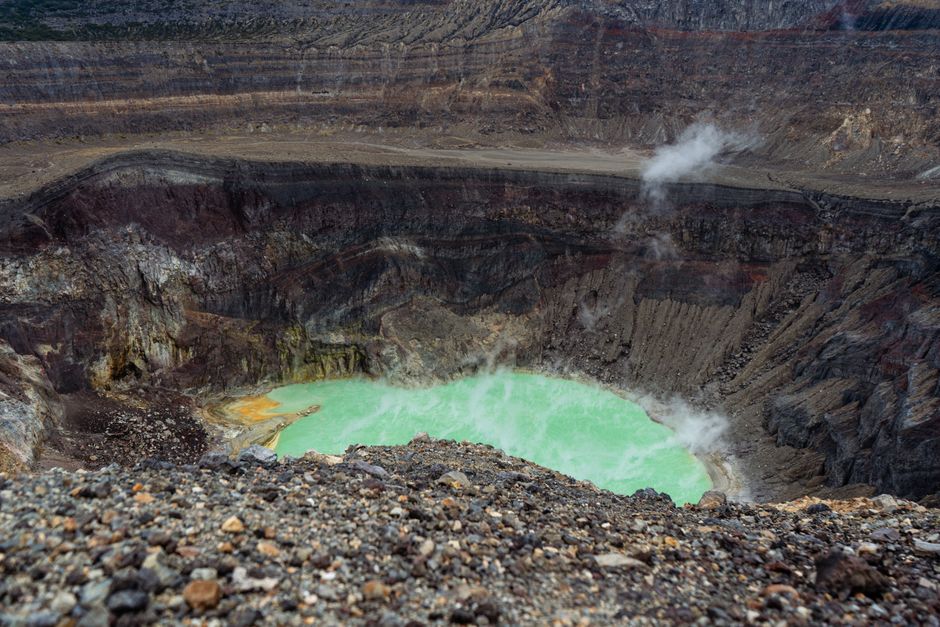
5. The Steaming Earth of Kalamos Volcano
Kalamos, Milos, Greece
Where does Milos's ancient volcanic heart still whisper with active fumaroles and steaming vents?
While Milos is often referred to as a dormant volcano, the area around Kalamos offers clear evidence of its ongoing geothermal activity. Here, you can find active fumaroles — vents that release steam and gases, particularly sulfurous ones, directly from the earth's depths. The air is warm, and the ground sometimes feels hot to the touch, a direct link to the magma chambers far below the surface. This raw, palpable energy reminds visitors that Milos is a living, breathing geological entity, constantly shaping itself.
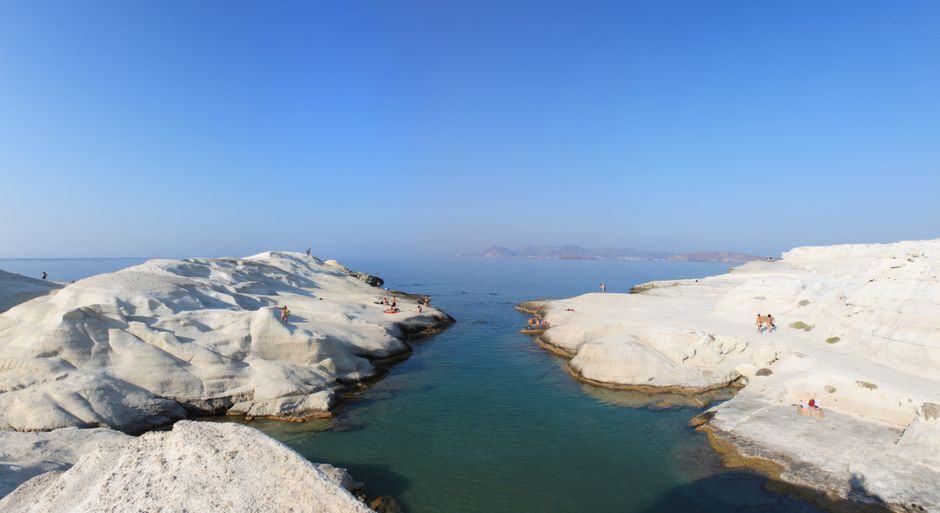
6. Koumbares Thermal Springs
Koumbares, Milos, Greece
How do Milos's subterranean fires manifest as secluded, naturally heated waters?
Beyond the more popular thermal spots, Koumbares offers a quieter, more intimate encounter with Milos's geothermal power. These less-visited hot springs emerge directly into the sea, creating pockets of warm water along the coastline. The mineral-rich waters are a direct result of volcanic heating, rising through fissures in the earth. Locals have long valued these waters for their therapeutic properties, providing a natural spa experience born from the island's geological dynamism.
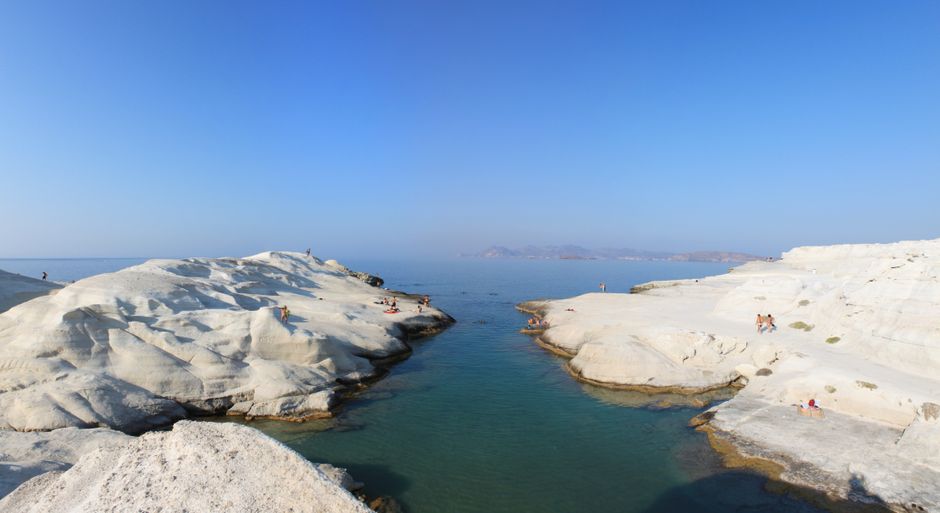
7. Papafragas: Volcanic Tuff Sea Caves
Papafragas, Milos, Greece
What specific type of volcanic rock allowed the sea to carve these distinct, tunnel-like caves?
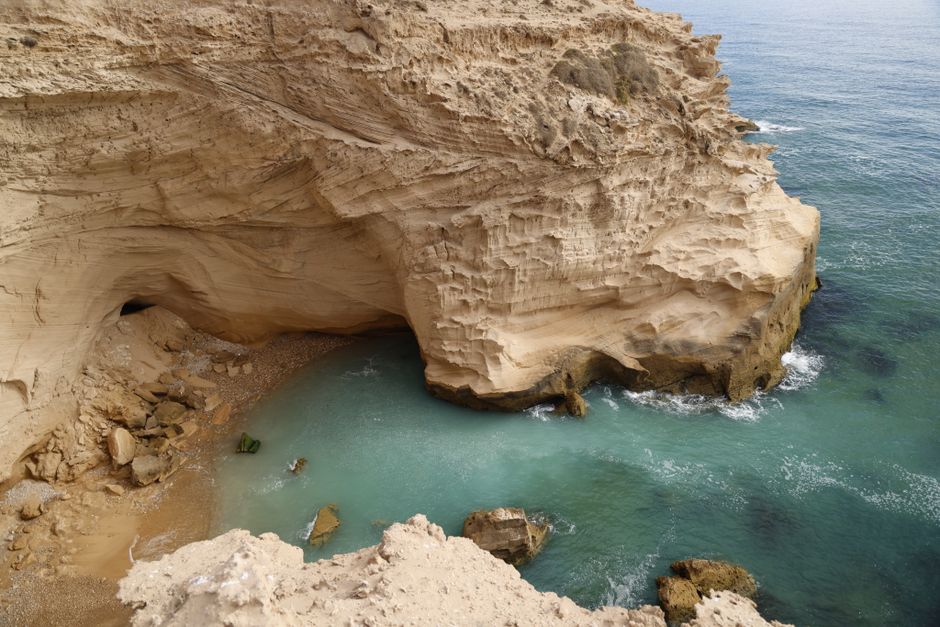
Papafragas is not just a beach; it's a testament to the erosion of volcanic tuff, a relatively soft rock formed from compacted volcanic ash. Here, the sea has carved dramatic, narrow channels and interconnected caves into the pale, porous cliffs. The three parallel openings, resembling a series of natural tunnels, reveal the layers of pyroclastic material that make up this part of the island. It’s a vivid example of how Milos's unique geology interacts with marine erosion to create truly spectacular coastal formations.
8. Tsigrado Beach's Volcanic Fault Line
Tsigrado, Milos, Greece
What geological fault line created the dramatic, challenging access and unique appearance of Tsigrado Beach?
Tsigrado Beach is famous for its adventurous access via ropes and ladders, but its true geological story lies in the dramatic fault line that shaped its very existence. The beach is nestled within a deep gorge, where volcanic rock layers have been fractured and uplifted, creating sheer, imposing cliffs. This geological instability, combined with millennia of erosion, resulted in the distinctive sandy cove and the challenging descent. It's a powerful demonstration of how Milos's tectonic movements and volcanic past continue to influence its captivating coastline.
Frequently asked questions
Why is Milos called the 'Island of Colors'?
Milos earns its nickname from its incredibly diverse geological palette. The volcanic origins of the island have stained its rocks and beaches with vibrant hues of red, orange, white, and black, primarily due to various minerals like iron oxides, sulphur, and different types of volcanic rock.
What unique minerals are found in Milos?
Milos is exceptionally rich in minerals due to its volcanic past. Key minerals include bentonite, perlite, kaolin, and sulphur. Historically, obsidian was a major export, and the island also has deposits of manganese, barite, and various zeolites, all contributing to its economic and geological significance.
Is Milos an active volcano?
Milos is part of the South Aegean Volcanic Arc and is considered a dormant, rather than extinct, volcano. While there haven't been major eruptions in millennia, the island still exhibits significant geothermal activity, such as hot springs and fumaroles, indicating that its volcanic system remains active beneath the surface.
How can AllTours.ai enhance my visit to Milos's geological sites?
AllTours.ai transforms your exploration of Milos's unique geological features into an immersive learning experience. Simply point your phone camera at a landmark or landscape, and the app will narrate its fascinating history, geology, and cultural significance in your language, making every step an informed discovery.
Related guides
Photography via Pexels. AllTours.ai is an AI audio tour guide — point your camera at any landscape and hear its story.