May 30, 2026 · 4 min read
Athens is a city steeped in history, a place where the echoes of ancient philosophy and democracy resonate through every stone. Most travelers flock to the magnificent Acropolis, and rightly so, but to truly understand the city's soul, one must venture beyond its most famous landmarks.
The real Athens reveals itself in its quiet corners, its forgotten pathways, and its lesser-known sites that hold equally compelling stories. From clandestine villages to ancient meteorological stations, these hidden gems in Athens offer a deeper, more intimate look at Greece's vibrant capital.
1. Anafiotika's Island Enclave
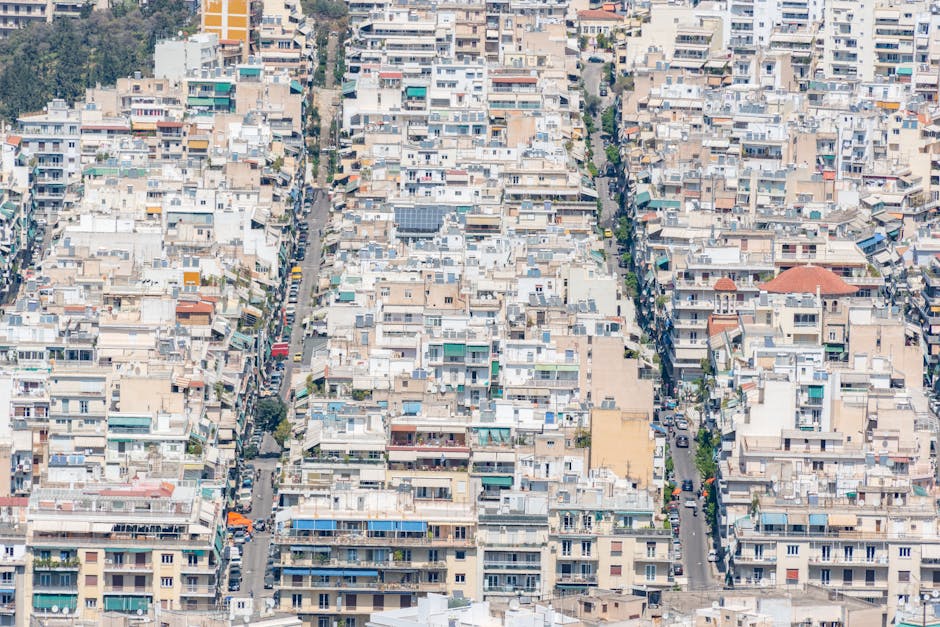
Anafiotika, Athens, Greece
How did a tiny Cycladic island village appear right under the Acropolis, seemingly overnight?
Tucked away on the slopes of the Acropolis, Anafiotika is a postcard-perfect neighborhood that feels plucked from a Cycladic island. It was built in the 19th century by masons from Anafi island, who came to Athens to construct the new palace. They recreated their home village illegally, in just one night, using Cycladic architectural styles, complete with whitewashed walls and vibrant bougainvillea. Its narrow, winding alleys offer a tranquil escape and a stark visual contrast to the classical ruins above.
2. Kerameikos: The Gateway to the Underworld
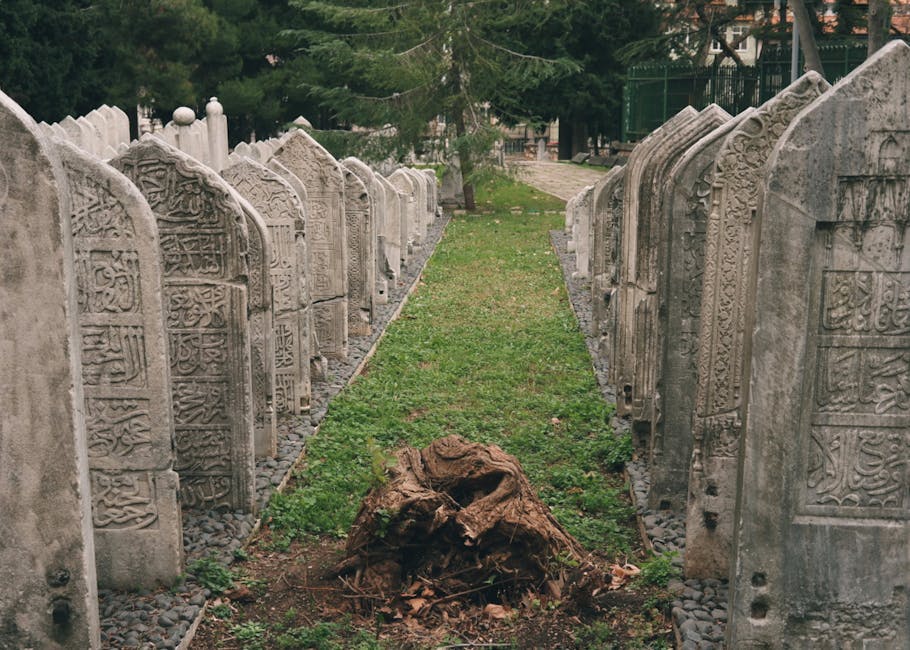
Kerameikos Cemetery, Athens, Greece
This ancient Athenian cemetery was not just a burial ground, but also believed to be a literal gateway to the Underworld.
Kerameikos served as Athens' most important burial ground and a potter's quarter for millennia, dating back to 3000 BC. Its ancient tombs and exquisite funerary stelae tell poignant stories of prominent Athenians, from generals to philosophers. The Eridanos River, flowing through the site, was thought to be a path for souls, connecting the living world with the realm of Hades, making it a place of profound spiritual significance.
3. Lycabettus's Sky-High Chapel
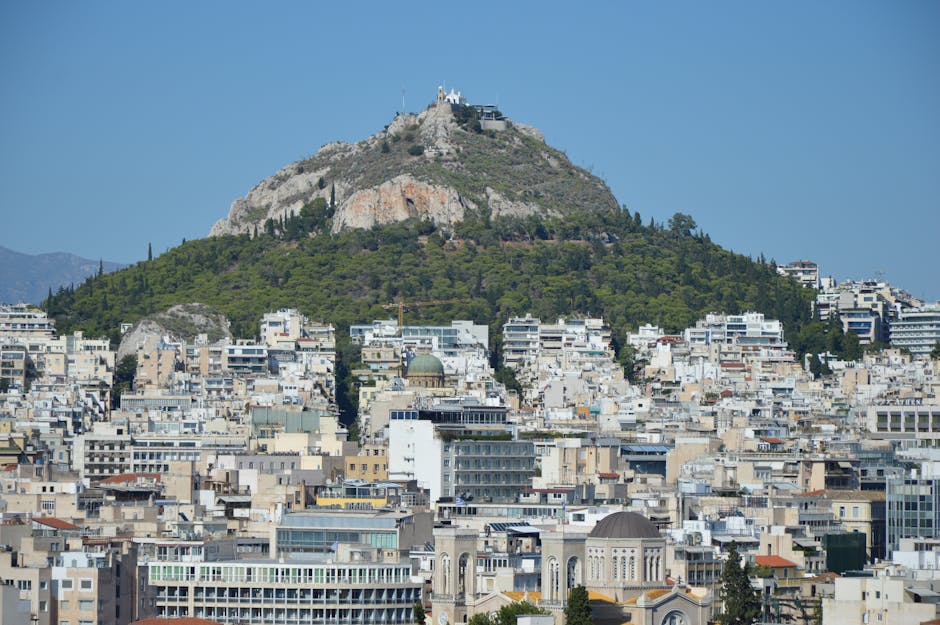
Mount Lycabettus, Athens, Greece
Atop Athens' highest point, a tiny chapel stands, rumored to have been placed there by angels.
Mount Lycabettus is the highest point in Athens, offering unparalleled panoramic views that sweep across the entire city to the Saronic Gulf. Perched dramatically at its summit is the small, whitewashed Chapel of St. George. Legend says the hill itself was a rock carried by goddess Athena that slipped from her hands, and the chapel's remote, ethereal location adds to its mystique, a beacon above the sprawling metropolis.

4. The First Cemetery's Sculpture Park
First Cemetery of Athens, Athens, Greece
Athens' main cemetery doubles as an open-air sculpture museum, featuring works by renowned Greek artists.
Established in 1837, the First Cemetery of Athens is the official final resting place for many prominent Greek figures, including politicians, artists, and national heroes. Far from being a morbid site, it is a remarkably beautiful and tranquil park filled with exquisite funerary art. Masterpieces by acclaimed sculptors like Yannoulis Halepas, including his iconic 'Sleeping Girl' statue, transform it into a unique, serene open-air gallery, offering a profound cultural walk.
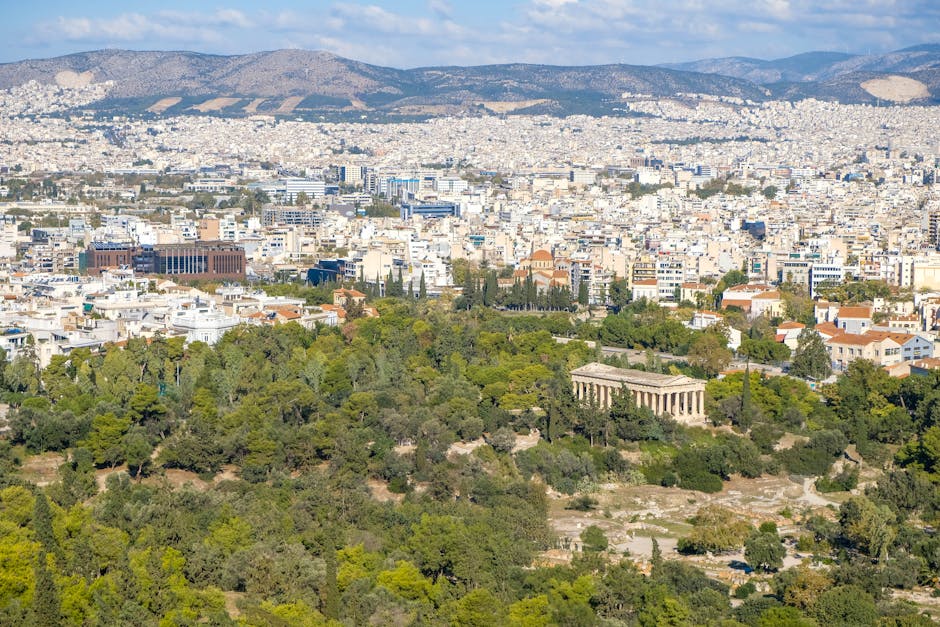
5. National Garden's Roman Secrets
National Garden, Athens, Greece
Within Athens' central park, hidden Roman mosaics and ancient ruins whisper tales of an imperial past.
Once the private garden of Queen Amalia, the National Garden is a sprawling, lush oasis in the heart of the city. Beyond its tranquil ponds, exotic plants, and shady pathways, ancient secrets lie scattered. Look closely, and you'll discover fragments of Roman villas, intricate mosaic floors, and sections of an ancient aqueduct, remnants of Athens' lesser-known Roman occupation, subtly integrated into the modern landscape.
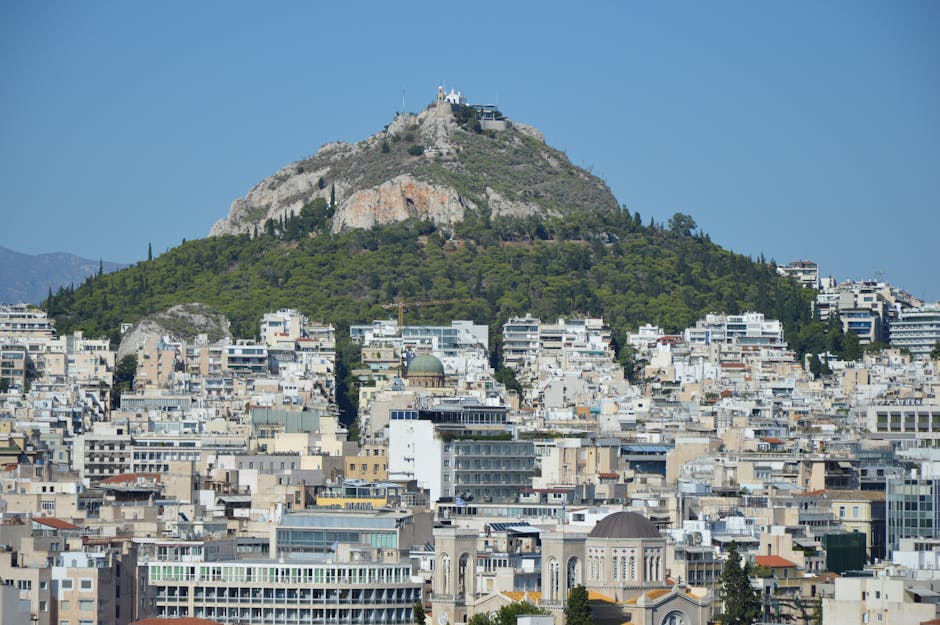
6. Pnyx Hill: Cradle of Democracy
Pnyx Hill, Athens, Greece
Overlooked for its views, this rocky outcrop was the actual cradle of direct democracy, where citizens debated and voted on laws.
Pnyx Hill, a short walk from the Acropolis, served as the official meeting place of the Athenian democratic assembly (ekklesia) from the 6th century BC. Here, thousands of male citizens would gather on the open-air platform to debate laws, elect officials, and discuss the city's future. It's a tangible, powerful link to the very origins of direct democracy, offering a profound sense of historical continuity often overshadowed by more famous sites.
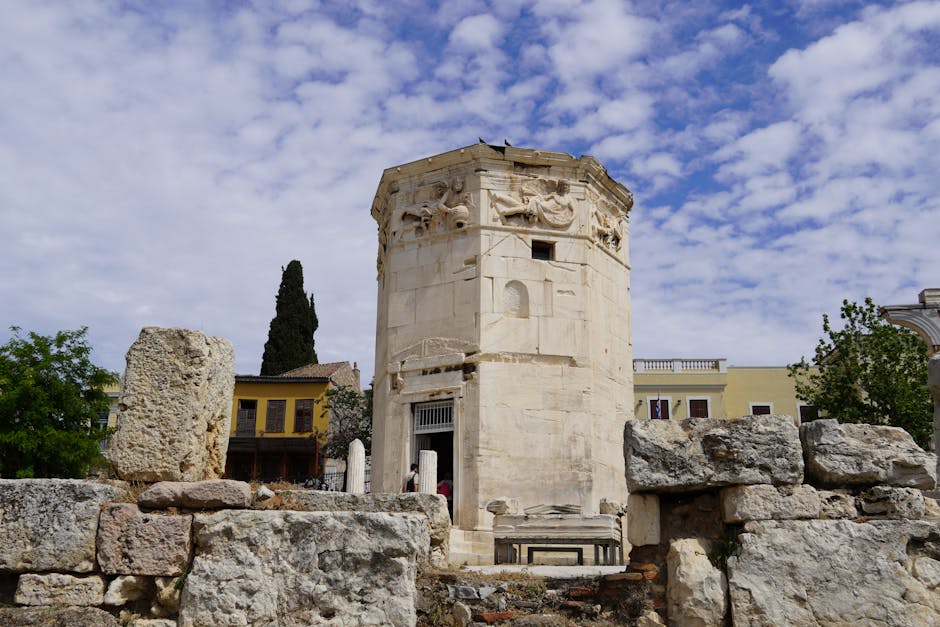
7. Tower of the Winds: Ancient Weather Station
Roman Agora, Athens, Greece
A marble octagonal tower in the Roman Agora once served as the world's first meteorological station and public clock.
Often overshadowed by the grandeur of the Ancient Agora, the Roman Agora hosts the remarkable Tower of the Winds. This 1st-century BC structure, built by astronomer Andronicus of Cyrrhus, functioned as a horologion (timepiece) and an anemoscope (wind vane). It featured sundials, a sophisticated water clock mechanism inside, and relief carvings of the eight wind deities on its exterior, making it an ingenious ancient weather station and public utility.
Frequently asked questions
What are some truly unique things to do in Athens?
Explore the charming, island-like neighborhood of Anafiotika, wander through the serene sculpture park of the First Cemetery, or visit Pnyx Hill, where Athenian democracy was born. These spots offer a different perspective on the city's rich history.
Is Athens walkable, and how can I get to these hidden gems?
Central Athens is very walkable, and many of these hidden gems are accessible on foot or with short metro rides. Consider comfortable shoes and be prepared for some hills, especially for places like Anafiotika and Lycabettus, which offer rewarding views.
Are these lesser-known sites safe to visit?
Yes, all the mentioned sites are generally safe to visit during daylight hours. As with any major city, it's always wise to be aware of your surroundings and keep valuables secure, especially in crowded areas or less-frequented paths, to ensure a pleasant experience.
How can AllTours.ai help me discover these places?
AllTours.ai is an AI audio tour guide app that brings these locations to life. Simply point your phone camera at a landmark or landscape, and the app will narrate its history, geology, and culture in your language, making your exploration truly immersive and informative.
Self-guided audio tours
Walk these places stop by stop — free five-stop story tours you can take at your own pace:
Photography via Pexels. AllTours.ai is an AI audio tour guide — point your camera at any landscape and hear its story.