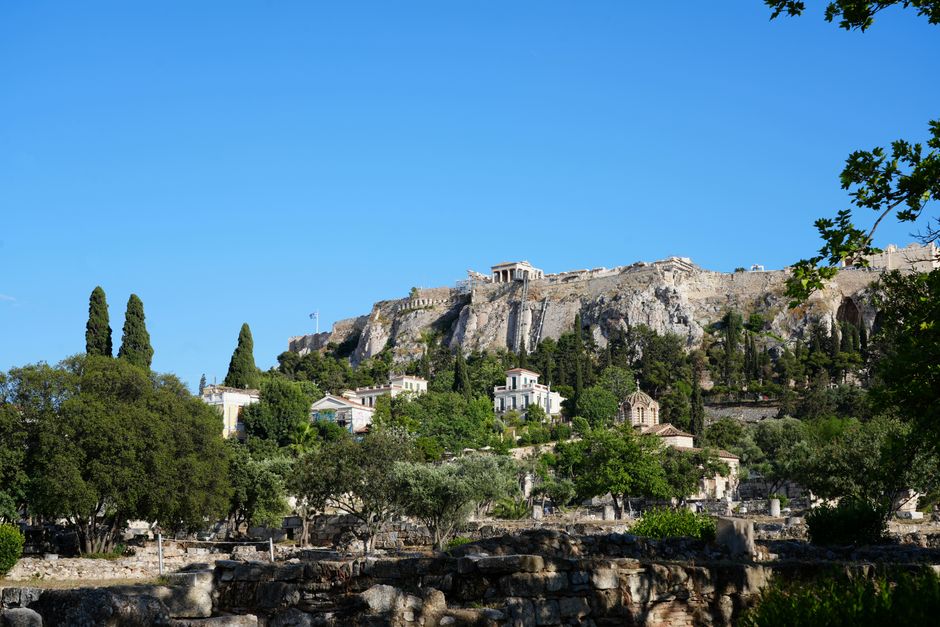
Step into the profound tranquility of Kerameikos, Athens' most ancient and revered cemetery. Dating back to 3000 BC, this was not merely a burial ground but a vibrant potter's quarter and, legend has it, a literal gateway to the Underworld. It offers a unique window into the funerary customs and spiritual beliefs of ancient Athenians.
With AllTours.ai, you'll wander among exquisite funerary stelae and monumental tombs, each telling a poignant story of prominent citizens – from generals to philosophers. Discover the significance of the Eridanos River, believed to guide souls to Hades, and uncover the deep spiritual connection the living held with their departed ancestors in this sacred space.
What you'll hear on this tour
Stop 1. The Dipylon Gate
Begin your journey at the monumental Dipylon Gate, one of ancient Athens' grandest entrances. This wasn't just a defensive structure; it was the ceremonial starting point for the Panathenaic Procession and the primary exit for funerary corteges heading to Kerameikos. Imagine grand parades passing through its massive towers, while later, solemn processions carried the deceased out of the city walls, marking their final departure from the living world. This gate truly stood as a threshold between the vibrant city and the realm of the dead.
Stop 2. Eridanos River's Flow
The gentle flow of the Eridanos River through Kerameikos holds profound spiritual significance. In ancient Greek belief, rivers often served as pathways to the Underworld, and the Eridanos was no exception, believed to guide the souls of the departed to the realm of Hades. Its waters, though modest today, once shaped the very landscape of the cemetery and influenced funerary rites. Standing by its banks, you can almost feel the ancient connection between the living world and the mysterious afterlife, a quiet witness to countless journeys.
Stop 3. The Street of Tombs
Walk along the famous Street of Tombs, a poignant avenue lined with some of the most exquisite funerary monuments from ancient Athens. Here, prominent citizens erected elaborate stelae and sculptures, not just as grave markers, but as vivid tributes to their loved ones. Look for the famous stele of Hegeso, depicting a woman in quiet contemplation, or the dramatic relief of Dexileos, a cavalryman. Each monument offers a glimpse into the lives, values, and artistic prowess of Athenians, immortalizing their stories in stone for millennia.
Stop 4. Kerameikos Archaeological Museum
Step inside the Kerameikos Archaeological Museum, an essential stop to fully appreciate the treasures unearthed from this site. The museum houses a remarkable collection of artifacts, including funerary vases, marble stelae, and sculptures that once adorned the tombs. These exhibits provide invaluable context, allowing you to see the intricate details and craftsmanship up close. From everyday pottery to grand commemorative works, the museum brings to life the individuals buried here, connecting you directly with the ancient inhabitants of Athens and their beliefs about death and remembrance.
Stop 5. The Public Burials (Demosion Sema)
Conclude your tour at the Demosion Sema, the area reserved for public burials. This sacred ground was dedicated to Athenian citizens who fell in battle, particularly those who died defending the city. Unlike the private family plots, these collective graves honored heroes, emphasizing civic duty and sacrifice. Pericles delivered his famous Funeral Oration near here, commemorating the war dead. The Demosion Sema serves as a powerful reminder of Athens' commitment to its citizens and the collective memory of those who contributed to its glory and freedom.
Planning your visit
- Best time to go
- Mornings or late afternoons, especially during spring and autumn.
- Approximate duration
- about 60-90 minutes
- Where to start
- The main entrance near the Kerameikos Archaeological Museum.
Access and conditions change seasonally — check the official site before you go.
Frequently asked questions
Is Kerameikos Cemetery suitable for children?
While it's a historical site rather than a playground, older children might find the ancient tombs and the stories of Athenian heroes engaging. The museum also offers visual context. Younger children might find it less stimulating.
What other ancient sites are close to Kerameikos?
Kerameikos is conveniently located near the Ancient Agora and Monastiraki Square, making it easy to combine with visits to other significant Athenian landmarks. The Acropolis is also a short walk or metro ride away.
Are there any facilities like restrooms or cafes at the site?
The Kerameikos Archaeological Museum, located within the site, provides restrooms. There are no cafes directly inside the cemetery, but you'll find plenty of options in the nearby Gazi and Monastiraki neighborhoods.
Keep exploring
Photography via Pexels. AllTours.ai is an AI audio tour guide — point your camera at any landmark and hear its story.