September 16, 2026 · 4 min read
For over ten millennia, human progress, while steady, moved at a deliberate pace. Then, in the last 150 years or so, something extraordinary happened: a seemingly sudden explosion of technological and scientific achievement unlike anything seen before. From the mastery of flight to unlocking the atom, the pace of discovery has been breathtaking.
But what truly sparked this rapid acceleration? The answers aren't always found in grand, famous monuments. Often, the roots of these profound leaps lie in quieter, lesser-known places—sites where a pioneering idea took hold, a crucial resource was discovered, or a societal barrier was overcome. Join us on a journey to uncover these hidden engines of human progress.
1. The Engine That Ignited an Age
Elsecar, South Yorkshire, UK
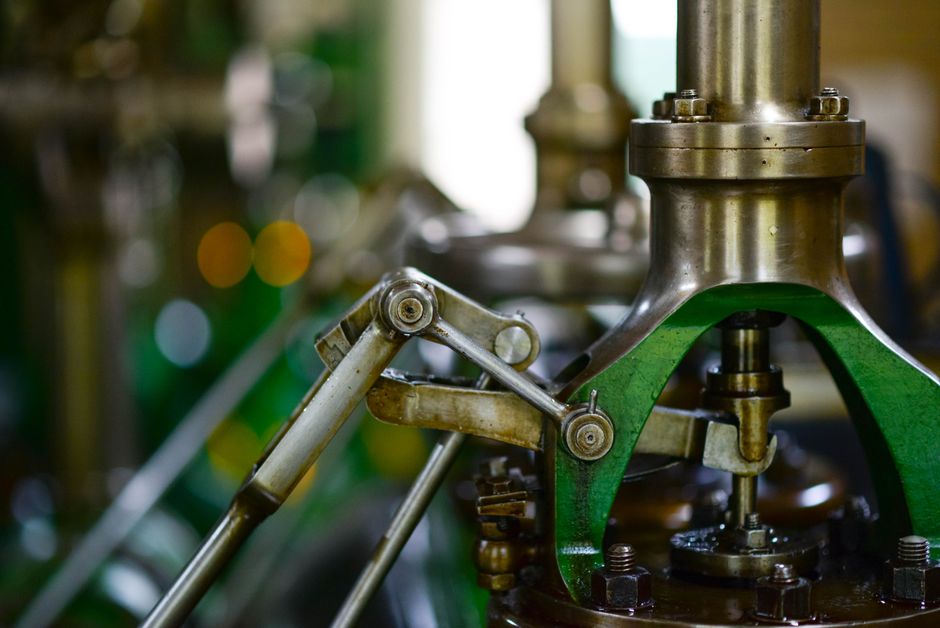
A towering, ancient steam engine in a rural English village silently powered the very first rumblings of the Industrial Revolution.
Deep within the Elsecar Heritage Centre stands the Newcomen Engine, an engineering marvel from 1795. While James Watt famously refined the steam engine, Newcomen’s earlier design, perfected for pumping water out of mines, was a crucial precursor. This particular engine is the oldest working steam engine in the world at its original location, a living testament to the raw power that transformed industry and laid the mechanical foundation for centuries of progress.
2. Where the World First Connected
Valentia Island, County Kerry, Ireland
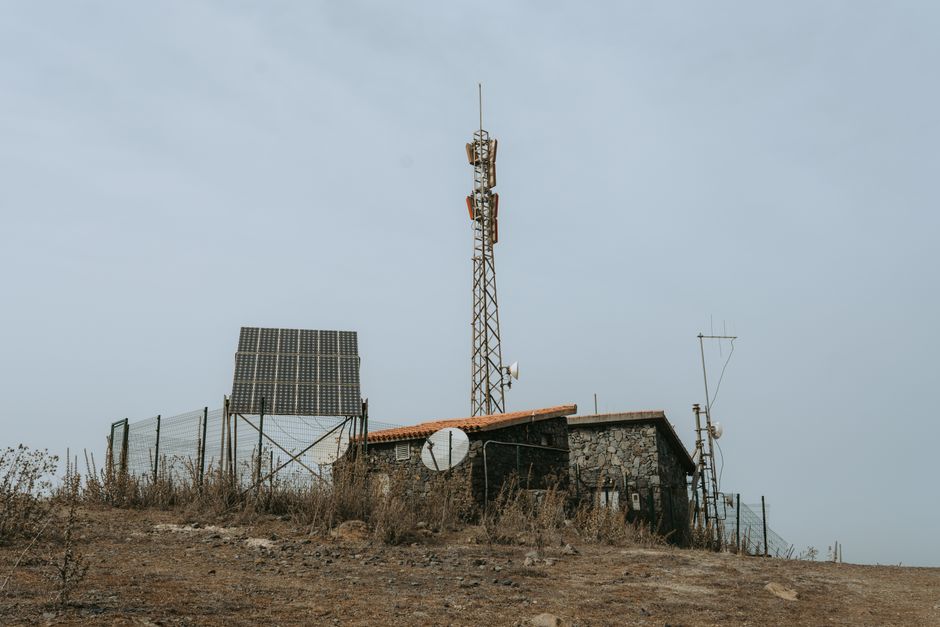
Before fiber optics or satellites, a remote Irish island served as the unlikely hub for the world's first real-time global communication network.
Perched on Ireland's rugged Atlantic edge, Valentia Island was the western terminus for the first successful transatlantic telegraph cable laid in 1866. This monumental feat of engineering allowed near-instantaneous communication between Europe and North America, slashing message delivery times from weeks to minutes. It wasn't just a cable; it was the birth of global interconnectedness, accelerating the exchange of scientific ideas, business, and political news across continents.
3. The Mine That Unlocked the Atom
Jáchymov, Karlovy Vary Region, Czech Republic
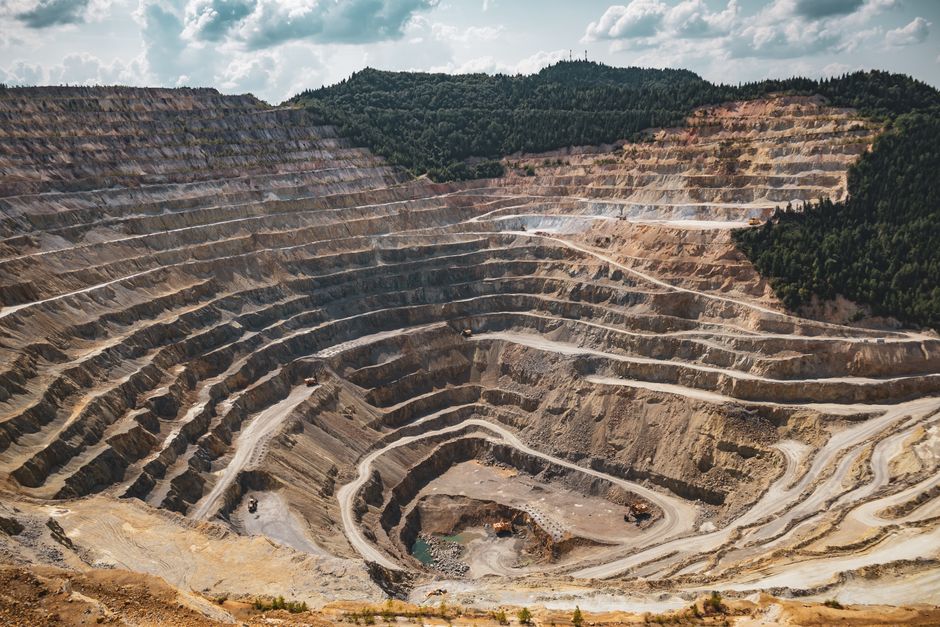
A medieval silver mining town in Bohemia, long past its prime, unwittingly yielded the raw material that revolutionized physics and medicine.
The historic mining town of Jáchymov (formerly Joachimsthal) once thrived on silver. Centuries later, its abandoned pitchblende mines found new significance. It was from samples of Jáchymov's pitchblende that Marie and Pierre Curie isolated polonium and radium in 1898, ushering in the age of radioactivity. This discovery not only reshaped our understanding of matter and energy but also paved the way for nuclear physics and groundbreaking medical treatments, all thanks to a forgotten mineral from an old mine.
4. The Source of Modern Energy
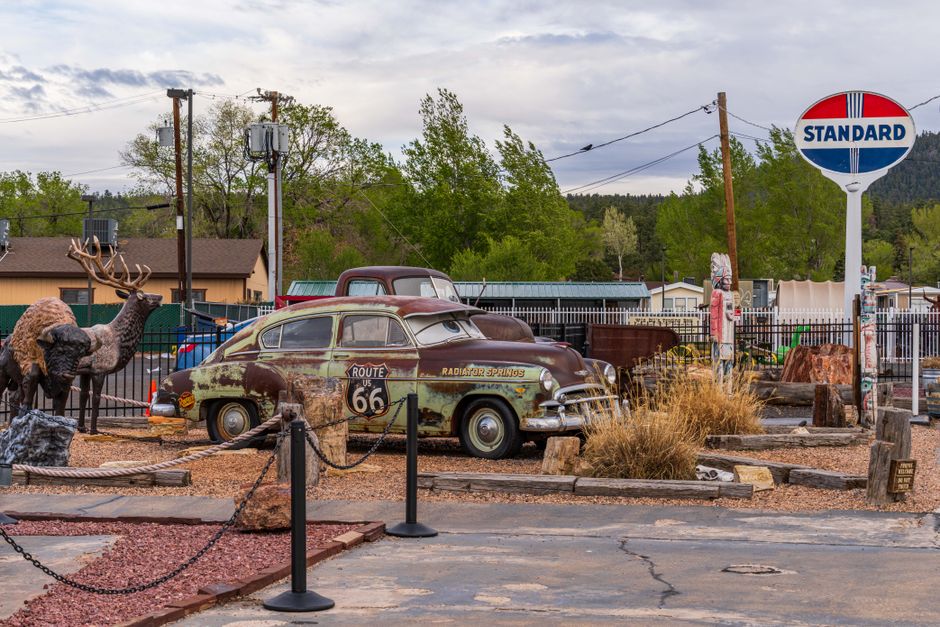
Titusville, Pennsylvania, USA
A simple wooden derrick in rural Pennsylvania marked the spot where humanity first tapped into the energy source that would fuel the modern world.
Edwin Drake's successful oil well in Titusville in 1859 wasn't the first time oil was found, but it was the first time it was drilled commercially. This breakthrough ignited the global petroleum industry, transforming everything from lighting (kerosene) to transportation and manufacturing. The Drake Well Museum stands at this pivotal site, telling the story of how a single well unleashed an energy revolution, providing the power needed for unprecedented industrial and technological expansion.
5. Breaking Barriers to Brilliance
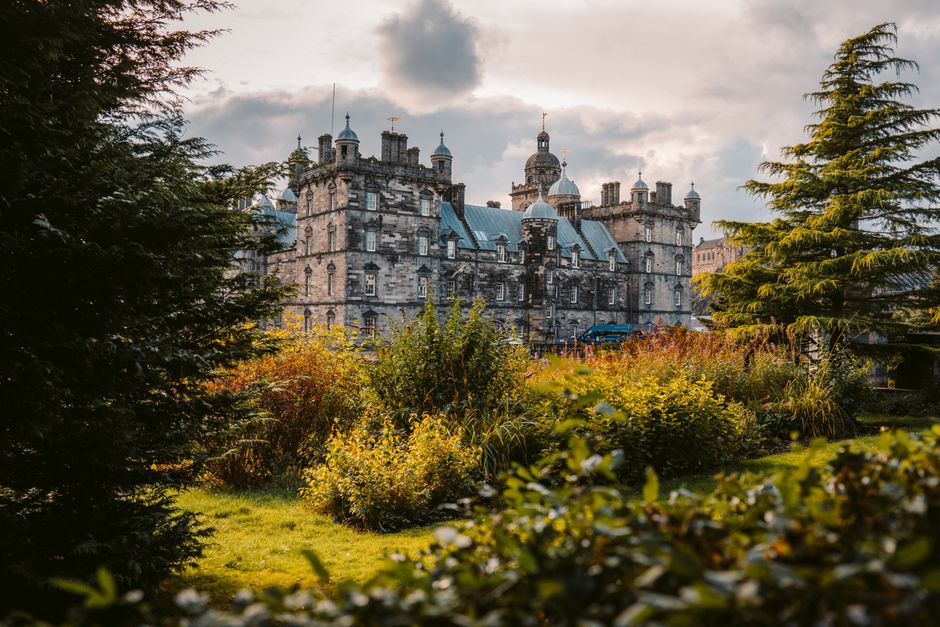
University of Edinburgh, Scotland
A small plaque commemorates the forgotten struggle of seven women who fought for the right to study medicine, dramatically expanding the pool of scientific talent.
In 1869, a group known as "The Edinburgh Seven" became the first women to matriculate at a British university, fighting fierce opposition to study medicine. Though they never graduated from Edinburgh due to legal battles, their courageous perseverance paved the way for women's entry into higher education and professional fields globally. This expansion of access to knowledge and scientific training for half the population was a quiet but profound catalyst, unleashing untold intellectual potential and accelerating progress in countless disciplines.
6. The Bridge to the Railway Age
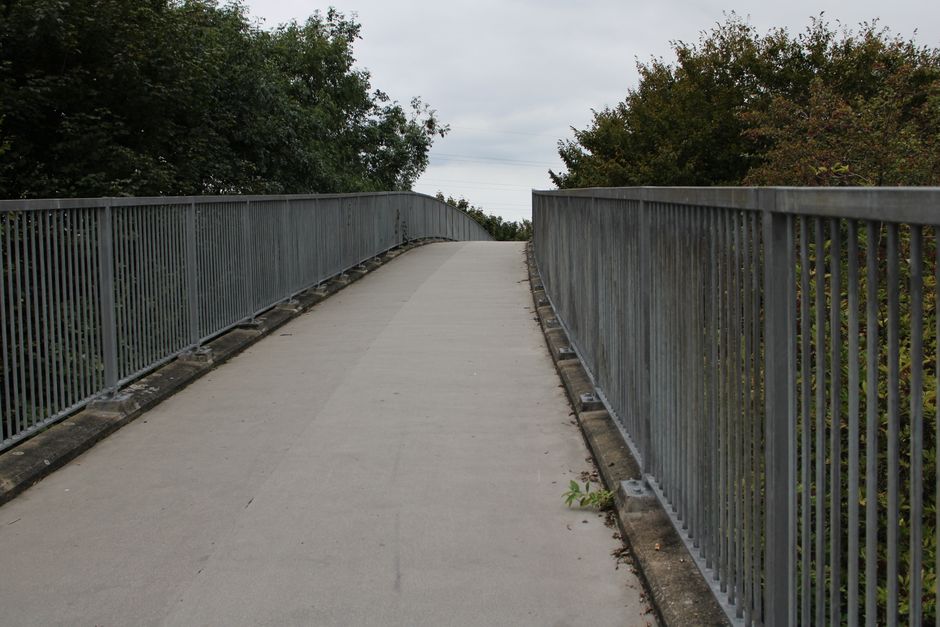
Darlington, County Durham, UK
An unassuming stone bridge in northern England holds the distinction of being the world's oldest railway bridge still in continuous use by main line trains.
Built in 1825 for the Stockton and Darlington Railway, Skerne Bridge isn't just a picturesque archway; it's a silent monument to the dawn of mass transit. This railway, the first public line to use steam locomotives, dramatically reduced the cost and time of transporting coal, raw materials, and finished goods. The efficiency it introduced was revolutionary, fueling industrial growth, enabling urbanization, and laying the tracks for a global network that would connect economies and accelerate the spread of people and ideas.
7. The Unsung Pioneer of Flight
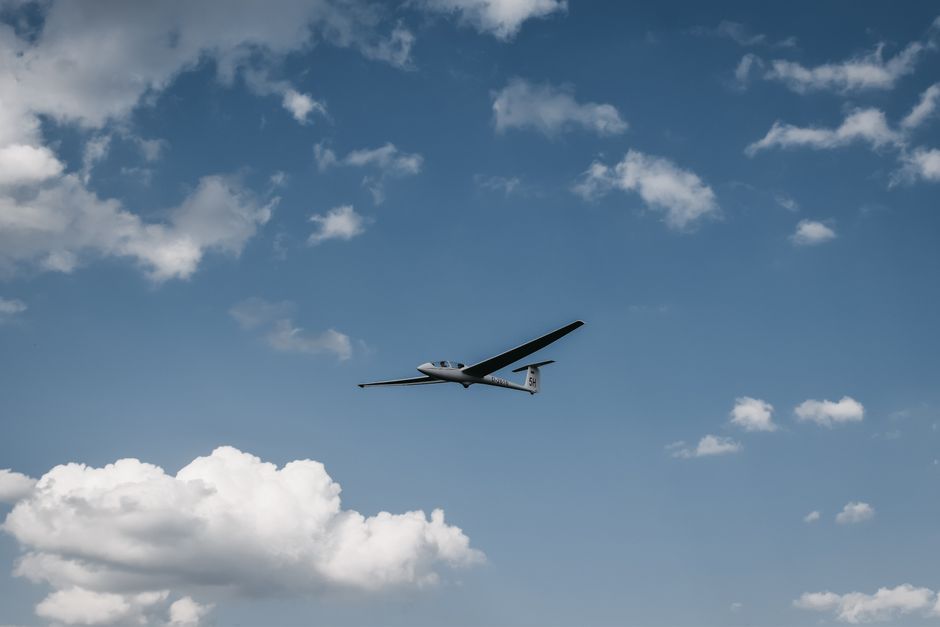
Stanford Park, near Eynsford, Kent, UK
Decades before the Wright brothers, a British engineer was experimenting with gliders on a quiet Kentish estate, coming tantalizingly close to powered flight.
Percy Pilcher was a visionary aviation pioneer who, in the late 19th century, conducted extensive glider experiments at Stanford Park. His designs, including "The Hawk," were remarkably advanced, and he was actively working on a powered aircraft when a fatal gliding accident cut his life short in 1899, just four years before Kitty Hawk. His detailed research and designs significantly advanced the understanding of aerodynamics and flight control, demonstrating that the dream of human flight was within grasp and inspiring future generations of engineers.
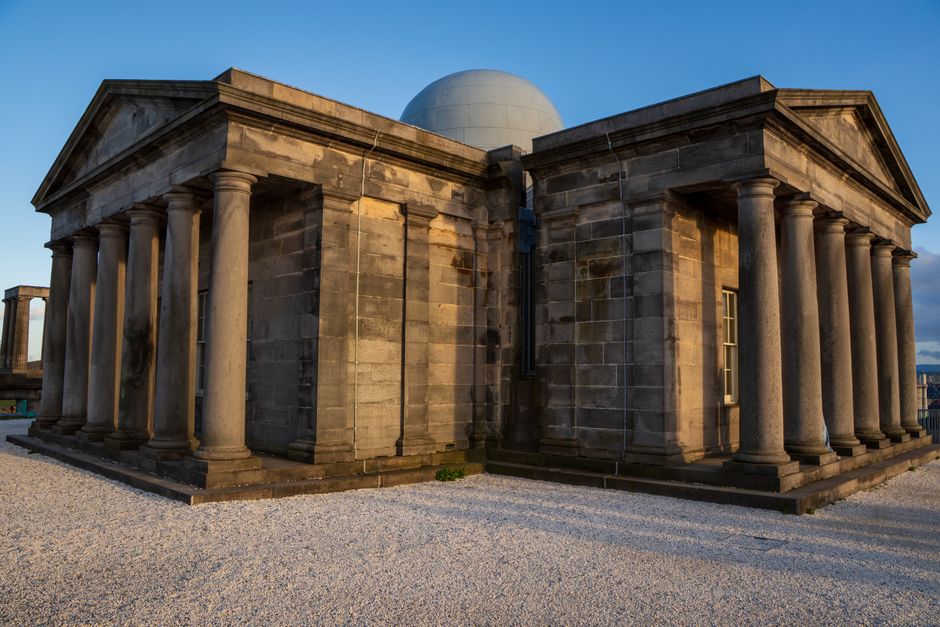
8. Charting the Stars, Guiding the World
Armagh, Northern Ireland
A modest Irish observatory, founded in the 18th century, played a critical role in mapping the heavens and standardizing time, crucial for global navigation and scientific inquiry.
Established in 1790, Armagh Observatory quickly became a significant center for astronomical research. Its long-term observations contributed immensely to stellar cataloging, celestial mechanics, and meteorology. Such precise astronomical data was vital for accurate navigation at sea, enabling global trade and exploration, and for the standardization of time, which became indispensable for the burgeoning railway networks and international communication. Places like Armagh quietly provided the foundational data upon which much of the scientific and technological progress of the modern era was built.
Frequently asked questions
Why is the last 150 years considered a "sudden jump" in progress?
While human innovation has always existed, the rate of technological and scientific advancement accelerated dramatically around the mid-19th century. This period saw the harnessing of new energy sources, breakthroughs in communication and transportation, and the institutionalization of scientific research, leading to an exponential increase in discovery and application.
What were some key factors enabling this acceleration?
Several factors converged: the widespread adoption of the scientific method, advancements in education and literacy, the Industrial Revolution's impact on production and resource utilization, improved global communication and transportation networks, and the growth of dedicated research institutions. These created a powerful feedback loop of innovation.
Did any specific inventions or discoveries trigger this acceleration?
It wasn't one single event, but a confluence. The practical steam engine, commercial oil drilling, the telegraph, Bessemer steel process, and the understanding of electricity all played crucial roles. These innovations weren't isolated but built upon each other, creating a fertile ground for further, faster breakthroughs across various fields.
How can AllTours.ai help me explore these places?
AllTours.ai brings the stories of places like these to life. Simply point your phone camera at a landmark or landscape, and the app uses AI to narrate its rich history, geology, and cultural significance in your preferred language. It's like having a personal expert guide revealing the hidden stories behind humanity's greatest leaps.
Related guides
Photography via Pexels. AllTours.ai is an AI audio tour guide — point your camera at any landscape and hear its story.