September 12, 2026 · 4 min read
Language is a living map, constantly shifting its contours, especially across oceans. What’s a simple word in one corner of the English-speaking world can take on an entirely different, sometimes comical, meaning in another. These linguistic quirks often reflect deep cultural nuances, historical paths, and even everyday objects that diverge in unexpected ways.
Beyond the well-trodden paths, the places where these linguistic curiosities truly come alive are often the lesser-known gems. Imagine standing in a place where a common word you use daily suddenly refers to something completely different, revealing a forgotten history or a local tradition. We’ve scoured the English-speaking world for such spots, each with a compelling story that goes beyond a simple dictionary entry.
1. The 17th-Century Trousers of Gawthorpe Hall
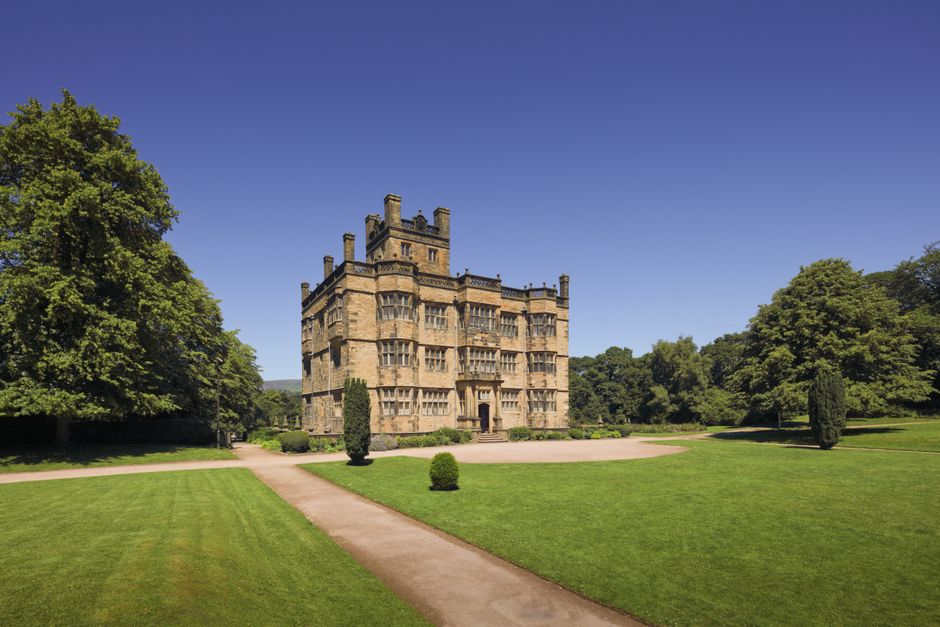
Gawthorpe Hall, Lancashire, England
At Gawthorpe Hall, a rare 17th-century needlework panel depicts figures in elaborate 'pants'—trousers that would look entirely different from an American's understanding of the word.
This Jacobean mansion, often called the 'Downton Abbey of the North,' houses a remarkable textile collection. Among its treasures is a finely stitched panel showcasing gentlemen in breeches and hose, which would have been referred to as 'pants' in the period. This particular piece offers a glimpse into historical fashion and how a single word can evolve to describe vastly different garments across the Atlantic.
2. The Pencil Museum's Erasers and Rubber's Origins
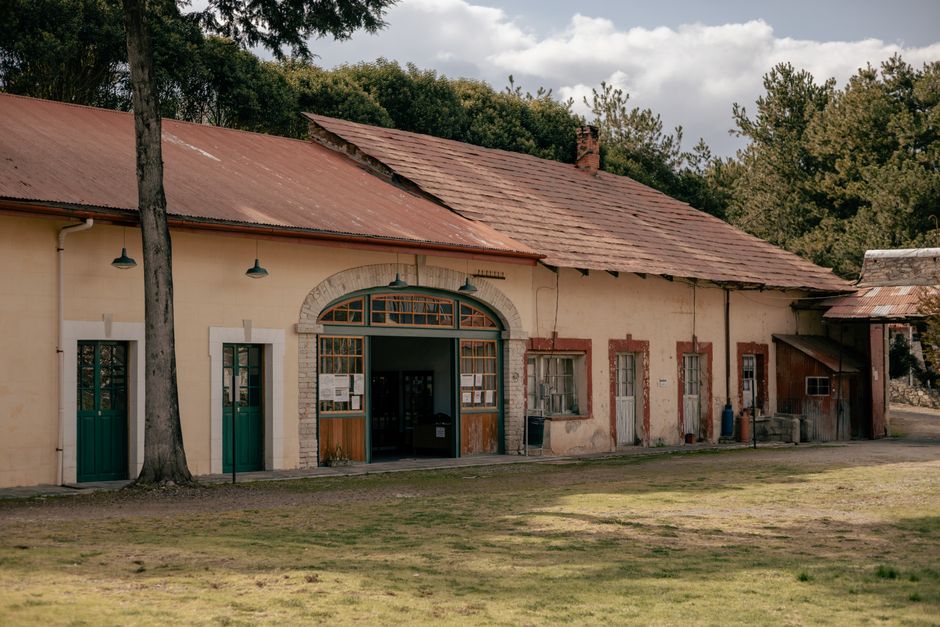
The Cumberland Pencil Museum, Keswick, Cumbria, England
At the home of the world's first pencil, you'll find 'rubbers' (erasers) that connect to a surprisingly exotic origin story, long before the word gained its American connotation.
Nestled in the Lake District, this museum tells the story of the pencil, born from local graphite discoveries. Here, you learn about 'rubbers'—erasers—and the natural rubber they're made from. This material first arrived in Europe from South America as a curious bouncing ball, its ability to 'rub out' pencil marks only discovered much later, highlighting a global journey for a simple school supply.
3. The Ancient Monk's Hardship on Skellig Michael
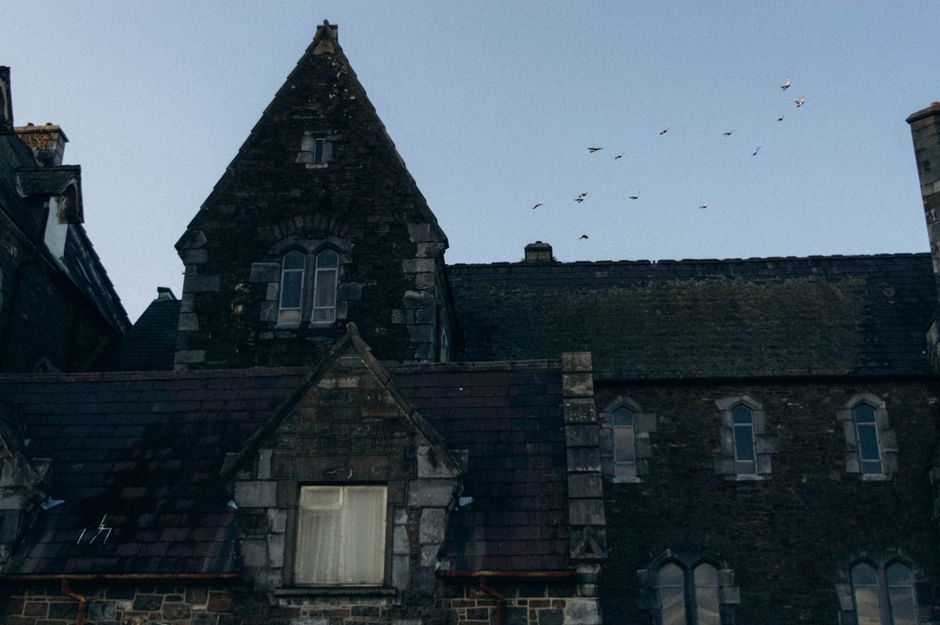
Skellig Michael, County Kerry, Ireland
Imagine the severe challenges faced by early Christian monks on Skellig Michael, an isolated rock where their patience was surely tested, making them 'pissed' in the American sense, though the Irish meaning (drunk) would have been far from their austere lives.
Perched precariously off the coast of Ireland, Skellig Michael is a UNESCO World Heritage site featuring a remarkably preserved 6th-century monastic settlement. Life for the monks here was one of extreme hardship, constant wind, and perilous climbs. The sheer isolation and struggle for survival would have been enough to leave anyone 'pissed' (angry) at the elements, far removed from any 'pissed' (drunk) revelry.
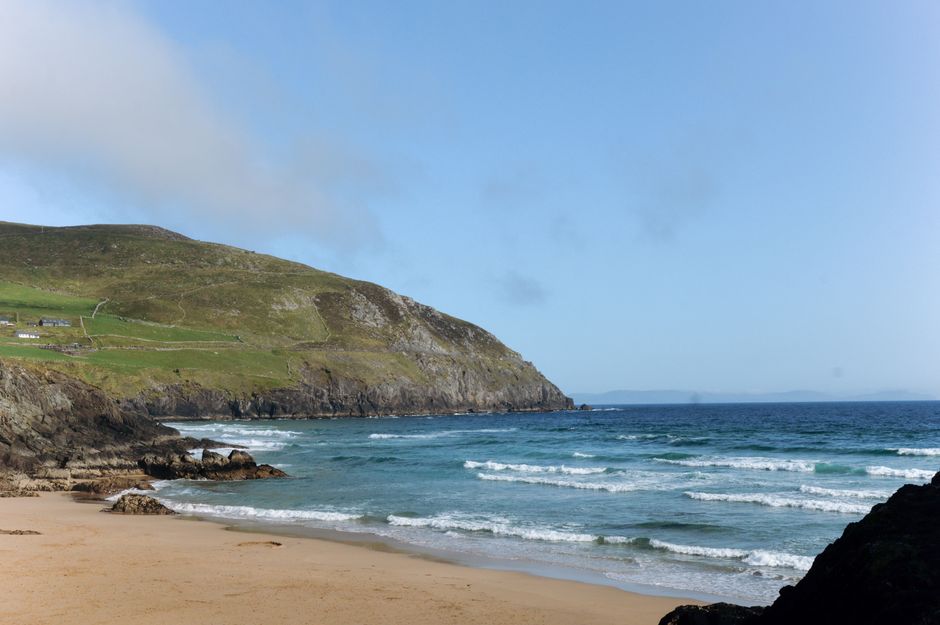
4. The Essential 'Jumper' of the Dingle Peninsula
Louis Mulcahy Pottery & Workshop, Dingle Peninsula, Ireland
On Ireland's rugged Dingle Peninsula, a 'jumper' isn't a dress but an indispensable wool sweater, crafted from local sheep to withstand the Atlantic winds.
While primarily a pottery workshop, Louis Mulcahy's also celebrates local crafts, including the traditional woolens essential to life on the peninsula. Here, the warm, hand-knitted 'jumper' (sweater) is a symbol of resilience, a garment that has protected generations of farmers and fishermen from the elements. Its purpose is rooted in practical necessity, a world away from the American 'jumper' dress.
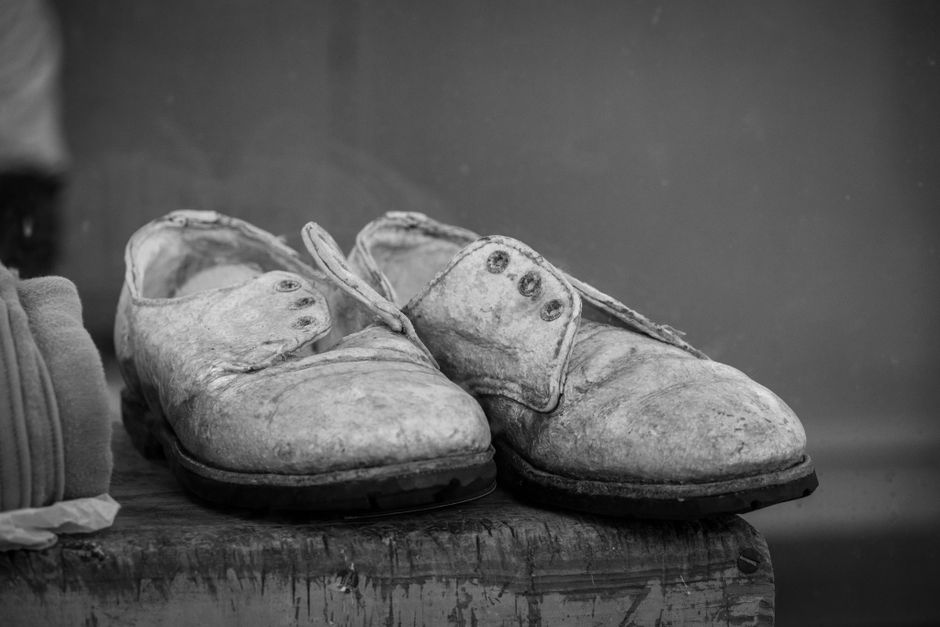
5. Northampton's Legacy of the 'Boot'
Northampton Museum and Art Gallery, Northampton, England
Northampton, England, boasts the world's largest collection of historic 'boots' (footwear), showcasing centuries of craftsmanship long before the word referred to a car's trunk.
This museum is a treasure trove for anyone fascinated by footwear, chronicling Northampton's rich history as a global shoemaking hub. Among its thousands of exhibits are intricate 17th-century 'boots' that once adorned local gentry, crafted with painstaking detail. The collection vividly illustrates how this town built its reputation on the very 'boots' that carried people through life, not the storage space in their vehicles.
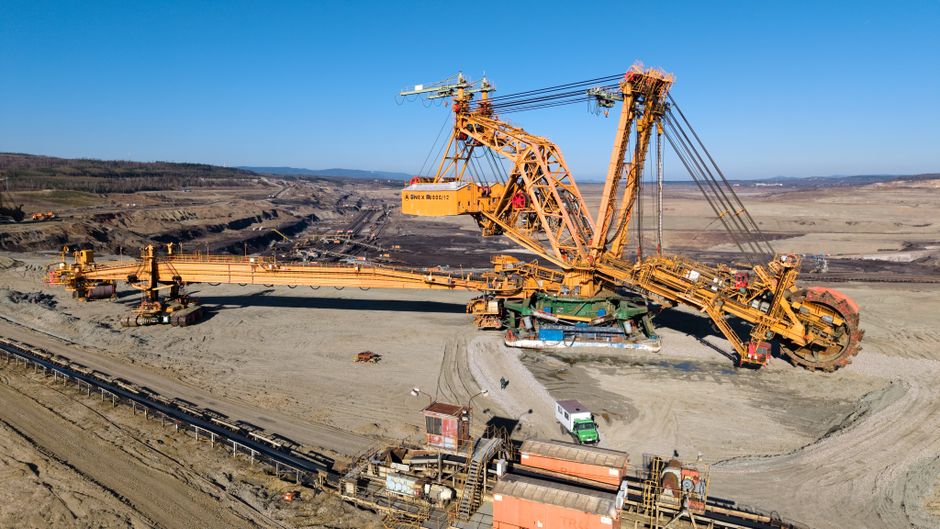
6. Illuminating Big Pit with a Miner's 'Torch'
Big Pit National Coal Museum, Blaenavon, Wales
Descending into the dark tunnels of Big Pit, imagine early miners relying on simple 'torches' (flaming sticks) for light, a stark contrast to today's battery-powered 'torches' (flashlights) that share the same name.
A UNESCO World Heritage site, Big Pit allows visitors to go underground into a real coal mine. Here, you gain a visceral understanding of the miners' challenging lives. Early miners navigated these depths with open-flame 'torches'—a flaming stick or wick. The danger and ingenuity of these primitive lights highlight the vast difference from the safe, battery-operated 'torches' (flashlights) now used for exploration.
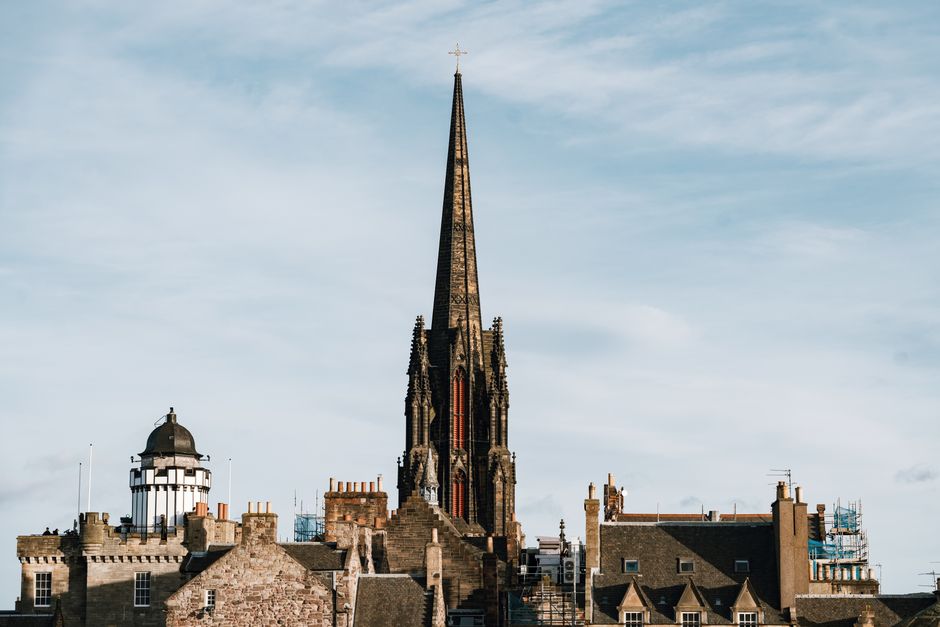
7. The Buried 'First Floor' of Mary King's Close
The Real Mary King's Close, Edinburgh, Scotland
Navigating the multi-layered closes of Edinburgh, what an American considers the 'first floor' might be a dark, buried cellar, while the true 'first floor' (UK sense) was where families lived above the street-level shops.
Beneath the Royal Mile, Mary King's Close offers a chilling glimpse into 17th-century Edinburgh. As the city grew, new buildings were constructed directly over existing streets, burying them. This means that what was once a street-level shop on the 'ground floor' could become a 'first floor' (American definition) cellar, with homes occupying the 'first floor' (British definition) above. It's a literal architectural puzzle of linguistic differences.
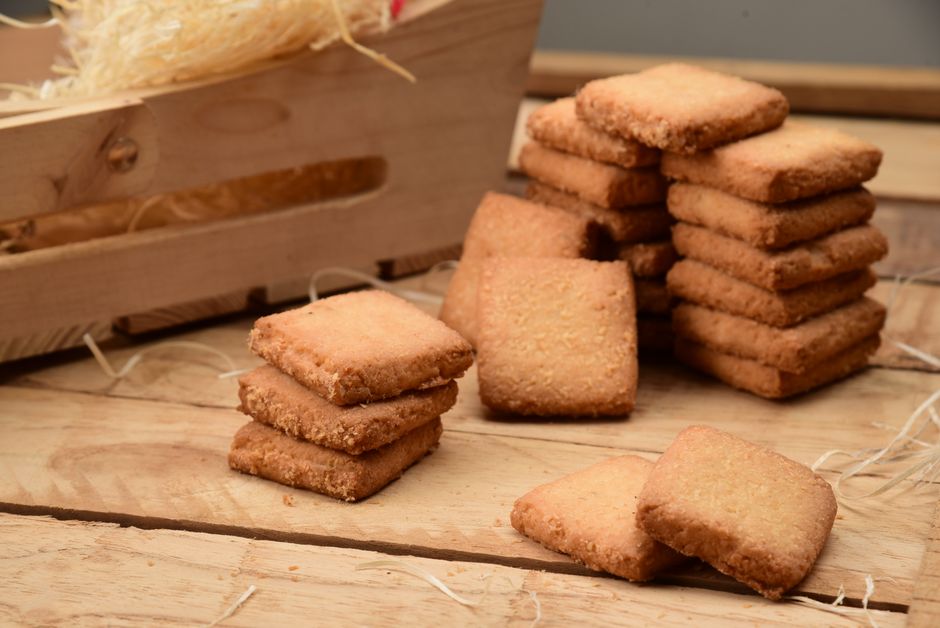
8. Dean's of Huntly's Buttery 'Biscuit'
Dean's of Huntly, Aberdeenshire, Scotland
A taste of a traditional Scottish 'biscuit' from Dean's of Huntly reveals a buttery, crumbly treat utterly different from the fluffy American breakfast 'biscuit.'
For generations, Dean's of Huntly has been synonymous with authentic Scottish shortbread, a beloved 'biscuit' (cookie) cherished for its rich, buttery flavor and crumbly texture. Visitors can learn about the history and tradition behind these iconic treats, a world away from the savory, scone-like bread known as a 'biscuit' in America. It's a delicious lesson in transatlantic culinary vocabulary.
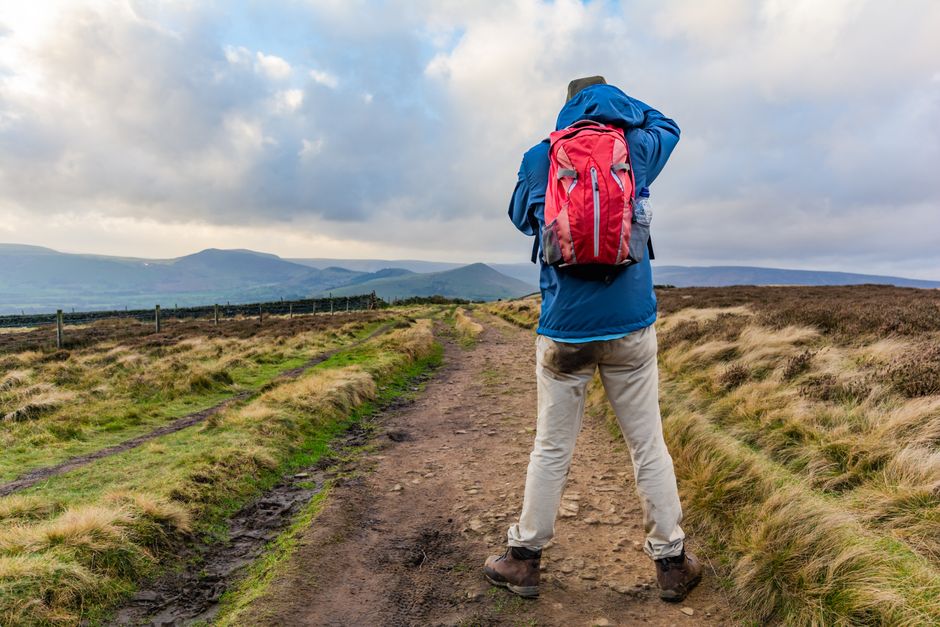
9. Mam Tor's Geological 'Knob'
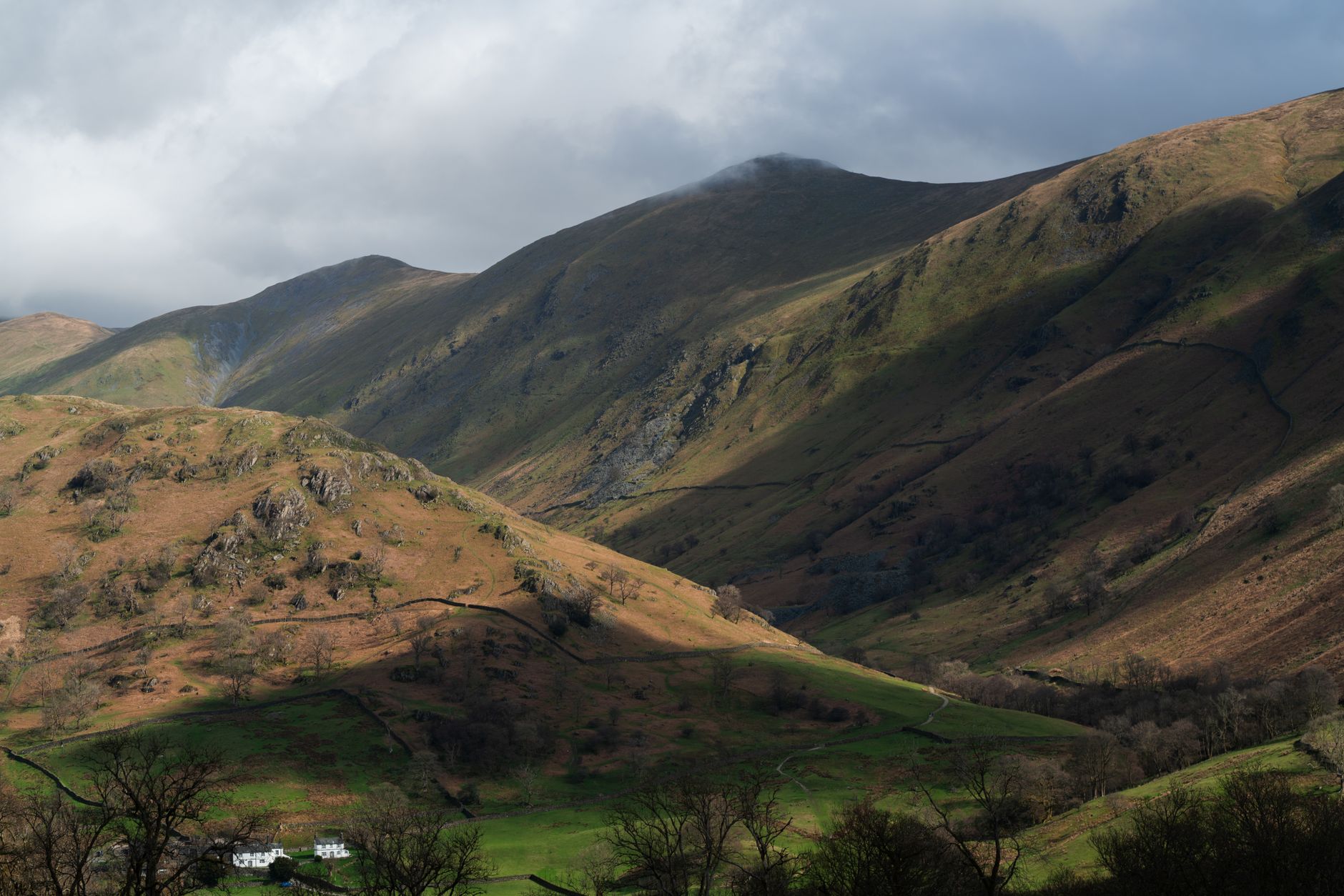
Mam Tor, Peak District, England
Mam Tor, often called the 'Mother Hill,' presents a prominent geological 'knob' (hill) in the landscape, a natural feature that predates its more colorful modern British slang meanings.
Mam Tor is a majestic hill in the Peak District, famous for its 'shivering mountain' nickname due to constant landslips. Its distinctive, rounded peak stands as a natural 'knob' in the landscape, a geographical term for a small, isolated hill. This ancient feature, home to a Bronze Age hillfort, offers panoramic views and a tangible connection to the earth, far removed from the word's contemporary British slang connotations.
Frequently asked questions
Why do English words have different meanings in different countries?
Language evolves based on local culture, history, and even geography. As English spread globally, new words were adopted, or existing words took on new meanings to describe unique local experiences, inventions, or social norms, leading to the fascinating variations we see today.
What is the origin of 'pants' meaning underwear in the UK?
The word 'pants' is a shortening of 'pantaloons,' a type of trousers. In the UK, it gradually became associated with the undergarment worn beneath trousers, while in the US, 'pants' remained a general term for outer legwear.
Are there other slang differences beyond the US and UK?
Absolutely! Australia, New Zealand, Canada, and South Africa all have unique slang. For example, 'thongs' in Australia are flip-flops, while in the US, they are a type of underwear. 'Jandals' in New Zealand are also flip-flops, showing even within Commonwealth countries, variations exist.
How can I learn more about the history and culture of these places?
The best way is to visit them! And when you do, download the AllTours.ai app. Simply point your phone camera at any landmark or landscape, and the app will narrate its history, geology, and culture directly into your ear, in your language, bringing these fascinating stories to life.
Related guides
Photography via Pexels. AllTours.ai is an AI audio tour guide — point your camera at any landscape and hear its story.