September 20, 2026 · 4 min read
In a world overflowing with health fads and dietary advice, the quest for lifelong wellness often feels like navigating a maze. We're constantly bombarded with new superfoods and miracle cures, yet the enduring wisdom of healthy eating might be found not in the latest trends, but in time-honored traditions from specific, often overlooked, corners of the globe.
Imagine a place where people routinely live past 100, or where an entire culture thrives on ingredients you've never heard of. These are not mythical lands, but real places where unique environments, heritage, and culinary practices have forged diets that whisper secrets of sustained health. Join us on a journey to uncover these lesser-known spots and learn what foods should people eat daily to help themselves stay healthy forever.
1. The Apricot Valleys of Longevity
Hunza Valley, Pakistan
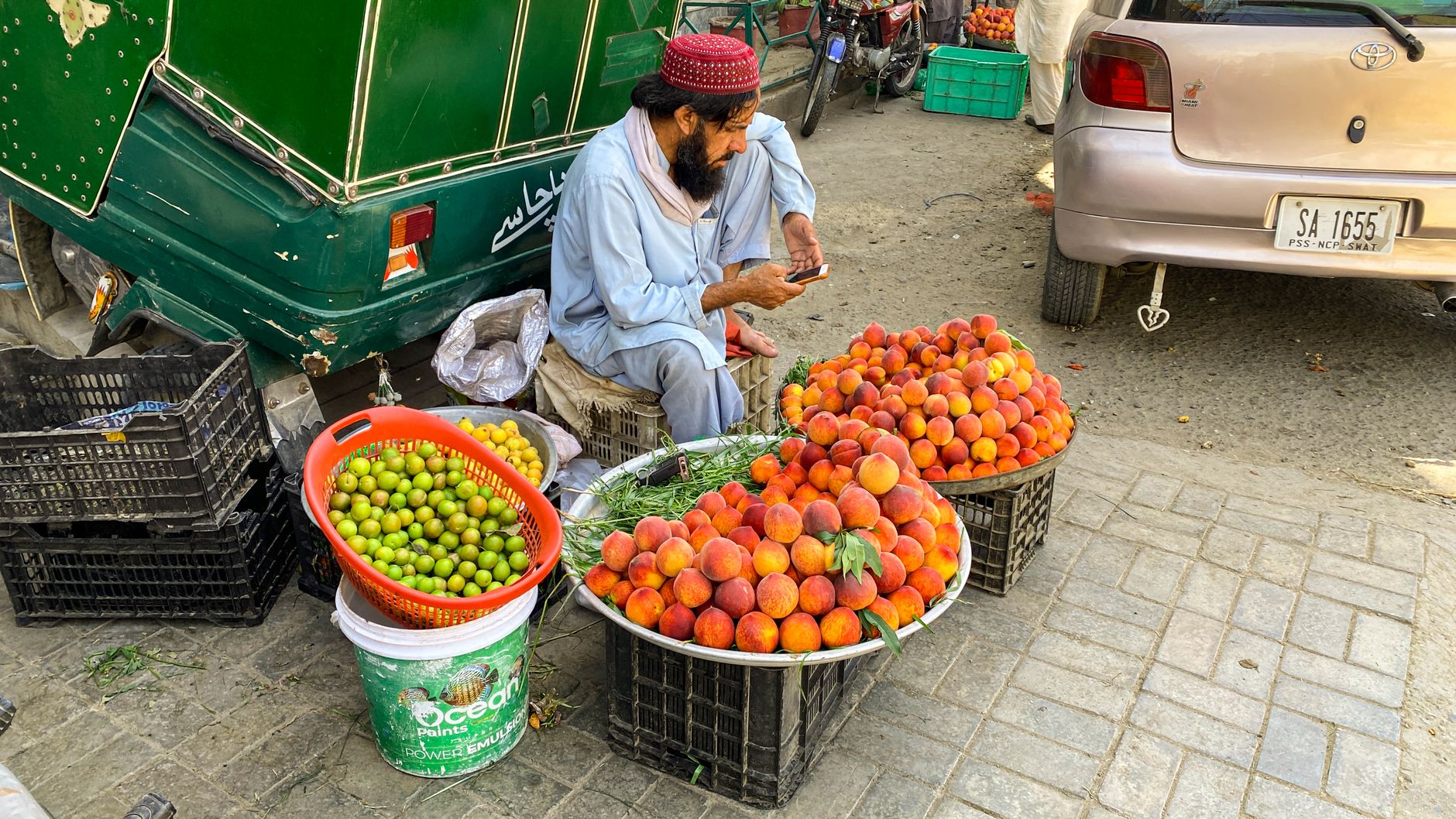
The Hunza people are legendary for their extraordinary longevity, often attributed to their daily consumption of a specific, sun-dried golden fruit.
Nestled high in the Karakoram mountains, the Hunza Valley is famed for its inhabitants' robust health and long lifespans. Their traditional diet centers on locally grown whole grains, vegetables, and especially apricots, which are consumed fresh in summer and dried for winter. The pure glacial meltwater, rich in minerals, is also considered vital. This traditional way of life, untouched by modern processed foods, offers a living example of ancestral dietary wisdom.
2. Okinawa's Bitter Melon Secret
Ogimi Village, Okinawa, Japan
This tiny Japanese village boasts the highest concentration of centenarians globally, and their secret lies in a diet featuring a notoriously bitter vegetable.
Ogimi Village is a renowned "village of longevity" where residents routinely live past 100. Their traditional diet, adhering to the "hara hachi bun me" principle of eating until 80% full, emphasizes local produce. Key among these are purple sweet potatoes, seaweed, and especially "goya" (bitter melon), packed with vitamins and antioxidants. This diet, combined with an active lifestyle and strong community ties, is believed to be fundamental to their remarkable health.
3. The Acorn-Fed Iberian Coast
Alentejo, Portugal
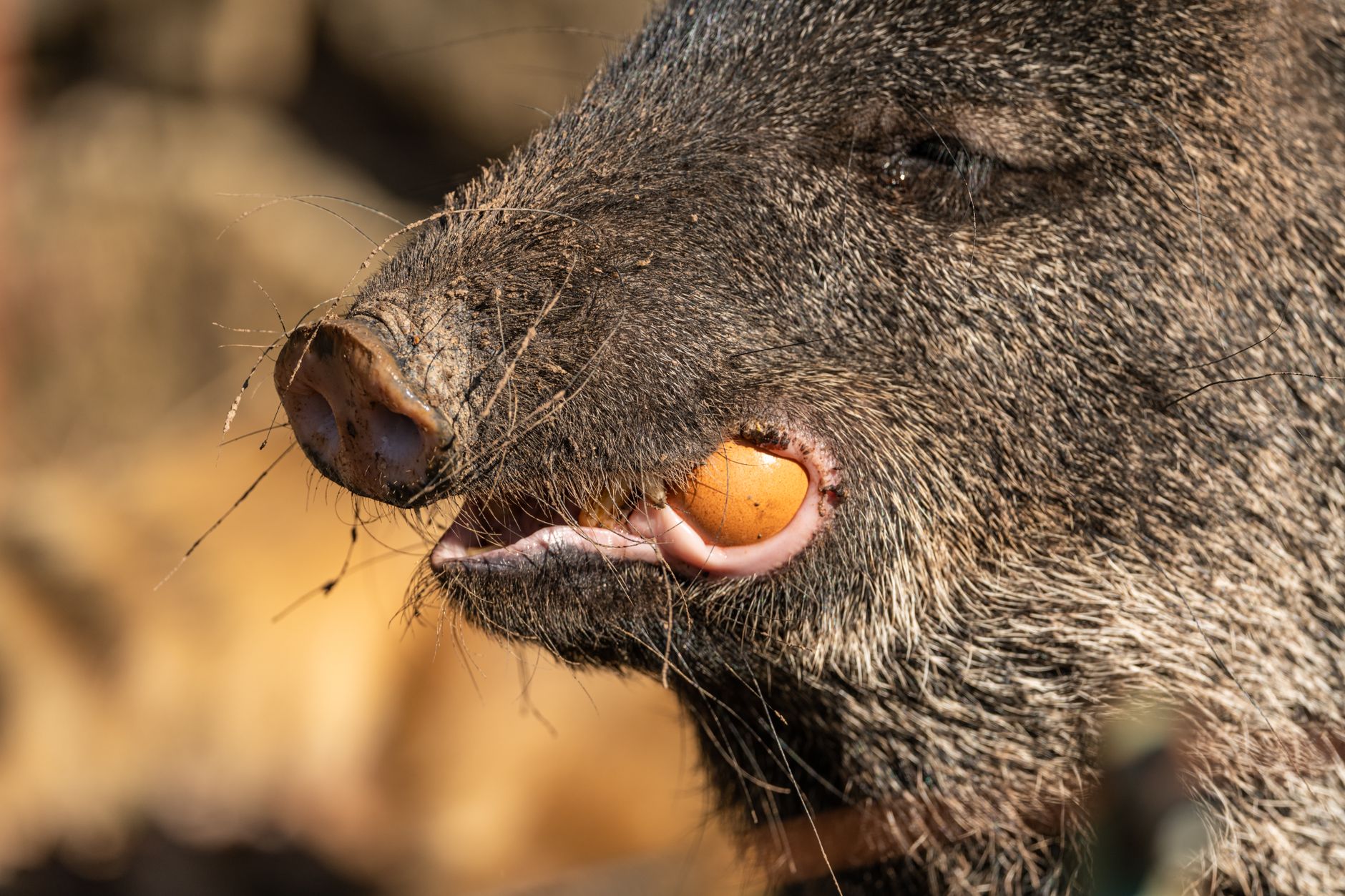
In Portugal's Alentejo region, a unique breed of pig roams cork oak forests, producing a prized ham whose healthy fats are linked to the animal's acorn-rich diet.
The sun-drenched plains of Alentejo are home to the 'porco preto' or black Iberian pig, which grazes freely in 'montado' cork oak forests. During the 'montanheira' season, these pigs feast exclusively on acorns, giving their meat a distinctive nutty flavor and a high oleic acid content, similar to olive oil. This diet contributes to a highly sought-after cured ham, 'presunto ibérico de bolota', celebrated not just for its taste but also for its healthy fat profile, reflecting a harmonious ecosystem and traditional farming.
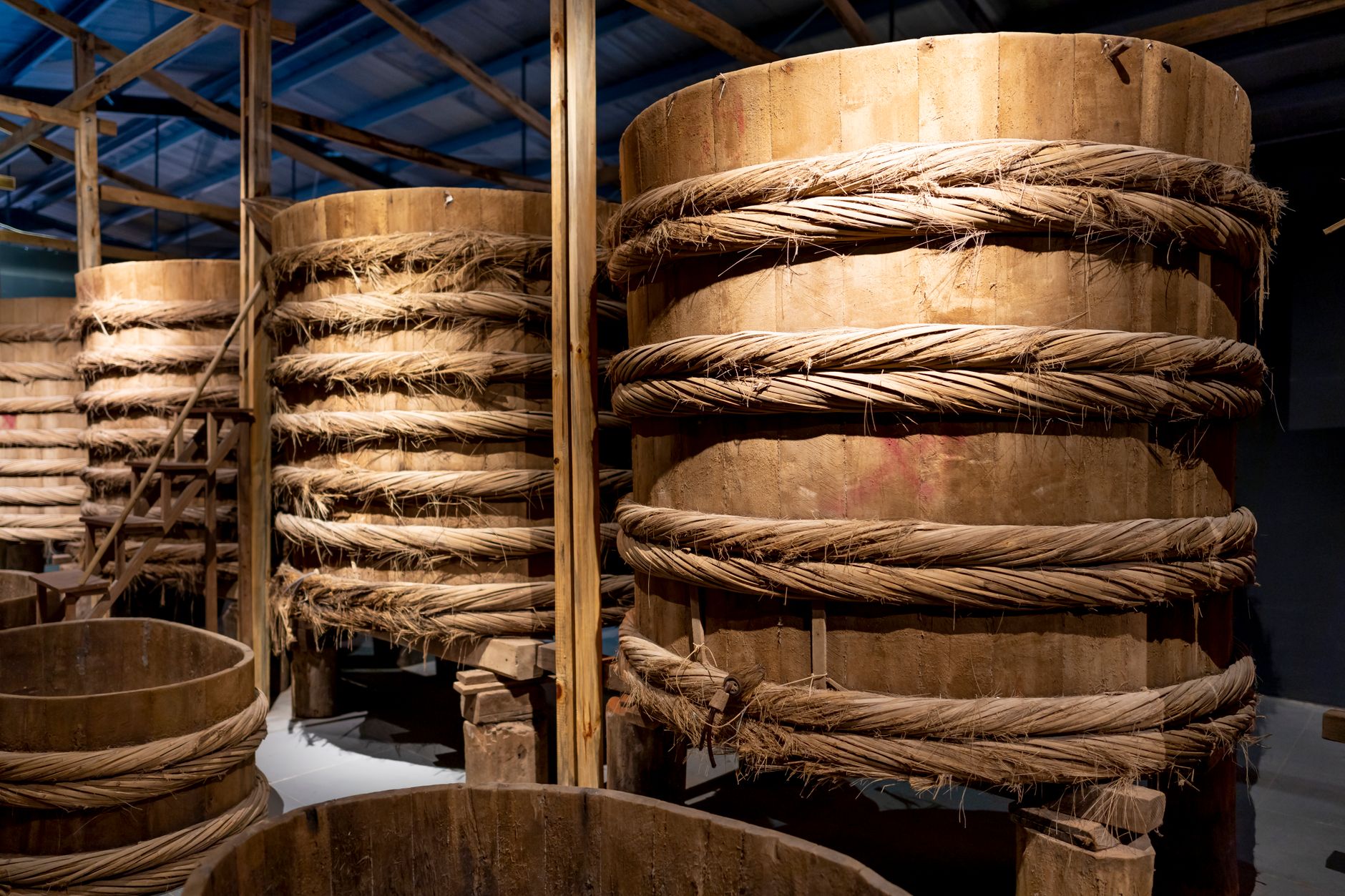
4. Japan's Fermented Black Garlic
Aomori Prefecture, Japan
Far from a typical condiment, the snow country of Aomori transforms ordinary garlic into a dark, sweet superfood through a unique, slow fermentation process.
Aomori, a northern prefecture known for its harsh winters and abundant snowfall, is also Japan's leading producer of garlic. Here, a special artisanal process turns white garlic into "black garlic" through controlled heat and humidity for several weeks. This fermentation removes the pungent odor and sharp taste, developing a sweet, savory flavor and significantly boosting its antioxidant levels. Locals consume it regularly, valuing it for its purported health benefits, a testament to traditional food preservation and enhancement.

5. Georgia's Mountain Svan Salt
Svaneti, Georgia
High in the Caucasus Mountains, an ancient blend of wild herbs and salt isn't just a seasoning; it's a culinary heritage reflecting a unique, isolated culture.
Svaneti, a remote and historically isolated region in Georgia's Caucasus Mountains, is famous for its distinct culinary traditions, including "Svanuri Marili" or Svan Salt. This aromatic blend combines salt with locally foraged wild herbs like fenugreek, dried dill, coriander, and red pepper. More than just a spice, Svan Salt is a staple, used to flavor almost every dish, reducing the need for excessive plain salt while infusing food with the region's diverse botanical wealth. It's a taste of the mountains, preserving both flavor and health.
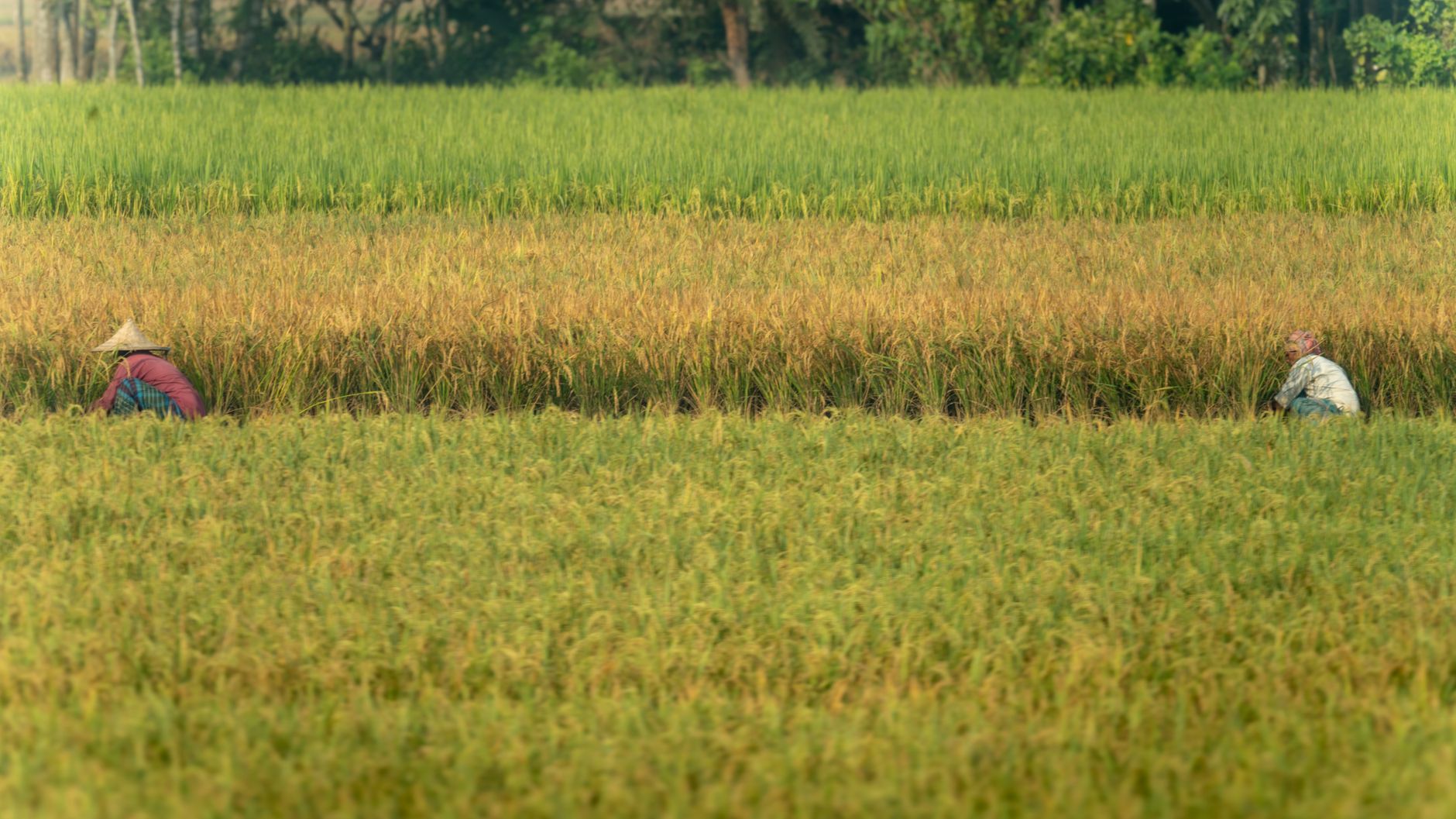
6. The Rice & Pea Fields of the Sea Islands
Gullah Geechee Corridor, USA
Along the southeastern coast of the US, a unique culture born from West African heritage maintains a vibrant, plant-forward diet centered on heirloom rice and local produce.
The Gullah Geechee people, descendants of enslaved West Africans in the Sea Islands and lowcountry of the Carolinas, Georgia, and Florida, have preserved a distinct culinary tradition. Their diet is rooted in sustainable farming and foraging, emphasizing heirloom Carolina Gold rice, field peas, okra, and fresh seafood from coastal waters. This cuisine, often slow-cooked and rich in vegetables, reflects a resourceful, plant-forward approach to eating that has nourished generations, echoing the dietary patterns of their ancestors and contributing to their well-being.

7. Lapland's Wild Berry Harvest
Lapland, Finland
In the Arctic wilderness, indigenous Sami traditions embrace a diet rich in wild berries, which are not just food but a vital source of nutrients for survival during long, dark winters.
Finland's Lapland, a vast region spanning the Arctic Circle, is home to the indigenous Sami people and a bounty of wild superfoods. Crucial among these are cloudberries, blueberries, and lingonberries, which thrive under the midnight sun. For centuries, these berries have been a cornerstone of the Sami diet, picked by hand and preserved through drying or freezing to provide essential vitamins and antioxidants during the harsh, dark winters. This deep connection to nature and reliance on foraged foods exemplifies a resilient and inherently healthy way of eating.
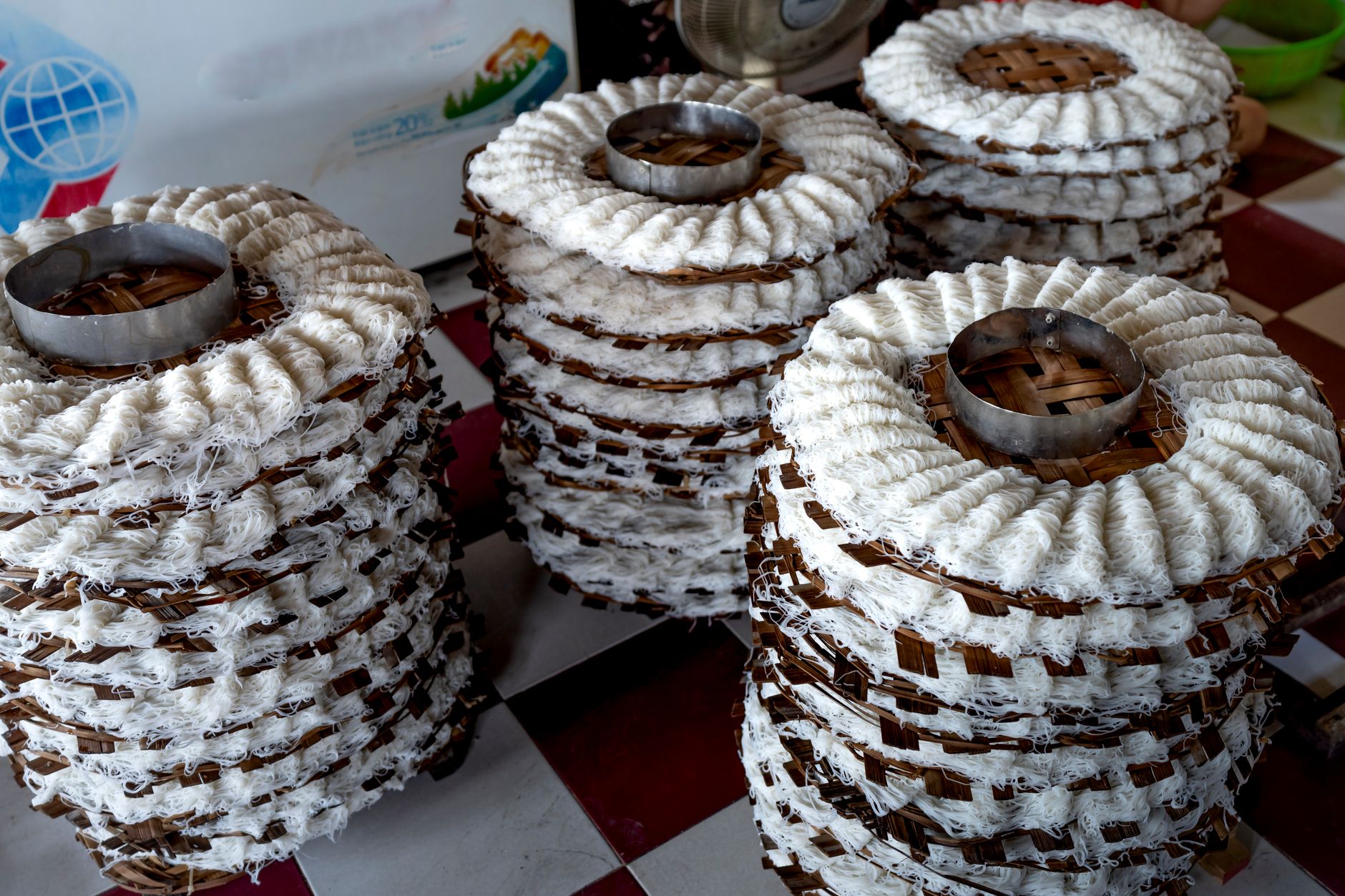
8. Luang Prabang's Sticky Rice Ritual
Luang Prabang, Laos
In the ancient capital of Laos, sticky rice isn't just a staple; it's a daily ritual and a culinary bedrock, often paired with unique foraged river greens.
Luang Prabang, a UNESCO World Heritage site in northern Laos, embodies a deep connection to its food culture, with sticky rice (khao niao) at its heart. Eaten by hand, it forms the basis of almost every meal, providing sustained energy. Locals also incorporate "kai paen" (Mekong river weed) and a wealth of fresh herbs, wild vegetables, and lean river fish. This simple, balanced diet, rich in fiber and fresh ingredients, reflects a sustainable lifestyle tied to the Mekong River and surrounding fertile lands, contributing to the community's overall health.
Frequently asked questions
Are there common themes in the diets of these healthy populations?
Yes, several patterns emerge. These diets consistently feature whole, unprocessed foods, abundant fruits and vegetables, lean proteins, and healthy fats. They often emphasize locally sourced, seasonal ingredients and traditional preparation methods, with a strong link to nature and sustainable practices.
How do these traditional diets compare to modern Western diets?
Traditional diets typically contrast sharply with modern Western diets, which often contain highly processed foods, excessive sugars, unhealthy fats, and refined grains. The emphasis in these healthy populations is on nutrient-dense, plant-rich foods, mindful eating, and an active lifestyle, rather than convenience and mass production.
Can I adopt elements of these diets even if I can't travel there?
Absolutely. You can incorporate principles like eating more whole foods, increasing vegetable and fruit intake, choosing lean proteins, and reducing processed items. Seek out local and seasonal produce, experiment with fermentation, and embrace mindful eating practices. The spirit of these diets can be adapted anywhere.
How can AllTours.ai help me learn more about these places?
AllTours.ai enhances your travel experience by providing AI-powered audio tours. Simply point your phone camera at a landmark or landscape, and the app narrates its history, geology, and culture in your language. It’s like having a local expert reveal the deeper stories behind the food, traditions, and daily life in these fascinating locations.
Related guides
Photography via Pexels. AllTours.ai is an AI audio tour guide — point your camera at any landscape and hear its story.