August 27, 2026 · 4 min read
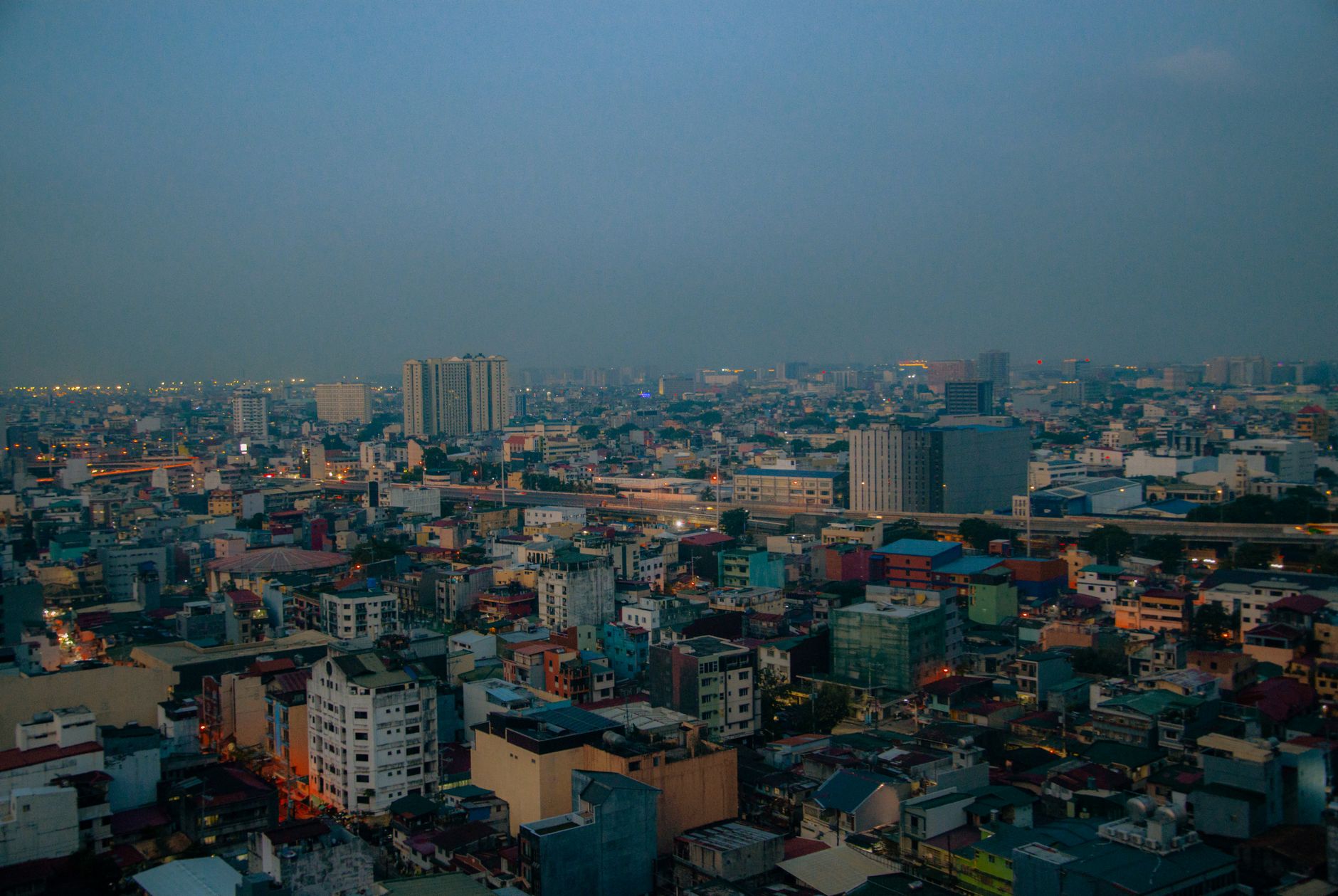
The question 'What is the most cosmopolitan city in the world?' often sparks debates, usually pointing to the obvious global powerhouses like London, New York, or Tokyo. While these cities undeniably pulse with international energy, true cosmopolitanism isn't just about size or fame. It's about layers of history, unexpected cultural fusions, and a deep-seated legacy of diverse influences.
For us, the most compelling cosmopolitan cities are often the ones you might not immediately consider. These are places where centuries of trade, migration, and unique geopolitical circumstances have forged cultures unlike anywhere else. They offer a more intimate, often surprising, look at what it means for a place to truly embrace the world.
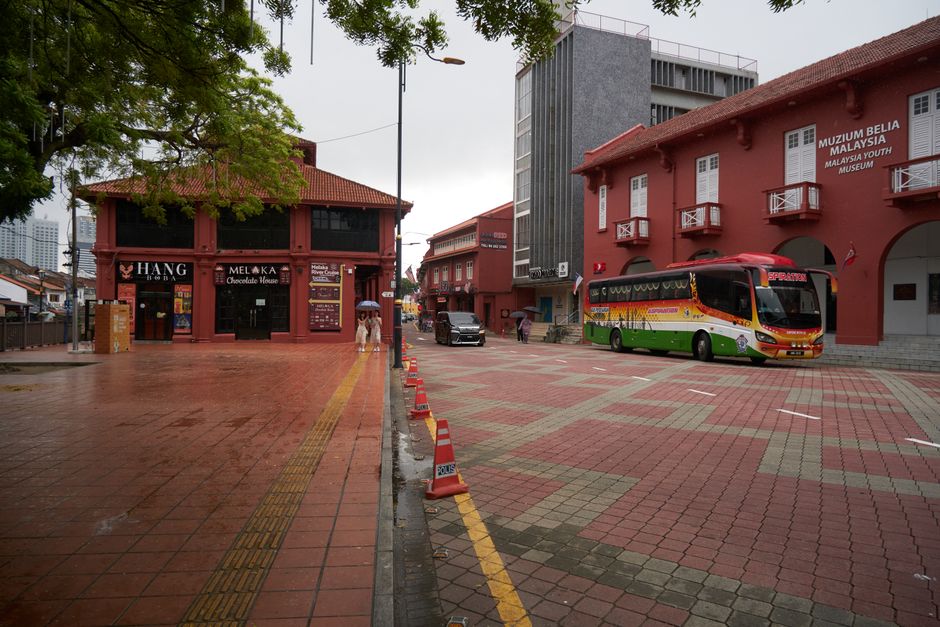
1. Melaka's Peranakan Legacy
Melaka, Malaysia
This Malaysian city's distinctive Peranakan culture is a living testament to centuries of competing colonial powers and trade.
Melaka’s strategic location on the Strait of Malacca made it a prized possession for Portuguese, Dutch, and British empires, each leaving an indelible mark. This layered history, combined with strong Chinese and Malay influences, created the unique Baba-Nyonya (Peranakan) culture. Visible in its vibrant shophouses, distinct cuisine, and a language blending Hokkien with Malay, Melaka offers a profound example of cultural synthesis.
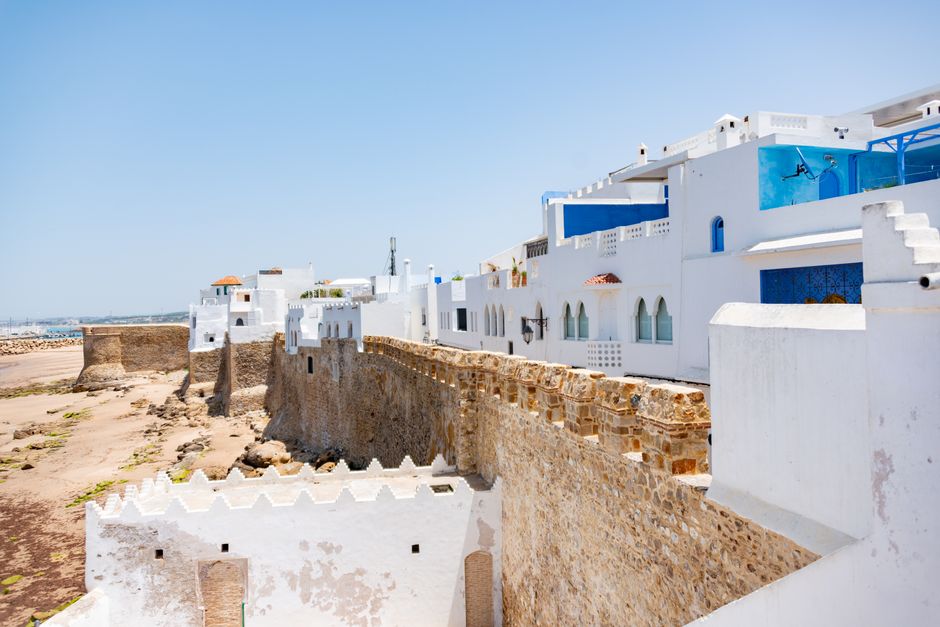
2. Essaouira's Bohemian Breeze
Essaouira, Morocco
A former Portuguese fortress town that became a melting pot for Gnawa musicians, artists, and international travelers.
With its iconic blue-and-white medina walls, Essaouira stands apart from Morocco's other imperial cities. Originally a Phoenician outpost, then a Portuguese stronghold, it later flourished as a major trade port. In the 20th century, its laid-back atmosphere and unique Gnawa music drew counter-culture icons and artists, establishing a distinctly bohemian, multicultural vibe that continues to define its Atlantic charm.
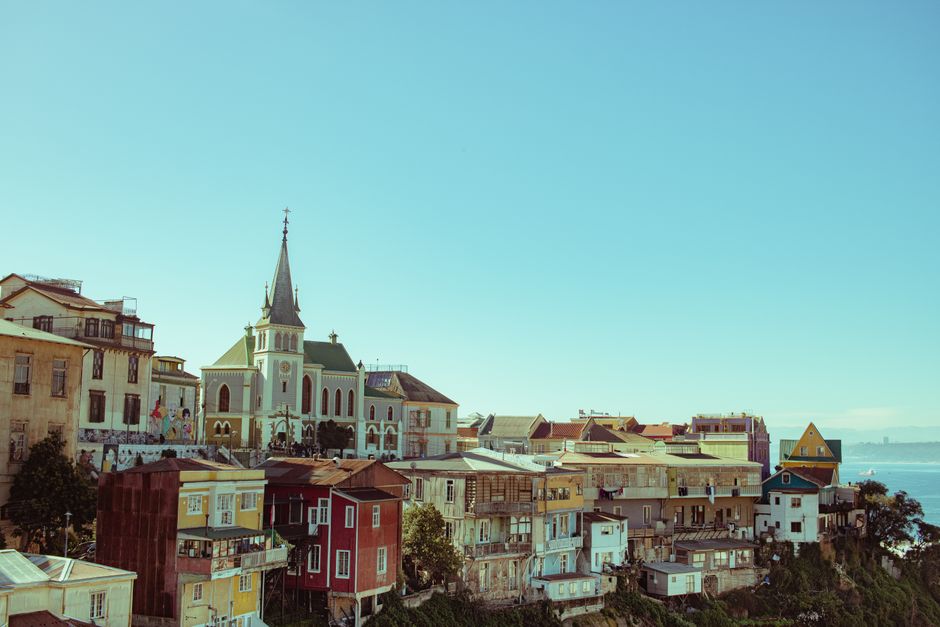
3. Valparaíso's Maritime Canvas
Valparaíso, Chile
This UNESCO city's labyrinthine hillsides tell vivid stories of 19th-century European immigrants and pivotal maritime trade.
Before the Panama Canal, Valparaíso was a crucial stop for ships rounding Cape Horn, attracting waves of German, British, French, and Italian immigrants. Their architectural styles and cultural traditions shaped its unique 'ascensores' (funiculars) and kaleidoscope of colorful houses clinging to the hills. It feels like a piece of Europe transported to the Pacific, a testament to its past as a global maritime crossroads.
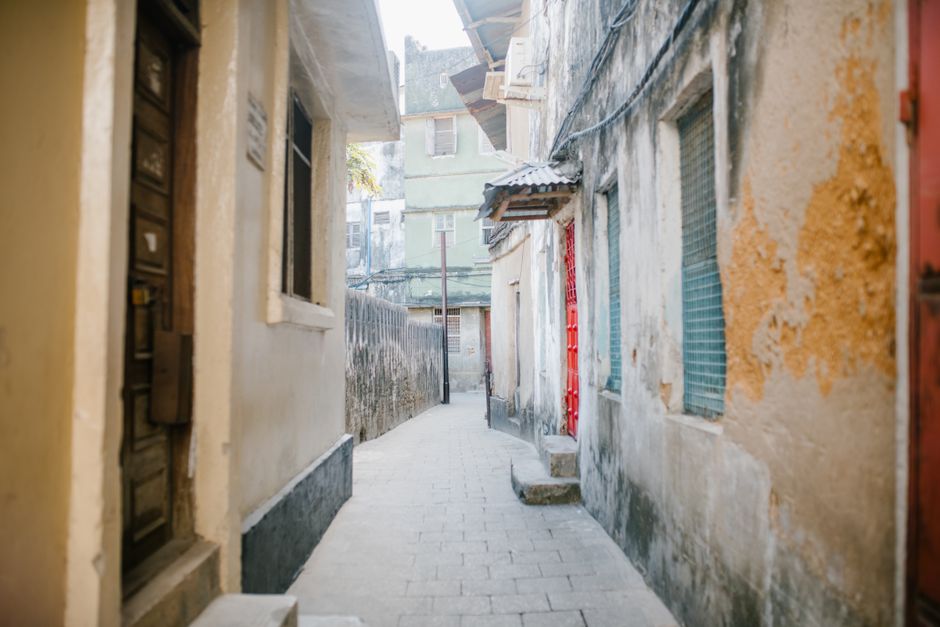
4. Zanzibar's Stone Town Fusion
Zanzibar City, Tanzania
Stone Town, its historic center, is a UNESCO site where Omani sultans, Indian traders, and African cultures converged.
For centuries, Zanzibar was a pivotal East African trading hub, dealing in spices, ivory, and unfortunately, slaves. This rich, complex history is etched into Stone Town's architecture, a fascinating fusion of Swahili, Arab, Indian, and European elements. Its intricately carved wooden doors, each telling a story, are physical reminders of the diverse inhabitants who shaped this island's unique identity.
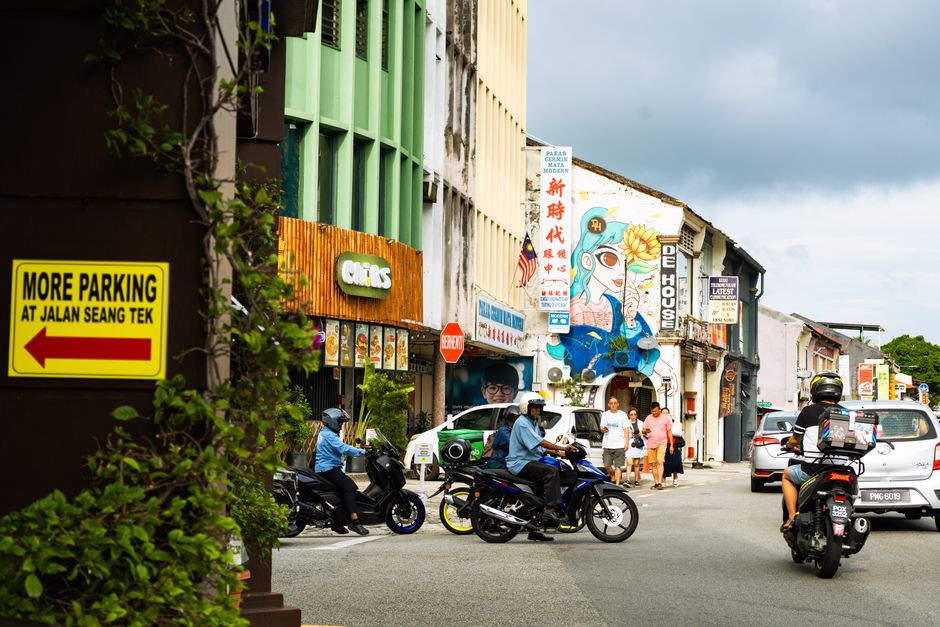
5. George Town's Clan Houses
George Town, Penang, Malaysia
Here, Chinese clan houses stand beside Indian temples and British colonial buildings, reflecting a vibrant heritage of immigration.
Designated a UNESCO World Heritage site, George Town's urban fabric is a direct result of British colonial trade policies that attracted immigrants from China, India, and beyond. This created a unique cultural tapestry, visible in its diverse culinary scene, distinct architecture, and active religious practices side-by-side. The grand Khoo Kongsi clan house, for example, showcases the enduring influence of its immigrant communities.
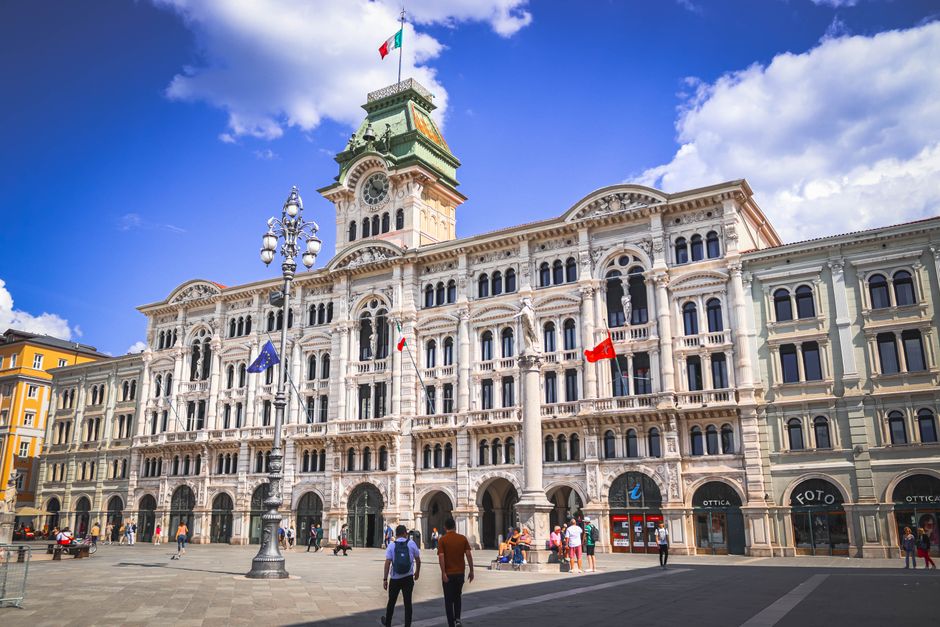
6. Trieste's Habsburg Echoes
Trieste, Italy
This Italian city feels more Central European, once serving as the Austro-Hungarian Empire's main port and cultural melting pot.
Trieste's unique identity stems from its history as a Habsburg free port, attracting a diverse population of Italians, Slovenes, Germans, and Greeks. This made it a crossroads of cultures and languages, fostering a distinct intellectual and coffeehouse culture. Its grand Neoclassical architecture, particularly around Piazza Unità d'Italia, bears witness to this rich, cosmopolitan past, setting it apart from other Italian cities.
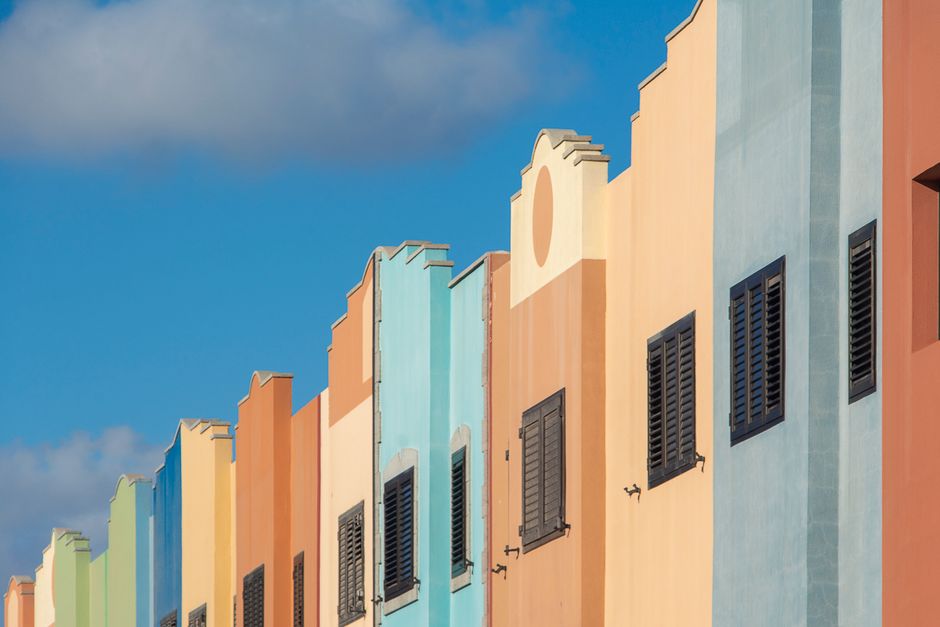
7. Curaçao's Papiamentu Spirit
Curaçao, Dutch Caribbean
A Caribbean island where Dutch colonial architecture meets vibrant Afro-Caribbean culture and a language (Papiamentu) born of multiple tongues.
Willemstad, its capital, is a UNESCO site famous for its pastel-colored Dutch colonial buildings. Beyond the aesthetics, Curaçao's history as a trading post created a unique blend of cultures: Dutch, African, Portuguese, Spanish, and Jewish. Papiamentu, its creole language, is a direct result of this deep cosmopolitanism, reflecting centuries of global interaction and adaptation on this vibrant island.
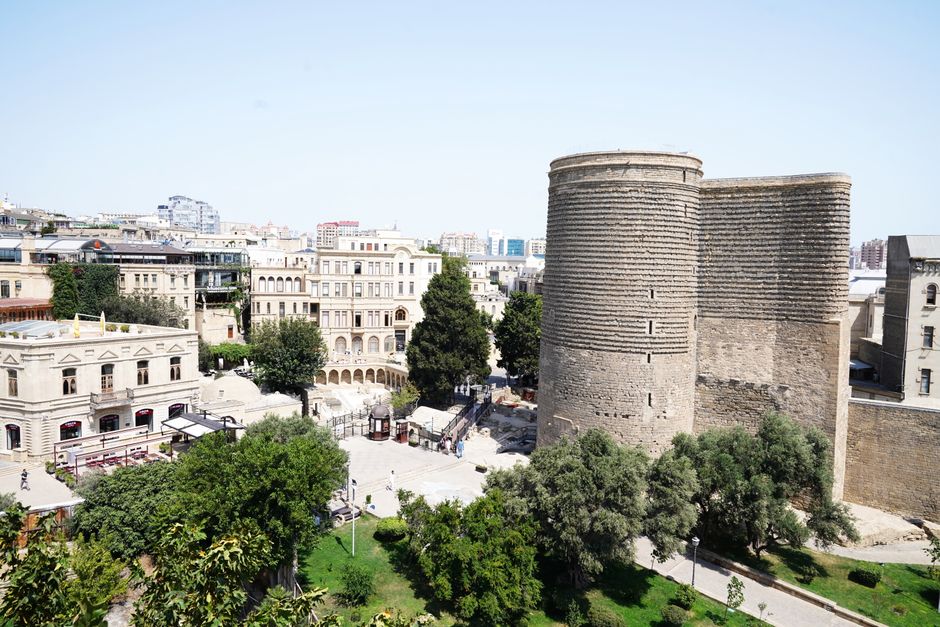
8. Baku's Silk Road Futurism
Baku, Azerbaijan
A city where ancient Silk Road history intertwines with 19th-century oil booms and striking futuristic architecture.
Baku's walled Old City, a UNESCO site, holds millennia of history, from Zoroastrian temples to medieval palaces. The 19th and early 20th centuries brought an oil boom, attracting international architects and entrepreneurs, creating a blend of Parisian Art Nouveau and local styles. Today, its iconic Flame Towers and the Heydar Aliyev Center add a striking modern layer to this ancient crossroads, making it a unique global hub.
Frequently asked questions
What makes a city cosmopolitan?
A cosmopolitan city is characterized by its diverse population, cultures, languages, and ideas. It's a place where people from all over the world live, work, and interact, often having a significant international influence in trade, arts, or politics.
Is there a single 'most cosmopolitan city'?
Not really. Cosmopolitanism is subjective and can be measured by different metrics like linguistic diversity, immigrant population, international trade, or cultural institutions. What one person considers cosmopolitan, another might not.
How do lesser-known cities become cosmopolitan?
Many lesser-known cities achieve cosmopolitan status through their historical roles as trade hubs, colonial outposts, or centers for specific industries. These factors attracted diverse populations over centuries, leading to unique cultural fusions that persist today.
How can the AllTours.ai app enhance my experience in these cities?
AllTours.ai brings the stories of these cosmopolitan places to life. Simply point your phone camera at a landmark or landscape, and the app narrates its history, geology, and culture in your language, revealing the hidden layers of diversity and connection in real time.
Related guides
Photography via Pexels. AllTours.ai is an AI audio tour guide — point your camera at any landscape and hear its story.