July 9, 2026 · 4 min read
The world is full of incredible flavors, but let's be honest: some dishes just don't live up to the hype. Perhaps it was a famous street food that fell flat, or a Michelin-starred meal that left you underwhelmed. We've all been there, chasing a culinary dream only to find it, well, overrated.
But what if the real discovery isn't found on a plate, but in the ground beneath your feet? The most profound travel experiences often come from uncovering places brimming with untold stories, geological marvels, or cultural legacies that resonate far beyond a fleeting taste. Forget the overrated dishes; let's explore extraordinary places.
1. The Earthy Fortress of Trade
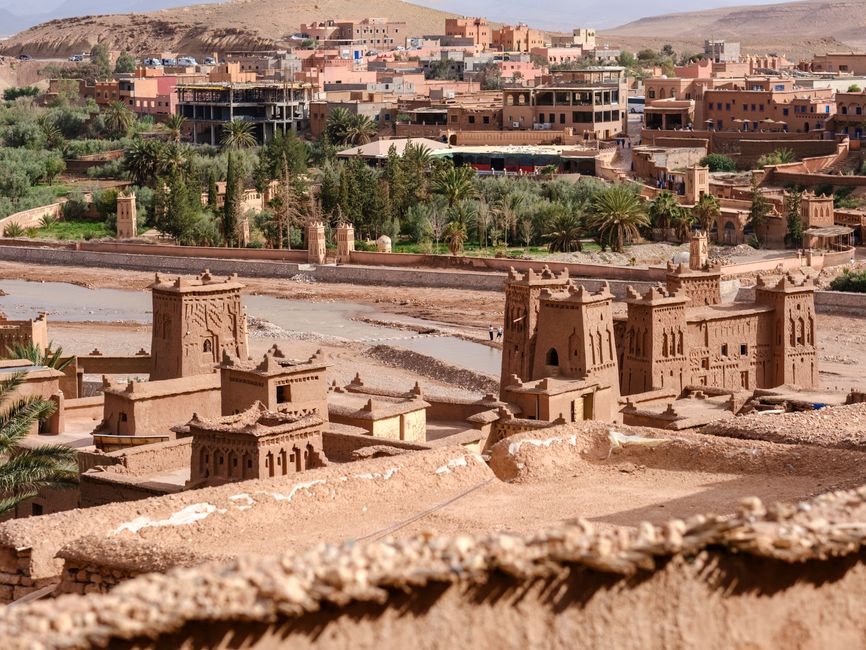
Ait Benhaddou, Morocco
This ancient fortified village was once a crucial stop for trans-Saharan traders, its mud-brick kasbahs telling tales of salt, gold, and empires.
More than just a striking film set for Hollywood blockbusters, Ait Benhaddou is a UNESCO World Heritage site that guarded one of Africa's most important trade routes. Its unique earthen architecture allowed for both defense and adaptation to the harsh desert environment, preserving a way of life that spanned millennia. Exploring its narrow passageways reveals a profound connection to ancient commerce.
2. Korea's Golden Kingdom Beneath Mounds
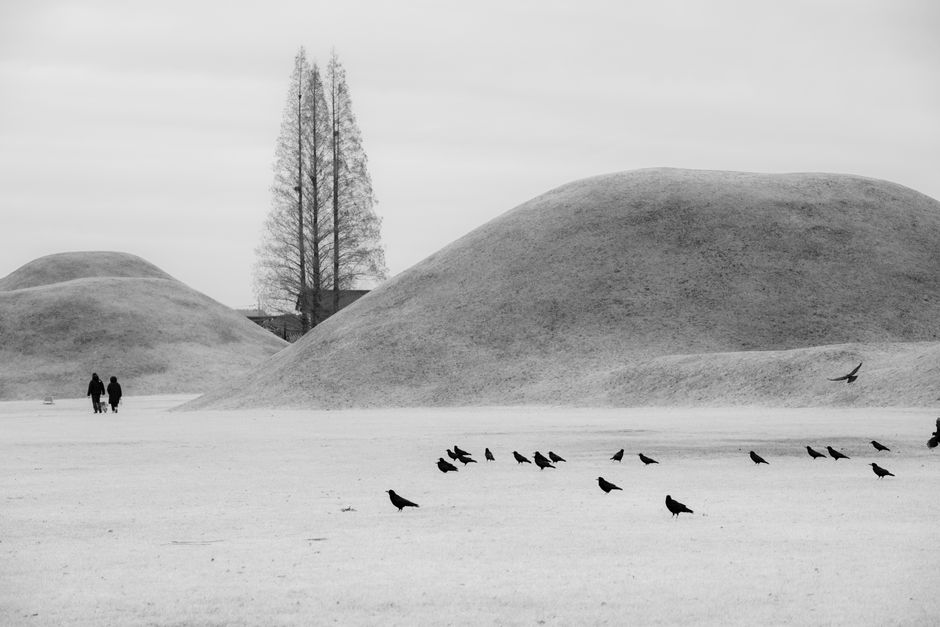
Gyeongju, South Korea
Beneath Gyeongju's serene grassy mounds lie not just royal tombs, but entire buried cities and golden artifacts of the ancient Silla Kingdom.
Often overlooked for Korea's modern metropolises, Gyeongju served as the capital of the Silla Kingdom for nearly a millennium. It's an open-air museum where ancient temples like Bulguksa and the tranquil Seokguram Grotto reveal exquisite craftsmanship, while vast royal burial mounds hint at the grandeur of a unified kingdom that once flourished here.
3. Life in the Driest Desert
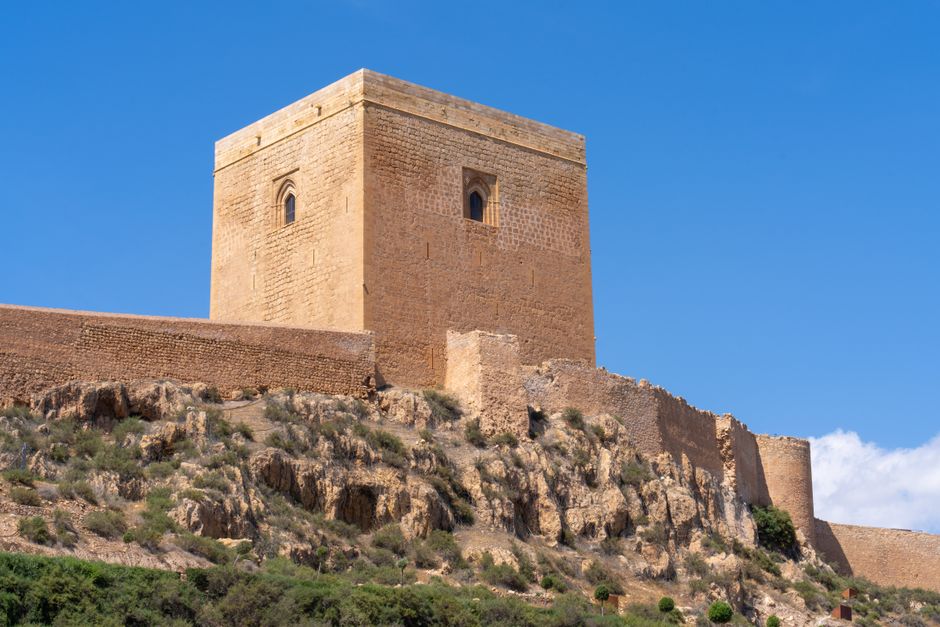
San Pedro de Atacama, Chile
In the world's driest non-polar desert, ancient Atacameño cultures developed ingenious irrigation systems that sustained thriving communities for thousands of years.
While known for its surreal landscapes of salt flats and geysers, the Atacama Desert holds profound human history. The Pukará de Quitor, an ancient fortress, stands as a testament to pre-Columbian ingenuity, showcasing how early inhabitants adapted and flourished amidst extreme aridity through advanced agricultural techniques that still inspire awe today.
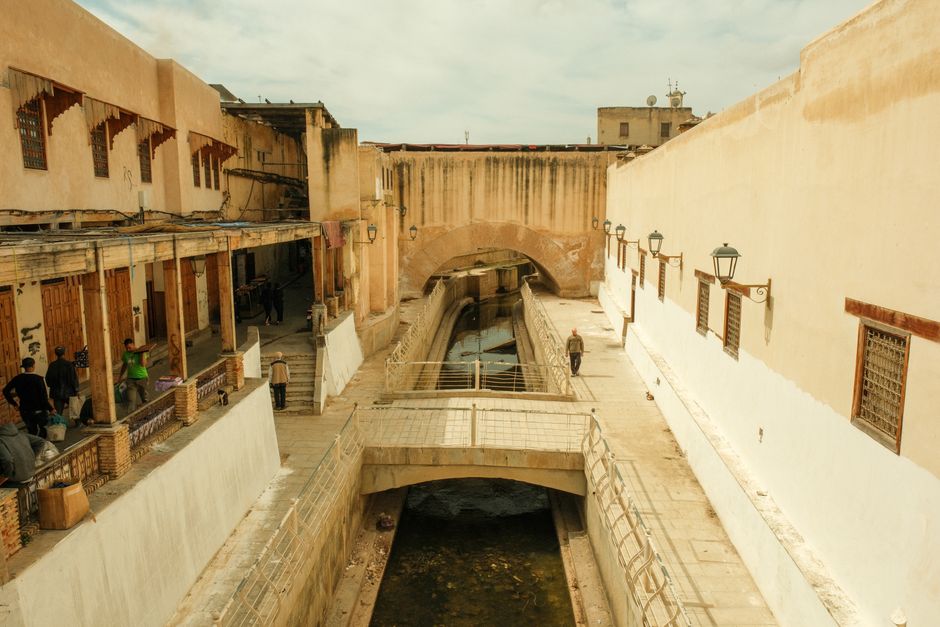
4. The Ancient Heart of Learning
Fes, Morocco
Fes is home to Al-Qarawiyyin, the world's oldest continuously operating university, founded by a woman in the 9th century.
Deeper than its vibrant tanneries, Fes's true legacy lies in its intellectual heritage. Fatima al-Fihri established this venerable institution in 859 AD, predating many European universities. The city's labyrinthine medina is a living testament to centuries of scholarship, artisanry, and spiritual devotion, a UNESCO treasure where history breathes around every corner.
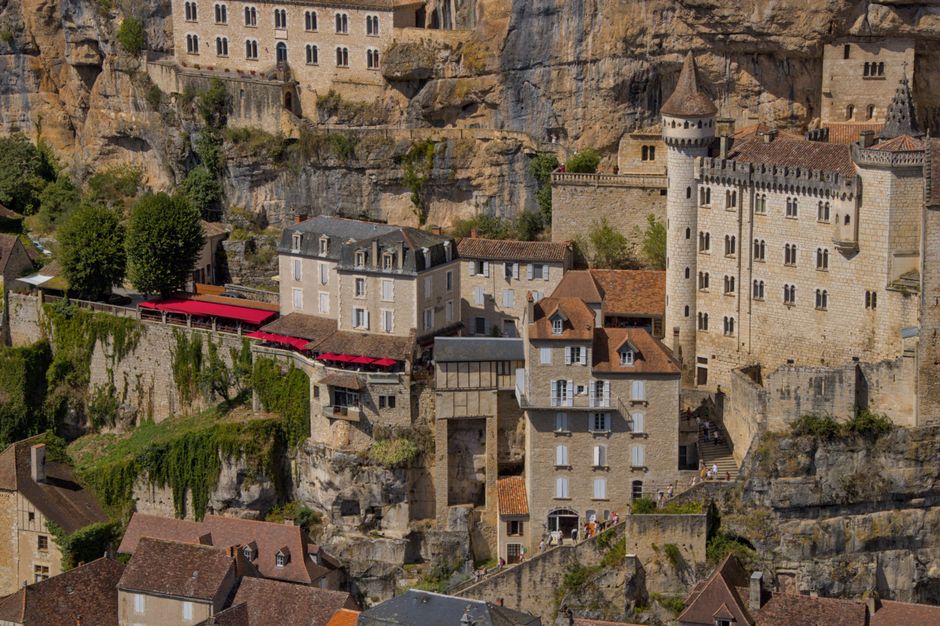
5. The Cliffside Pilgrim's Shrine
Rocamadour, France
This dramatic village, built into a sheer cliff face, has drawn pilgrims for over a thousand years to its sanctuary housing a miraculous Black Madonna statue.
Perched precariously above the Alzou canyon, Rocamadour is a breathtaking sight and a significant pilgrimage site since the Middle Ages. Its sacred complex, including the Basilica of Saint-Sauveur and the crypt of Saint Amadour, reveals layers of fervent devotion and remarkable architectural feats against gravity, making it a powerful testament to human faith.
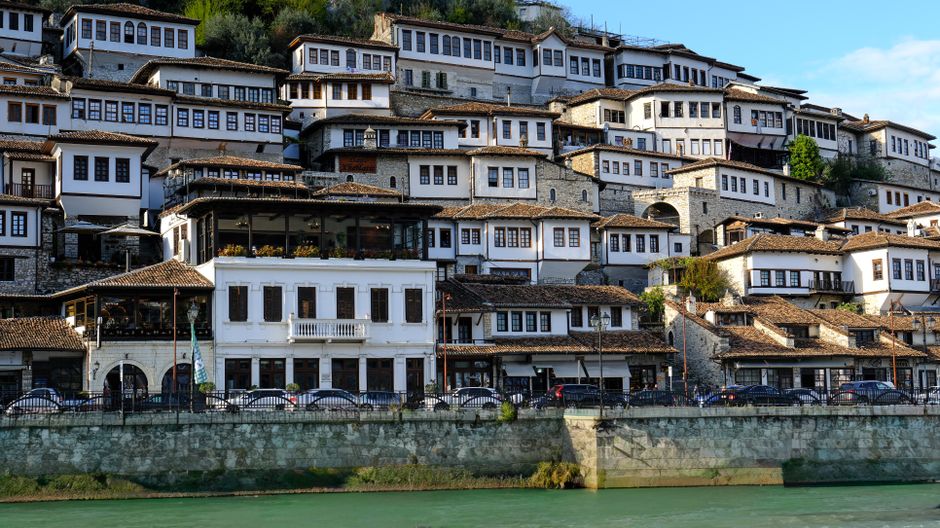
6. The City of a Thousand Windows
Berat, Albania
Known as "the city of a thousand windows," Berat's distinct Ottoman-era houses climb a hillside, revealing a unique architectural harmony protected by UNESCO.
This ancient Albanian city boasts a castle that still has inhabitants, a rare and fascinating glimpse into continuous habitation within historic walls. Its iconic white houses, stacked closely with numerous windows facing the Osum river, symbolize centuries of cultural blend, earning it its poetic moniker and a place on the world heritage list.
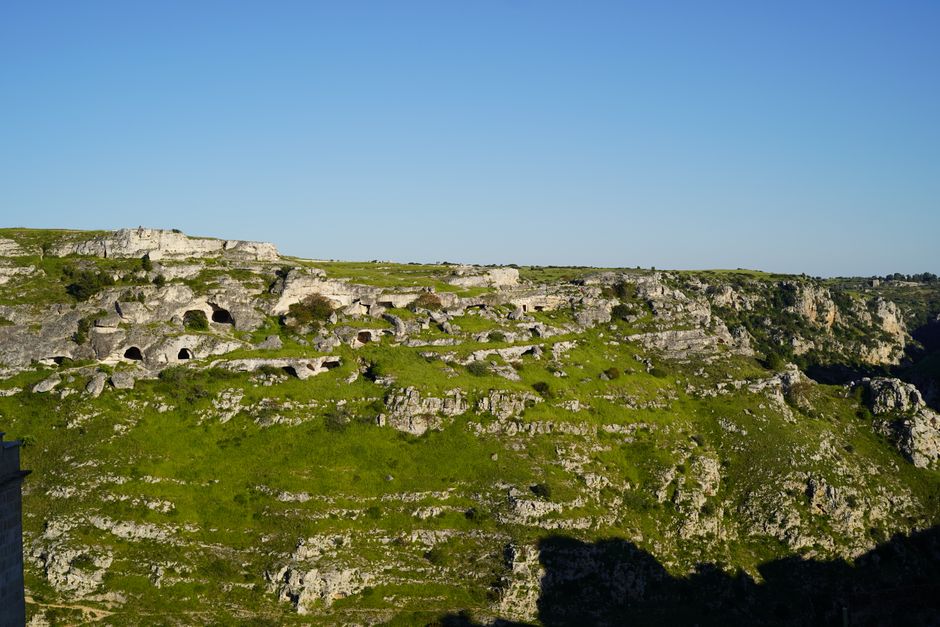
7. The Ancient Cave City
Matera, Italy
Matera is one of the oldest continuously inhabited settlements in the world, where people have lived in natural caves for millennia, evolving from poverty to UNESCO fame.
The "Sassi" of Matera are an extraordinary complex of cave dwellings, churches, and monasteries carved into the rock face. Once a symbol of destitution, these ancient homes are now a vibrant cultural hub, offering a unique window into human adaptation and resilience through the ages, now celebrated as a World Heritage site.
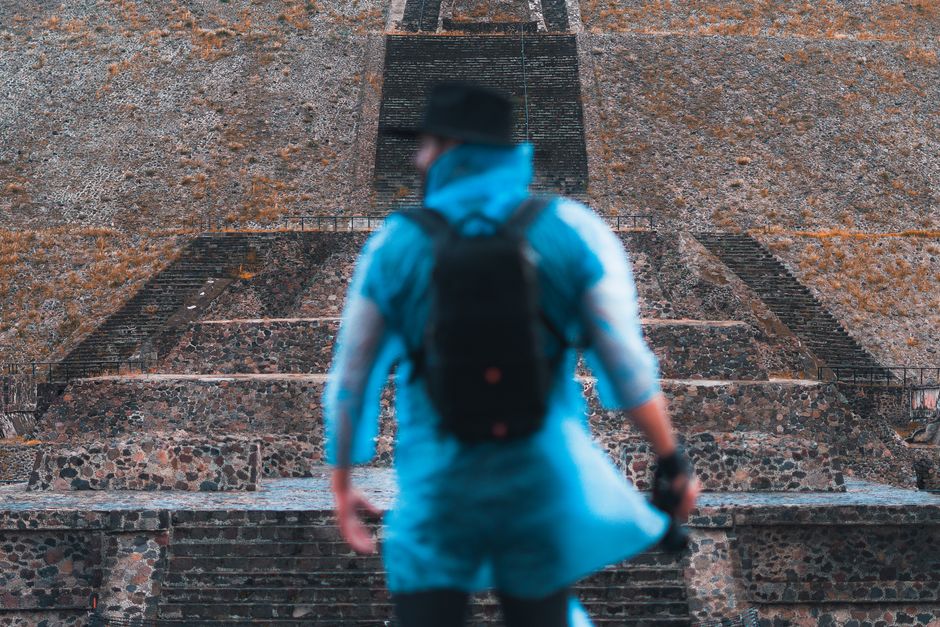
8. Andean Temple of Sound & Stone
Chavín de Huántar, Peru
This ancient pre-Incan temple complex in the Peruvian Andes was a major ceremonial center known for its intricate stone carvings and sophisticated acoustic engineering.
Predating the Inca by over a thousand years, Chavín de Huántar was a pilgrimage site that drew people from across the Andes to its spiritual rituals. Its elaborate underground galleries, complete with the awe-inspiring Lanzón monolith, reveal a complex understanding of architecture and sound, used to create powerful, immersive spiritual experiences for its ancient visitors.
Frequently asked questions
What's the best way to discover truly unique places?
Go beyond the main tourist hubs and seek out UNESCO World Heritage sites that are less frequented. Look for local guides or historical societies that focus on specific regional histories or lesser-known archaeological wonders.
How can I find authentic cultural experiences when traveling?
Engage with local communities through homestays, cooking classes, or artisan workshops. Visit local markets, attend regional festivals, and learn a few phrases in the local language to foster deeper connections and understanding.
Are these "underrated" places difficult to access?
While some might require more planning than major cities, many are accessible by public transport or organized tours. Researching local transport options or hiring a local driver can often open up these hidden gems, making them surprisingly reachable.
How does the AllTours.ai app help me explore these unique places?
AllTours.ai is an AI audio tour guide that lets you point your phone camera at any landscape or landmark. The app then narrates its history, geology, and culture in your preferred language, offering instant, in-depth context to the world around you.
Related guides
Self-guided audio tours
Walk these places stop by stop — free five-stop story tours you can take at your own pace:
Photography via Pexels. AllTours.ai is an AI audio tour guide — point your camera at any landscape and hear its story.