July 7, 2026 · 4 min read
The question, "What kind of weather do you enjoy the most, and why?" often brings to mind cozy fireplace evenings or sun-drenched beach days. But for the curious traveler, weather is more than just comfort; it's a powerful sculptor of landscapes, cultures, and history. It dictates the rhythm of life, shapes geological wonders, and inspires unique human adaptations.
Beyond the well-trodden paths, countless places around the globe owe their very existence and identity to a specific climate. From arid islands where trees bleed red to mountains where persistent mist cultivates ancient forests, these destinations offer a profound connection to the elements. They invite us to look closer, listen to the land, and understand how nature's forces craft extraordinary narratives.
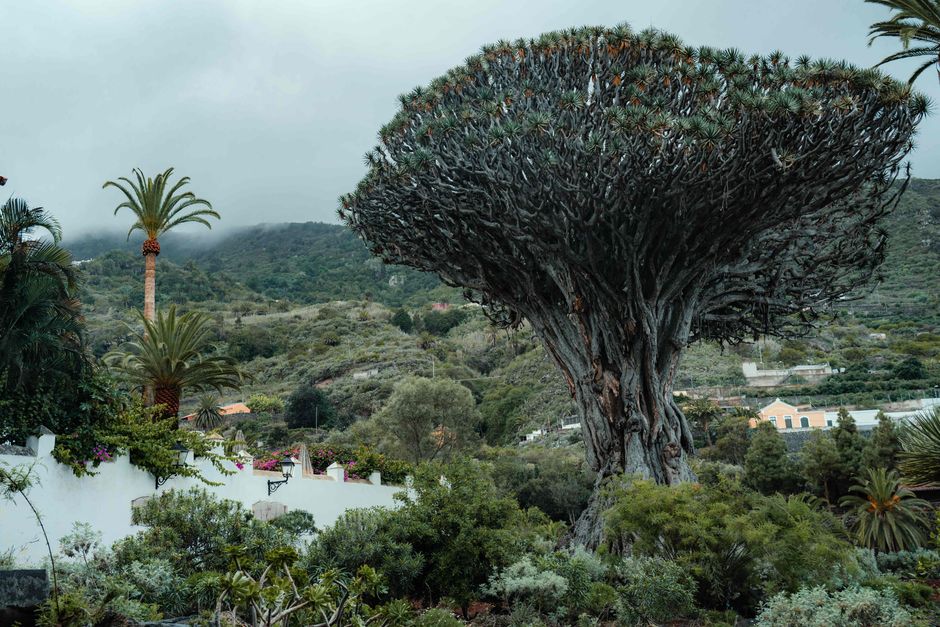
1. The Dragon's Blood Island
Socotra Island, Yemen
This isolated island's harsh, arid climate has sculpted an alien landscape where trees literally bleed red sap.
Socotra is a biodiversity hotspot with an estimated one-third of its plant species found nowhere else on Earth. The iconic Dragon's Blood tree, with its umbrella-shaped canopy, is uniquely adapted to capture moisture from the frequent fogs and its red resin was historically prized for medicine and dye. This extreme environment has preserved an ancient flora, making the island feel like a journey to another planet.
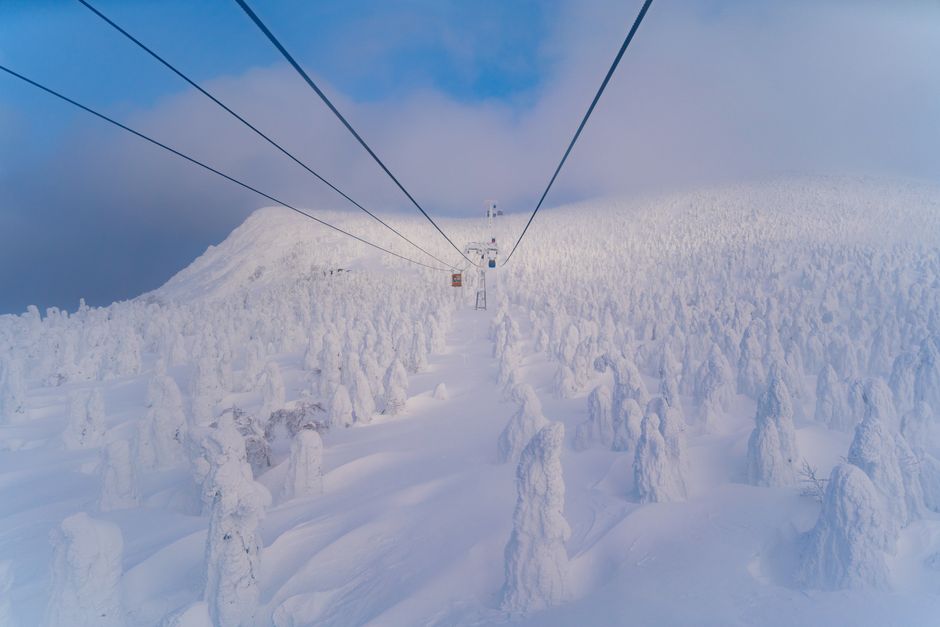
2. Japan's Winter Snow Monsters
Zao Onsen, Yamagata, Japan
Winter winds and heavy snowfall sculpt the fir trees around Zao Onsen into surreal "snow monsters" (Juhyo), drawing unique winter festivals.
Each winter, a unique natural phenomenon transforms the evergreen trees on Mount Zao into colossal, eerie figures known as 'Juhyo,' or snow monsters. This occurs when supercooled water droplets in the air freeze onto the trees, accumulating ice and snow as strong winds sweep across the mountain. The resulting sculptural forms are often illuminated at night, creating an otherworldly spectacle amidst the ski slopes.
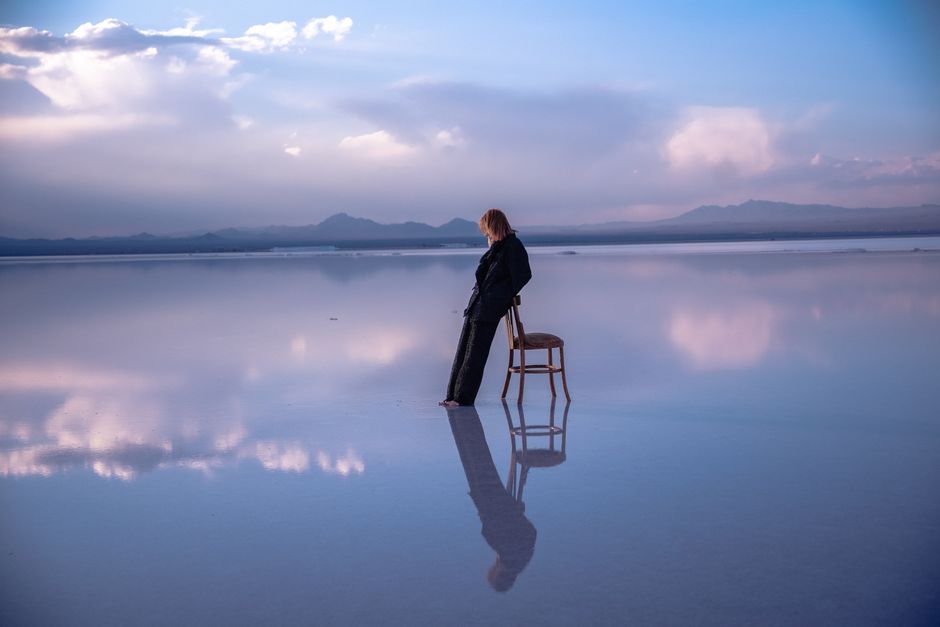
3. The Vanishing Horizon of the Salt Flat
Salar de Uyuni, Bolivia
The blinding sun and immense scale of Salar de Uyuni create a mirage-like experience, where the horizon disappears and distant objects float, especially after rain.
Salar de Uyuni is the world's largest salt flat, a vast expanse of white that, when covered by a thin layer of water, transforms into the world's largest natural mirror. The intense solar radiation at this high altitude, combined with the reflective surface, blurs the line between sky and ground. This unique weather interaction creates stunning optical illusions and a profound sense of limitless space.
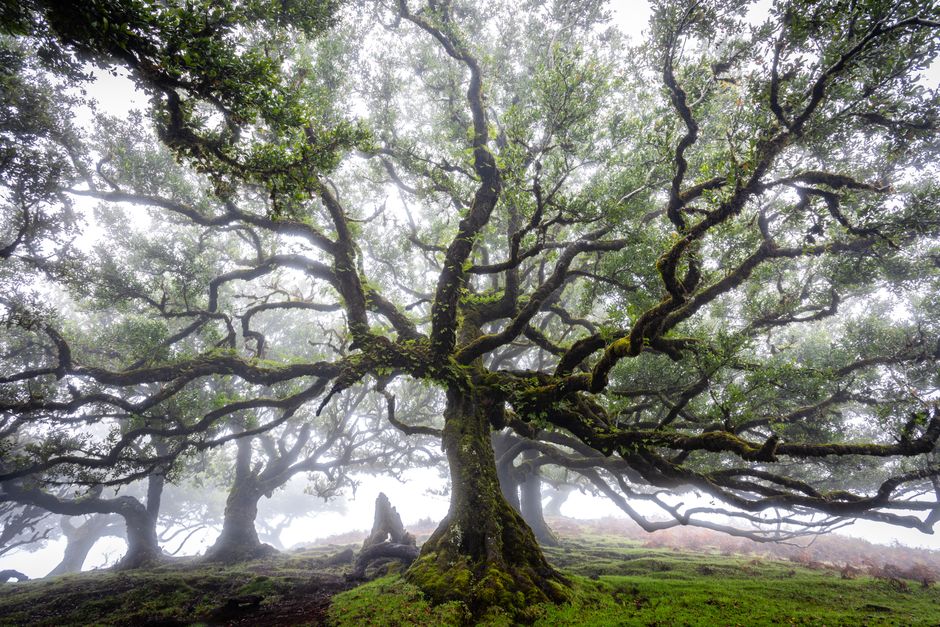
4. Madeira's Ancient Cloud Forest
Laurisilva Forest, Madeira, Portugal
The ancient Laurisilva forest here thrives in persistent cloud cover, creating a surreal, primeval landscape preserved for millennia.
Madeira's Laurisilva forest is a UNESCO World Heritage site, one of the last remaining examples of a laurel forest type that once covered much of Southern Europe. Its survival is due to the island's unique topography, which traps moisture-laden clouds. This perpetual mist and high humidity create a lush, verdant environment where ancient trees draped in moss and ferns flourish, offering a glimpse into a prehistoric world.
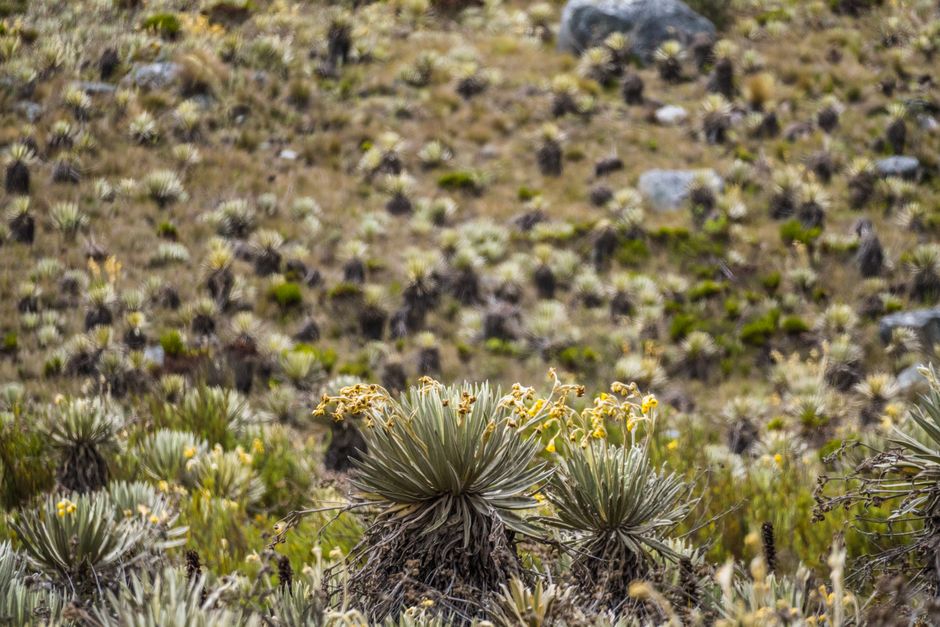
5. Costa Rica's Misty Mountain Ecosystem
Chirripó National Park, Costa Rica
The páramo ecosystem on Costa Rica's highest peaks exists in a perpetually cool, misty environment, leading to unique plant adaptations.
Climbing towards the summit of Mount Chirripó, Costa Rica's highest peak, travelers enter the páramo, a unique neotropical alpine grassland and shrubland ecosystem. This environment is characterized by its constant cool temperatures, high humidity, and frequent mists. Plants like the 'frailejones' have adapted to these conditions with thick, fuzzy leaves to retain moisture and protect against frost, creating an otherworldly, high-altitude botanical garden.
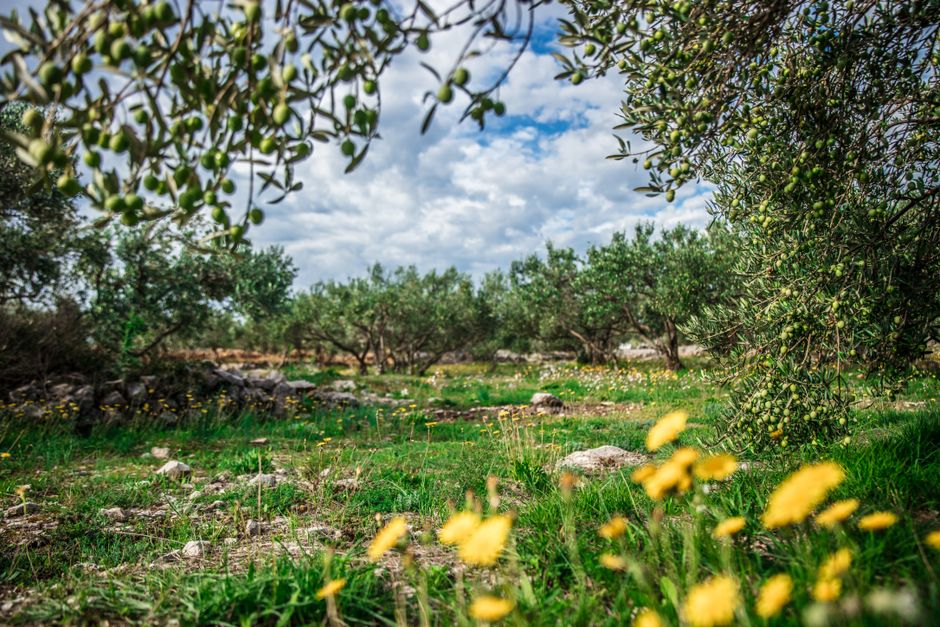
6. Mallorca's Sheltered Orchard Valley
Valldemossa, Mallorca, Spain
The microclimate of Valldemossa, nestled in the Serra de Tramuntana, was chosen by Carthusian monks for its ideal conditions to cultivate olive groves and citrus.
Valldemossa is a charming village in the heart of Mallorca's Serra de Tramuntana mountains, a UNESCO World Heritage site. Its sheltered position creates a unique microclimate that protects it from harsh winds and provides ample sunshine and moisture. This allowed Carthusian monks to establish extensive olive and citrus groves centuries ago, a legacy that continues to define the village's lush terraced landscapes and agricultural heritage.
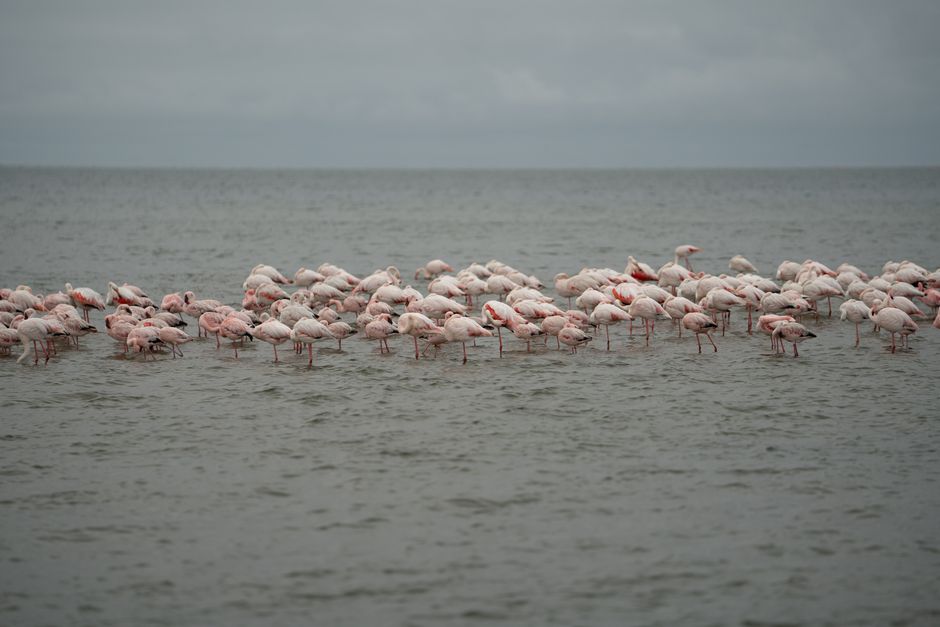
7. The Dry, Windy Coral Island
Anegada, British Virgin Islands
This flat, arid coral island in the Caribbean thrives under constant trade winds, nurturing unique salt ponds and a vibrant flamingo population.
Unlike its volcanic neighbors, Anegada is a low-lying coral atoll, making it one of the driest and windiest islands in the British Virgin Islands. The relentless trade winds and minimal rainfall have shaped its unique ecology, featuring salt ponds that are crucial habitats for a thriving population of flamingos. The island's surrounding Horseshoe Reef, the fourth-largest barrier reef in the world, is also shaped by these strong currents and offers a distinct underwater experience.
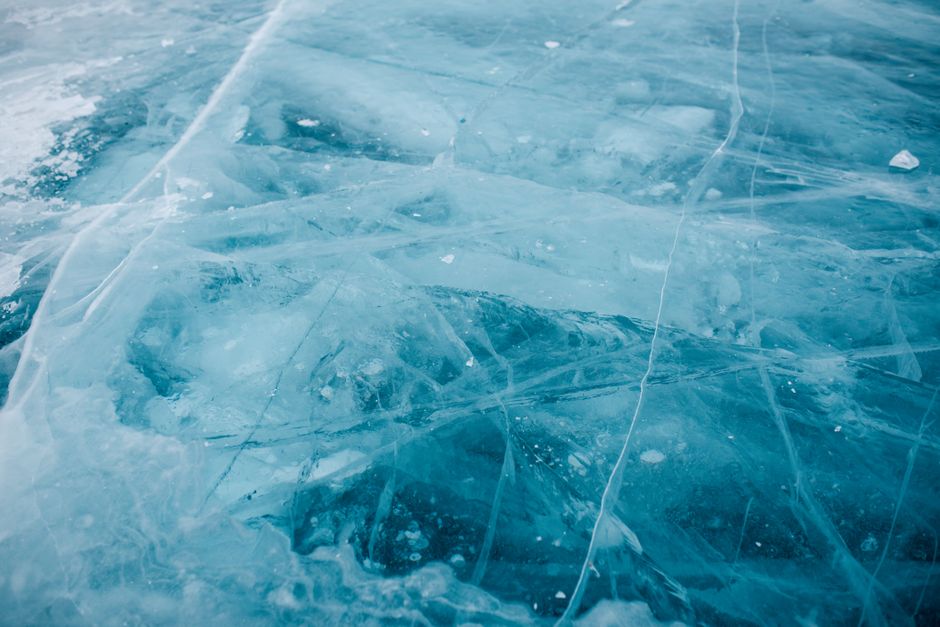
8. Siberia's Transparent Ice Lake
Lake Baikal, Siberia, Russia
In winter, Lake Baikal freezes into vast, transparent sheets of ice, allowing views of the underwater world and creating unique 'Baikal Dzen' stones.
Lake Baikal, the world's deepest and oldest freshwater lake, transforms dramatically in winter. Its ice is renowned for its incredible clarity and thickness, allowing visitors to see meters deep into the frigid waters below. Unique to Baikal are the 'Baikal Dzen' stones – rocks that appear balanced on ice pedestals, formed by the wind eroding the ice around them. The lake's extreme cold creates a mesmerizing, ephemeral landscape that shifts with every snowfall and gust of wind.
Frequently asked questions
What are some extreme weather travel destinations?
Some destinations are famous for their intense climates, like the scorching Danakil Depression in Ethiopia or the frigid Oymyakon in Siberia. However, many lesser-known places offer unique experiences shaped by extreme weather, revealing incredible adaptations in nature and culture.
How does weather influence local culture and history?
Weather profoundly shapes human civilization, influencing architecture, agriculture, traditions, and even myths. From communities building homes to withstand monsoons to festivals celebrating the first snowfall, climate is often the silent architect of a region's identity and historical trajectory.
Can I visit places with unique weather phenomena safely?
Many places with unusual weather phenomena are perfectly safe to visit, provided you prepare appropriately for the conditions. Researching local climate patterns, packing suitable gear, and respecting environmental warnings are key to a safe and enriching experience.
How can AllTours.ai enhance my understanding of a place's weather and environment?
AllTours.ai uses AI to provide instant audio narratives about any landscape or landmark you point your phone camera at. The app can reveal how a region's unique weather patterns have shaped its geology, history, and cultural practices, offering deep insights into the environment around you.
Related guides
Photography via Pexels. AllTours.ai is an AI audio tour guide — point your camera at any landscape and hear its story.