June 23, 2026 · 4 min read
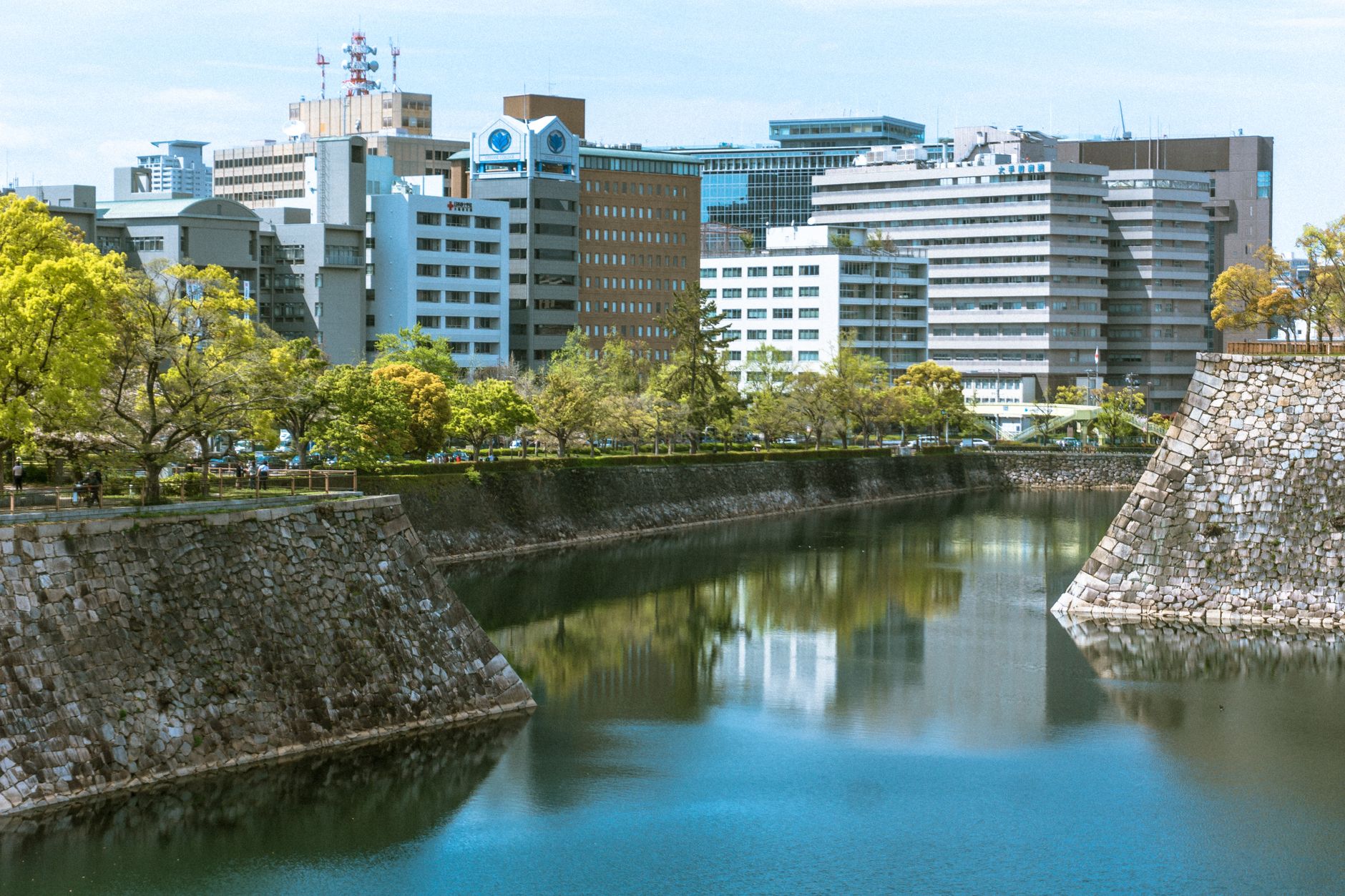
Hiroshima is a city of profound resilience, beauty, and untold stories. With just one and a half days to explore, it's easy to feel overwhelmed by the desire to see it all. While many visitors flock to the well-known sites, the true spirit of Hiroshima often lies in its quieter corners and the lesser-known narratives woven into its fabric.
This guide moves beyond the usual tourist trail, inviting you to uncover the vivid history, unique culture, and surprising geology that shape this remarkable city. Prepare to dive into Hiroshima's hidden depths, where every stone and street has a compelling tale waiting to be discovered.
1. Fukuromachi Elementary School Peace Museum: Messages Frozen in Time
Fukuromachi, Hiroshima, Japan
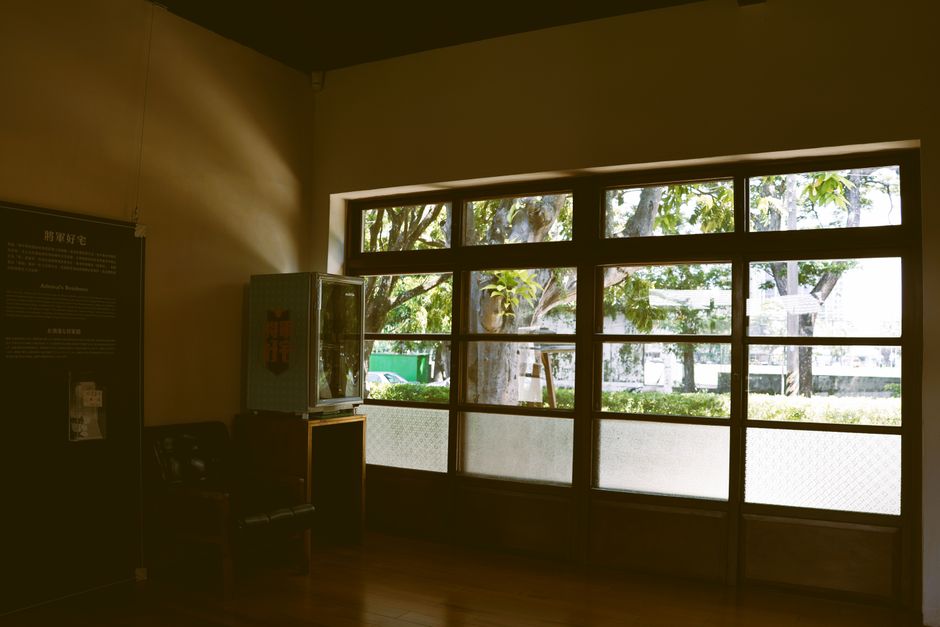
Within this school's walls, chalk messages from students and teachers remain, untouched since the atomic bombing.
Fukuromachi Elementary was one of the few concrete buildings near the hypocenter to withstand the blast. The school's basement now serves as a museum, preserving poignant markings left on classroom walls by those searching for loved ones or simply recording their presence. It offers a raw, immediate glimpse into the human experience of the bombing, far removed from museum exhibits.
2. Mitaki-Dera Temple: The Pagoda's Journey
Mitaki-Honmachi, Hiroshima, Japan
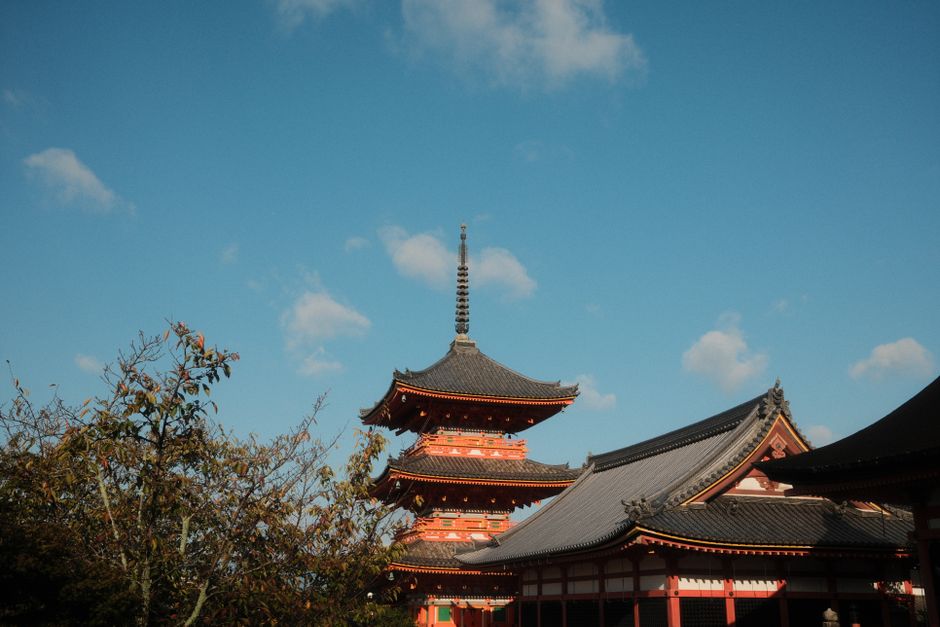
This tranquil mountain temple houses a beautiful pagoda that was originally located hundreds of kilometers away.
Nestled in the hills northwest of Hiroshima city, Mitaki-Dera is a serene escape, particularly stunning during autumn. Its three-storied Taho-to Pagoda was actually relocated here from Wakayama Prefecture in the early 20th century. Surrounded by lush forest and waterfalls, the temple offers a peaceful retreat where visitors can discover numerous Buddha statues and a tea house, soaking in centuries of spiritual history.
3. Former Bank of Japan Hiroshima Branch: A Surviving Structure
Fukuromachi, Hiroshima, Japan
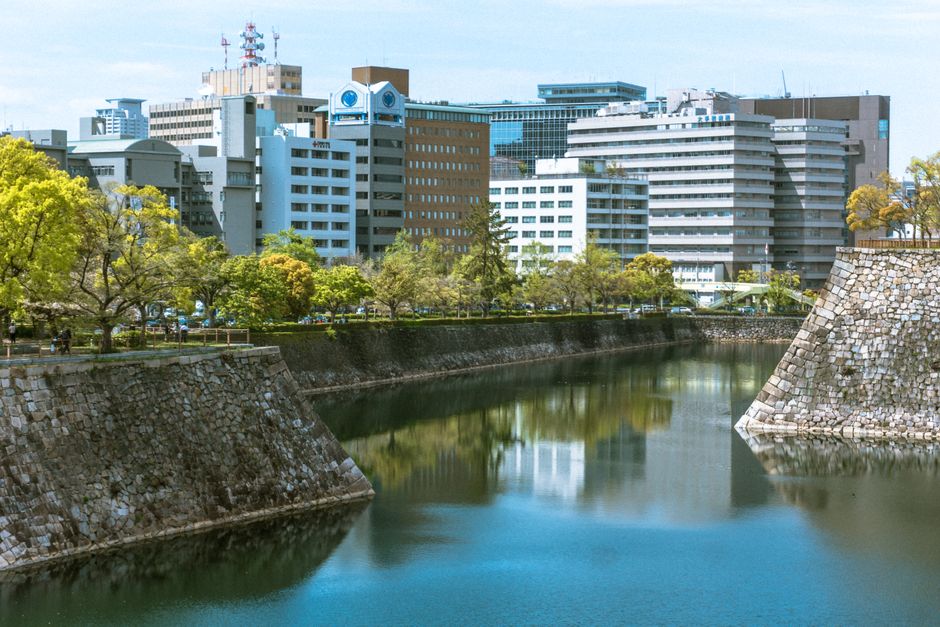
One of Hiroshima's most imposing pre-war buildings, this bank branch stood remarkably intact after the atomic blast, its clock stopped at 8:15 AM.
Designed by the architect of the National Diet Building, this grand structure survived the atomic bombing just 380 meters from the hypocenter. Its robust construction allowed it to be used as a temporary hospital in the immediate aftermath. Today, the preserved building occasionally hosts art exhibitions and offers a stark reminder of the city's past, showcasing architecture that defied unimaginable forces.
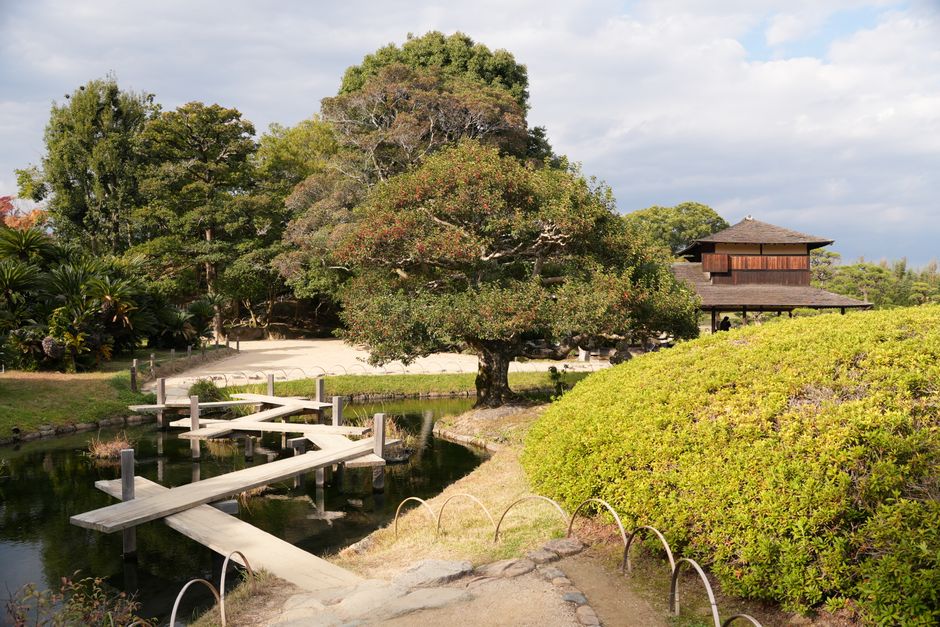
4. Shukkei-en Garden: A Sanctuary Reborn
Ujina, Hiroshima, Japan
After the atomic bombing, this meticulously crafted Edo-period garden transformed into a vital, albeit temporary, first aid station.
Shukkei-en, meaning 'shrunken scenery garden,' is a classical Japanese landscape garden featuring miniature mountains, valleys, and ponds. While its beauty is undeniable, its post-war history is particularly poignant. Immediately following the bombing, the garden became a refuge and makeshift hospital for the injured. Its remarkable restoration symbolizes Hiroshima's resilience, returning to its tranquil beauty as a place of contemplation and peace.
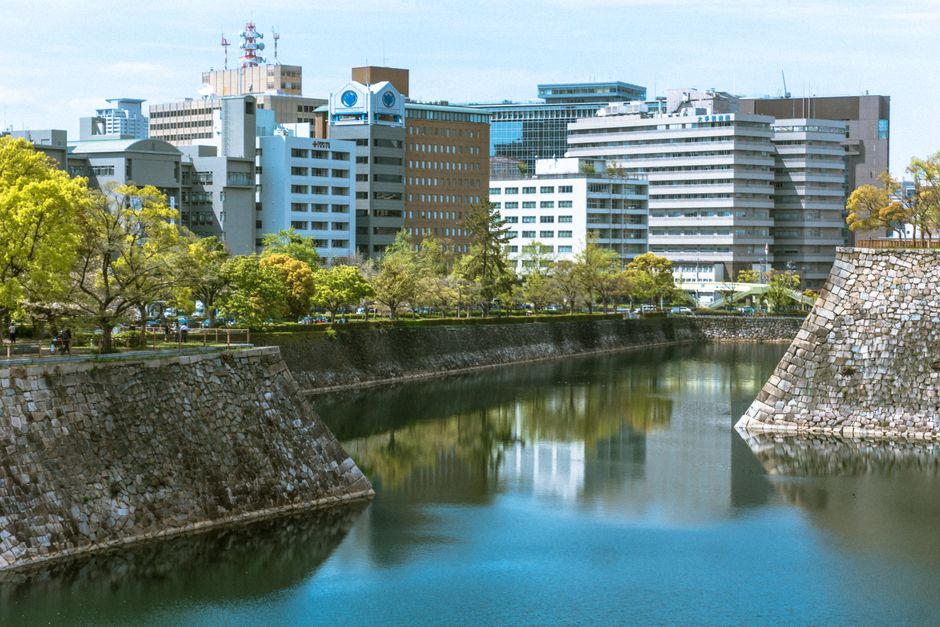
5. Hijiyama Park & Hiroshima City Manga Library: Culture on a Hilltop
Minami-ku, Hiroshima, Japan
This hilltop park, which offered a natural shield during the atomic bombing, now hosts a unique public manga library and contemporary art museum.
Hijiyama Park offers stunning panoramic views of Hiroshima city, making it a perfect spot to grasp the city's layout. Beyond its scenic vistas, it's a cultural hub, home to the Hiroshima City Museum of Contemporary Art and Japan's first public manga library. The park's elevated ridge is believed to have shielded parts of the city from the full force of the atomic blast, adding another layer to its compelling history.
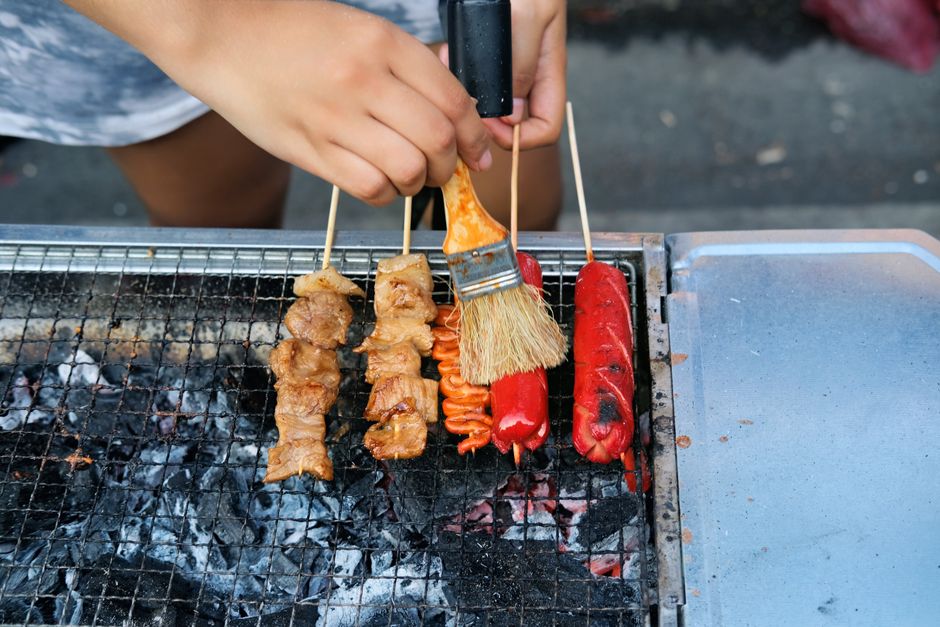
6. Okonomi-mura: The Birth of Hiroshima's Comfort Food
Shintenchi, Hiroshima, Japan
Hiroshima's iconic layered savory pancake, okonomiyaki, didn't just appear; it evolved from a simple, resourceful post-war snack.
While Okonomi-mura is known for its multi-story collection of okonomiyaki stalls, the true story lies in the dish's origins. Post-war Hiroshima, with limited resources, saw street vendors creating a simple griddle cake ('issen yoshoku') from flour and scraps. Over time, this evolved into the elaborate, layered Hiroshima-style okonomiyaki we know today, becoming a symbol of resilience and culinary innovation. Dive into its history while savoring a true local specialty.
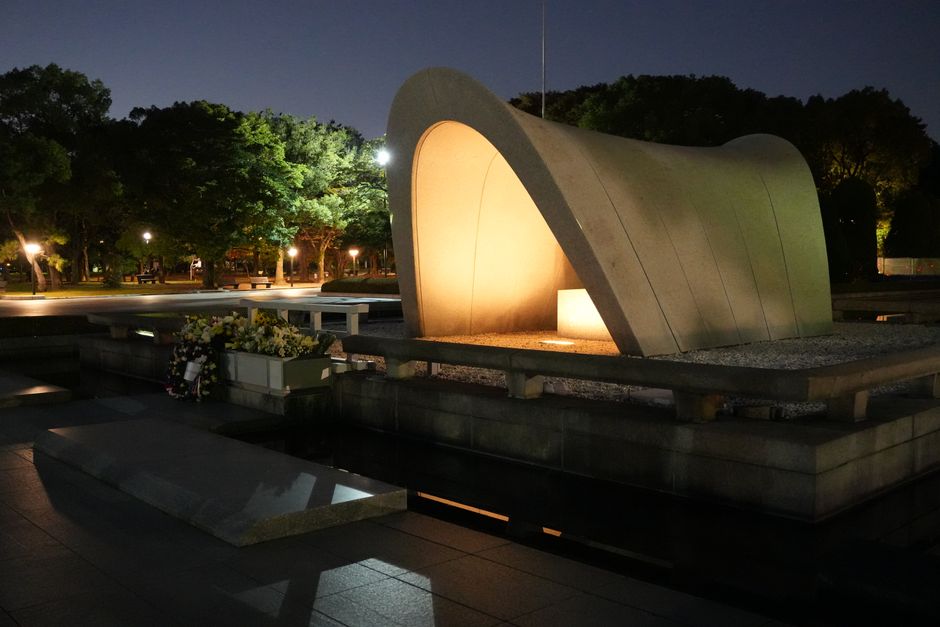
7. National Peace Memorial Hall for the Atomic Bomb Victims: A Quiet Reflection
Naka-ku, Hiroshima, Japan
This underground hall provides a unique, contemplative space, holding the names and portraits of all known atomic bomb victims.
Located within the Peace Memorial Park but often overlooked for the main museum, this memorial offers a profoundly personal experience. Descend into a quiet, circular hall where a wall of glass tiles forms a map of the devastated city, and the names of all known victims are etched into stone. It's a somber, reflective space designed for remembrance and offering a different, quieter perspective on the human toll of the bombing.
Frequently asked questions
How can I get around Hiroshima city efficiently with limited time?
Hiroshima's compact city center is well-served by its excellent public transportation network. The iconic streetcars (trams) are a scenic and efficient way to reach most attractions, including those mentioned here. Consider purchasing a one-day streetcar pass for unlimited rides, or use a local IC card like Suica or Pasmo for convenience.
What is Hiroshima's most iconic local dish, and where can I try it?
Hiroshima's most iconic local dish is its unique style of okonomiyaki, a savory pancake layered with cabbage, noodles (udon or soba), meat, and egg. Unlike Osaka-style, ingredients are layered rather than mixed. You can find numerous specialty restaurants throughout the city, with Okonomi-mura being a popular multi-story complex dedicated to the dish.
Is Hiroshima safe for solo female travelers?
Japan is renowned for its safety, and Hiroshima is no exception. Solo female travelers can generally feel very secure exploring the city, even at night. Standard precautions like being aware of your surroundings and safeguarding valuables are always advisable, but serious crime is extremely rare.
How does the AllTours.ai app enhance a visit to Hiroshima's hidden spots?
The AllTours.ai app brings the rich history and culture of Hiroshima's lesser-known spots directly to you. Simply point your phone camera at a landmark, a unique piece of architecture, or even a local dish, and the app instantly narrates its specific story, geology, and cultural significance in your preferred language, offering a deeper, more personal understanding of each location.
Related guides
Photography via Pexels. AllTours.ai is an AI audio tour guide — point your camera at any landscape and hear its story.