July 31, 2026 · 4 min read
The world is full of stories, some grand and well-known, others whispered among locals or hidden beneath layers of history. Every place holds a narrative, often a surprising one, that can teach us about resilience, the power of nature, or the enduring spirit of humanity. Much like an unexpected event can prompt us to look closer, so too can travel reveal profound lessons in the most unlikely of settings.
Beyond the well-trodden paths and famous landmarks lie places where the ground literally burns, trees defy gravity, or entire communities thrive underground. These destinations aren't just points on a map; they are living testaments to extraordinary circumstances and human ingenuity. They offer a chance to ponder the forces that shape our planet and the unique ways people adapt to them, often far from the spotlight.
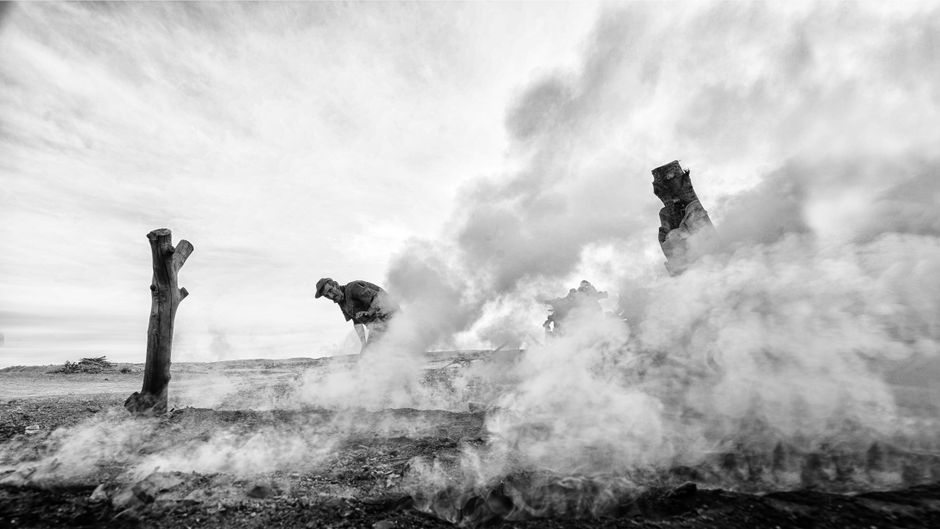
1. The Town That Wouldn't Die Down
Centralia, Pennsylvania, USA
Beneath this once-thriving coal town, a fire has been burning uncontrollably for over 60 years.
In 1962, a landfill fire spread to an abandoned coal mine beneath Centralia, sparking an inferno that continues to rage deep underground today. What was once a vibrant community slowly became a ghost town, with steam and smoke rising from cracks in the ground, and roads buckled by the heat. The few remaining residents live on a landscape scarred by an unstoppable geological event, a stark reminder of human impact and nature's enduring power.
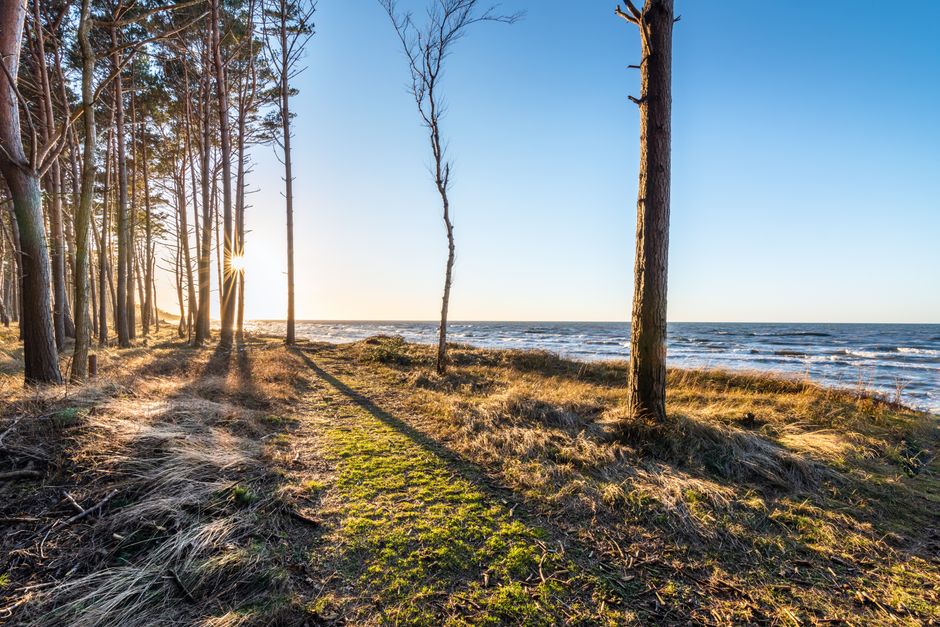
2. The Forest of Enigma
Gryfino, Poland
Hundreds of pine trees in this forest inexplicably bend at a sharp 90-degree angle near their base, pointing north.
Nestled in Western Pomerania, Poland, the 'Crooked Forest' is a perplexing natural phenomenon. Planted in the 1930s, the grove of approximately 400 pine trees all grow with a dramatic curve in their trunks before straightening upwards. Theories range from peculiar snowfalls to specialized human tools used for furniture making, yet no definitive explanation has ever been widely accepted. It remains a captivating mystery, inviting contemplation on nature's strange whims.
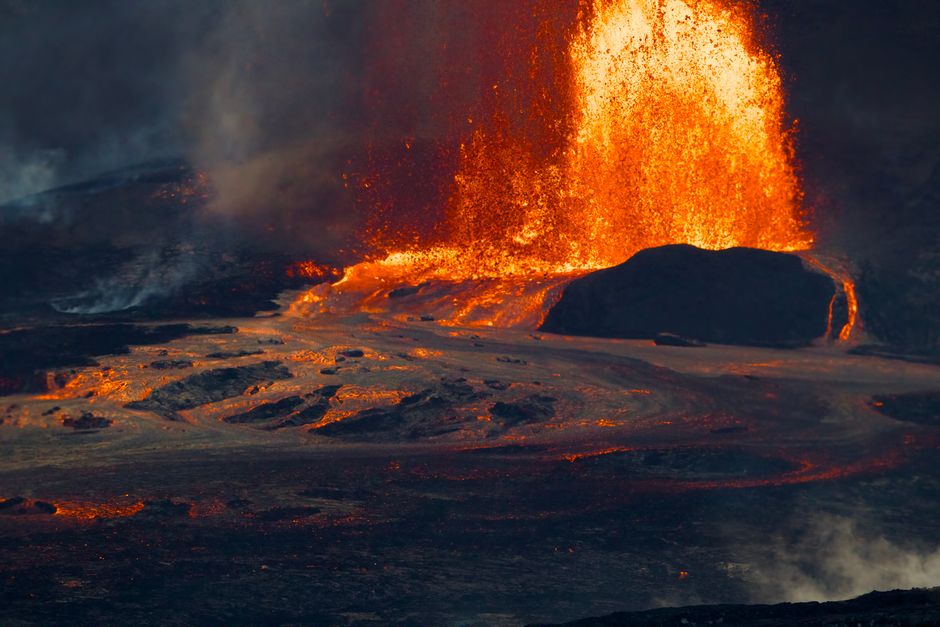
3. The Door to the Underworld
Darvaza Gas Crater, Turkmenistan
An accidental Soviet drilling operation created this massive, perpetually burning natural gas crater, dubbed 'The Door to Hell'.
In 1971, Soviet geologists drilling for natural gas accidentally punctured a cavern, causing the ground to collapse and creating a massive crater. Fearing the spread of poisonous methane gas, they decided to burn it off, expecting the fire to last only a few weeks. Over five decades later, the crater still burns, a fiery spectacle in the Karakum Desert. It stands as a powerful, albeit unintended, monument to the vast energy reserves beneath the Earth's surface and the unpredictable outcomes of human intervention.

4. The Petrifying Spring
Knaresborough, England
A unique waterfall here has a high mineral content that coats objects in stone-like layers over time.
Mother Shipton's Cave in Knaresborough is home to England's oldest visitor attraction, the Petrifying Well. Water cascading over a rock face is so rich in calcium carbonate that anything left in its path, from teddy bears to teapots, gradually becomes encased in a hard, stony shell. For centuries, people have been fascinated by this natural process, once believed to be magic, now understood as a striking example of geological deposition at work.
5. The Underground Metropolis
Coober Pedy, Australia
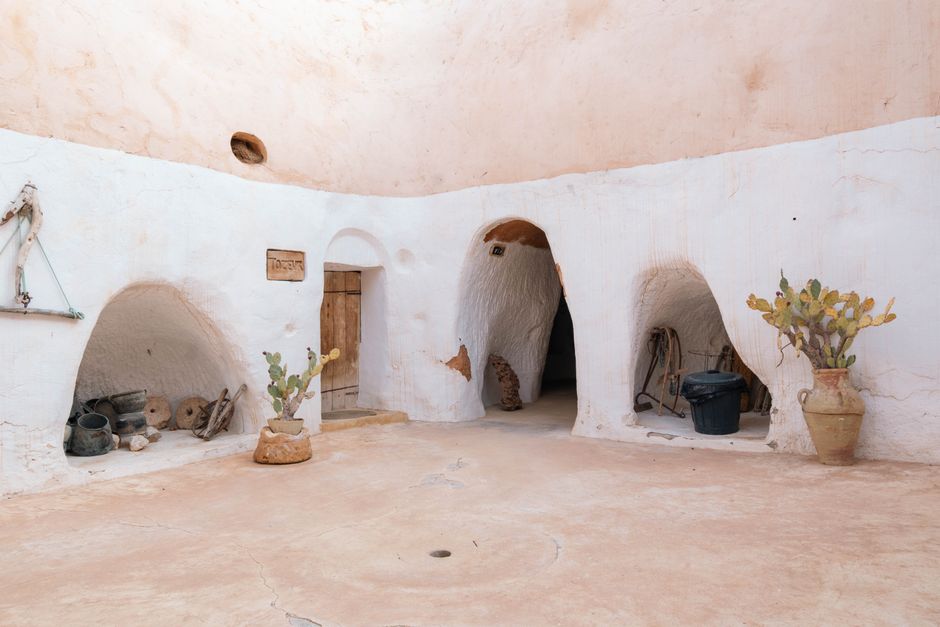
In the scorching Australian outback, an entire town lives underground to escape the extreme heat.
Coober Pedy, in South Australia, is the opal capital of the world, but its most striking feature is its 'dugouts' – homes, shops, and even churches carved into the sandstone hills. With summer temperatures regularly exceeding 45°C (113°F), living underground offers a constant, comfortable temperature. This unique adaptation showcases incredible human ingenuity and resilience in the face of harsh environmental conditions, creating a hidden world beneath the desert floor.
6. The Resilient Refuge
Great Dismal Swamp, USA
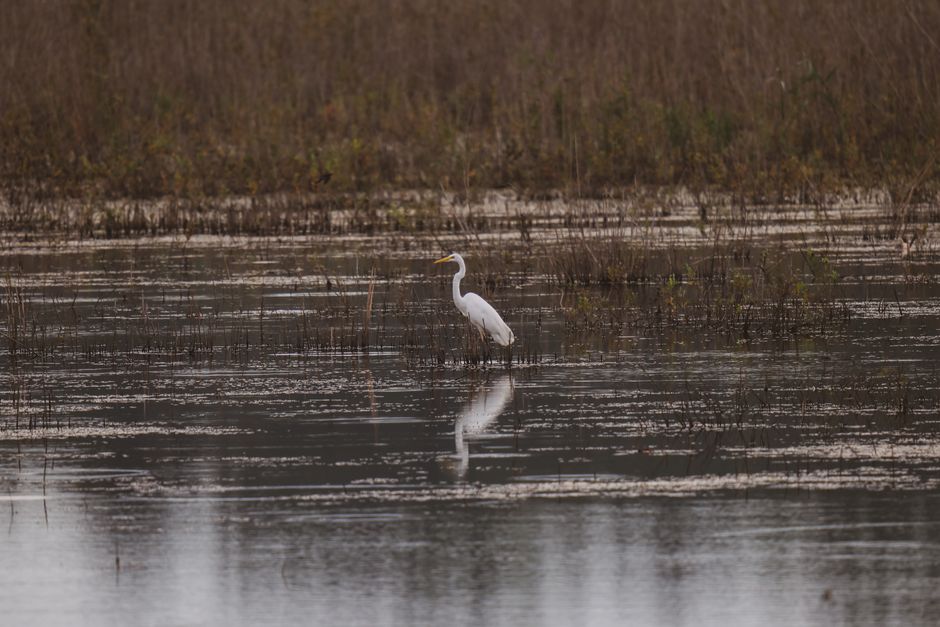
This vast, ancient wetland was once a sanctuary for thousands of enslaved people and Native Americans seeking freedom.
Spanning parts of Virginia and North Carolina, the Great Dismal Swamp served as a crucial refuge for 'maroons' – people who escaped slavery and formed independent communities within its dense, unforgiving terrain. For centuries, these hidden settlements thrived, building their own cultures and societies away from colonial oppression. The swamp's challenging environment became a powerful symbol of resistance and a testament to the human will for freedom, holding untold stories within its watery depths.
7. The World's Vault
Svalbard Global Seed Vault, Norway
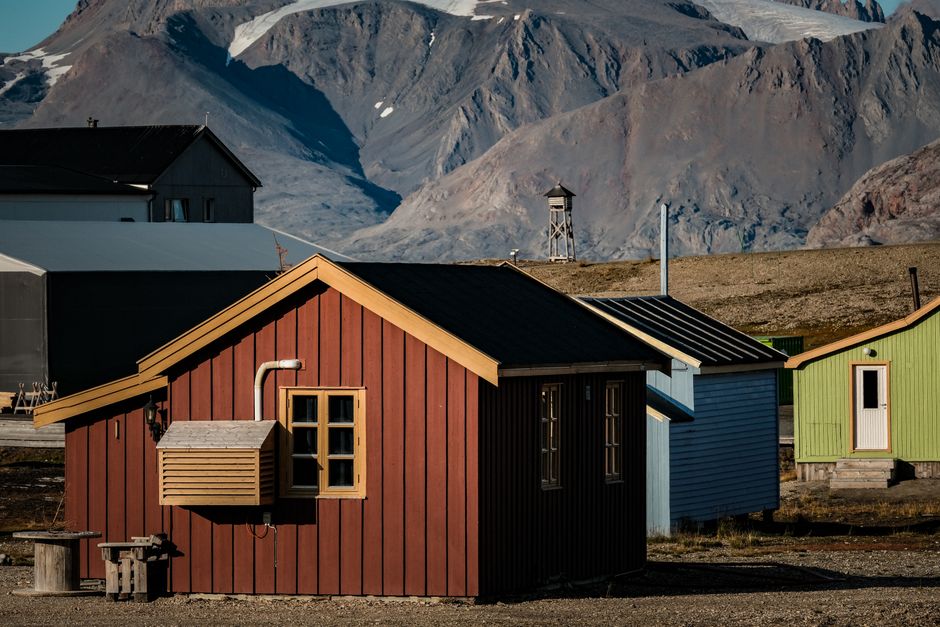
Deep within an Arctic mountain, this 'Doomsday Vault' stores millions of crop seeds, safeguarding global food security.
Carved into the permafrost of a remote island in the Svalbard archipelago, the Global Seed Vault is humanity's ultimate backup plan for agriculture. Designed to withstand natural disasters and even nuclear war, it houses duplicates of seeds from gene banks worldwide, protecting biodiversity against future catastrophes. This seemingly stark, isolated location symbolizes a global commitment to learning from past agricultural losses and ensuring the survival of essential crops for generations to come.
8. The Ephemeral Blue Caves
Mendenhall Glacier Caves, Alaska, USA
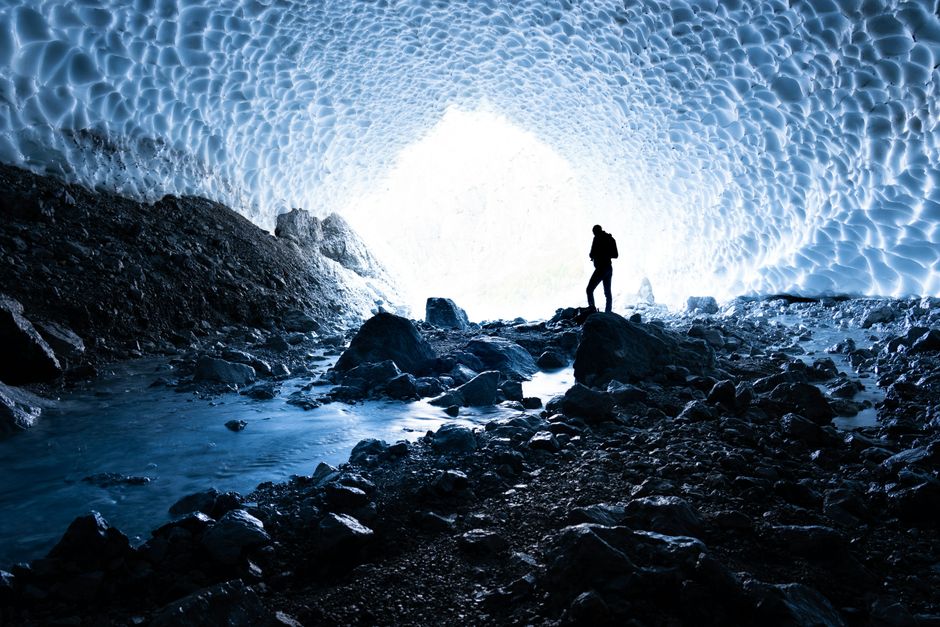
Beneath a majestic glacier, transient ice caves glow with an otherworldly blue, constantly changing as the ice melts.
Accessed through an adventurous trek, the Mendenhall Glacier Caves near Juneau, Alaska, offer a breathtaking, yet fleeting, experience. These 'cathedrals of ice' are formed by meltwater flowing through and under the glacier, hollowing out stunning chambers. Their brilliant blue hues come from the ancient, compacted ice absorbing all colors of the spectrum except blue. Visiting them is a powerful lesson in the dynamic and ever-changing nature of glaciers, highlighting both their beauty and their vulnerability to climate shifts.
Frequently asked questions
What is the most unique natural phenomenon mentioned?
The Crooked Forest in Poland, with its mysteriously bent pine trees, stands out as a unique natural phenomenon. No definitive scientific explanation has been widely accepted for why these trees grow in such a peculiar curved manner, making it a truly enigmatic sight.
Which location demonstrates the most human ingenuity?
Coober Pedy, Australia, best demonstrates human ingenuity. Faced with extreme desert heat, the residents developed an entire underground town of 'dugouts' for living and working, showcasing remarkable adaptation to their harsh environment.
Are these places difficult to visit?
The difficulty of visiting these places varies. Some, like the Petrifying Well, are established tourist attractions. Others, like the Darvaza Gas Crater or the Mendenhall Ice Caves, require more adventurous travel, potentially guided tours, and consideration of local conditions and accessibility.
How can I learn more about places like these on my travels?
To uncover the hidden stories and unique insights of places like these, use an AI audio tour guide app like AllTours.ai. Simply point your phone camera at any landscape or landmark, and the app will narrate its history, geology, and culture in your preferred language, revealing layers of discovery you might otherwise miss.
Related guides
Photography via Pexels. AllTours.ai is an AI audio tour guide — point your camera at any landscape and hear its story.