June 30, 2026 · 4 min read
Anchorage, Alaska, defies easy categorization. It's a city of nearly 300,000 people, surrounded by vast wilderness, where moose roam city streets and salmon spawn in downtown creeks. It faces extreme cold, long periods of darkness, and the constant geological churn of a seismic zone. Yet, it thrives, a vibrant hub of culture, commerce, and innovation in the Last Frontier. How does it manage this balancing act, and what lessons does its success hold for similar Canadian cities confronting the same northern challenges?
Beyond the usual postcard views, Anchorage's true character and ingenuity are revealed in its lesser-known corners. These are the places where the city's unique solutions to northern living are most evident, from its resilient infrastructure to its deep connection with the land and its diverse cultures. Join us as we explore the surprising stories that truly define Anchorage's success.
1. Where a City Began & Salmon Still Run Wild
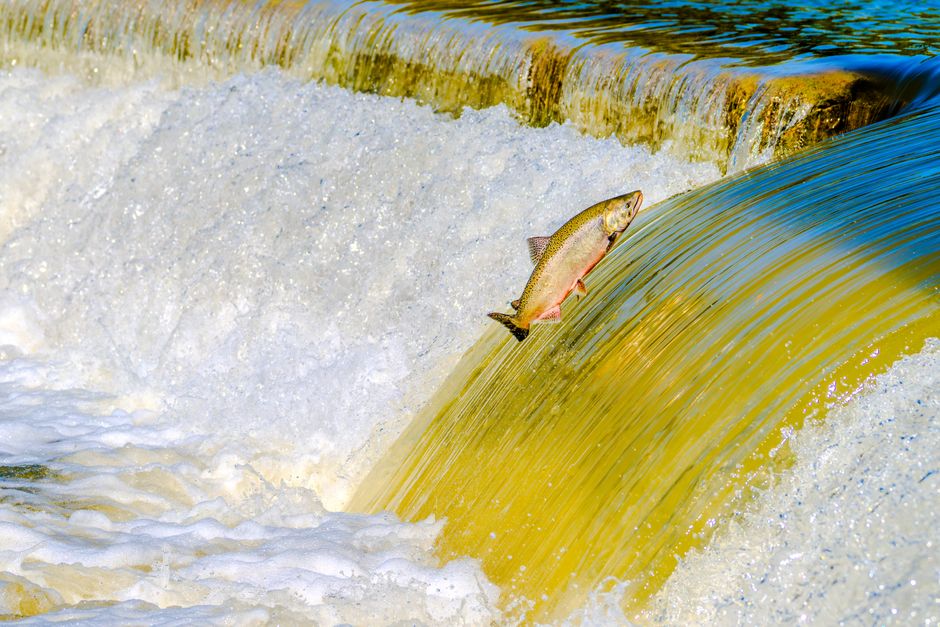
Ship Creek, Anchorage, USA
Anchorage's very first 'neighborhood' was a tent city built around a salmon-rich creek that still sees massive runs today.
Before skyscrapers and paved roads, Anchorage was a chaotic tent city in 1915, centered around Ship Creek, the terminus for the Alaska Railroad. What's astonishing is that despite being steps from downtown, this creek remains a vibrant salmon stream. Every summer, thousands of King and Coho salmon battle upstream, offering an unparalleled urban wildlife spectacle and a testament to the city's commitment to its natural heritage.
2. The First Permanent Footprint
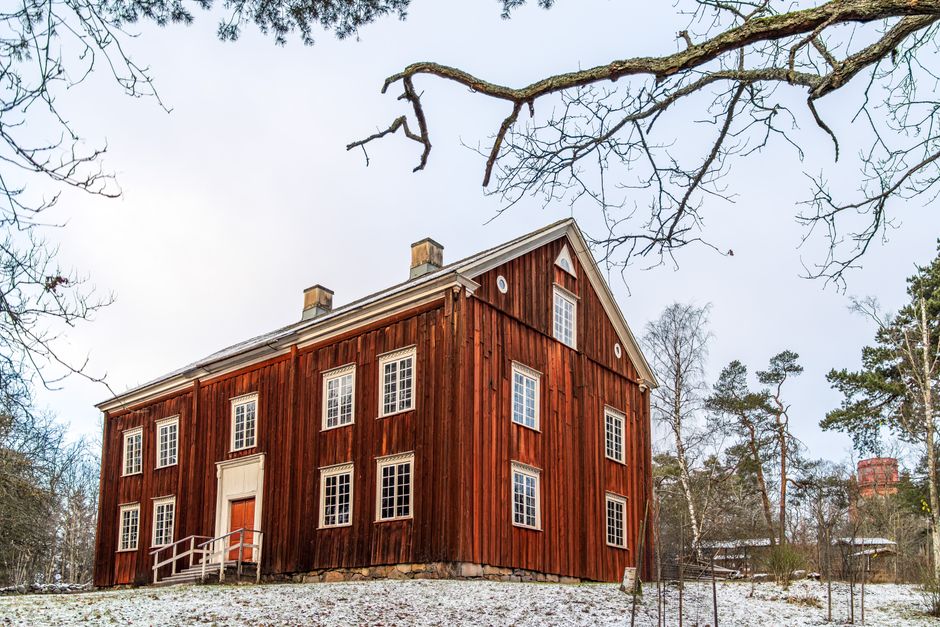
Oscar Anderson House Museum, Anchorage, USA
The first permanent frame house in Anchorage belonged to a Swedish butcher who arrived before the city even officially existed.
Built in 1915 by Oscar Anderson, a Swedish immigrant and businessman, this modest blue house stands as the city's oldest original residence. Anderson, affectionately known as "Anchorage's Santa Claus" due to his generosity, was among the earliest arrivals when the area was just a survey camp. His home offers a rare glimpse into the daily life of early settlers, revealing their resilience and determination to build a community in a raw northern landscape.
3. Land Reshaped by a Quake
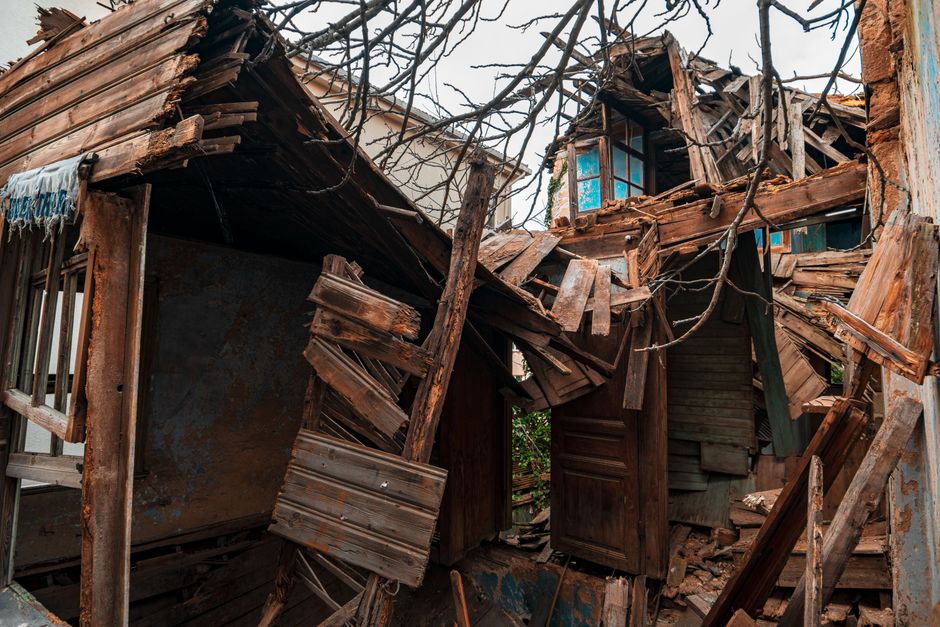
Earthquake Park, Anchorage, USA
This tranquil park is a direct, visible scar from the 1964 Good Friday Earthquake, which dramatically reshaped Anchorage's coastline.
On March 27, 1964, a magnitude 9.2 earthquake, the second-largest ever recorded, struck Alaska. Earthquake Park stands on land that catastrophically slid into Cook Inlet, swallowing homes and transforming the landscape overnight. Visitors can still see tilted trees and deep fissures, a stark reminder of the immense geological forces at play and how a city adapted to live with such powerful natural phenomena, integrating the scars into its identity.

4. Spirit Houses and Ancient Beliefs
Eklutna Historical Park, Chugiak, USA
Near Anchorage, a small Dena'ina Athabascan village maintains colorful "spirit houses" that blend traditional beliefs with Russian Orthodox customs.
Eklutna is a living Dena'ina Athabascan village with a history stretching back hundreds of years, making it the oldest continuously inhabited community in the Anchorage area. Its unique cemetery features distinct "spirit houses," brightly painted wooden structures built over graves. These houses represent a fascinating cultural fusion, reflecting both ancestral Dena'ina traditions and the influence of Russian Orthodox missionaries who arrived centuries ago, a vibrant example of cultural adaptation in the north.
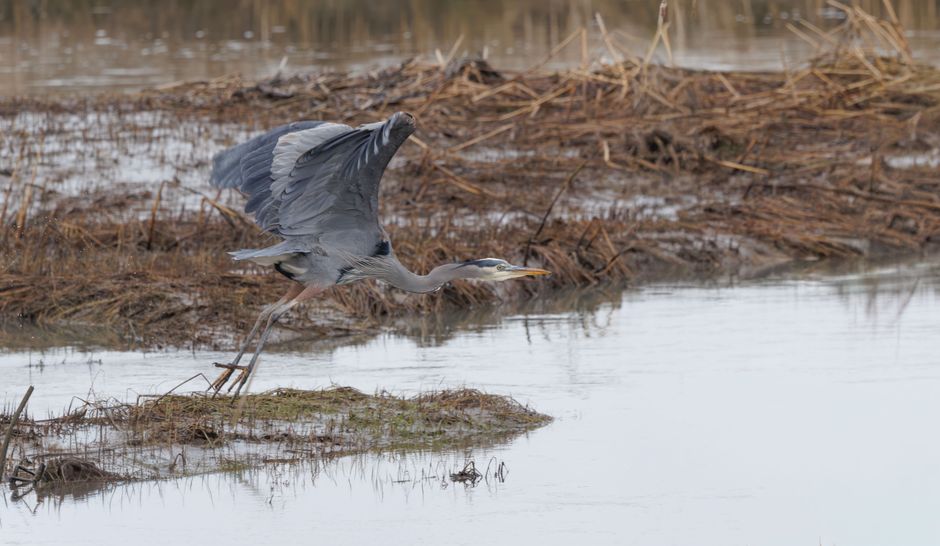
5. A Wetland Sanctuary Thriving in the City's Shadow
Potter Marsh Bird Sanctuary, Anchorage, USA
Just south of Anchorage's bustling city limits lies a massive freshwater marsh, a crucial stopover for migratory birds and an engineering marvel.
Potter Marsh, part of the Anchorage Coastal Wildlife Refuge, is an elevated boardwalk trail snaking through a vast wetland. It was originally created from a former railroad construction site, inadvertently forming a rich habitat. This sanctuary showcases how a growing urban center can coexist with and protect critical ecosystems. Thousands of birds, from trumpeter swans to various duck species, find refuge here, demonstrating successful conservation in a demanding environment.
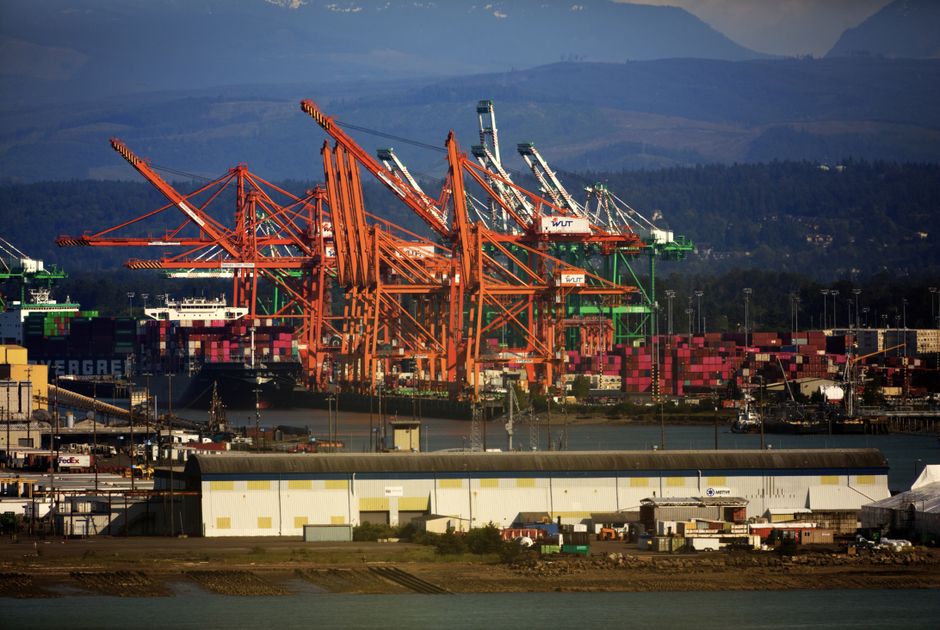
6. Anchorage's Lifeline: The Port of Alaska
Port of Alaska, Anchorage, USA
This unassuming port is the primary entry point for 90% of all consumer goods entering Alaska, facing extreme tides and relentless northern conditions.
The Port of Alaska, formerly the Port of Anchorage, is more than just a dock; it's the economic heartbeat of the state. Vital supplies, from food to construction materials, arrive here, fueling Anchorage and beyond. Operating in a region with some of the world's largest tidal fluctuations (up to 38 feet) and harsh winters, the port exemplifies northern logistical ingenuity. Its continuous operation is a testament to the city's strategic importance and its ability to overcome significant environmental challenges.
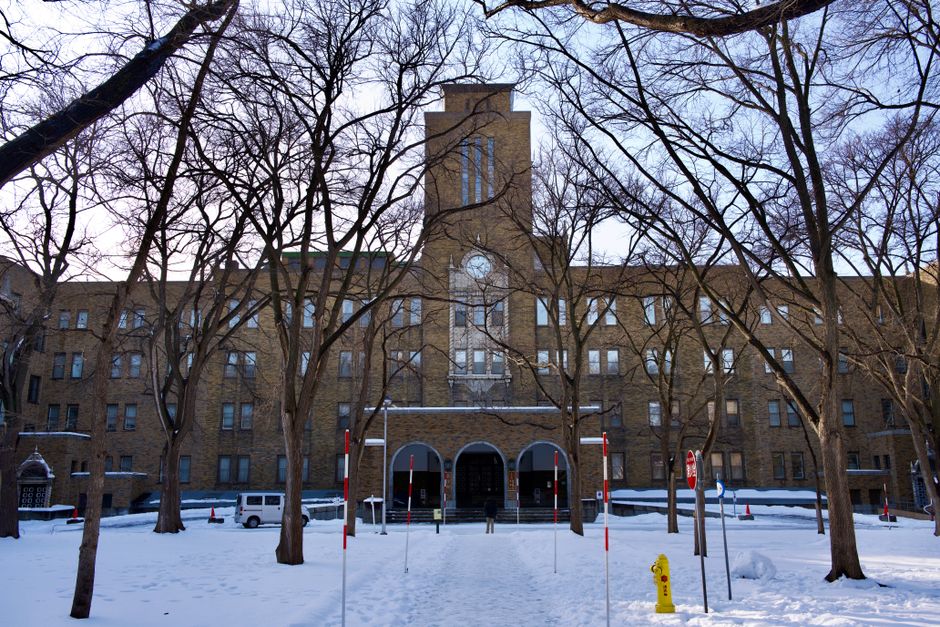
7. Engineering for the Permafrost Future
University of Alaska Anchorage (UAA) Engineering Building, Anchorage, USA
UAA is at the forefront of designing infrastructure for a changing Arctic, tackling challenges like melting permafrost head-on.
Anchorage's success is tied to its ability to innovate for northern conditions. The University of Alaska Anchorage's engineering programs are crucial, focusing on cold-regions engineering and sustainable infrastructure. Researchers here develop solutions for building on unstable ground, managing energy in extreme climates, and adapting to climate change impacts like thawing permafrost. This commitment to practical, local problem-solving is a cornerstone of the city's long-term viability and a model for other northern communities.
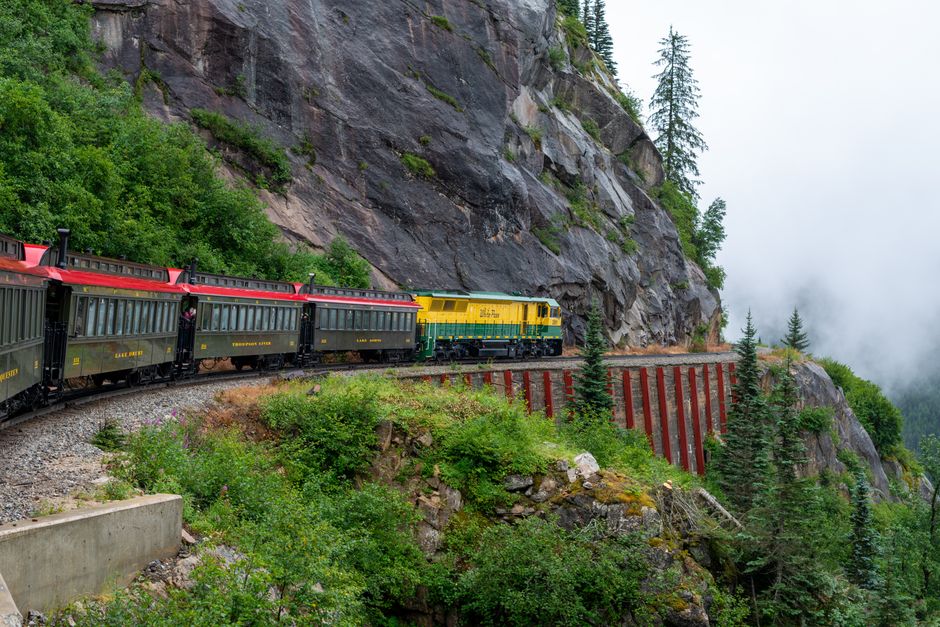
8. The Railroad That Built a City
Alaska Railroad Depot, Anchorage, USA
The Alaska Railroad wasn't just a transportation link; its construction camp literally *became* the city of Anchorage.
The very reason Anchorage exists is the Alaska Railroad. In 1915, this site was chosen as the construction headquarters for the railway that would connect interior Alaska to the coast. A tent city rapidly sprang up around the depot, growing into what is now the state's largest city. The historic depot still stands, a grand testament to the vision and grit required to forge a major transportation artery through the formidable Alaskan wilderness, forever linking the city's identity to its rails.
Frequently asked questions
What are the primary challenges Anchorage faces as a northern city?
Anchorage contends with extreme cold, long winters, limited daylight hours in winter, and specific geological challenges like seismic activity and permafrost instability. These factors demand resilient infrastructure and innovative community solutions.
How does Anchorage's economy thrive in such a climate?
Anchorage's economy is diversified, relying heavily on its strategic port, military installations, oil and gas industry support, tourism, and a strong public sector. Its position as a transportation hub for the state is also crucial for economic success.
What lessons from Anchorage could apply to Canadian cities in similar climates?
Anchorage's ability to integrate nature (like urban salmon runs), innovate in cold-regions engineering, adapt to geological challenges, and foster a strong sense of community despite its harsh environment offers valuable lessons for Canadian cities facing similar conditions.
How can AllTours.ai help me explore places like Anchorage's hidden gems?
AllTours.ai is an AI audio tour guide app designed to deepen your travel experience. Simply point your phone camera at any landmark or landscape, and the app will instantly narrate its history, geology, and culture in your language, revealing stories often missed by guidebooks.
Related guides
Photography via Pexels. AllTours.ai is an AI audio tour guide — point your camera at any landscape and hear its story.