
July 18, 2026 · 4 min read
We’ve all been there: standing in front of a local delicacy, watching locals devour it with gusto, and wondering, "What regional food did I just try on a trip and why do they hype it up so much?" It's a common traveler's dilemma, a moment where cultural differences hit the palate with full force.
Beyond the famous dishes, the world is full of lesser-known culinary traditions that challenge expectations and tantalize with their unique stories. These aren't just strange foods; they are edible chapters of history, geology, and culture. Join us as we explore some of the most polarizing regional foods, uncovering the fascinating reasons why they are so deeply cherished by the communities that created them.
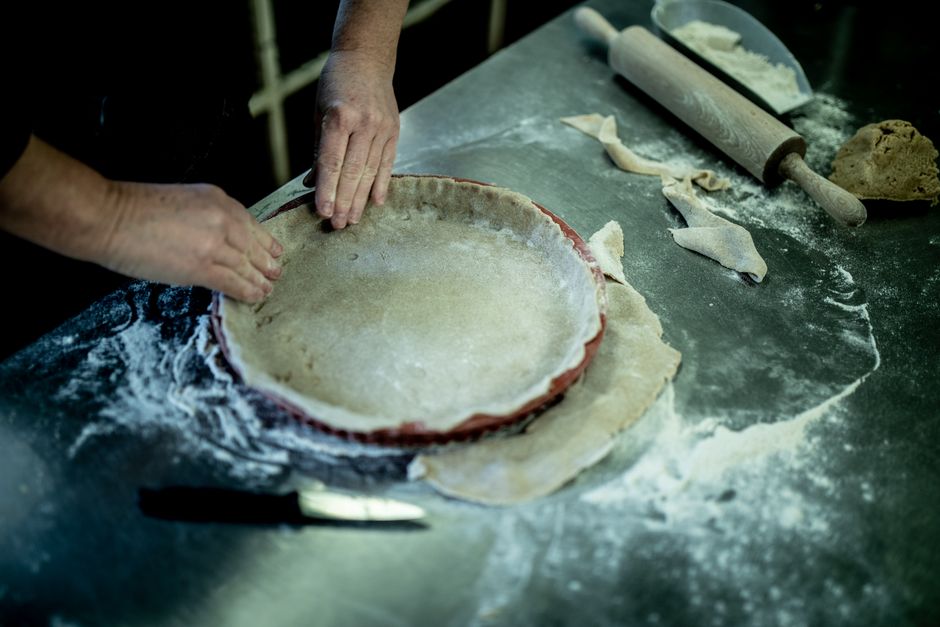
1. The Stargazing Fish of a Cornish Village
Mousehole, Cornwall, England
A peculiar fish pie with pilchards' heads poking through the crust, tied to a hero's legend.
Originating from the fishing village of Mousehole, Stargazy Pie commemorates Tom Bawcock, a legendary fisherman who, during a harsh winter famine, braved a storm to catch seven different types of fish. The pie was made to show the variety of his catch, with the fish heads emerging as if gazing at the stars. It's traditionally eaten on Tom Bawcock's Eve, December 23rd, as a symbol of community resilience.
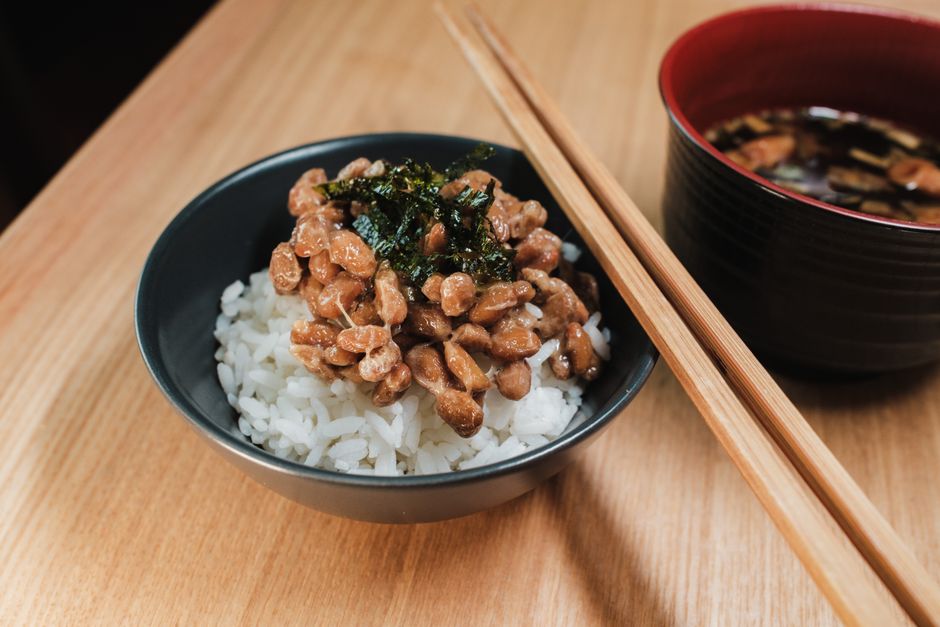
2. The Sticky Secret of Straw-Bound Beans
Mito, Ibaraki Prefecture, Japan
Fermented soybeans with a distinct sticky texture and pungent aroma, said to have been discovered by accident.
While now a breakfast staple across Japan, Natto's origins are often attributed to a warrior's discovery in the 11th century. Legend says cooked soybeans, stored in straw bags by mistake, fermented overnight due to bacteria present in the straw, yielding this unique, stringy dish. Though its strong umami and slimy texture can be challenging for some, its deep cultural roots and health benefits are highly prized locally.
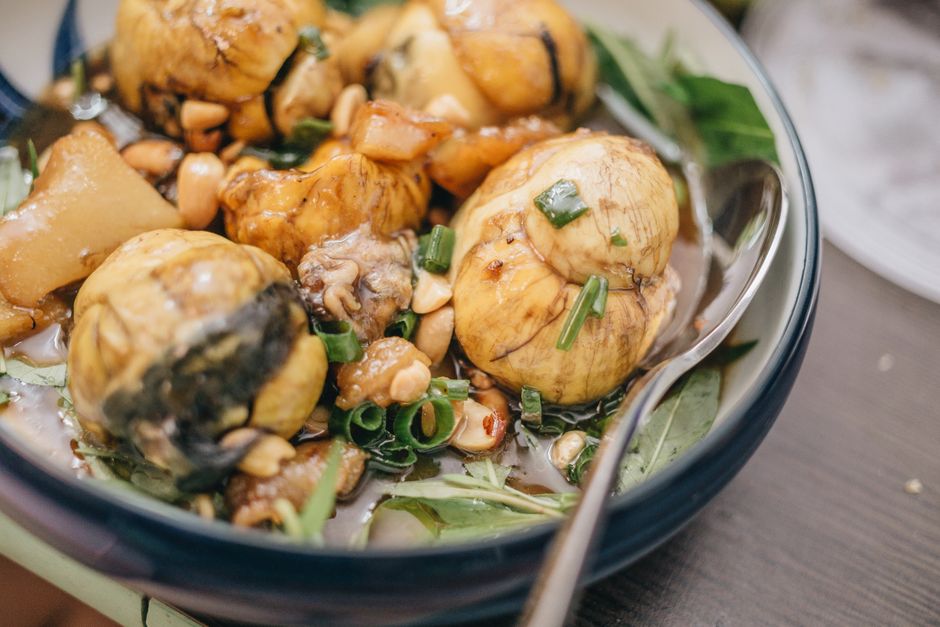
3. The Fertilized Delicacy of Pateros
Pateros, Metro Manila, Philippines
A fertilized duck egg, boiled and eaten from the shell, a street food cherished for its unique texture and flavor.
Pateros has long been the traditional center for Balut production, where families meticulously prepare these duck eggs. The key is in the precise incubation period, usually 16 to 18 days, which allows the embryo to develop just enough for distinct textures: yolk, broth, and a tender "chick" part. For locals, it's a comforting, protein-rich snack, often seasoned with salt and vinegar, representing a deep-seated culinary heritage.

4. Arctic Sustenance: Blubber and Skin
Nuuk, Greenland
A traditional Inuit delicacy of whale blubber and skin, essential for survival in the harsh Arctic environment.
Muktuk, often sourced from Narwhal or Bowhead whales, is a cornerstone of Inuit diet and culture. Rich in Vitamin C and D, it provided vital nutrients and energy in a land where fresh produce was historically scarce. Though its chewy texture and fatty taste can be surprising to outsiders, it represents a profound connection to the land and sea, embodying centuries of sustainable hunting practices and community sharing.
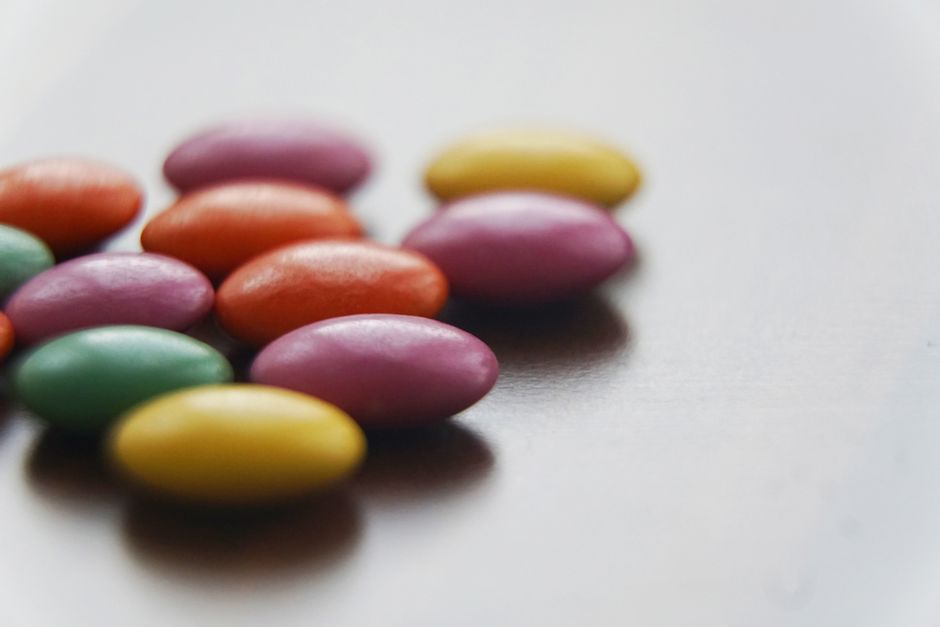
5. Finland's Salty Black Obsession
Helsinki, Finland
An intensely salty black licorice, whose polarizing taste comes from a unique ammonium chloride compound.
Salmiakki is more than just candy in Finland; it's a cultural fixture, found in everything from ice cream to alcoholic shots. Its distinctive, sharp, and salty flavor is due to ammonium chloride, setting it apart from typical licorice. While many non-Finns find it challenging, Finns often develop a taste for it early, associating it with childhood memories and national identity, a true testament to acquired taste.
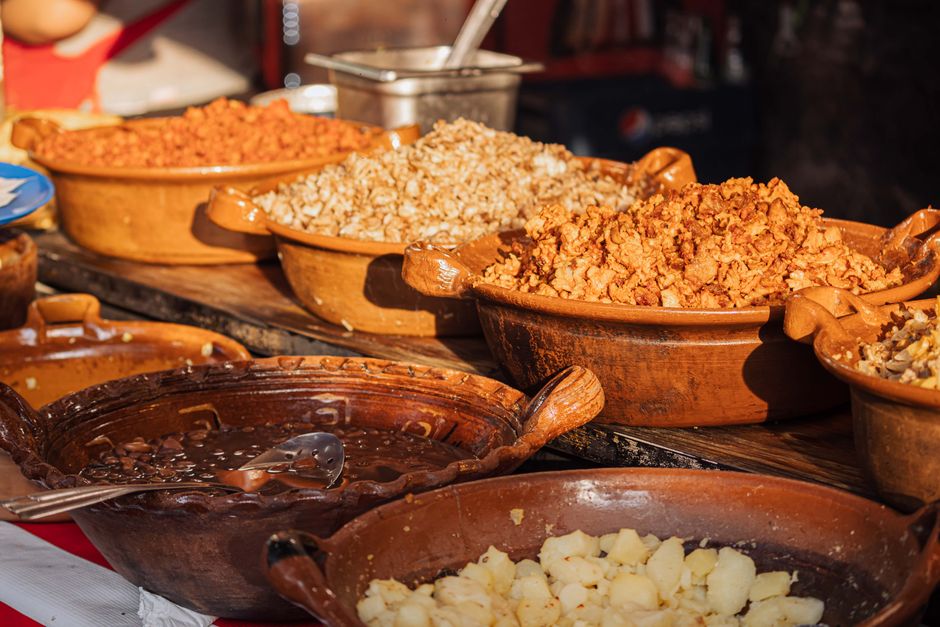
6. Mexico's Ancient Ant Larvae Caviar
Hidalgo, Mexico
Often called "insect caviar," these ant larvae are a pre-Hispanic delicacy harvested from agave plants.
In the central highlands of Mexico, particularly Hidalgo, escamoles have been a cherished food since Aztec times. They are the larvae and pupae of the Liometopum apiculatum ant, meticulously harvested from underground nests at the base of agave plants. With a delicate, buttery, and slightly nutty flavor, they are often sautéed with butter and epazote, served in tacos or omelets, offering a taste of ancient Mexican culinary tradition.
Frequently asked questions
Why do some regional foods have such polarizing tastes?
Often, these tastes are a result of historical necessity, local ingredients, or unique preservation methods developed over centuries. What might seem strange to an outsider is deeply ingrained in local culture, adapted to the environment, and often represents traditional resourcefulness or celebration.
How can I approach trying unfamiliar regional foods with an open mind?
Start by learning about the dish's origin and cultural significance; context can transform your perception. Try small portions, ask locals for recommendations on how to eat it, and remember that taste is subjective – an acquired taste for some is a lifelong comfort for others.
Are these unusual regional foods generally safe for travelers to try?
Most traditional regional foods, when prepared by reputable local vendors or restaurants, are perfectly safe. Adhering to local hygiene standards and cooking practices is key. If in doubt, observe where locals eat and don't hesitate to ask about ingredients or preparation.
How can AllTours.ai help me understand the stories behind regional foods and places?
AllTours.ai turns your phone into an AI audio guide. Point your camera at a landmark, a landscape, or even a local market, and the app instantly narrates its history, cultural significance, and geological context. This deep dive helps you understand the environment and traditions that shape local cuisine, making every bite more meaningful.
Related guides
Photography via Pexels. AllTours.ai is an AI audio tour guide — point your camera at any landscape and hear its story.