September 14, 2026 · 4 min read
The question of what it will take for robotaxis, such as Pony.ai's, to go mainstream often centers on technology, safety, and regulation. Yet, at its heart, it's about our relationship with information and the environment. Autonomous vehicles promise a frictionless way to move through the world, but the real revolution is in how AI transforms our ability to *understand* that world.
Imagine a future where every journey, whether by robotaxi or on foot, is an opportunity for profound discovery. This isn't just about getting from point A to B; it's about seamlessly accessing the stories embedded in every landscape and landmark. AI isn't just for navigation; it's for revelation. Here are some of the world's most curious, lesser-known spots, each with a story waiting to be told, illustrating the true potential of intelligent exploration.
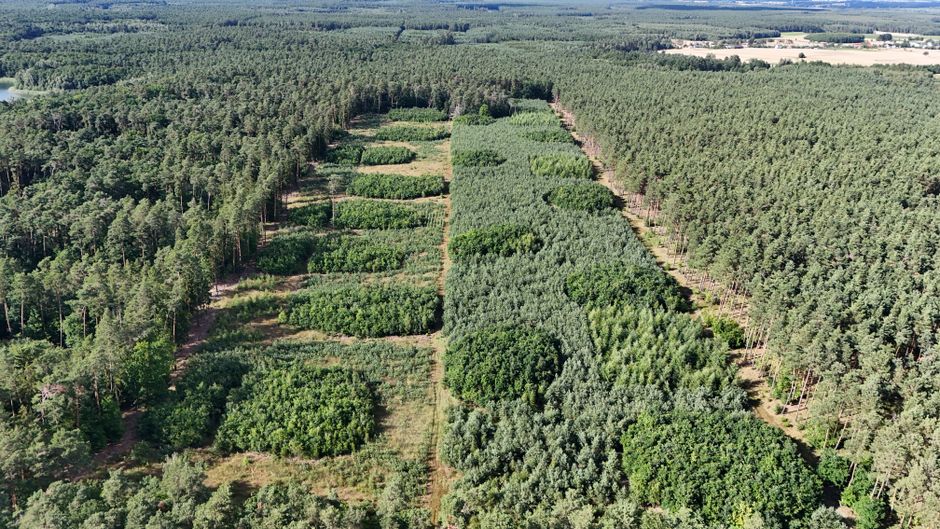
1. The Forest Where Trees Bend to a Mystery
Krzywy Las, Poland
Hundreds of pine trees in western Poland grow with a dramatic 90-degree bend at their base, defying natural explanation.
Planted in the 1930s, the "Krzywy Las" or Crooked Forest remains an enigma. While some theories suggest human intervention, perhaps to create naturally curved timber for furniture or boats, others point to unique environmental factors. The trees all curve northwards, a consistent and baffling deviation from typical growth patterns. Standing among them feels like stepping into a storybook, prompting endless questions about nature's quirks or forgotten human ingenuity.
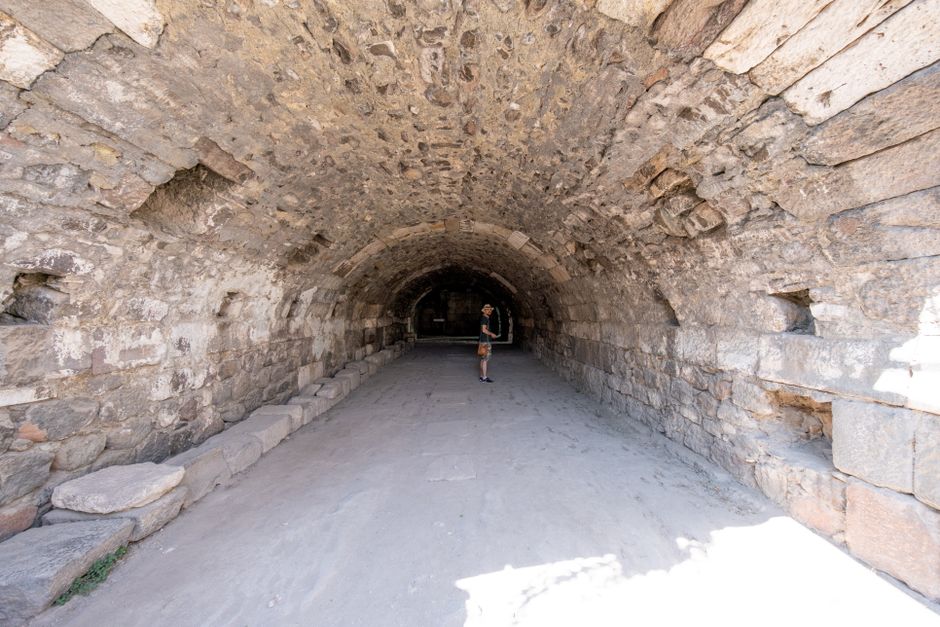
2. A Subterranean Metropolis for Thousands
Derinkuyu, Turkey
Beneath the Cappadocian plains of Turkey lies an ancient, multi-level city capable of housing 20,000 people and their livestock entirely underground.
Derinkuyu is the largest excavated underground city in Turkey, a marvel of ancient engineering. Its 18 levels descend over 200 feet, featuring ventilation shafts, stables, churches, storage rooms, and even a school. Built by early Christians to escape persecution, massive stone doors could seal off tunnels, providing a secure, self-sufficient refuge. Exploring its cool, winding passages offers a profound sense of the ingenuity and desperation of its former inhabitants.

3. The Well That Turns Objects to Stone
Knaresborough, England
In Knaresborough, England, a natural spring drips water so rich in minerals that anything left beneath it slowly turns into stone.
Mother Shipton's Cave and the Petrifying Well have fascinated visitors for centuries, with legends attributing the phenomenon to witchcraft. Scientifically, the water contains extremely high levels of calcium carbonate. As the water evaporates, these minerals are deposited, encasing objects in a hard, stony shell over months. Teddy bears, hats, and even bicycles hang suspended, gradually solidifying, a tangible demonstration of geology's slow, relentless power.
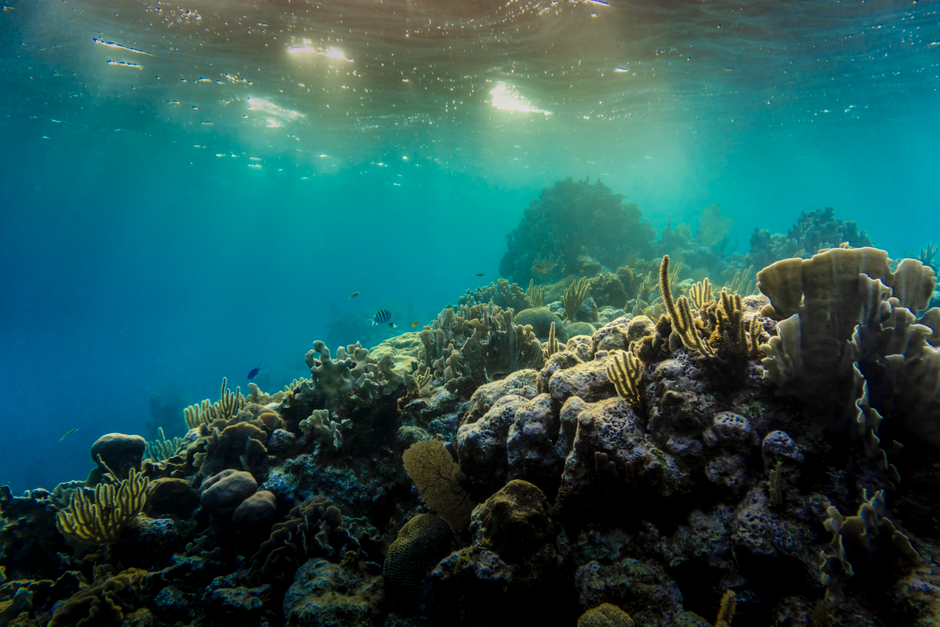
4. From Prison Island to Pristine Coral Haven
Chumbe Island, Tanzania
Once a site for a detention camp, this tiny Tanzanian island is now a globally recognized private marine protected area with some of the most pristine coral reefs in East Africa.
Chumbe Island, off the coast of Zanzibar, was originally uninhabited until the British built a lighthouse and a small prison in the early 20th century. Today, its shallow waters host an incredibly biodiverse coral reef, thriving due to strict conservation efforts. The island operates as an award-winning eco-tourism project, demonstrating how responsible management can revive and protect delicate ecosystems. Snorkeling here reveals an explosion of color and marine life, a stark contrast to its historical past.
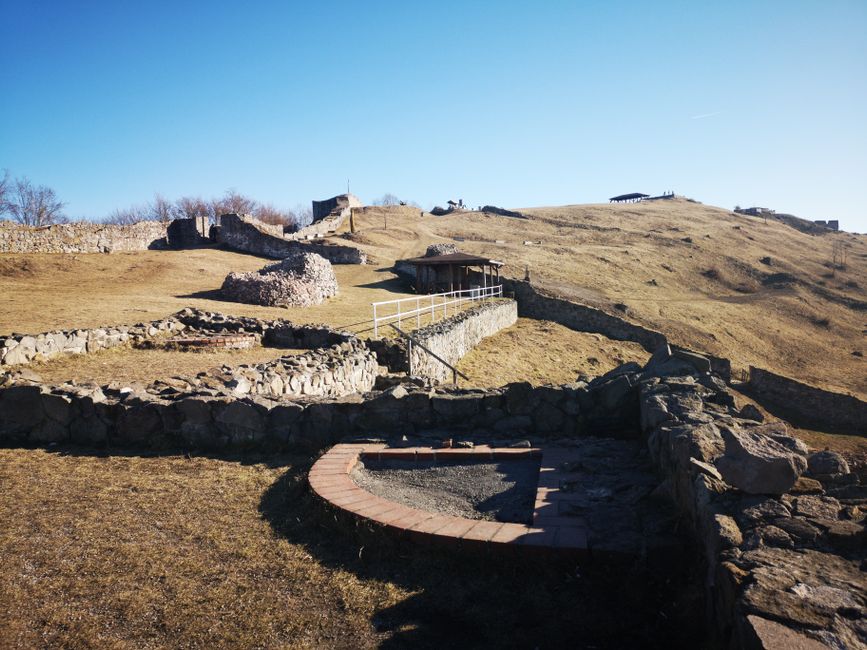
5. The Enigmatic Capital of the Dacians
Sarmizegetusa Regia, Romania
High in the Orăștie Mountains of Romania lie the ruins of Sarmizegetusa Regia, the spiritual and political heart of the Dacian kingdom before its conquest by the Roman Empire.
This ancient fortress city, a UNESCO World Heritage site, reveals sophisticated engineering and astronomical knowledge. Its most striking feature is a large circular sanctuary, often referred to as the "Andesite Sun," believed to be an ancient calendar or observatory. The site also contains evidence of human sacrifice and elaborate water systems. Wandering through its stone circles and defensive walls, one feels the echoes of a powerful, mysterious civilization that once stood defiantly against Rome.
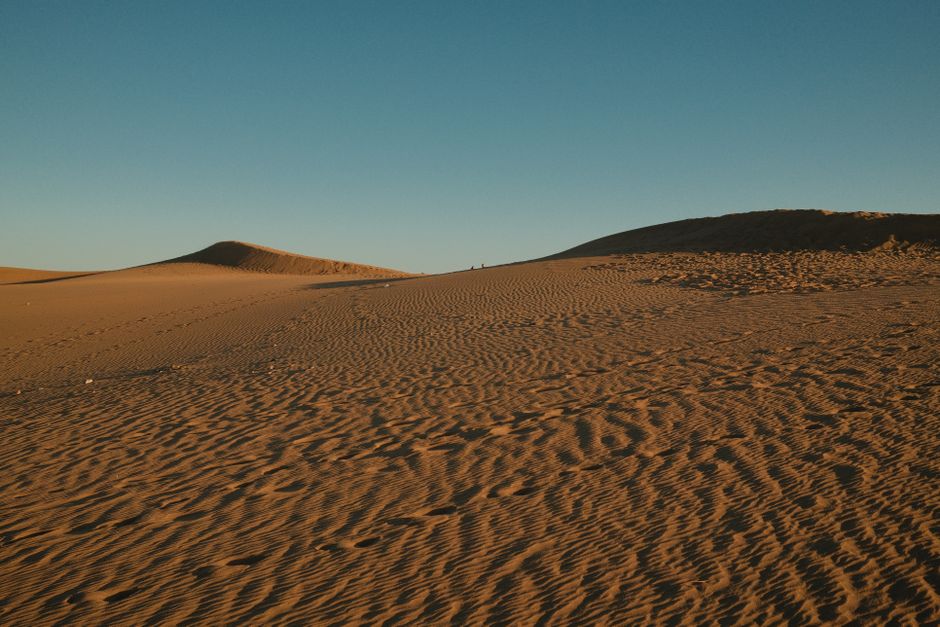
6. The Dunes That Sing in the Gobi
Khongoryn Els, Mongolia
In the remote Gobi Desert of Mongolia, vast sand dunes emit an eerie, deep humming sound that locals call "duut mankhan" or "singing sands."
Stretching over 100 kilometers, the Khongoryn Els dunes are a geological marvel. The "singing" phenomenon occurs when wind blows across the dunes' steep slopes, causing billions of sand grains to rub together and vibrate. The sound can range from a low hum to a roar, sometimes compared to a distant airplane or a pipe organ. Climbing these monumental dunes, especially at dawn or dusk, offers a multi-sensory experience, combining breathtaking views with the desert's mysterious, resonant voice.
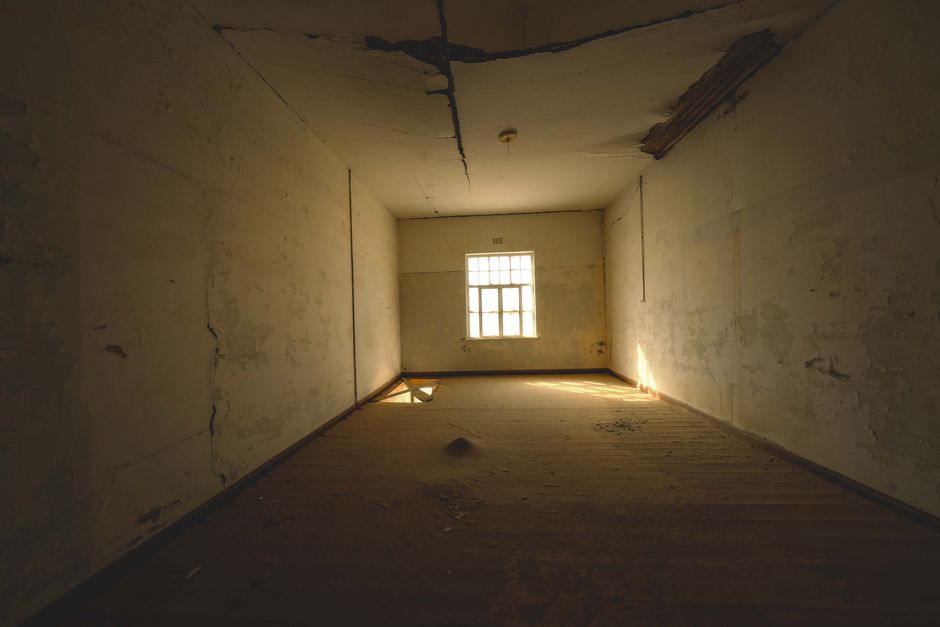
7. The Diamond Town Swallowed by Sand
Kolmanskop, Namibia
Deep in the Namib Desert of Namibia, the deserted diamond mining town of Kolmanskop is slowly being reclaimed by the shifting sands, its once opulent homes now filled with dunes.
Kolmanskop boomed in the early 20th century after diamonds were discovered in the area, leading to the construction of a lavish German-style town complete with a hospital, ballroom, and ice factory. However, after richer diamond fields were found further south, Kolmanskop was abandoned in 1956. Today, the desert wind has filled its grand houses with sand, creating a hauntingly beautiful and surreal landscape. It's a vivid testament to the fleeting nature of boom-and-bust cycles and nature's relentless power.

8. The Naturally Preserved Mummies of Venzone
Venzone, Italy
In a small crypt beneath the chapel of San Michele in Venzone, Italy, lie naturally mummified bodies, preserved not by embalming but by a unique fungal phenomenon.
For centuries, these "mummie di Venzone" have baffled scientists. Unlike Egyptian mummies, they were not artificially prepared. Research revealed that a specific fungus, Hypha bombicina, prevalent in the crypt's soil, rapidly dehydrated the bodies, preventing decomposition. Displayed standing upright, their leathery skin and preserved features offer a chillingly direct connection to lives lived centuries ago, a remarkable example of nature's unexpected preservation methods.
Frequently asked questions
How do natural mummies form?
Natural mummification occurs when environmental conditions, such as extreme dryness, cold, or the presence of specific chemicals or organisms, inhibit the decomposition process. In places like Venzone, a particular fungus rapidly dehydrates the body, preventing bacterial decay and preserving tissues.
What makes a "singing dune" sing?
Singing dunes produce sound when billions of sand grains rub against each other during movement, often triggered by wind or human activity. The specific size, shape, and moisture content of the grains, along with the dune's slope, contribute to the resonance and volume of the sound, which can range from a low hum to a loud roar.
Is the Petrifying Well safe to visit?
Yes, the Petrifying Well in Knaresborough is a popular and safe tourist attraction. The water's high mineral content is what causes objects to "petrify," but it poses no danger to visitors observing the phenomenon. It's a unique natural wonder open for public enjoyment.
How can AllTours.ai help me discover these kinds of places?
AllTours.ai uses advanced AI to identify landmarks, natural features, and cultural sites through your phone's camera. It then narrates their history, geology, and cultural significance in your language, turning any view into an immersive, personalized audio tour, making hidden gems accessible to every traveler.
Related guides
Photography via Pexels. AllTours.ai is an AI audio tour guide — point your camera at any landscape and hear its story.